Kentucky Settlement Agreement Tradename
Description
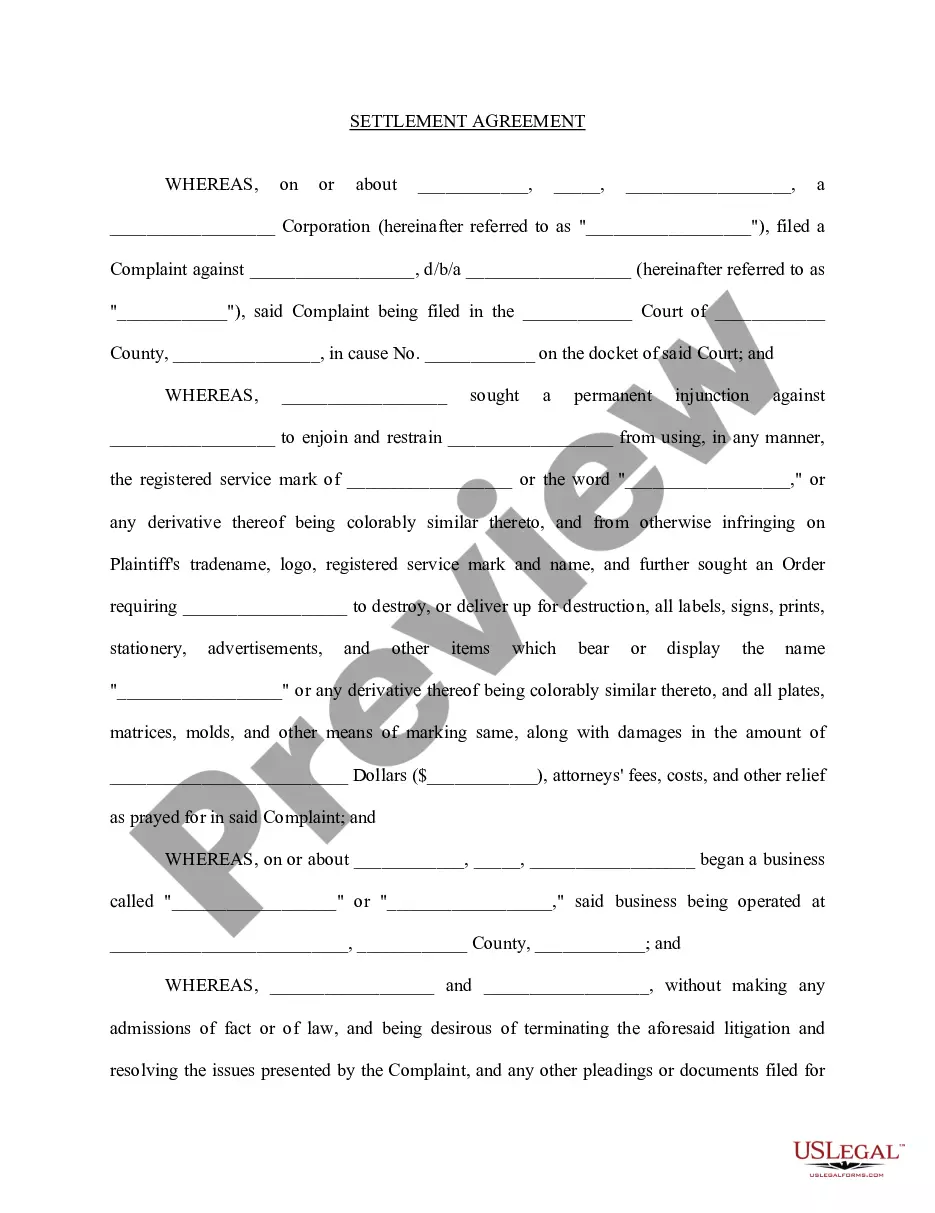
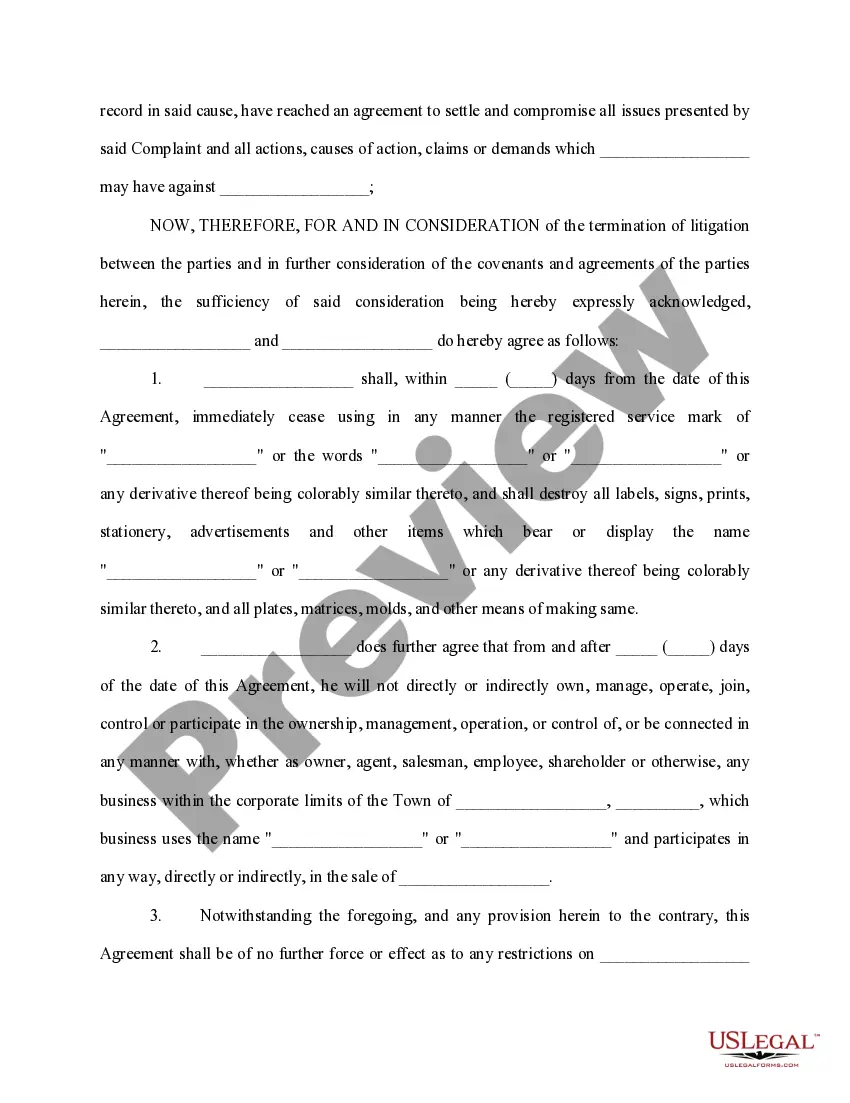
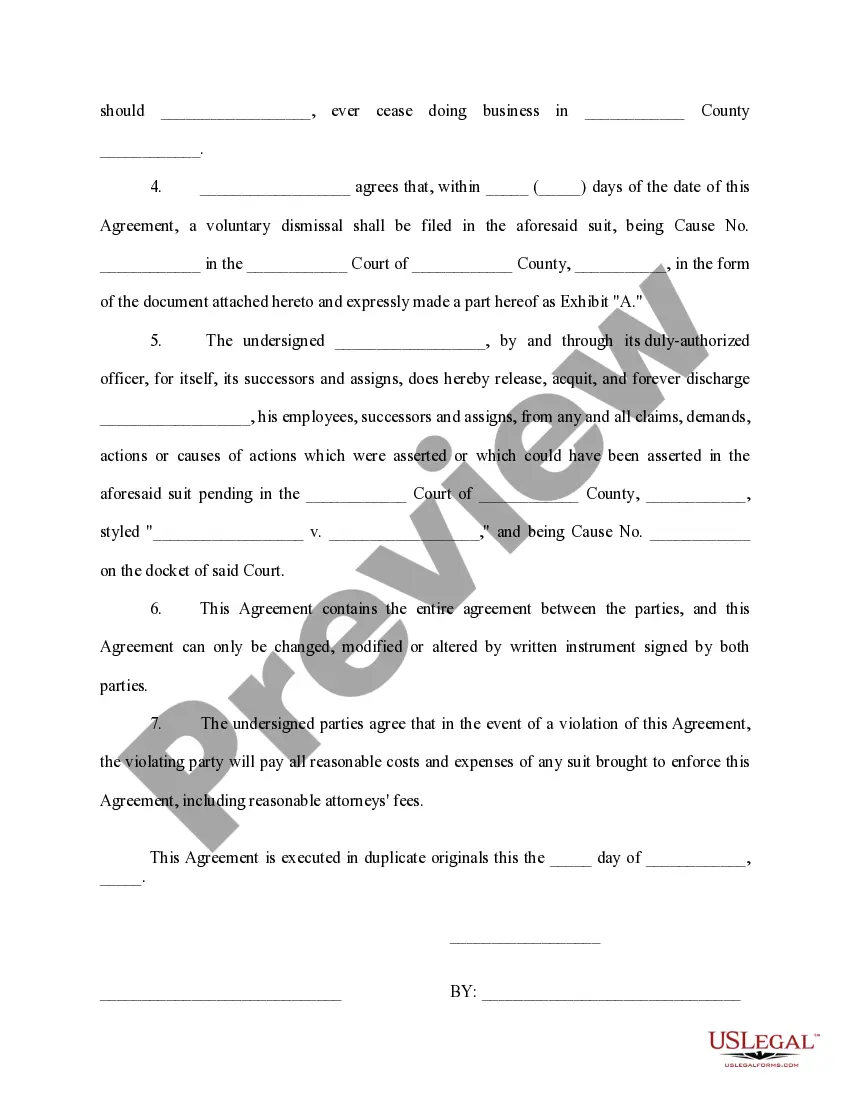
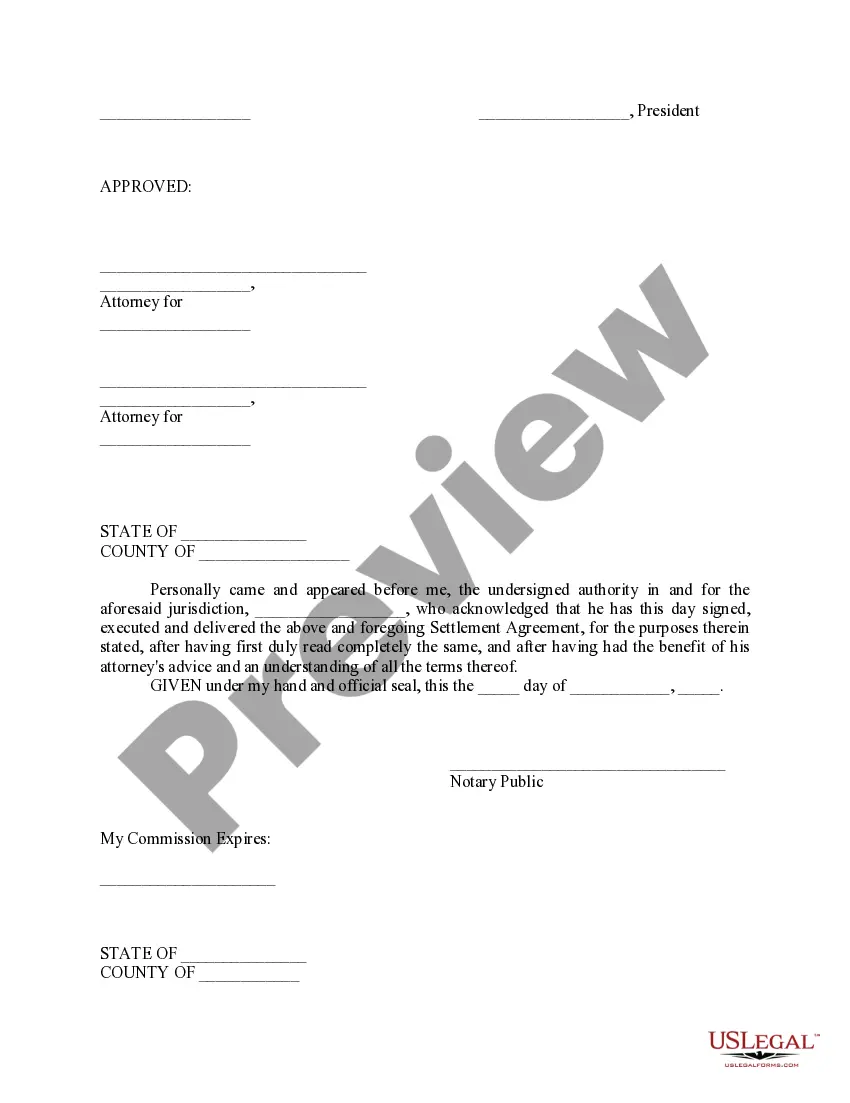
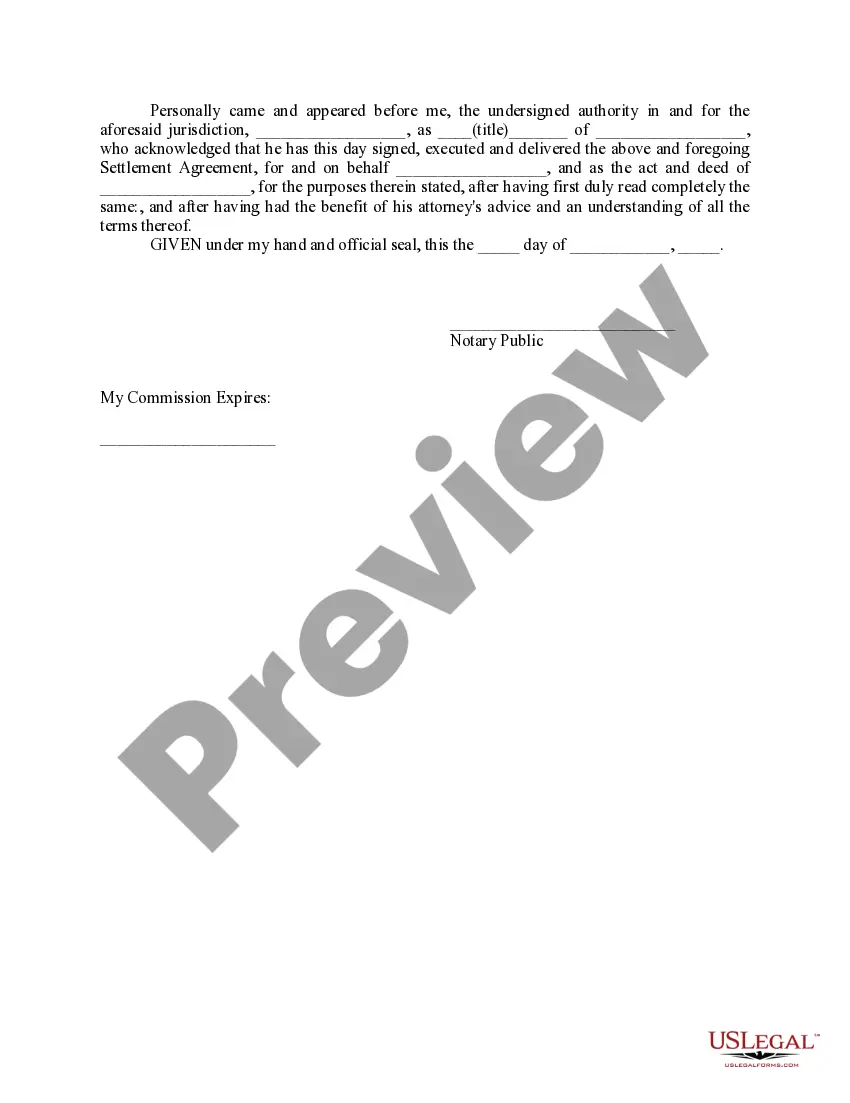
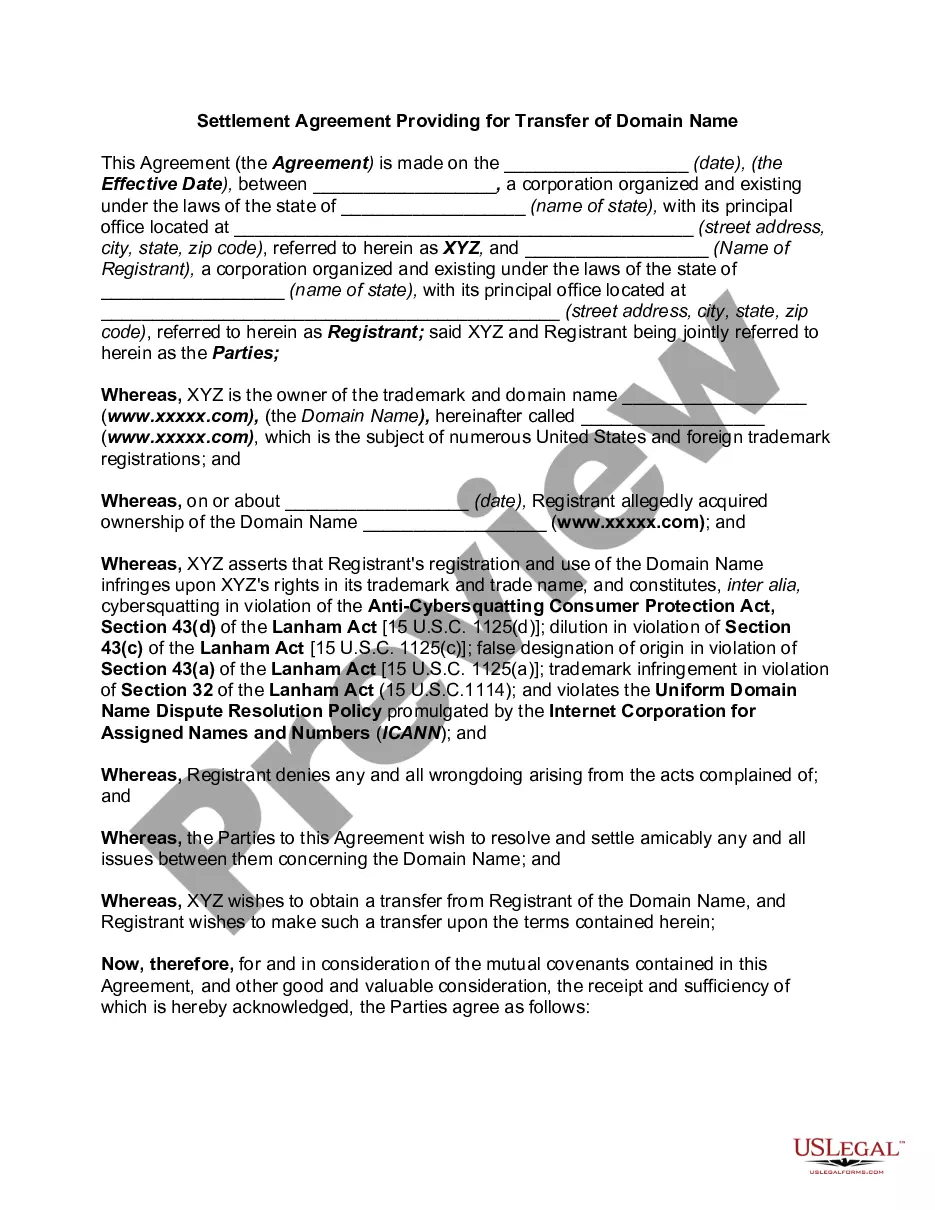
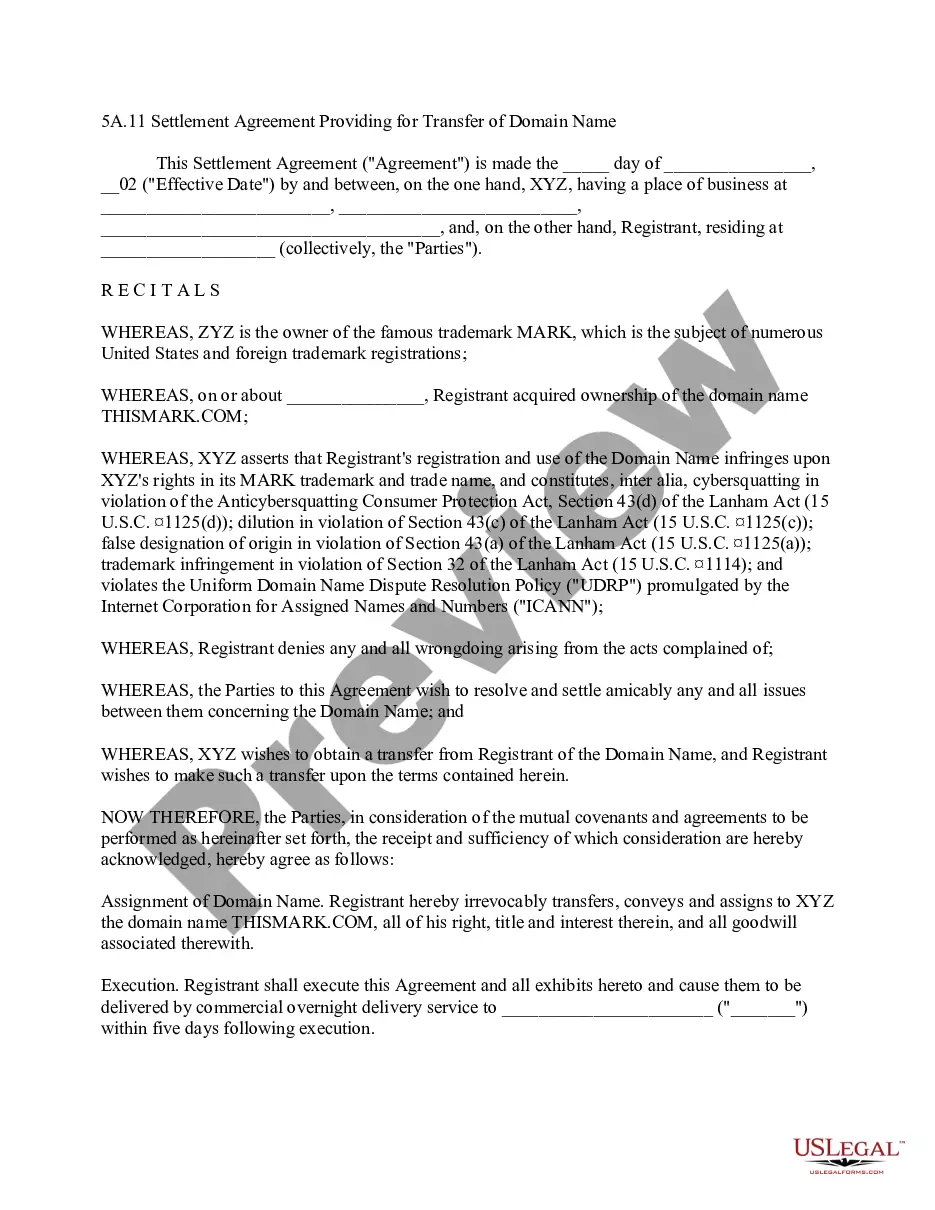
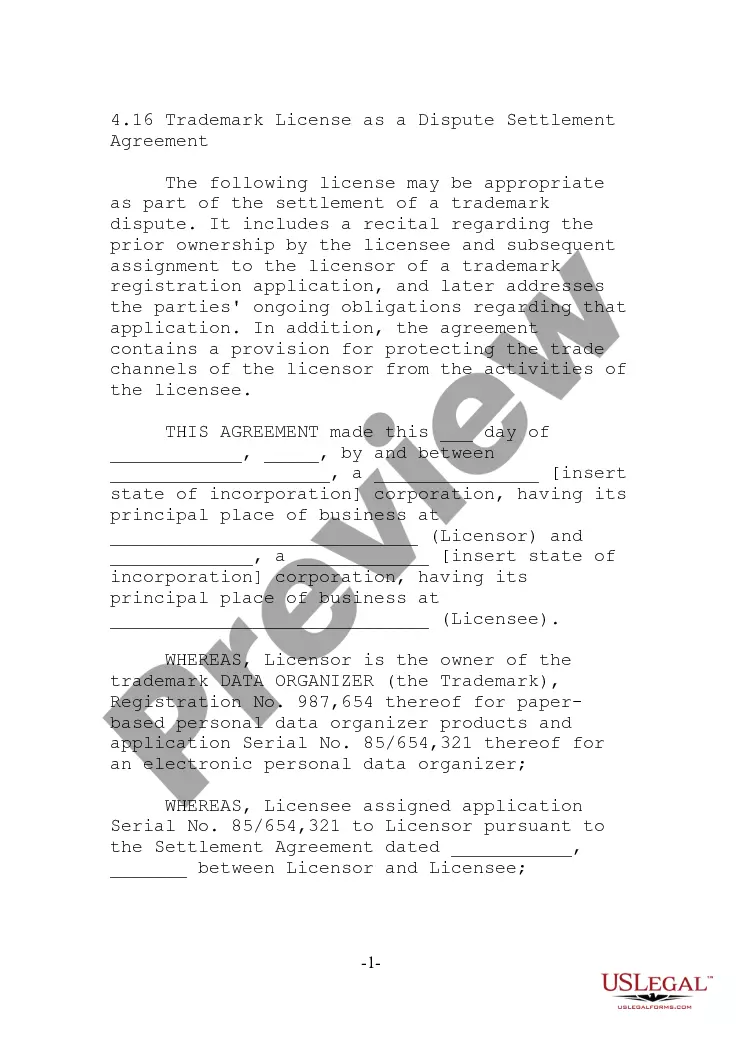

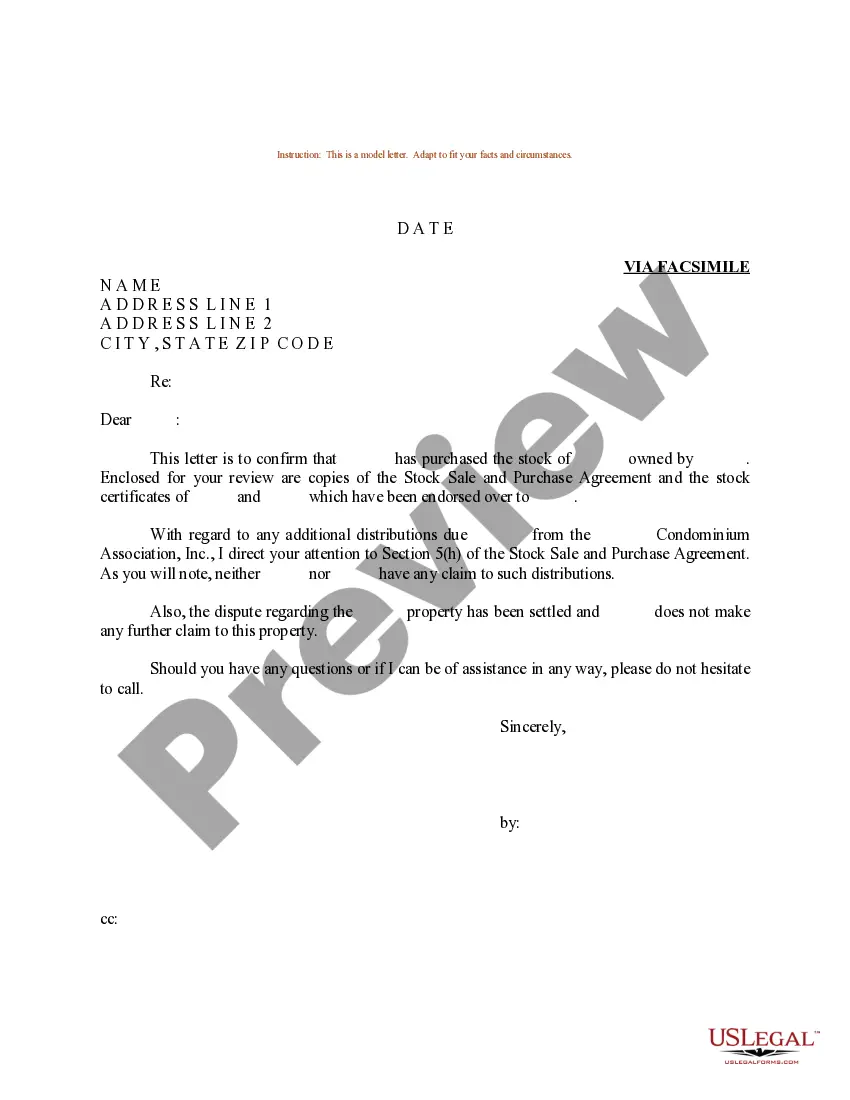
How to fill out Settlement Agreement Tradename?
If you need to finish, obtain, or print authentic document templates, utilize US Legal Forms, the largest collection of legal forms available online.
Take advantage of the site’s straightforward and efficient search to find the documents you require. A variety of templates for business and personal purposes are categorized by types and categories, or keywords.
Utilize US Legal Forms to acquire the Kentucky Settlement Agreement Tradename with just a few clicks.
Step 5. Complete the transaction. You can use your credit card or PayPal account to finalize the purchase.
Step 6. Select the format of the legal document and download it to your device. Step 7. Fill out, edit, and print or sign the Kentucky Settlement Agreement Tradename. Each legal document format you purchase is yours indefinitely. You have access to every form you downloaded in your account. Click on the My documents section and choose a form to print or download again. Compete and download, and print the Kentucky Settlement Agreement Tradename with US Legal Forms. There are millions of professional and state-specific forms available for your business or personal needs.
- If you are already a US Legal Forms user, Log In to your account and click the Download button to locate the Kentucky Settlement Agreement Tradename.
- You can also access forms you previously downloaded in the My documents section of your account.
- If you are using US Legal Forms for the first time, follow these steps.
- Step 1. Ensure you have selected the form for the correct city/state.
- Step 2. Use the Preview function to review the form’s content. Remember to read the description.
- Step 3. If you are unsatisfied with the document, use the Search bar at the top of the screen to find alternative versions of the legal form.
- Step 4. Once you find the form you desire, click the Get now button. Choose the pricing plan you prefer and enter your details to register for an account.
Form popularity
FAQ
Descriptive fair use allows use of a trademarked name in a purely descriptive sense. The key is that use must not be in reference to the mark, and must be done in good faith. For example, a commercial can claim that a drink is sweet and tart, without infringing the mark SWEET TART.
You may file a declaratory judgment lawsuit, asking a court to declare that your mark does not infringe the trademark owner's mark, and/or that the trademark owner's mark is invalid.
The following things cannot be registered as trademarks: Deceptive Words, Names, Phrases, Slogans (they are misleading) Merely Descriptive Words (e.g., Best ice cream, Red car) Merely Decorative Features (they don't identify source)
If a geographical mark has acquired secondary meaning, then it is entitled to trademark protection, which was how the University of Kentucky was able to get a registration in 1997 for the KENTUCKY® mark for hats, t-shirts, jackets and other items of clothing.
The lack of a federal registration means you will not have a presumption of ownership, but you can still sue an infringer for trademark infringement since the Lanham Act allows for lawsuits based on unregistered trademarks.
Though the university's federal trademark registration of "Kentucky" grants it the '"presumption of national ownership around the word' as it relates to clothing," Gerben wrote, the university's case is "likely to fail given that the Commonwealth of Kentucky's mark is for "TEAM KENTUCKY" (as opposed to just the word ...
Trademarking a word allows creators to identify their brands to consumers. When something has trademark protection, competitors cannot use the same words for their offerings. However, you cannot trademark just any word. In general, some words are easier to get a trademark for than others.
To support a trademark infringement claim in court, a plaintiff must prove that it owns a valid mark, that it has priority (its rights in the mark(s) are "senior" to the defendant's), and that the defendant's mark is likely to cause confusion in the minds of consumers about the source or sponsorship of the goods or ...