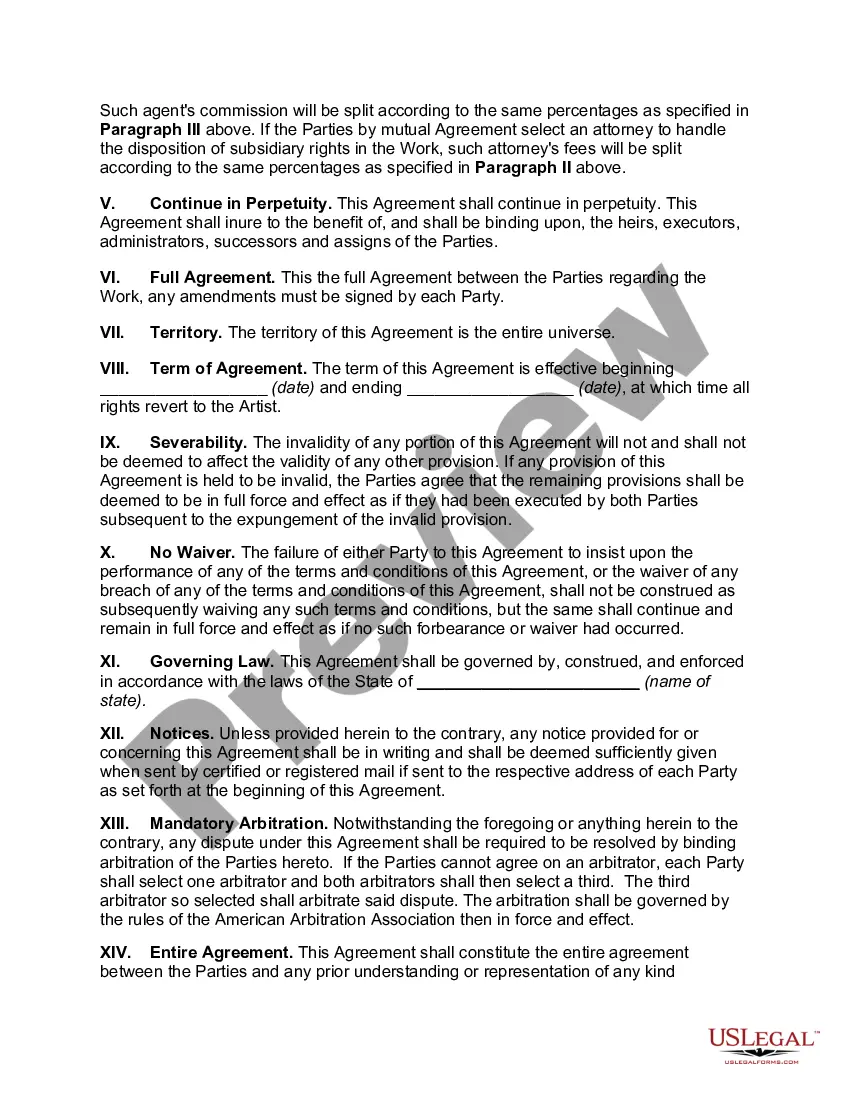
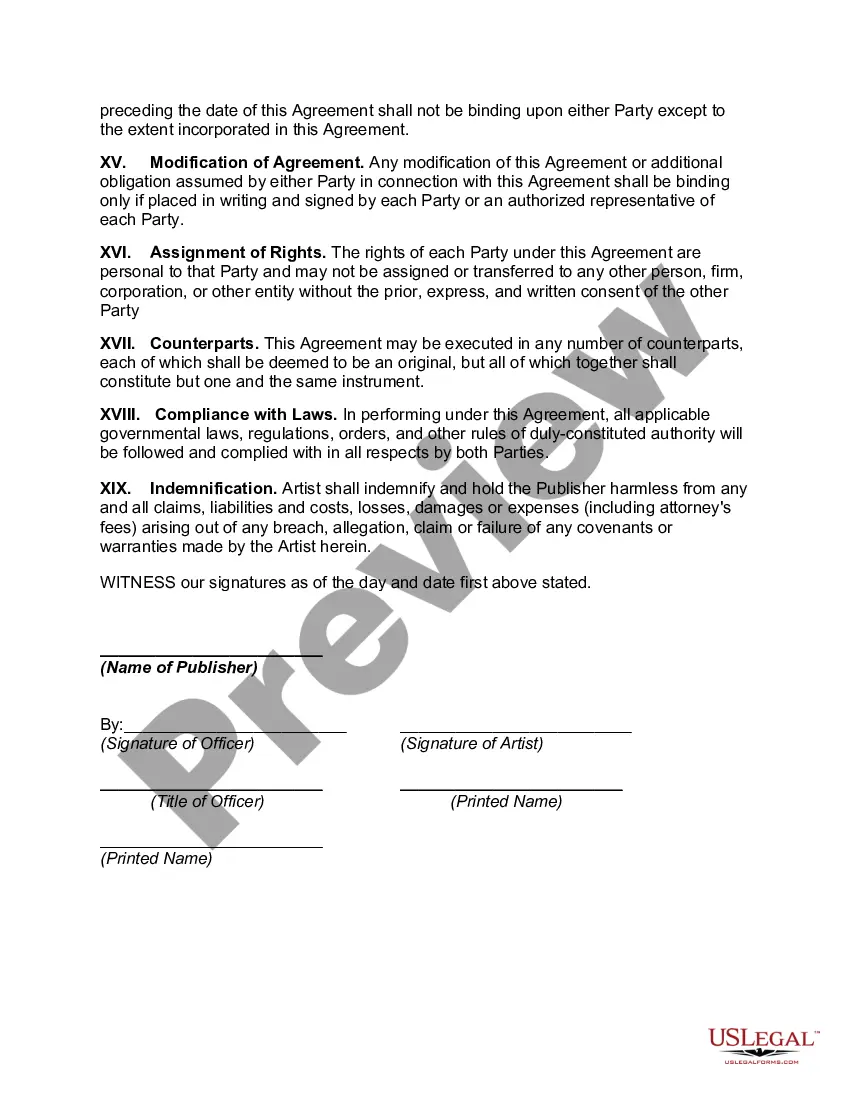
Kansas Royalty Split Agreement
Description
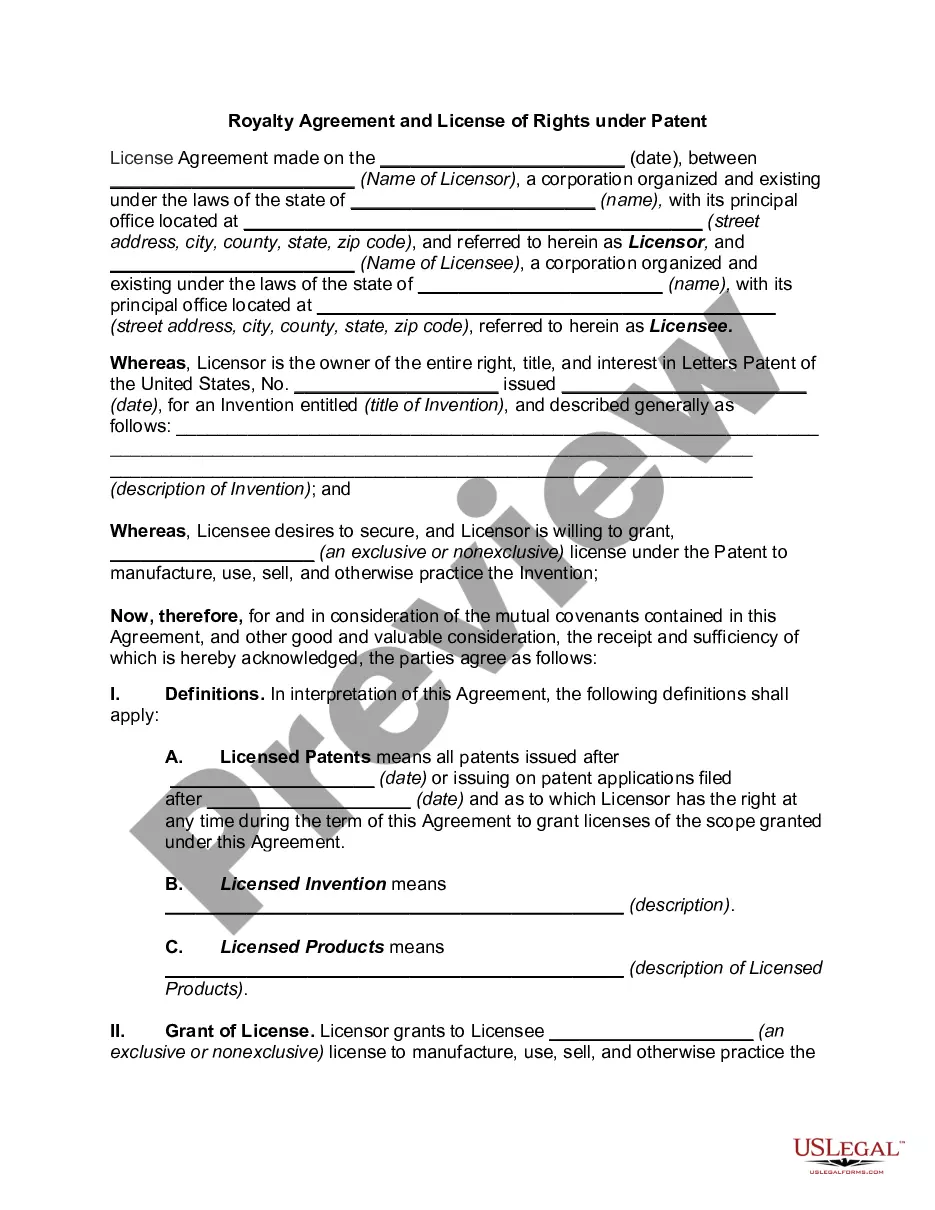
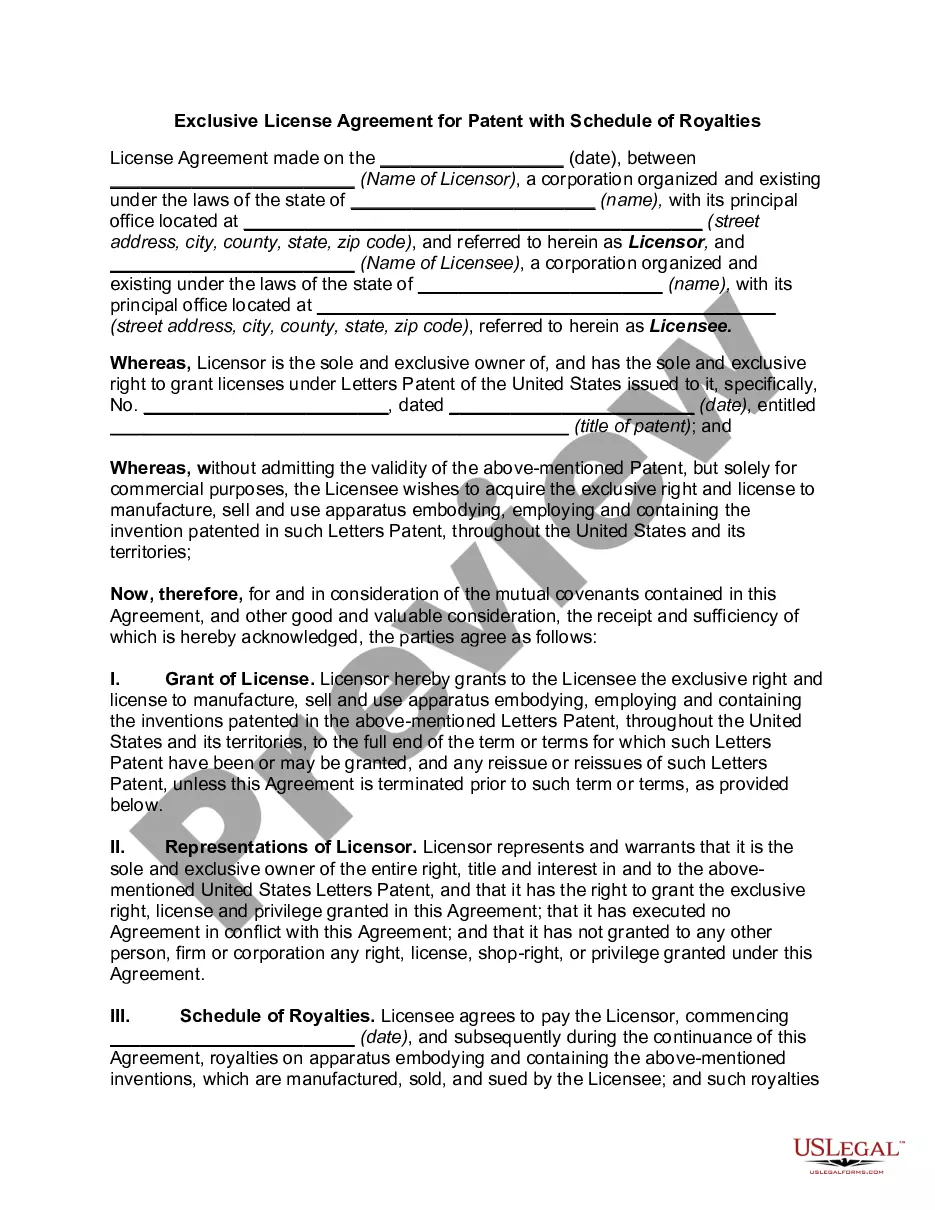
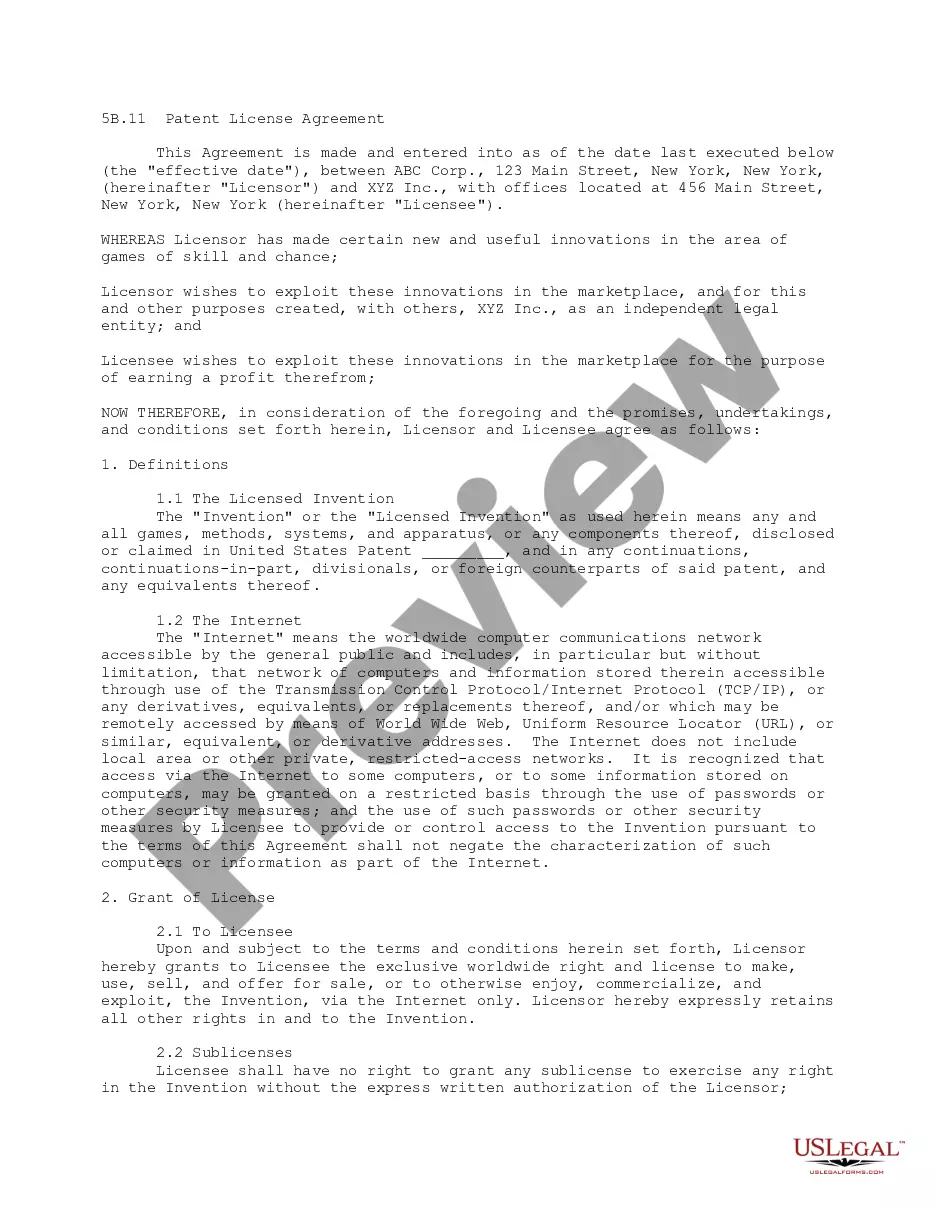
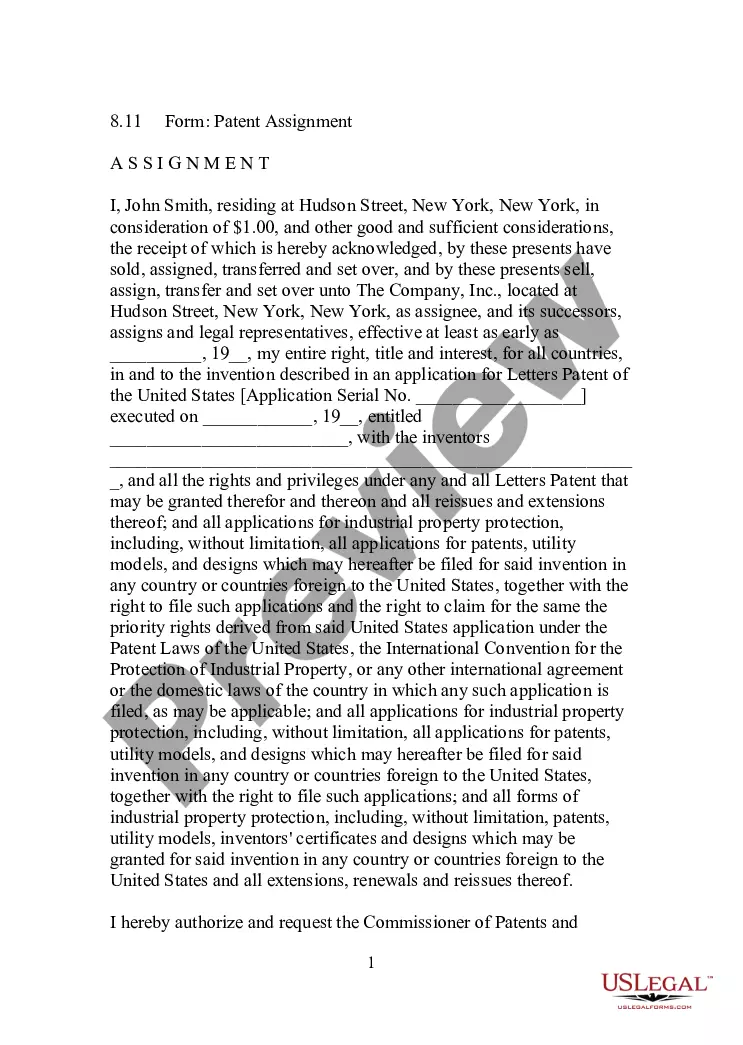
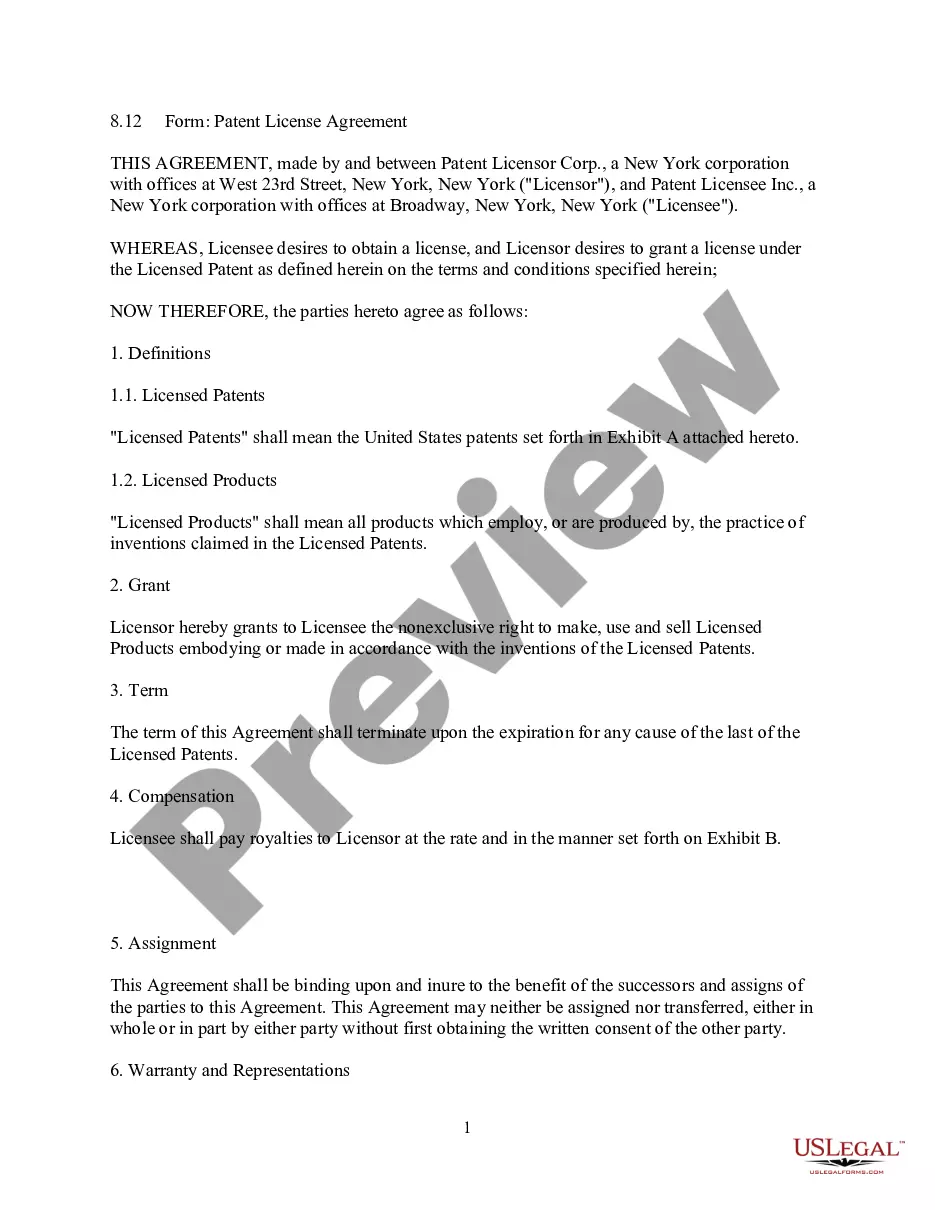
Get your form ready online
Our built-in tools help you complete, sign, share, and store your documents in one place.
Make edits, fill in missing information, and update formatting in US Legal Forms—just like you would in MS Word.
Download a copy, print it, send it by email, or mail it via USPS—whatever works best for your next step.
Sign and collect signatures with our SignNow integration. Send to multiple recipients, set reminders, and more. Go Premium to unlock E-Sign.
If this form requires notarization, complete it online through a secure video call—no need to meet a notary in person or wait for an appointment.
We protect your documents and personal data by following strict security and privacy standards.

Make edits, fill in missing information, and update formatting in US Legal Forms—just like you would in MS Word.

Download a copy, print it, send it by email, or mail it via USPS—whatever works best for your next step.

Sign and collect signatures with our SignNow integration. Send to multiple recipients, set reminders, and more. Go Premium to unlock E-Sign.

If this form requires notarization, complete it online through a secure video call—no need to meet a notary in person or wait for an appointment.

We protect your documents and personal data by following strict security and privacy standards.
Looking for another form?



How to fill out Royalty Split Agreement?
Are you presently in a location where you need documentation for either business or particular activities almost every day.
There are numerous legal document templates accessible online, but finding ones you can trust isn’t easy.
US Legal Forms provides a plethora of form templates, including the Kansas Royalty Split Agreement, designed to comply with state and federal regulations.
If you discover the suitable form, click on Buy now.
Choose the payment plan you prefer, fill in the required information to create your account, and make the payment using your PayPal or credit card.
- If you are currently acquainted with the US Legal Forms website and have your account, simply Log In.
- Then, you can download the Kansas Royalty Split Agreement template.
- If you do not have an account and wish to start using US Legal Forms, follow these steps.
- Select the form you need and ensure it is for the correct city/county.
- Utilize the Review button to examine the form.
- Check the description to confirm that you have chosen the appropriate form.
- If the form isn’t what you are looking for, use the Search box to find the form that fulfills your needs.
Form popularity
FAQ
But if you do cover a song, you must pay a royalty to the song's creator (that's the licensing part). What's more, the royalty rate is always the sameit's statutory, meaning fixed and not subject to individual negotiationno matter who covers the song and how many (or few) copies they sell.
The way a royalty is calculated depends on the license agreement relating to the intangible in question. Usually, it is calculated as a royalty percentage a portion of the gross or net revenue gained through the exploitation of the licensor's IP. It can also be expressed as a fixed value.
Under the traditional recording agreement, recording artist royalties usually range from 10% to 25% of the suggested retail price for top-line albums (although many record companies have begun to compute royalties on the wholesale price).
Performance royalties are shared 50/50 between the publisher and the songwriter, so each gets 50% of the revenue. If you are both the songwriter and the publisher for your own music, you will receive 100% of performance royalties.
Performance royalties are shared 50/50 between the publisher and the songwriter, so each gets 50% of the revenue. If you are both the songwriter and the publisher for your own music, you will receive 100% of performance royalties.
All music publishing income is split 50/50 between the songwriter and the publisher. This is typically referred to as the writer share and publisher share of income. No matter how many writers and publishers, the publishing royalties are split in this way.
For example: if a split is set as 50% and 50% on March 3 and then changed (and accepted) to 75% and 25% on March 20, all March royalties will be paid out according to latest update, in this case 75% and 25%.
The record royalty for a producer is usually between 3% to 4% of the record's sales price or 20% to 25% of the artist's royalties. On a CD that sells for $10.98, the producer's royalty would be about 33 cents for each copy sold and for a digital download of an album priced at $9.98 the producer receives 30 cents.
We recommend to split royalties and rights evenly between each band member to keep things easy. In hip hop, the producer will usually request 50%, while the other top liners will split the remaining 50%.
How does BMI split royalties between songwriters and publishers? One half is designated for the songwriter(s), and the other half is designated for the publisher(s) or copyright holder(s). Learn more about how BMI pays royalties. If you do not have a publisher, you will also receive the publisher's share as a writer.