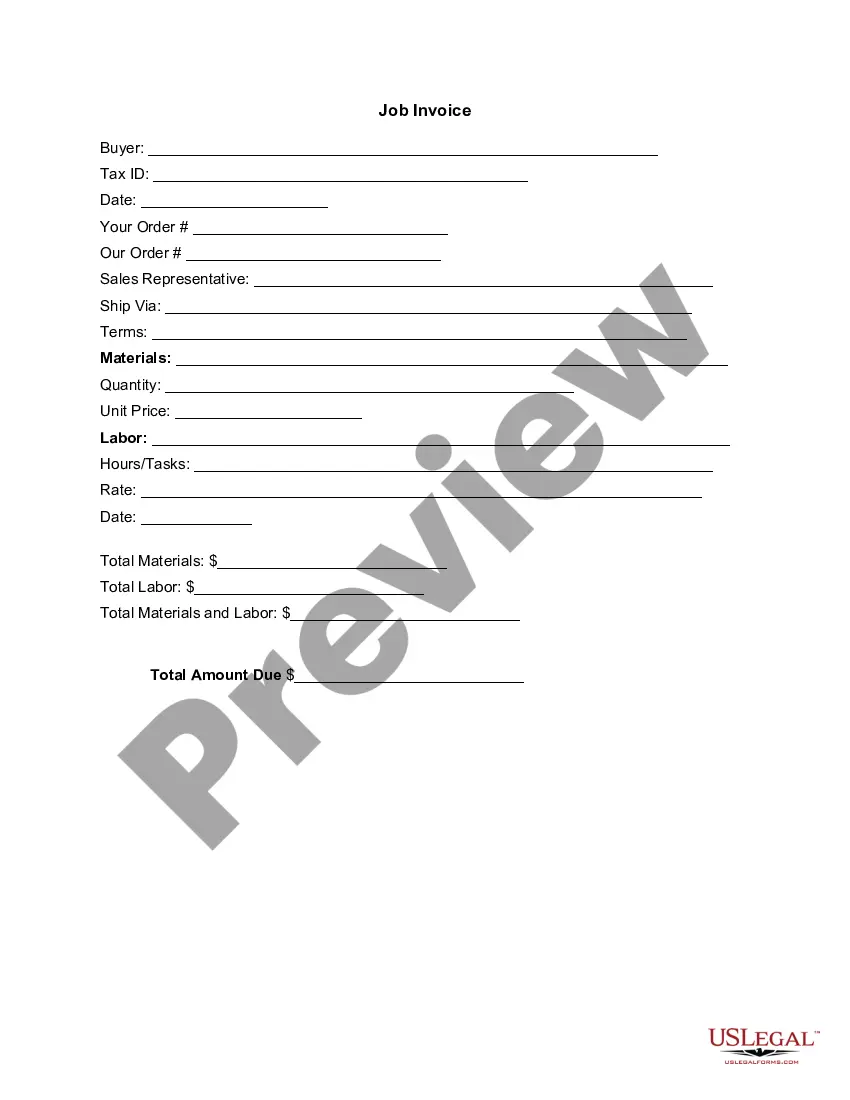
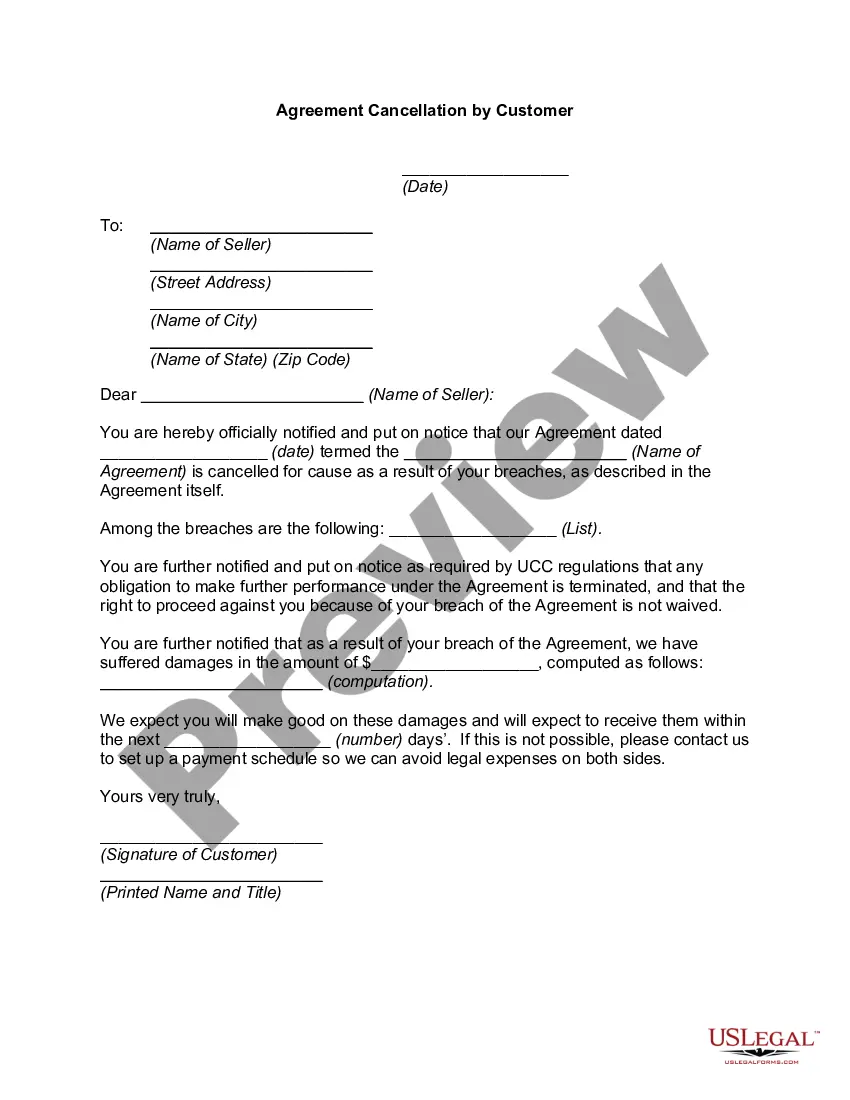
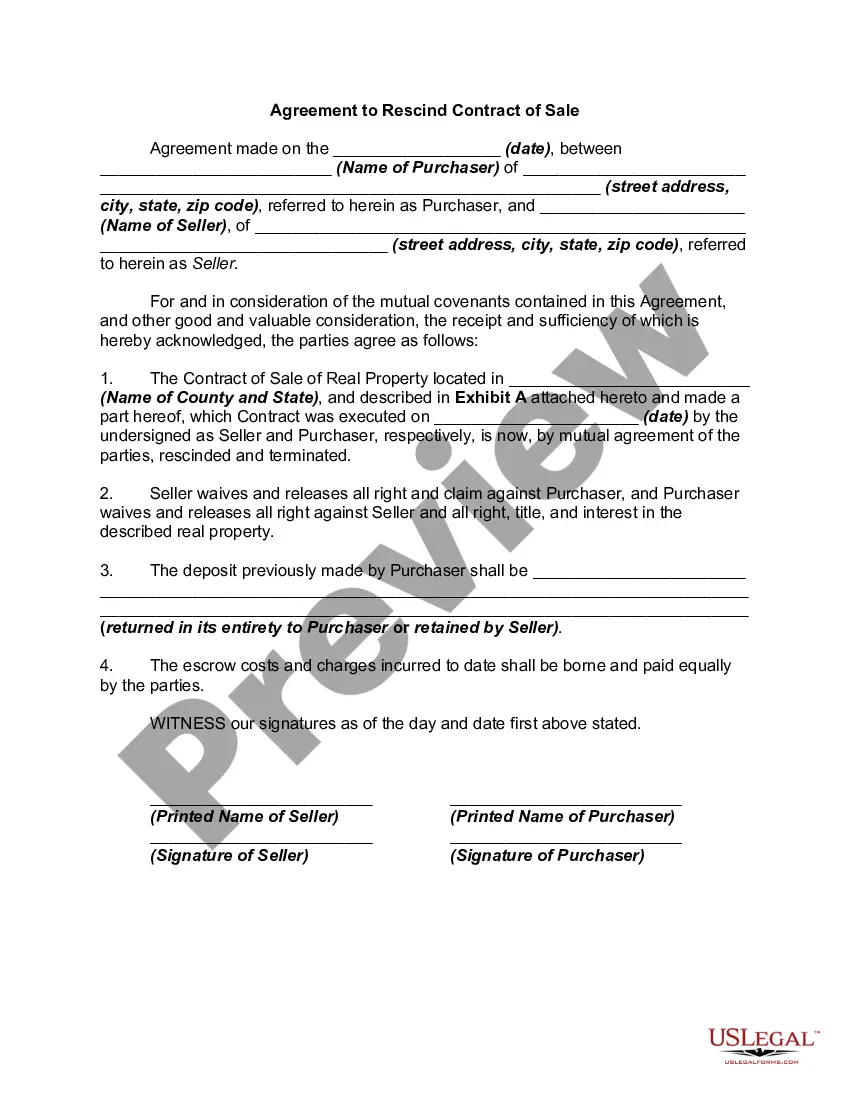
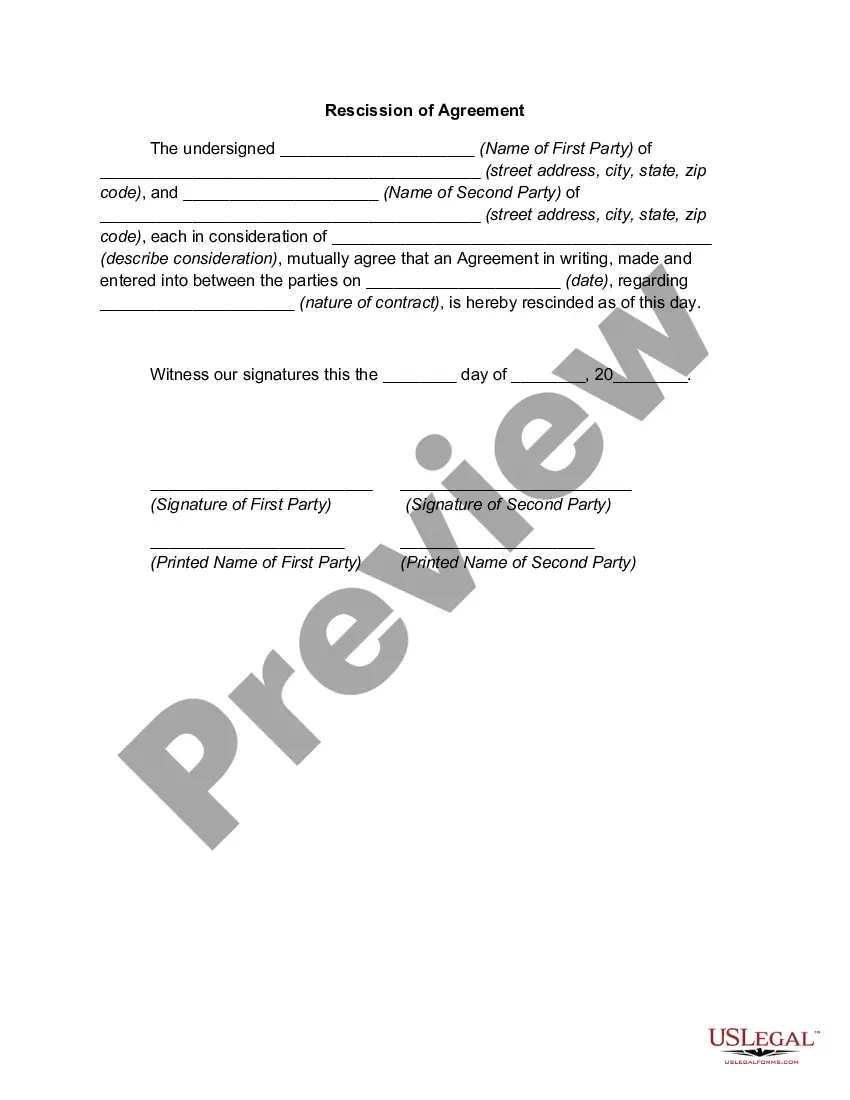
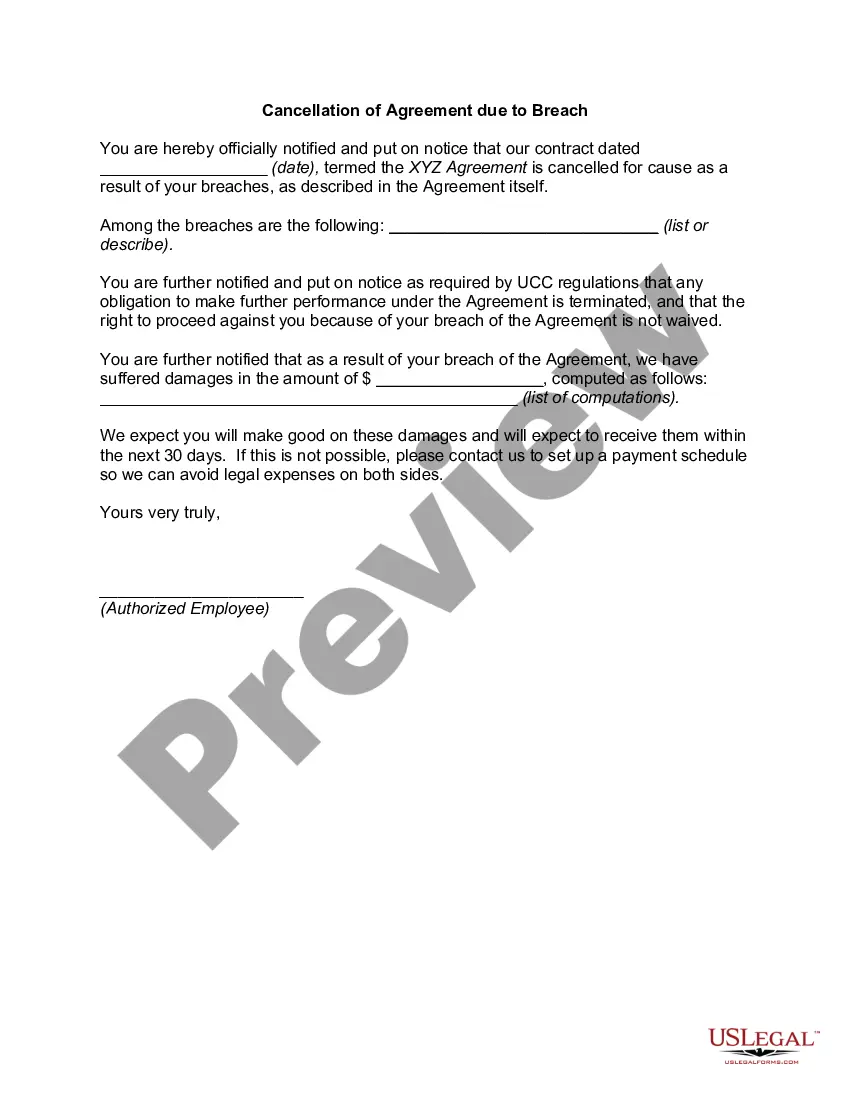
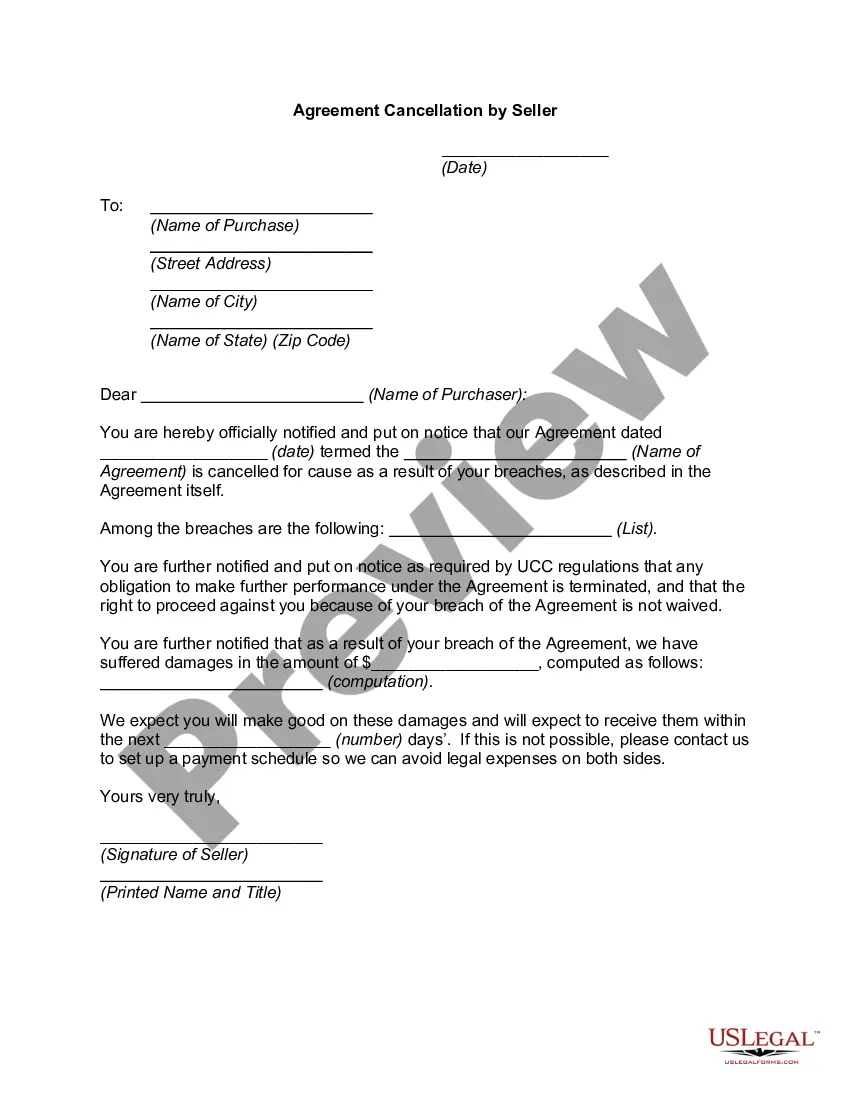
Kansas Agreement Cancellation by Customer
Description

Get your form ready online
Our built-in tools help you complete, sign, share, and store your documents in one place.
Make edits, fill in missing information, and update formatting in US Legal Forms—just like you would in MS Word.
Download a copy, print it, send it by email, or mail it via USPS—whatever works best for your next step.
Sign and collect signatures with our SignNow integration. Send to multiple recipients, set reminders, and more. Go Premium to unlock E-Sign.
If this form requires notarization, complete it online through a secure video call—no need to meet a notary in person or wait for an appointment.
We protect your documents and personal data by following strict security and privacy standards.

Make edits, fill in missing information, and update formatting in US Legal Forms—just like you would in MS Word.

Download a copy, print it, send it by email, or mail it via USPS—whatever works best for your next step.

Sign and collect signatures with our SignNow integration. Send to multiple recipients, set reminders, and more. Go Premium to unlock E-Sign.

If this form requires notarization, complete it online through a secure video call—no need to meet a notary in person or wait for an appointment.

We protect your documents and personal data by following strict security and privacy standards.
Looking for another form?
How to fill out Agreement Cancellation By Customer?
If you aim to finalize, obtain, or print legal document templates, utilize US Legal Forms, the largest compilation of legal documents available online.
Employ the site's straightforward and convenient search feature to find the documents you need. A range of templates for both business and personal use are categorized by types and states, or keywords.
Make use of US Legal Forms to obtain the Kansas Agreement Termination by Customer with just a few clicks.
Every legal document format you purchase is yours indefinitely. You have access to all documents you saved in your account. Click the My documents section and select a document to print or download again.
Stay competitive and download, as well as print the Kansas Agreement Termination by Customer with US Legal Forms. There are millions of professional and state-specific forms you can use for your business or personal requirements.
- If you are already a US Legal Forms user, Log In to your account and click the Download button to receive the Kansas Agreement Termination by Customer.
- You may also access documents you have previously saved in the My documents section of your account.
- If you are using US Legal Forms for the first time, follow the steps below.
- Step 1. Ensure you have selected the form for the correct city/state.
- Step 2. Use the Review option to examine the form’s contents. Do not forget to read the description.
- Step 3. If you are not satisfied with the form, use the Search field at the top of the screen to locate alternative versions of the legal form format.
- Step 4. Once you have found the form you need, click the Purchase now button. Choose the payment plan that suits you and enter your details to register for an account.
- Step 5. Complete the transaction. You can use your credit card or PayPal account to finalize the transaction.
- Step 6. Select the format of the legal form and download it to your device.
- Step 7. Fill out, edit, and print or sign the Kansas Agreement Termination by Customer.
Form popularity
FAQ
The General Rule: Contracts Are Effective When Signed Unless a contract contains a specific rescission clause that grants the right for a party to cancel the contract within a certain amount of time, a party cannot back out of a contract once they have agreed and signed it.
Updated November 2, 2020: The 72-hour contract law allows consumers the right to cancel a contract during what is referred to as a "cooling off" period. The timeframe for canceling is usually 72 hours, which means a consumer has until midnight after the third day the contract is signed.
Many states, like California, grant consumers a statutory "cooling off" period, typically three to five days, during which a consumer can cancel a contract for any reason by sending the seller a written cancellation notice.
A party to a contract can always agree to release the other person from their obligations. To cancel a contract by consent, each party agrees to give up any rights to receive an agreed upon benefit, and promises not to sue the other person for a breach of contract.
Be Firm. No matter the reason, you need to let your client know that breaking the contract will not work for your company.Pick Up The Phone.Come Up With A Plan To Fix Their Issues.Remind Them Of The Terms Of Your Agreement.Don't Get Emotional.Consider Restructuring Or Changing The Agreement.
There is a federal law (and similar laws in every state) allowing consumers to cancel contracts made with a door-to-door salesperson within three days of signing. The three-day period is called a "cooling off" period.
The General Rule: Contracts Are Effective When SignedUnless a contract contains a specific rescission clause that grants the right for a party to cancel the contract within a certain amount of time, a party cannot back out of a contract once they have agreed and signed it.
Federal and state consumer laws allow people to cancel certain contracts or sales of goods for any reason, such as buyer's remorse, or for no reason at all. The Federal Trade Commission (FTC) requires sellers of goods in certain circumstances to allow consumers a cooling off period.