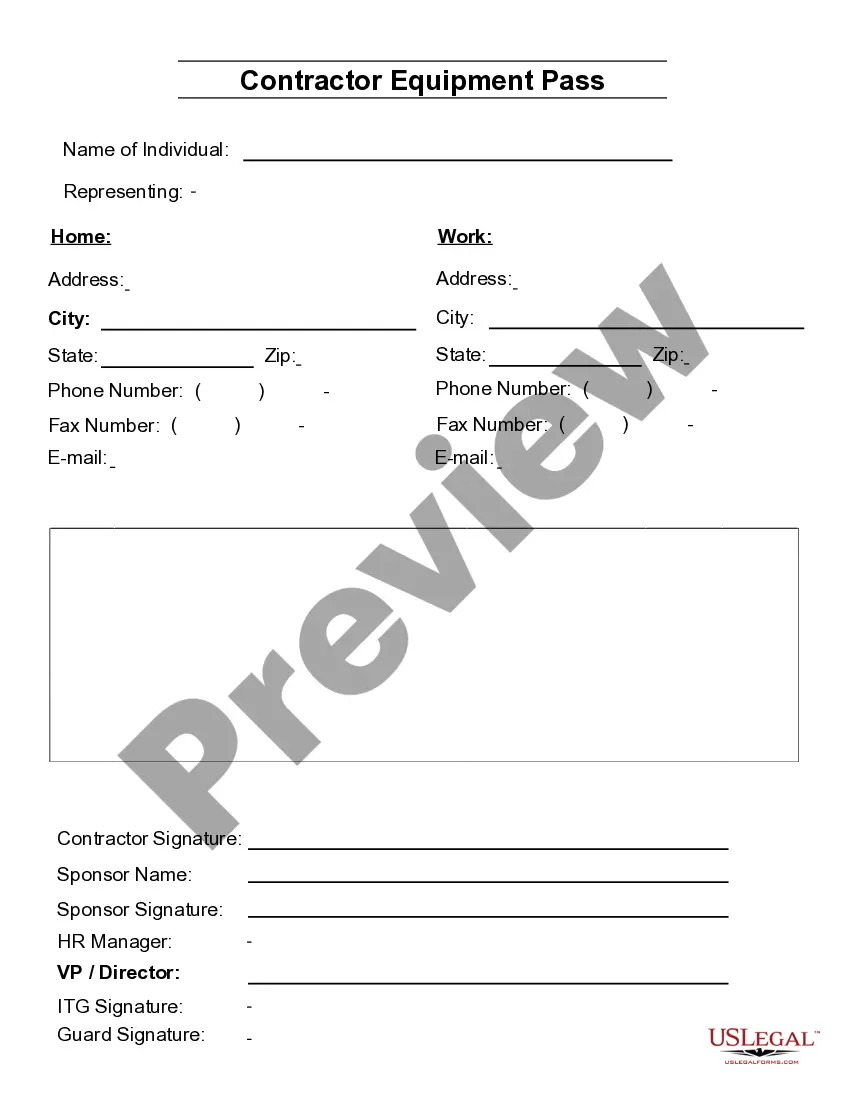
Kansas Contractor Equipment Pass
Description
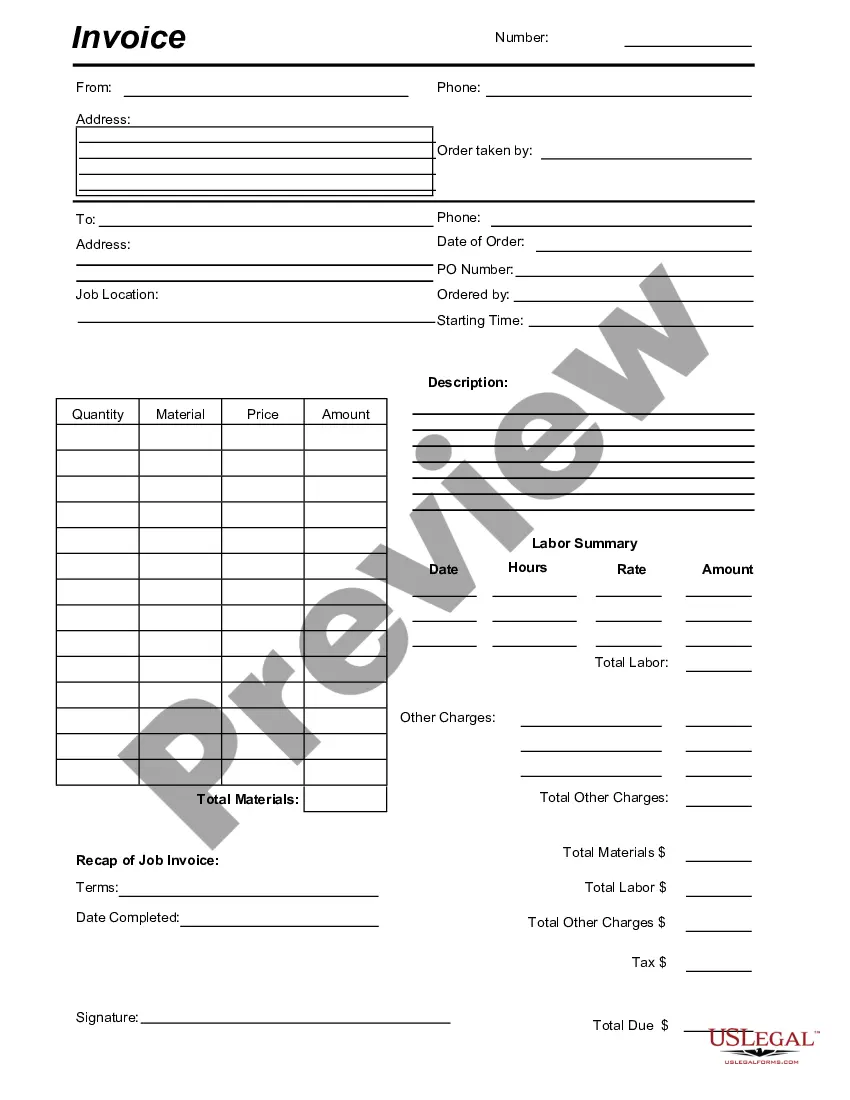
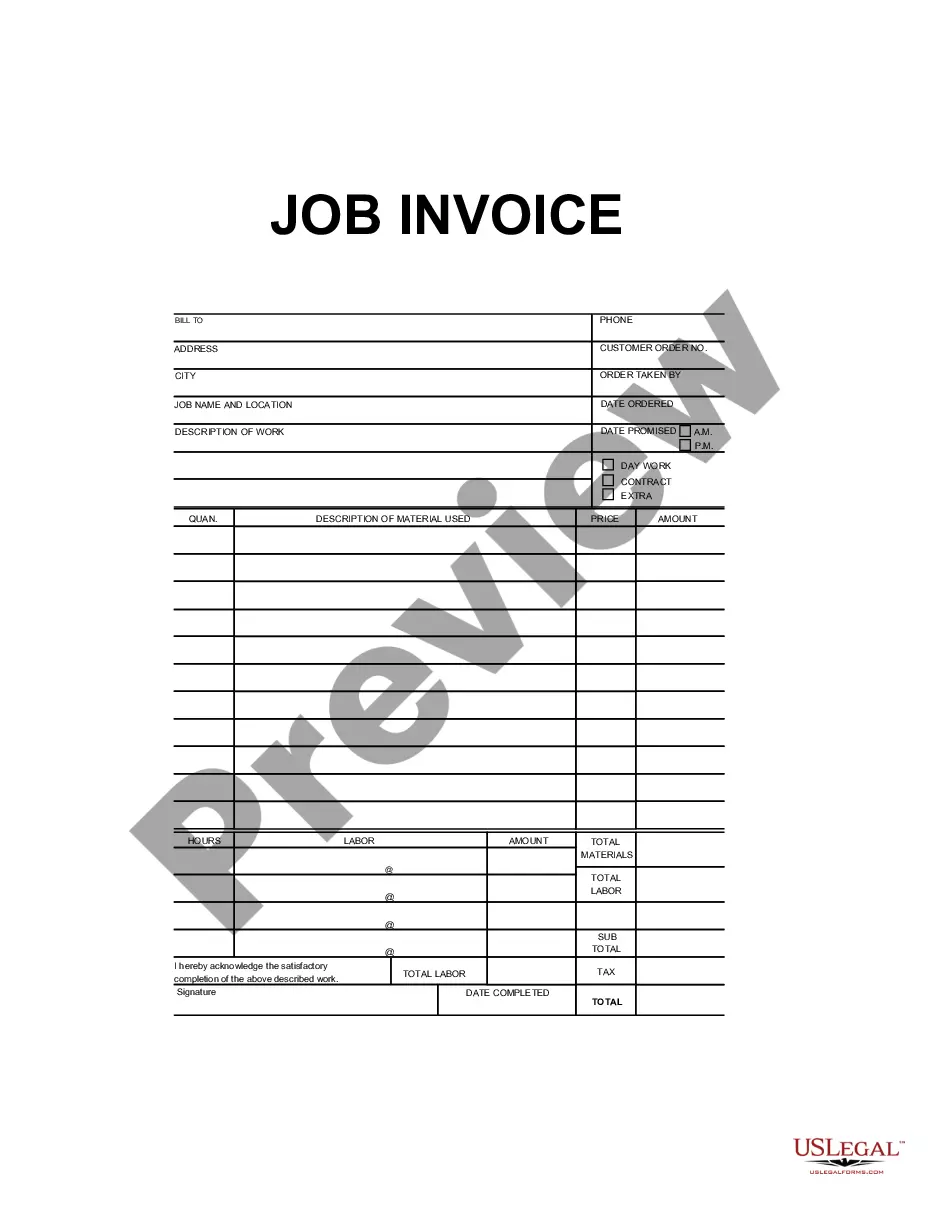
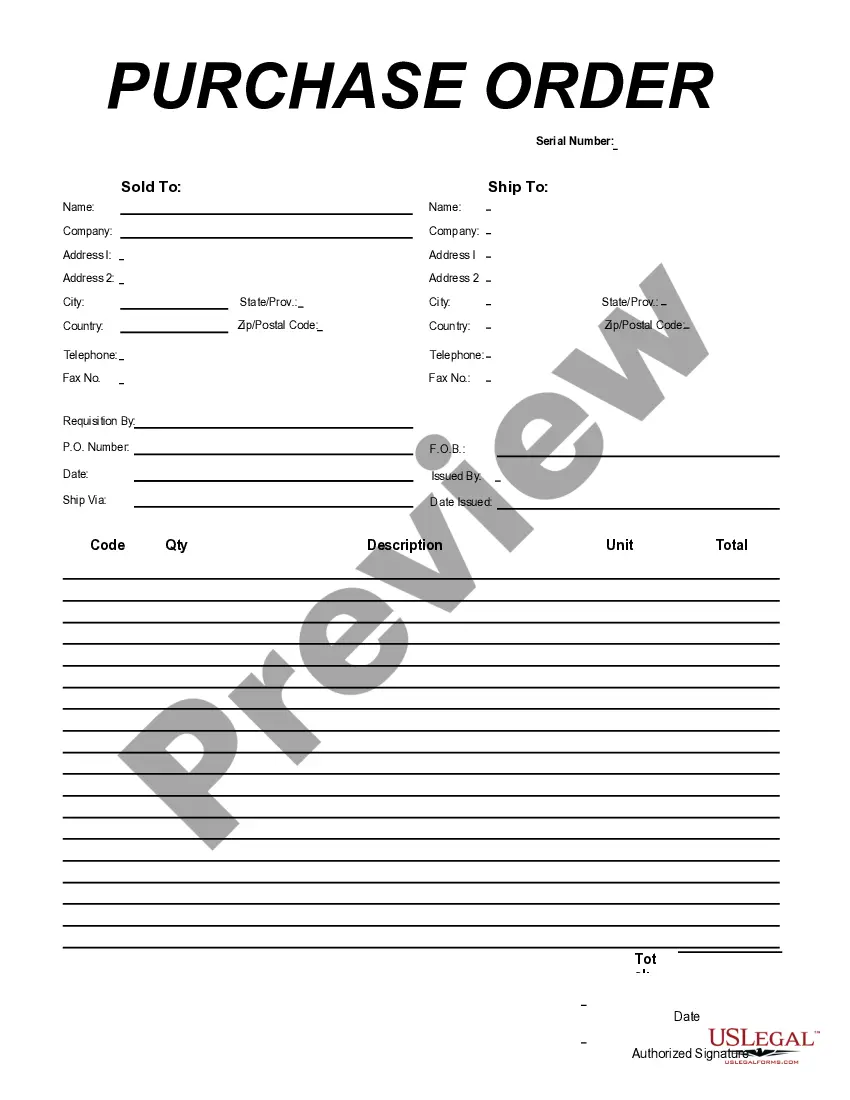
Get your form ready online
Our built-in tools help you complete, sign, share, and store your documents in one place.
Make edits, fill in missing information, and update formatting in US Legal Forms—just like you would in MS Word.
Download a copy, print it, send it by email, or mail it via USPS—whatever works best for your next step.
Sign and collect signatures with our SignNow integration. Send to multiple recipients, set reminders, and more. Go Premium to unlock E-Sign.
If this form requires notarization, complete it online through a secure video call—no need to meet a notary in person or wait for an appointment.
We protect your documents and personal data by following strict security and privacy standards.

Make edits, fill in missing information, and update formatting in US Legal Forms—just like you would in MS Word.

Download a copy, print it, send it by email, or mail it via USPS—whatever works best for your next step.

Sign and collect signatures with our SignNow integration. Send to multiple recipients, set reminders, and more. Go Premium to unlock E-Sign.

If this form requires notarization, complete it online through a secure video call—no need to meet a notary in person or wait for an appointment.

We protect your documents and personal data by following strict security and privacy standards.
Looking for another form?




How to fill out Contractor Equipment Pass?
You can spend numerous hours online searching for the official document template that complies with the federal and state requirements you need.
US Legal Forms provides a vast array of legal forms that have been vetted by experts.
You can download or print the Kansas Contractor Equipment Pass from our platform.
If available, use the Review button to examine the document template as well.
- If you already possess a US Legal Forms account, you can Log In and click on the Download button.
- Subsequently, you can complete, edit, print, or sign the Kansas Contractor Equipment Pass.
- Every legal document template you obtain is yours indefinitely.
- To retrieve another copy of the obtained form, visit the My documents section and click on the respective button.
- If you are using the US Legal Forms website for the first time, follow the simple instructions outlined below.
- First, ensure that you have selected the appropriate document template for the region/city of your choice.
- Review the form details to confirm you have chosen the correct one.
Form popularity
FAQ
The difference between Class A and Class B air conditioning licenses lies in the scope of work authorized. A Class A license allows contractors to work on any project type, while a Class B license is generally limited to smaller, residential jobs. For those dealing with projects requiring a Kansas Contractor Equipment Pass, understanding these distinctions is paramount for compliance and successful operation.
To obtain your contractor license in Kansas, you need to complete an application that includes documentation of your experience and relevant skills. Additionally, passing a licensing exam and securing the necessary insurance will help you comply with state regulations. Utilizing resources like US Legal Forms can simplify the process of acquiring your Kansas Contractor Equipment Pass.
To obtain a Class B contractor license in Virginia, candidates must meet specific educational and experience criteria, typically involving at least two years of relevant experience. Additionally, passing an exam and providing proof of financial responsibility are necessary steps. For those considering the Kansas Contractor Equipment Pass, maintaining compliance with local regulations is crucial.
The timeline to obtain a General Contractor (GC) license can vary based on various factors, such as state requirements and individual preparedness. Generally, it might take several months to complete the necessary education, gather experience, and submit your application. If you’re pursuing your license alongside a Kansas Contractor Equipment Pass, planning effectively ensures a smoother process.
A Class B contract typically involves projects that are less complex and of moderate value. This type of contract limits the contractor to a certain project size and scope, often catering to residential and small commercial work. For contractors looking to engage with Kansas Contractor Equipment Pass requirements, understanding the class distinctions in contracts is essential.
An A license contractor can take on more extensive projects than a B license contractor. While the A license allows for both commercial and large residential work, the B license restricts the contractor to smaller projects. If you're aiming for a Kansas Contractor Equipment Pass, knowing these distinctions helps you select the right contractor for your needs.
Contractor A and B primarily differ in their scope of work and project size. A Class A contractor typically manages larger projects and can bid on both residential and commercial jobs. On the other hand, a Class B contractor focuses mainly on medium-sized projects and may have limitations on the types of projects they can handle. Understanding these differences is crucial when seeking a Kansas Contractor Equipment Pass.
The remodel tax rate in Kansas typically falls under the state's general sales tax. While specific rates may vary by location, it is essential to verify any changes that could affect your project. The Kansas Contractor Equipment Pass can help you manage tax obligations effectively during remodeling projects.
While general contractors can simplify your project, they may also increase costs due to their fees. Additionally, relying entirely on a general contractor means you have less control over daily operations. However, using resources like the Kansas Contractor Equipment Pass can help mitigate these challenges and ensure efficient project completion.
The Kansas remodel tax rate varies depending on the location and specific project details. Generally, contractors must collect sales tax on the materials used during remodeling projects. If you're managing a renovation and using the Kansas Contractor Equipment Pass, it's wise to discuss tax implications with your contractor.