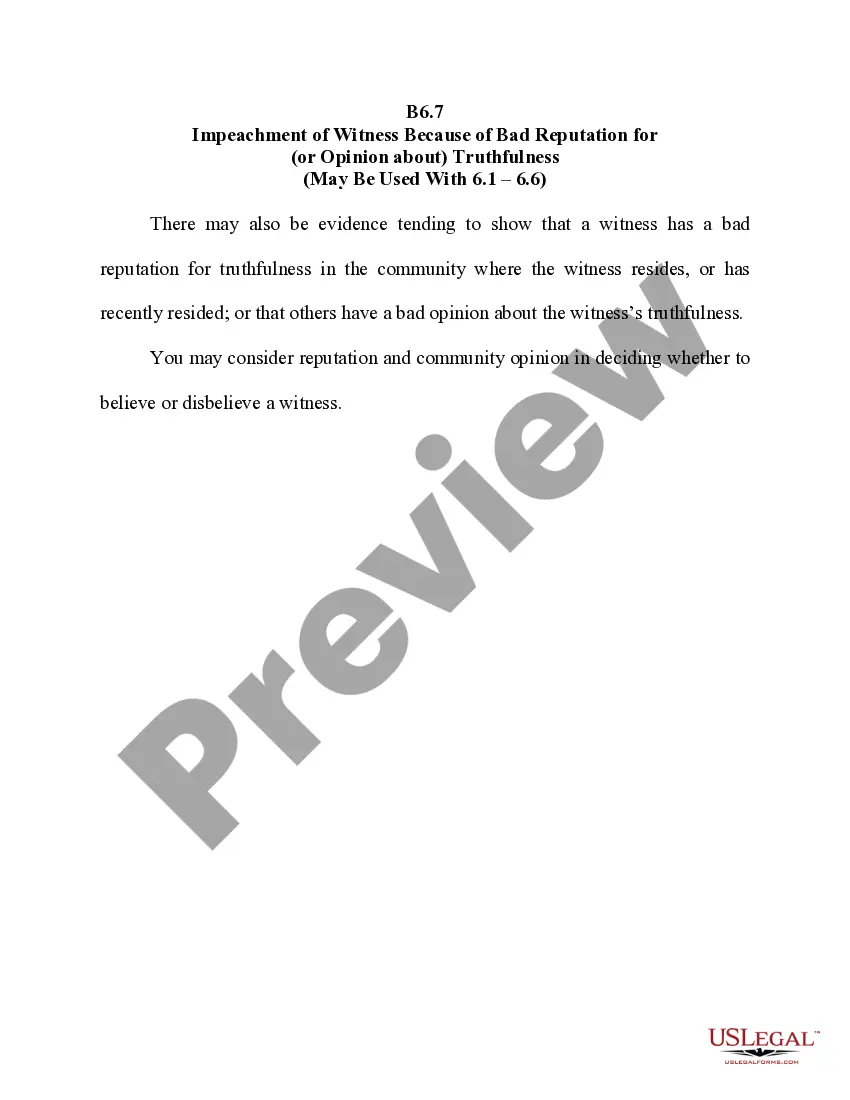
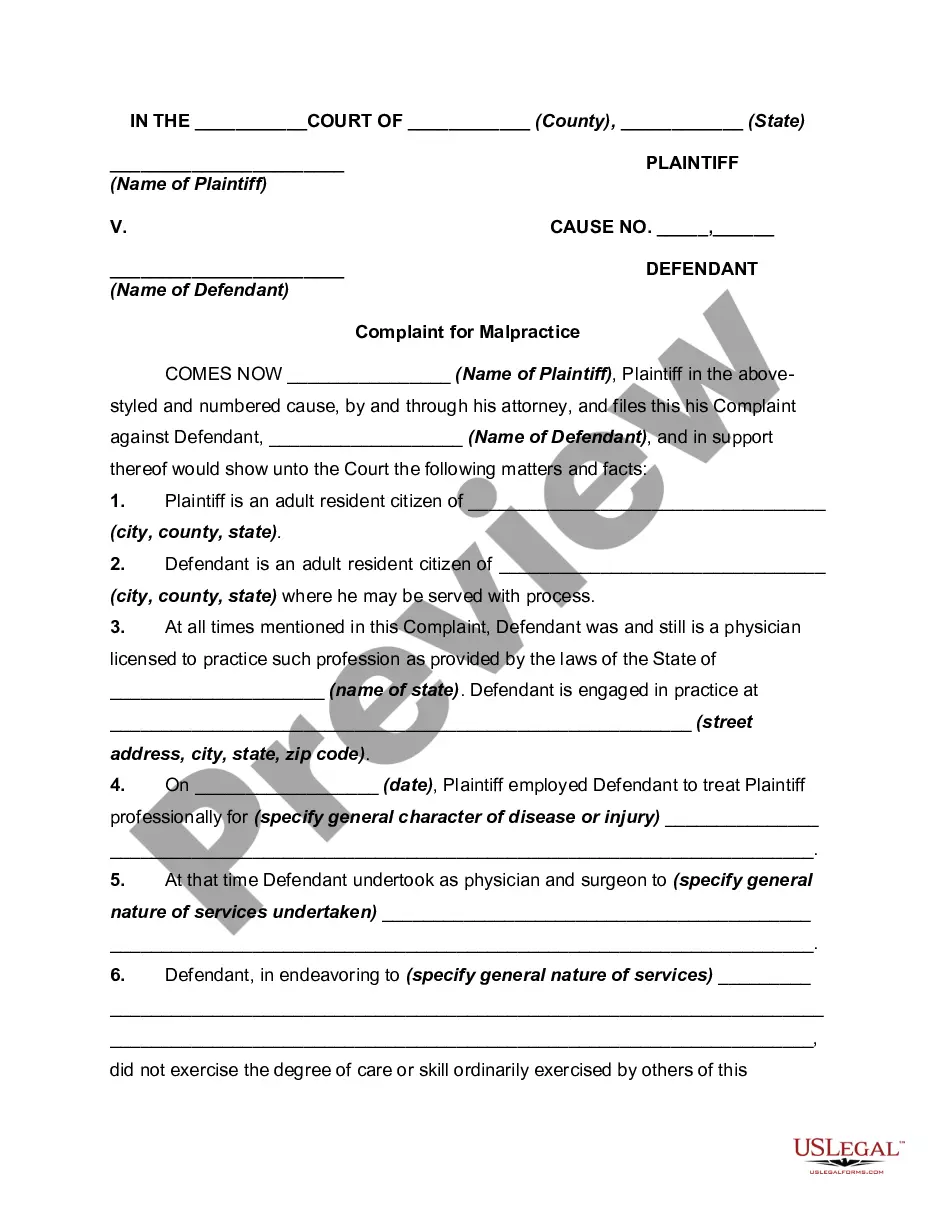
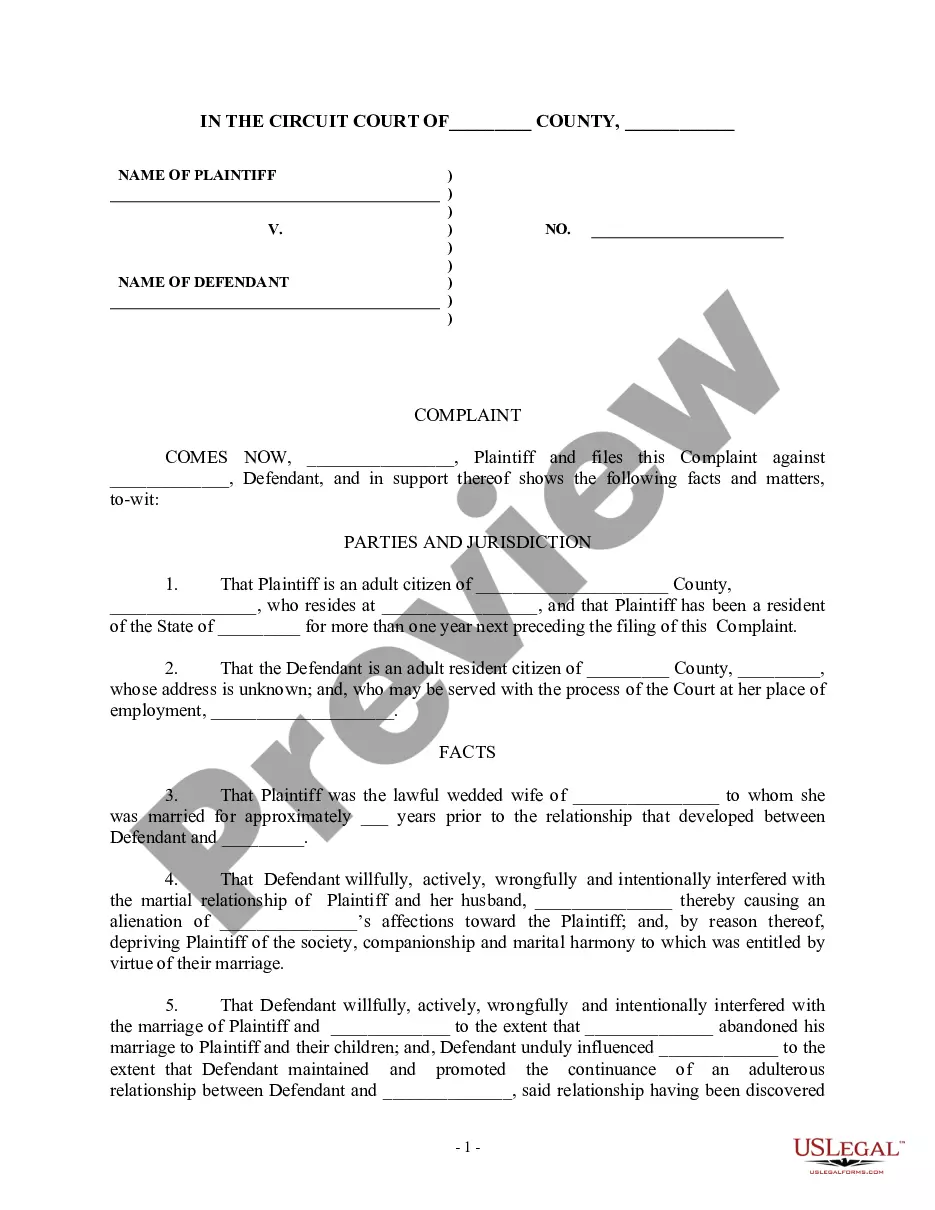
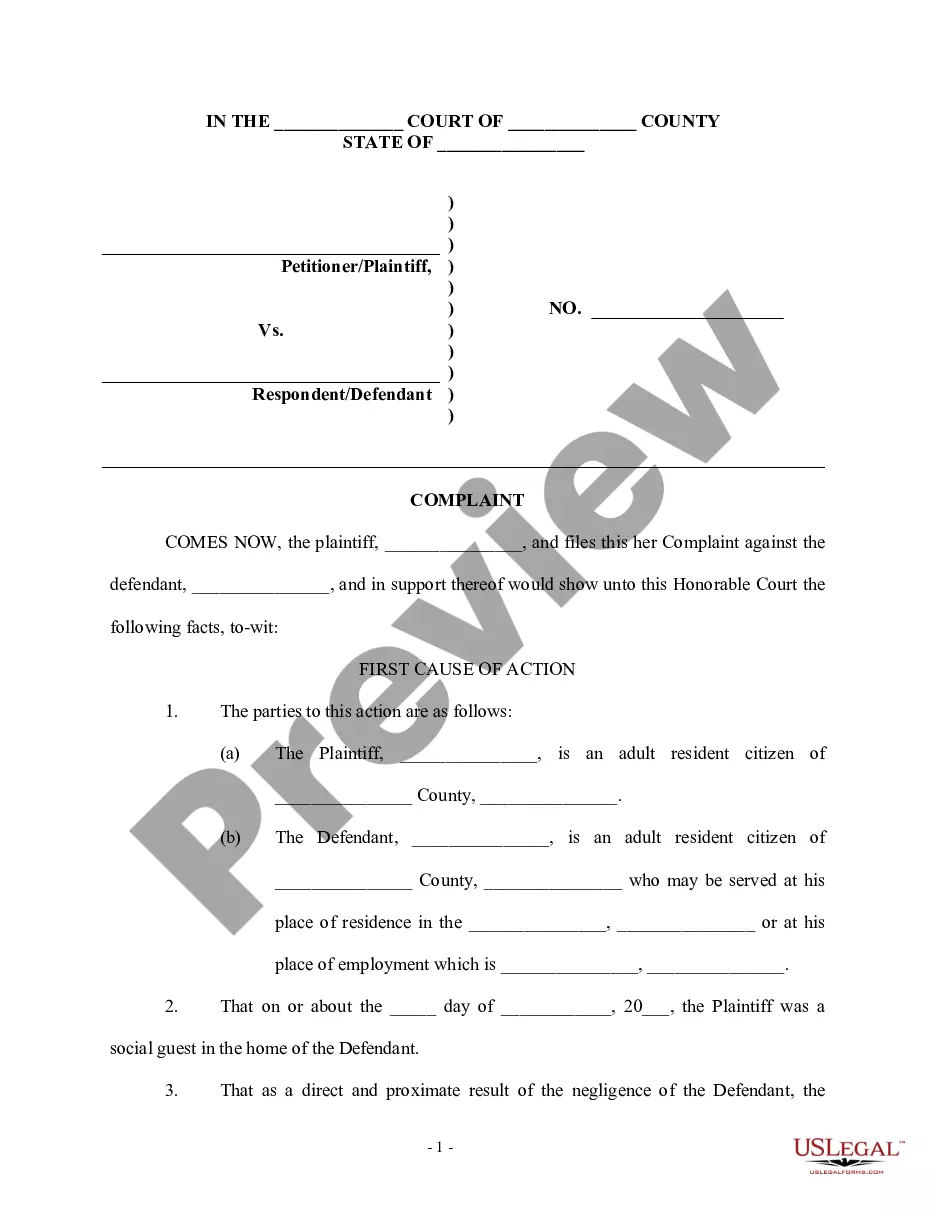
Kansas Complaint for malicious prosecution
Description
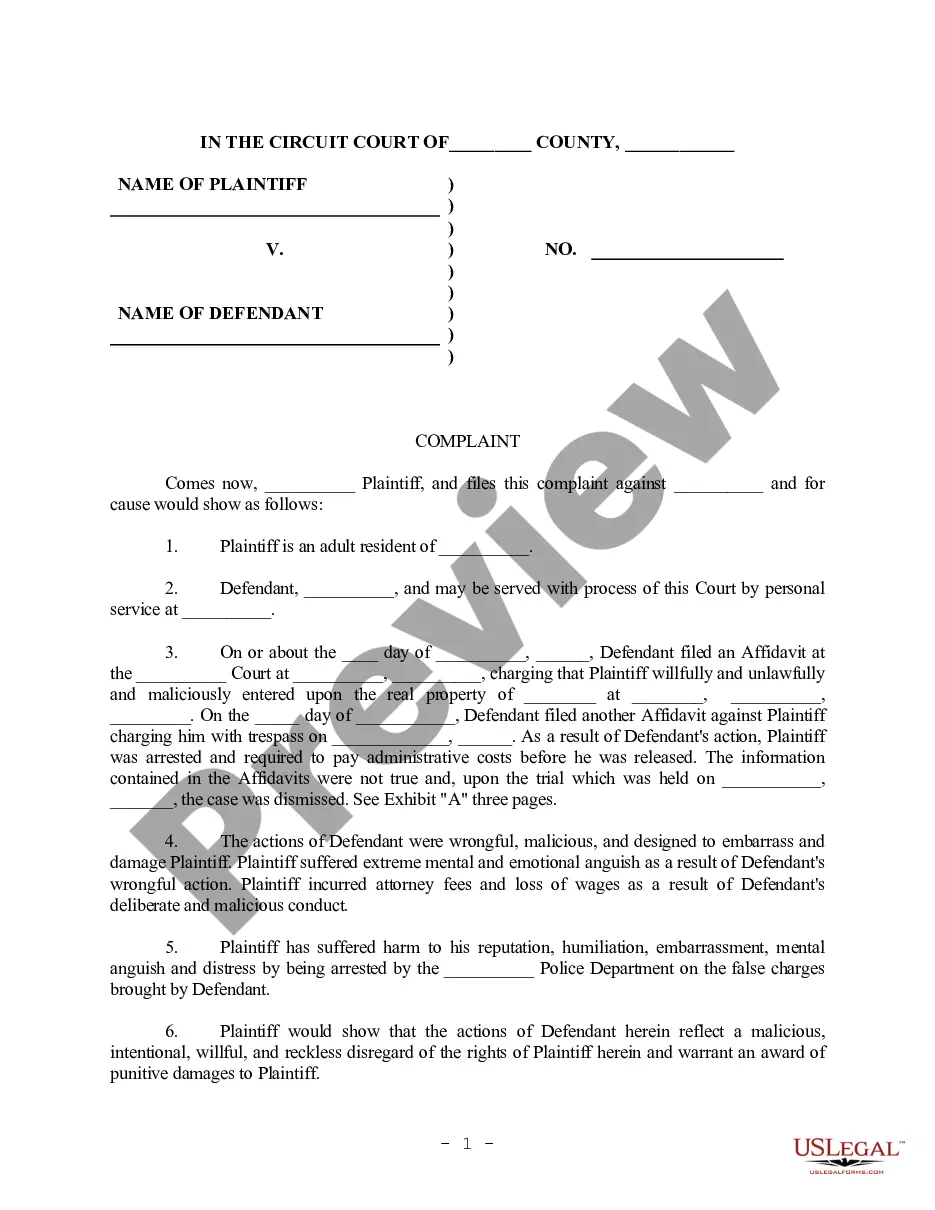
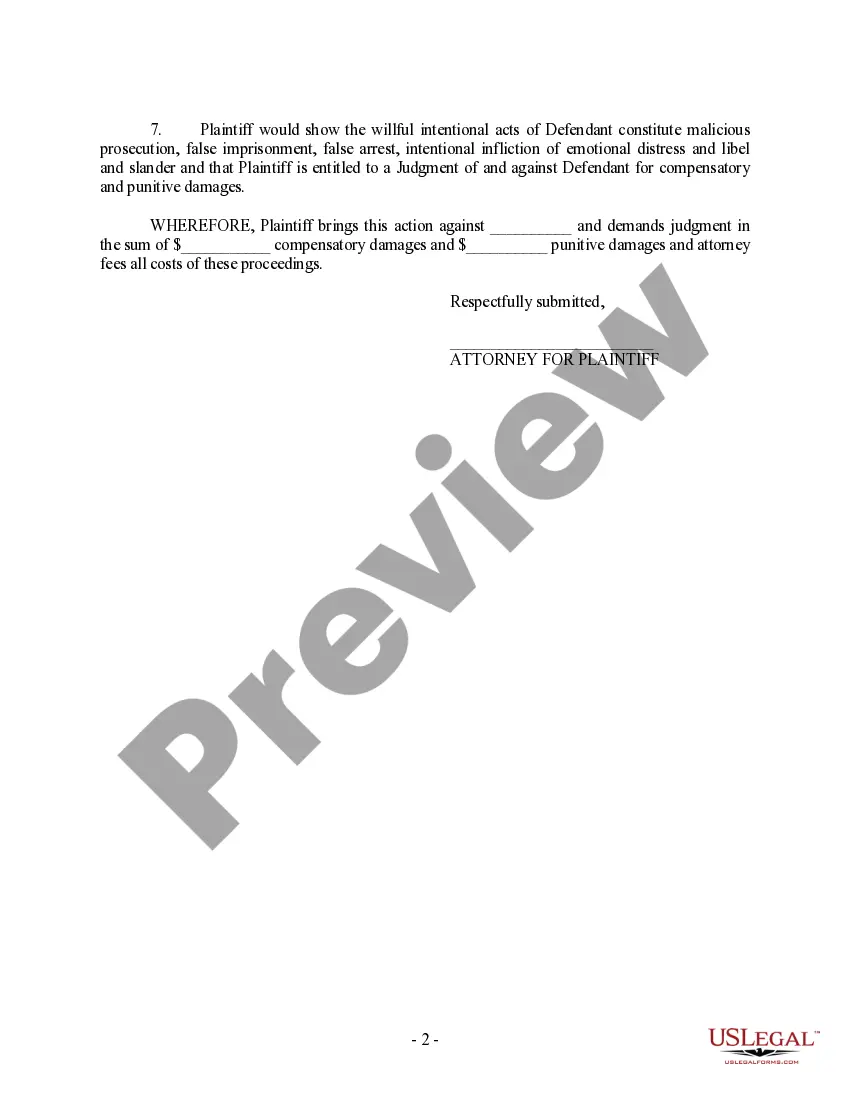

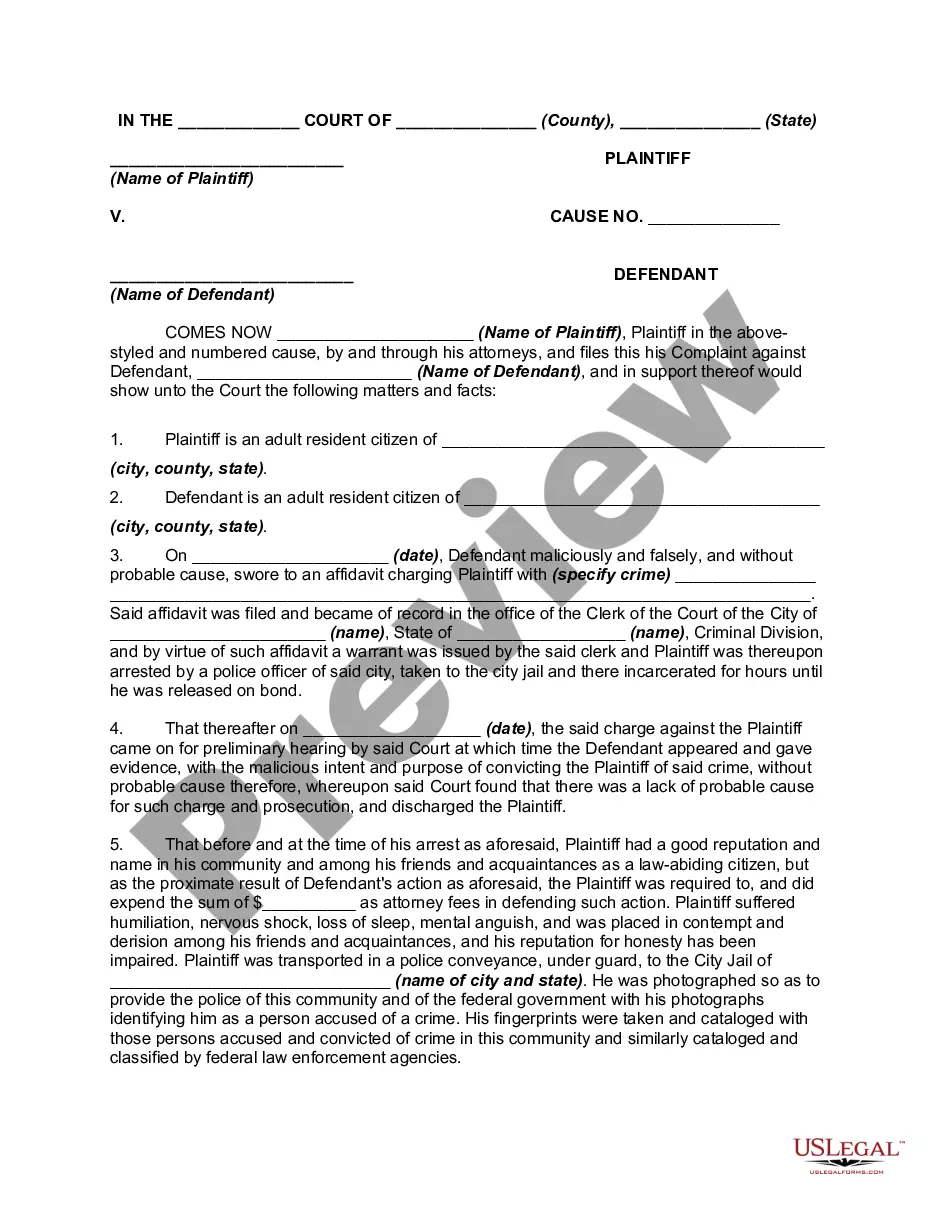
Get your form ready online
Our built-in tools help you complete, sign, share, and store your documents in one place.
Make edits, fill in missing information, and update formatting in US Legal Forms—just like you would in MS Word.
Download a copy, print it, send it by email, or mail it via USPS—whatever works best for your next step.
Sign and collect signatures with our SignNow integration. Send to multiple recipients, set reminders, and more. Go Premium to unlock E-Sign.
If this form requires notarization, complete it online through a secure video call—no need to meet a notary in person or wait for an appointment.
We protect your documents and personal data by following strict security and privacy standards.

Make edits, fill in missing information, and update formatting in US Legal Forms—just like you would in MS Word.

Download a copy, print it, send it by email, or mail it via USPS—whatever works best for your next step.

Sign and collect signatures with our SignNow integration. Send to multiple recipients, set reminders, and more. Go Premium to unlock E-Sign.

If this form requires notarization, complete it online through a secure video call—no need to meet a notary in person or wait for an appointment.

We protect your documents and personal data by following strict security and privacy standards.
Looking for another form?




How to fill out Complaint For Malicious Prosecution?
Are you in a situation where you need to have documents for various business or specific activities almost every day.
There are numerous legal document templates available online, but finding trustworthy ones isn't easy.
US Legal Forms offers a vast array of form templates, including the Kansas Complaint for malicious prosecution, which are designed to comply with state and federal regulations.
Once you locate the right form, click Purchase now.
Choose the pricing plan you want, fill in the required details to create your account, and complete the purchase using your PayPal or credit card.
- If you are already familiar with the US Legal Forms website and have an account, simply Log In.
- Then, you can download the Kansas Complaint for malicious prosecution template.
- If you do not have an account and wish to start using US Legal Forms, follow these steps.
- Select the form you need and ensure it is for the correct area/state.
- Utilize the Preview feature to examine the form.
- Check the description to confirm that you have chosen the correct form.
- If the form is not what you are looking for, use the Search section to find the form that meets your needs.
Form popularity
FAQ
For personal injury claims, the period is generally two years in Kansas but can vary from one to eight years, depending on the nature of the case. The key factors involved are the age of the injured party, the kind of claim brought and the nature of the party you are attempting to hold liable for damages.
Malicious prosecution occurs when someone sues you or brings criminal charges against you without probable cause and with harmful intent. Examples could include someone providing false evidence to the police that you committed a crime or someone suing you for hurting them even if you never caused them harm.
Statutes of limitations in the Sunflower State can vary from one to five years, depending on what type of case you have. In most cases, the statutory ?clock" will begin ticking on either the date of the incident or the date you discover the harm.
Statutes of Limitations in Kansas Code SectionKansas Statutes Annotated § 60-501 et seq.: Limitations of ActionsInjury to PersonTwo years (K.S.A. § 60-513(a)(4) and (5))Libel/SlanderOne year (K.S.A. § 60-514(a))FraudTwo years (K.S.A. § 60-513(a)(3)), which does not begin accruing until the fraud is discovered7 more rows
For crimes not specifically listed in the statute, a general statute of limitations of five years applies for all crimes (felonies, misdemeanors, and infractions).
(1) A prosecution for murder may be commenced at any time. (2) Except as otherwise provided in this statute, prosecutions for other crimes must be commenced within five years after it is committed.
Judgments Last Five Years in Kansas This means that unless the judgment is renewed by the courts, after five years, it will cease to operate as a lien against the defendant's estate. In other words, the defendant is no longer responsible for paying off any amount remaining on the judgment.