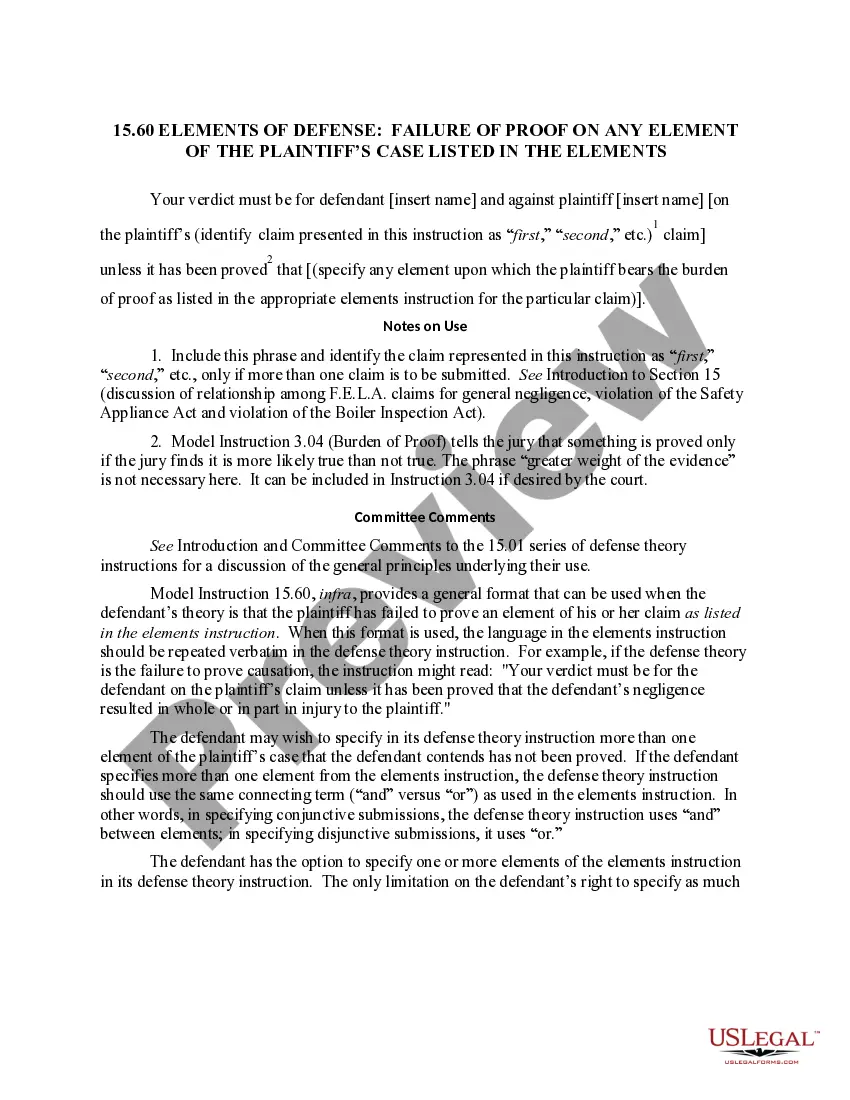
Kansas Assertion of Right to Be Present
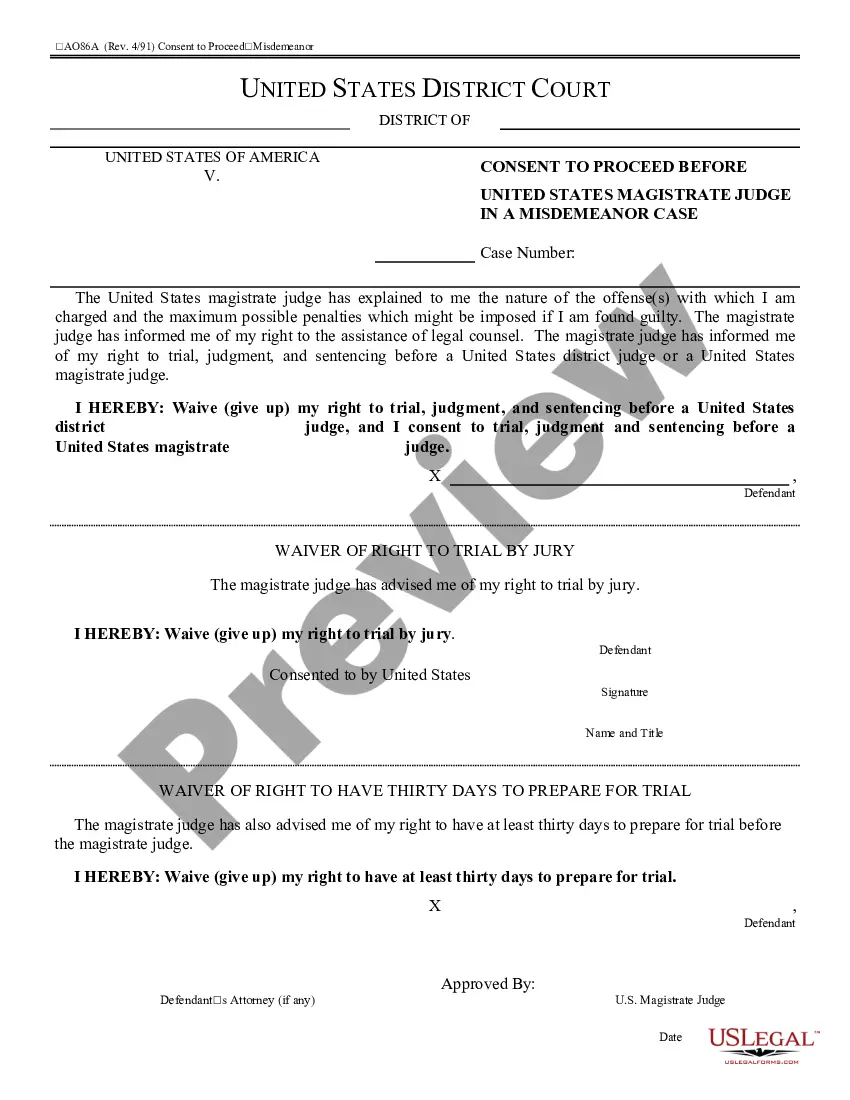
Description
Get your form ready online
Our built-in tools help you complete, sign, share, and store your documents in one place.
Make edits, fill in missing information, and update formatting in US Legal Forms—just like you would in MS Word.
Download a copy, print it, send it by email, or mail it via USPS—whatever works best for your next step.
Sign and collect signatures with our SignNow integration. Send to multiple recipients, set reminders, and more. Go Premium to unlock E-Sign.
If this form requires notarization, complete it online through a secure video call—no need to meet a notary in person or wait for an appointment.
We protect your documents and personal data by following strict security and privacy standards.

Make edits, fill in missing information, and update formatting in US Legal Forms—just like you would in MS Word.

Download a copy, print it, send it by email, or mail it via USPS—whatever works best for your next step.

Sign and collect signatures with our SignNow integration. Send to multiple recipients, set reminders, and more. Go Premium to unlock E-Sign.

If this form requires notarization, complete it online through a secure video call—no need to meet a notary in person or wait for an appointment.

We protect your documents and personal data by following strict security and privacy standards.
Looking for another form?
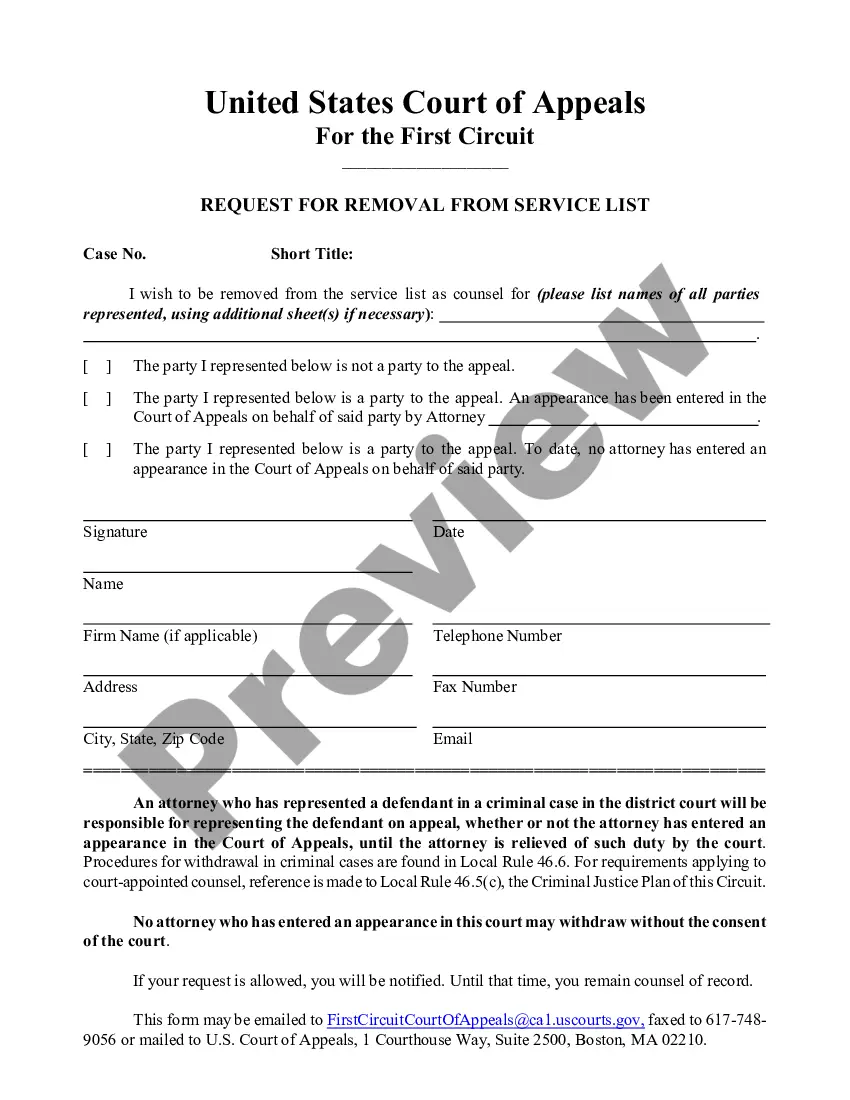

How to fill out Assertion Of Right To Be Present?
Selecting the appropriate legitimate document format can be quite a challenge. Clearly, there are numerous templates available online, but how do you find the legitimate form you require? Utilize the US Legal Forms website. The service offers thousands of templates, including the Kansas Assertion of Right to Be Present, which can be utilized for both business and personal purposes. All of the documents are reviewed by experts and comply with state and federal regulations.
If you are already registered, Log In to your account and click the Download button to obtain the Kansas Assertion of Right to Be Present. Use your account to access the legal forms you have previously purchased. Go to the My documents section of your account and retrieve another copy of the document you need.
If you are a new user of US Legal Forms, here are simple instructions for you to follow: First, ensure you have selected the correct form for your city/county. You can review the form using the Preview button and read the form description to ensure it is suitable for you. If the form does not meet your needs, use the Search field to find the appropriate form. Once you are confident that the form is suitable, click the Get now button to obtain the form.
- Select the pricing plan you prefer and enter the required details.
- Create your account and complete the order using your PayPal account or credit card.
- Choose the file format and download the legal document format to your device.
- Complete, edit, print, and sign the acquired Kansas Assertion of Right to Be Present.
- US Legal Forms is the largest repository of legal forms where you can find various document templates.
- Utilize the service to download professionally created documents that comply with state requirements.
Form popularity
FAQ
The Kansas Supreme Court in 2019 determined the state constitution's right to bodily autonomy extends to the decision to terminate a pregnancy. Voters in August 2022 overwhelmingly rejected a proposed constitutional amendment that would have allowed lawmakers to ban abortion without exception.
The Supreme Court rejected the defendant's argument that the translators' participation in that case interposed a "layer of hearsay," and held that "a generally unbiased and adequately skilled translator simply serves as a 'language conduit,' so that the translated statement is considered to be the statement of the ...
8-1557. Basic rule governing speed of vehicles. No person shall drive a vehicle at a speed greater than is reasonable and prudent under the conditions and having regard to the actual hazards then existing.
(b) "Harassment" means a knowing and intentional course of conduct directed at a specific person that seriously alarms, annoys, torments or terrorizes the person, and that serves no legitimate purpose.
60-460. Hearsay evidence excluded; exceptions. Evidence of a statement which is made other than by a witness while testifying at the hearing, offered to prove the truth of the matter stated, is hearsay evidence and inadmissible except: (a) Previous statements of persons present.
§ 18. Justice without delay. All persons, for injuries suffered in person, reputation or property, shall have remedy by due course of law, and justice administered without delay. § 19.
The Kansas law conforms with the Standard. The defendant's speedy trial right is specified as ninety days for in custody de- fendants and 180 days for defendants held to answer on bond. The running of such periods commences at the time of a specified event, the date of arraignment.