Kansas Amendment of Lease Package
Understanding this form package
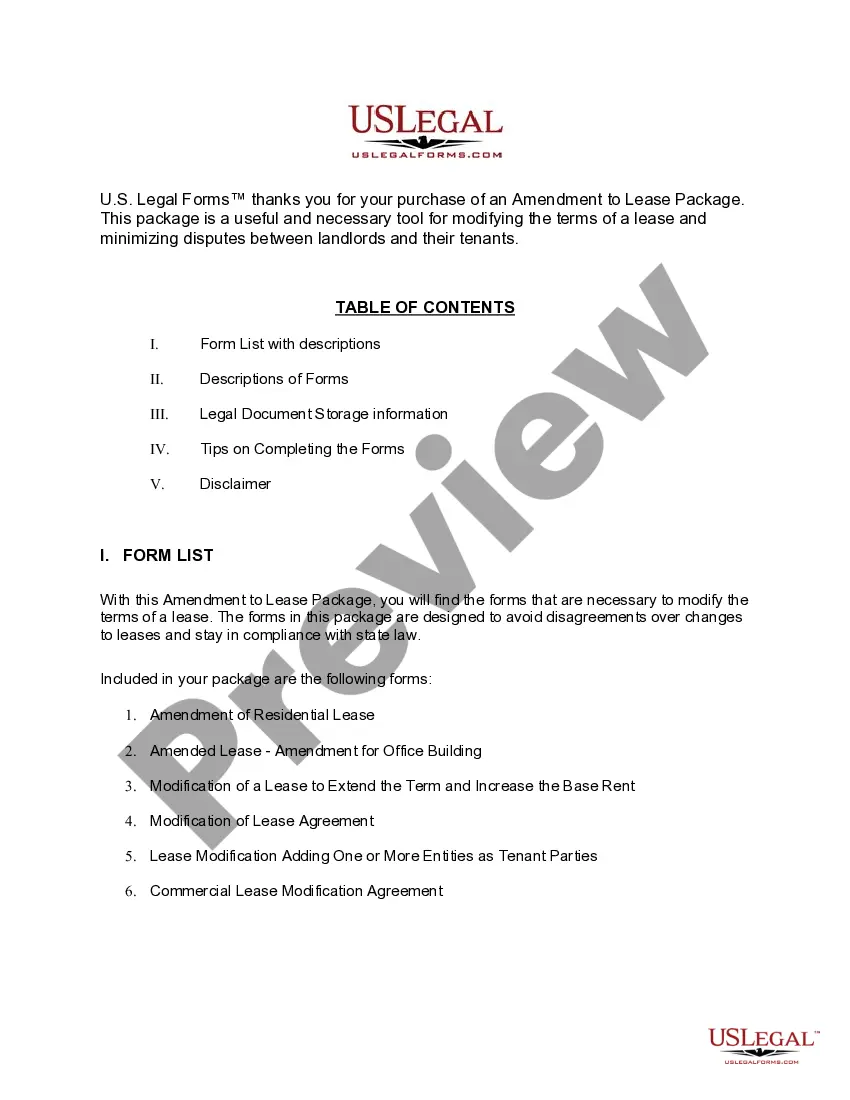
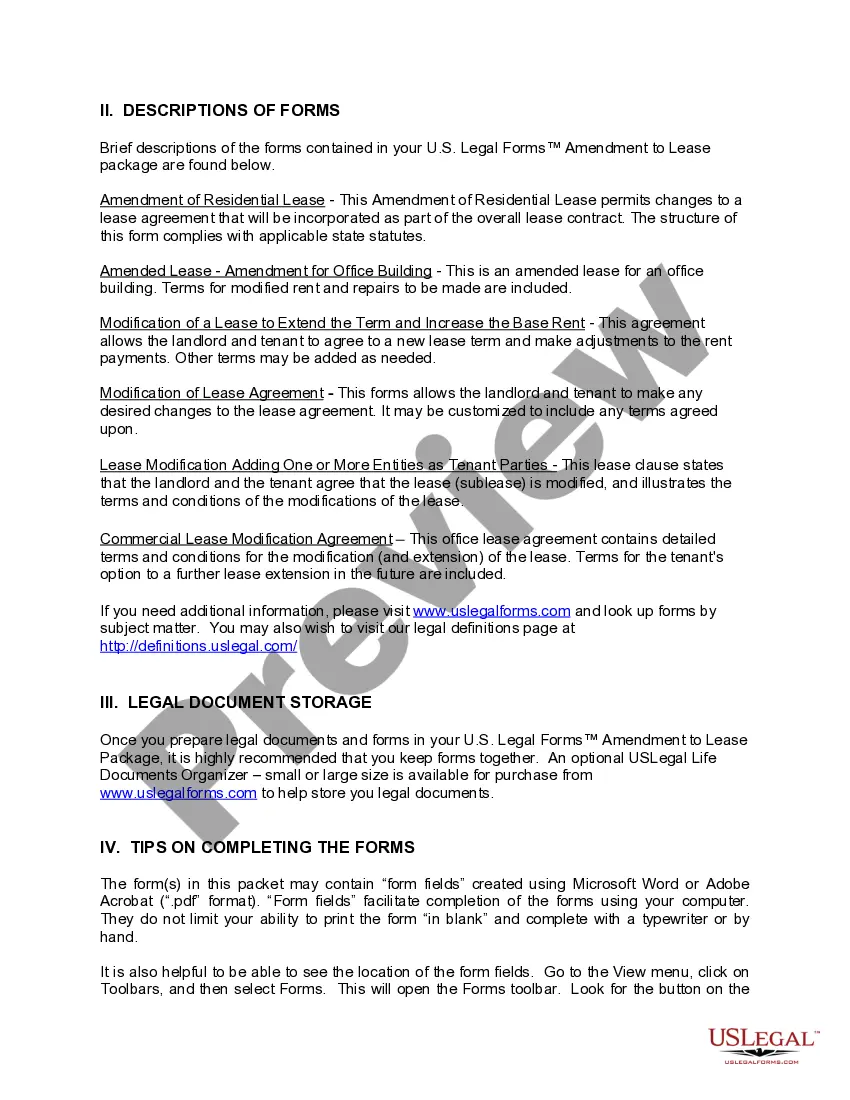
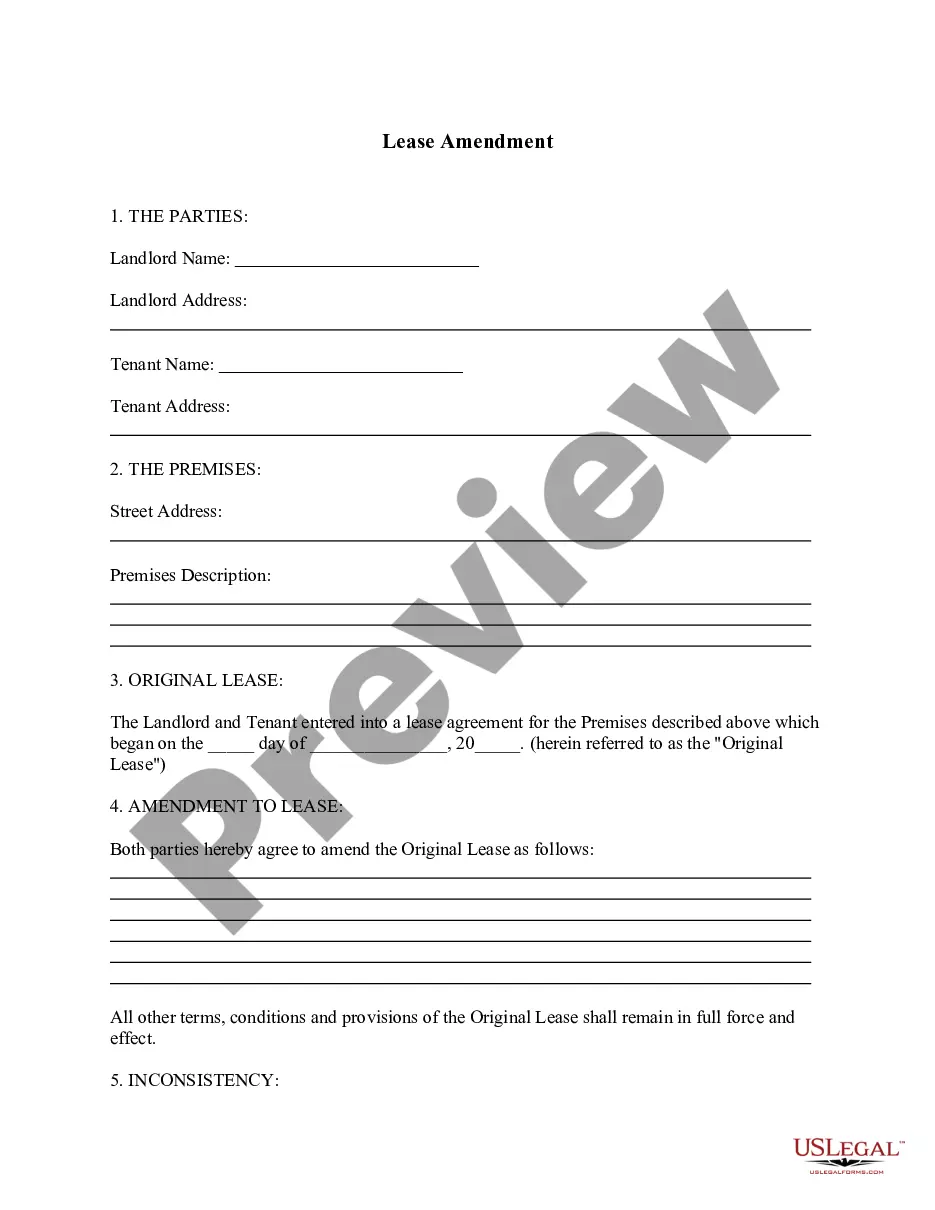
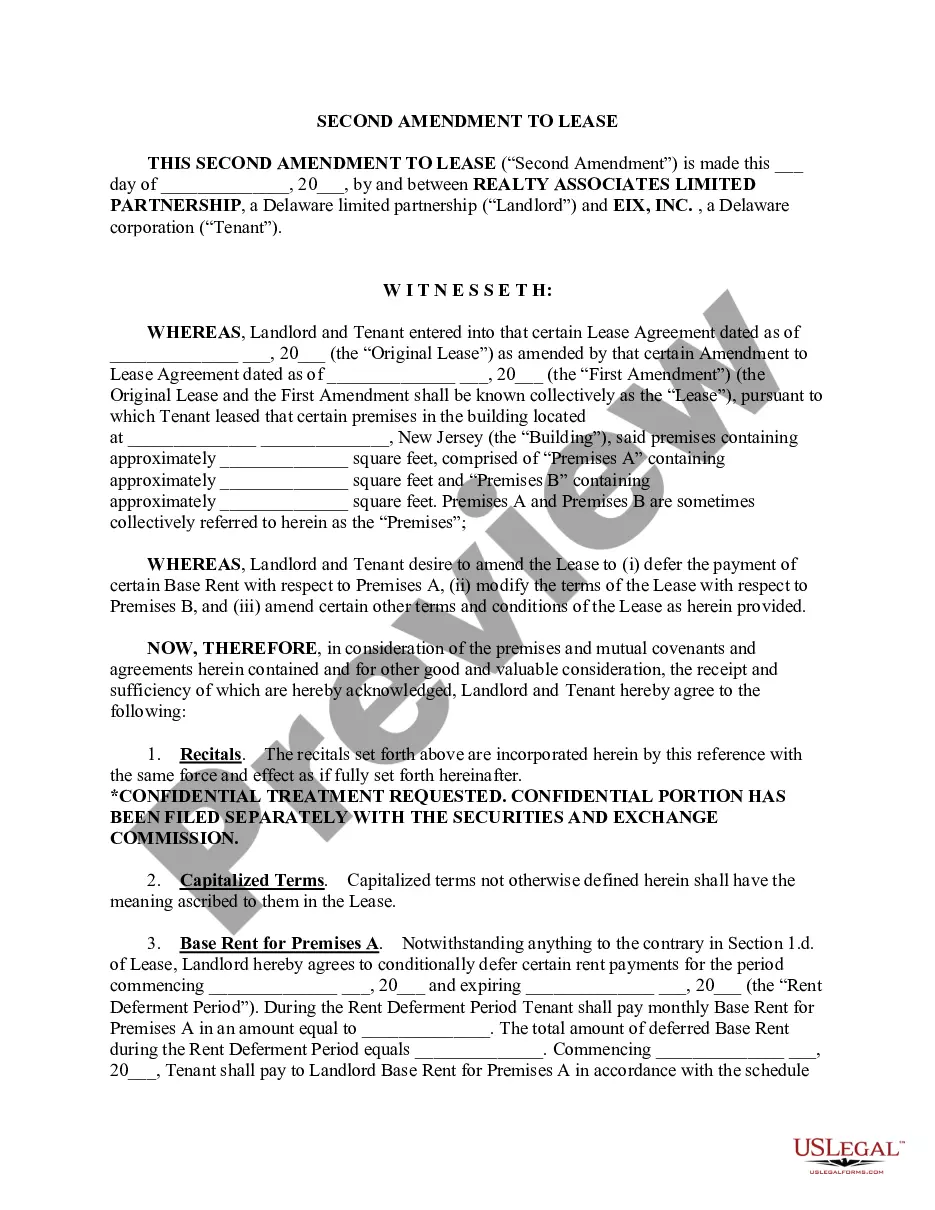
The Kansas Amendment of Lease Package provides the necessary legal forms to modify the terms of a lease agreement in the state of Kansas. This package is specifically designed to help landlords and tenants manage changes to their lease agreements efficiently, minimizing conflicts and ensuring compliance with local laws. It includes a variety of forms that cater to different scenarios, making it a comprehensive solution for those in need of amending residential lease agreements.
Documents contained in this package
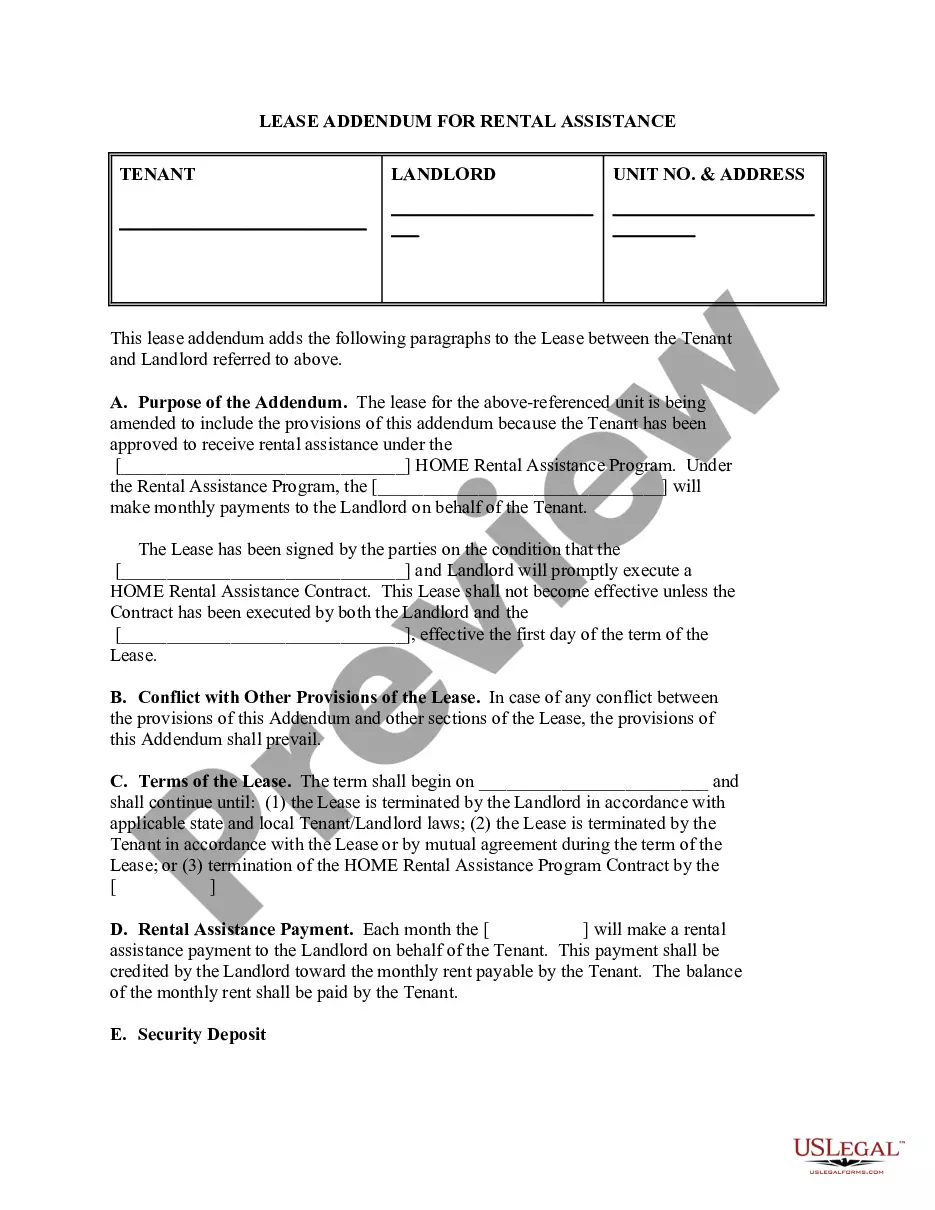
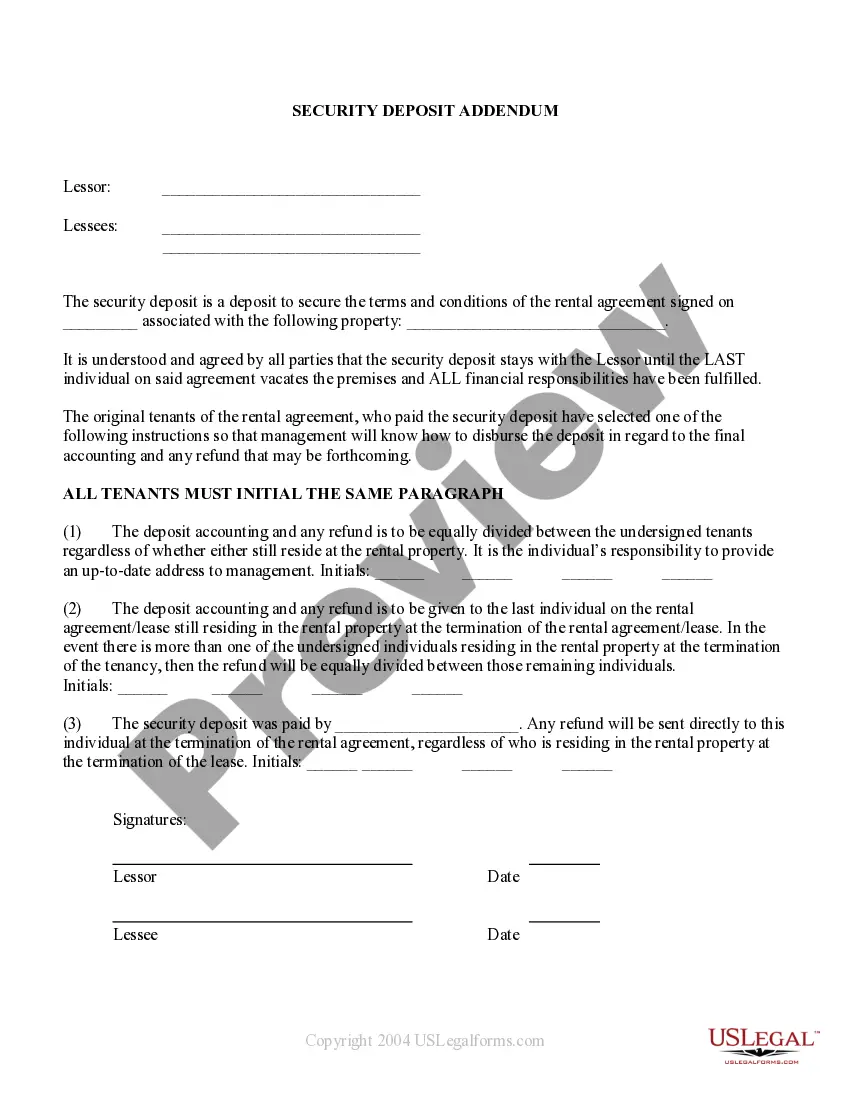
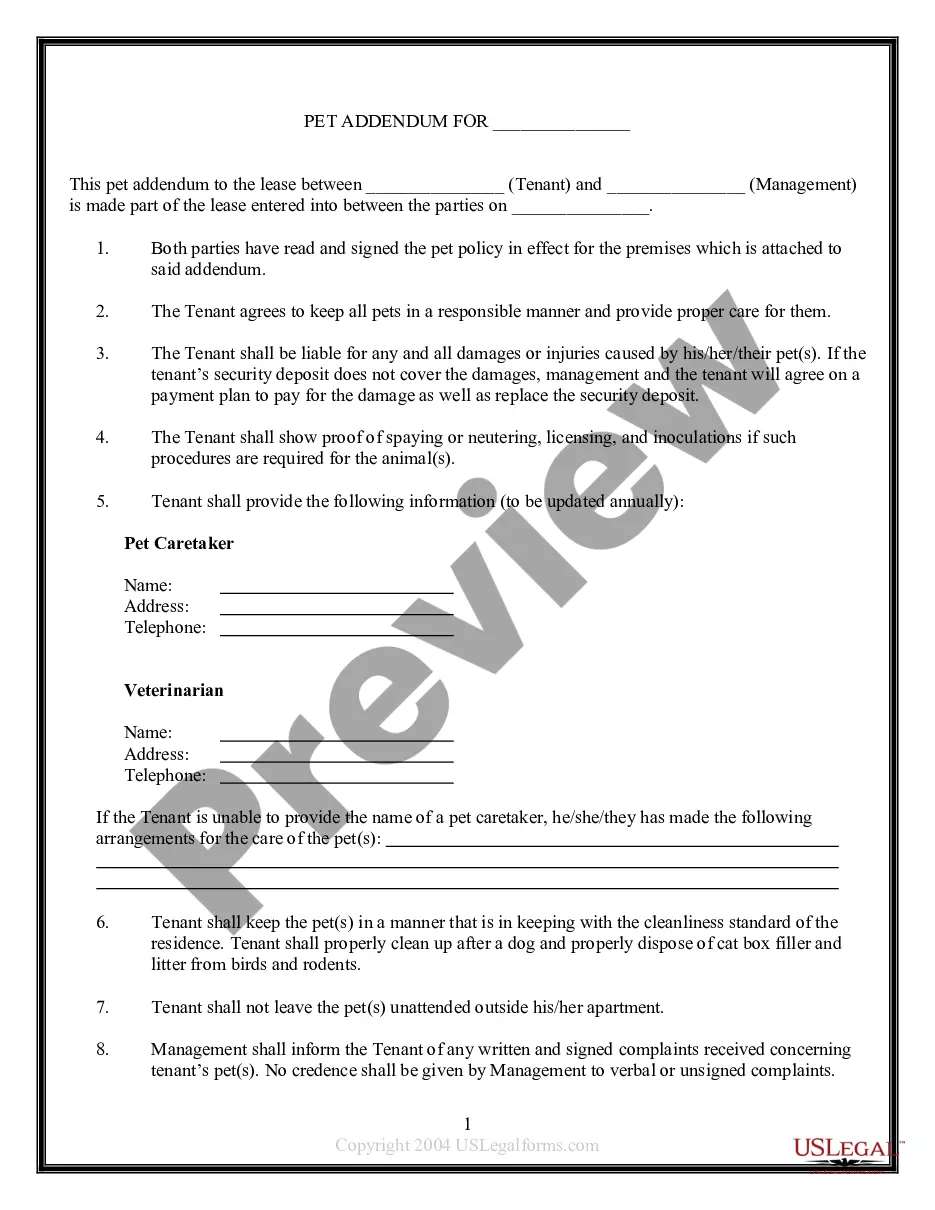
When this form package is needed
This form package is essential in several situations, including:
- When a landlord and tenant agree to changes in rental terms, such as adjusting the rent amount or extending the lease duration.
- When financial challenges require temporary rent deferral for tenants.
- When modifications in lease responsibilities arise due to tenants assigning their lease to others.
Who should use this form package
- Landlords seeking to update lease terms with tenants.
- Tenants who wish to negotiate changes to their existing lease agreements.
- Real estate professionals assisting clients with lease amendments.
How to prepare this document
- Review the included forms to understand what changes are necessary.
- Identify the parties involved in the lease and their responsibilities.
- Fill in the required information, including tenant details, property address, and the specific changes requested.
- Ensure all parties sign and date the amendment documents.
- Provide copies to each party for their records.
Do documents in this package require notarization?
Forms in this package typically do not require notarization unless required by local law. It is crucial to verify any specific rules that may apply in your area.
Get your form ready online
Our built-in tools help you complete, sign, share, and store your documents in one place.
Make edits, fill in missing information, and update formatting in US Legal Forms—just like you would in MS Word.
Download a copy, print it, send it by email, or mail it via USPS—whatever works best for your next step.
Sign and collect signatures with our SignNow integration. Send to multiple recipients, set reminders, and more. Go Premium to unlock E-Sign.
If this form requires notarization, complete it online through a secure video call—no need to meet a notary in person or wait for an appointment.
We protect your documents and personal data by following strict security and privacy standards.

Make edits, fill in missing information, and update formatting in US Legal Forms—just like you would in MS Word.

Download a copy, print it, send it by email, or mail it via USPS—whatever works best for your next step.

Sign and collect signatures with our SignNow integration. Send to multiple recipients, set reminders, and more. Go Premium to unlock E-Sign.

If this form requires notarization, complete it online through a secure video call—no need to meet a notary in person or wait for an appointment.

We protect your documents and personal data by following strict security and privacy standards.
Avoid these common issues
- Failing to include all partiesâ signatures, which may invalidate the agreement.
- Not specifying the effective date of the amendments.
- Overlooking local laws that may affect lease modifications.
Benefits of using this package online
- Convenience of easy download and immediate access to necessary forms.
- Editability allows users to customize the documents to fit their specific needs.
- Reliable information ensures compliance with Kansas state laws and regulations.
Quick recap
Key points to remember about the Kansas Amendment of Lease Package:
- The package includes all necessary forms to amend lease agreements legally in Kansas.
- It is essential for both landlords and tenants to understand the implications of lease modifications.
- Completing and signing the forms accurately helps prevent misunderstandings and disputes.
Looking for another form?
Form popularity
FAQ
A lease addendum allows a landlord or tenant to make changes to a current residential or commercial lease agreement.Once both parties agree and sign, the addendum should be added to the original lease.
Read your rental agreement. Talk to your landlord. Find a new renter. Consider termination offers. Be prepared to pay. Check with local tenants' unions. Get everything in writing. Seek legal advice.
Lease addenda are separate documents that landlords add to an original lease agreement.Be sure not to confuse addenda with lease amendments, which are changes made directly to the existing lease itself. While they serve a similar purpose, amendments are often used mistakenly to mean the same thing as addenda.
While some jurisdictions may have provisions that allow consumers to change their minds with no consequences, generally there is no cooling-off period for leasing real property. Once the landlord and tenant sign a lease and a copy is delivered to the both parties, it becomes a valid contract.
Ideally, you should never try to renegotiate the rental amount after your lease is signed.Your tenant might want you to decrease the rent amount, but they are also proposing to increase the length of their lease by one additional year.
When a landlord and tenant sign a lease agreement it forms a legally binding contract. The lease cannot be altered except through another written agreement signed by both parties unless the original lease specifically gives a party the power to change something on their own.
When Does a Rental Lease Become Legally Binding? The lease becomes legally binding when all parties have signed: the landlord and all tenants living in the unit who are 18 and older. If you're worried about situations where a lease needs to end early, learn about breaking a lease and grounds for eviction.
Changing the lease You can negotiate certain changes to the lease, sometimes known as 'varying the lease'. Speak to your landlord first. If you can't agree, you may be able to apply to a tribunal - contact Leasehold Advisory Service for advice.
When creating your Lease Amendment, you'll want to include information such as: the names of the landlord(s) and the tenant(s); the effective date of the original lease; the date of the lease amendment; the address and nature of the leased property; whether the original lease was recorded with the county; which