Kansas Petition for Eviction and Past Due Rent
Understanding this form
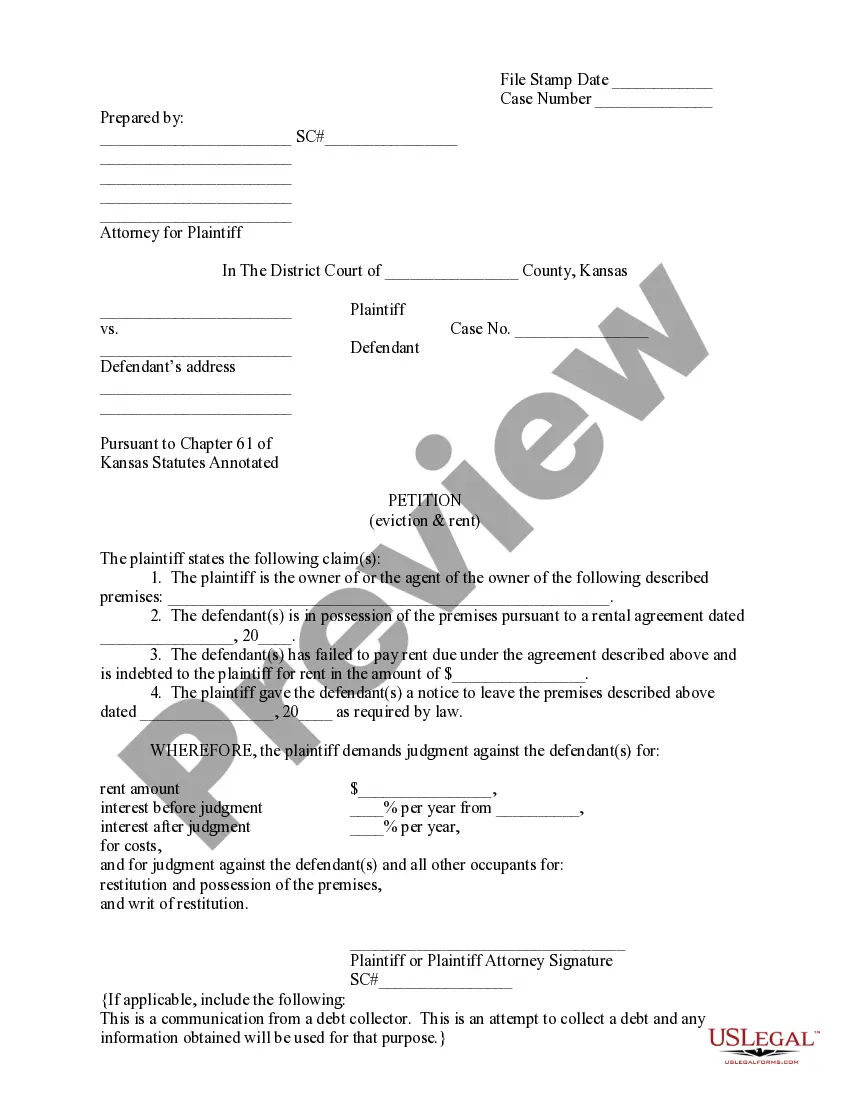
The Petition for Eviction and Past Due Rent is a legal document used by landlords to initiate eviction proceedings in District Court. This form formally requests judgment for unpaid rent and seeks the return of possession of the rental unit. It is essential in cases where a tenant has failed to meet their rental obligations, differentiating it from other tenant-landlord forms that may not include eviction proceedings.
Form components explained
- File stamp date and case number for court filing.
- Information about the plaintiff, including their status as the owner or agent of the property.
- Details about the defendant, including their address and rental agreement date.
- Statement of the amount of unpaid rent owed by the tenant.
- Notification to the tenant to vacate the premises, as required by law.
- Demands for judgment, including total rent due, interest, costs, and possession of the premises.
When to use this document
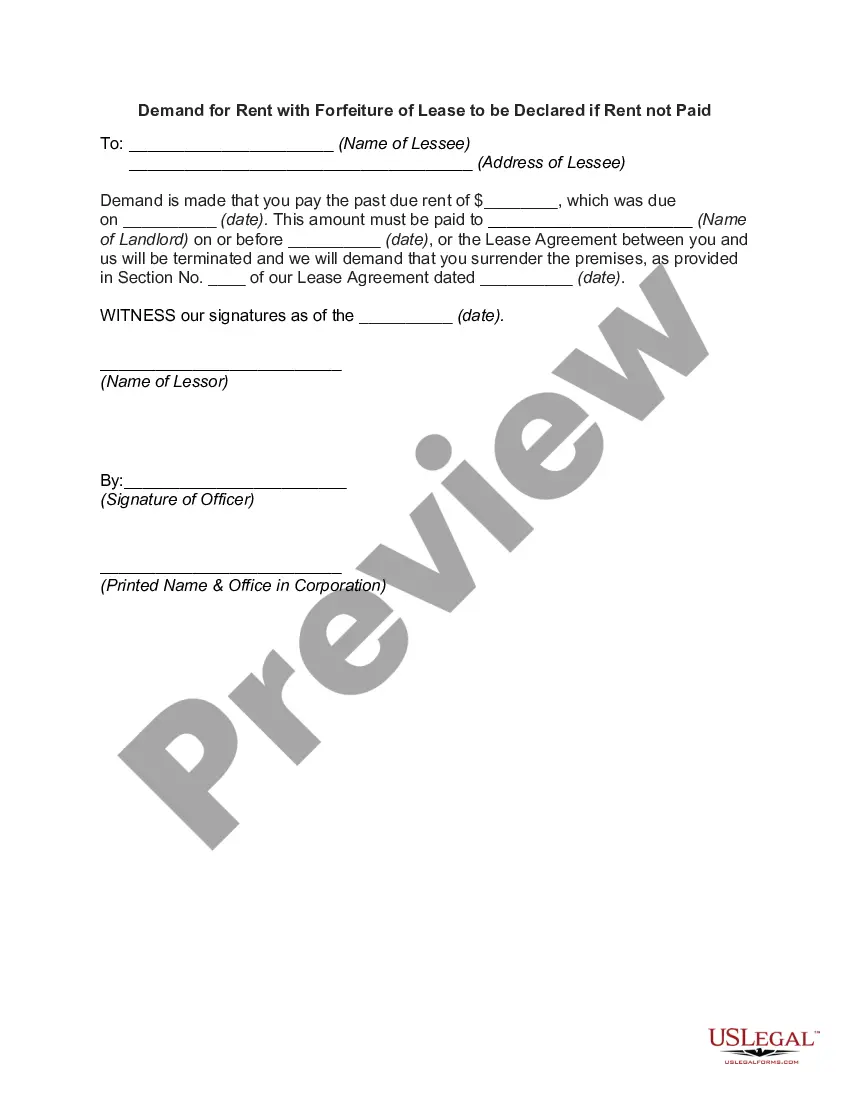
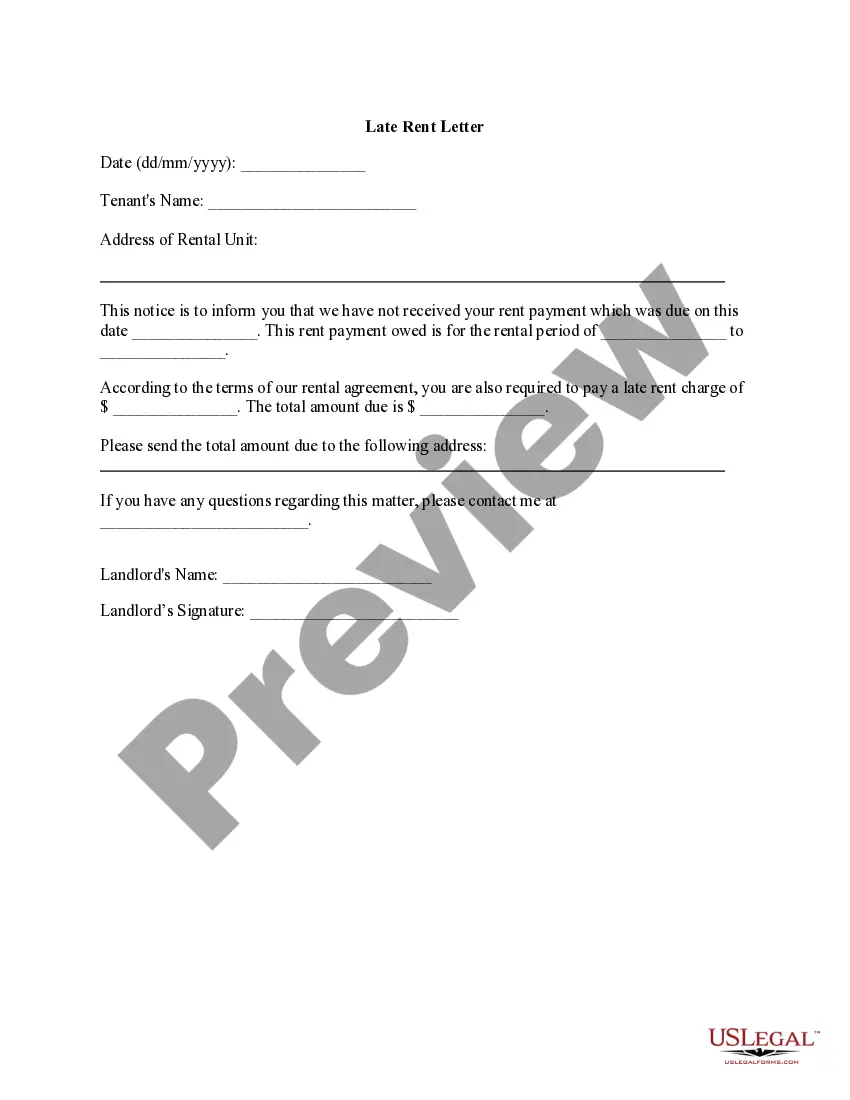
This form should be used when a landlord needs to formally proceed with evicting a tenant who has not paid their rent. It is appropriate when a tenant has failed to make the required rental payments and the landlord has previously issued a notice to vacate. This form is a crucial step in the legal process of eviction and aids in recovering unpaid rent and regaining possession of the property.
Who this form is for
- Landlords or property owners seeking to recover possession of their rental property.
- Property management agents acting on behalf of the property owner.
- Individuals who have complied with legal requirements for eviction notices.
Steps to complete this form
- Enter the file stamp date and case number as provided by the court.
- Fill in the plaintiff's details, indicating the property owner's name or the agent's name.
- Provide the defendant's name and address, along with the date of the rental agreement.
- State the total amount of rent owed that is due from the defendant.
- Add the date the notice to vacate was issued to the tenant.
- Sign the petition, indicating the plaintiff's name or the attorneyâs name if applicable.
Does this form need to be notarized?
This form does not typically require notarization unless specified by local law. However, it's essential to check your jurisdiction's regulations to ensure proper compliance with filing procedures.
Get your form ready online
Our built-in tools help you complete, sign, share, and store your documents in one place.
Make edits, fill in missing information, and update formatting in US Legal Forms—just like you would in MS Word.
Download a copy, print it, send it by email, or mail it via USPS—whatever works best for your next step.
Sign and collect signatures with our SignNow integration. Send to multiple recipients, set reminders, and more. Go Premium to unlock E-Sign.
If this form requires notarization, complete it online through a secure video call—no need to meet a notary in person or wait for an appointment.
We protect your documents and personal data by following strict security and privacy standards.

Make edits, fill in missing information, and update formatting in US Legal Forms—just like you would in MS Word.

Download a copy, print it, send it by email, or mail it via USPS—whatever works best for your next step.

Sign and collect signatures with our SignNow integration. Send to multiple recipients, set reminders, and more. Go Premium to unlock E-Sign.

If this form requires notarization, complete it online through a secure video call—no need to meet a notary in person or wait for an appointment.

We protect your documents and personal data by following strict security and privacy standards.
Avoid these common issues
- Failing to provide complete and accurate information about the tenant and property.
- Not including the required notice to vacate date.
- Leaving out crucial monetary amounts, such as the total rent due.
- Not signing the petition, which could render it invalid.
- Using outdated forms or incorrect versions for the jurisdiction.
Benefits of using this form online
- Convenient access to forms anytime and from anywhere.
- Edit the form easily to fit unique circumstances.
- Reliable templates drafted by licensed attorneys, ensuring legal compliance.
- Fast downloads allow immediate action when addressing eviction needs.
Legal use & context
- This form is designed for lawful eviction processes, adhering to state laws.
- It creates a legal record of the eviction request, facilitating court proceedings.
- Improper use of this form could result in delays or dismissal of the eviction case.
Summary of main points
- The Petition for Eviction and Past Due Rent is essential for landlords facing unpaid rent issues.
- Complete all sections accurately to avoid delays in legal proceedings.
- Check local regulations to ensure compliance with state-specific eviction rules.
- Utilizing this form online offers convenience and access to legally sound documents.
Looking for another form?
Form popularity
FAQ
A Motion to Stay (Delay) Order for Summary Eviction allows the tenant to ask the court to "stay" (pause) a summary eviction and grant the tenant up to ten more days to move. (NRS 70.010(2); JCRCP 110.) A tenant can file a motion to stay at any time after an eviction notice is served. (JCRCP 110.)
Nonpayment of Rent Whenever your rent is late, your landlord has the option of beginning the eviction process. To do so, your landlord must give you a ?3-Day Notice? document that explains your rent is past due and that you have 3 days from the date of the notice to pay any rent that is due.
Once you deliver or mail the notice to your landlord, your tenancy will terminate 30 days after the day that rent is next due under your lease agreement. For example, if rent is due on June 1, and you provide notice to your landlord on May 28, then the tenancy will terminate on July 1.
An eviction itself doesn't appear on your credit report. However, any unpaid rent and fees could be sent to collections and remain on your credit report for seven years from the original delinquency date.
The landlord can evict the tenant for a lease violation in Kansas. Even if the tenant has just violated one term, they can still be evicted. The landlord must give the tenant a Kansas eviction notice called a 30-Day Notice to Comply, which provides the tenant with 14 days to fix the issue.
In Kansas, a landlord cannot legally evict a tenant without cause. Legal grounds to evict include not paying rent on time, staying after the lease ends, violating lease terms and not upholding legal responsibilities under Kansas law. Even so, proper notice must first be given before ending the tenancy.
Move out process This final step in the eviction process is to move the tenant out of their housing on the property. The state of Kansas gives a tenant a maximum of 14 days to move out of the rental unit.