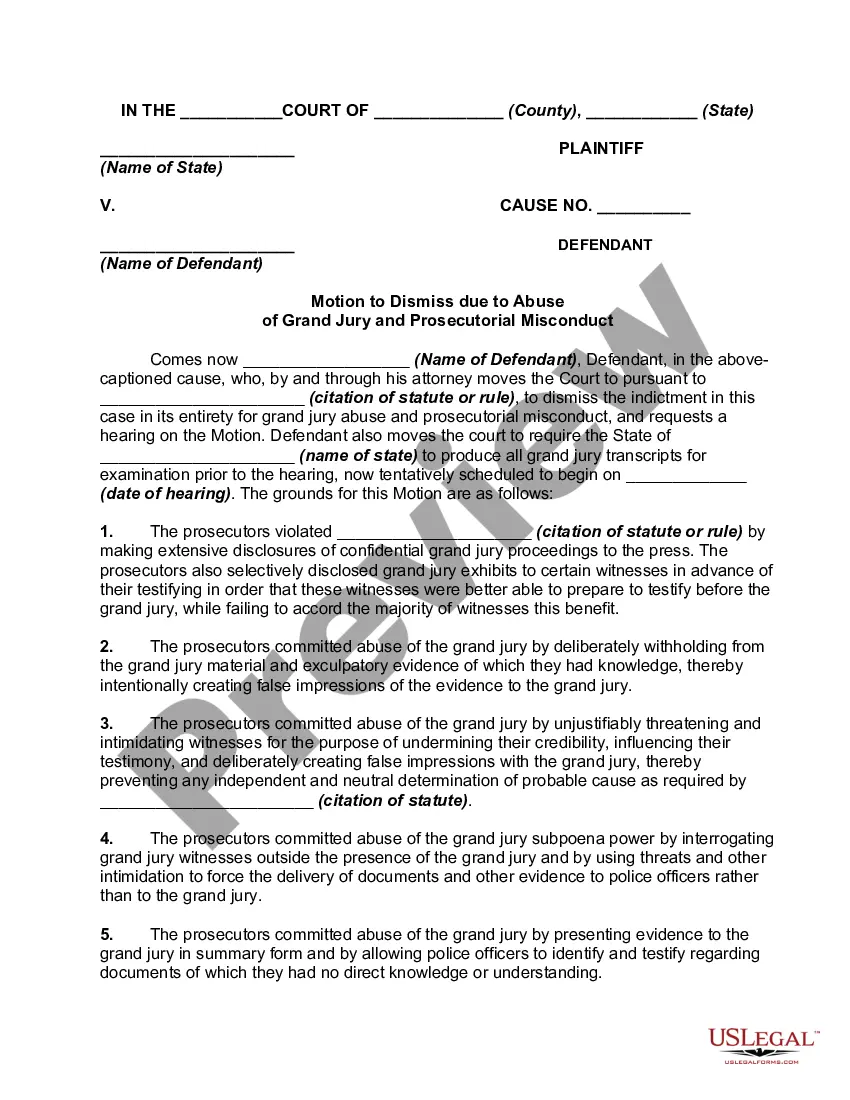
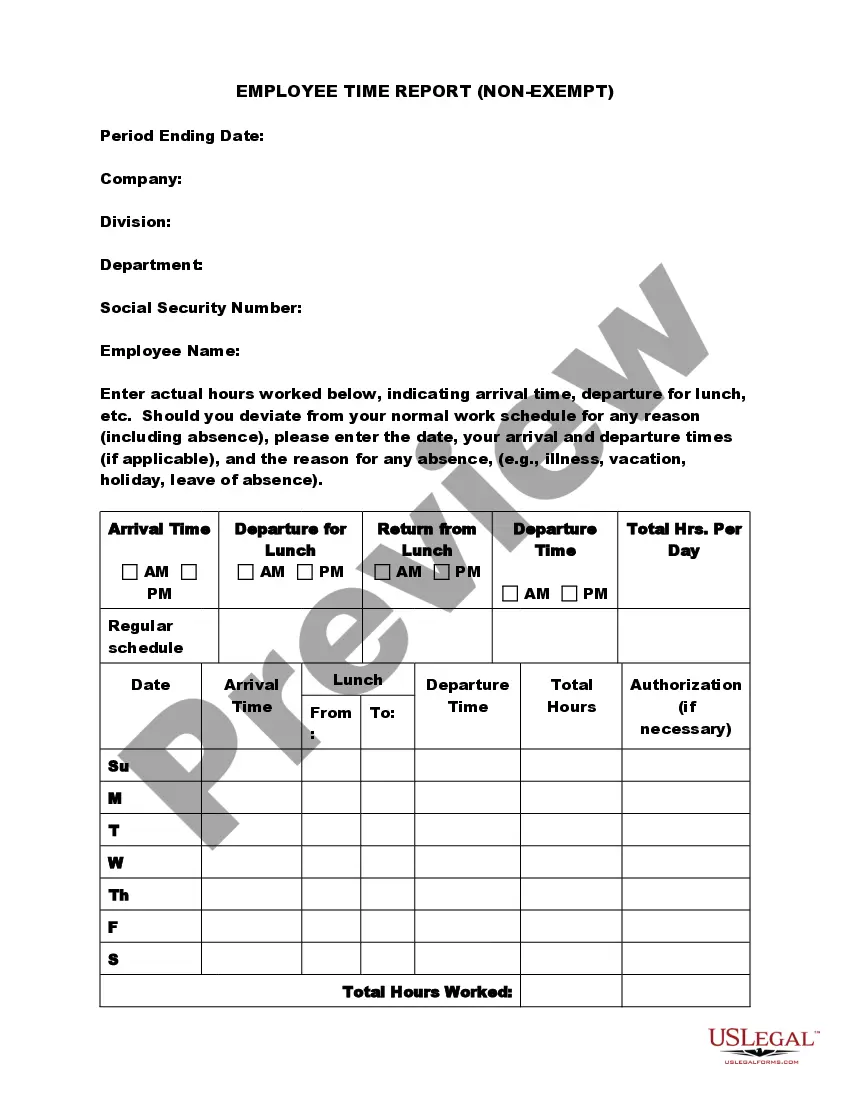
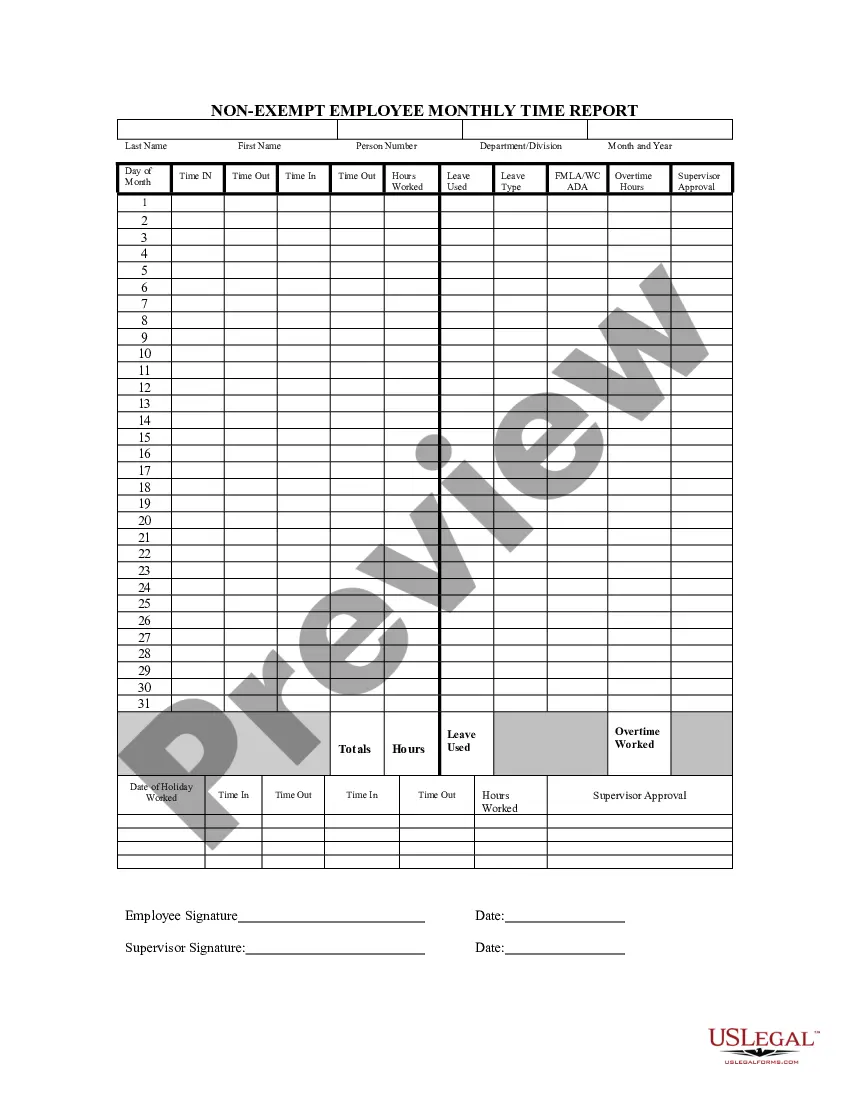
Indiana Employee Time Report (Nonexempt)
Description
Get your form ready online
Our built-in tools help you complete, sign, share, and store your documents in one place.
Make edits, fill in missing information, and update formatting in US Legal Forms—just like you would in MS Word.
Download a copy, print it, send it by email, or mail it via USPS—whatever works best for your next step.
Sign and collect signatures with our SignNow integration. Send to multiple recipients, set reminders, and more. Go Premium to unlock E-Sign.
If this form requires notarization, complete it online through a secure video call—no need to meet a notary in person or wait for an appointment.
We protect your documents and personal data by following strict security and privacy standards.

Make edits, fill in missing information, and update formatting in US Legal Forms—just like you would in MS Word.

Download a copy, print it, send it by email, or mail it via USPS—whatever works best for your next step.

Sign and collect signatures with our SignNow integration. Send to multiple recipients, set reminders, and more. Go Premium to unlock E-Sign.

If this form requires notarization, complete it online through a secure video call—no need to meet a notary in person or wait for an appointment.

We protect your documents and personal data by following strict security and privacy standards.
Looking for another form?





How to fill out Employee Time Report (Nonexempt)?
Are you in a situation where you require documents for potentially business or specific purposes almost every time.
There are many legal document templates available online, but finding forms you can trust is not easy.
US Legal Forms offers a vast array of template options, such as the Indiana Employee Time Report (Nonexempt), designed to meet federal and state regulations.
Find all the document templates you have purchased in the My documents section.
You can obtain another copy of the Indiana Employee Time Report (Nonexempt) at any time, if necessary. Just click on the desired form to download or print the document template.
- If you are already familiar with the US Legal Forms website and have an account, just Log In.
- Then, you can download the Indiana Employee Time Report (Nonexempt) template.
- If you do not have an account and wish to start using US Legal Forms, follow these steps.
- Identify the form you need and ensure it is for the correct region.
- Use the Preview button to check the form.
- Read the description to make sure you have selected the right form.
- If the form is not what you need, use the Search field to find the form that meets your requirements.
- Once you locate the correct form, click Get now.
- Choose the pricing plan you want, complete the required information to create your account, and pay for the order using your PayPal or credit card.
- Select a convenient file format and download your copy.
Form popularity
FAQ
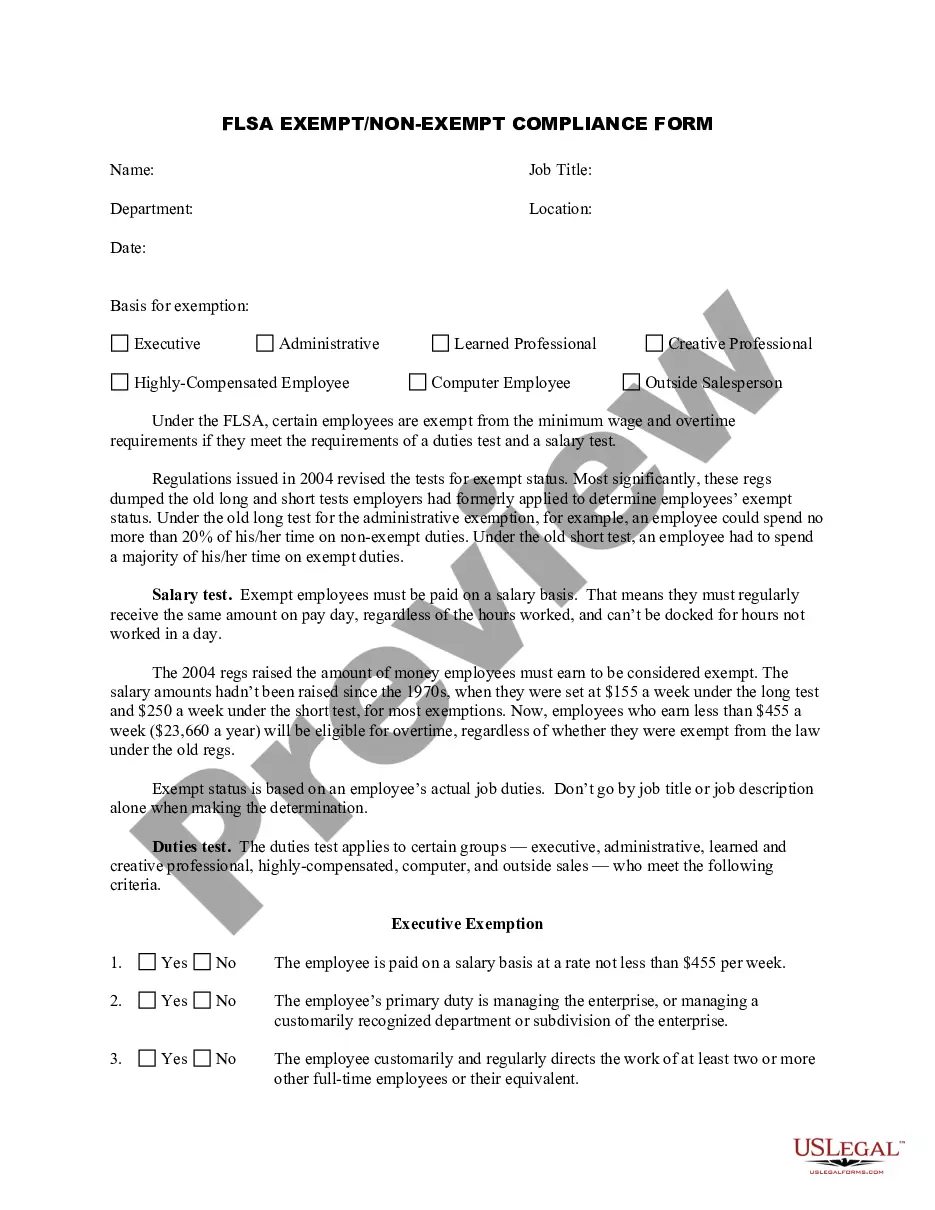
To be considered "exempt," these employees must generally satisfy three tests: Salary-level test. Effective January 1, 2020, employers must pay employees a salary of at least $684 per week.
Professional exemption Indiana exempts professional employees from its minimum wage and overtime requirements if they have the authority to hire or fire other employees and earn a minimum of $150 or more a may be exempt from the state minimum wage law.
The Indiana Overtime law also referred to as the Indiana Minimum Wage Law, echoes the Federal Fair Labor Standards Act (FLSA) in multiple ways. The two require employees to receive 1½ times their regular hourly pay rate as overtime from their employers, for all hours they work above forty hours during a workweek.
If you're aged 18 or over and work for more than 6 hours a day, you're entitled to: an uninterrupted rest break of at least 20 minutes, taken during the day rather than at the beginning or end (eg tea or lunch break) 11 hours rest in a row between each working day.
Overtime. Indiana labor laws require employers to pay employees overtime at a rate of 1½ time their regular rate when they work more than 40 hours in a workweek, unless otherwise exempt. IN Minimum Wage Notice; IN Statute 22-2-2-4(f).
"Yes," your employer can require you to work overtime and can fire you if you refuse, according to the Fair Labor Standards Act or FLSA (29 U.S.C. § 201 and following), the federal overtime law. The FLSA sets no limits on how many hours a day or week your employer can require you to work.
Other exempt employees in Indiana include: people under age 16, commission employees, religious employees, student nurses, medical interns, movie theater employees, and some independent contractors among others.
Nonexempt: An individual who is not exempt from the overtime provisions of the FLSA and is therefore entitled to overtime pay for all hours worked beyond 40 in a workweek (as well as any state overtime provisions). Nonexempt employees may be paid on a salary, hourly or other basis.
A: Indiana state law does not require employers to provide rest breaks or meal breaks.
An employee need not be allowed to leave the work site during a meal break, as long as the employee doesn't have to do any work. Ordinarily, a meal break is "bona fide" if it lasts for at least 30 minutes, although shorter breaks may also qualify, depending on the circumstances.