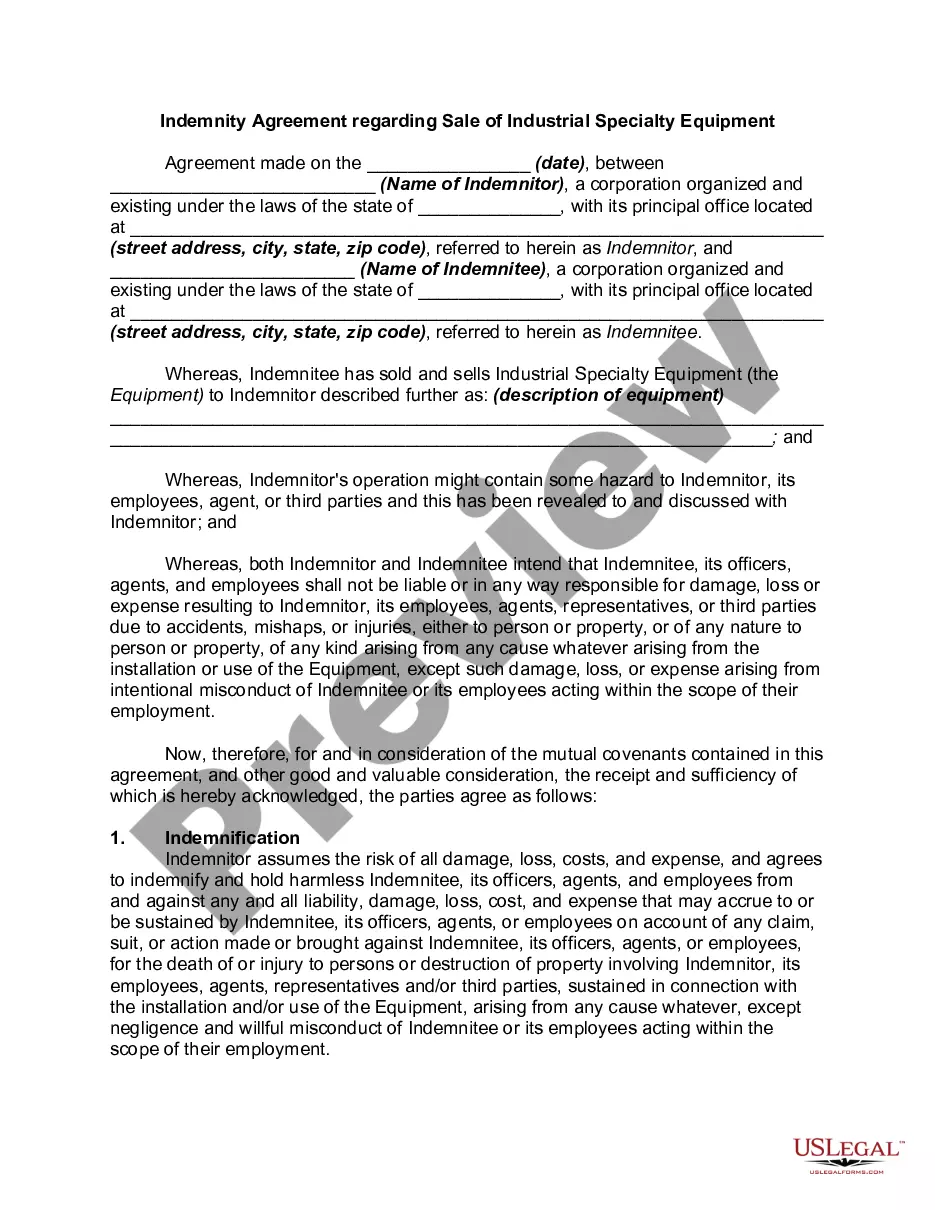
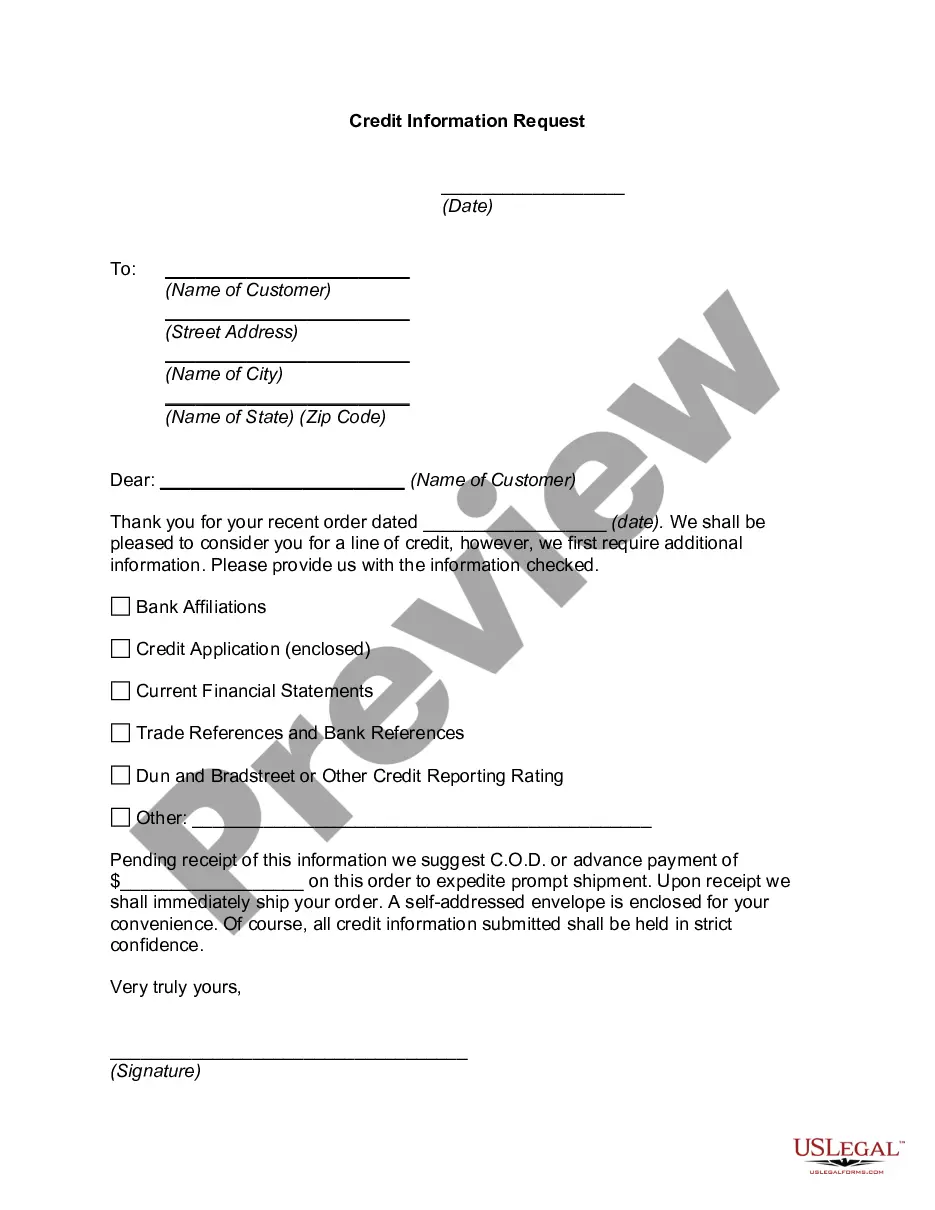
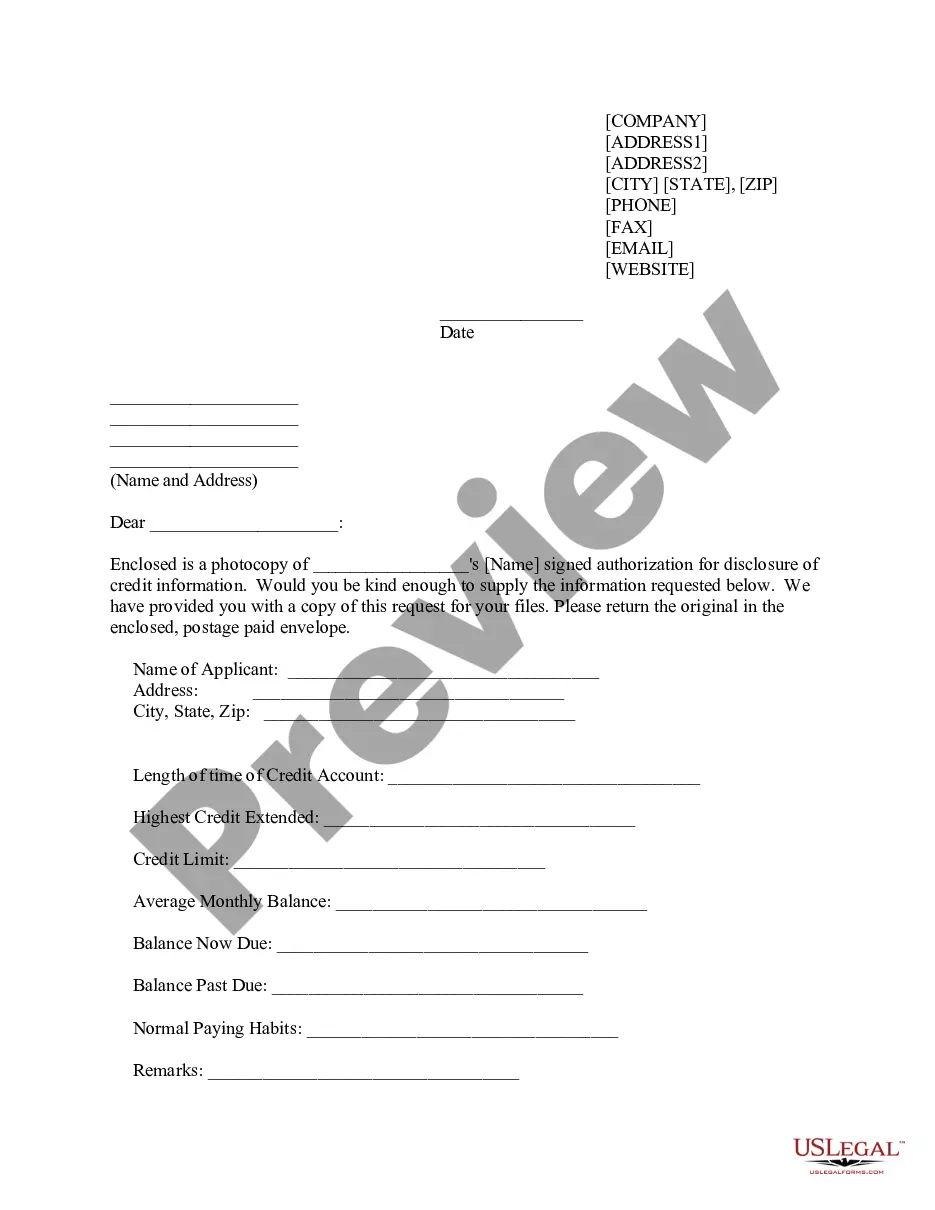
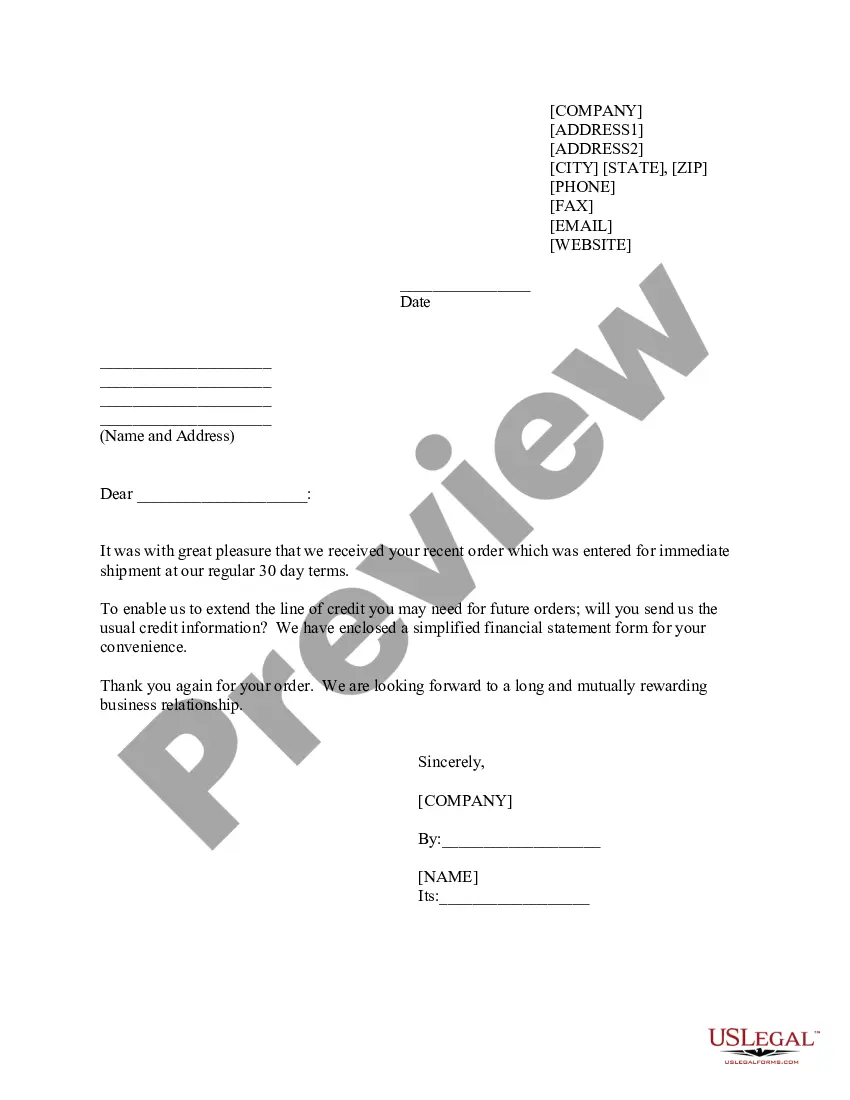
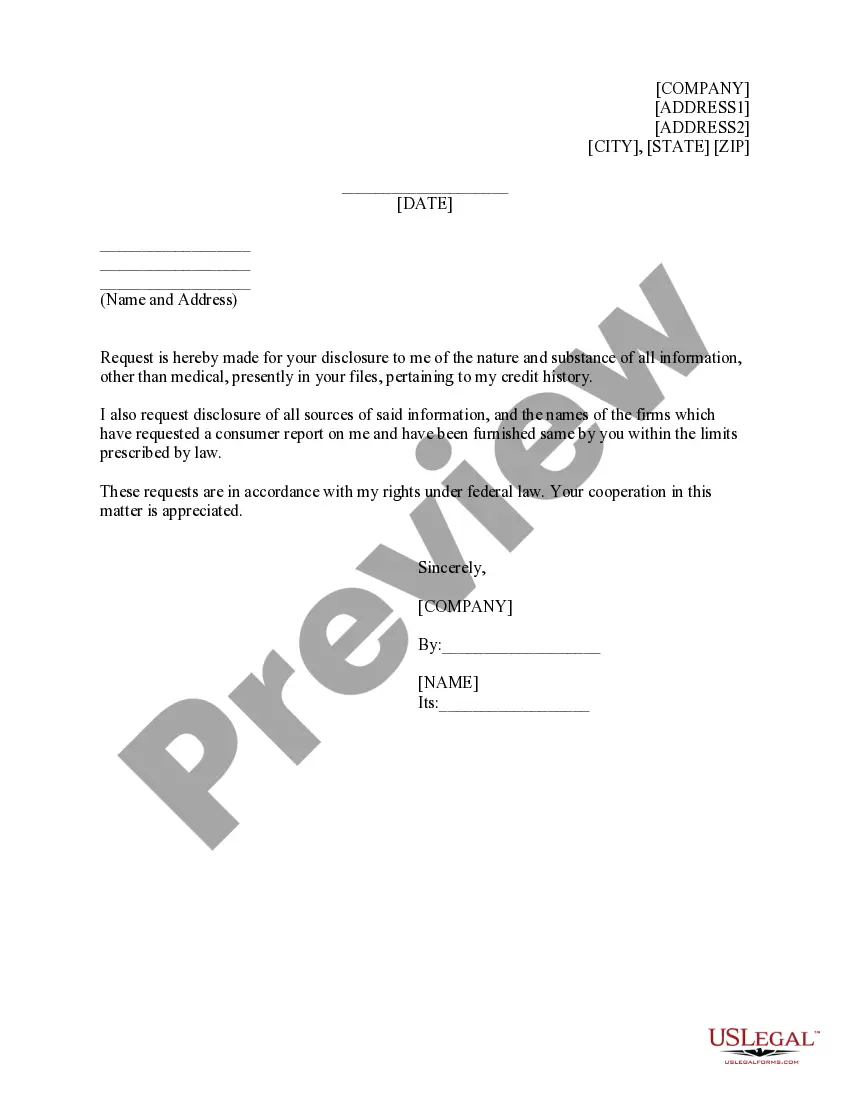
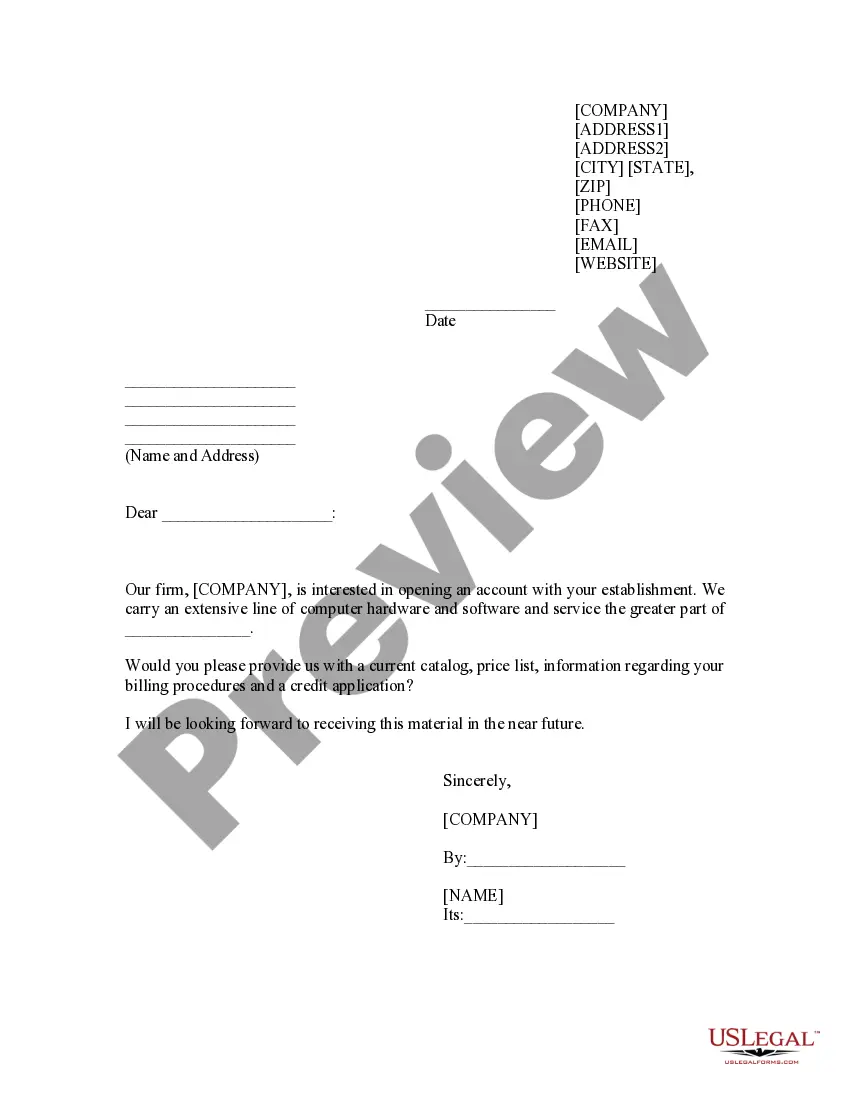
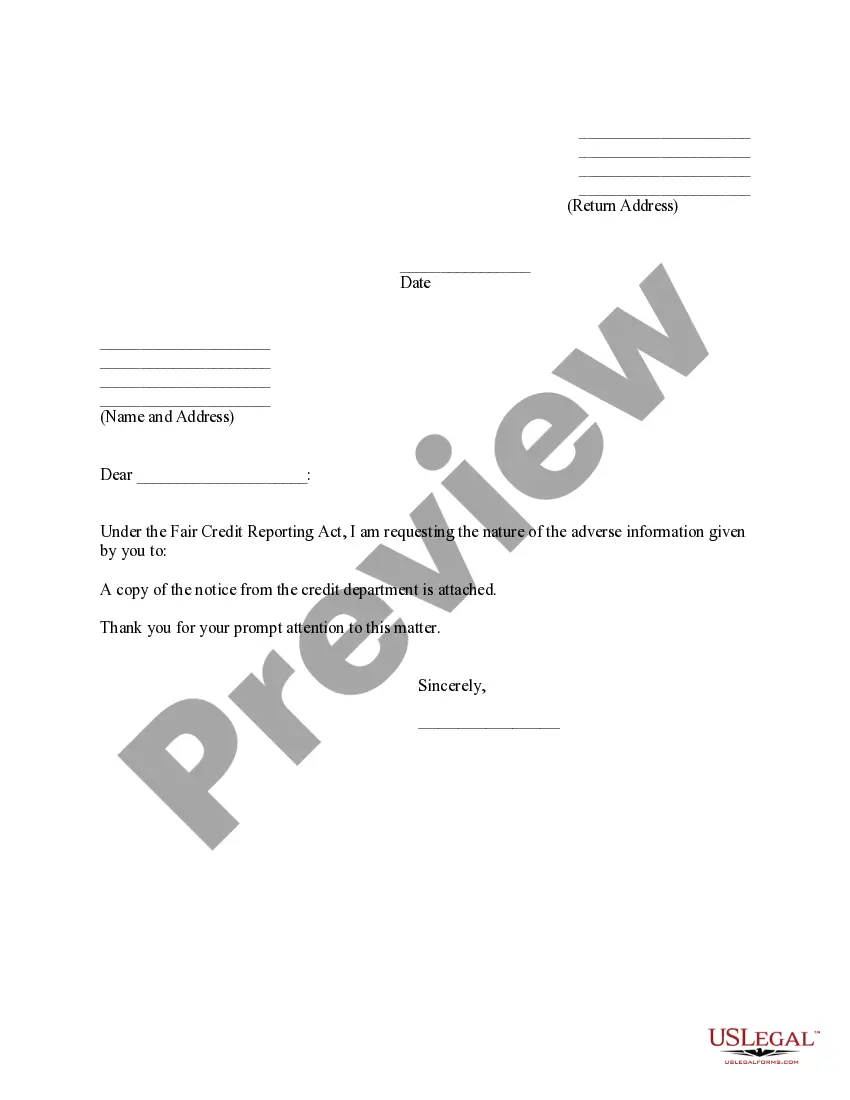
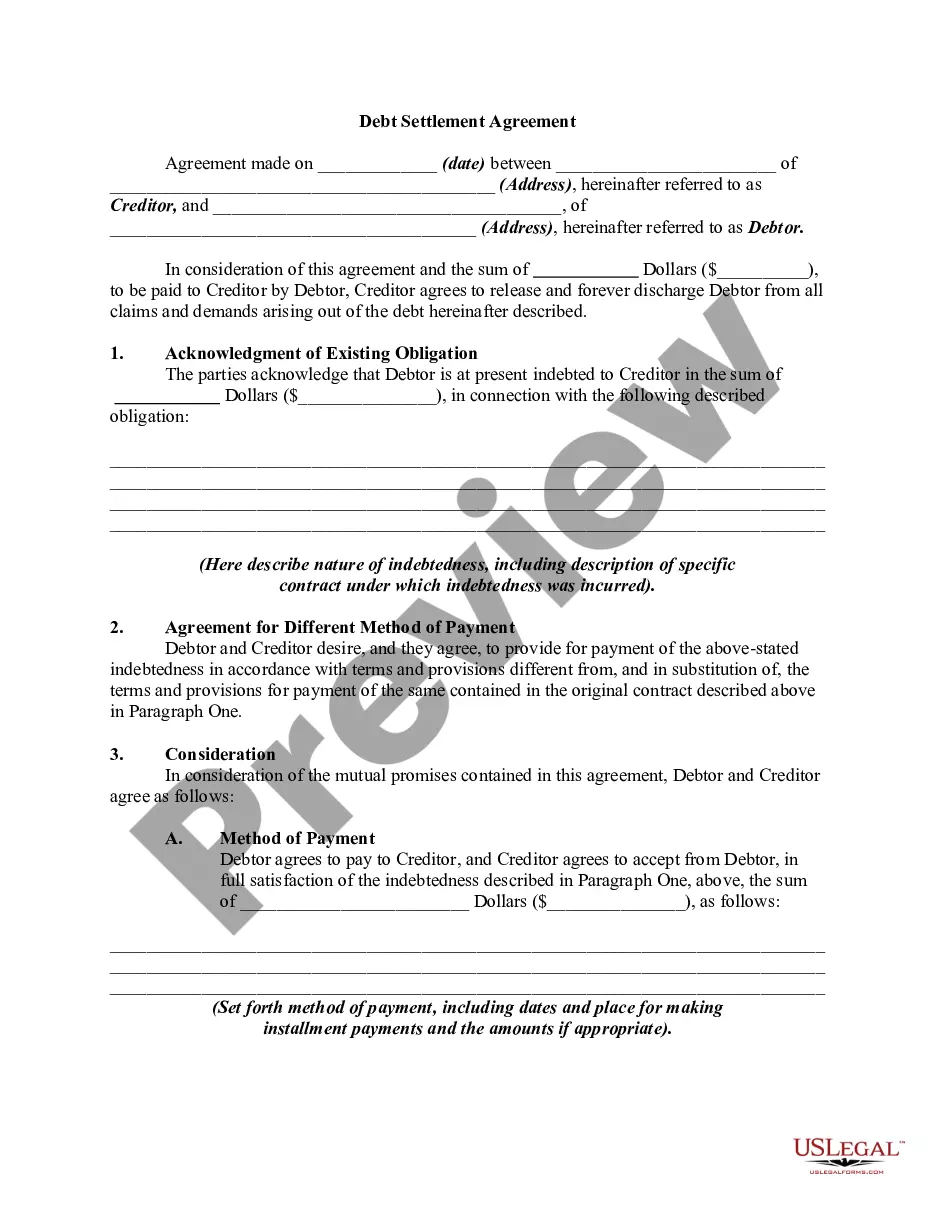
Indiana Credit Information Request
Description

Get your form ready online
Our built-in tools help you complete, sign, share, and store your documents in one place.
Make edits, fill in missing information, and update formatting in US Legal Forms—just like you would in MS Word.
Download a copy, print it, send it by email, or mail it via USPS—whatever works best for your next step.
Sign and collect signatures with our SignNow integration. Send to multiple recipients, set reminders, and more. Go Premium to unlock E-Sign.
If this form requires notarization, complete it online through a secure video call—no need to meet a notary in person or wait for an appointment.
We protect your documents and personal data by following strict security and privacy standards.

Make edits, fill in missing information, and update formatting in US Legal Forms—just like you would in MS Word.

Download a copy, print it, send it by email, or mail it via USPS—whatever works best for your next step.

Sign and collect signatures with our SignNow integration. Send to multiple recipients, set reminders, and more. Go Premium to unlock E-Sign.

If this form requires notarization, complete it online through a secure video call—no need to meet a notary in person or wait for an appointment.

We protect your documents and personal data by following strict security and privacy standards.
Looking for another form?



How to fill out Credit Information Request?
You can spend time online searching for the sanctioned document template that meets the federal and state specifications you require.
US Legal Forms offers thousands of legal templates that are reviewed by professionals.
You can obtain or print the Indiana Credit Information Request from their services.
If you wish to find an alternative version of the form, use the Search field to locate the template that fits your needs and requirements.
- If you already possess a US Legal Forms account, you may Log In and hit the Download button.
- Subsequently, you can complete, modify, print, or sign the Indiana Credit Information Request.
- Every legal document template you purchase is yours to keep permanently.
- To acquire an additional copy of any purchased form, navigate to the My documents section and click the relevant button.
- If you are utilizing the US Legal Forms website for the first time, follow the straightforward instructions below.
- First, ensure that you have selected the correct document template for your state/city of choice.
- Review the document description to confirm you have selected the appropriate form.
Form popularity
FAQ
The law regulates credit reporting and ensures that only business entities with a specific, legitimate purpose, and not members of the general public, can check your credit without written permission. The circumstances surrounding the release of your financial information vary widely.
AnnualCreditReport.com is the official site to get your free annual credit reports. This right is guaranteed by Federal law. You can verify this is the official site by visiting the CFPB's website. Don't be fooled by look-alike sites.
You Can See Your Credit Report Fortunately, the law now gives consumers the right to view their credit reports. The law isn't limited to credit reports, but other types of consumer reports that businesses use to process your applications.
Credit agencies and the government allow consumers to access their full credit report for free on a limited basis. Banks and credit card issuers, however, are increasingly giving their customers free access to regularly updated credit scores, along with credit updates and alerts.
You Can See Your Credit Report Fortunately, the law now gives consumers the right to view their credit reports. The law isn't limited to credit reports, but other types of consumer reports that businesses use to process your applications.
A: No, you can't check your spouse's (or ex's) personal credit reports. In order to request a consumer report on someone else, you must have what's called a permissible purpose under federal law, and marriage or divorce is not one of them.
Personal information: Your name, including any aliases or misspellings reported by creditors, birth date, Social Security number, current and past home addresses, phone numbers, and current and past employers.
No, not just anyone can look at your credit report. To access your report, an organization must have what's called "permissible purpose."
You must provide written consent before a prospective or current employer can get a copy of your credit report.
Thanks to the Fair Credit Reporting Act (FCRA), employers can't go checking your credit history behind your back. They must have written consent before pulling an applicant's credit history.