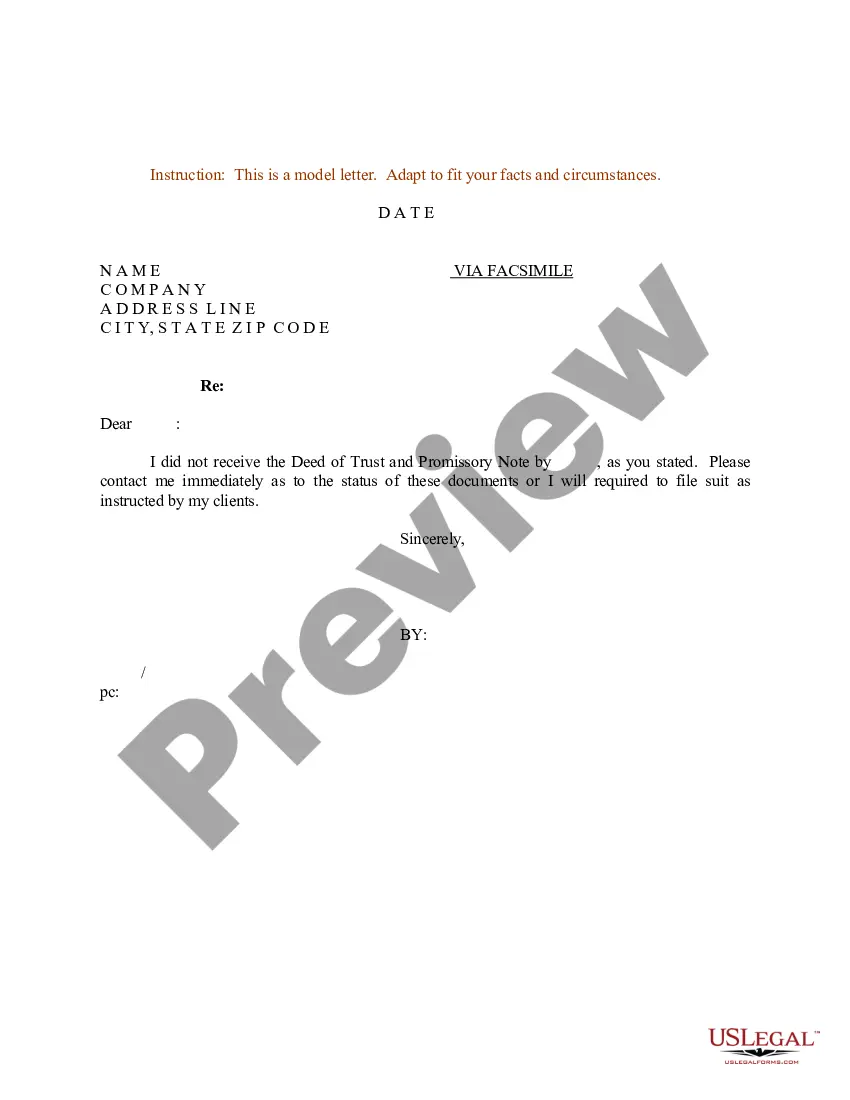
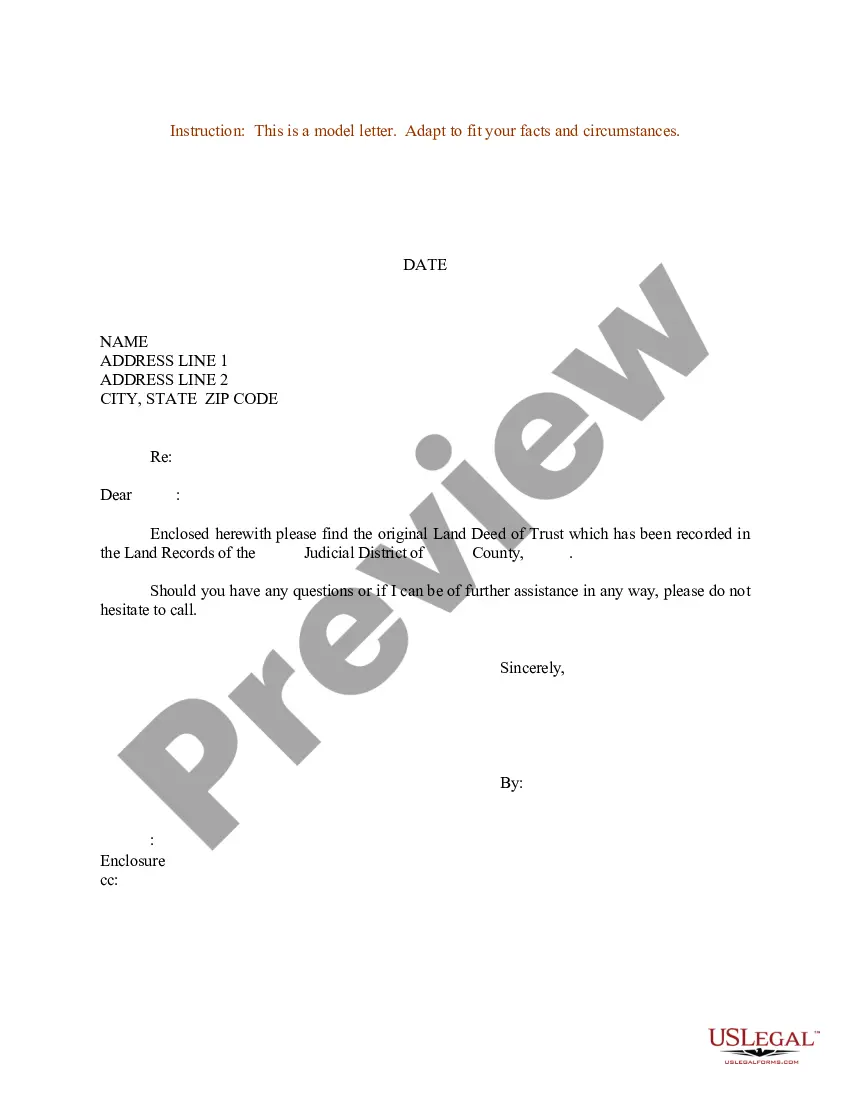
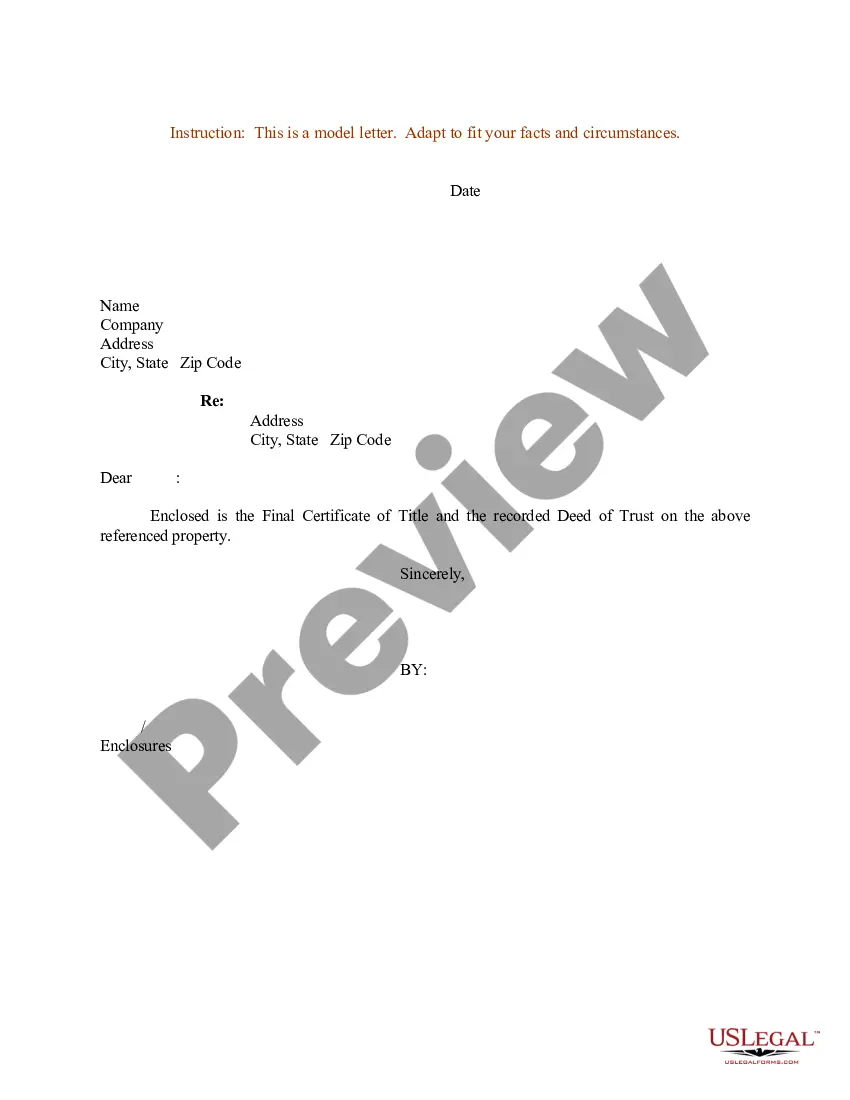
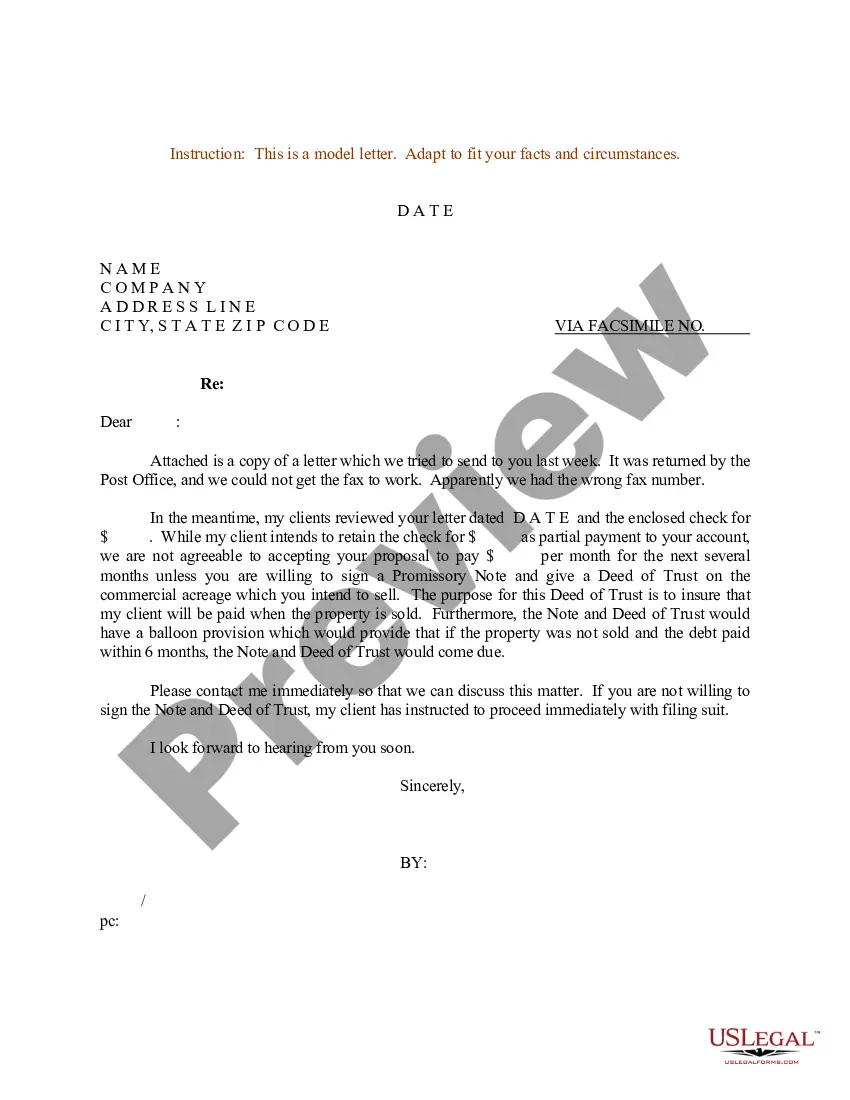
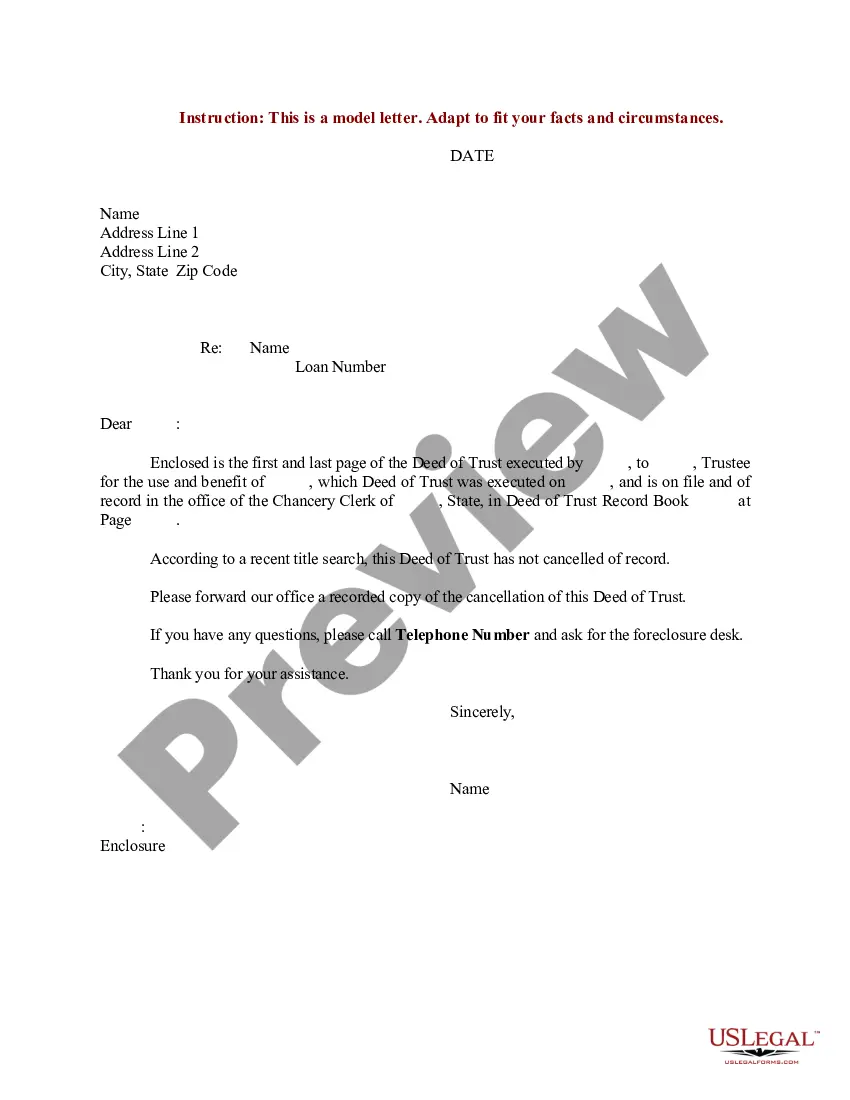
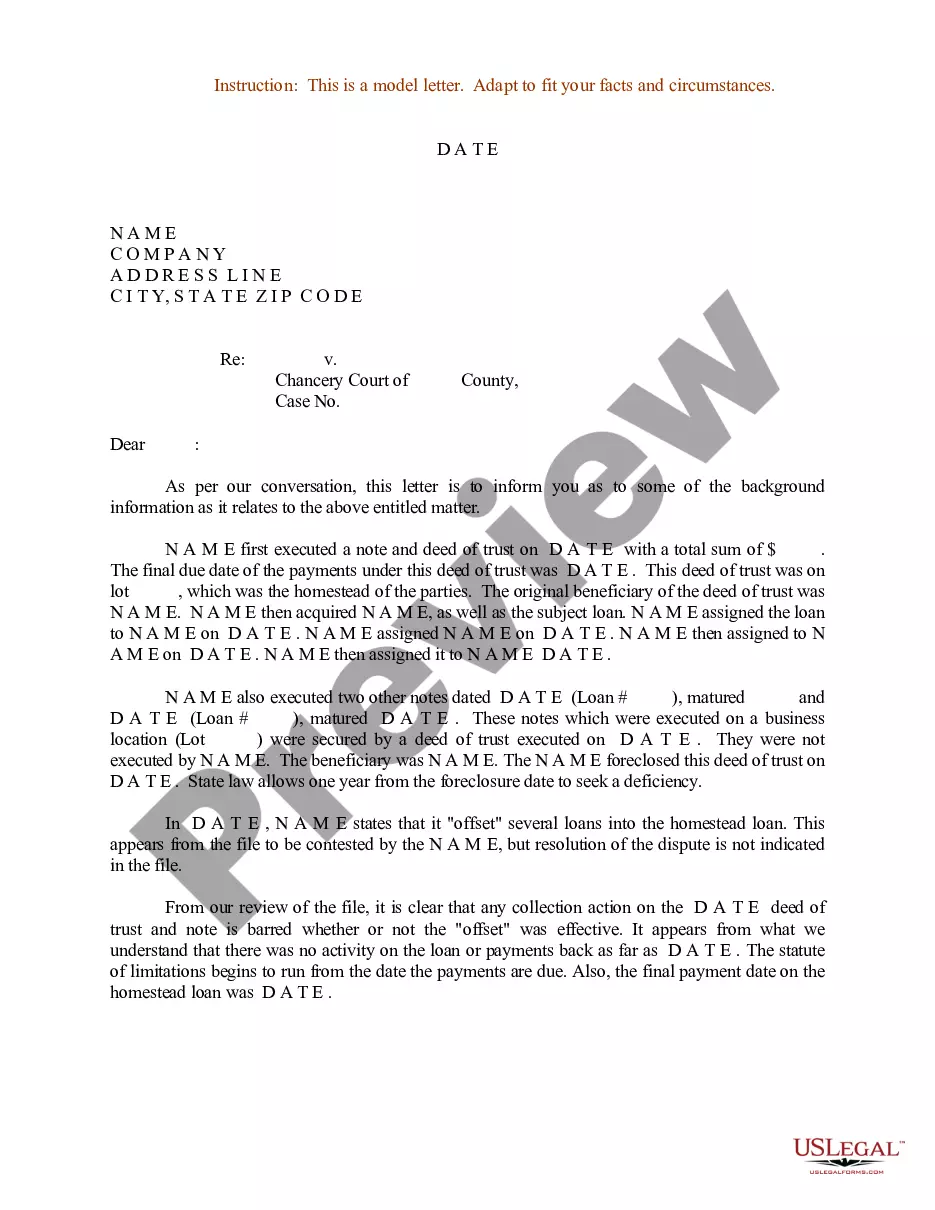
Indiana Sample Letter for Deed of Trust and Promissory Note
Description
How to fill out Sample Letter For Deed Of Trust And Promissory Note?
Discovering the right lawful papers design could be a battle. Naturally, there are plenty of themes available on the Internet, but how do you get the lawful kind you require? Make use of the US Legal Forms site. The services offers thousands of themes, including the Indiana Sample Letter for Deed of Trust and Promissory Note, that can be used for enterprise and personal requires. All the forms are inspected by experts and fulfill state and federal needs.
When you are previously authorized, log in for your account and click on the Obtain option to have the Indiana Sample Letter for Deed of Trust and Promissory Note. Use your account to check through the lawful forms you might have bought formerly. Check out the My Forms tab of your account and get another backup in the papers you require.
When you are a new customer of US Legal Forms, here are straightforward recommendations so that you can adhere to:
- Initially, be sure you have chosen the appropriate kind for your city/area. It is possible to examine the shape using the Review option and study the shape outline to make sure this is basically the best for you.
- In case the kind will not fulfill your preferences, use the Seach discipline to obtain the right kind.
- Once you are certain the shape is acceptable, go through the Purchase now option to have the kind.
- Pick the prices prepare you would like and enter in the necessary info. Create your account and purchase the transaction making use of your PayPal account or bank card.
- Select the submit formatting and download the lawful papers design for your gadget.
- Complete, change and printing and indication the attained Indiana Sample Letter for Deed of Trust and Promissory Note.
US Legal Forms is the largest collection of lawful forms that you can see a variety of papers themes. Make use of the service to download expertly-produced papers that adhere to state needs.
Form popularity
FAQ
At its most basic, a promissory note should include the following things: Date. Name of the lender and borrower. Loan amount. Whether the loan is secured or unsecured. If it's secured with collateral: What is the collateral? ... Payment amount and frequency. Payment due date. Whether the loan has a cosigner, and if so, who.
The promissory note is held by the lender until the loan is paid in full, and generally is not recorded with the county recorder or registrar of titles (sometimes also referred to as the county clerk, register of deeds, or land registry) whereas a deed of trust is recorded.
A Standard Document used for transferring an interest in an unsecured promissory note to a revocable trust that can be customized for use in any US jurisdiction. This Standard Document contains integrated notes and drafting tips.
The deed of trust is what secures the promissory note. The promissory note includes the interest rate, the payment amounts and terms, and the buyer's promise to pay the lender the amount borrowed plus interest.
With a deed of trust, the lender gives the borrower the funds to make the home purchase. In exchange, the borrower provides the lender with a promissory note. The promissory note outlines the terms of the loan and the borrower's promise (hence the name) to pay.
Promissory notes The estate will need to pay these. The estate may also need to collect on any loan the deceased made via promissory note unless the will specifies that these loans be forgiven.
A promissory note can become invalid if it excludes A) the total sum of money the borrower owes the lender (aka the amount of the note) or B) the number of payments due and the date each increment is due.
A trust deed is always used together with a promissory note that sets out the amount and terms of the loan. The property owner signs the note, which is a written promise to repay the borrowed money.