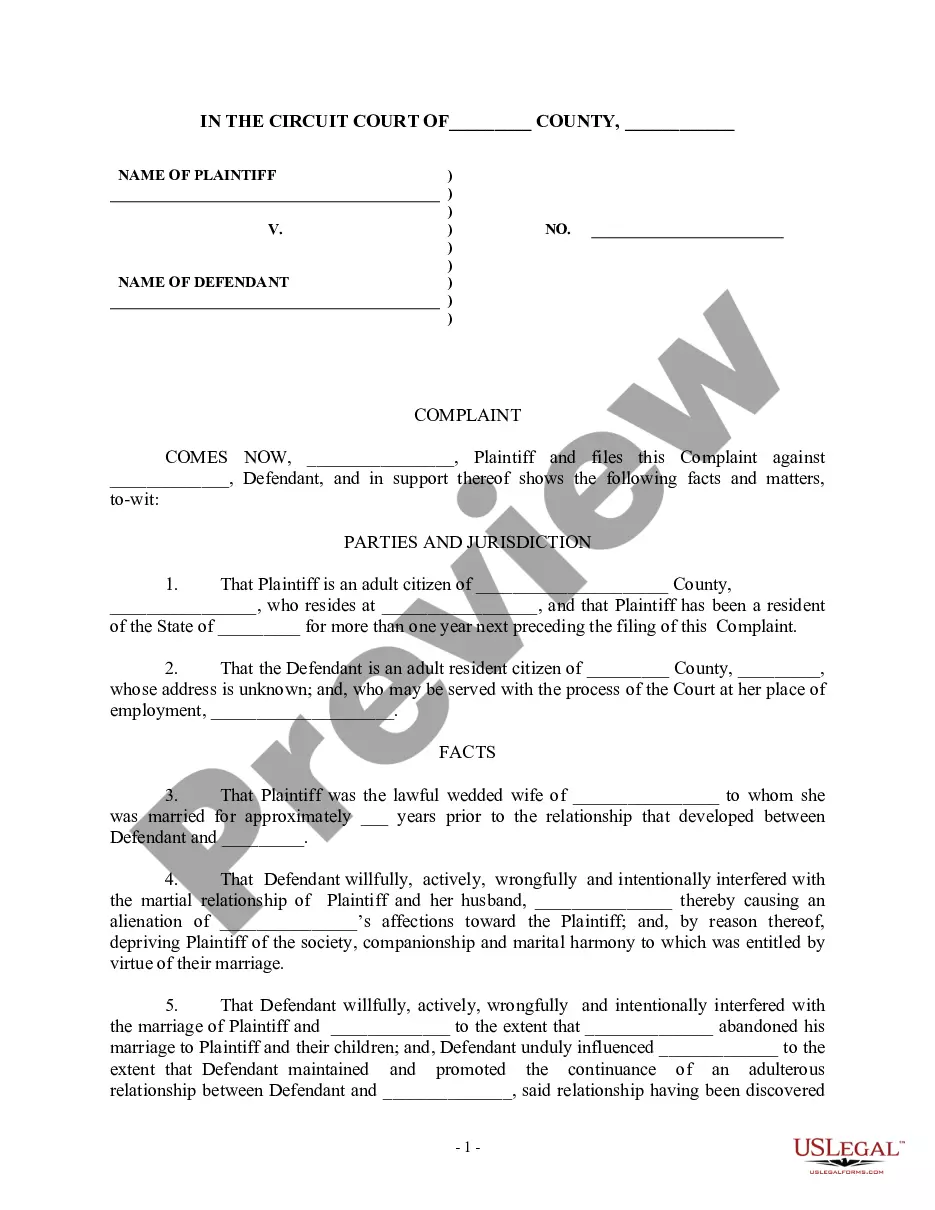
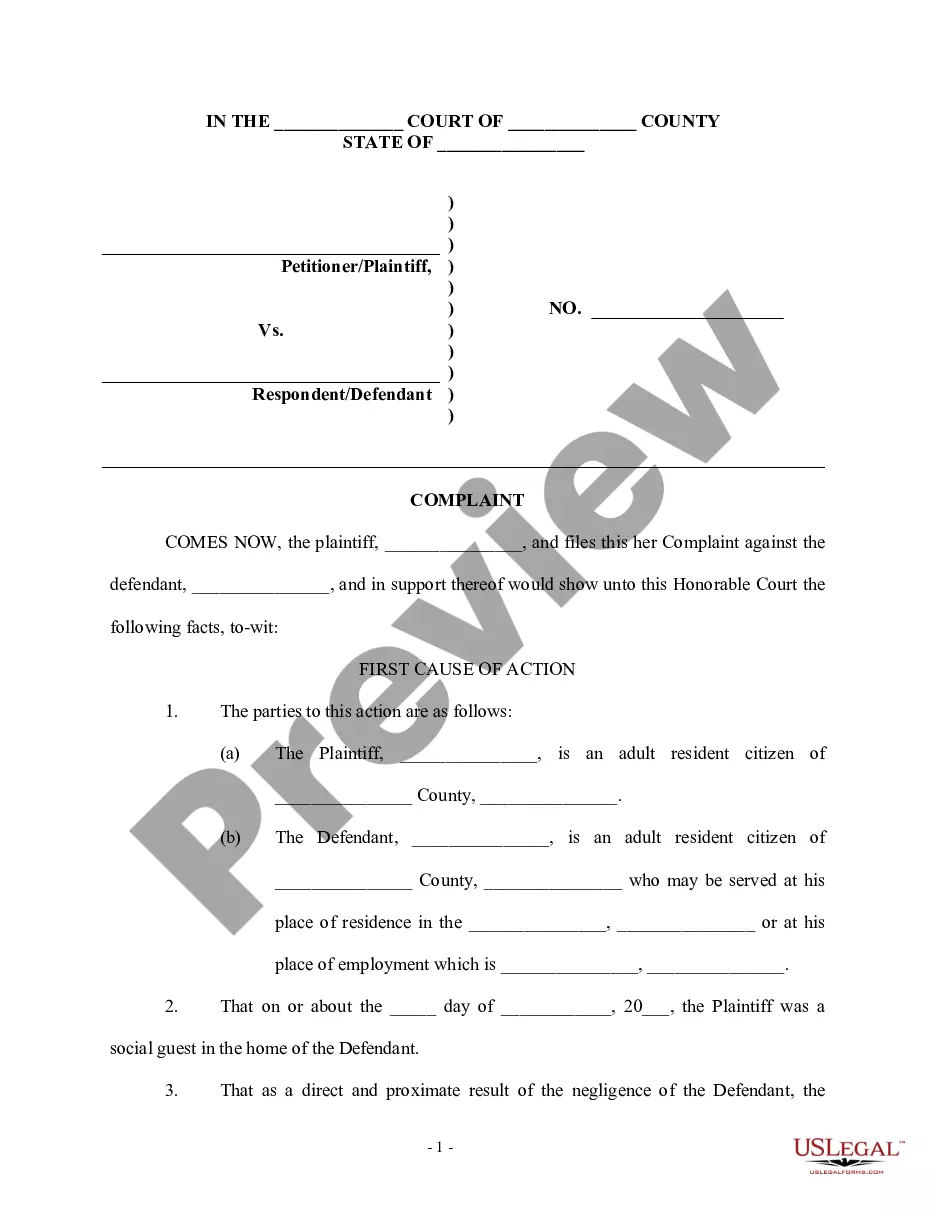
Indiana Complaint for malicious prosecution
Description
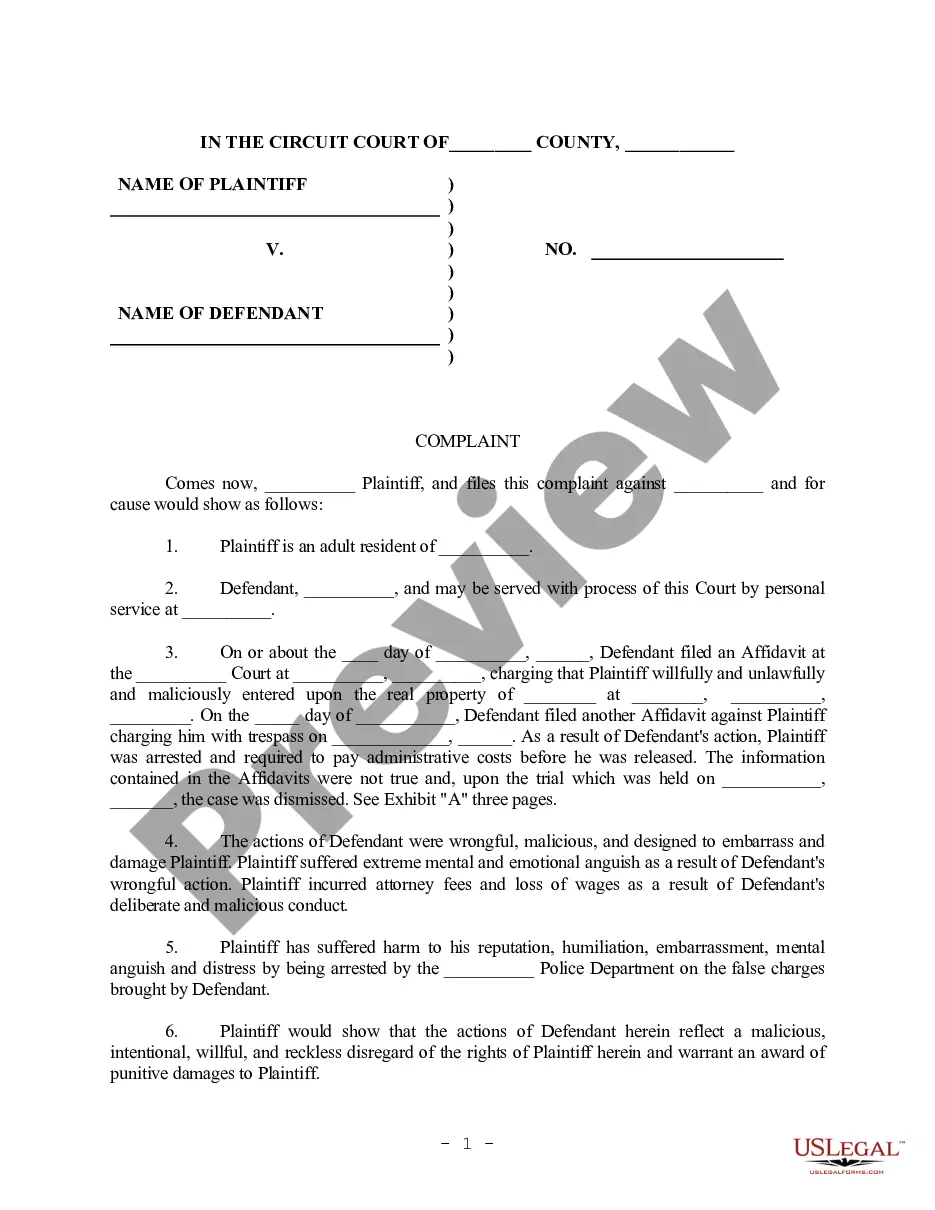
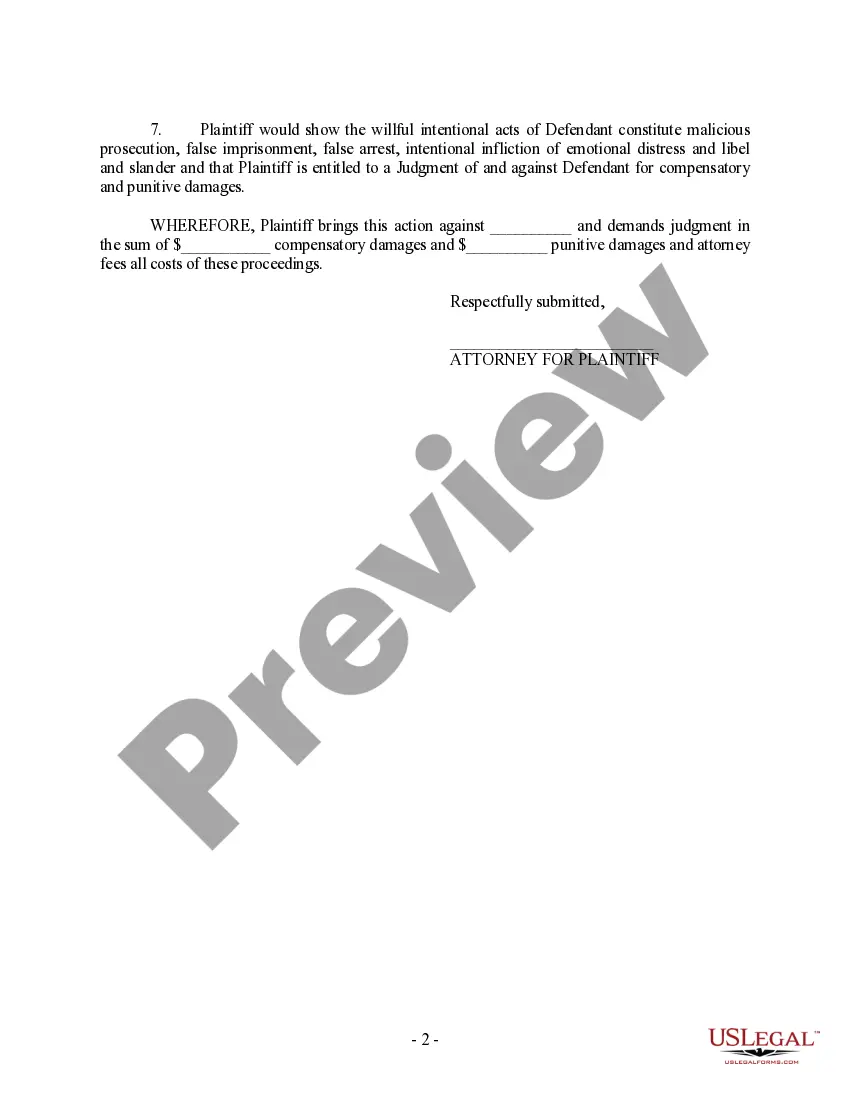

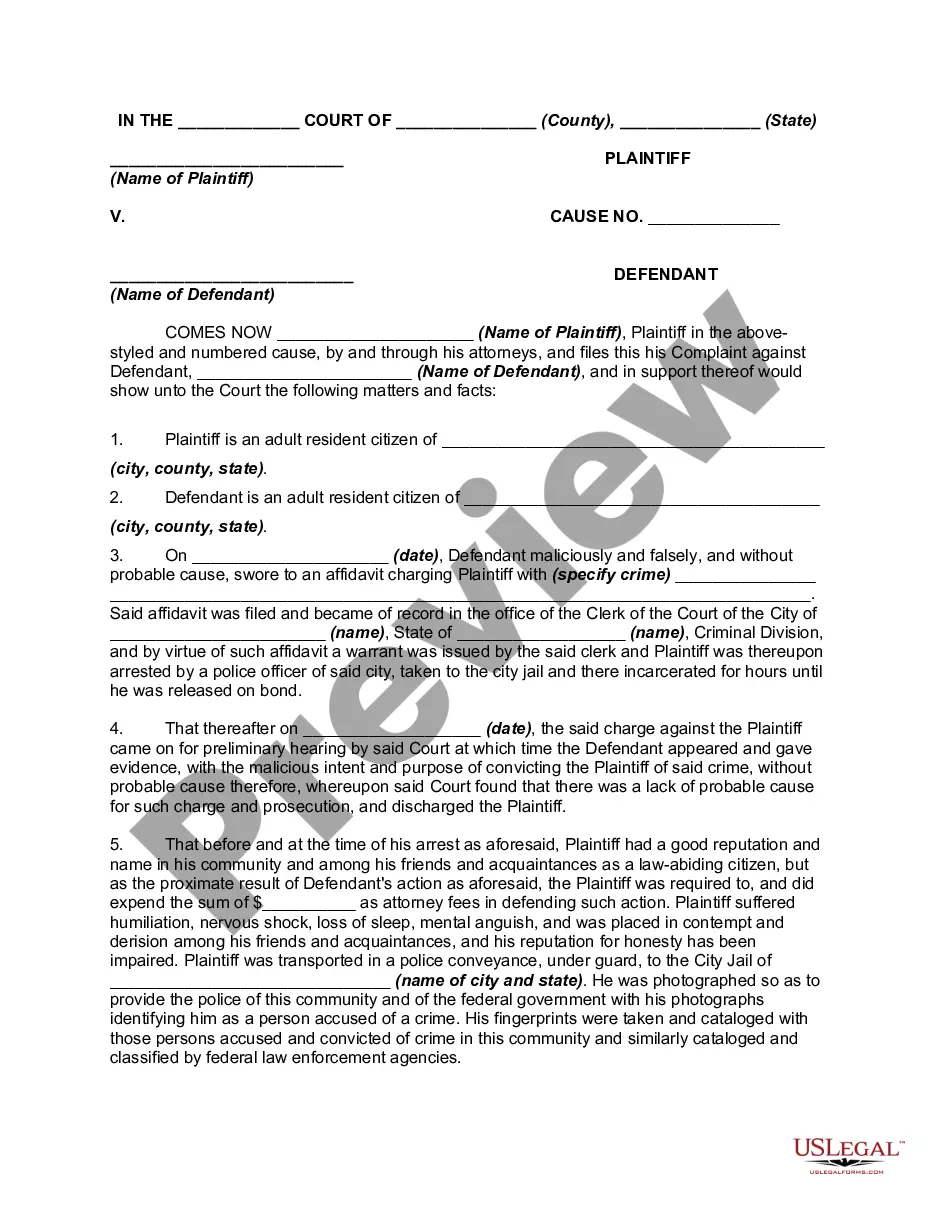
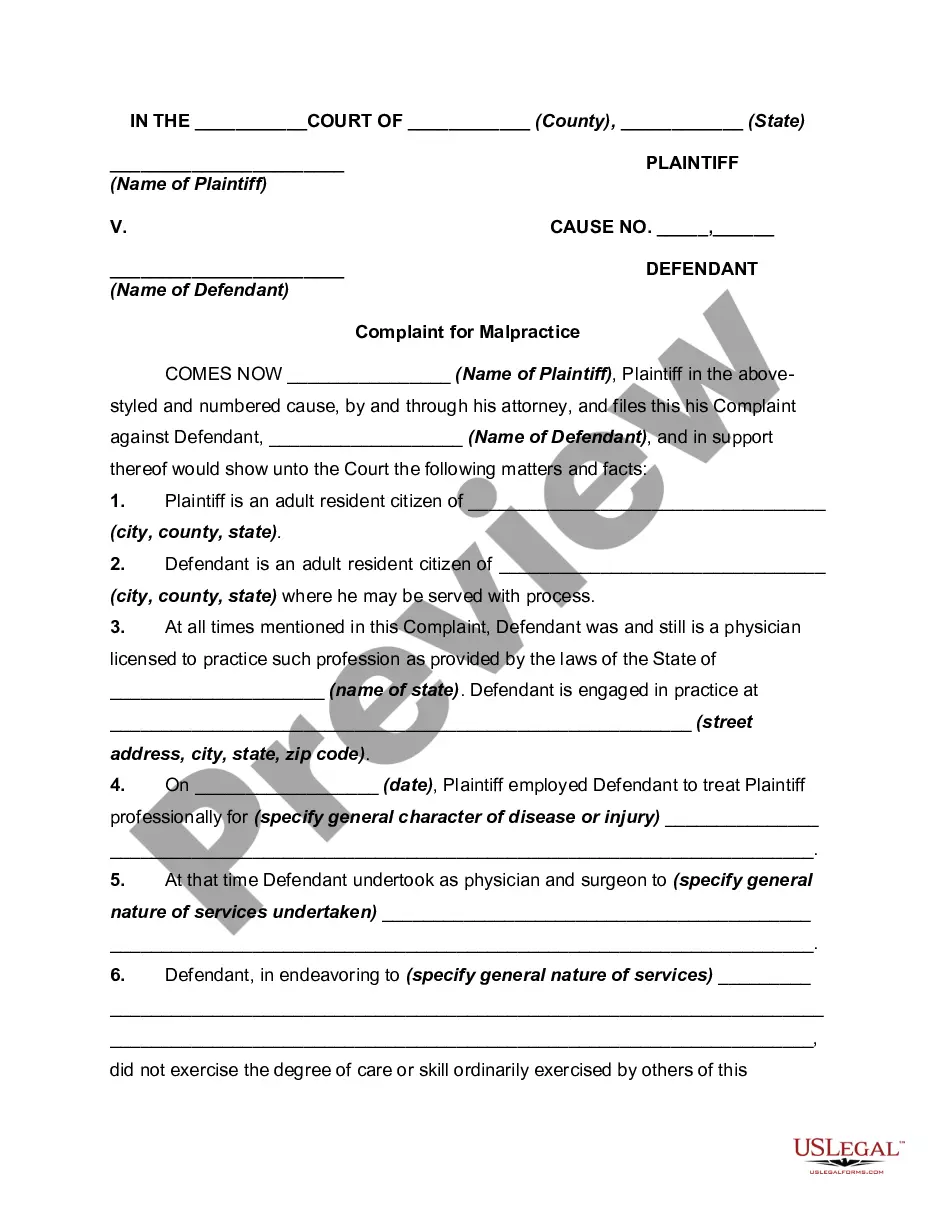
Get your form ready online
Our built-in tools help you complete, sign, share, and store your documents in one place.
Make edits, fill in missing information, and update formatting in US Legal Forms—just like you would in MS Word.
Download a copy, print it, send it by email, or mail it via USPS—whatever works best for your next step.
Sign and collect signatures with our SignNow integration. Send to multiple recipients, set reminders, and more. Go Premium to unlock E-Sign.
If this form requires notarization, complete it online through a secure video call—no need to meet a notary in person or wait for an appointment.
We protect your documents and personal data by following strict security and privacy standards.

Make edits, fill in missing information, and update formatting in US Legal Forms—just like you would in MS Word.

Download a copy, print it, send it by email, or mail it via USPS—whatever works best for your next step.

Sign and collect signatures with our SignNow integration. Send to multiple recipients, set reminders, and more. Go Premium to unlock E-Sign.

If this form requires notarization, complete it online through a secure video call—no need to meet a notary in person or wait for an appointment.

We protect your documents and personal data by following strict security and privacy standards.
Looking for another form?

How to fill out Complaint For Malicious Prosecution?
If you want to finish, download, or print sanctioned document templates, utilize US Legal Forms, the most extensive collection of legal forms available online.
Take advantage of the site's simple and efficient search to find the documents you require. Various templates for business and personal uses are sorted by categories and claims, or keywords.
Use US Legal Forms to locate the Indiana Complaint for malicious prosecution in just a few clicks.
Every legal document template you purchase is yours permanently. You have access to every form you saved in your account. Go to the My documents section and select a form to print or download again.
Complete, download, and print the Indiana Complaint for malicious prosecution with US Legal Forms. There are thousands of professional and state-specific forms available for your business or personal needs.
- If you are already a US Legal Forms customer, sign in to your account and then click the Download button to obtain the Indiana Complaint for malicious prosecution.
- You can also access forms you previously saved in the My documents section of your account.
- If you are using US Legal Forms for the first time, follow the steps below.
- Step 1. Ensure you have selected the form for the correct city/state.
- Step 2. Use the Review option to browse through the form's contents. Be sure to read the summary.
- Step 3. If you are not satisfied with the form, utilize the Search box at the top of the screen to find other variations of the legal form template.
- Step 4. Once you have located the form you need, click on the Purchase now button. Choose the payment plan you prefer and enter your credentials to register for an account.
- Step 5. Complete the purchase. You can use your credit card or PayPal account to finalize the transaction.
- Step 6. Select the format of the legal form and download it to your device.
- Step 7. Fill out, modify, and print or sign the Indiana Complaint for malicious prosecution.
Form popularity
FAQ
Examples of criminal malicious prosecution can include law enforcement pursuing baseless charges, such as: Charging someone with a crime to cover up misconduct by law enforcement. Trying to ruin an individual's reputation by bringing groundless criminal charges against them.
The elements of a malicious prosecution action are: (1) the defendant instituted or caused to be instituted an action against the plaintiff; (2) the defendant acted maliciously in so doing; (3) the defendant had no probable cause to institute the action; and (4) the original action was terminated in the plaintiff's ...
Evidence to support a malicious prosecution claim can include photographs, witness statements, legal records related to the first claim and expert testimony.
The Elements of a Malicious Prosecution Claim A legal action commenced or prosecuted without probable cause. ... The legal action was brought or initiated with malice or malicious intent. Final, favorable termination or resolution of the action (or relevant claims) in the defendant's favor. ... Legally recognizable damages.
A malicious prosecution case can be difficult to prove, but with a few key elements it can be won in court. First, it must be clear that the defendant did not have probable cause to bring the action.
Malicious prosecution damages can be significant, whether the ?prosecution? in question was civil or criminal in nature. Most of the time, the damages awarded for malicious prosecution are compensatory damages, with no punitive damages added.
The primary difference between the two legal actions is that malicious prosecution concerns the malicious or wrongful commencement of an action, while, on the other hand, abuse of process concerns the improper use of the legal process after process has already been issued and a suit has commenced.
1. In an action for libel or slander, it is sufficient to state generally that the defamatory matter published or spoken was about the plaintiff. If the defendant denies the allegation, the plaintiff must prove at trial the facts showing that the defamatory matter was published or spoken about the plaintiff.