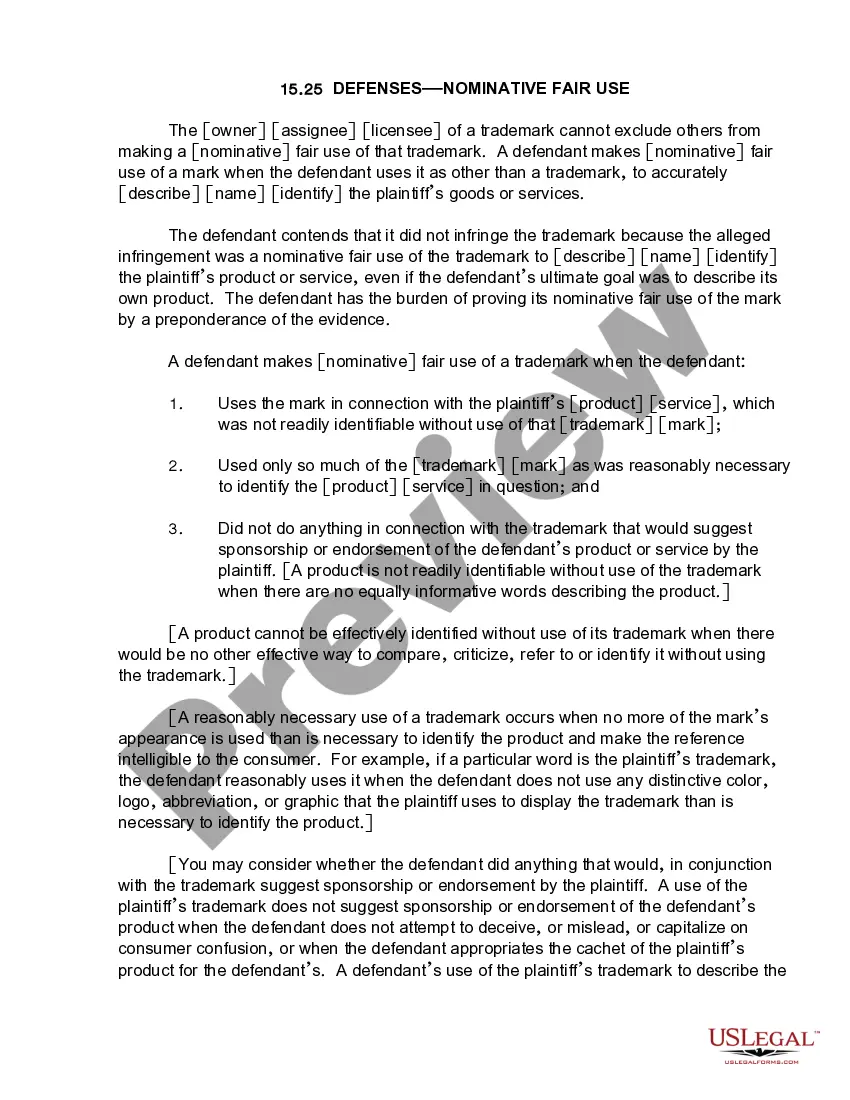
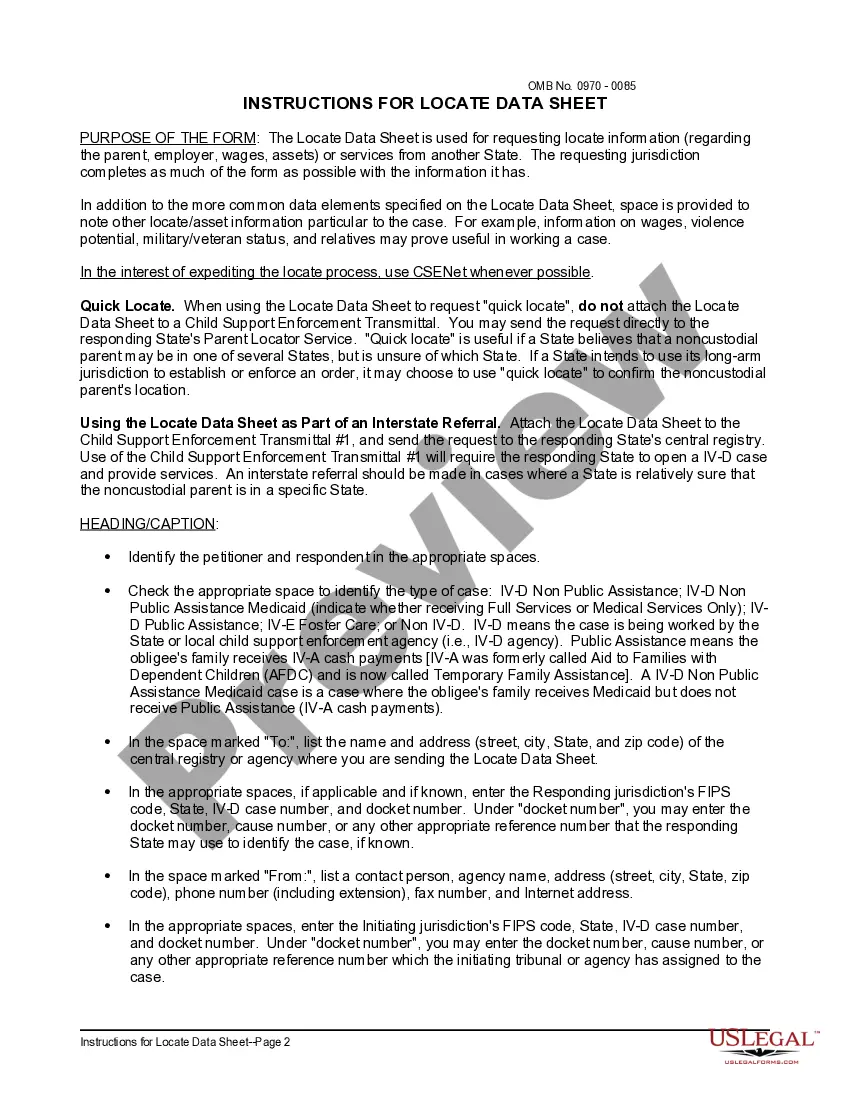
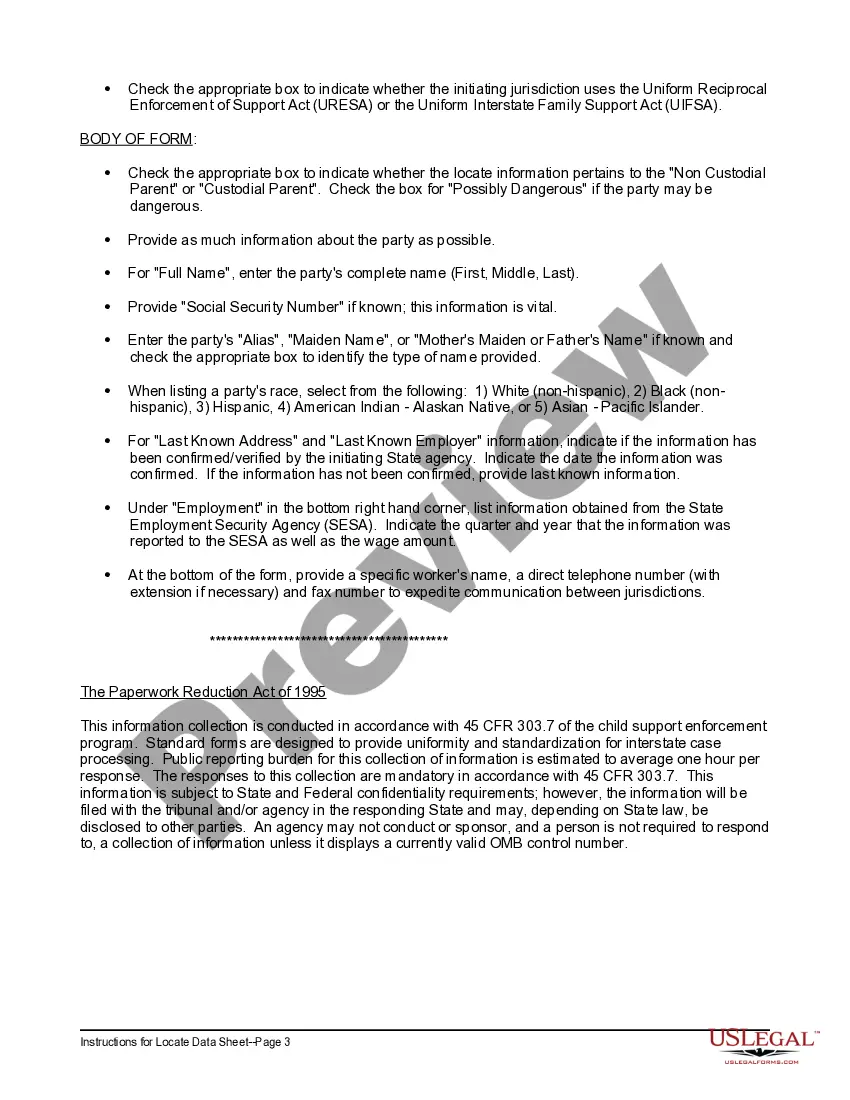
Indiana Locate Data Sheet and Instructions
Description
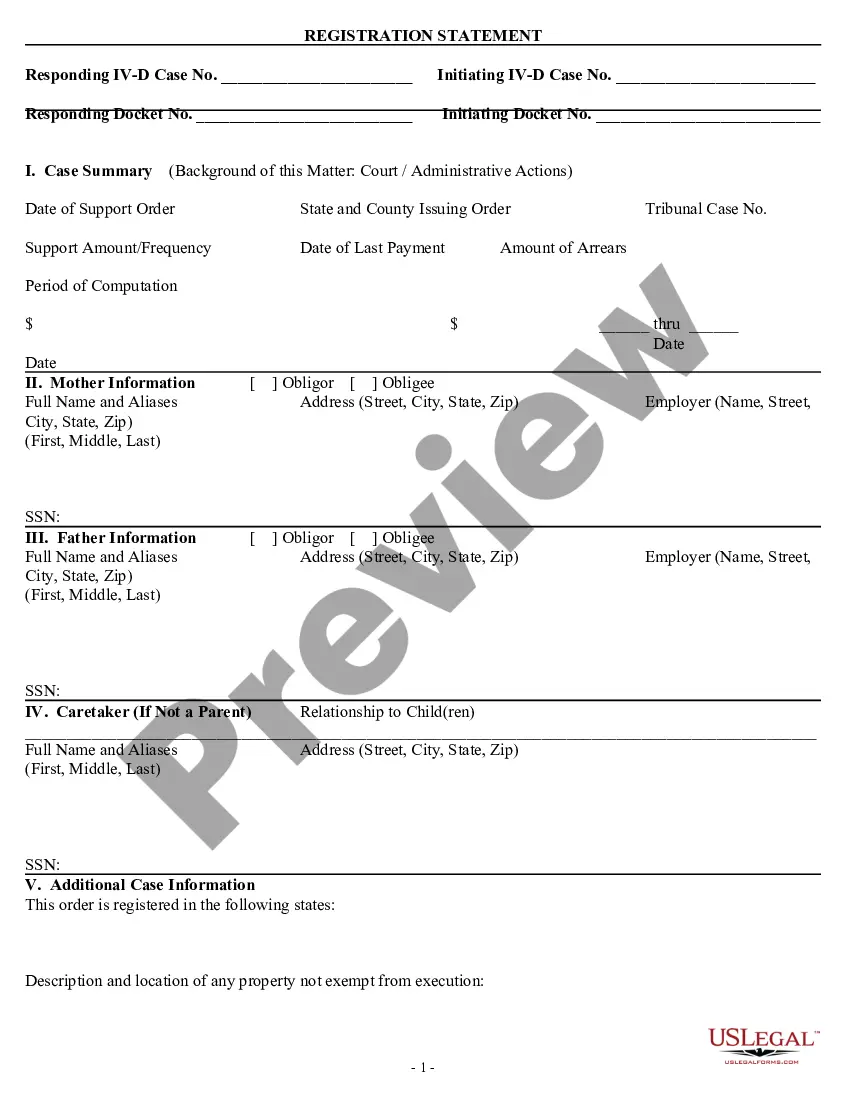
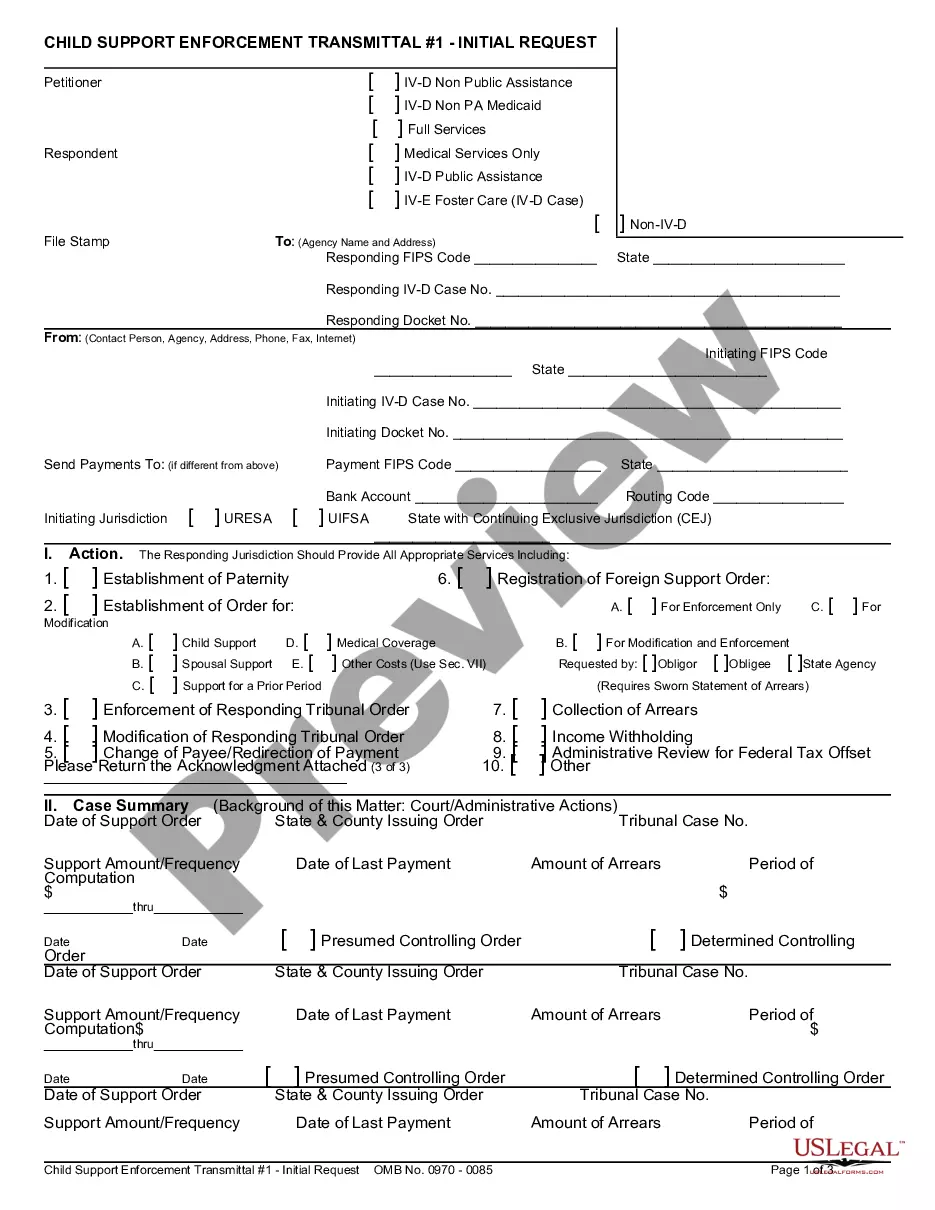
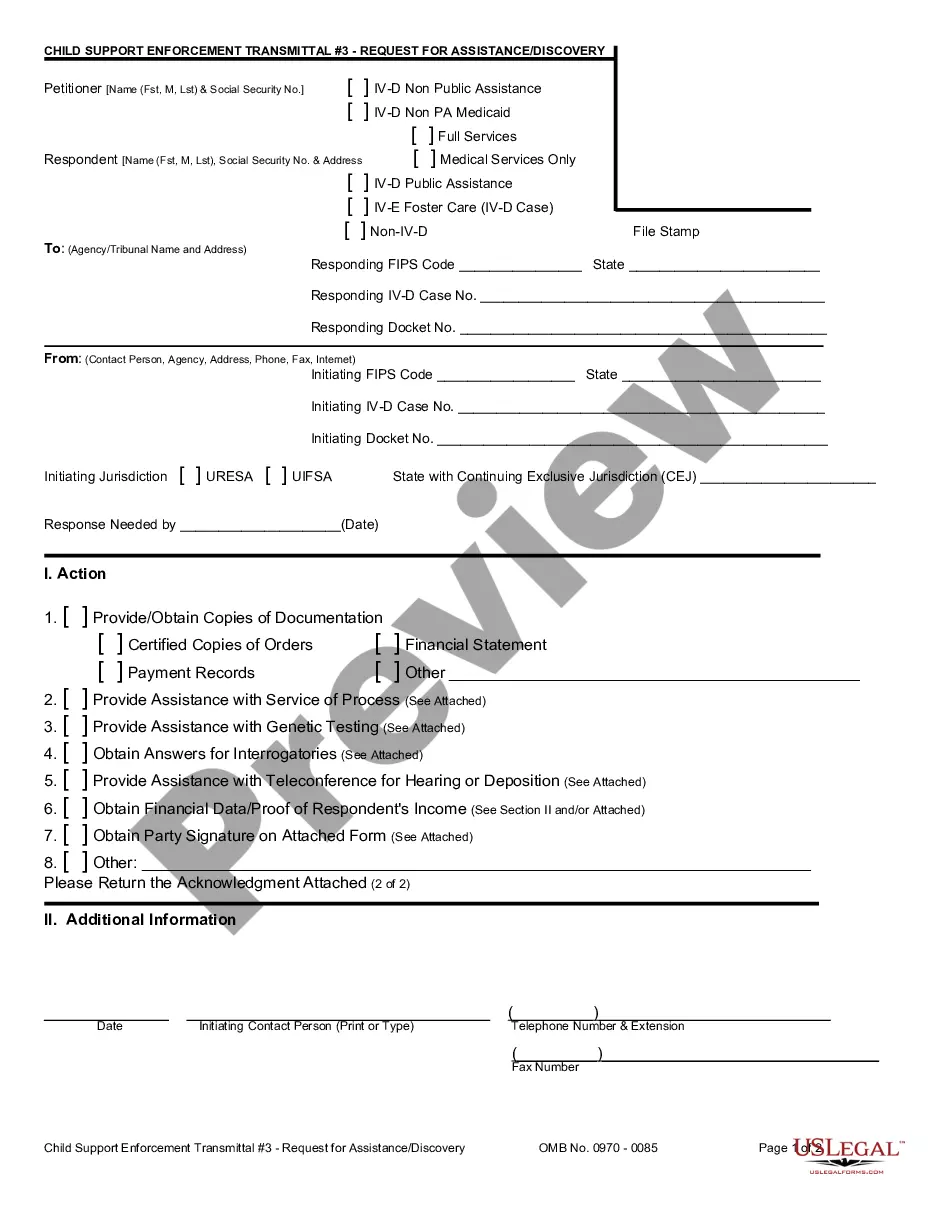


Get your form ready online
Our built-in tools help you complete, sign, share, and store your documents in one place.
Make edits, fill in missing information, and update formatting in US Legal Forms—just like you would in MS Word.
Download a copy, print it, send it by email, or mail it via USPS—whatever works best for your next step.
Sign and collect signatures with our SignNow integration. Send to multiple recipients, set reminders, and more. Go Premium to unlock E-Sign.
If this form requires notarization, complete it online through a secure video call—no need to meet a notary in person or wait for an appointment.
We protect your documents and personal data by following strict security and privacy standards.

Make edits, fill in missing information, and update formatting in US Legal Forms—just like you would in MS Word.

Download a copy, print it, send it by email, or mail it via USPS—whatever works best for your next step.

Sign and collect signatures with our SignNow integration. Send to multiple recipients, set reminders, and more. Go Premium to unlock E-Sign.

If this form requires notarization, complete it online through a secure video call—no need to meet a notary in person or wait for an appointment.

We protect your documents and personal data by following strict security and privacy standards.
Looking for another form?









How to fill out Locate Data Sheet And Instructions?
You can spend numerous hours online searching for the legal document template that meets the federal and state requirements you need.
US Legal Forms offers a vast array of legal forms that have been reviewed by experts.
It is easy to download or print the Indiana Locate Data Sheet and Instructions from their service.
If available, utilize the Preview button to view the document template as well. If you wish to obtain another version of the form, use the Search field to find the template that fits your needs and requirements. Once you have located the template you need, click Get now to proceed. Select the pricing plan you desire, enter your credentials, and register for an account on US Legal Forms. Complete the transaction. You can use your credit card or PayPal account to pay for the legal form. Choose the file format of the document and download it to your device. Make modifications to the document if needed. You can complete, adjust, and sign and print the Indiana Locate Data Sheet and Instructions. Download and print numerous document templates using the US Legal Forms website, which provides the largest selection of legal forms. Utilize professional and state-specific templates to address your business or personal needs.
- If you already possess a US Legal Forms account, you can Log In and click the Download button.
- After that, you can complete, modify, print, or sign the Indiana Locate Data Sheet and Instructions.
- Every legal document template you obtain is yours indefinitely.
- To retrieve another copy of a purchased form, go to the My documents tab and click the appropriate button.
- If this is your first time using the US Legal Forms site, follow the simple instructions below.
- First, ensure you have chosen the correct document template for the county/city of your preference.
- Review the form description to make sure you have selected the right one.
Form popularity
FAQ
When you dial 811, you will automatically be connected to a representative from your state's 811 center who will ask you simple questions about the location and details of your digging project. If you make your request online, you will enter the same information into a form.
Code ch. 8-1-26, requires everyone who digs to contact Indiana 811 at least two full working days before starting their project. In 2003, the Indiana General Assembly revised the ?Call Before You Dig? law and made it a requirement that all owners and operators of underground facilities become a member of Indiana 811.
?INDIANA LAW SAYS LOCATE REQUESTS ARE GOOD FOR 20 DAYS.? Visit Indiana811.org or call 811 two full working days before you dig.
811 is the national call-before-you-dig phone number. Anyone who plans to dig should call 811 or go to their state 811 center's website before digging to request that the approximate location of buried utilities be marked with paint or flags so that you don't unintentionally dig into an underground utility line.
The Federal Communications Commission has designated the three-digit 811 code as the national toll-free number for all local ?Call Before You Dig? phone centers throughout the United States. 811 in Indiana took effect in 2007 and is reachable toll-free from anywhere in the state. You can also call 1-800-382-5544.
In both cases, the nominal minimum burial depth is 18 inches (450 mm), as measured from the top of the conductor or raceway to the top of the finished grade, concrete, or other cover.
A locate ticket is good for 20 calendar days. Once you request locates, utilities with underground facilities will mark the lines within two full working days. This excludes Saturdays, Sundays, and legal holidays.
In the United States, a gas line should be between 18 and 24 inches deep. Usually, the main gas lines are at least 24 inches deeper than service gas lines found at a depth of 18 inches underground. The depth of a gas line depends on a few factors, including the type of gas and the pipeline's purpose.