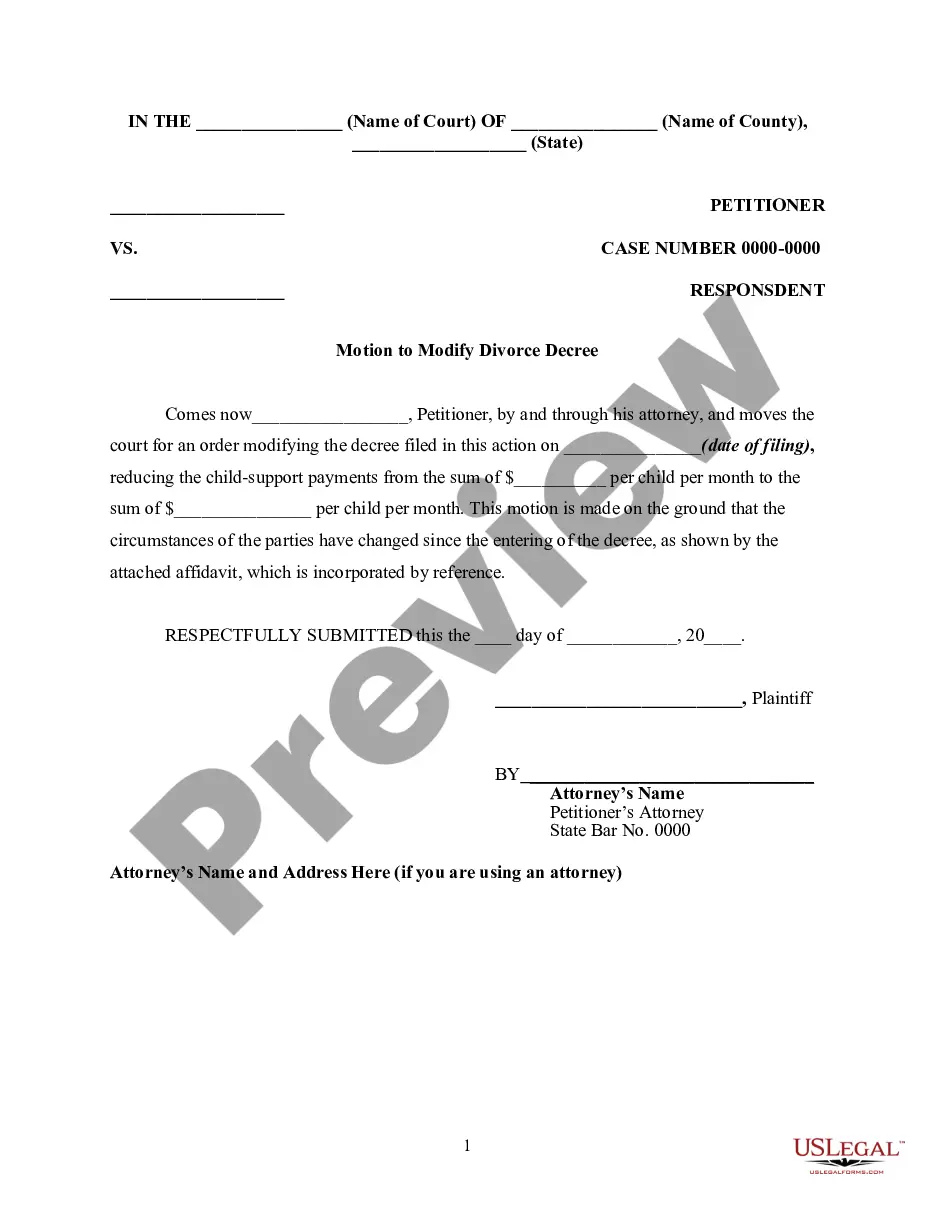
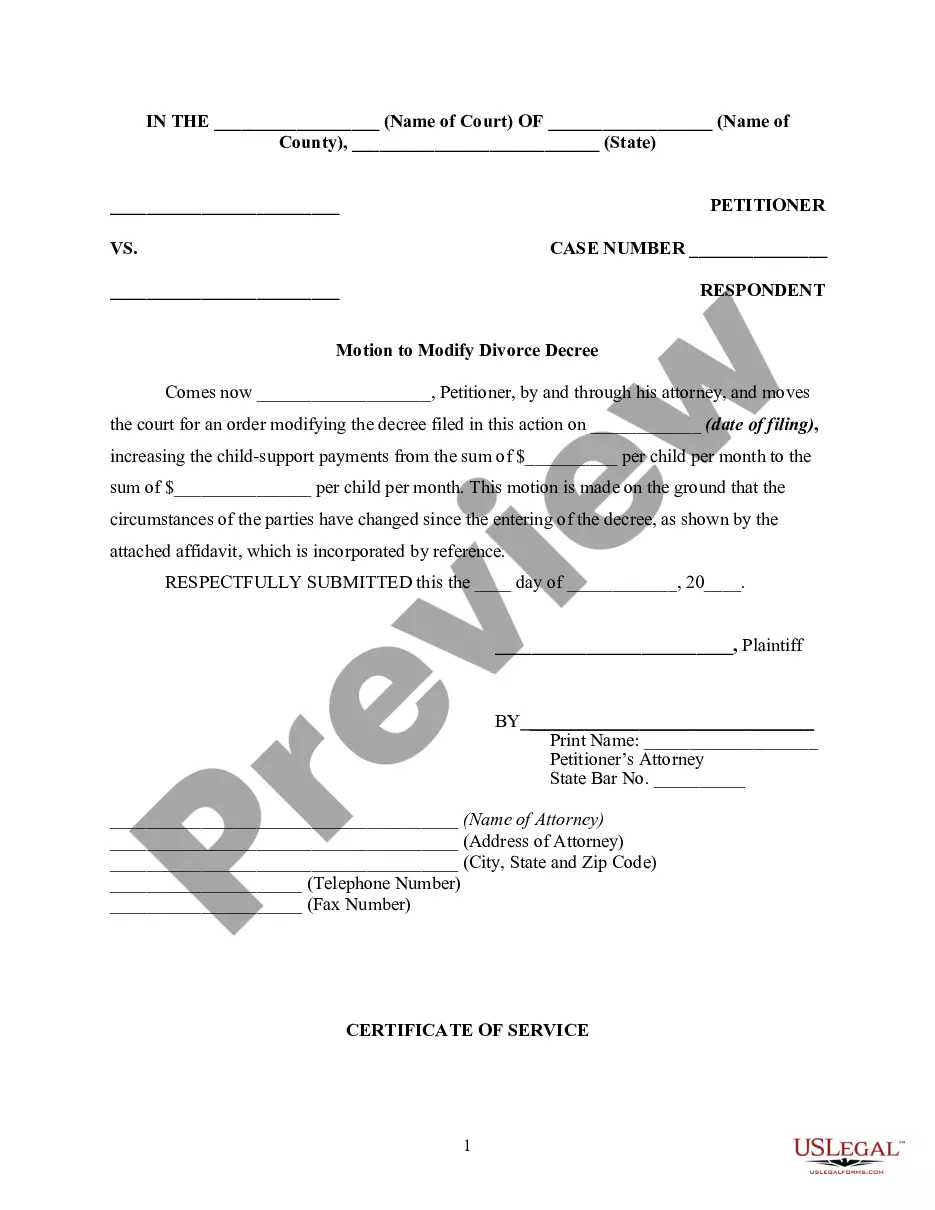
Indiana Motion to Modify or Amend Divorce Decree to Provide for Decrease in Amount of Child Support
Description
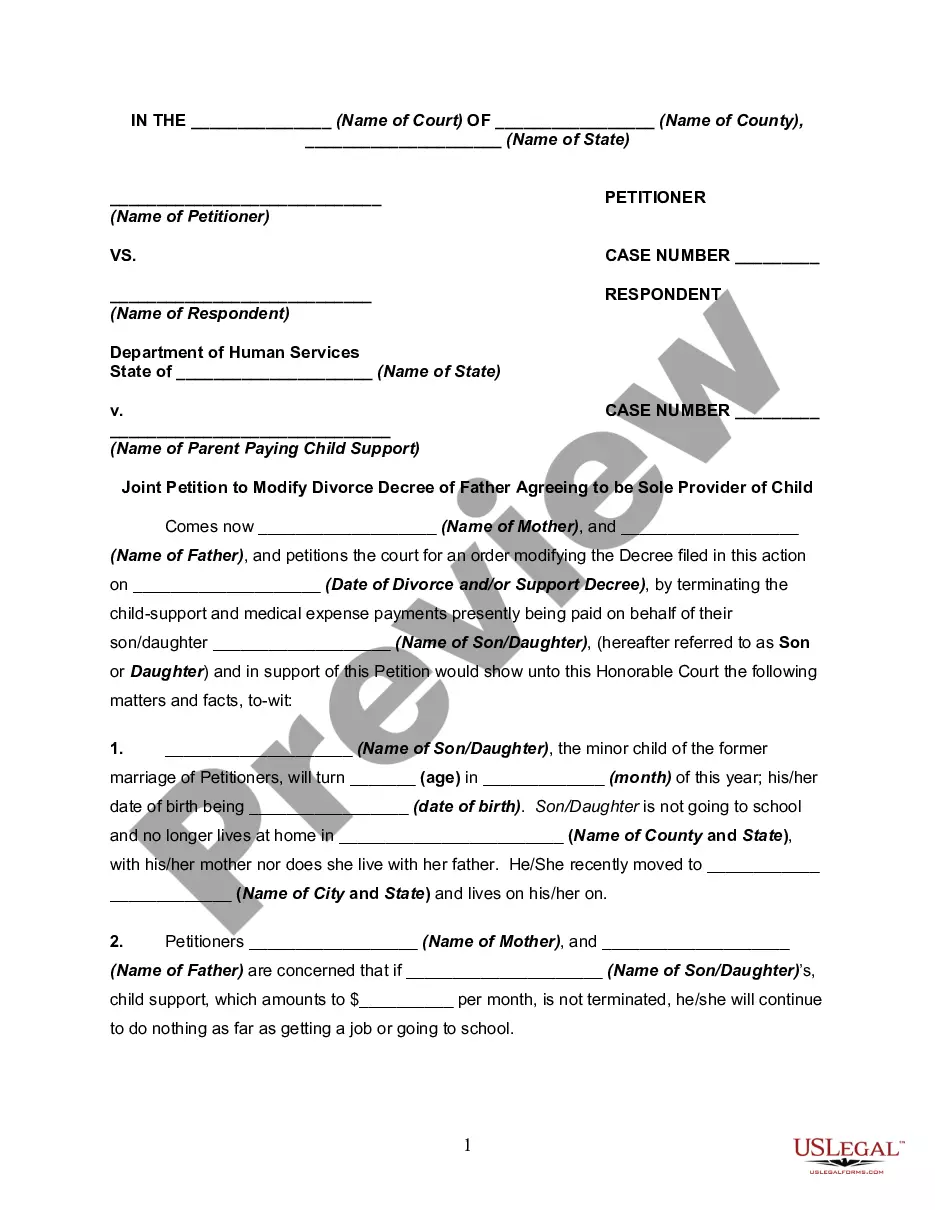
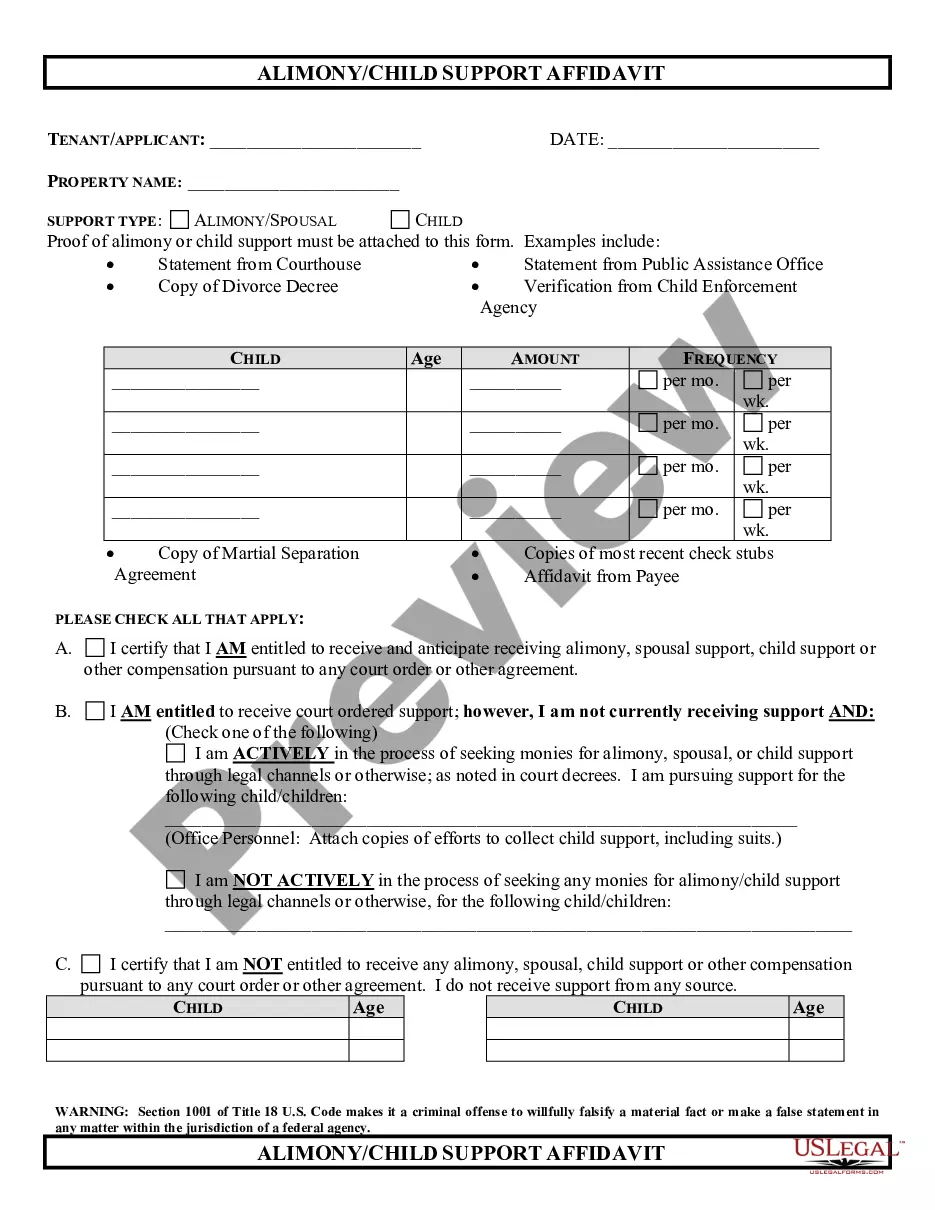
Get your form ready online
Our built-in tools help you complete, sign, share, and store your documents in one place.
Make edits, fill in missing information, and update formatting in US Legal Forms—just like you would in MS Word.
Download a copy, print it, send it by email, or mail it via USPS—whatever works best for your next step.
Sign and collect signatures with our SignNow integration. Send to multiple recipients, set reminders, and more. Go Premium to unlock E-Sign.
If this form requires notarization, complete it online through a secure video call—no need to meet a notary in person or wait for an appointment.
We protect your documents and personal data by following strict security and privacy standards.

Make edits, fill in missing information, and update formatting in US Legal Forms—just like you would in MS Word.

Download a copy, print it, send it by email, or mail it via USPS—whatever works best for your next step.

Sign and collect signatures with our SignNow integration. Send to multiple recipients, set reminders, and more. Go Premium to unlock E-Sign.

If this form requires notarization, complete it online through a secure video call—no need to meet a notary in person or wait for an appointment.

We protect your documents and personal data by following strict security and privacy standards.
Looking for another form?
How to fill out Motion To Modify Or Amend Divorce Decree To Provide For Decrease In Amount Of Child Support?
Selecting the optimal authorized document template can be quite a challenge.
Of course, there are numerous templates accessible online, but how can you locate the legal form you need.
Utilize the US Legal Forms website. This service provides a vast array of templates, including the Indiana Motion to Modify or Amend Divorce Decree to Provide for Decrease in Amount of Child Support, which can be utilized for both business and personal purposes.
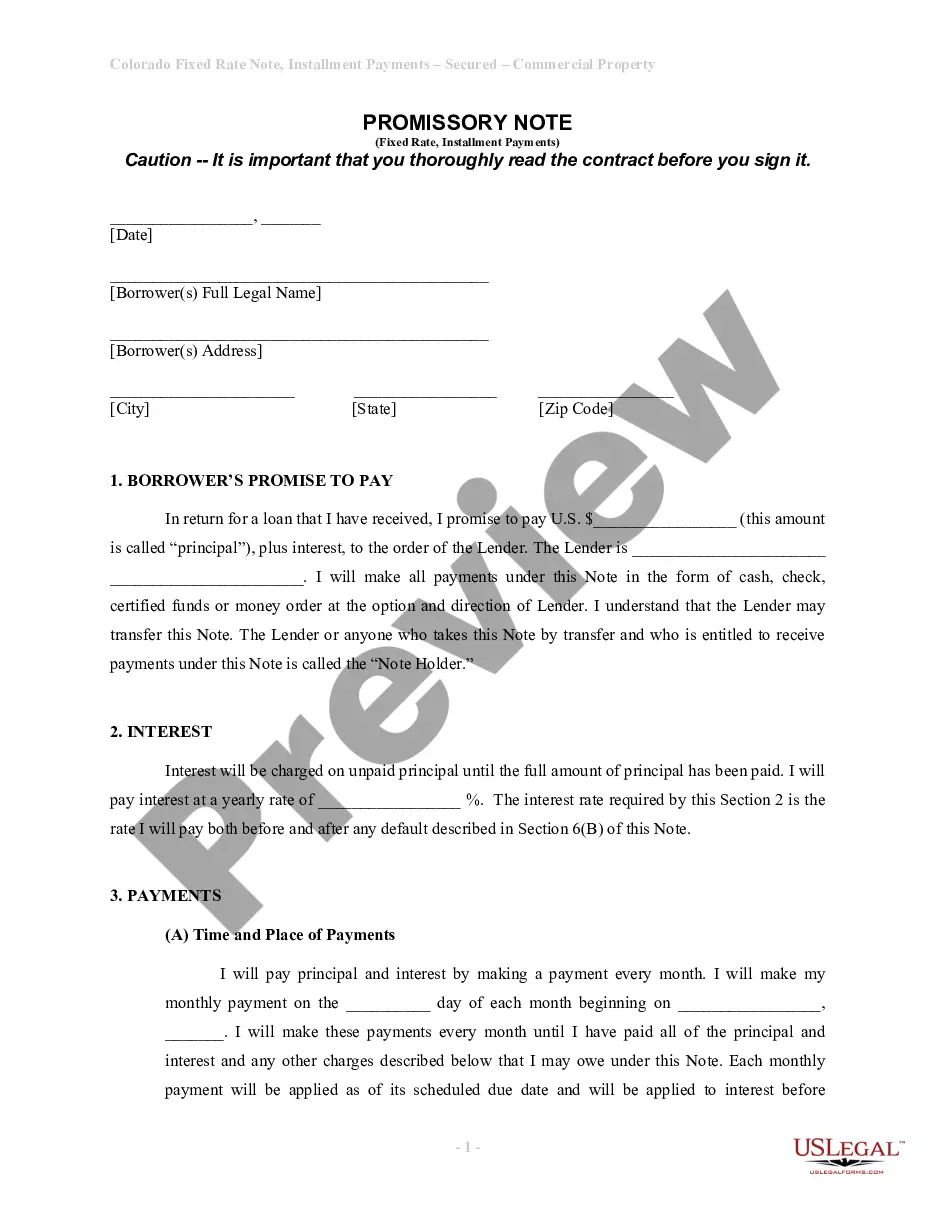
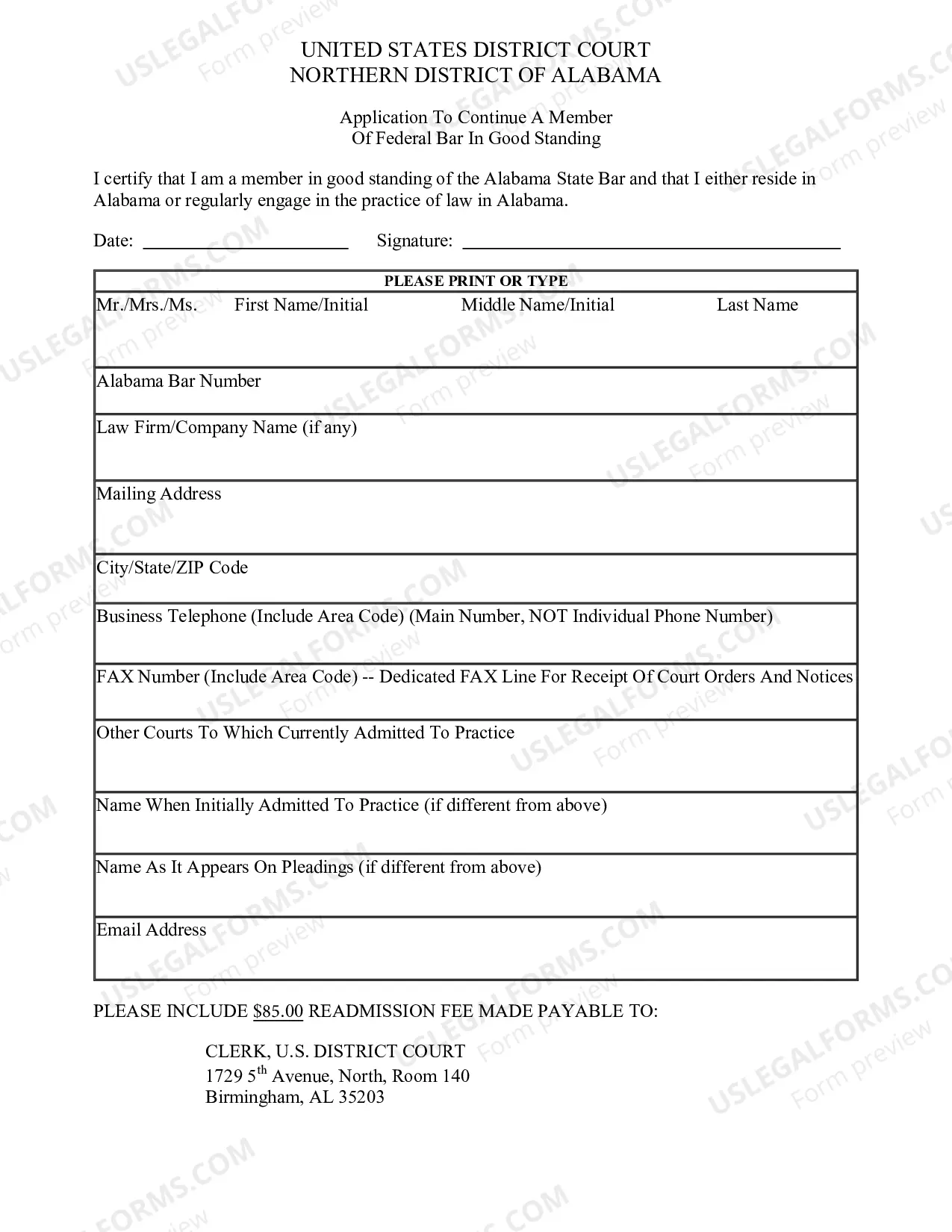
You can view the form using the Preview button and review the form description to confirm this is indeed the correct one for you.
- All the documents are reviewed by professionals and comply with federal and state regulations.
- If you are already registered, Log In to your account and click on the Download button to obtain the Indiana Motion to Modify or Amend Divorce Decree to Provide for Decrease in Amount of Child Support.
- Use your account to review the legal documents you have previously acquired.
- Go to the My documents section of your account and retrieve another copy of the document you need.
- If you are a new user of US Legal Forms, here are simple steps for you to follow.
- First, ensure you have selected the correct form for your city/state.
Form popularity
FAQ
The 6% rule provides ordinary uninsured health care expenses are paid by the parent assigned to pay them, generally the noncustodial parent, of up to 6% of any child support obligation.
Weekly Gross Income is the starting point in determining the child support obligation, and it must be calculated for both parents. If one or both parents have no income, then potential income may be calculated and used as Weekly Gross Income.
The Indiana Parenting Time Guidelines are based on the premise that it is usually in a child's best interest to have frequent, meaningful and continuing contact with each parent. It is assumed that both parents nurture their child in important ways, significant to the development and well being of the child.
Many factors go into child support orders, and the amount of time you have physical custody of the child is only one of those factors. It is possible to have no child support payments with a 50/50 custody arrangement, but that is only sometimes the case.
In no case shall child support and temporary maintenance exceed fifty percent (50%) of the obligor's weekly adjusted income. Temporary maintenance and/or child support may be ordered by the court either in dollar payments or "in?kind" payments of obligations.
Child support orders are legal obligations to provide financial support for a child(ren), and are established by a court of law. All child support obligations in Indiana are governed by the Indiana Child Support Rules and Guidelines issued by the Indiana Supreme Court.
The maximum payment a parent owes will not exceed 50 percent of their adjusted weekly income. In this example, the parent would not be told to pay more than $500 a week in child support, no matter how many children are involved.
At times, both parents accept that support amounts should be decreased. Even so, you must still petition a court and obtain an official modification of child support payments in Indiana. Otherwise, you would be legally responsible for the terms of your current order regardless of a verbal agreement with a co-parent.