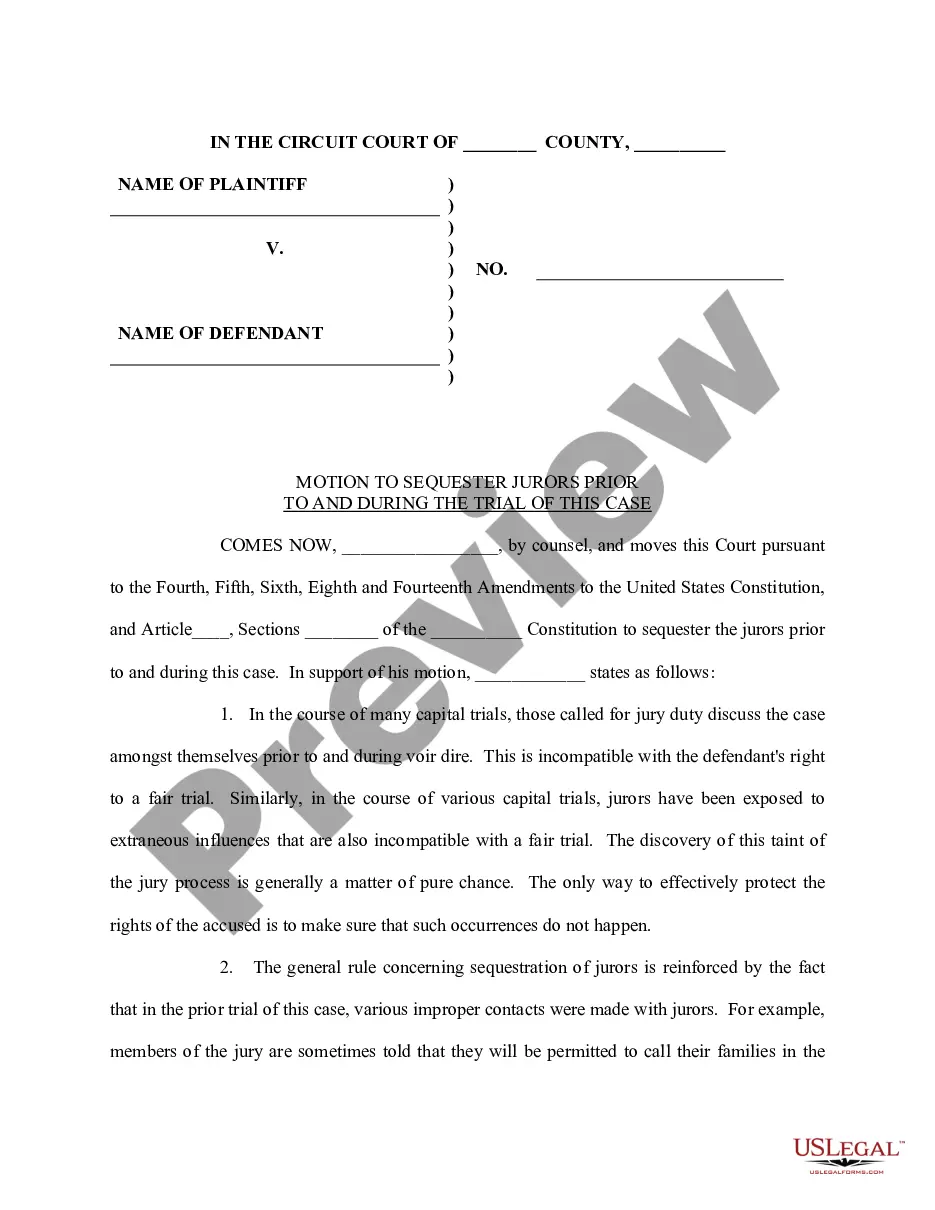
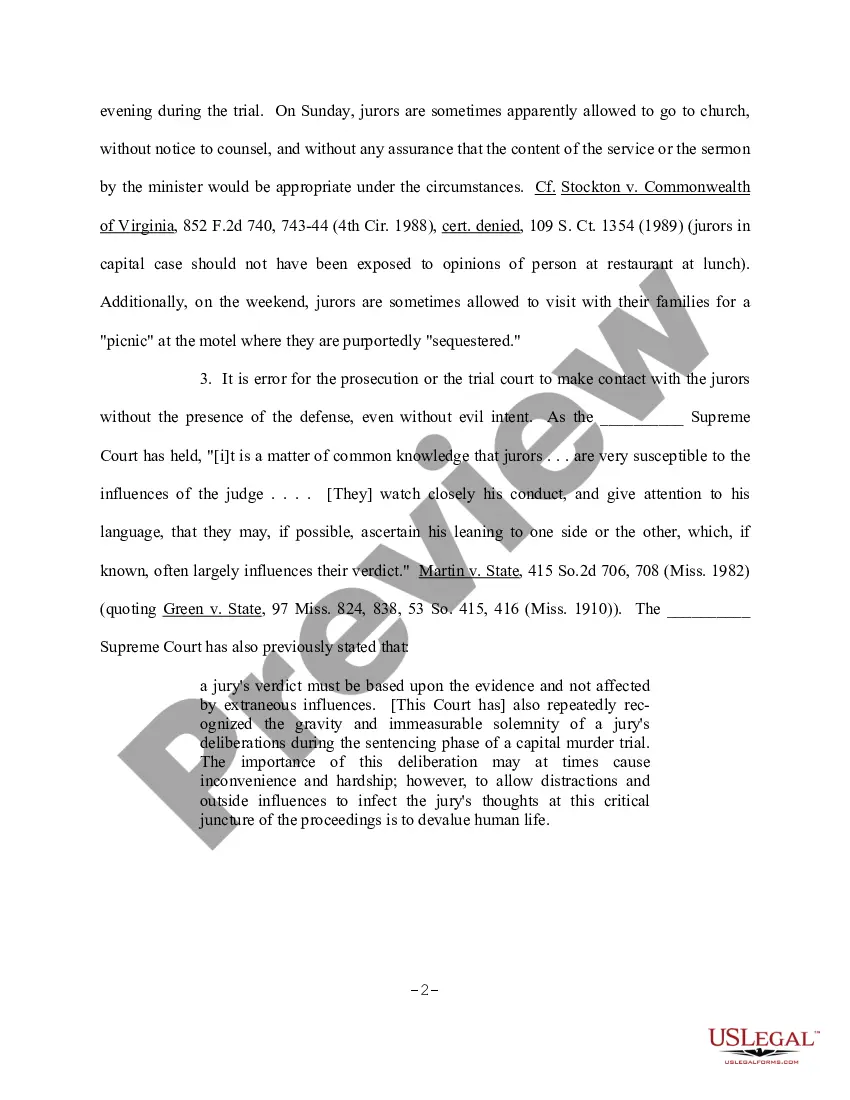
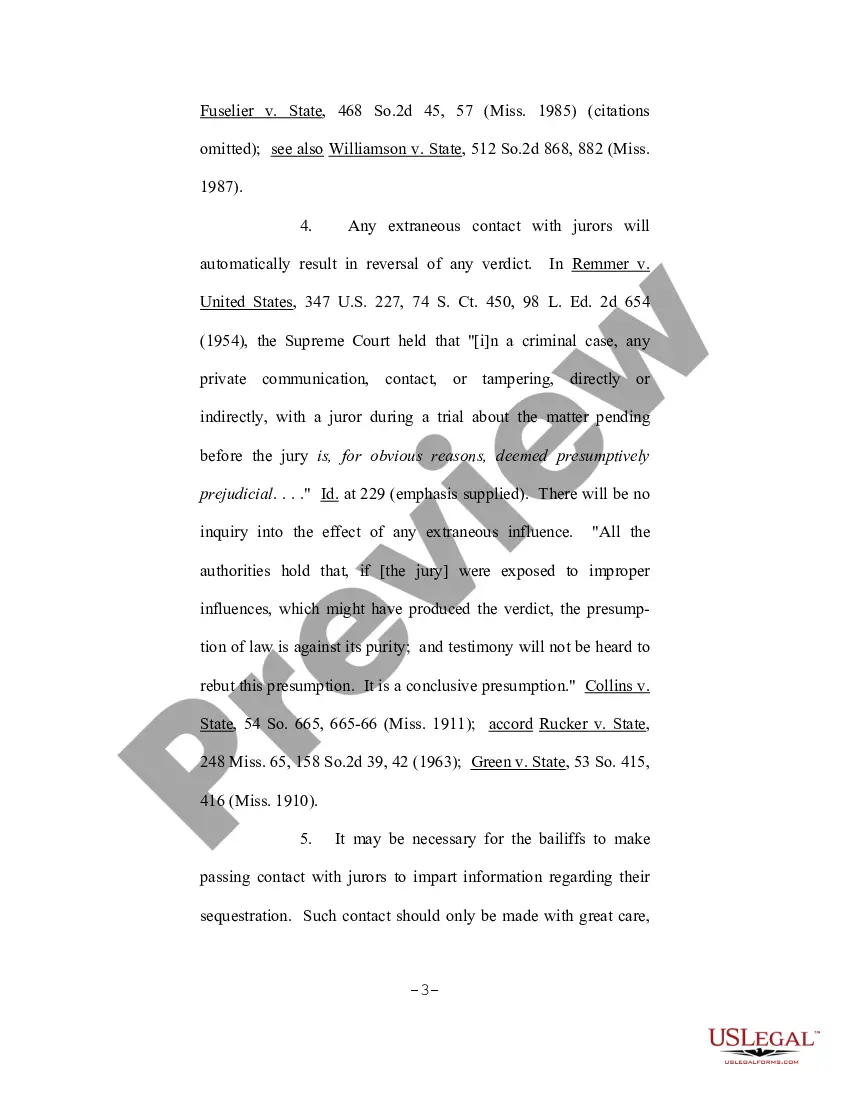
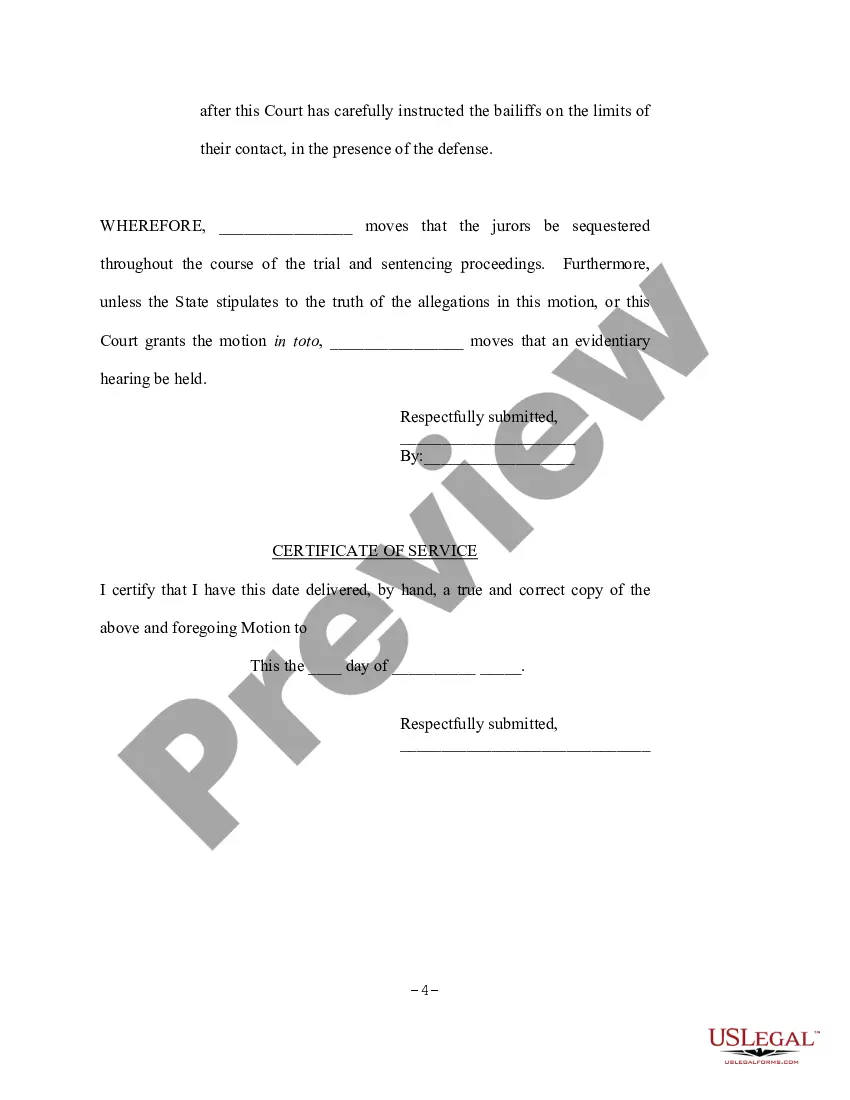
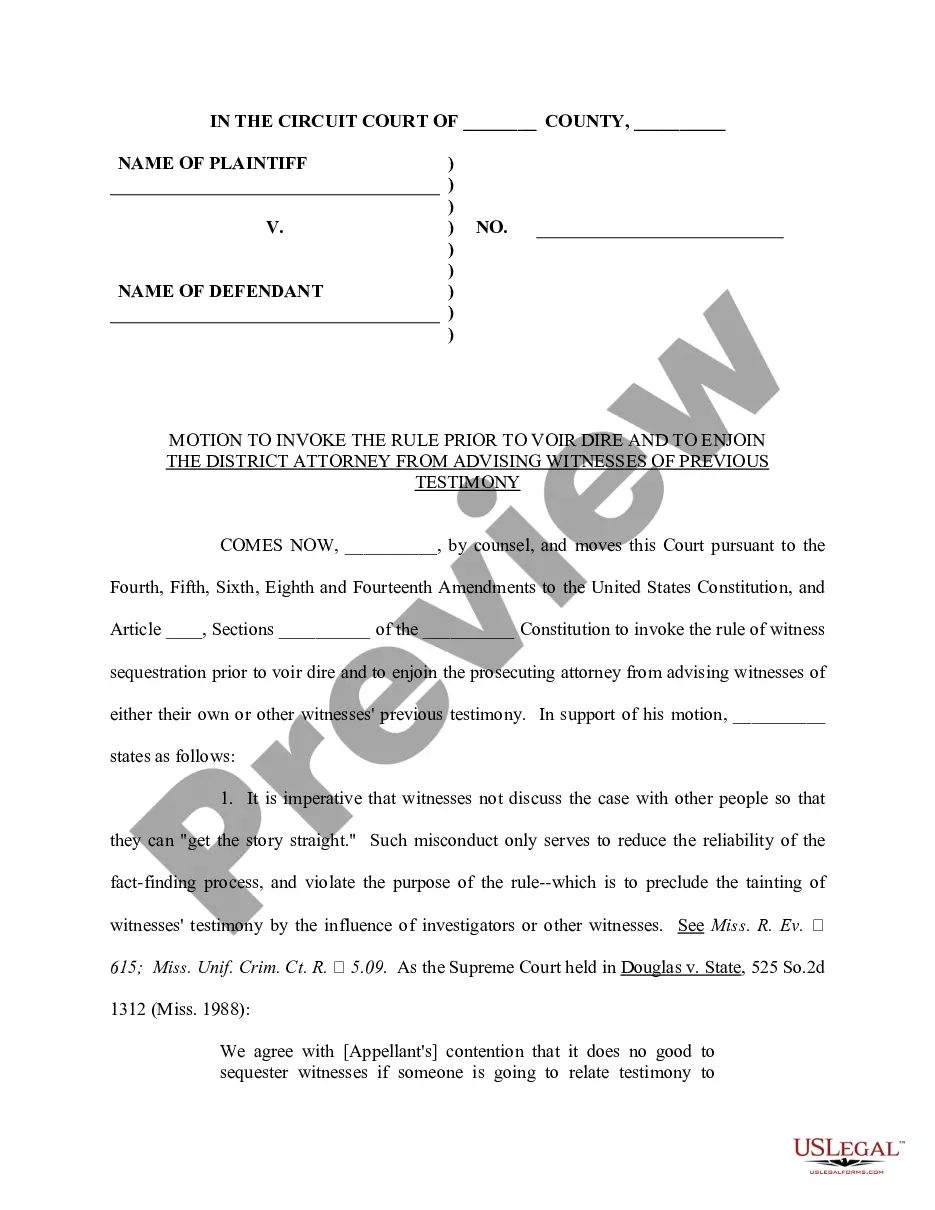
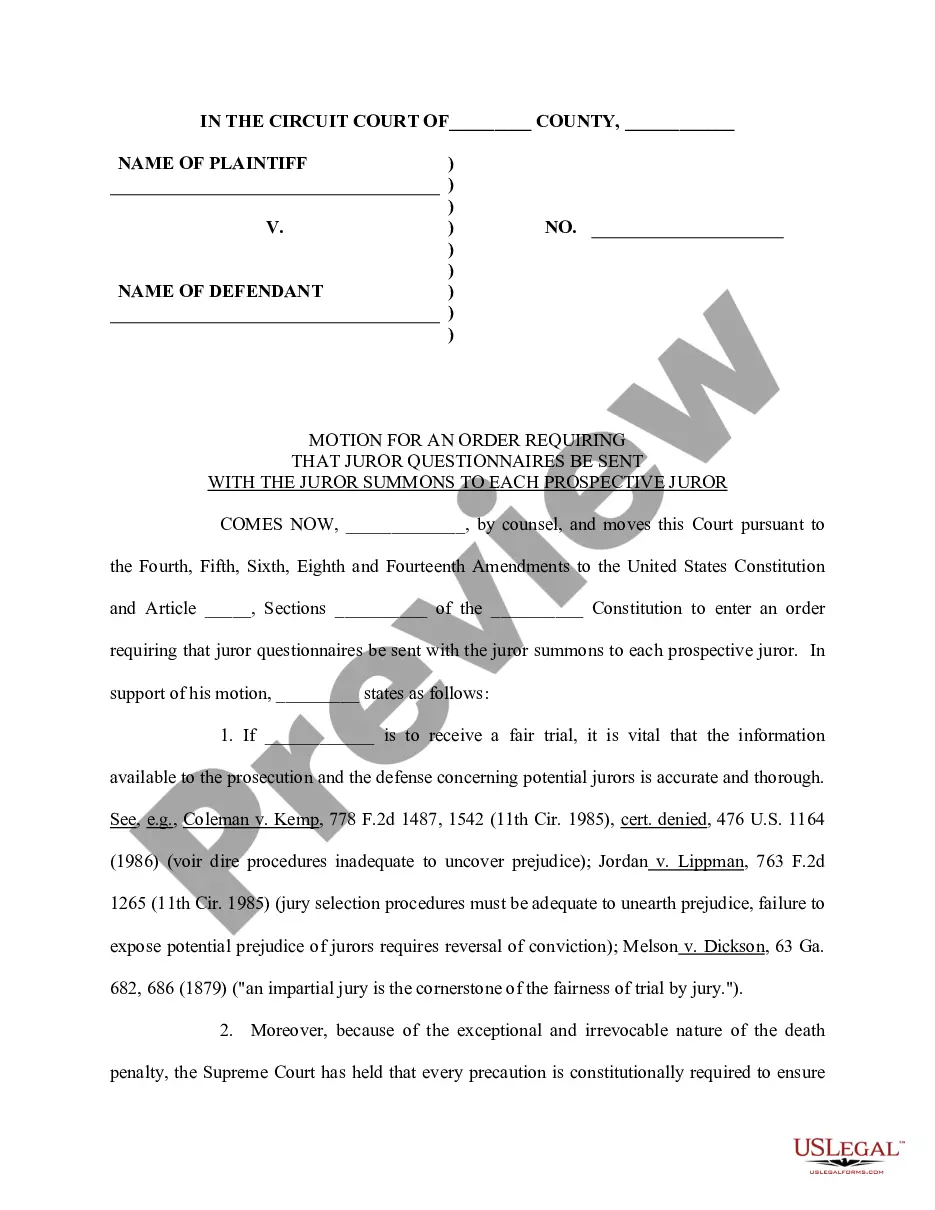
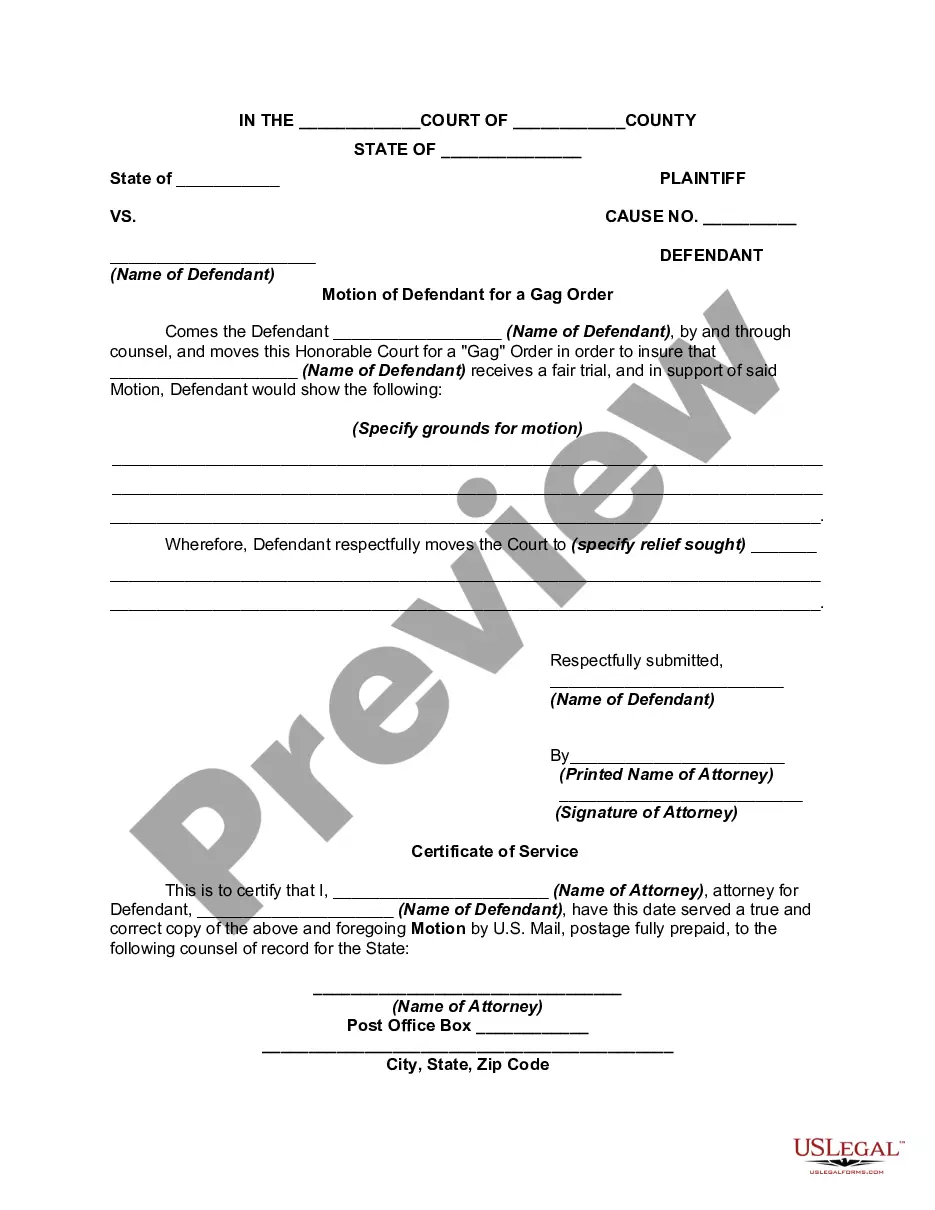
Indiana Motion to Sequester Jurors Prior to and During the Trial of this Case
Description
Get your form ready online
Our built-in tools help you complete, sign, share, and store your documents in one place.
Make edits, fill in missing information, and update formatting in US Legal Forms—just like you would in MS Word.
Download a copy, print it, send it by email, or mail it via USPS—whatever works best for your next step.
Sign and collect signatures with our SignNow integration. Send to multiple recipients, set reminders, and more. Go Premium to unlock E-Sign.
If this form requires notarization, complete it online through a secure video call—no need to meet a notary in person or wait for an appointment.
We protect your documents and personal data by following strict security and privacy standards.

Make edits, fill in missing information, and update formatting in US Legal Forms—just like you would in MS Word.

Download a copy, print it, send it by email, or mail it via USPS—whatever works best for your next step.

Sign and collect signatures with our SignNow integration. Send to multiple recipients, set reminders, and more. Go Premium to unlock E-Sign.

If this form requires notarization, complete it online through a secure video call—no need to meet a notary in person or wait for an appointment.

We protect your documents and personal data by following strict security and privacy standards.
Looking for another form?
How to fill out Motion To Sequester Jurors Prior To And During The Trial Of This Case?
It is feasible to spend numerous hours online attempting to discover the legal document format that fulfills the state and federal requirements you need.
US Legal Forms provides a vast selection of legal templates that are reviewed by experts.
You can obtain or print the Indiana Motion to Sequester Jurors Prior to and During the Trial of this Case from their service.
If available, use the Review option to view the document format as well. If you wish to find another version of your form, use the Lookup field to search for the format that suits you and your needs. Once you have found the format you want, simply click Acquire now to proceed. Choose the pricing plan you desire, enter your details, and register for an account on US Legal Forms. Complete the purchase. You can use your Visa or Mastercard or PayPal account to buy the legal form. Download the format of your document and save it to your device. Make adjustments to your document if necessary. You can complete, modify, and sign, and print Indiana Motion to Sequester Jurors Prior to and During the Trial of this Case. Obtain and print numerous document templates using the US Legal Forms site, which offers the largest collection of legal forms. Utilize professional and state-specific templates to address your business or personal needs.
- If you already have a US Legal Forms account, you can sign in and click on the Obtain button.
- Then, you can complete, modify, print, or sign the Indiana Motion to Sequester Jurors Prior to and During the Trial of this Case.
- Each legal document format you purchase is yours permanently.
- To get another copy of the purchased form, go to the My documents tab and click on the corresponding option.
- If you are using the US Legal Forms site for the first time, follow the straightforward instructions below.
- First, ensure that you have selected the correct document format for the region/town of your preference.
- Read the form description to confirm you have chosen the right template.
Form popularity
FAQ
1. The act of isolating someone during trial proceedings. The jury, or some witness, may be sequestered to preserve fairness during the trial. Thus, when not fulfilling their roles at trial, sequestered persons may live in a hotel so that they are not influenced by the opinions of journalists, friends, and family.
Jurors in the trial were shielded from the media coverage. In fact, they were sequestered for 265 days, the longest such period in American history. Another ?trial of the century? occurred right here in central Jersey.
When a judge sequesters a jury (a process known as sequestration), the jury is isolated from the public to prevent jurors from coming into contact with members or products of the media, other people interested in the trial, etc. that might prejudice them or create the appearance of prejudicing them in some way.
It is important to distinguish an ineligible juror from one who simply cannot be impartial due to a life experience, a strong religious belief, a loyalty to law enforcement due to a family member or friend being in law enforcement or some other factor that prevents that juror from hearing all the evidence before making ...
Sequestration: A judge's condition that a jury be, usually, housed together at night in a hotel and prohibited from contacting people outside the court. Sequestration is extremely rare, but when it occurs it is meant for jurors' protection.
Sequestered jurors are typically put up in a hotel and are not allowed to watch television, read newspapers, or use social media. They may have limited use of their phones, but only under the watchful eyes of bailiffs or court personnel.