Indiana Assignment of Judgment
Description
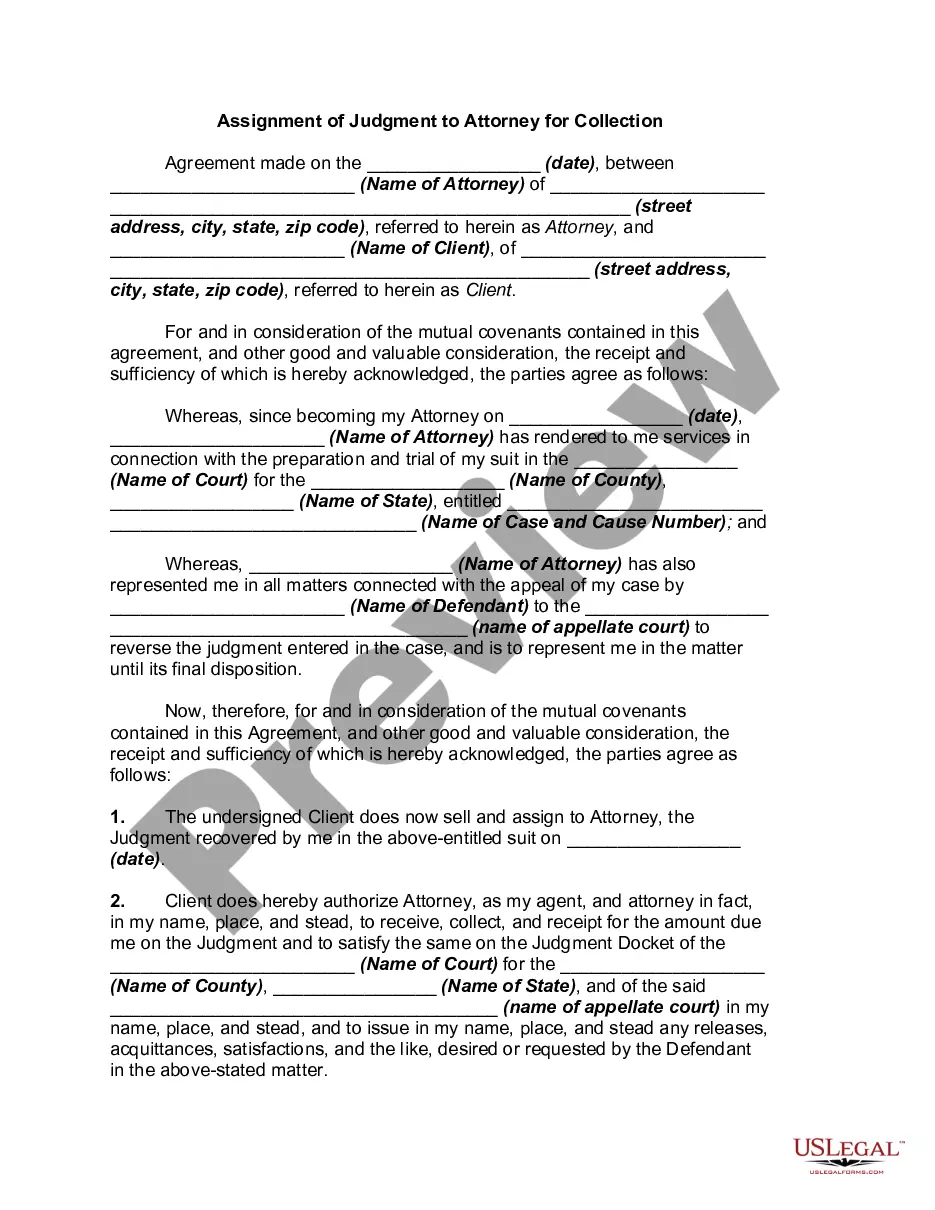
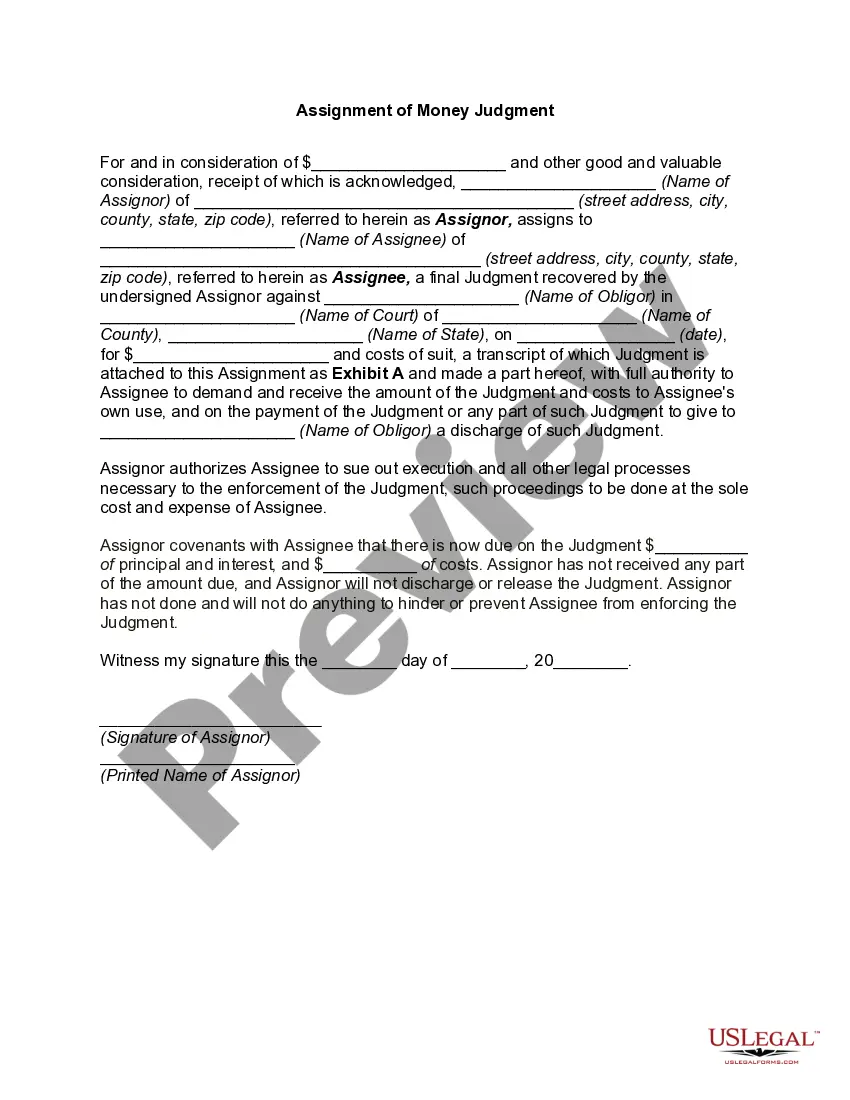
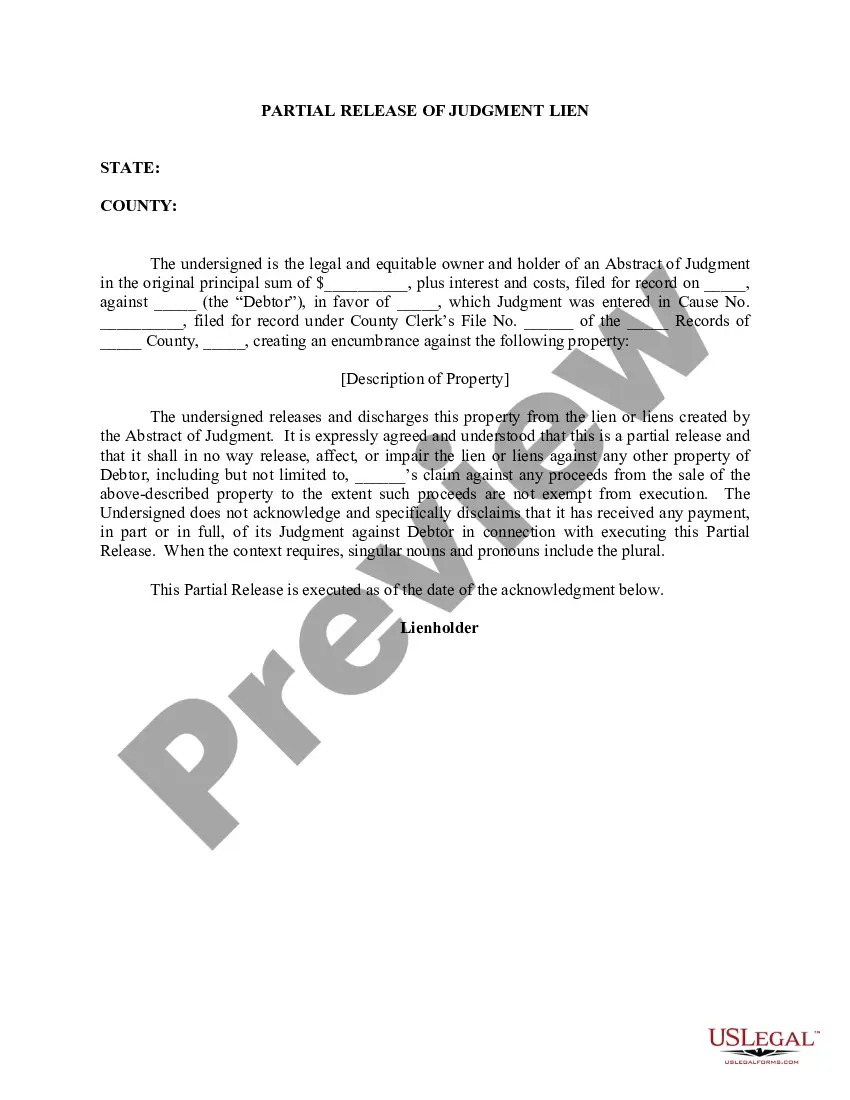
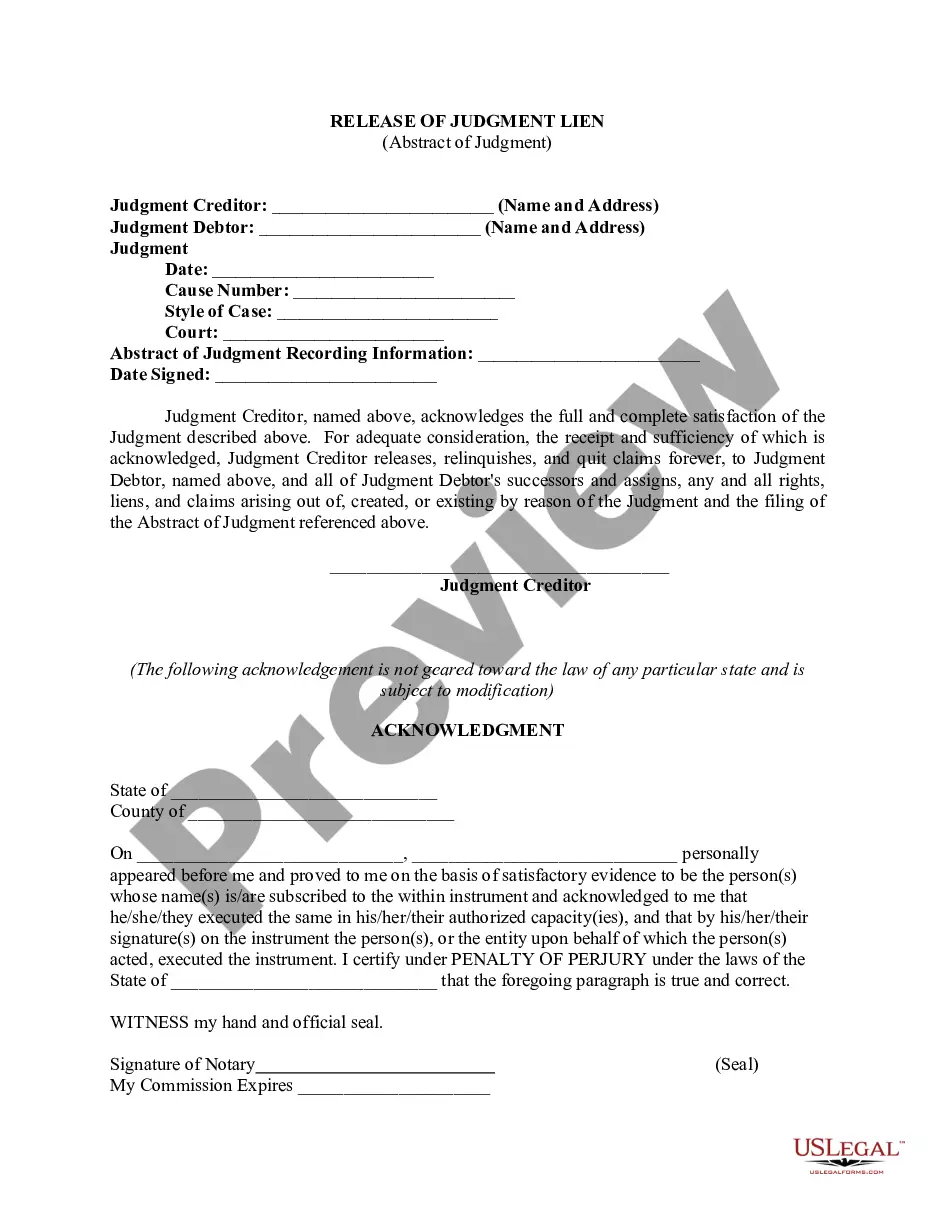
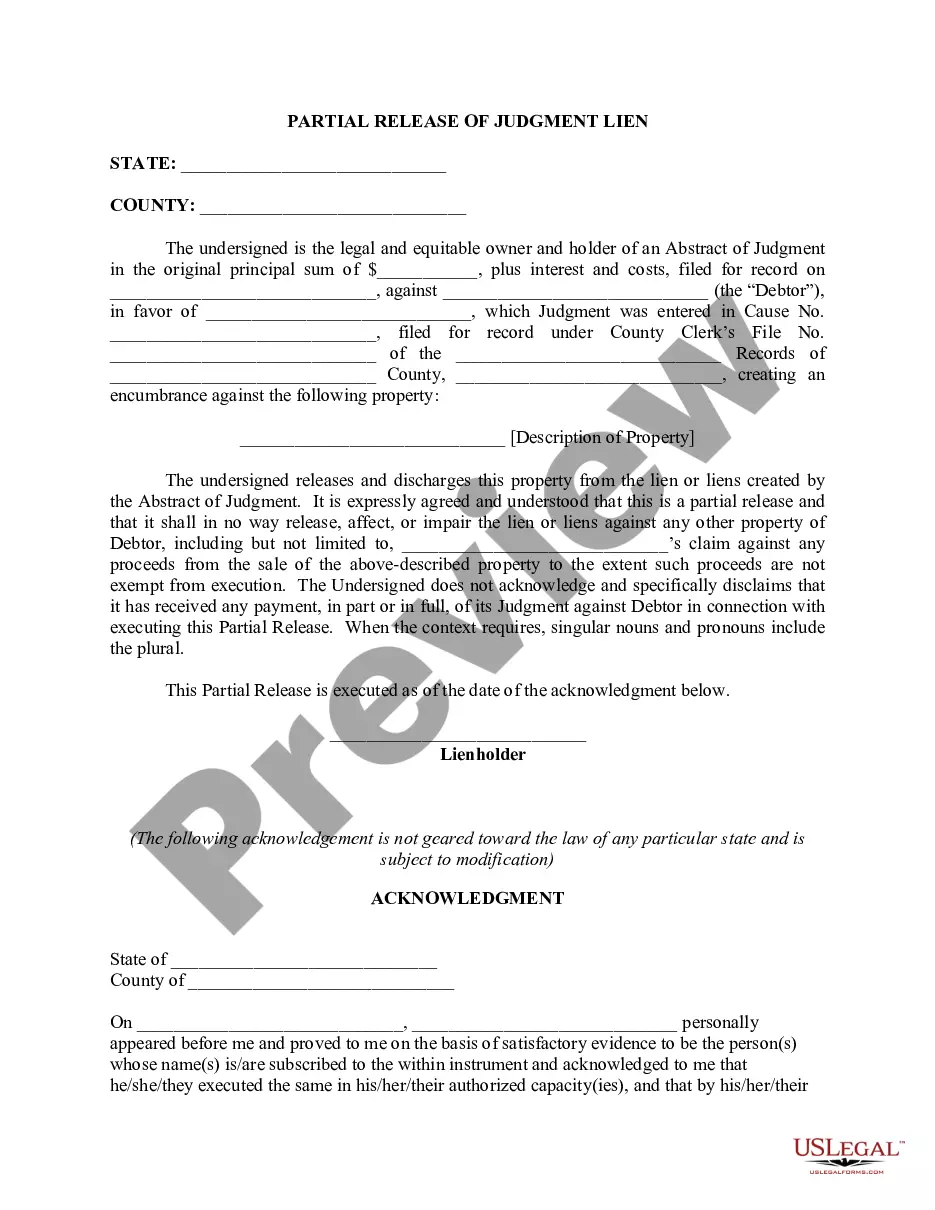
Get your form ready online
Our built-in tools help you complete, sign, share, and store your documents in one place.
Make edits, fill in missing information, and update formatting in US Legal Forms—just like you would in MS Word.
Download a copy, print it, send it by email, or mail it via USPS—whatever works best for your next step.
Sign and collect signatures with our SignNow integration. Send to multiple recipients, set reminders, and more. Go Premium to unlock E-Sign.
If this form requires notarization, complete it online through a secure video call—no need to meet a notary in person or wait for an appointment.
We protect your documents and personal data by following strict security and privacy standards.

Make edits, fill in missing information, and update formatting in US Legal Forms—just like you would in MS Word.

Download a copy, print it, send it by email, or mail it via USPS—whatever works best for your next step.

Sign and collect signatures with our SignNow integration. Send to multiple recipients, set reminders, and more. Go Premium to unlock E-Sign.

If this form requires notarization, complete it online through a secure video call—no need to meet a notary in person or wait for an appointment.

We protect your documents and personal data by following strict security and privacy standards.
Looking for another form?
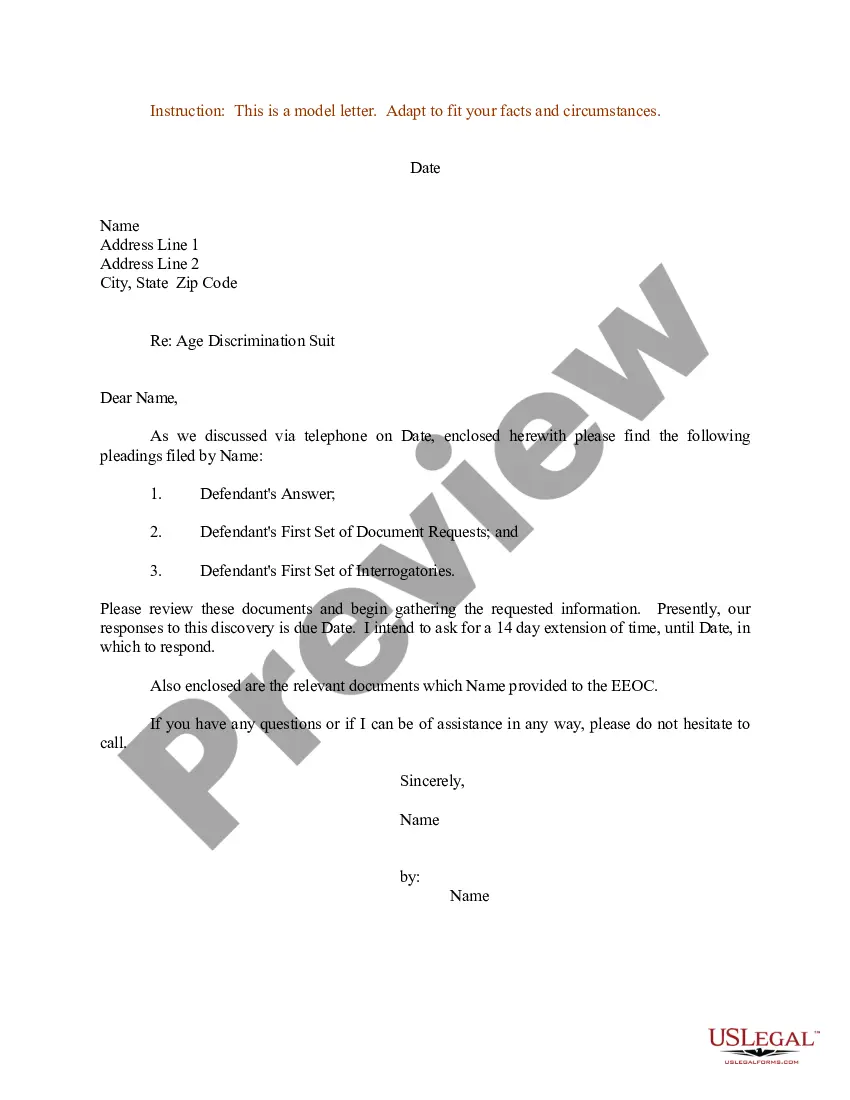
How to fill out Assignment Of Judgment?
If you need to total, download, or print authentic document templates, utilize US Legal Forms, the largest collection of authentic forms available online.
Take advantage of the site’s user-friendly search feature to locate the documents you need.
Many templates for business and personal applications are organized by categories and regions, or keywords.
Step 4. Once you have found the form you need, click the Buy Now button. Choose the payment plan you prefer and enter your details to create an account.
Step 5. Complete the payment. You can use your Visa or Mastercard or PayPal account to finalize the transaction.
- Use US Legal Forms to find the Indiana Assignment of Judgment in just a few clicks.
- If you are already a US Legal Forms user, Log In to your account and click the Download button to get the Indiana Assignment of Judgment.
- You can also access forms you previously downloaded from the My documents section of your account.
- If you are using US Legal Forms for the first time, follow the instructions below.
- Step 1. Ensure you have selected the form for the correct city/state.
- Step 2. Use the Preview option to review the form’s content. Don’t forget to read the description.
- Step 3. If you are not satisfied with the form, use the Search field at the top of the screen to find alternative versions of the legal document template.
Form popularity
FAQ
JUDGMENT ? ASSIGNMENT OF JUDGMENT: FORCING CO- DEBTORS TO CONTRIBUTE TO A JUDGMENT WITH ASSIGNMENTS AND CHARGING ORDERS.
? Violation of Court Orders: Most often, debtors are arrested and taken to jail as a result of neglecting to make court-order payments. If a court orders you to do something, and you fail to do it, you can be held in contempt of court.
Every judgment and decree of any court of record of the United States, of Indiana, or of any other state shall be considered satisfied after the expiration of twenty (20) years.
After the judgment is obtained, the creditor can enforce the lien right for the first ten years by attempting to foreclose on any real property or personal property the judgment debtor owns.
If the court rules in their favor, the creditor can file a judgment lien against you, which means that the court has permitted them to forcefully collect that debt from you. This allows them to take possession of your real estate holdings, personal property, or business.
In Indiana, the statute of limitations by judgment is ten years, but it can be renewed, further extending the collection period. This means once a creditor makes a charge against the debtor, the judgment is collectible for up to ten years.
The Court entered a judgment against you. When a judgment does not get paid, the Plaintiff is allowed to ask the Court to require the Defendant to come to a hearing so the Plaintiff can find out if the Defendant has any income or property which the Court can require the Defendant to use to pay towards the judgment.