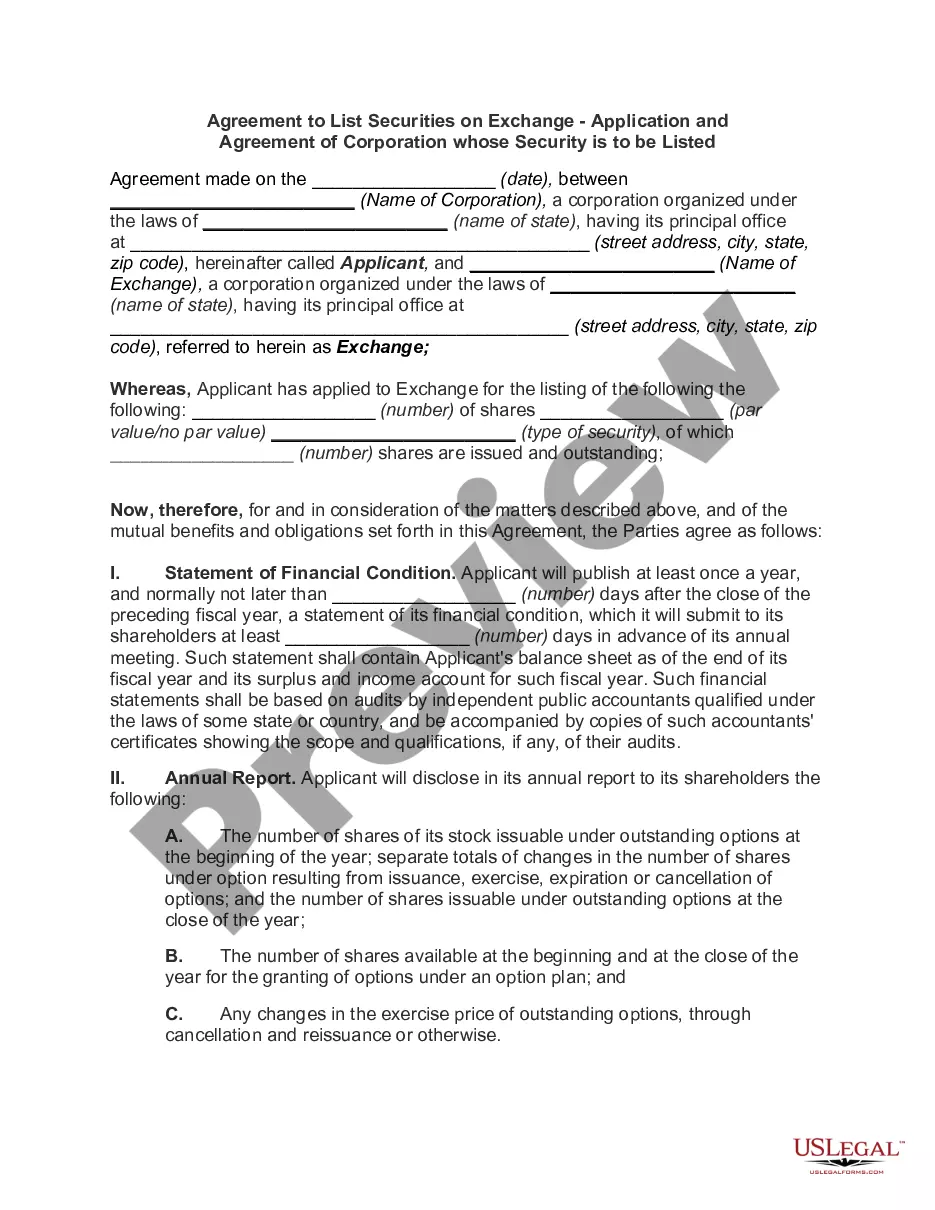
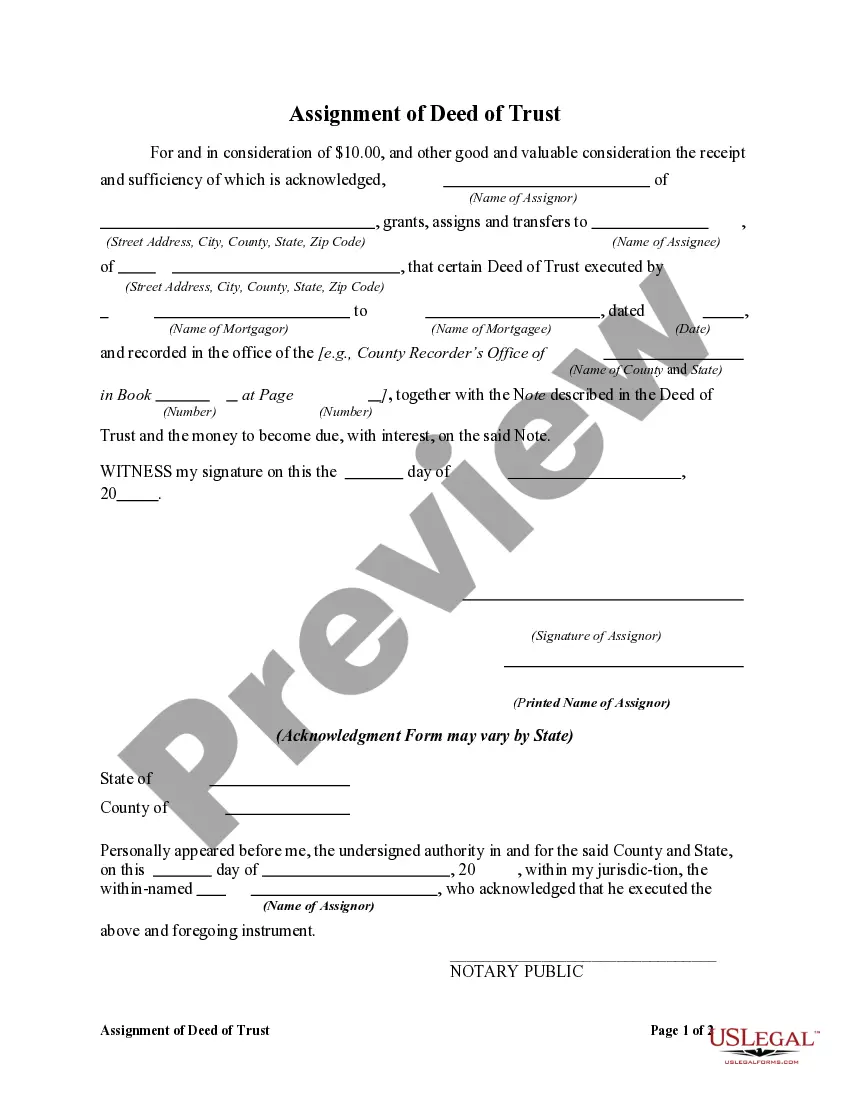
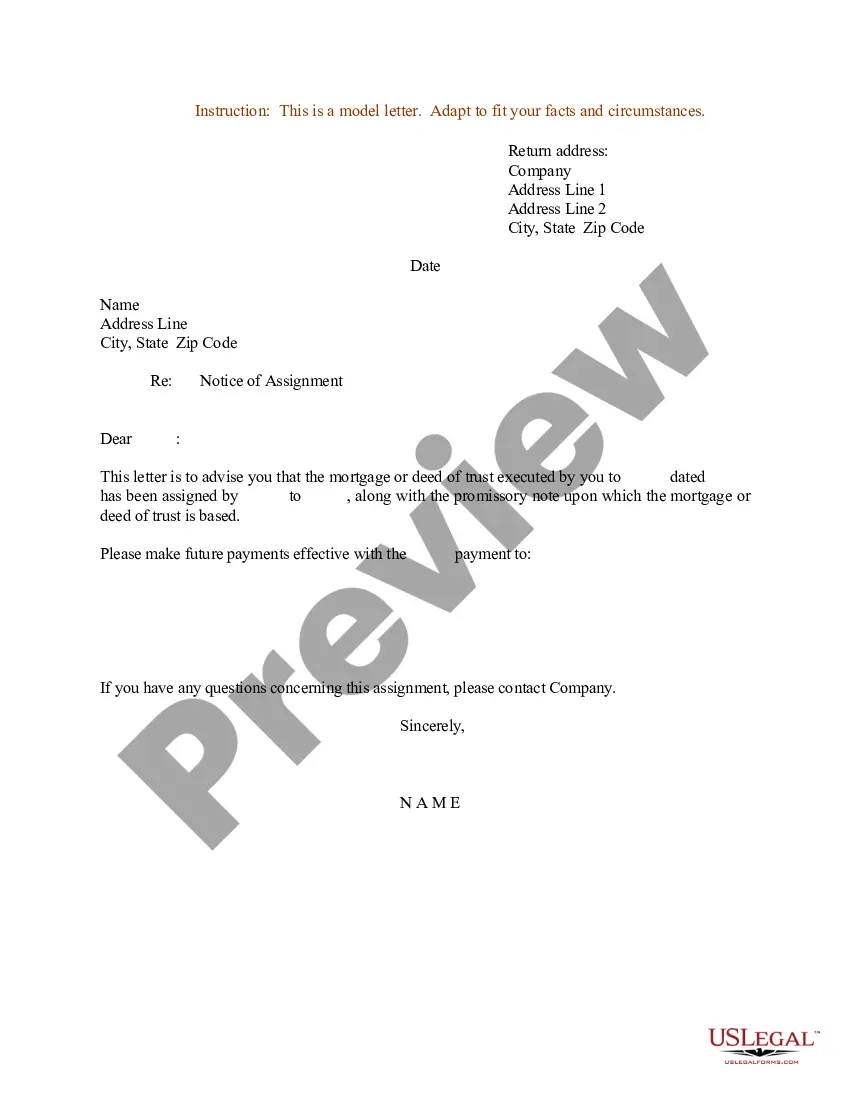
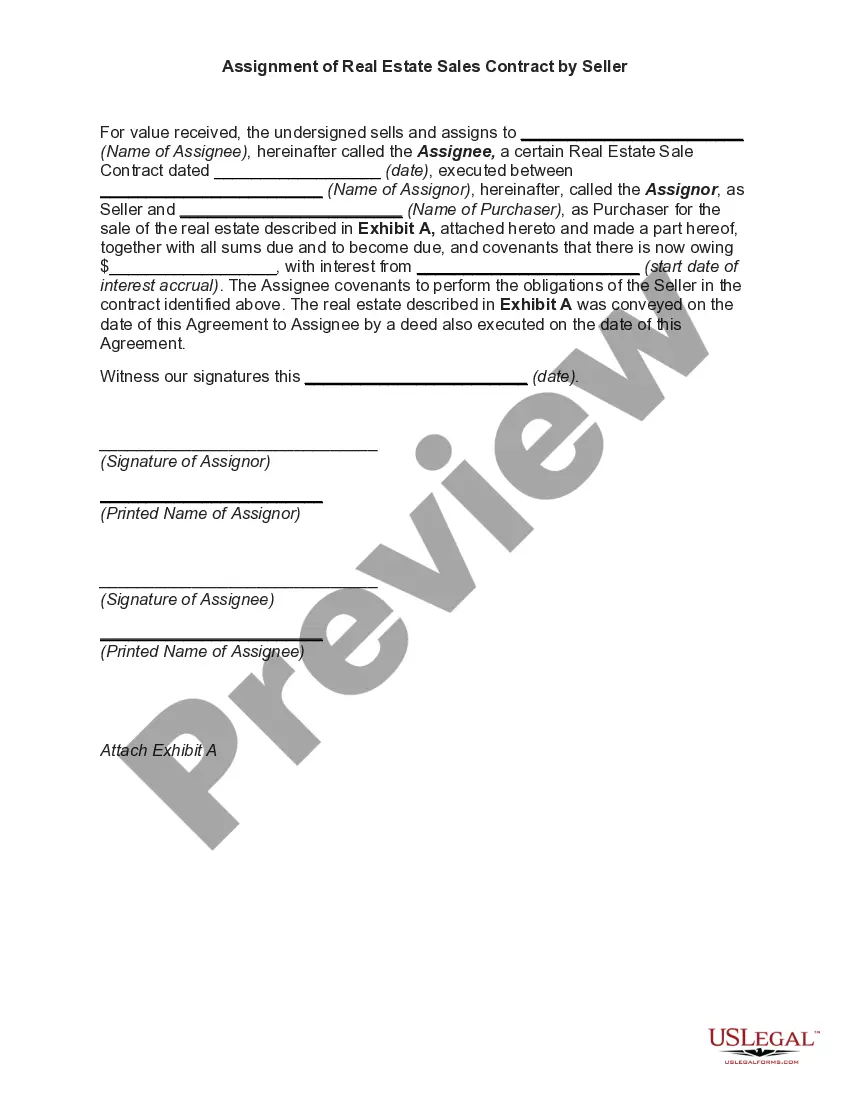
Grantor conveys and assigns all its right, title, and interest to a certain deed of trust concerning real property.
Indiana Deed of Trust - Assignment
State:
Multi-State
Control #:
US-00487
Format:
Word;
Rich Text
Instant download
Description
Get your form ready online
Our built-in tools help you complete, sign, share, and store your documents in one place.
Built-in online Word editor
Make edits, fill in missing information, and update formatting in US Legal Forms—just like you would in MS Word.
Export easily
Download a copy, print it, send it by email, or mail it via USPS—whatever works best for your next step.
E-sign your document
Sign and collect signatures with our SignNow integration. Send to multiple recipients, set reminders, and more. Go Premium to unlock E-Sign.
Notarize online 24/7
If this form requires notarization, complete it online through a secure video call—no need to meet a notary in person or wait for an appointment.
Store your document securely
We protect your documents and personal data by following strict security and privacy standards.

Make edits, fill in missing information, and update formatting in US Legal Forms—just like you would in MS Word.

Download a copy, print it, send it by email, or mail it via USPS—whatever works best for your next step.

Sign and collect signatures with our SignNow integration. Send to multiple recipients, set reminders, and more. Go Premium to unlock E-Sign.

If this form requires notarization, complete it online through a secure video call—no need to meet a notary in person or wait for an appointment.

We protect your documents and personal data by following strict security and privacy standards.
Looking for another form?




How to fill out Deed Of Trust - Assignment?
If you want to acquire, obtain, or print legitimate document templates, utilize US Legal Forms, the largest selection of legal forms available online.
Use the website's straightforward and user-friendly search feature to locate the documents you need.
A range of templates for business and personal purposes are organized by categories and states, or keywords.
Step 4. Once you have located the form you need, click the Buy now button. Select the payment plan you prefer and enter your credentials to register for an account.
Step 5. Process the transaction. You can use your credit card or PayPal account to complete the transaction.
- Utilize US Legal Forms to find the Indiana Deed of Trust - Assignment with just a few clicks.
- If you are already a US Legal Forms user, sign in to your account and click on the Download button to get the Indiana Deed of Trust - Assignment.
- You can also access forms you previously downloaded from the My documents section of your account.
- If you are using US Legal Forms for the first time, follow the steps below.
- Step 1. Ensure you have selected the form for the correct city/state.
- Step 2. Use the Preview option to review the form's content. Always remember to check the summary.
- Step 3. If you are not satisfied with the form, use the Search field at the top of the screen to find other versions of the legal form template.
Form popularity
FAQ
In real estate law, "assignment" is simply the transfer of a deed of trust from one party to another. This usually happens when the beneficiary of a trust deed sells their loan to another lender.
The main difference between a deed and a deed of trust is that a deed is a transfer of ownership, while a deed of trust is a security interest. A deed of trust is used to secure a loan, while a deed is used to transfer ownership of a property.
The main difference between a deed and a deed of trust is that a deed is a transfer of ownership, while a deed of trust is a security interest. A deed of trust is used to secure a loan, while a deed is used to transfer ownership of a property.
The Assignment of Property lists every item of trust property that you've indicated doesn't have a title document, plus ones you weren't sure about. It simply says that you're transferring all those items to you as the trustee of your trust. All you need to do is sign it and keep it with your trust document.
A deed of trust is a legal agreement that's similar to a mortgage, which is used in real estate transactions. Whereas a mortgage only involves the lender and a borrower, a deed of trust adds a neutral third party that holds rights to the real estate until the loan is paid or the borrower defaults.
A legal document that creates a trust, giving a person or organization the right to manage money or property for someone else, and says how this should be done: The trust deed stated clearly what they were entitled to do with the property.