Indiana Statutory Living Will
What this document covers
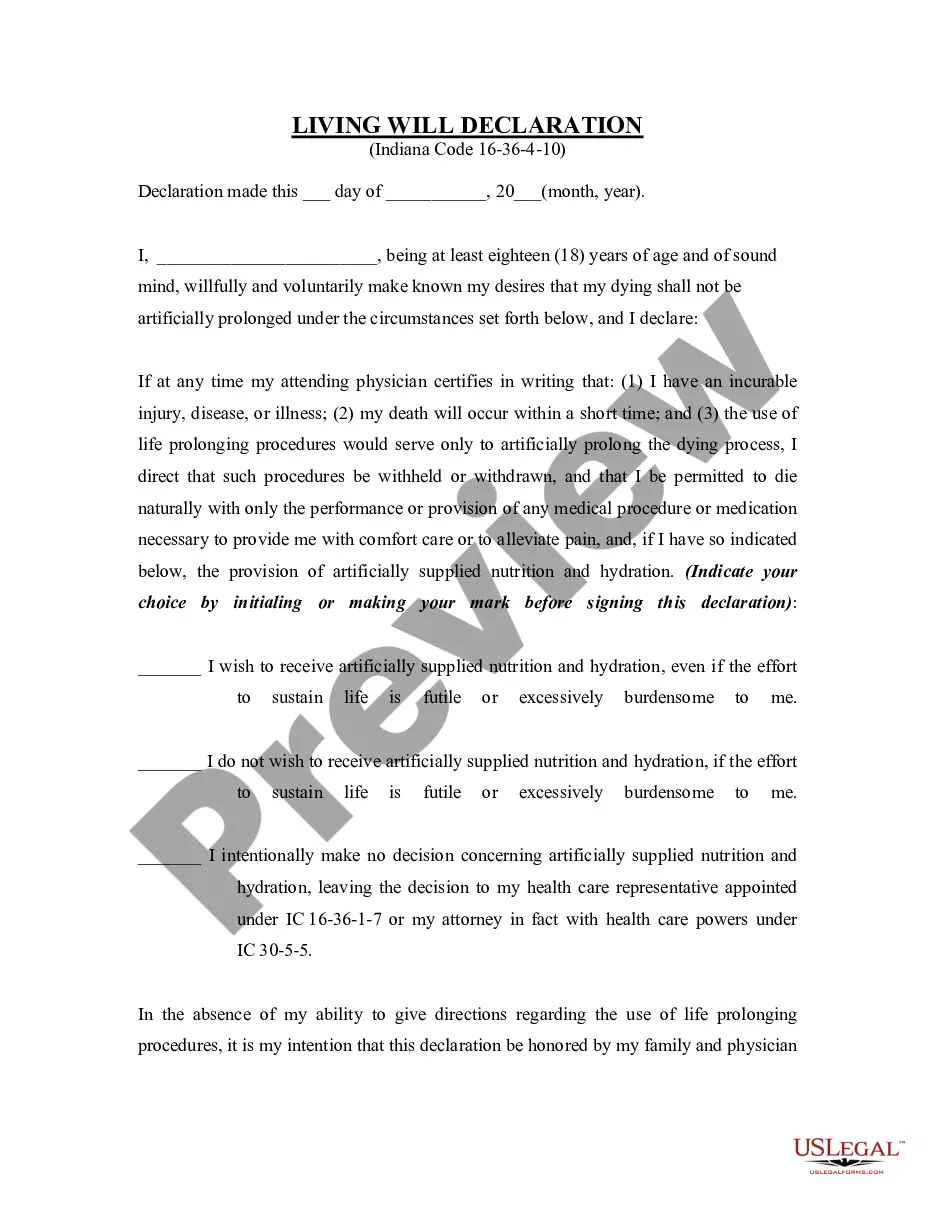
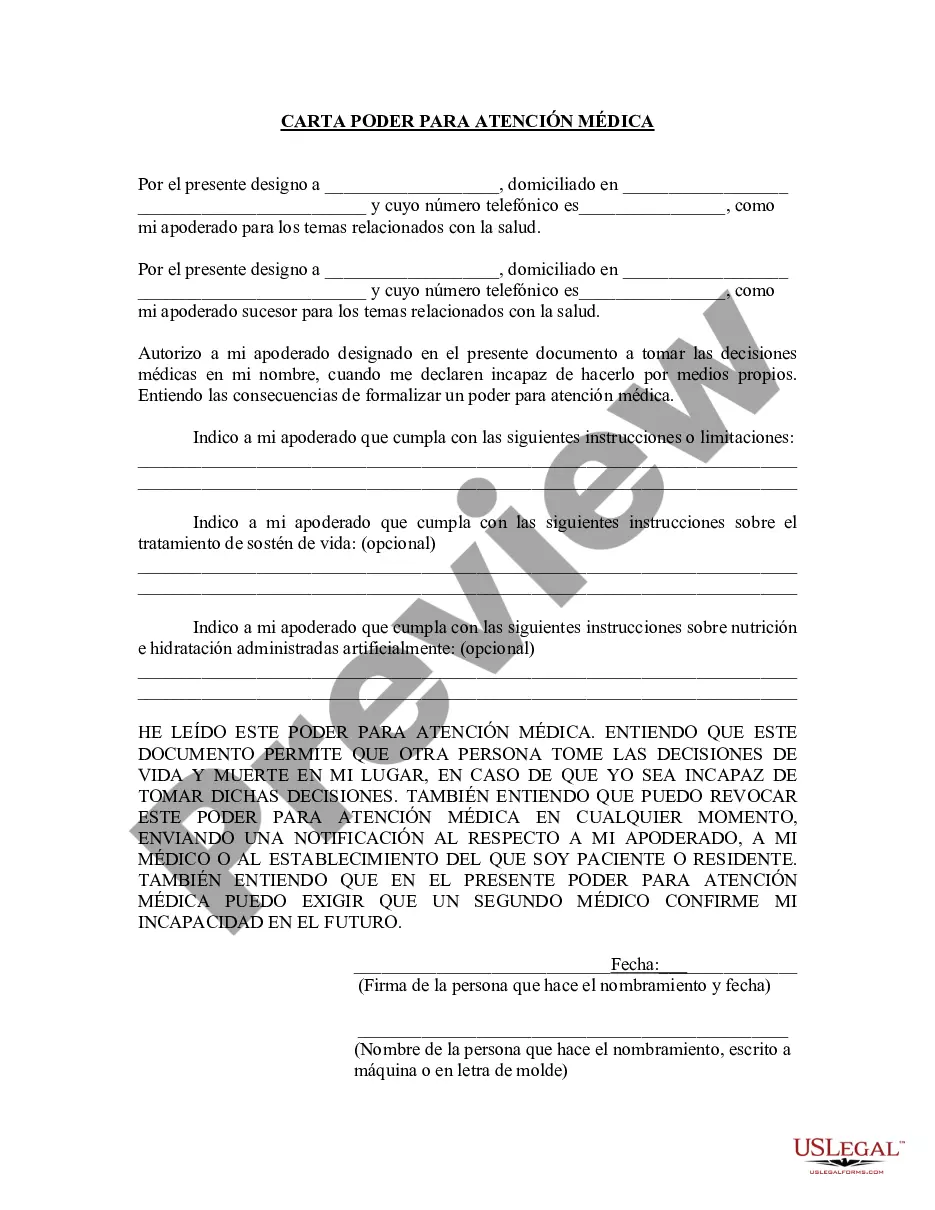
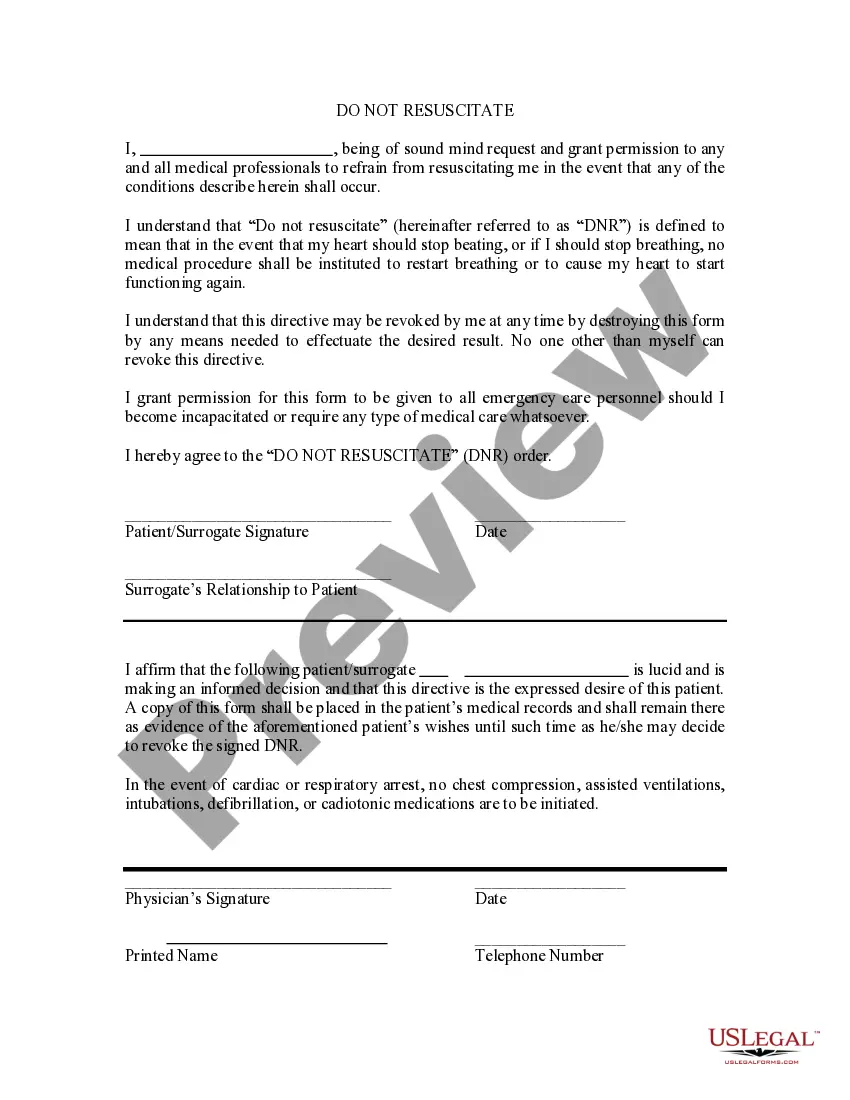
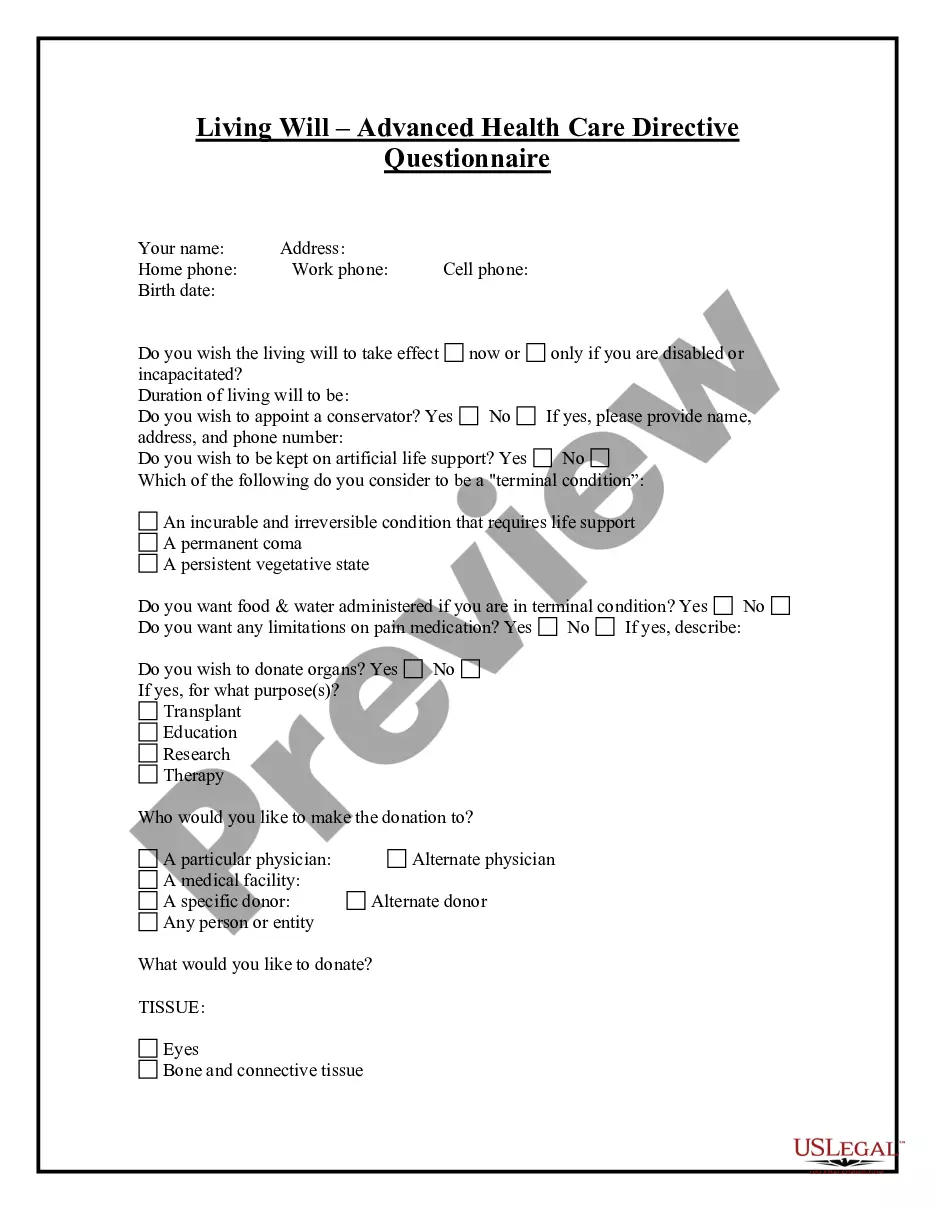
The Statutory Living Will is a legal document that allows individuals to express their healthcare wishes regarding life-sustaining procedures when facing terminal conditions. Unlike a standard living will, this statutory form complies with specific state regulations, ensuring it meets necessary legal standards. It provides clear instructions on whether to prolong life through medical interventions or to allow natural death with comfort care only.
Form components explained
- Declaration date and declarant's information
- Conditions under which life-sustaining procedures should be withheld
- Options for artificially supplied nutrition and hydration
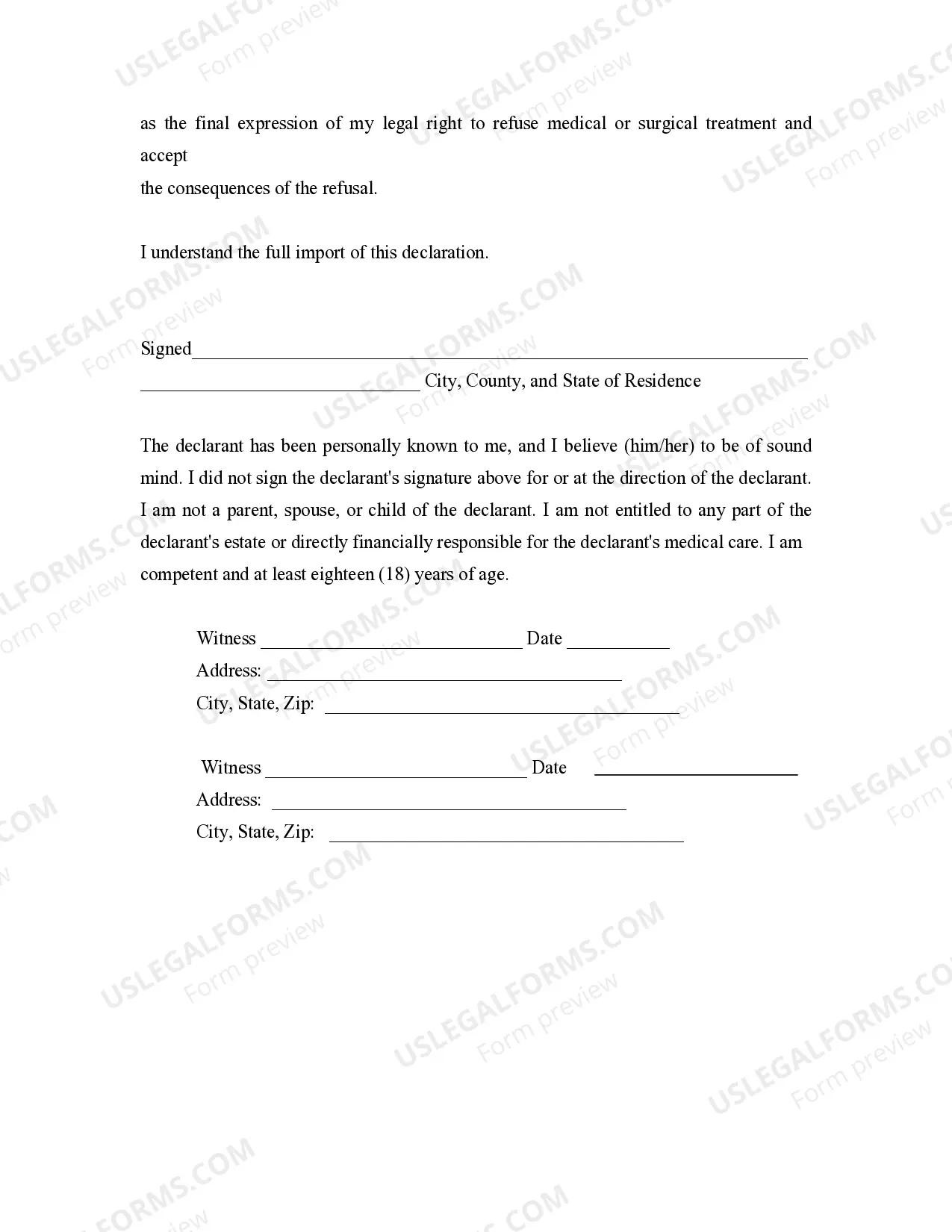
- Signature of the declarant to validate the document
- Witness statements confirming the declarant's sound mind

When to use this form
This form should be used by individuals who want to clearly communicate their end-of-life healthcare preferences. It is especially relevant in situations where a serious illness or injury is present, and medical professionals need guidance on how to proceed with treatment. Utilizing a Statutory Living Will can prevent potential conflicts among family members regarding medical decisions during critical moments.
Intended users of this form
- Adults aged eighteen or older who are of sound mind
- Individuals seeking to outline their healthcare preferences in terminal situations
- Persons wanting to alleviate burden on family regarding medical decisions
Instructions for completing this form
- Enter the date of the declaration in the designated area.
- Provide your full name and confirm that you are at least eighteen years old and of sound mind.
- Identify specific conditions when life-sustaining procedures should be withheld by following the outlined criteria.
- Clearly indicate your preferences regarding nutrition and hydration by initialing the appropriate section.
- Sign the document in the presence of two witnesses who are not related to you or financially responsible for your care.
Notarization requirements for this form
In most cases, this form does not require notarization. However, some jurisdictions or signing circumstances might. US Legal Forms offers online notarization powered by Notarize, accessible 24/7 for a quick, remote process.
Get your form ready online
Our built-in tools help you complete, sign, share, and store your documents in one place.
Make edits, fill in missing information, and update formatting in US Legal Forms—just like you would in MS Word.
Download a copy, print it, send it by email, or mail it via USPS—whatever works best for your next step.
Sign and collect signatures with our SignNow integration. Send to multiple recipients, set reminders, and more. Go Premium to unlock E-Sign.
If this form requires notarization, complete it online through a secure video call—no need to meet a notary in person or wait for an appointment.
We protect your documents and personal data by following strict security and privacy standards.

Make edits, fill in missing information, and update formatting in US Legal Forms—just like you would in MS Word.

Download a copy, print it, send it by email, or mail it via USPS—whatever works best for your next step.

Sign and collect signatures with our SignNow integration. Send to multiple recipients, set reminders, and more. Go Premium to unlock E-Sign.

If this form requires notarization, complete it online through a secure video call—no need to meet a notary in person or wait for an appointment.

We protect your documents and personal data by following strict security and privacy standards.
Avoid these common issues
- Failing to have the living will signed in front of witnesses.
- Not reviewing state-specific laws before completing the form.
- Leaving parts of the form blank, especially concerning preferences for nutrition and hydration.
Why use this form online
- Easy access to the form anytime and anywhere.
- Editable format allows you to customize your preferences quickly.
- Provides peace of mind by having secure, professional legal documentation in place.
Summary of main points
- The Statutory Living Will outlines your end-of-life medical treatment preferences.
- It is vital to complete the form accurately to ensure your wishes are followed.
- Ensure proper signing and witnessing as per Indiana regulations for the form to be valid.
Looking for another form?








Form popularity
FAQ
No, in Indiana, you do not need to notarize your will to make it legal. However, Indiana allows you to make your will "self-proving." A self-proving will speeds up probate because the court can accept the will without contacting the witnesses who signed it.
In Indiana, you can make a living trust to avoid probate for virtually any asset you ownreal estate, bank accounts, vehicles, and so on. You need to create a trust document (it's similar to a will), naming someone to take over as trustee after your death (called a successor trustee).
Be competent; Voluntarily want to do the living will; and. Sign in the presence of two witnesses who are competent and at least 18 years old. (If you are unable to sign yourself, you can direct someone to sign for you while you watch).
Living will. A living will is a written, legal document that spells out medical treatments you would and would not want to be used to keep you alive, as well as your preferences for other medical decisions, such as pain management or organ donation. In determining your wishes, think about your values.
Form a Last Will in Indiana Capacity: The testator must be of sound mind. Signature: The will must be signed by the testator or by someone else at the testator's direction and in the testator's presence. Witnesses: At least two witnesses must sign an Indiana last will and testament in order for it to be valid.
You do not need a lawyer to make a living will, although you can get one from a lawyer if you prefer to. Every state has its own requirements for making a living will, so if you make one on your own, make sure you find a form that meets your state's requirements.
Indiana will also recognize the handwritten will, but only if it meets the Indiana's legal standards. In other words, the handwritten will must be executed and witnessed correctly by two preferably disinterested witnesses. Indiana will not invalidate a will simply because it has been handwritten.
No, in Indiana, you do not need to notarize your will to make it legal. However, Indiana allows you to make your will "self-proving." A self-proving will speeds up probate because the court can accept the will without contacting the witnesses who signed it.