Indiana Closing Statement

Understanding this form
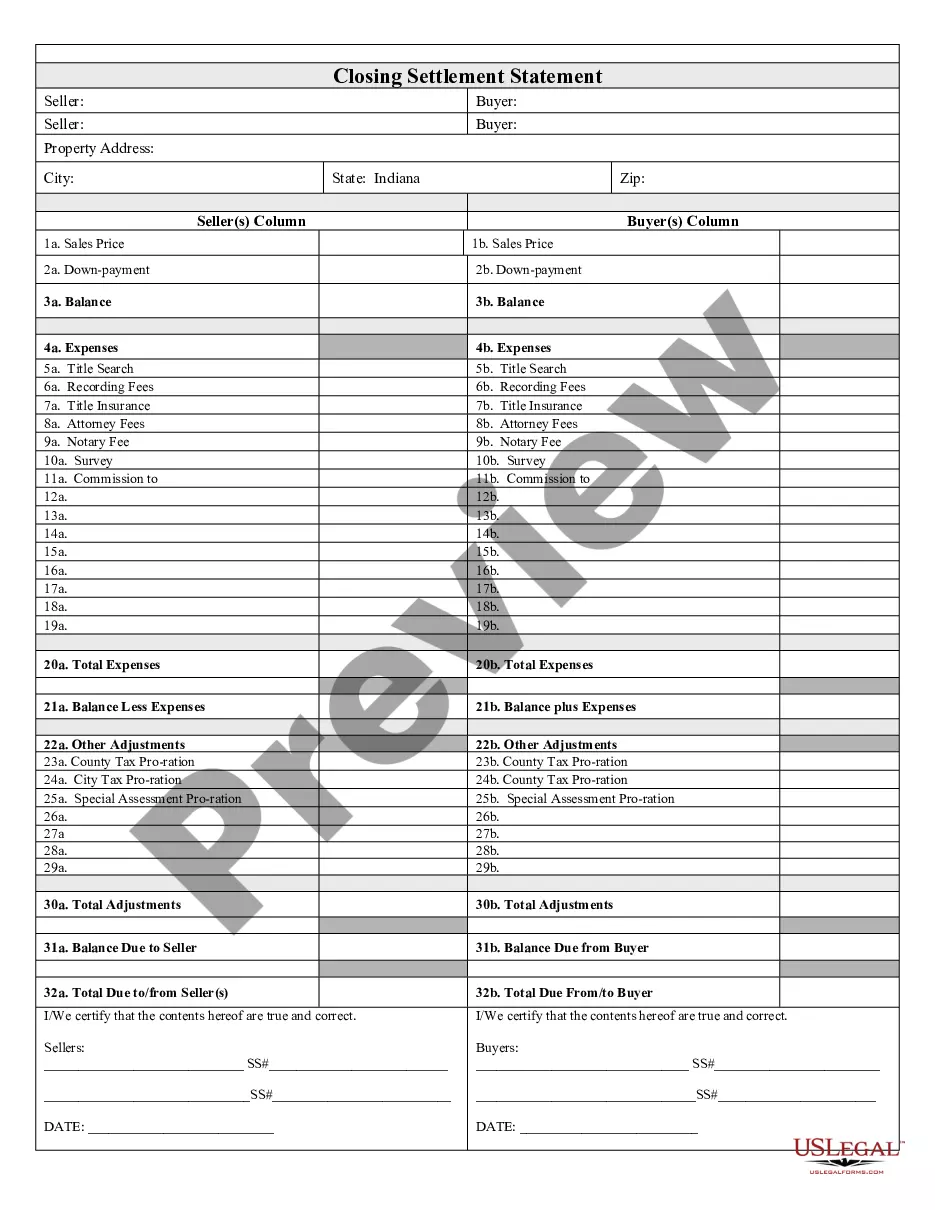
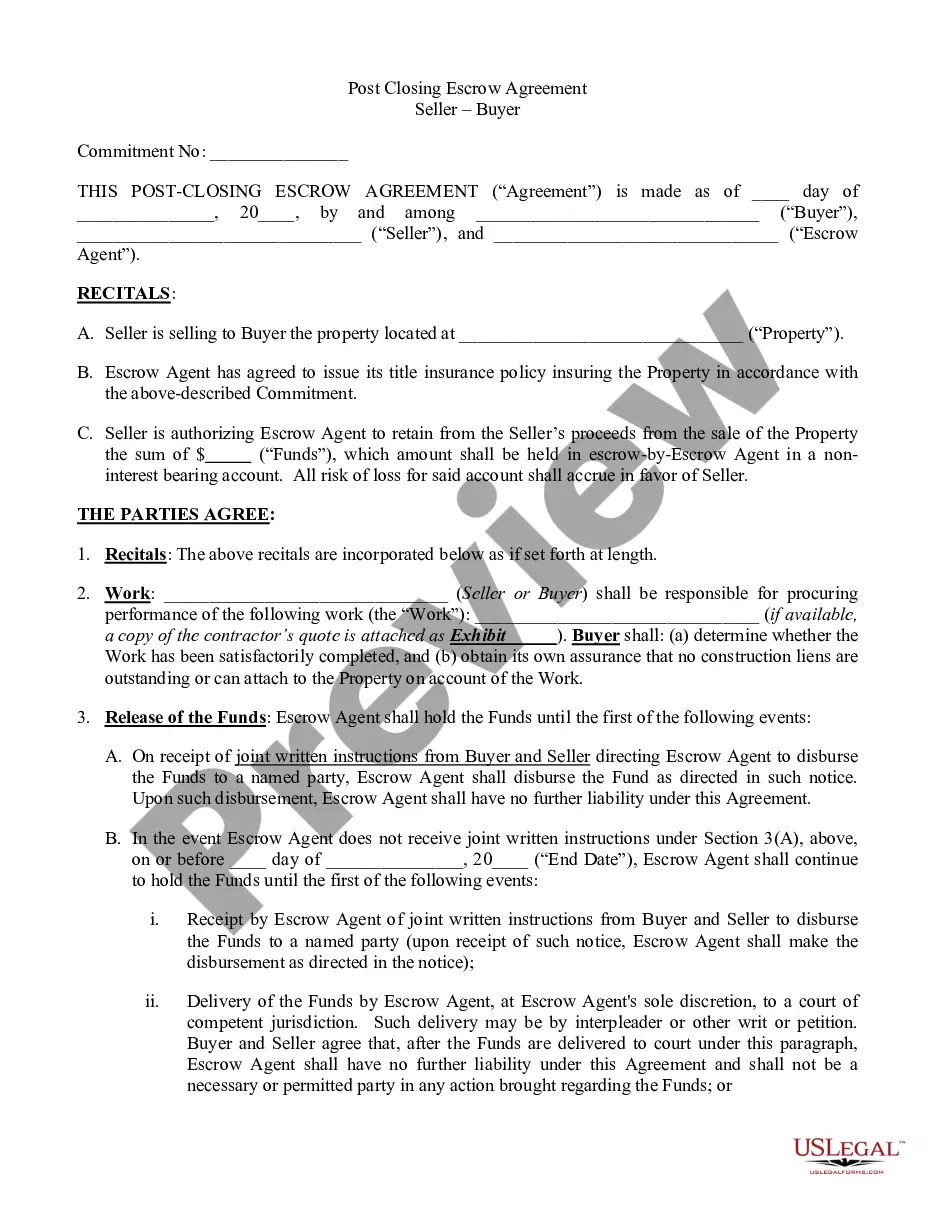
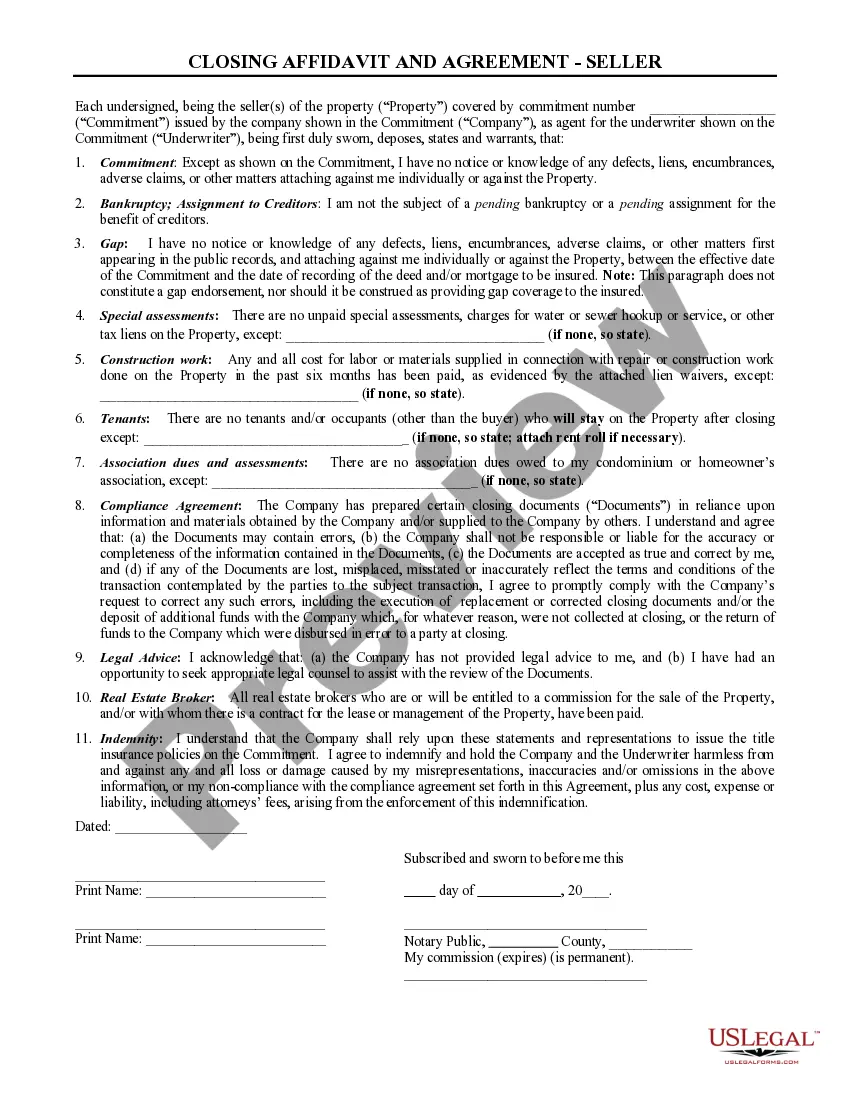
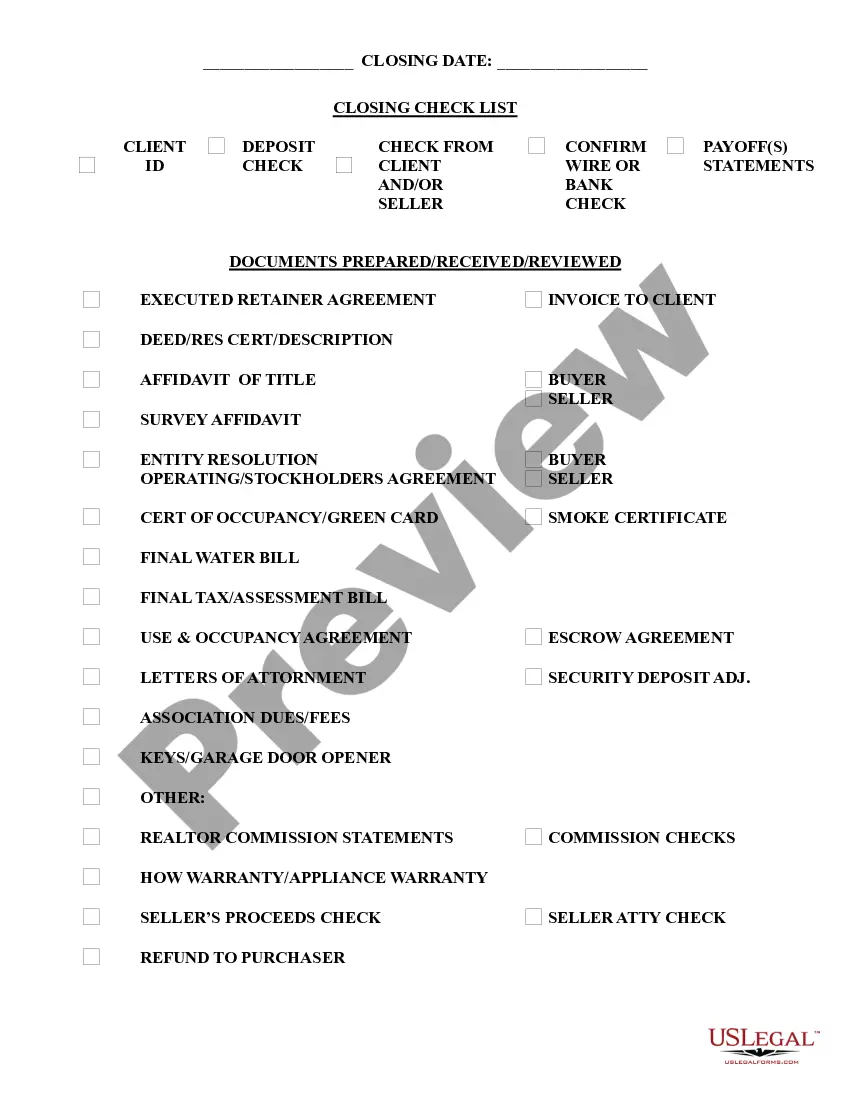
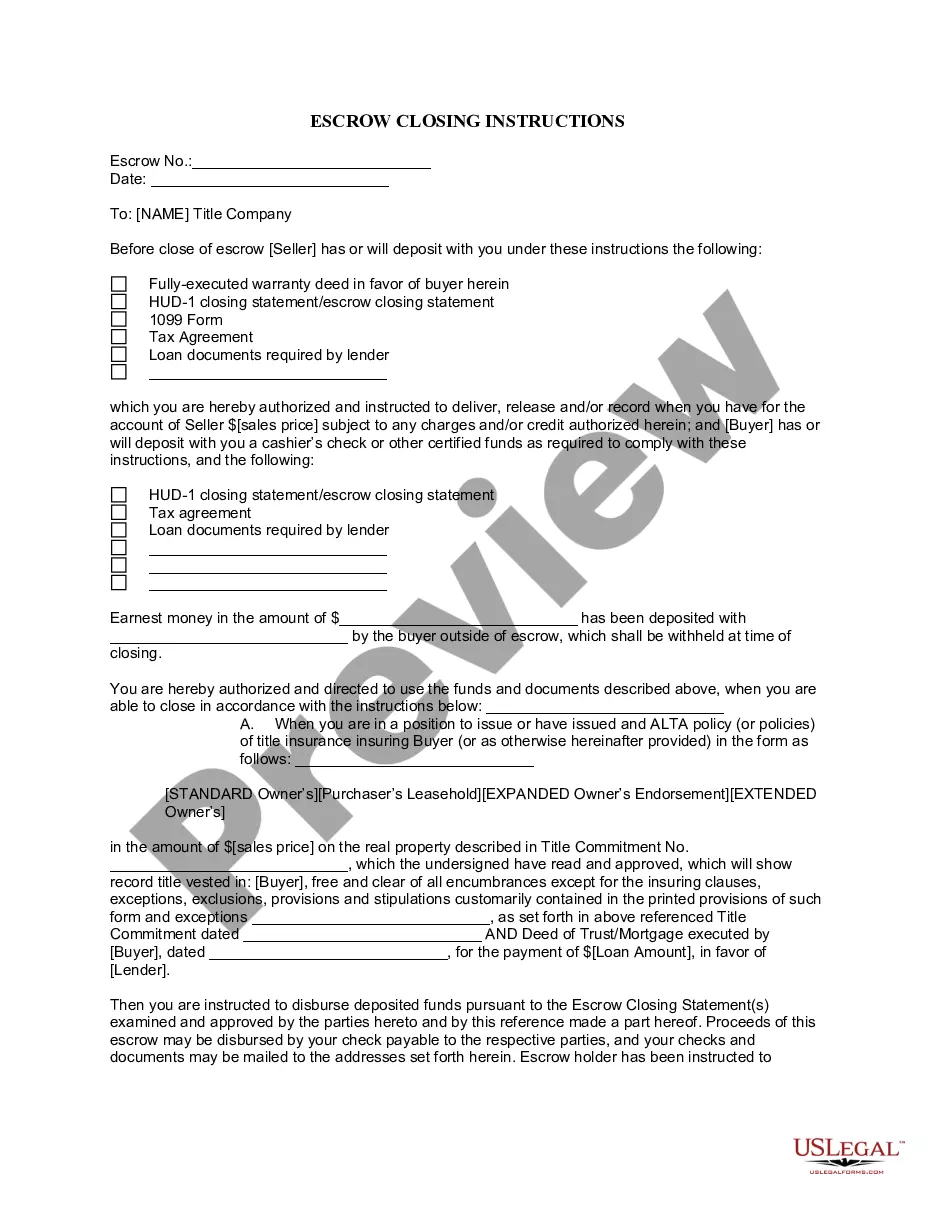
The Closing Statement is a crucial document used in real estate transactions, particularly for cash sales or owner financing. It serves as a verified summary of the financial details of the transaction, outlining the amounts due, the expenses incurred, and the final balance owed by the buyer and seller. Unlike other real estate forms, this statement provides a comprehensive overview of all financial obligations, ensuring both parties are aware of their responsibilities prior to closing the deal.
What’s included in this form
- Balance calculations for both buyer and seller.
- Detailed list of expenses, including title search and attorney fees.
- Entries for recording fees and notary fees involved in the transaction.
- Sections for adjustments, such as property tax pro-rations.
- Verification declarations signed by both the seller and the buyer.

When to use this document
This form should be utilized when finalizing a real estate transaction, specifically in situations where the property is sold for cash or under owner financing terms. It is essential for outlining all financial aspects of the closing process, ensuring both the buyer and seller have a clear understanding of the transaction details before the sale is completed.
Intended users of this form
- Home sellers who are completing a cash sale.
- Buyers purchasing a property through owner financing.
- Real estate agents facilitating the sale.
- Attorneys representing either party in the transaction.
How to complete this form
- Identify the parties involved in the transaction (buyer and seller).
- Specify the property details and purchase price.
- List all applicable expenses, including title fees and attorney costs.
- Calculate total adjustments and balances due to/from the seller and buyer.
- Have both parties review and sign to certify the contents are correct.
Notarization requirements for this form
Notarization is required for this form to take effect. Our online notarization service, powered by Notarize, lets you verify and sign documents remotely through an encrypted video session, available 24/7.
Get your form ready online
Our built-in tools help you complete, sign, share, and store your documents in one place.
Make edits, fill in missing information, and update formatting in US Legal Forms—just like you would in MS Word.
Download a copy, print it, send it by email, or mail it via USPS—whatever works best for your next step.
Sign and collect signatures with our SignNow integration. Send to multiple recipients, set reminders, and more. Go Premium to unlock E-Sign.
If this form requires notarization, complete it online through a secure video call—no need to meet a notary in person or wait for an appointment.
We protect your documents and personal data by following strict security and privacy standards.

Make edits, fill in missing information, and update formatting in US Legal Forms—just like you would in MS Word.

Download a copy, print it, send it by email, or mail it via USPS—whatever works best for your next step.

Sign and collect signatures with our SignNow integration. Send to multiple recipients, set reminders, and more. Go Premium to unlock E-Sign.

If this form requires notarization, complete it online through a secure video call—no need to meet a notary in person or wait for an appointment.

We protect your documents and personal data by following strict security and privacy standards.
Typical mistakes to avoid
- Failing to include all applicable expenses, leading to discrepancies.
- Omitting necessary signatures from either party.
- Not calculating balances accurately, which can cause confusion at closing.
- Forgetting to verify local property tax pro-rations or special assessments.
Why use this form online
- Immediate access to professionally drafted legal templates.
- Easy to edit and customize according to your transaction details.
- Secure storage and retrieval for future reference.
- Available for download, facilitating quick preparation for closings.
Looking for another form?
Form popularity
FAQ
An Indiana Closing Statement is a verified summary of all financial aspects of a real estate transaction, outlining amounts due, the expenses incurred, and the final balances for the buyer and seller. It is essential in cash sales or owner-financed deals to confirm responsibilities and prevent last-minute disputes before closing.
Begin with listing the parties and transaction details, then present a clear balance for both buyer and seller. Include itemized expenses (title search, attorney fees), recording and notary fees, and any prorations or adjustments. Finally, attach verification declarations signed by both sides. This aligns with the Indiana Closing Statement’s purpose to summarize all financial obligations before closing.
Closing costs vary by transaction, and the Indiana Closing Statement itemizes each cost such as title search, attorney fees, recording and notary fees, and prorations. The form shows the balance due for the buyer and seller, helping both parties understand the total costs before closing.
An effective Indiana Closing Statement should include balance calculations for both the buyer and seller, an itemized list of expenses (title search and attorney fees), entries for recording and notary fees, any adjustments or prorations, and the verification declarations signed by both parties. This mirrors the form components and supports a clear closing.
This Indiana Closing Statement functions as the verified financial summary used at closing for cash sales or owner-financed real estate deals. It presents the buyer’s and seller’s balances, itemized expenses, and any prorations or adjustments, ensuring both parties clearly understand the total costs and responsibilities before the transaction closes.
Indiana Closing Statement is tailored to Indiana real estate transactions, especially cash sales and owner financing. It presents balance calculations for both buyer and seller, itemized expenses (title search, attorney fees), recording and notary fees, prorations, and verification declarations signed by both parties. A generic closing statement may not include these Indiana-specific items.