Indiana Construction Contract Cost Plus or Fixed Fee
Understanding this form
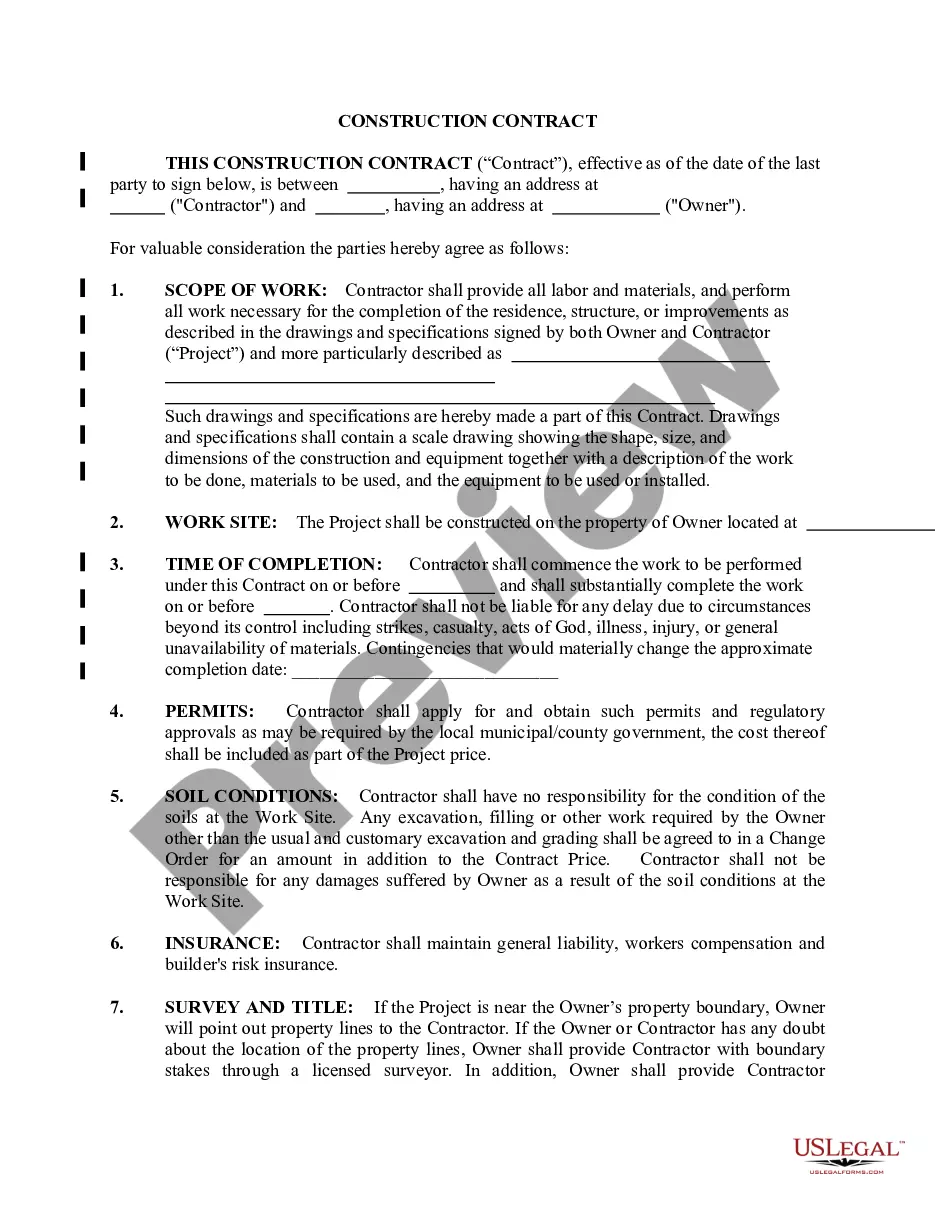
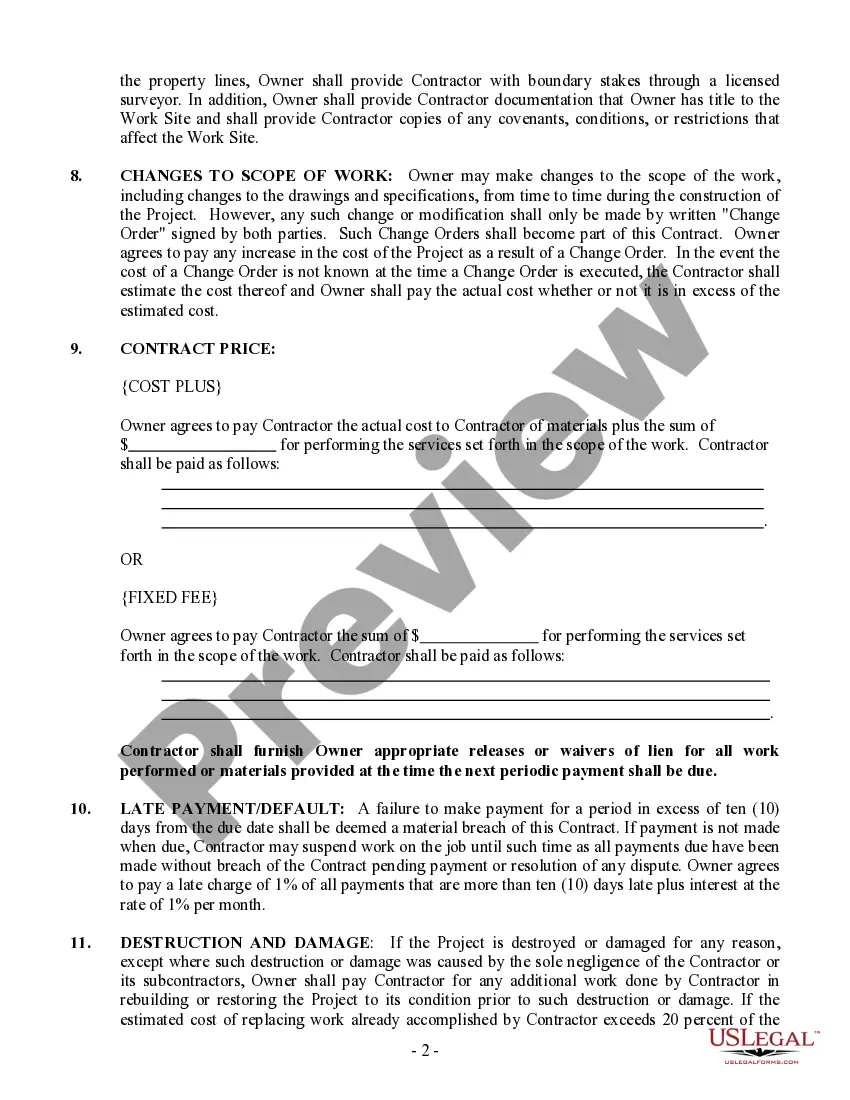
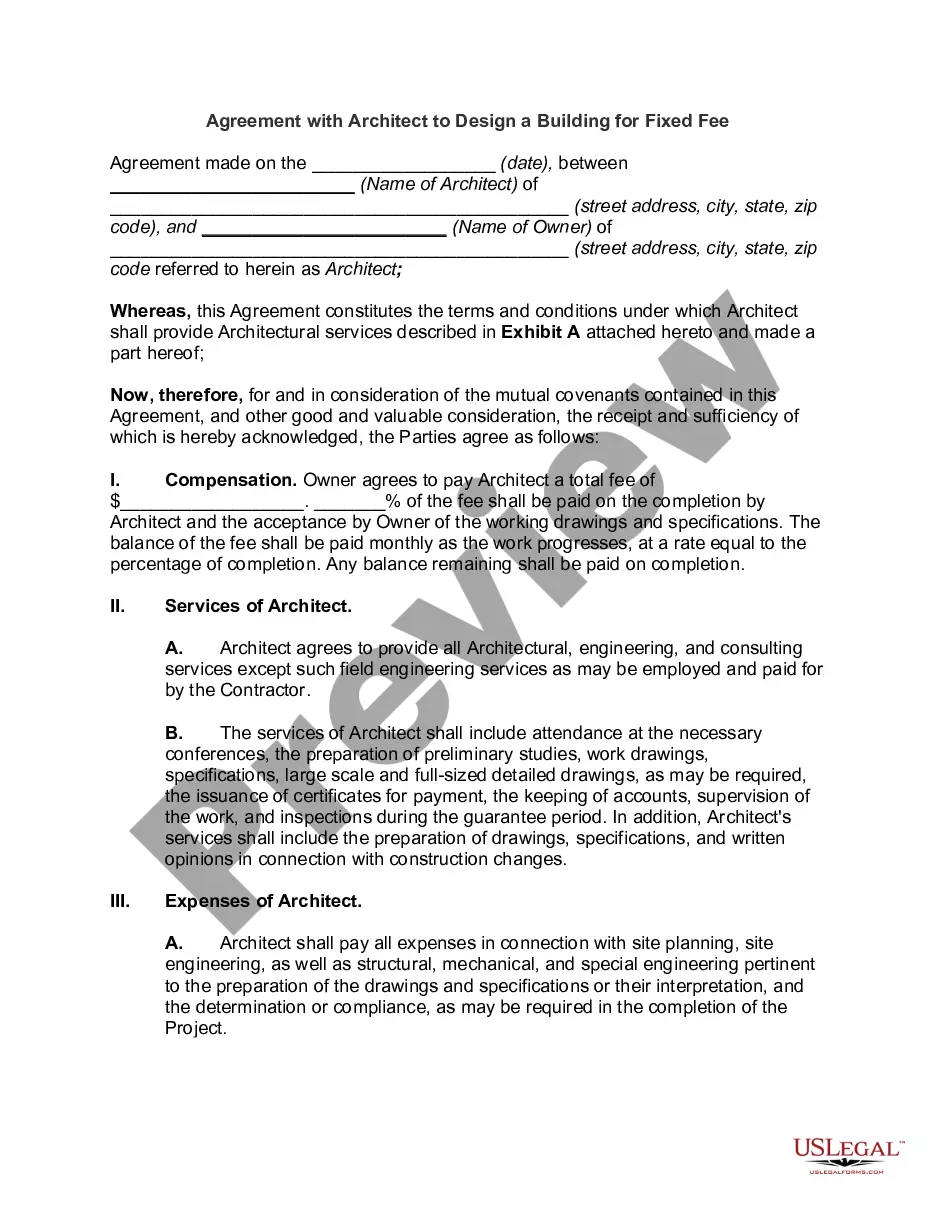
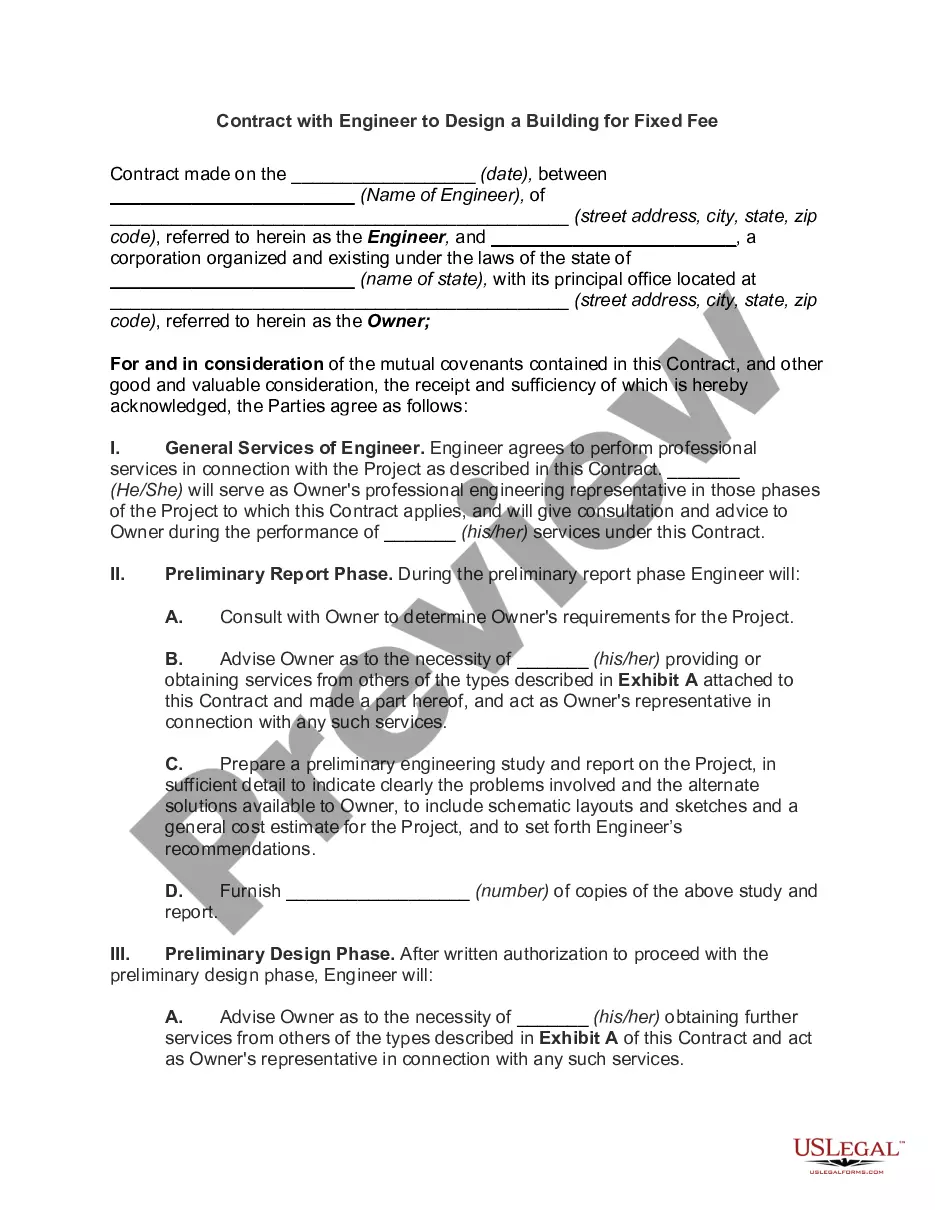
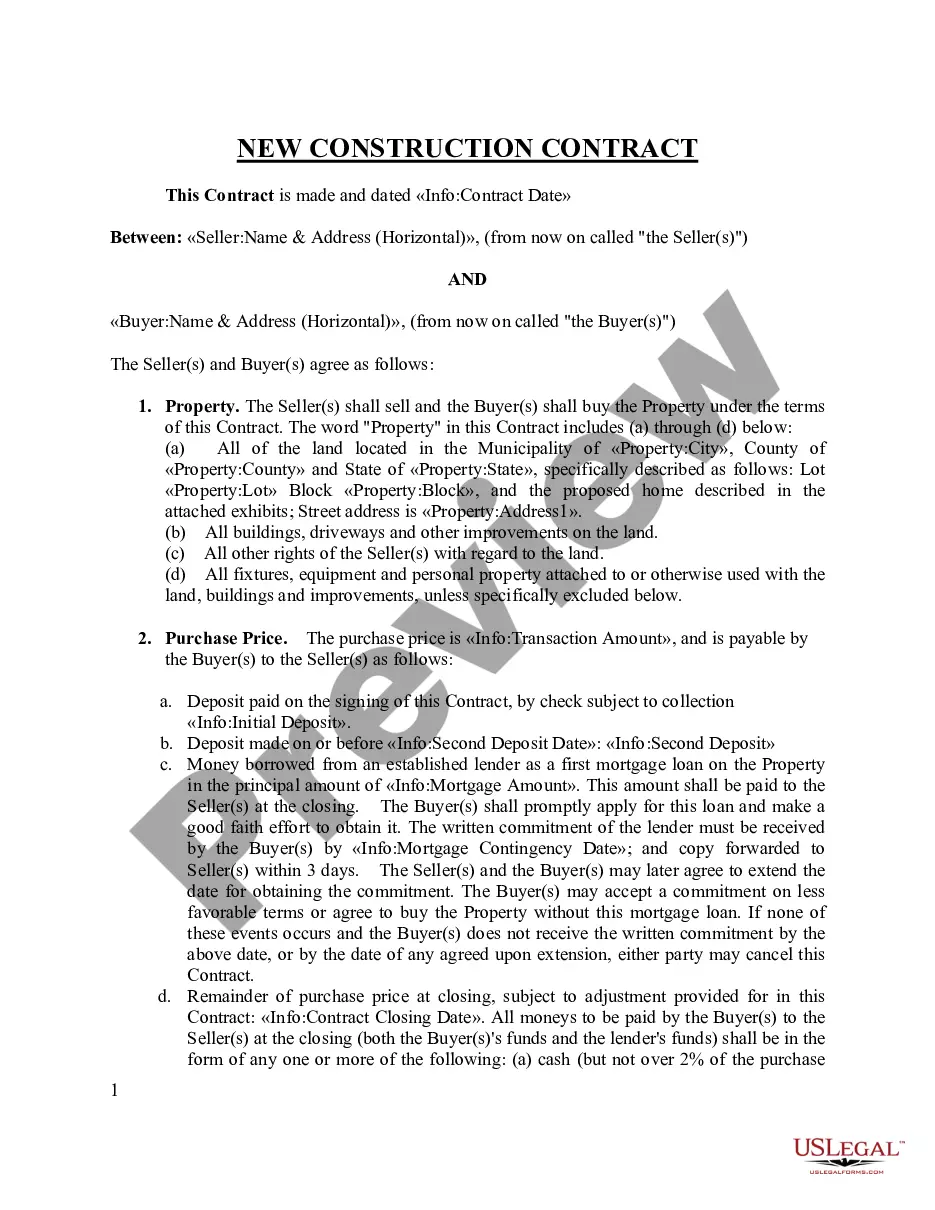
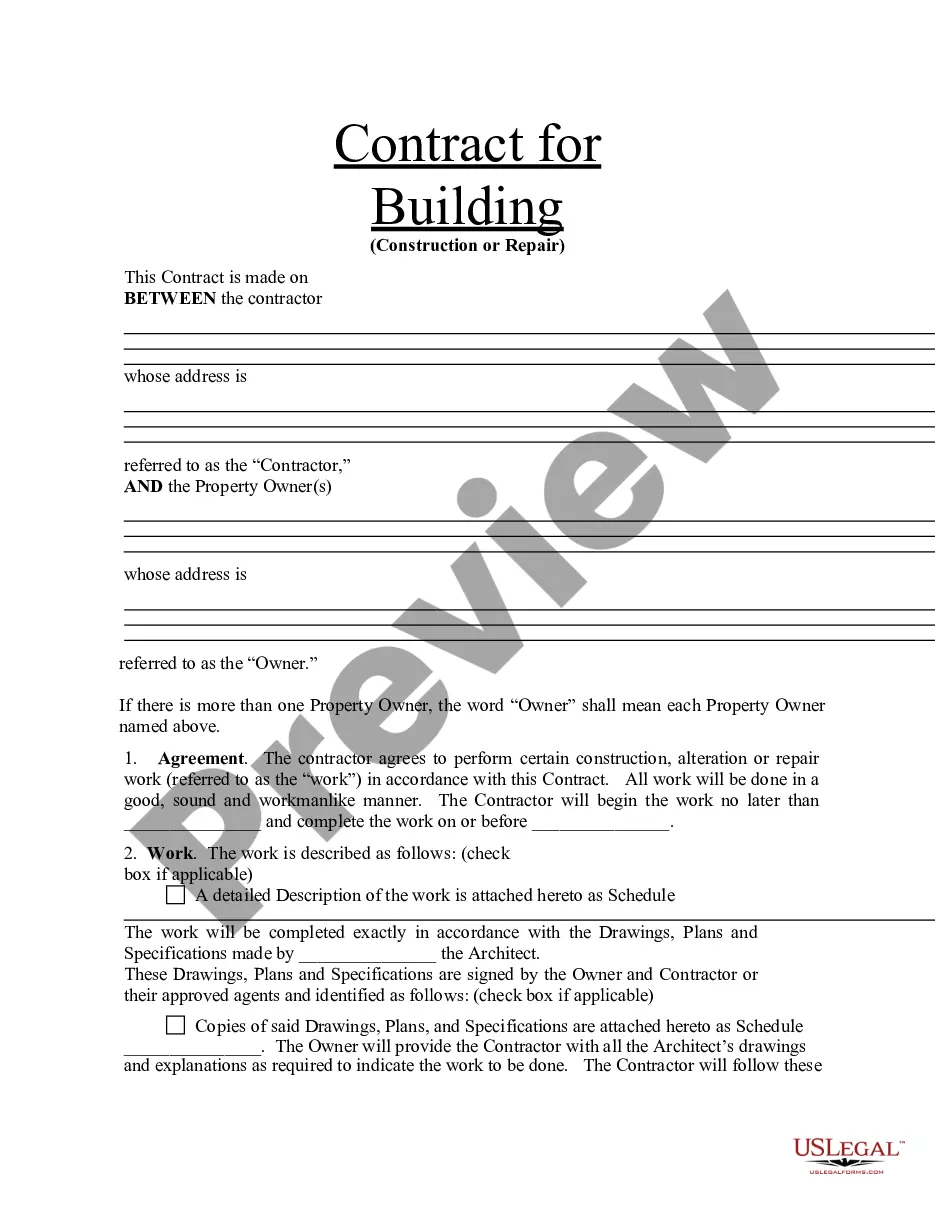
The Construction Contract Cost Plus or Fixed Fee is a legal document that establishes the terms of a construction project between an owner and contractor. This form allows for payment either based on actual costs plus a fee or a fixed fee arrangement. It is specifically tailored for projects in Indiana and outlines key areas such as the scope of work, work site specifications, warranty, and insurance requirements, distinguishing it from standard contracts that may not offer these payment options.
Form components explained
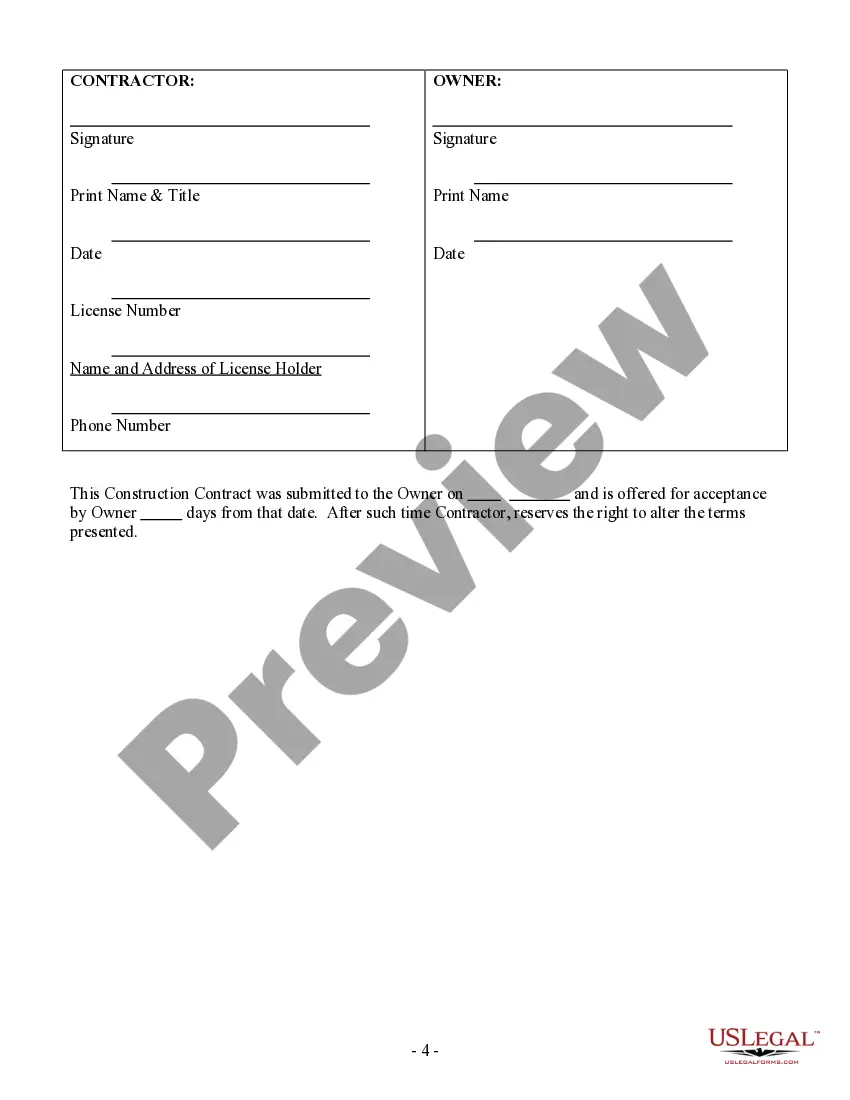
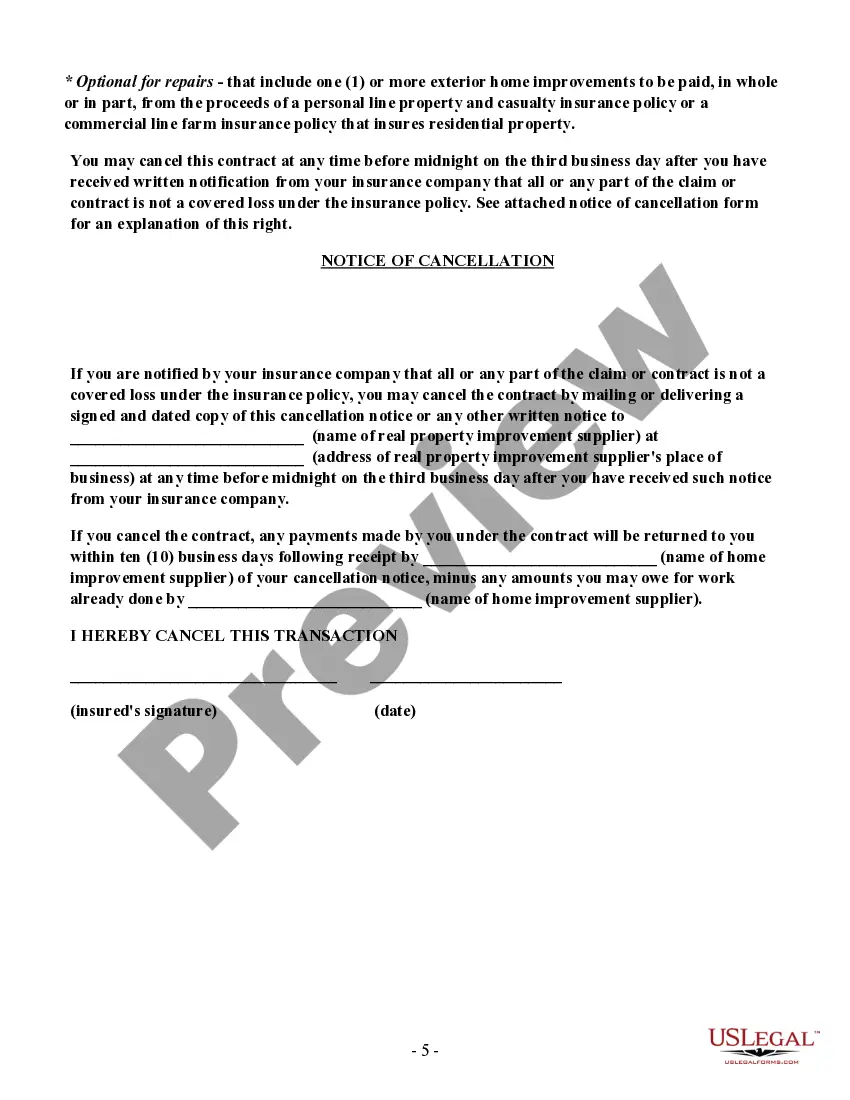
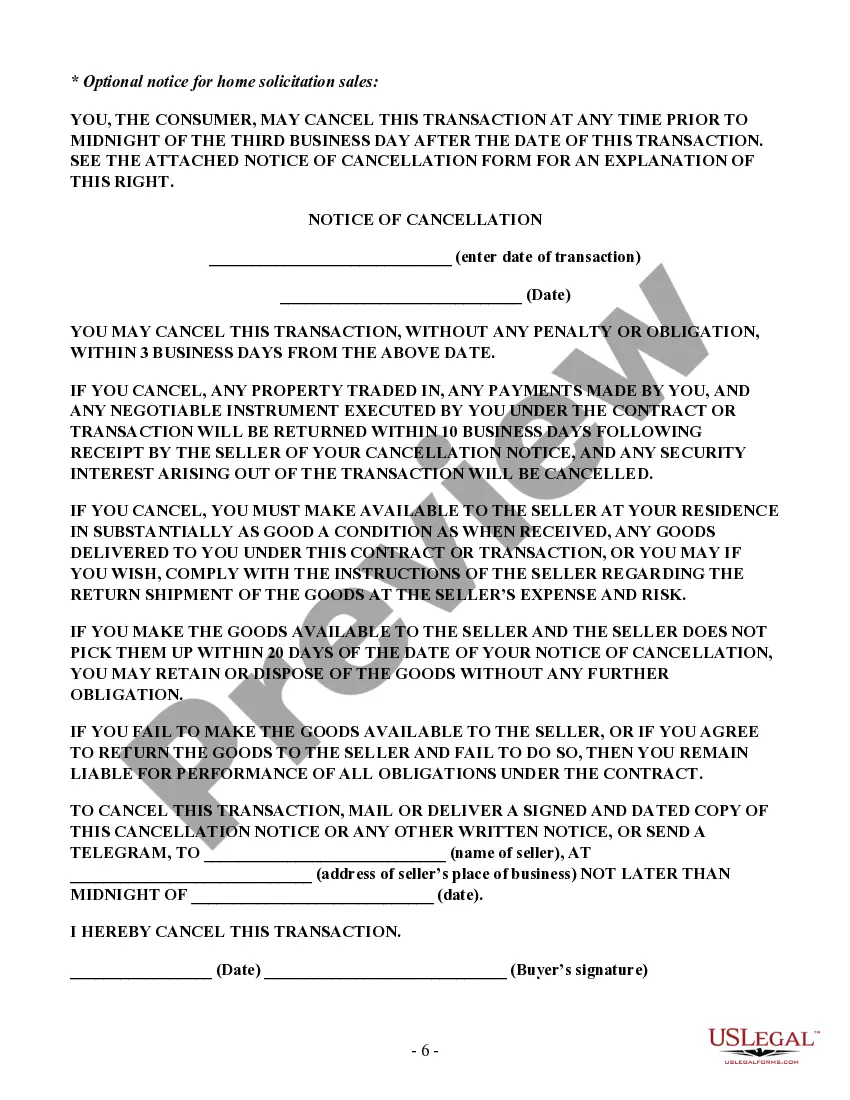
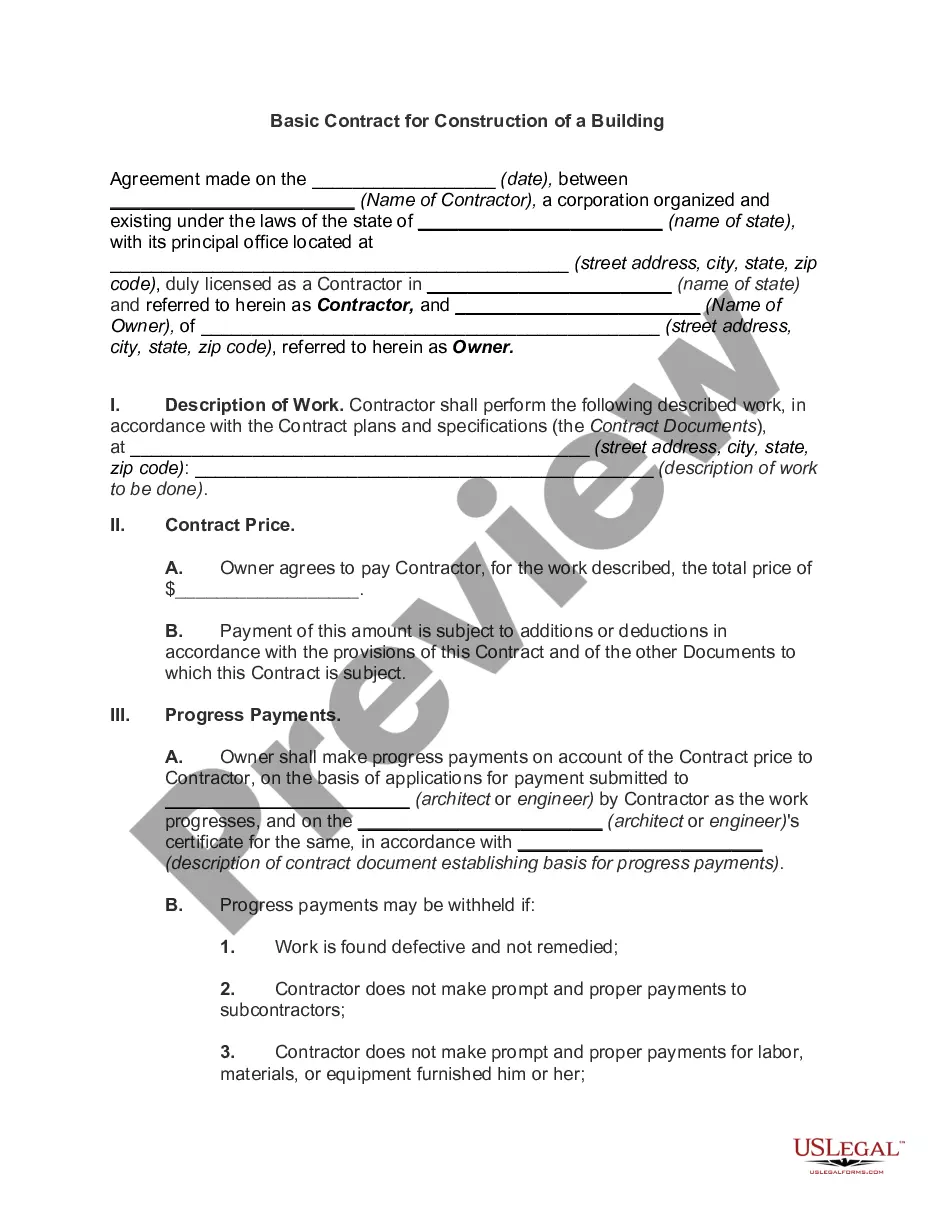
- Work site details, including location and description of the property.
- Permits required for legal compliance, with associated costs included in the project price.
- Soil conditions and contractor's responsibilities regarding excavations.
- Insurance requirements for liability, worker compensation, and builder's risk.
- Provisions for destruction and damage during the project.
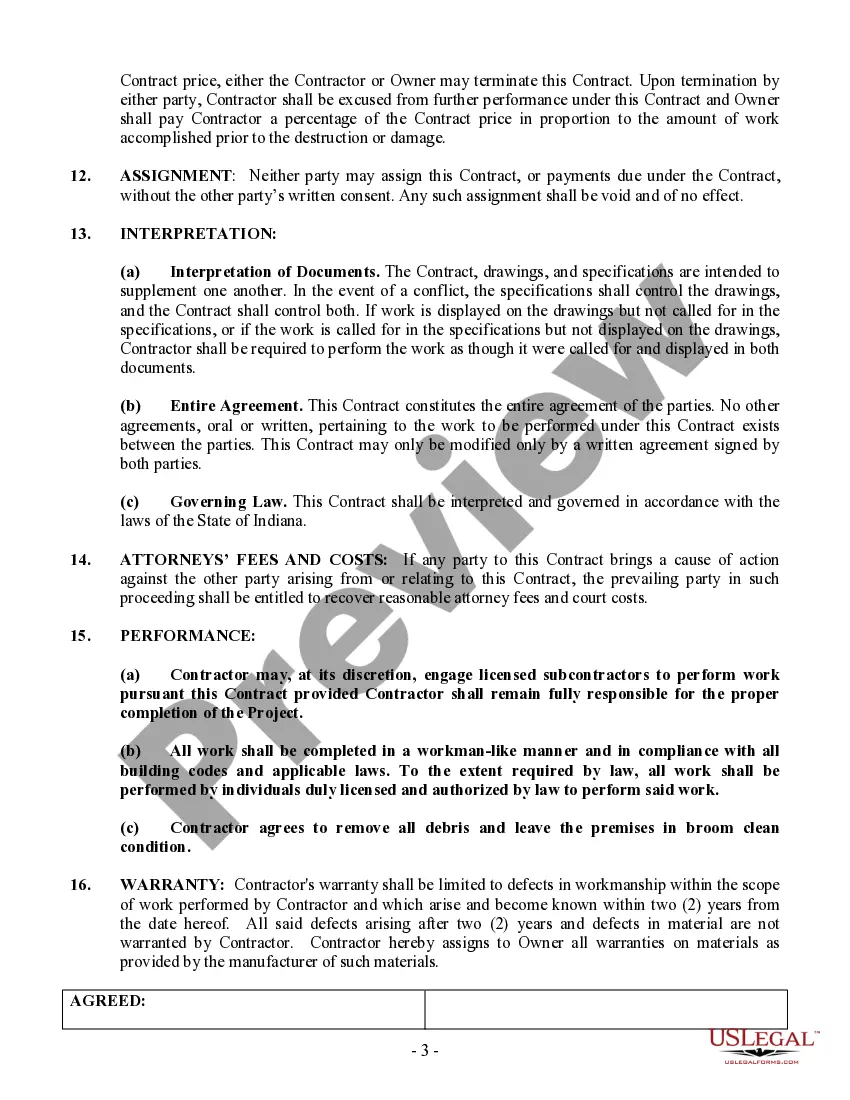
- Terms regarding assignment and interpretation of the contract documents.
When to use this form
This form should be used when engaging a contractor for a construction project where payment can be based on either actual costs plus a fee or a fixed fee. It is ideal for larger projects where costs may vary or when precise budgeting is needed. Additionally, it's suitable for situations where specific legal compliance and insurance are necessary, ensuring both parties understand their rights and obligations.
Who needs this form
- Property owners seeking to engage contractors for construction or renovation projects.
- Contractors who want a clear agreement outlining their payment structure and responsibilities.
- Real estate developers managing complex construction projects.
- Individuals or businesses requiring compliance with Indiana state regulations regarding construction.
How to complete this form
- Identify the parties involved by entering the names and contact information of the owner and contractor.
- Specify the work site location to ensure clarity on where the project will take place.
- Define the scope of work, including details about the construction tasks to be performed.
- Enter payment terms, indicating whether the payment structure is cost plus or a fixed fee.
- Include necessary insurance coverage details to comply with state regulations.
Notarization guidance
Notarization is not commonly needed for this form. However, certain documents or local rules may make it necessary. Our notarization service, powered by Notarize, allows you to finalize it securely online anytime, day or night.
Get your form ready online
Our built-in tools help you complete, sign, share, and store your documents in one place.
Make edits, fill in missing information, and update formatting in US Legal Forms—just like you would in MS Word.
Download a copy, print it, send it by email, or mail it via USPS—whatever works best for your next step.
Sign and collect signatures with our SignNow integration. Send to multiple recipients, set reminders, and more. Go Premium to unlock E-Sign.
If this form requires notarization, complete it online through a secure video call—no need to meet a notary in person or wait for an appointment.
We protect your documents and personal data by following strict security and privacy standards.

Make edits, fill in missing information, and update formatting in US Legal Forms—just like you would in MS Word.

Download a copy, print it, send it by email, or mail it via USPS—whatever works best for your next step.

Sign and collect signatures with our SignNow integration. Send to multiple recipients, set reminders, and more. Go Premium to unlock E-Sign.

If this form requires notarization, complete it online through a secure video call—no need to meet a notary in person or wait for an appointment.

We protect your documents and personal data by following strict security and privacy standards.
Mistakes to watch out for
- Failing to specify the payment arrangement clearly, leading to disputes over costs.
- Not including all necessary permits or insurance requirements, which can result in legal issues.
- Omitting important details about the project scope, which can cause misunderstandings between parties.
Benefits of completing this form online
- Convenience of downloading and modifying the document as needed without the hassle of in-person meetings.
- Access to professionally drafted templates that comply with Indianaâs legal standards.
- Ability to save time and avoid errors with pre-formatted sections tailored for construction agreements.
Legal use & context
- This contract is legally binding once signed by both parties.
- It serves to protect both the property owner and contractor by clearly detailing expectations and responsibilities.
- The agreement must comply with local construction laws and regulations to be enforceable.
Key takeaways
- The Construction Contract Cost Plus or Fixed Fee form allows for flexible payment arrangements based on project demands.
- It includes vital sections that address scope, permits, insurance, and responsibility for dirt conditions.
- Use this form to establish clear expectations and reduce the risk of conflicts during construction projects.
- Ensure both parties review and understand the terms before signing to maintain a professional working relationship.
Looking for another form?



Form popularity
FAQ
Disadvantages of fixed-price Therefore the biggest issue is usually around project scope and change requests. Lack of flexibility. A fixed-price project has a defined scope (requirements). As the cost cannot change, the scope of work is much less flexible.
Firm Fixed Price (FFP) The price will be set on the buyer's request. A FFP should be used for a product or service that is a repeated process. As an example, a car manufacturer would enter into a FFP contract for a standard model car. The manufacturer knows what it takes to complete the car and the associated cost.
In the cost plus a percentage arrangement, the contractor bills the client for his direct costs for labor, materials, and subs, plus a percentage to cover his overhead and profit. Markups might range anywhere from 10% to 25%.
A fixed-price contract is a type of contract where the payment amount does not depend on resources used or time expended. This is opposed to a cost-plus contract, which is intended to cover the costs with additional profit made.
A fixed price contract sets a total price for all construction-related activities during a project. Many fixed price contracts include benefits for early termination and penalties for a late termination to give the contractors incentives to ensure the project is completed on time and within scope.
Fixed-price contracts provide greater incentive than cost-reimbursement contracts for the contractor to control costs and perform efficiently. 2) Fixed price contracting shifts risk from the customer to the service provider.
A cost-plus contract is an agreement to reimburse a company for expenses incurred plus a specific amount of profit, usually stated as a percentage of the contract's full price.
A cost-plus contract, also known as a cost-reimbursement contract, is a form of contract wherein the contractor is paid for all of their construction-related expenses. Plus, the contractor is paid a specific agreed-upon amount for profit.
A cost plus percentage of cost contract or CPPC is a cost reimbursement contract containing some element that obligates the non-state entity to pay the contractor an amount, undetermined at the time the contract was made and to be incurred in the future, based on a percentage of future costs.