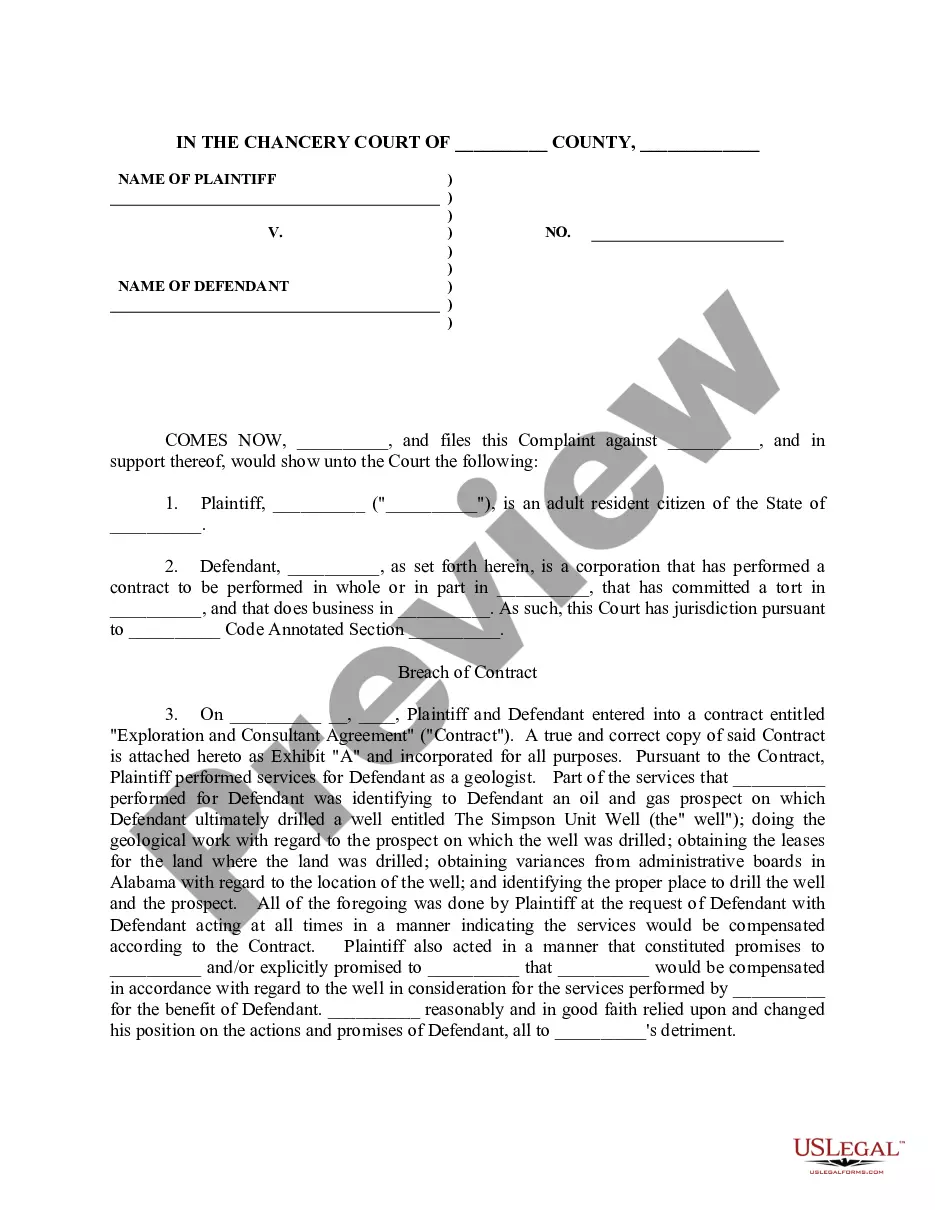
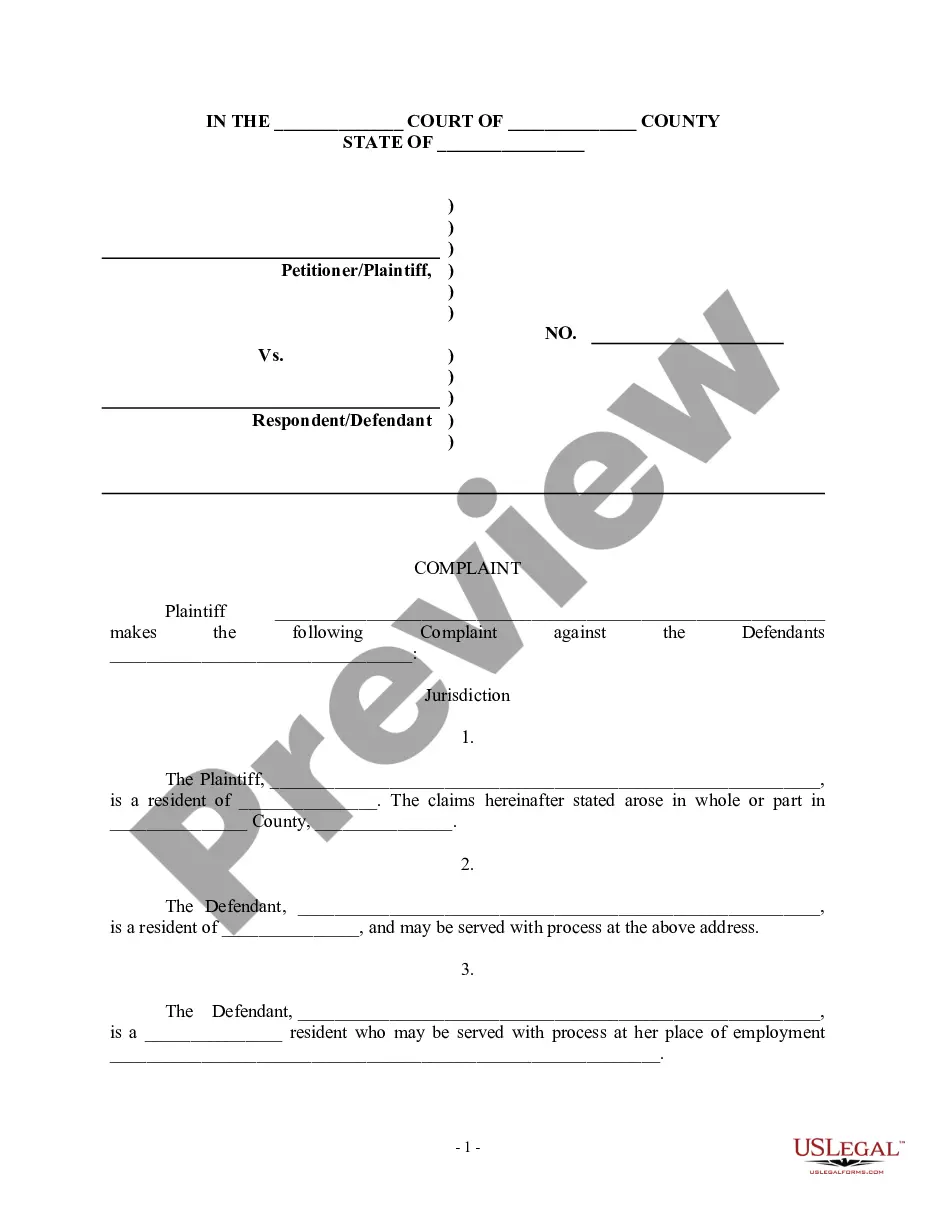
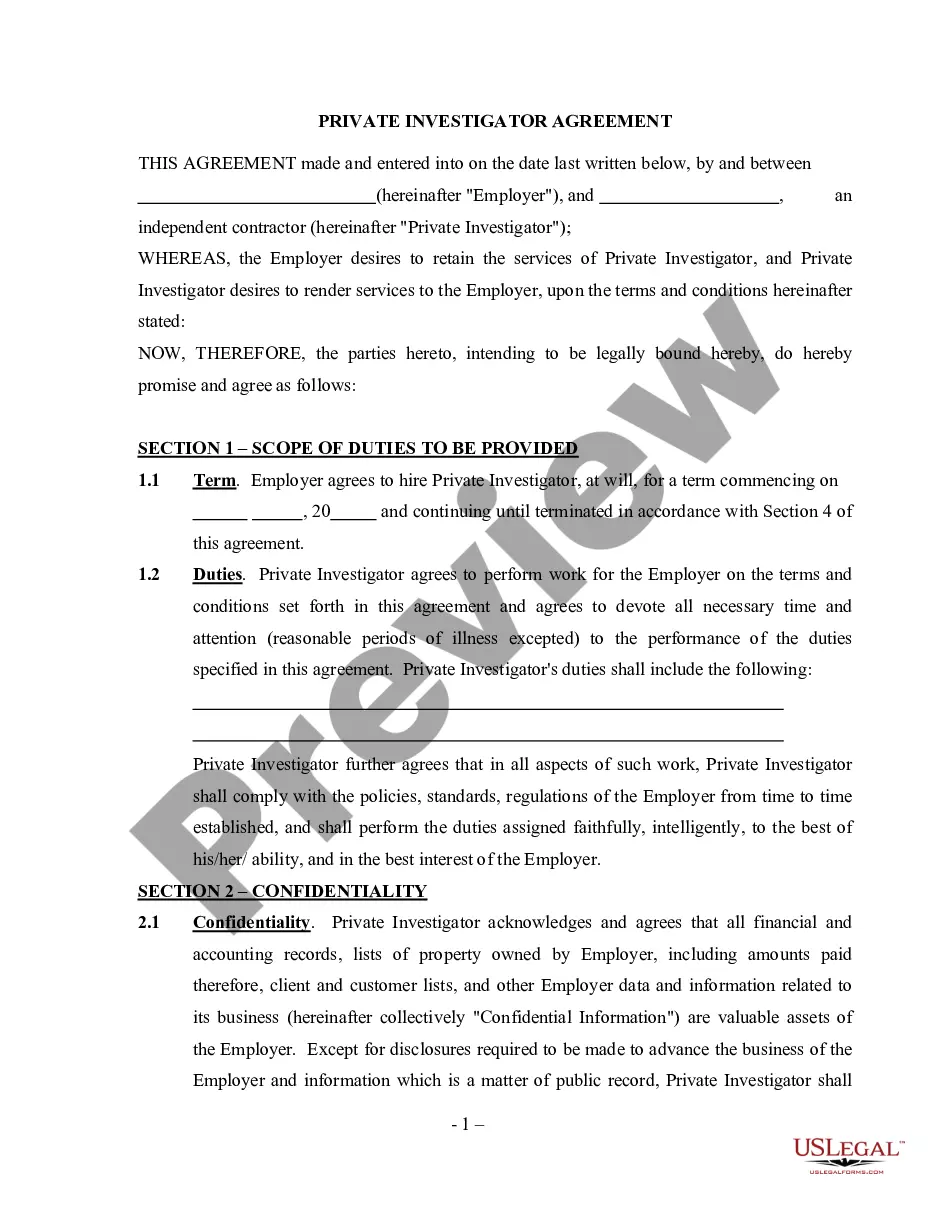
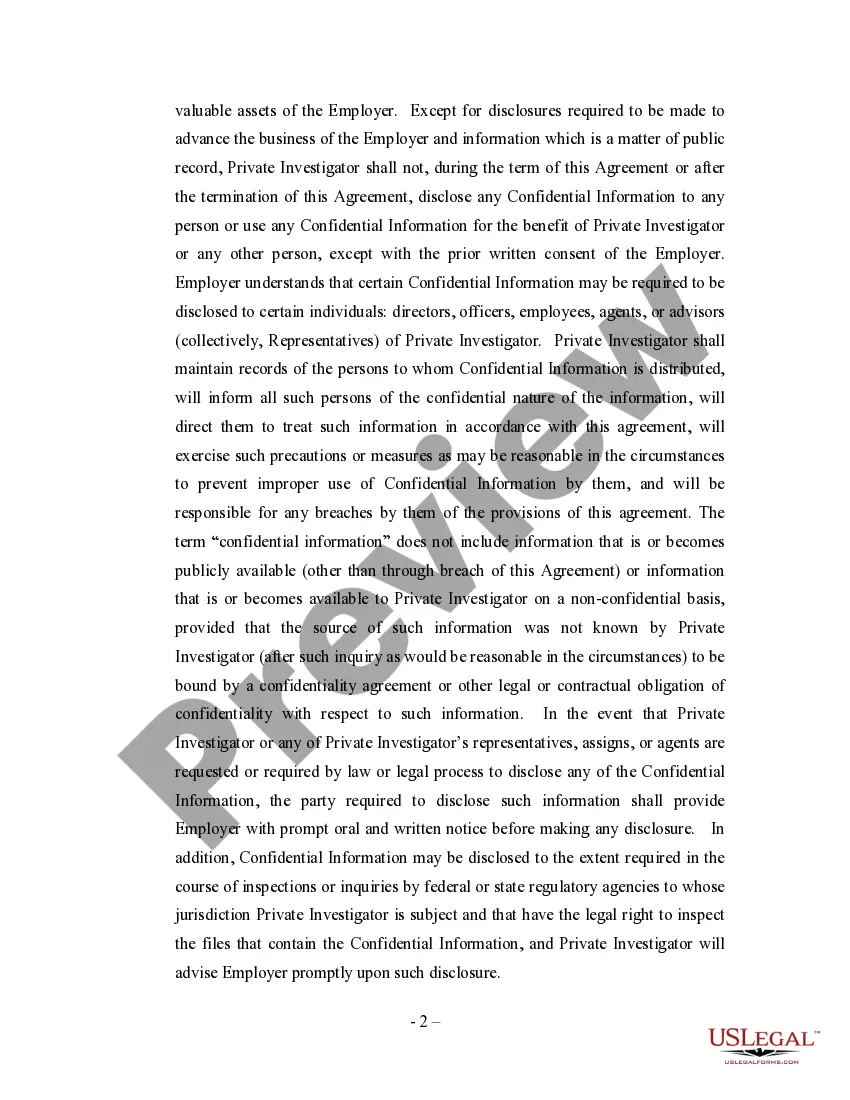
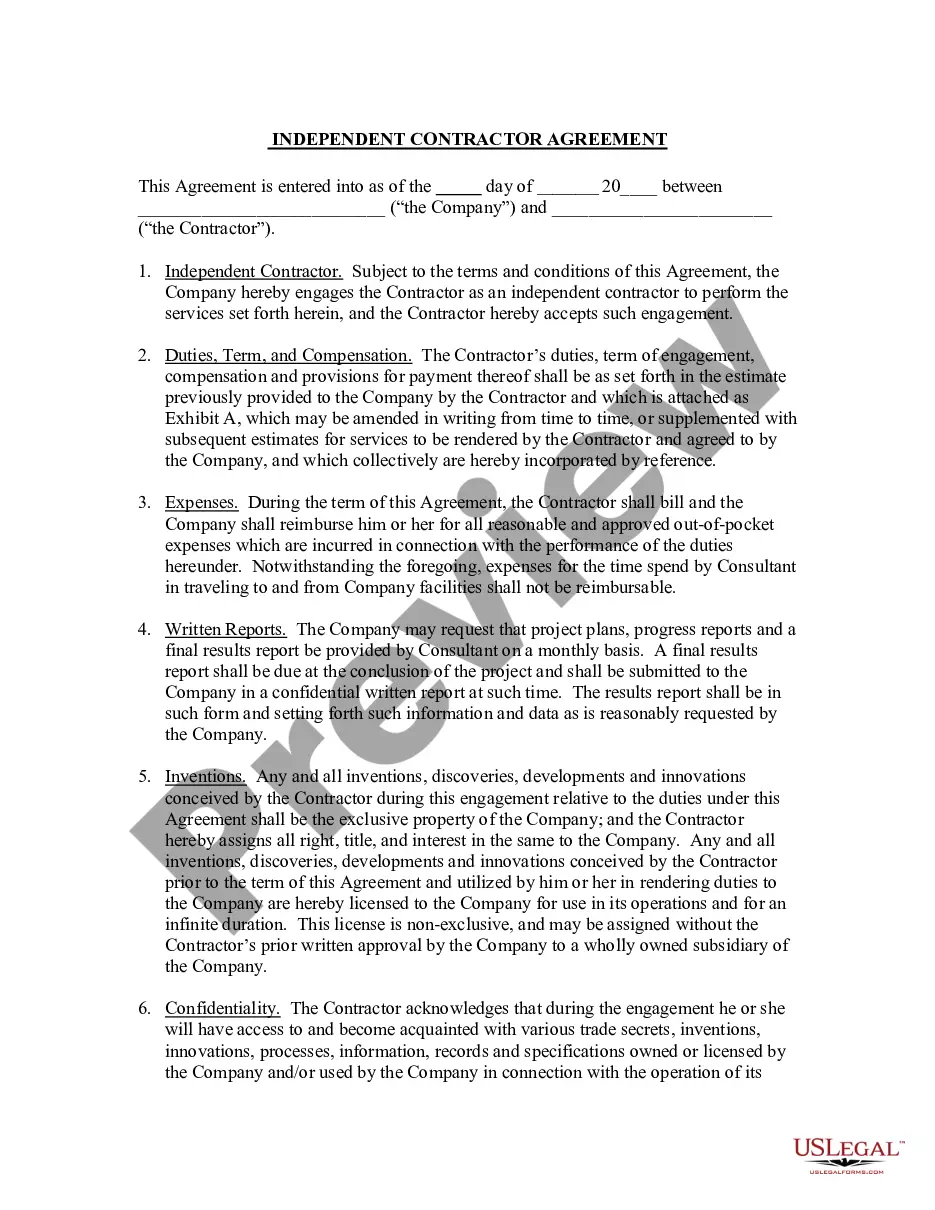
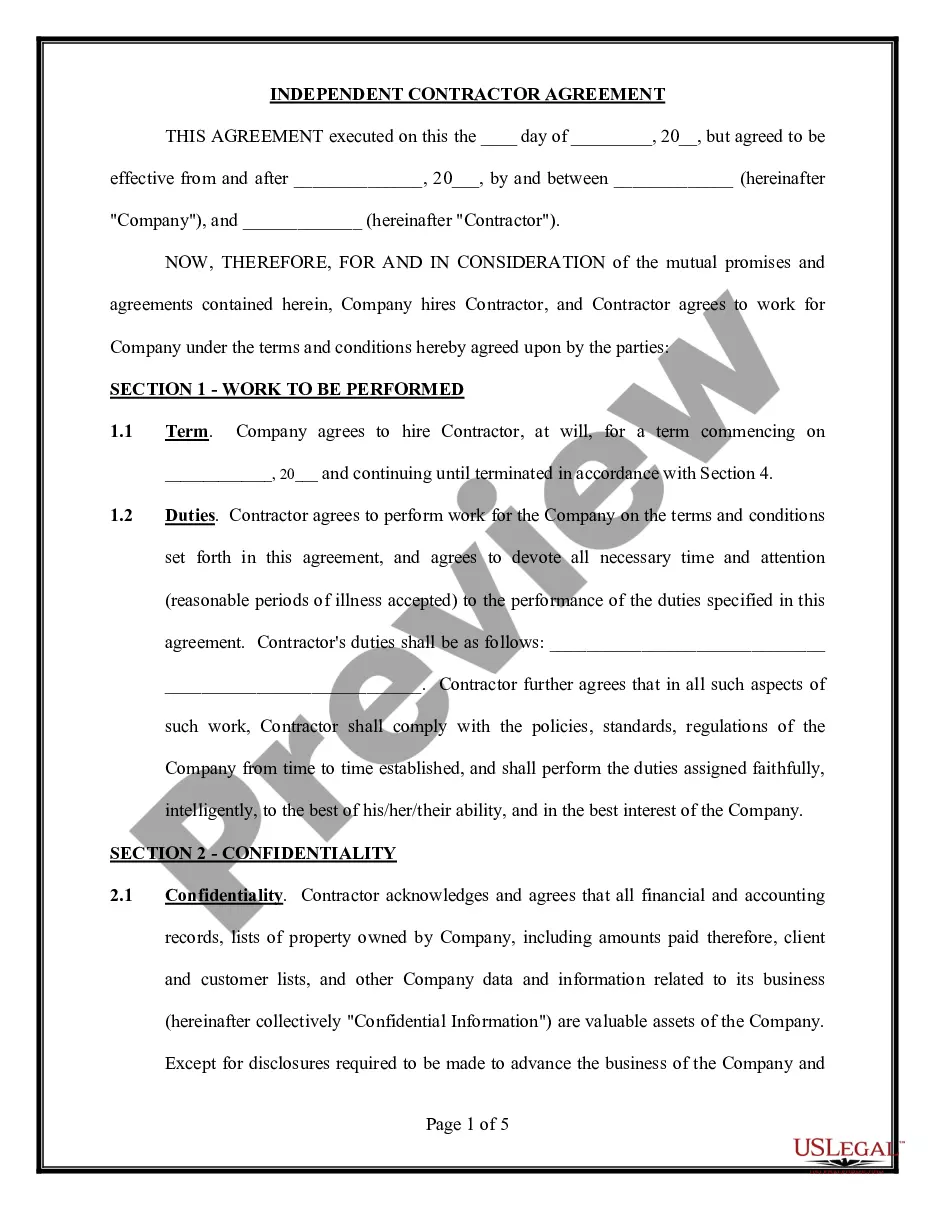
This is a contract between an employer and a private investigator whereby the P.I. will provide a service to the employer as an independent contractor.
Illinois Private Investigator Agreement - Self-Employed Independent Contractor
State:
Multi-State
Control #:
US-INDC-34
Format:
Word;
Rich Text
Instant download
Description
Free preview
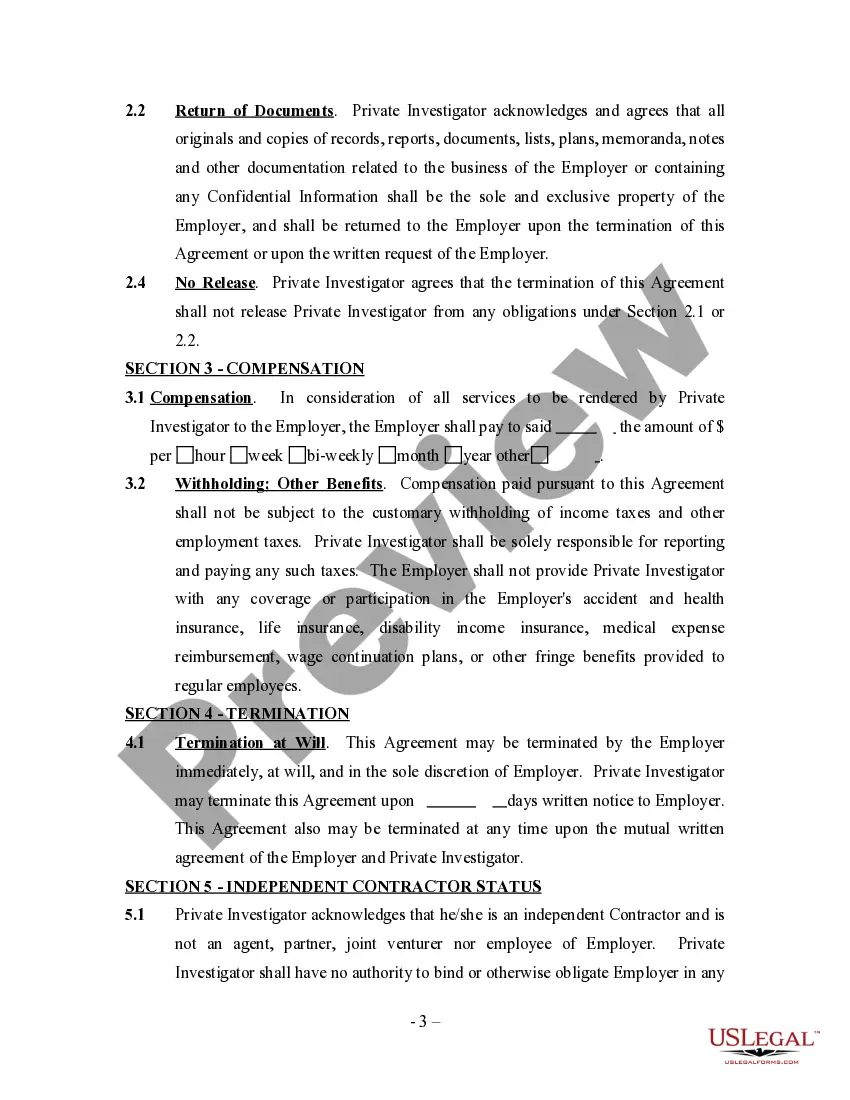
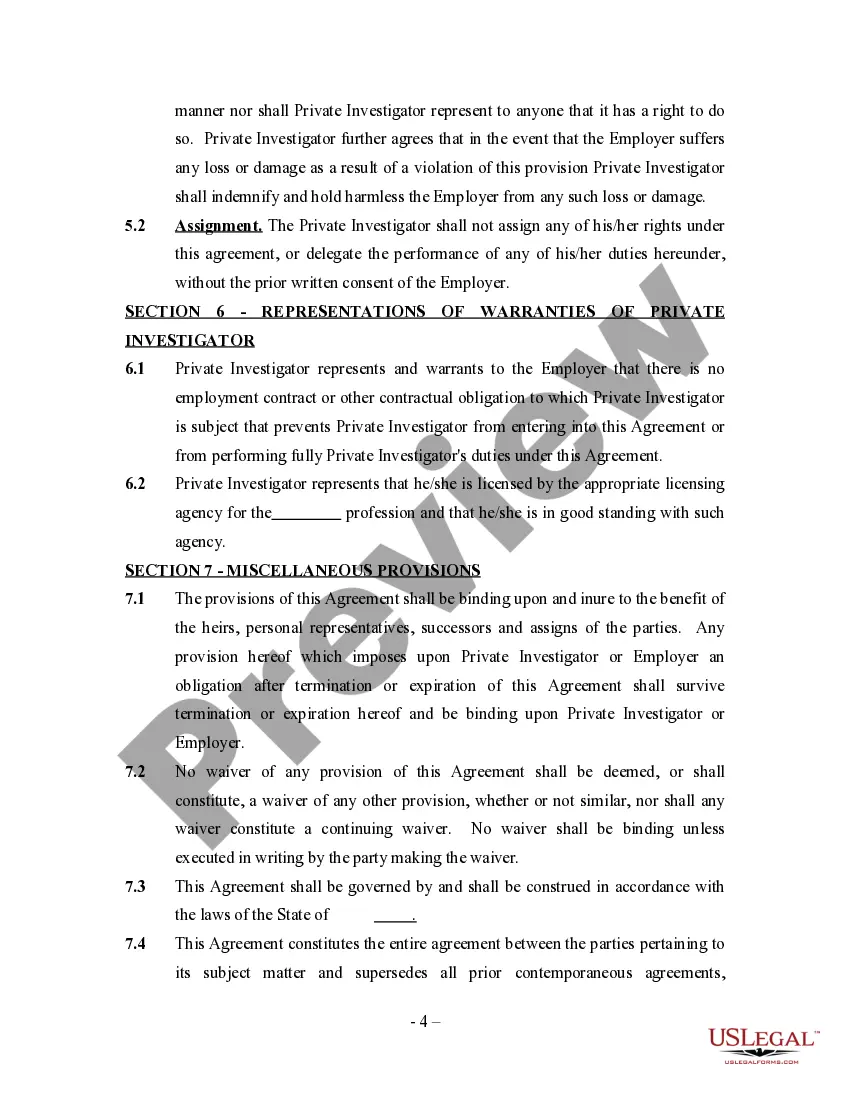
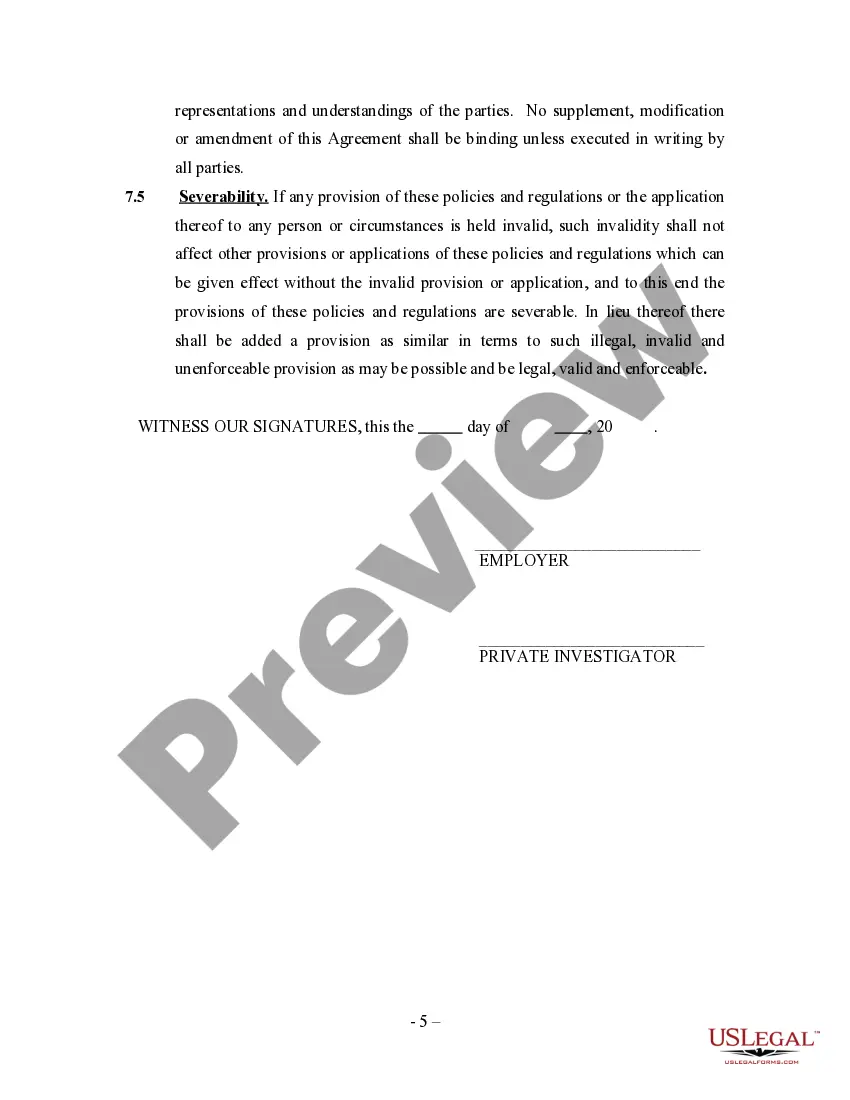
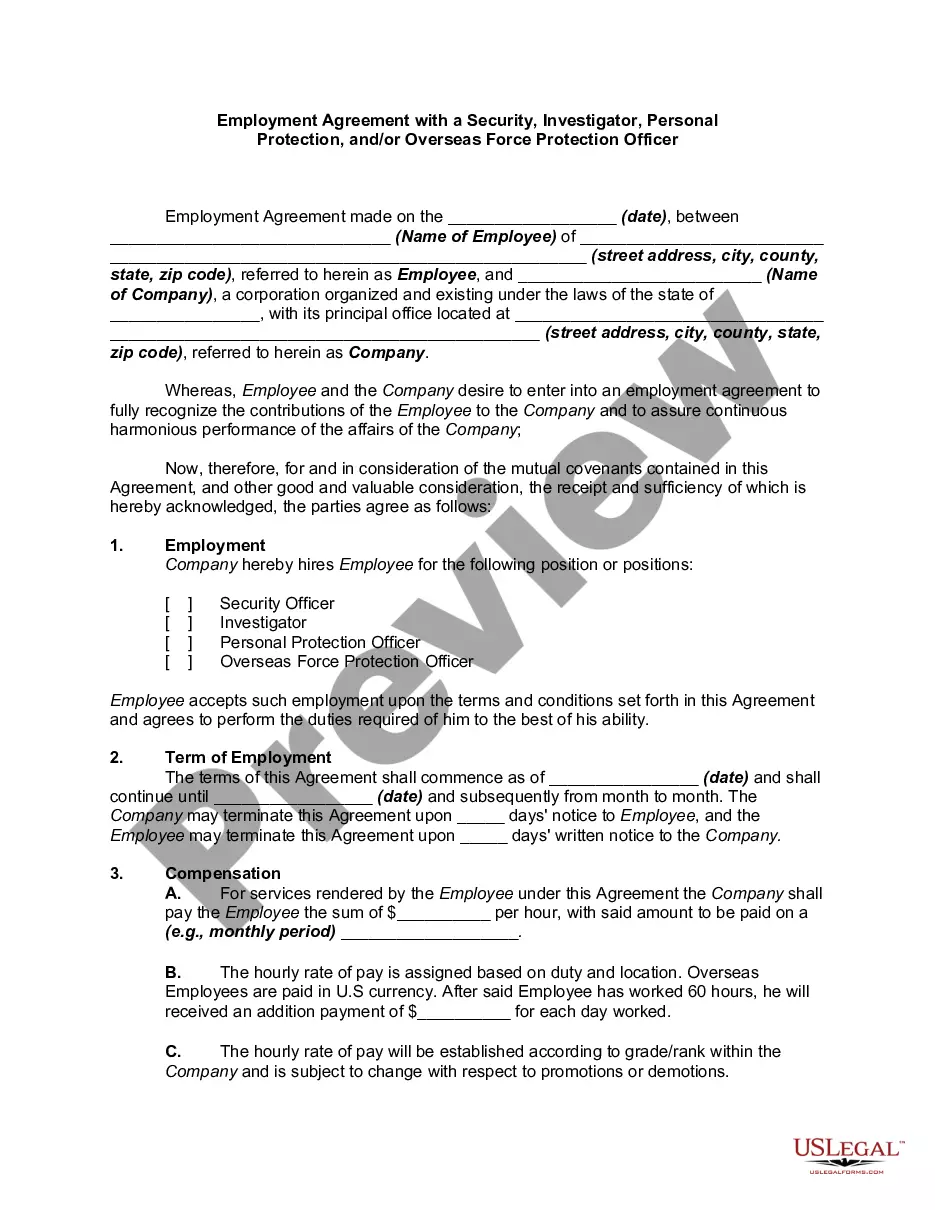


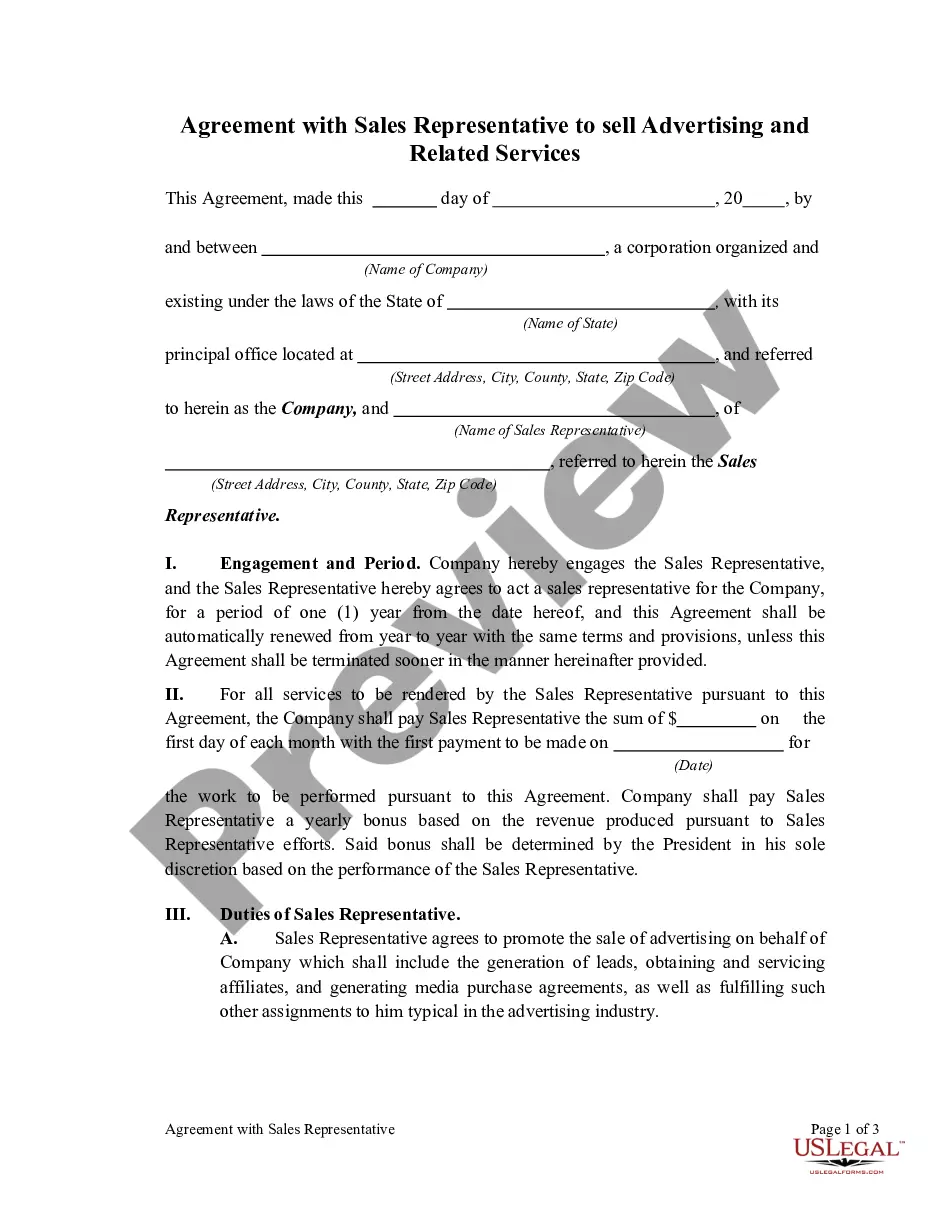
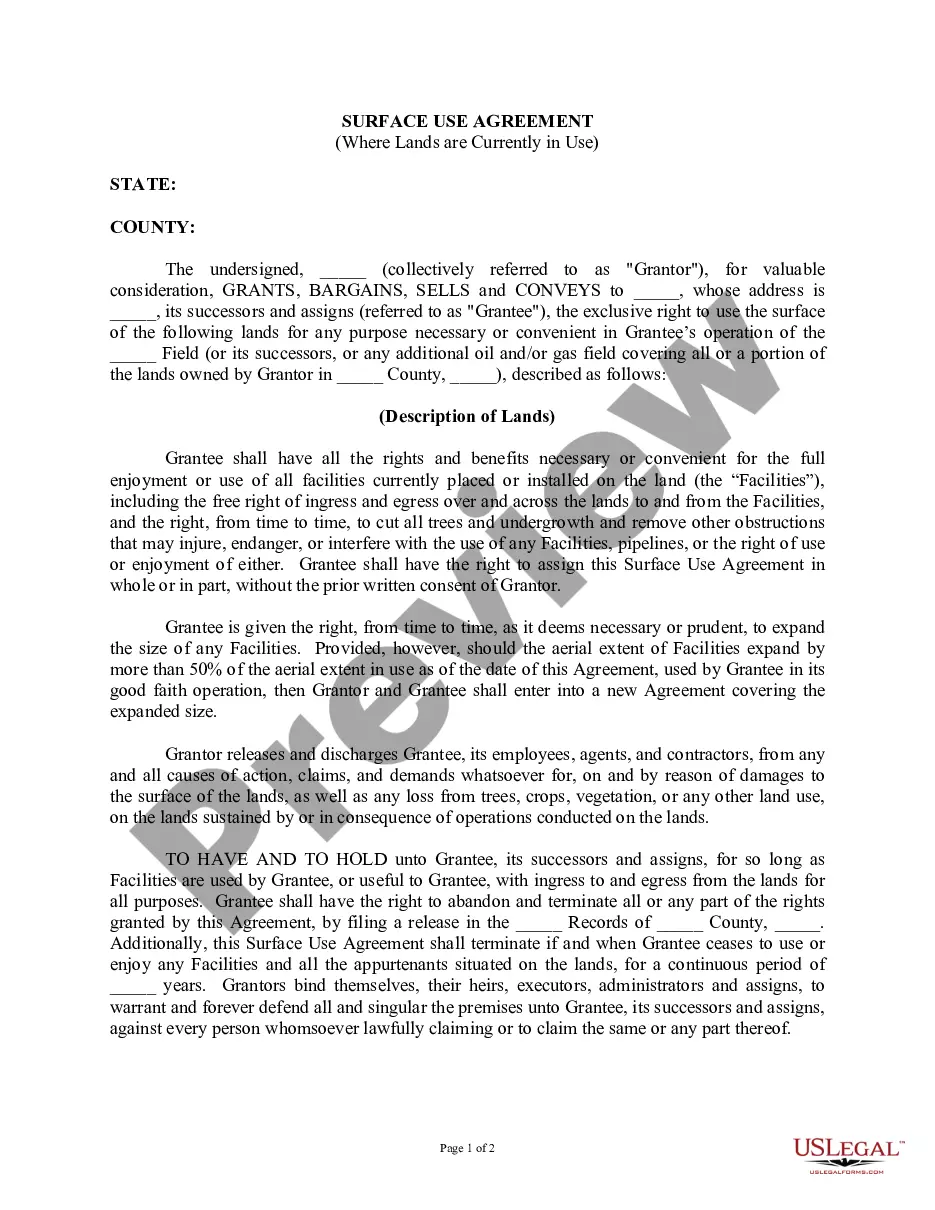

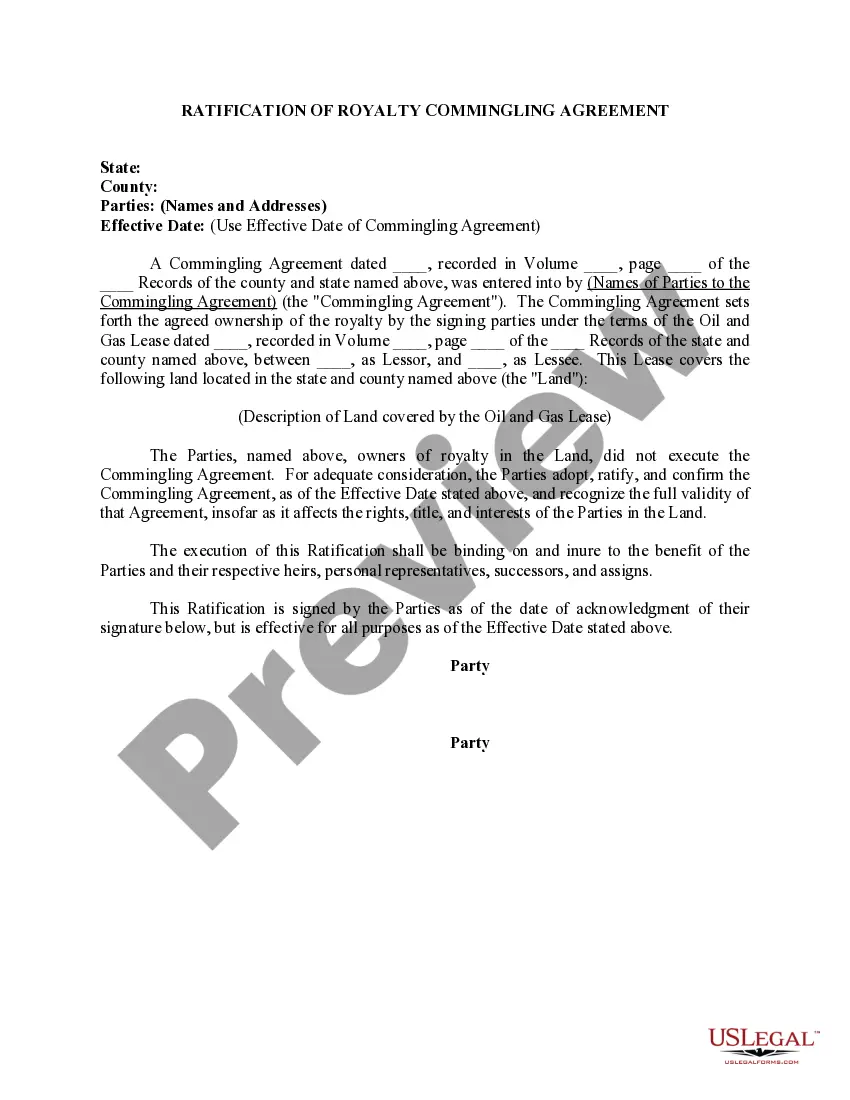
How to fill out Private Investigator Agreement - Self-Employed Independent Contractor?
US Legal Forms - one of the largest collections of legal documents in the United States - provides a range of legal document templates that you can download or print.
By using the site, you can discover countless forms for both business and personal use, organized by categories, states, or keywords. You can access the most recent versions of documents like the Illinois Private Investigator Agreement - Self-Employed Independent Contractor in a matter of seconds.
If you hold a subscription, Log In and download the Illinois Private Investigator Agreement - Self-Employed Independent Contractor from the US Legal Forms database. The Download button will be visible on every form you see. You have access to all previously saved forms from the My documents section of your account.
Complete the purchase. Use your credit card or PayPal account to finalize the transaction.
Choose the format and download the document to your device. Edit. Fill out, modify, print, and sign the saved Illinois Private Investigator Agreement - Self-Employed Independent Contractor. Each template you add to your account has no expiration date and is yours forever. Therefore, if you wish to download or print another copy, simply visit the My documents section and click on the form you want. Access the Illinois Private Investigator Agreement - Self-Employed Independent Contractor with US Legal Forms, the most extensive collection of legal document templates. Utilize thousands of professional and state-specific templates that meet your business or personal needs and requirements.
- Ensure you have selected the correct form for your city/region.
- Click the Preview button to review the form's details.
- Read the form summary to confirm that you have chosen the proper document.
- If the form does not meet your needs, use the Search field at the top of the screen to find one that does.
- If you are satisfied with the form, validate your choice by clicking the Purchase now button.
- Then, select the pricing plan you prefer and provide your information to register for the account.
Form popularity
FAQ
What should be included in a Contractor Agreement?Statement of Relationship.Project Description.Payment and Billing Terms.Responsibilities of Each Party.Project Timeline and Deadlines.Termination Conditions.Nondisclosure Terms, and Confidentiality and Non-Compete Clauses.
By Lisa Guerin, J.D. For most types of projects you hire an independent contractor (IC) to do, the law does not require you to put anything in writing. You can meet with the IC, agree on the terms of your arrangement, and have an oral contract or agreement that is legally binding.
Becoming an independent contractor is one of the many ways to be classified as self-employed. By definition, an independent contractor provides work or services on a contractual basis, whereas, self-employment is simply the act of earning money without operating within an employee-employer relationship.
The general rule is that an individual is an independent contractor if the payer has the right to control or direct only the result of the work and not what will be done and how it will be done. If you are an independent contractor, then you are self-employed.
If you work for an employer, you're an employee. If you're self-employed, you're an independent contractor.
A 1099 employee is a US self-employed worker that reports their income to the IRS on a 1099 tax form. Freelancers, gig workers, and independent contractors are all considered 1099 employees.
Simply put, being an independent contractor is a way of being self-employed. Is an independent contractor self-employed? Yes. Independent contractors are self-employed who earn an income but do not work as employees.
Basic Requirements For Individual and Agency LicensingBe between at least 18 and 25 years old.Pass a background investigation (have a clean criminal record and good moral character)21 states require you to have between two and five years of relevant work experience and/or education.
Becoming an independent contractor is one of the many ways to be classified as self-employed. By definition, an independent contractor provides work or services on a contractual basis, whereas, self-employment is simply the act of earning money without operating within an employee-employer relationship.
Simply put, being an independent contractor is one way to be self-employed. Being self-employed means that you earn money but don't work as an employee for someone else.