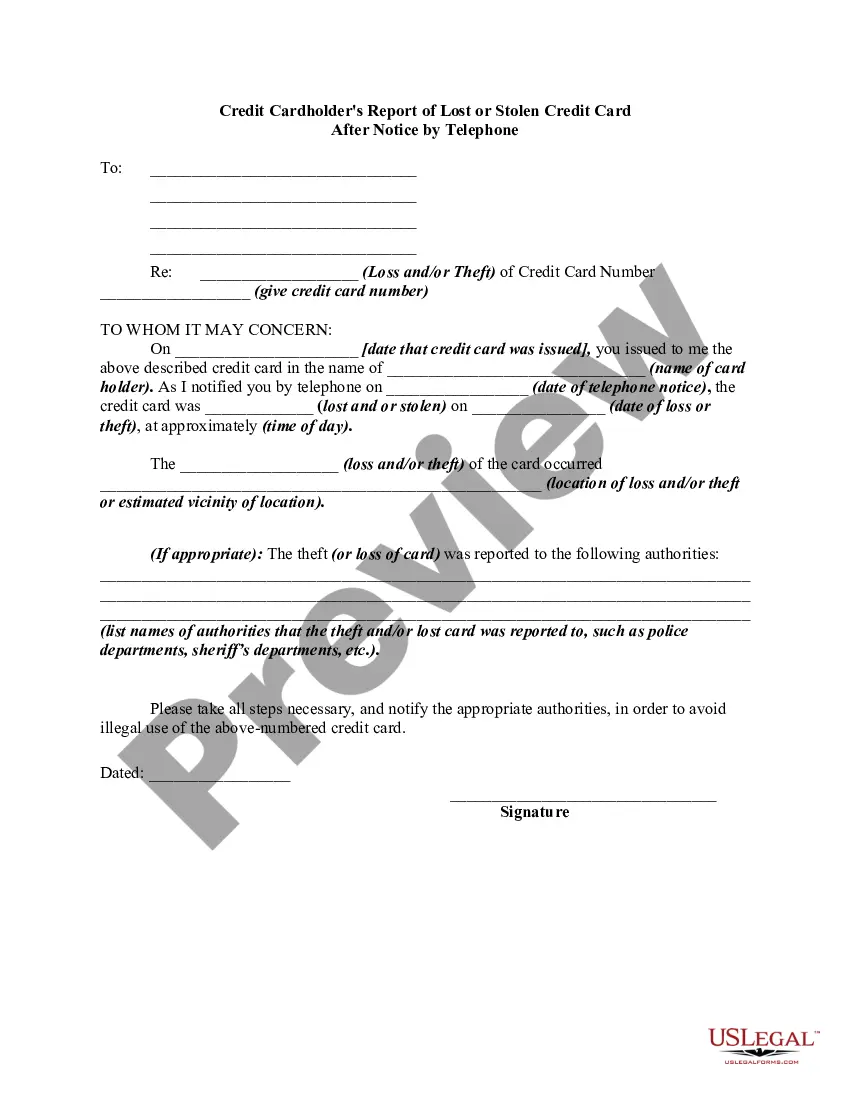
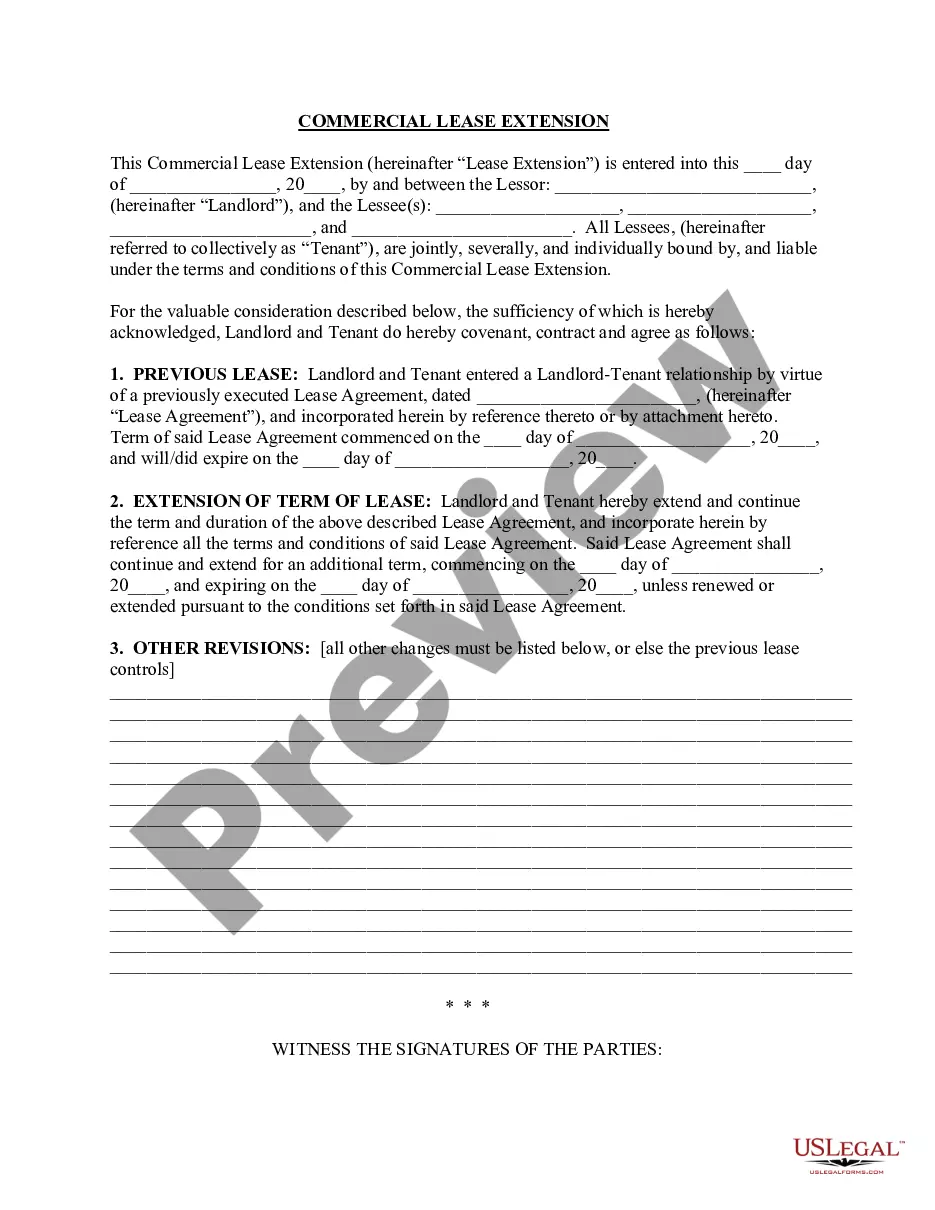
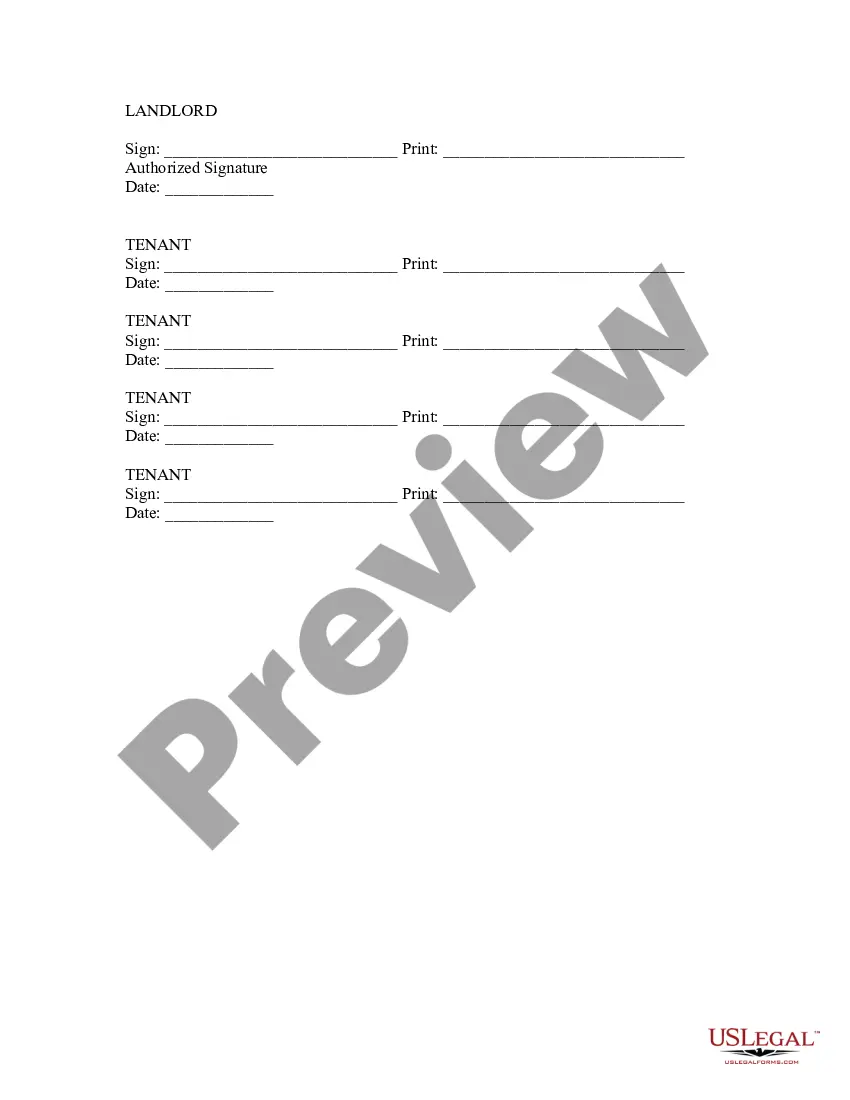
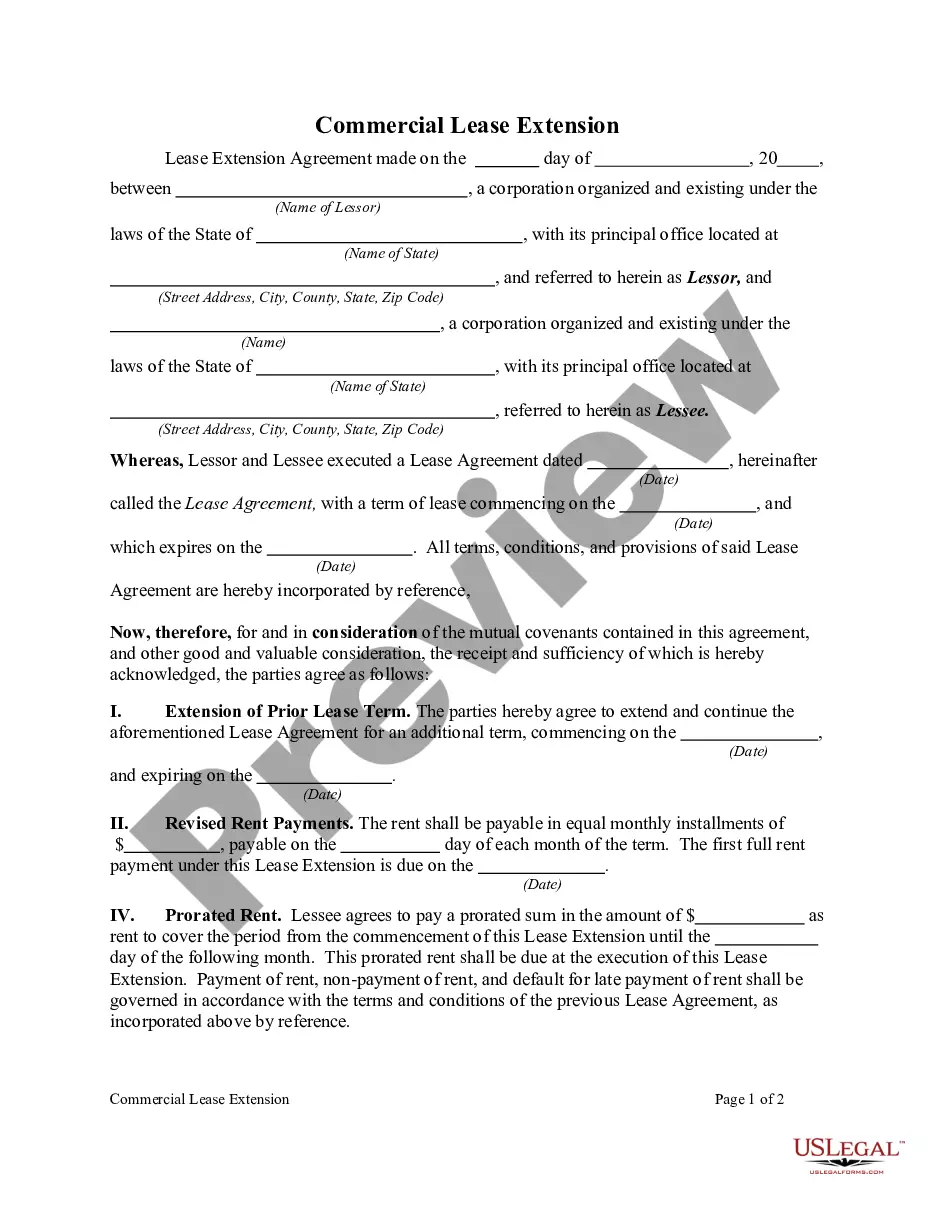
Illinois Commercial Lease Extension
Description
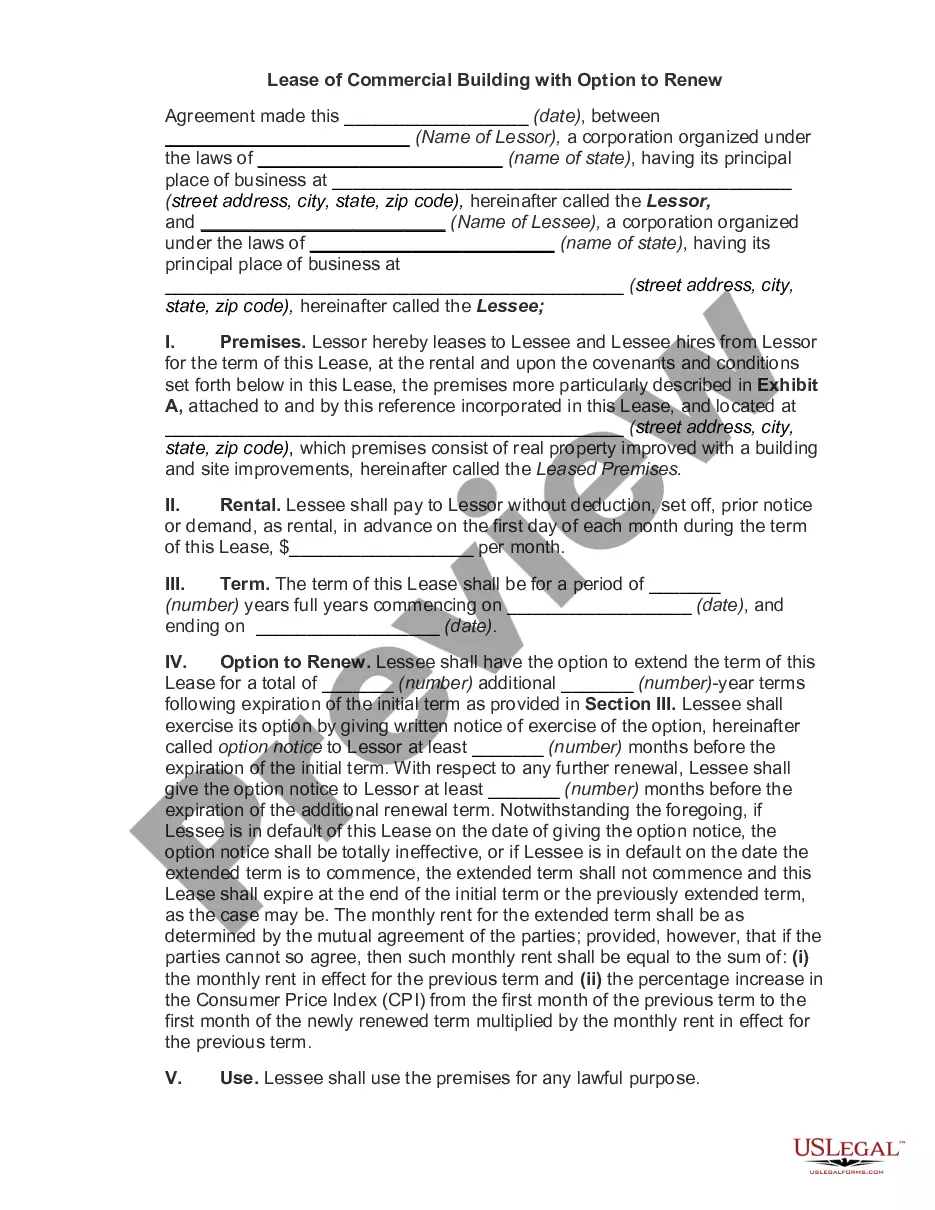
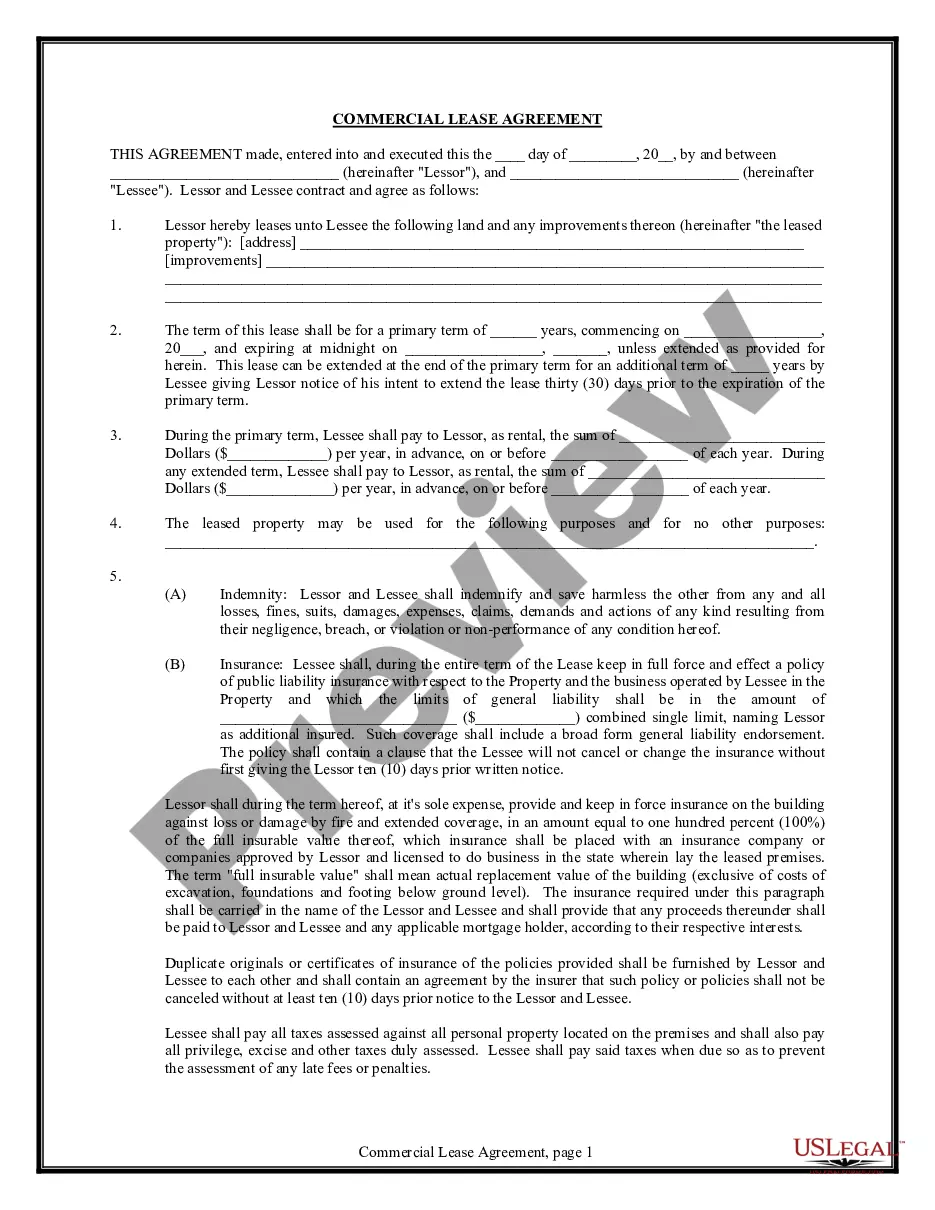
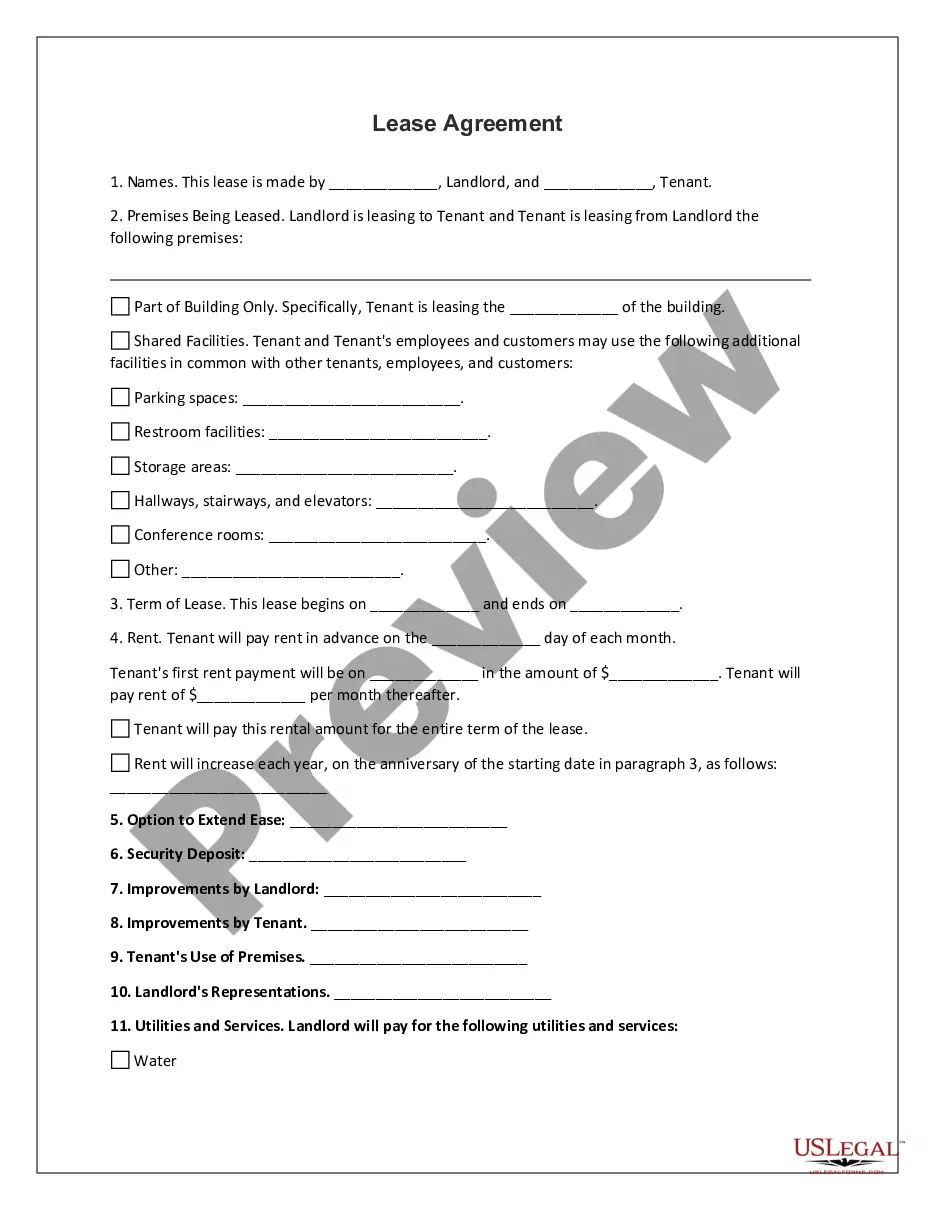
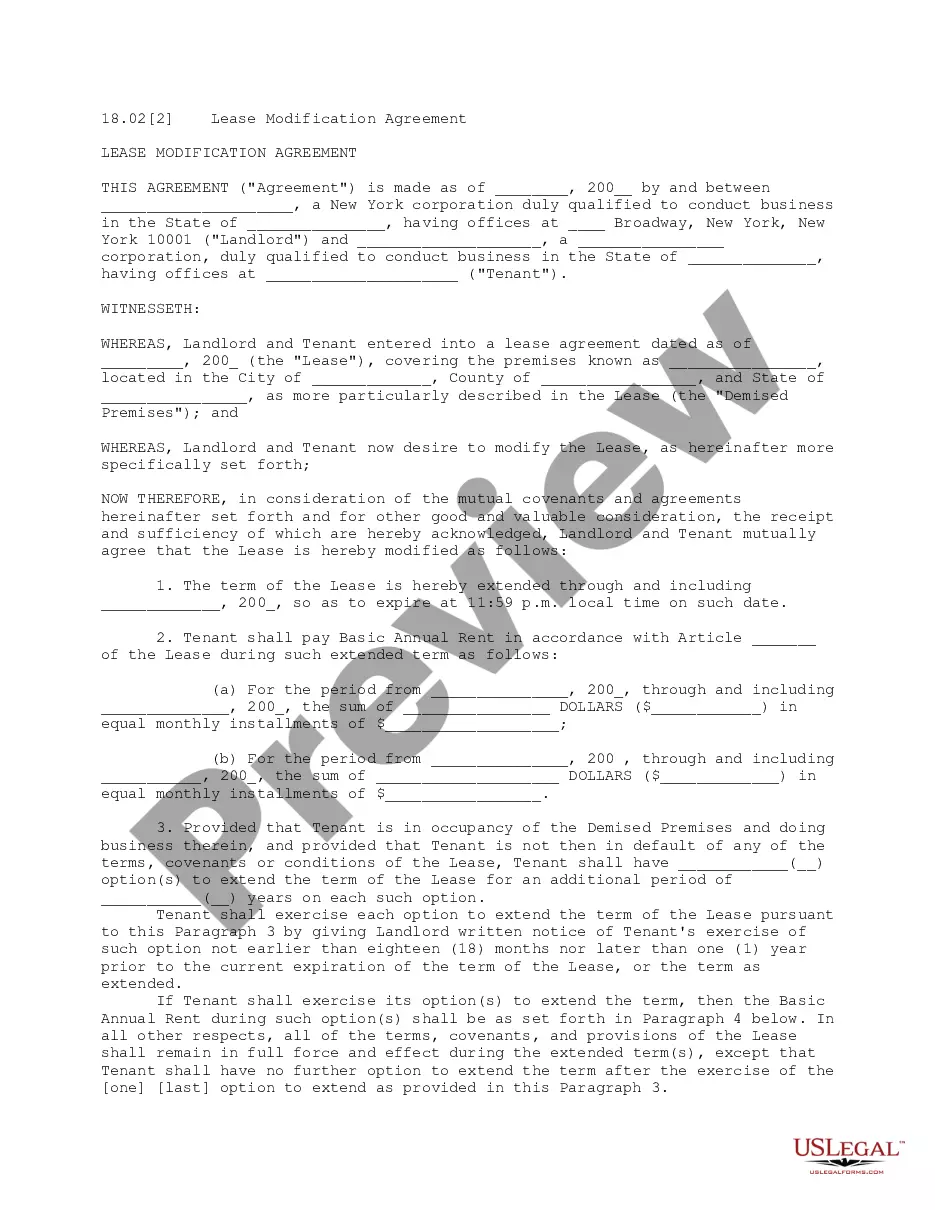
Get your form ready online
Our built-in tools help you complete, sign, share, and store your documents in one place.
Make edits, fill in missing information, and update formatting in US Legal Forms—just like you would in MS Word.
Download a copy, print it, send it by email, or mail it via USPS—whatever works best for your next step.
Sign and collect signatures with our SignNow integration. Send to multiple recipients, set reminders, and more. Go Premium to unlock E-Sign.
If this form requires notarization, complete it online through a secure video call—no need to meet a notary in person or wait for an appointment.
We protect your documents and personal data by following strict security and privacy standards.

Make edits, fill in missing information, and update formatting in US Legal Forms—just like you would in MS Word.

Download a copy, print it, send it by email, or mail it via USPS—whatever works best for your next step.

Sign and collect signatures with our SignNow integration. Send to multiple recipients, set reminders, and more. Go Premium to unlock E-Sign.

If this form requires notarization, complete it online through a secure video call—no need to meet a notary in person or wait for an appointment.

We protect your documents and personal data by following strict security and privacy standards.
Looking for another form?



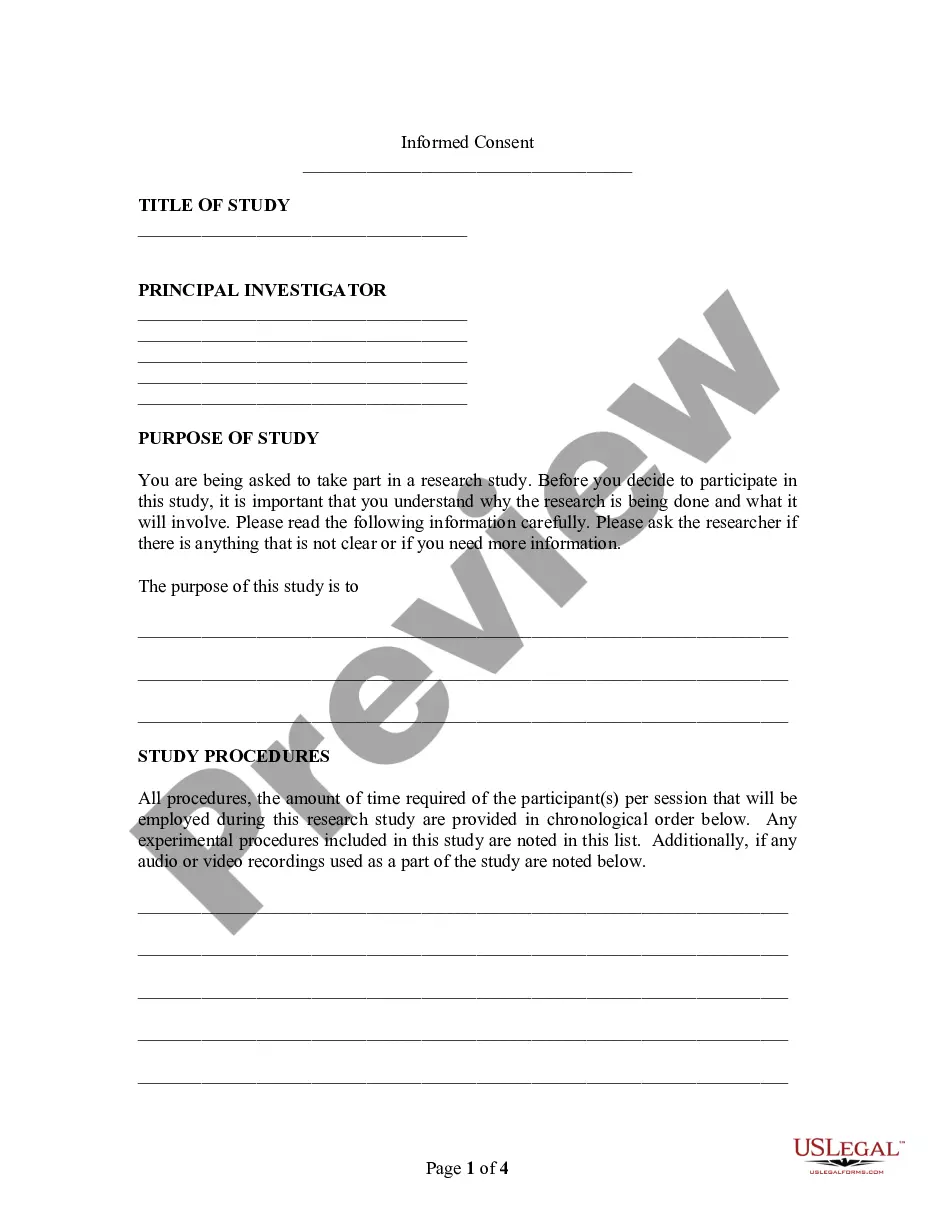
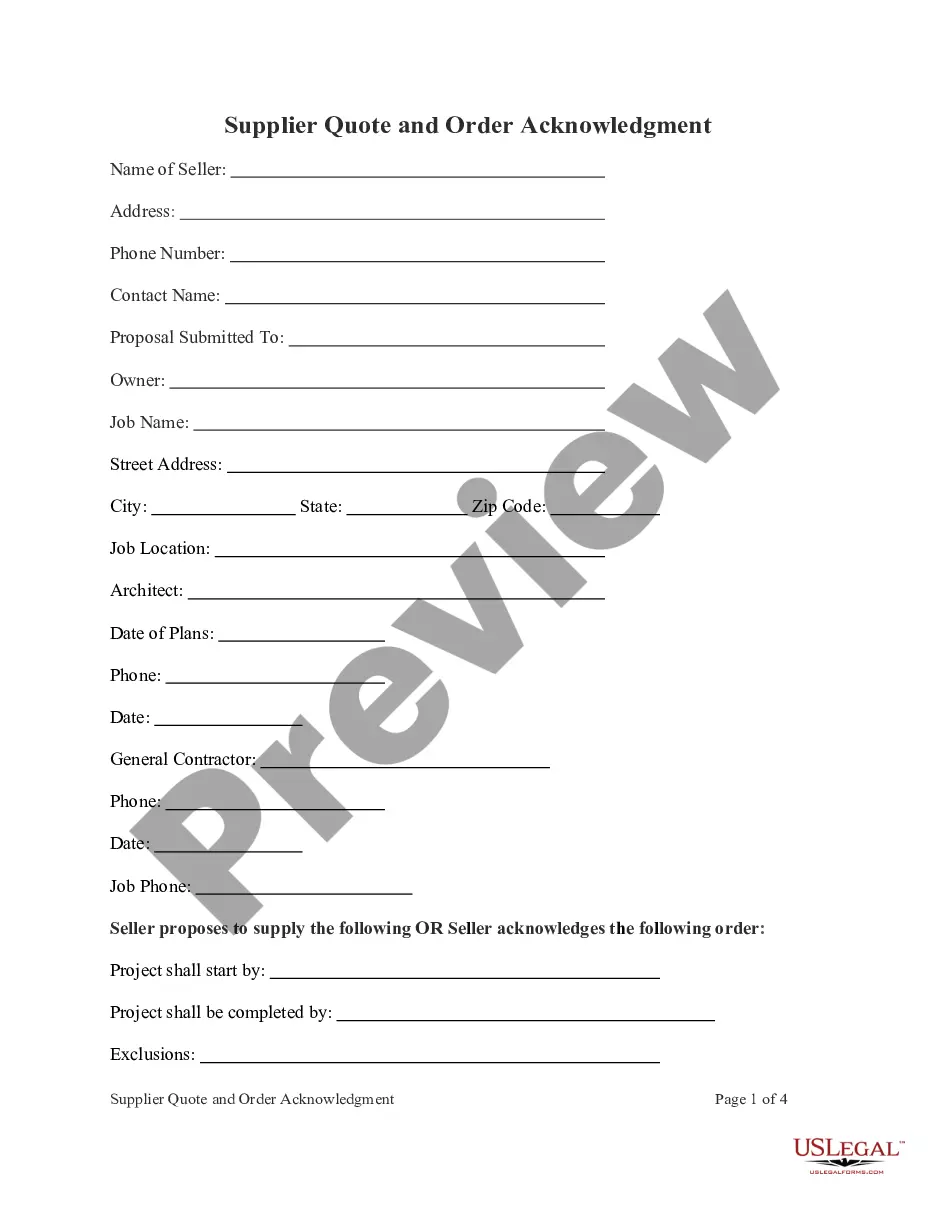
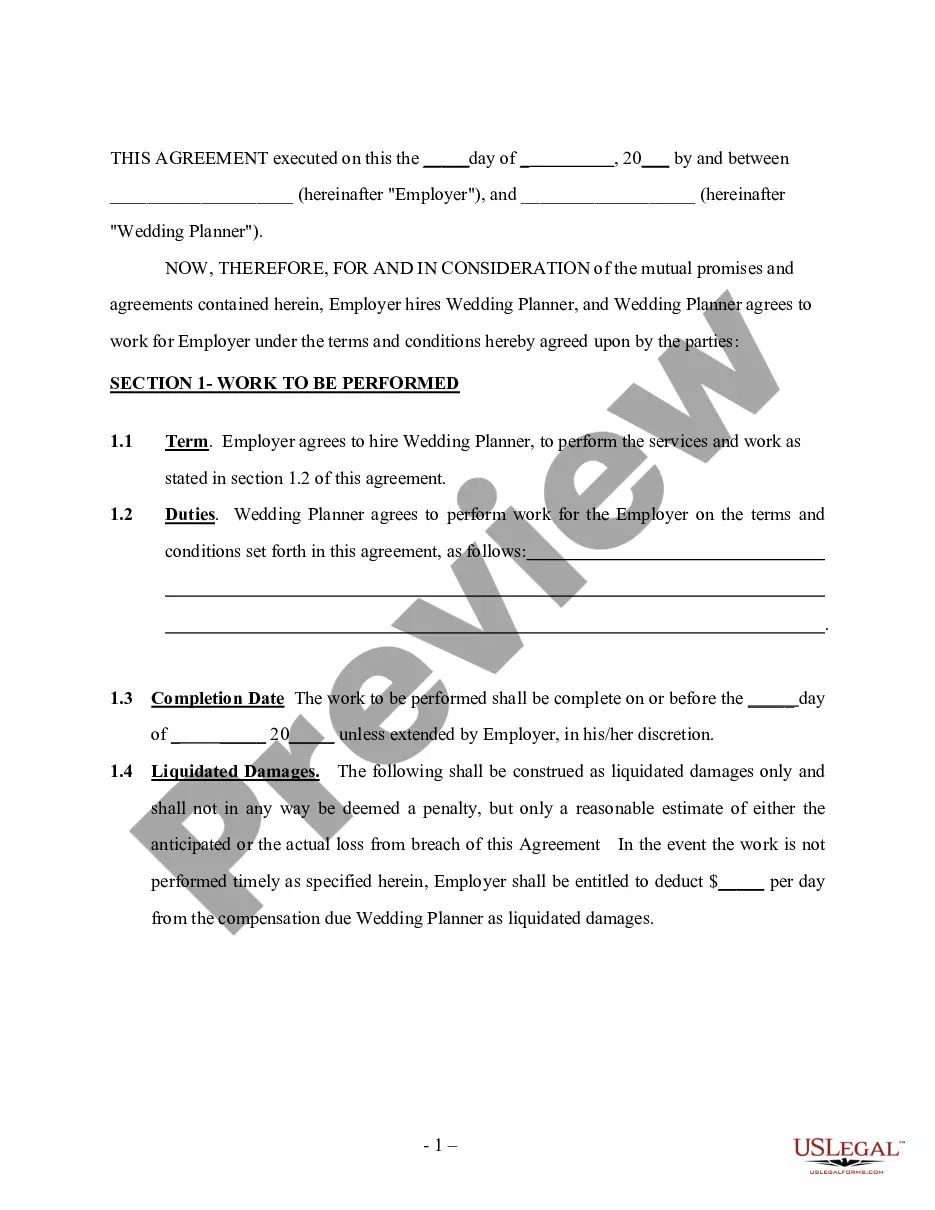
How to fill out Commercial Lease Extension?
It is feasible to invest hours online searching for the legal document format that meets the state and federal criteria you need.
US Legal Forms provides thousands of legal documents that are examined by specialists.
It is straightforward to obtain or generate the Illinois Commercial Lease Extension from your service.
If available, use the Review button to browse through the document format as well. If you wish to obtain another version of your form, utilize the Lookup field to find the format that suits your needs and specifications. Once you have found the format you require, click Buy now to proceed. Select the pricing plan you need, enter your details, and create your account on US Legal Forms. Complete the transaction. You can use your credit card or PayPal account to pay for the legal document. Choose the format of your record and download it to your system. Make modifications to your document if possible. You can fill out, edit, sign, and print the Illinois Commercial Lease Extension. Download and print thousands of document templates using the US Legal Forms website, which offers the largest selection of legal forms. Use professional and state-specific templates to address your business or personal needs.
- If you already have a US Legal Forms account, you can Log In and click the Download button.
- After that, you can fill out, modify, print, or sign the Illinois Commercial Lease Extension.
- Each legal document format you obtain is yours permanently.
- To acquire another copy of any purchased form, visit the My documents tab and click the relevant button.
- If you are using the US Legal Forms website for the first time, follow the simple instructions below.
- First, ensure you have selected the correct document format for the area/city of your choice.
- Review the form description to make sure you have selected the appropriate type.
Form popularity
FAQ
If you decide to try to negotiate a lease extension, there are no rules and your landlord could refuse to extend your lease, or set whatever terms they like.
Can the contractual term of a commercial lease be extended? Yes. Subject to satisfying certain criteria, business tenants have a statutory right under the Landlord and Tenant Act 1954 to extend the contractual term of their lease. At the end of the lease, the tenant can ask the landlord for a new lease.
As already mentioned, business tenants will generally have the right to continue their tenancy agreement when it expires, but under certain extreme cases landlords do have the power to refuse to renew a lease.
Commercial tenants usually remain in a property when a lease has expired because they are still negotiating the terms of a new, renewed lease with the landlord or they have an informal agreement to stay on.
To begin the process of lease extension, you need to serve notice on your landlord. You'll be required to have certain information in the leaseholder's notice. In the notice, you'll need to outline the premium you intend to pay for the lease extension and any changes you propose for the lease agreement.
Currently, leaseholders of houses can only extend their lease once, by a 50-year period, while leaseholders of flats can extend leases as often as they wish for a 90-year period.
Commercial tenants usually remain in a property when a lease has expired because they are still negotiating the terms of a new, renewed lease with the landlord or they have an informal agreement to stay on.
Commercial tenants usually remain in a property when a lease has expired because they are still negotiating the terms of a new, renewed lease with the landlord or they have an informal agreement to stay on.
When the leasehold on a property expires, the property reverts back to being a freehold property where ownership of both building and land belong to the freeholder. Even if you have paid your mortgage off and own the property outright, when that leasehold expires you'll have no legal rights to the property.
A lease extension is an acquisition of a term of years in property so, generally speaking, Stamp Duty Land Tax (SDLT) will be payable on all lease extensions where the premium exceeds the minimum threshold of £125,000.