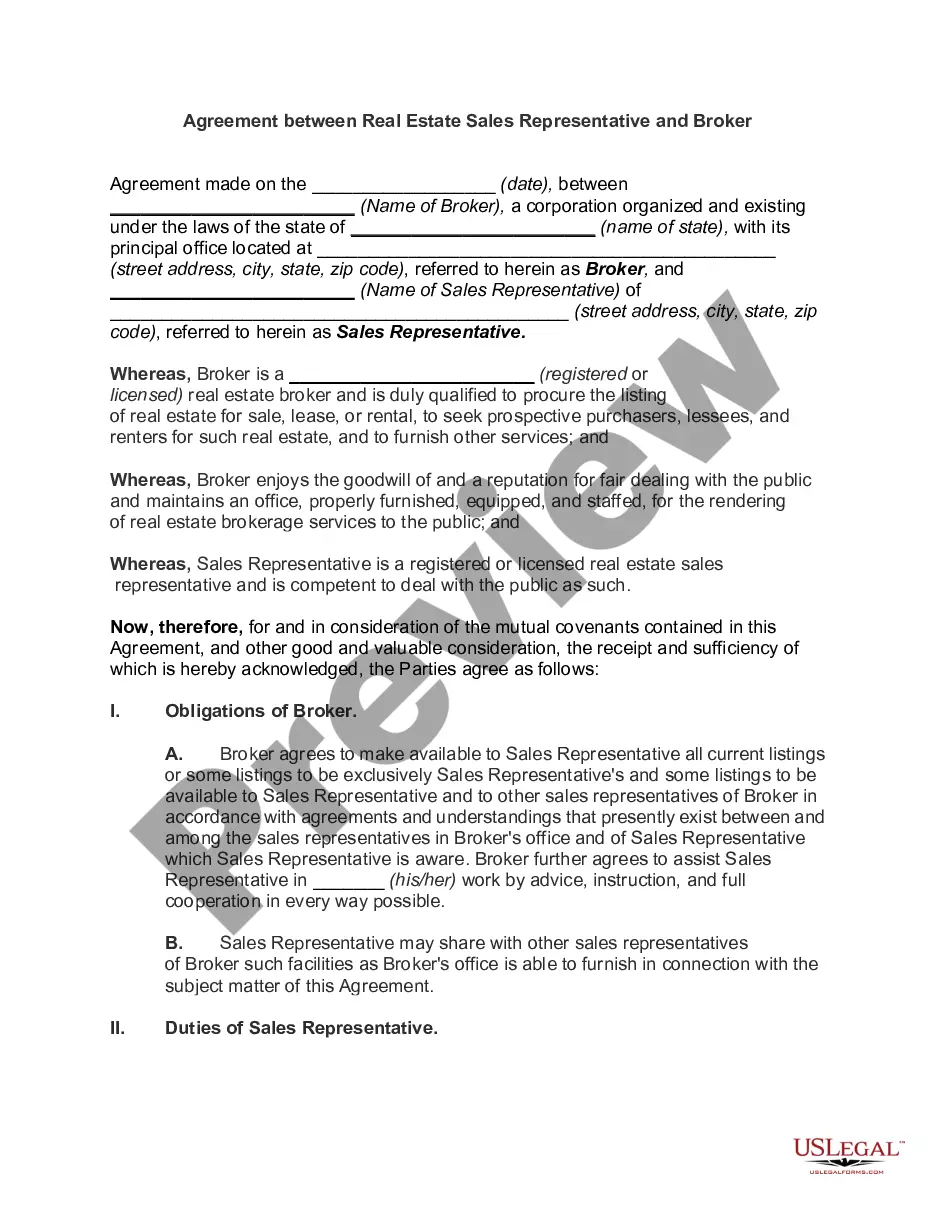
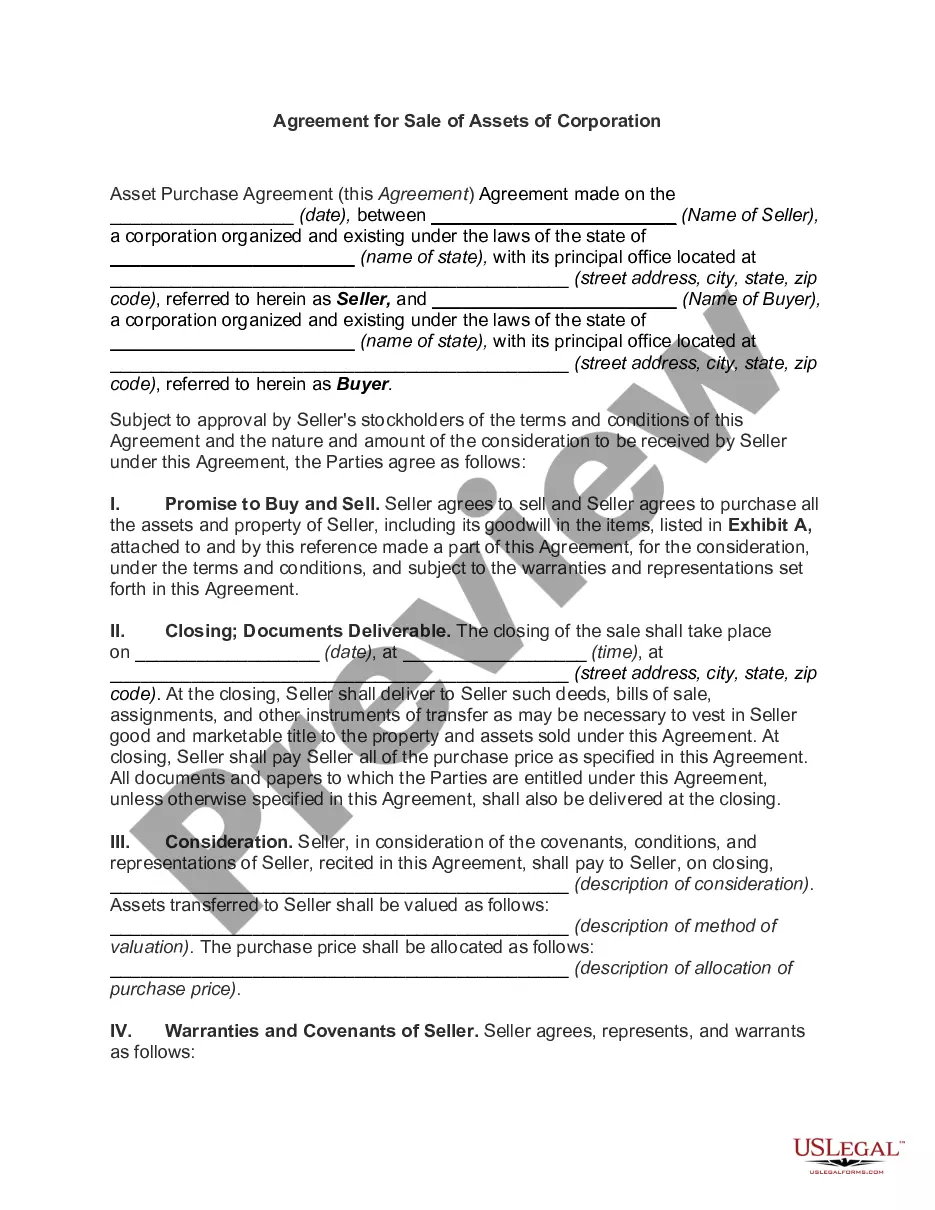
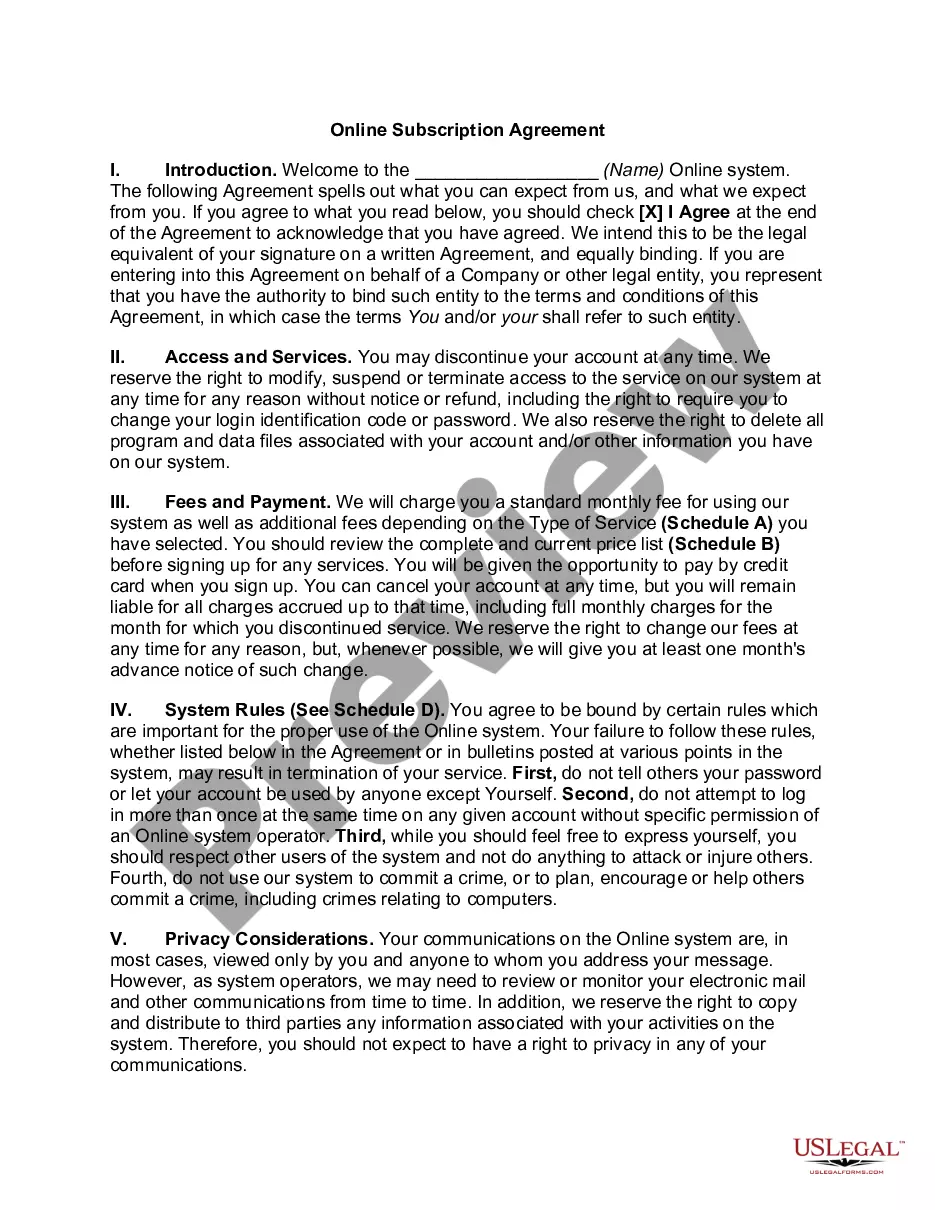
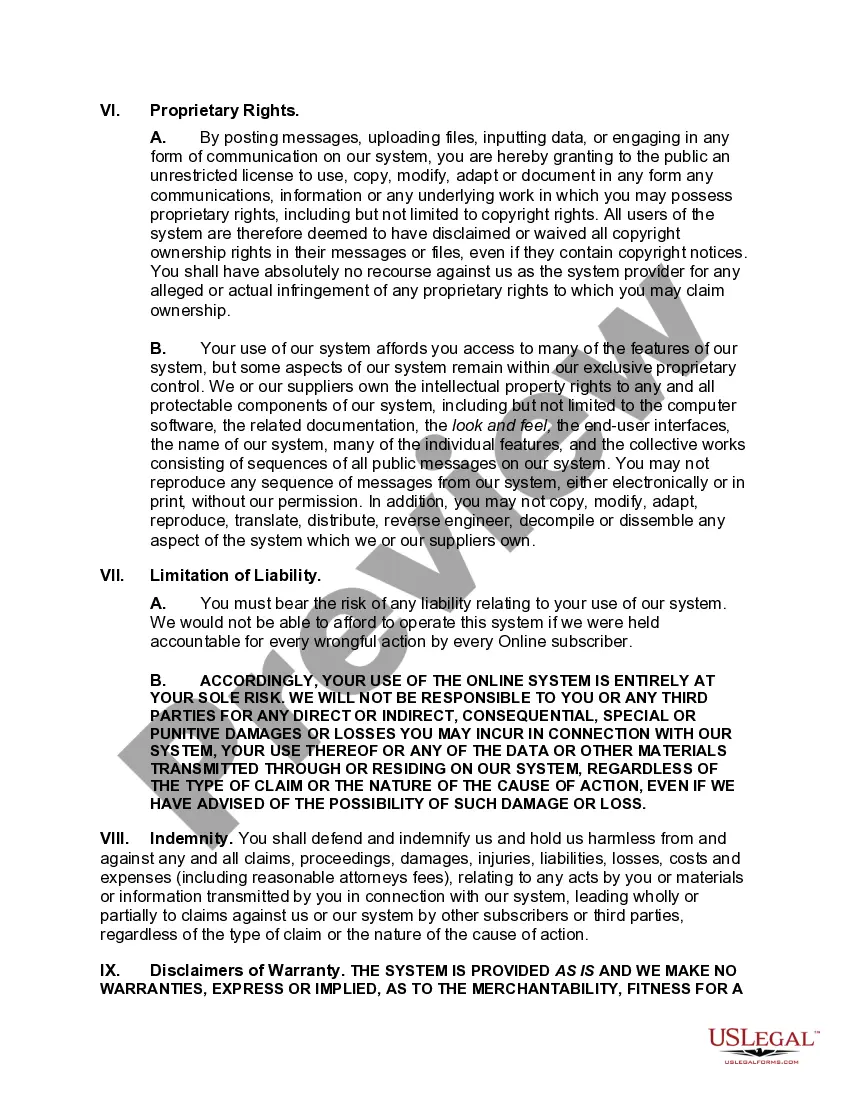
Illinois Online Subscription Agreement
Description
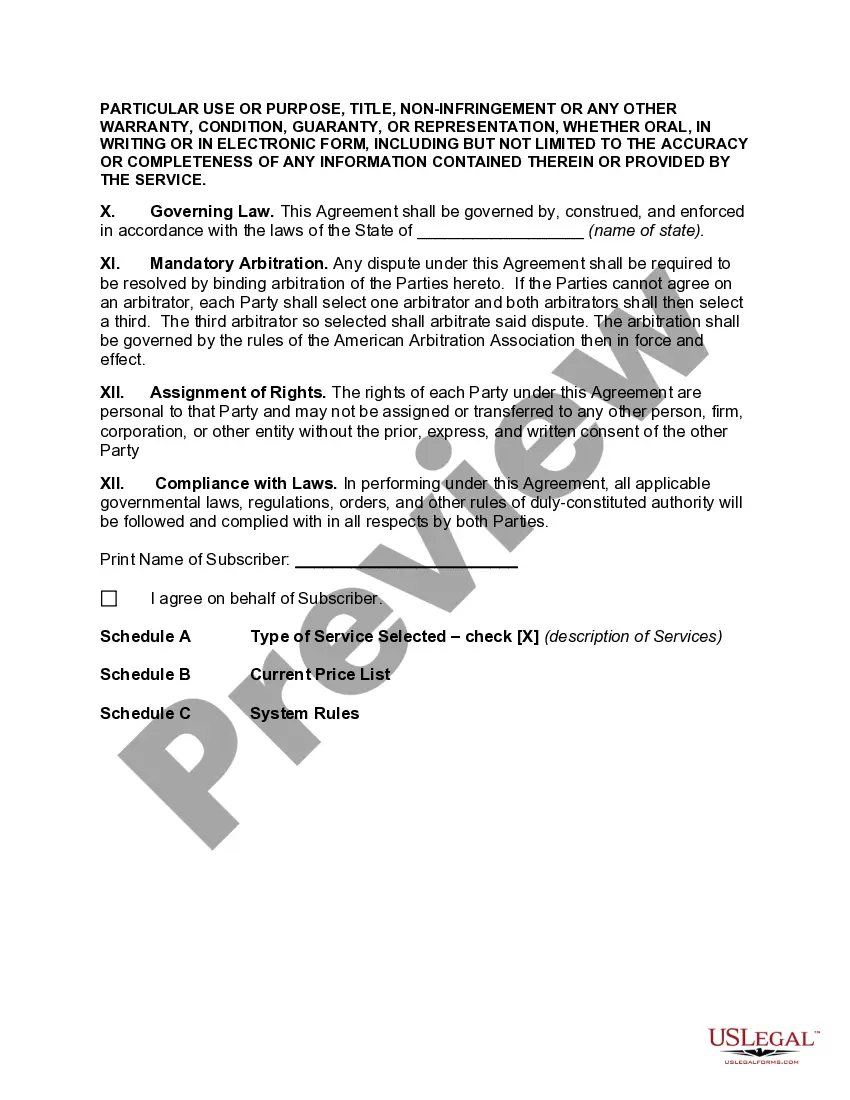
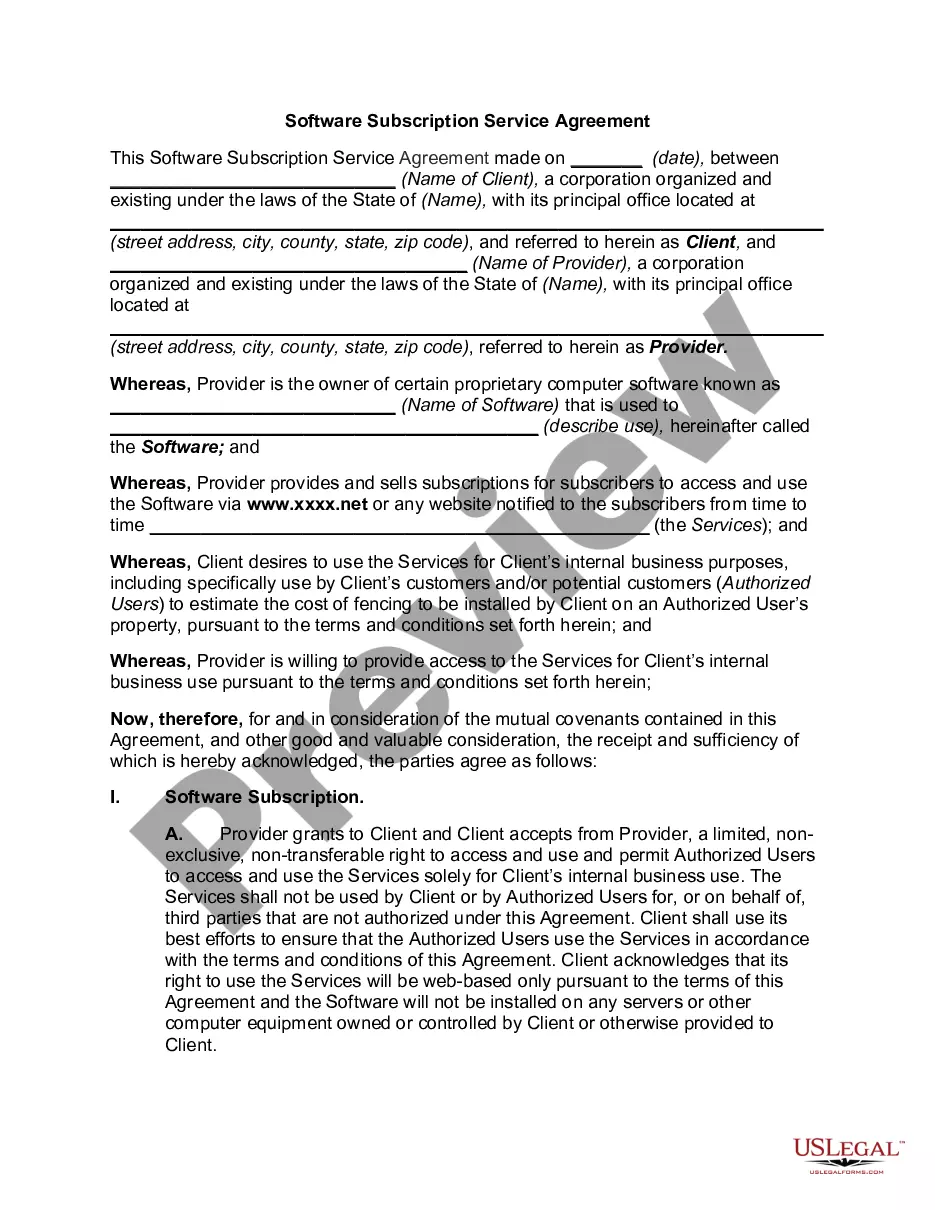
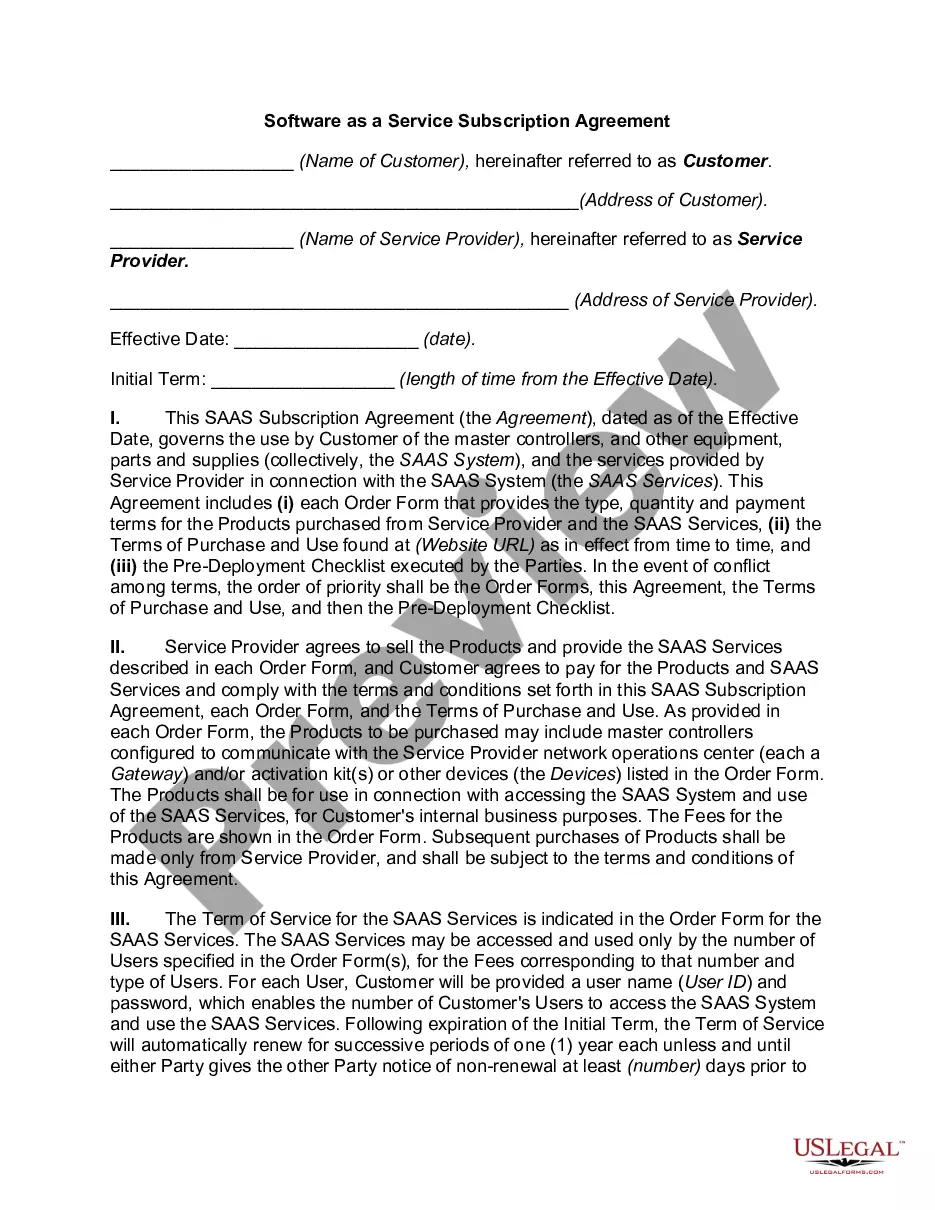
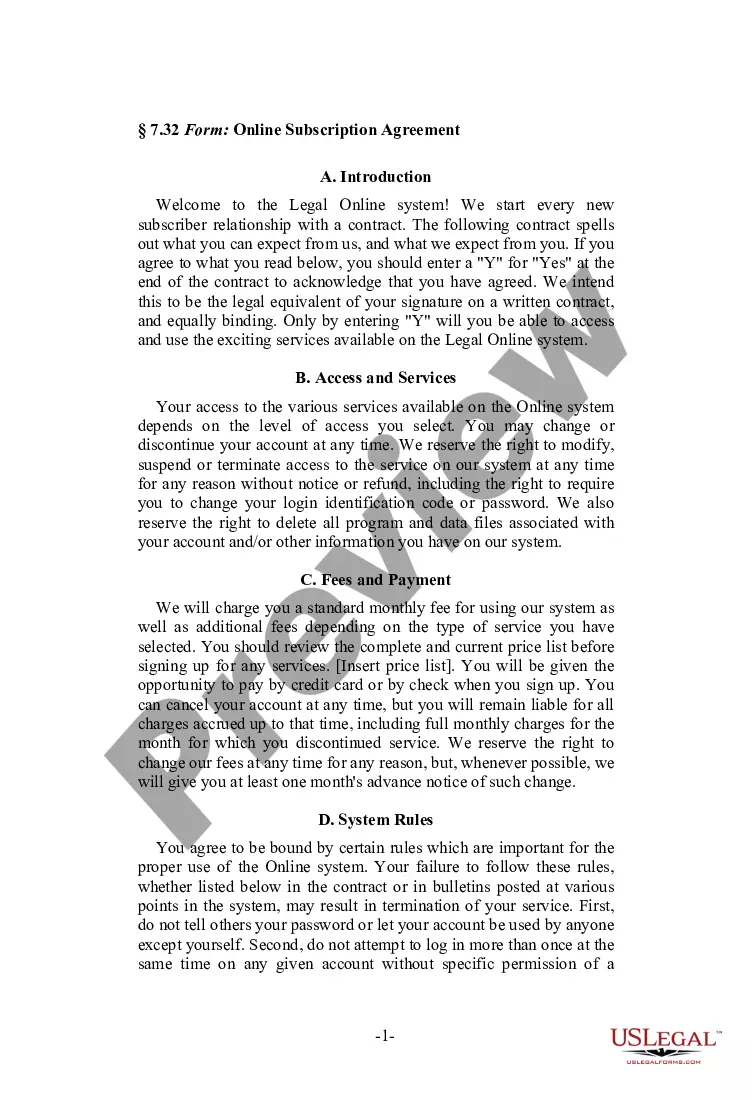
Get your form ready online
Our built-in tools help you complete, sign, share, and store your documents in one place.
Make edits, fill in missing information, and update formatting in US Legal Forms—just like you would in MS Word.
Download a copy, print it, send it by email, or mail it via USPS—whatever works best for your next step.
Sign and collect signatures with our SignNow integration. Send to multiple recipients, set reminders, and more. Go Premium to unlock E-Sign.
If this form requires notarization, complete it online through a secure video call—no need to meet a notary in person or wait for an appointment.
We protect your documents and personal data by following strict security and privacy standards.

Make edits, fill in missing information, and update formatting in US Legal Forms—just like you would in MS Word.

Download a copy, print it, send it by email, or mail it via USPS—whatever works best for your next step.

Sign and collect signatures with our SignNow integration. Send to multiple recipients, set reminders, and more. Go Premium to unlock E-Sign.

If this form requires notarization, complete it online through a secure video call—no need to meet a notary in person or wait for an appointment.

We protect your documents and personal data by following strict security and privacy standards.
Looking for another form?







How to fill out Online Subscription Agreement?
Selecting the optimal legal document template can be a considerable challenge.
Certainly, there are numerous templates available online, but how can you find the legal form you require.
Utilize the US Legal Forms website. The service offers thousands of templates, including the Illinois Online Subscription Agreement, suitable for both business and personal needs.
If the form does not meet your requirements, use the Search field to find the appropriate form.
- All forms are reviewed by experts and comply with state and federal regulations.
- If you are already registered, Log In to your account and click the Obtain button to access the Illinois Online Subscription Agreement.
- Use your account to browse the legal forms you have purchased previously.
- Visit the My documents tab in your account and acquire another copy of the document you need.
- If you are a new user of US Legal Forms, here are simple steps to follow.
- First, ensure you have selected the correct form for your city/state. You can preview the form with the Review button and read the form description to confirm it meets your needs.
Form popularity
FAQ
Acceptance of Subscription . The Investor understands that this Agreement is binding in nature upon Investor and the Investor will be obligated to provide the funds set forth in section 2 if this Agreement is accepted.
A subscription is a type of contract, and, therefore, the remedies for its breach are the same as those for breach of contract and include damages and Specific Performance.
When to Use a Subscription Agreement Private companies tend to use subscription agreements if they want to raise capital from investors that are private. This can be done by selling either shares or the company's ownership without needing to register with the SEC.
A subscription agreement is an agreement that defines the terms for a party's investment into a private placement offering or a limited partnership (LP). Rules for subscription agreements are generally defined in SEC Rule 506(b) and 506(c) of Regulation D.
Subscribe in a legal context means the action of: Writing one's name on a document in acknowledgment of being its creator. For example, subscribe a letter. Signing a document to give one's consent to the terms established therein. For example, subscribe a contract.
A subscription agreement is an agreement that defines the terms for a party's investment into a private placement offering or a limited partnership (LP). Regulation D lets companies doing specific types of private placements raise capital without needing to register the securities with the SEC.
A subscription is a type of contract, and, therefore, the remedies for its breach are the same as those for breach of contract and include damages and Specific Performance.
Information Included in a Subscription AgreementCompany information.Both parties' expectations.Agreement to subscribe, including the number and price of shares.Subscription rights.Voting preferences.Liquidation and redemption preferences.Terms and conditions for termination before completion.Nomination onto board.More items...
A well organized and well-structured subscription agreement will include the details about the transaction, the number of shares being sold and the price per share, and any legally binding confidentiality agreements and clauses.
Also known as a subscription agreement. The purchase agreement is the principal agreement between the issuer and the investor, or between the issuer and the initial purchasers, in a private placement of debt or equity securities.