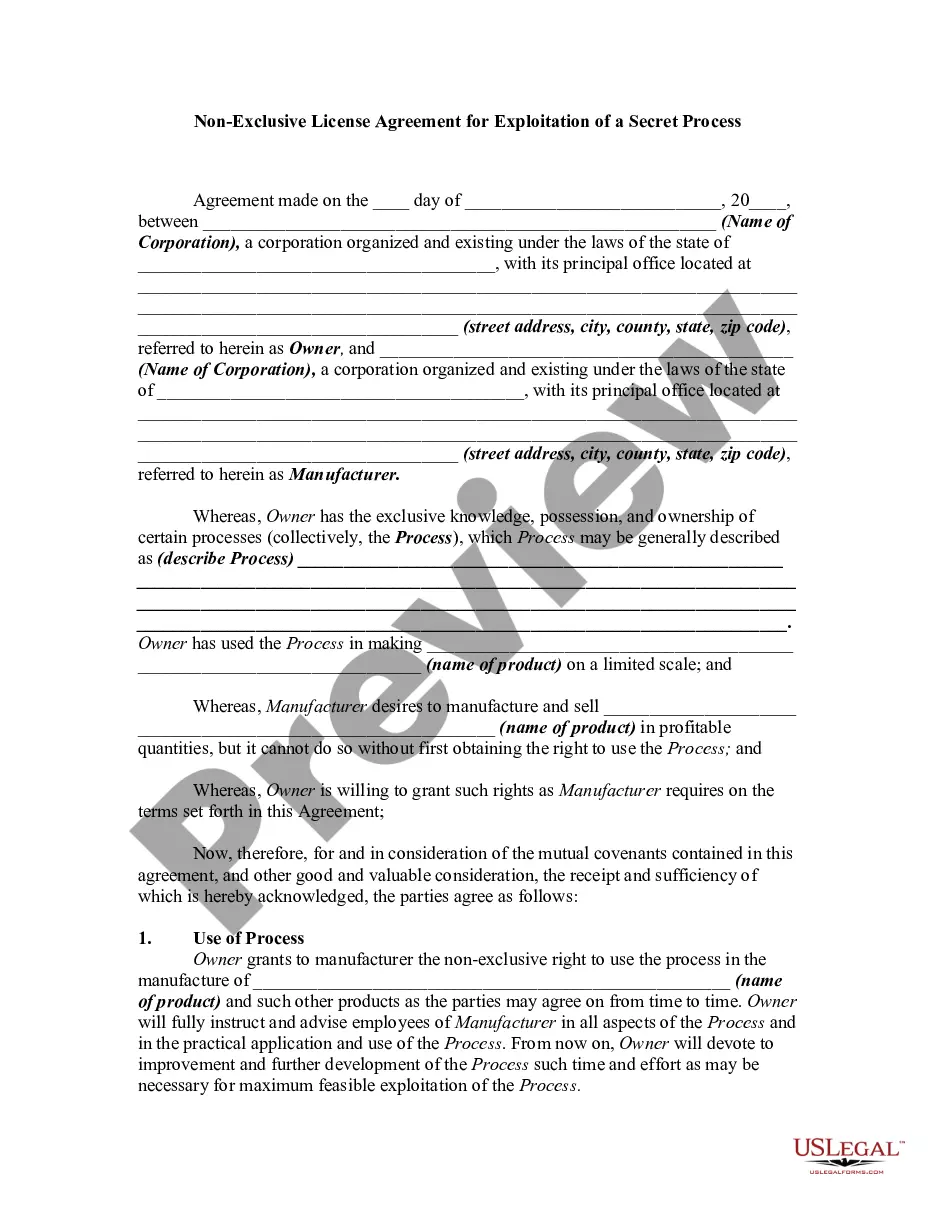
Illinois Monthly Cash Flow Plan
Description


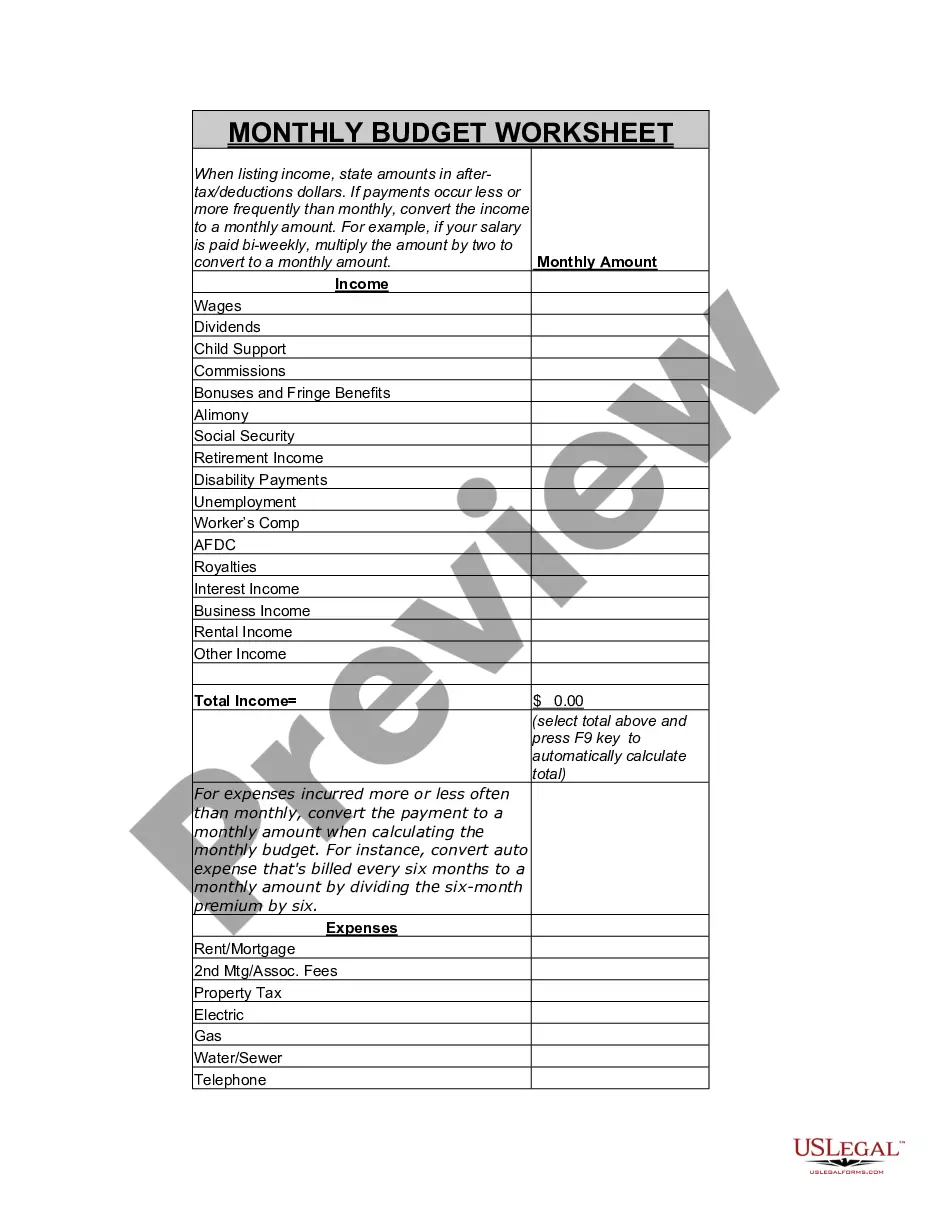
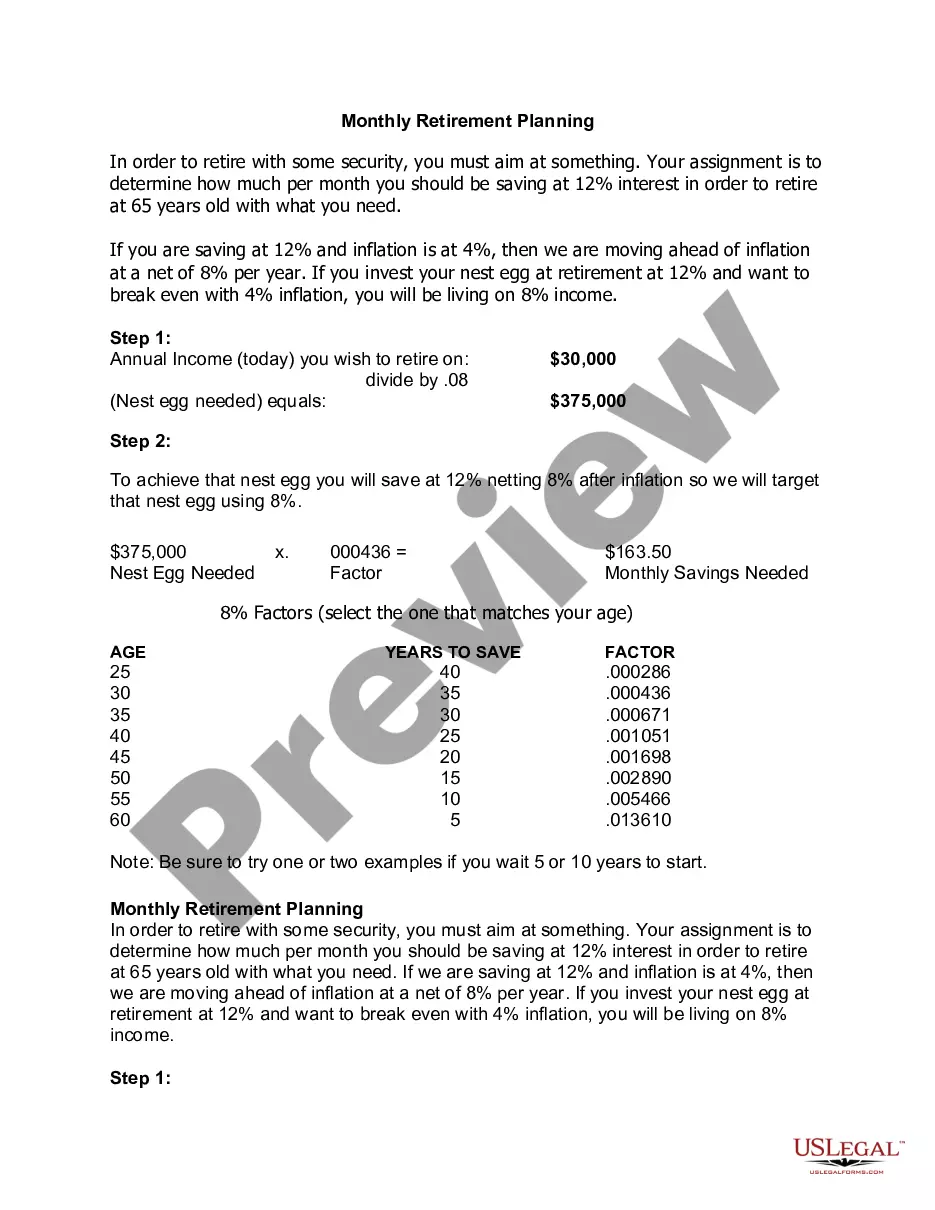
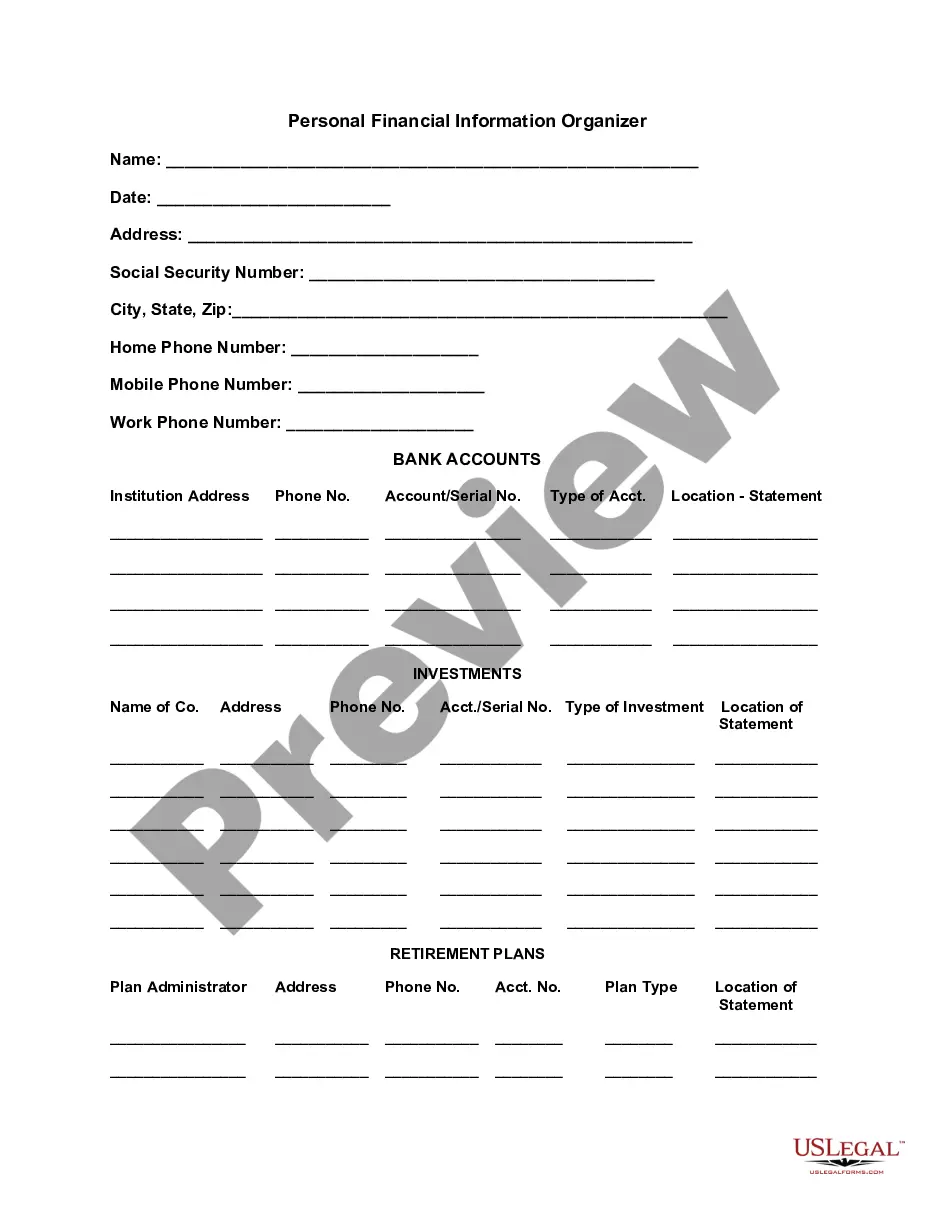
Get your form ready online
Our built-in tools help you complete, sign, share, and store your documents in one place.
Make edits, fill in missing information, and update formatting in US Legal Forms—just like you would in MS Word.
Download a copy, print it, send it by email, or mail it via USPS—whatever works best for your next step.
Sign and collect signatures with our SignNow integration. Send to multiple recipients, set reminders, and more. Go Premium to unlock E-Sign.
If this form requires notarization, complete it online through a secure video call—no need to meet a notary in person or wait for an appointment.
We protect your documents and personal data by following strict security and privacy standards.

Make edits, fill in missing information, and update formatting in US Legal Forms—just like you would in MS Word.

Download a copy, print it, send it by email, or mail it via USPS—whatever works best for your next step.

Sign and collect signatures with our SignNow integration. Send to multiple recipients, set reminders, and more. Go Premium to unlock E-Sign.

If this form requires notarization, complete it online through a secure video call—no need to meet a notary in person or wait for an appointment.

We protect your documents and personal data by following strict security and privacy standards.
Looking for another form?


How to fill out Monthly Cash Flow Plan?
If you wish to finalize, obtain, or produce legal document templates, utilize US Legal Forms, the largest assortment of legal forms, available online.
Utilize the website's simple and user-friendly search to find the document you require.
Numerous templates for commercial and personal uses are categorized by types and regions, or keywords.
Every legal document template you obtain is yours indefinitely. You will have access to every form you saved in your account. Click on the My documents section and select a form to print or download again.
Engage and acquire, and print the Illinois Monthly Cash Flow Plan using US Legal Forms. There are countless professional and state-specific forms available for your business or personal needs.
- Utilize US Legal Forms to locate the Illinois Monthly Cash Flow Plan with just a few clicks.
- If you are already a US Legal Forms user, sign in to your account and click the Download option to retrieve the Illinois Monthly Cash Flow Plan.
- You can also access forms you have previously saved in the My documents section of your account.
- If you are using US Legal Forms for the first time, follow the instructions below.
- Step 1. Ensure you have selected the form for the correct state/region.
- Step 2. Utilize the Review option to examine the form's details. Always remember to read the information carefully.
- Step 3. If you are not satisfied with the form, use the Search field at the top of the screen to find alternative versions of the legal template.
- Step 4. After locating the form you desire, click the Purchase now button. Choose the pricing plan you prefer and enter your details to create an account.
- Step 5. Complete the transaction. You can use your credit card or PayPal account to finalize the payment.
- Step 6. Select the format of the legal document and download it to your device.
- Step 7. Complete, modify, and print or sign the Illinois Monthly Cash Flow Plan.
Form popularity
FAQ
Building a Cash Flow StatementStep 1: Remember the Interconnectivity Between P&L and Balance Sheet.Step 2: The Cash Account Can Be Expressed as a Sum and Subtraction of All Other Accounts.Step 3: Break Down and Rearrange the Accounts.Step 4: Convert the Rearranged Balance Sheet Into a Cash Flow Statement.
A typical cash flow statement comprises three sections: cash flow from operating activities, cash flow from investing activities, and cash flow from financing activities.
Four steps to a simple cash flow forecastDecide how far out you want to plan for. Cash flow planning can cover anything from a few weeks to many months.List all your income. For each week or month in your cash flow forecast, list all the cash you've got coming in.List all your outgoings.Work out your running cash flow.
Sample Cash Flow StatementEnter Your Beginning Balance. For the first month, start your projection with the actual amount of cash your business will have in your bank account.Estimate Cash Coming In. Fill in all amounts you expect to take in during the month.Estimate Cash Going Out.Subtract Outlays From Income.
Cash flow from operations is comprised of expenditures made as part of the ordinary course of operations. Examples of these cash outflows are payroll, the cost of goods sold, rent, and utilities. Cash outflows can vary substantially when business operations are highly seasonal.
Important cash flow formulas to know about:Free Cash Flow = Net income + Depreciation/Amortization Change in Working Capital Capital Expenditure.Operating Cash Flow = Operating Income + Depreciation Taxes + Change in Working Capital.More items...?
How to Write a Cash Flow StatementStart with the Opening Balance.Calculate the Cash Coming in (Sources of Cash)Determine the Cash Going Out (Uses of Cash)Subtract Uses of Cash (Step 3) from your Cash Balance (sum of Steps 1 and 2)
A. Sources of cash from investors or banks, as well as the uses of cash paid to shareholders. Payment of dividends, payments for stock repurchases, and the repayment of debt principal (loans) are also included.
Sample Cash Flow StatementEnter Your Beginning Balance. For the first month, start your projection with the actual amount of cash your business will have in your bank account.Estimate Cash Coming In. Fill in all amounts you expect to take in during the month.Estimate Cash Going Out.Subtract Outlays From Income.
How to Create a Cash Flow StatementDetermine the Starting Balance.Calculate Cash Flow from Operating Activities.Calculate Cash Flow from Investing Activities.Calculate Cash Flow from Financing Activities.Determine the Ending Balance.