Illinois Lease Termination Agreement
Description
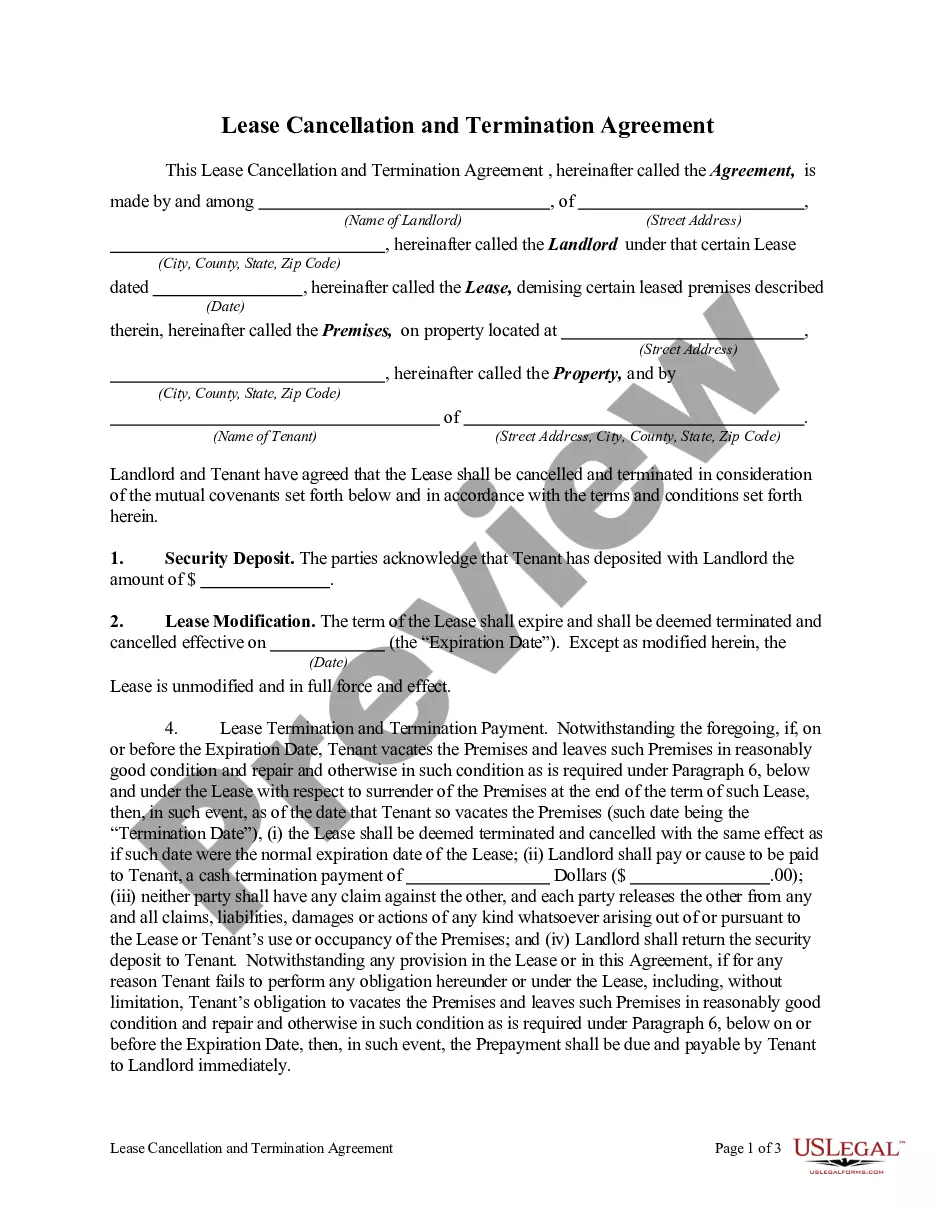
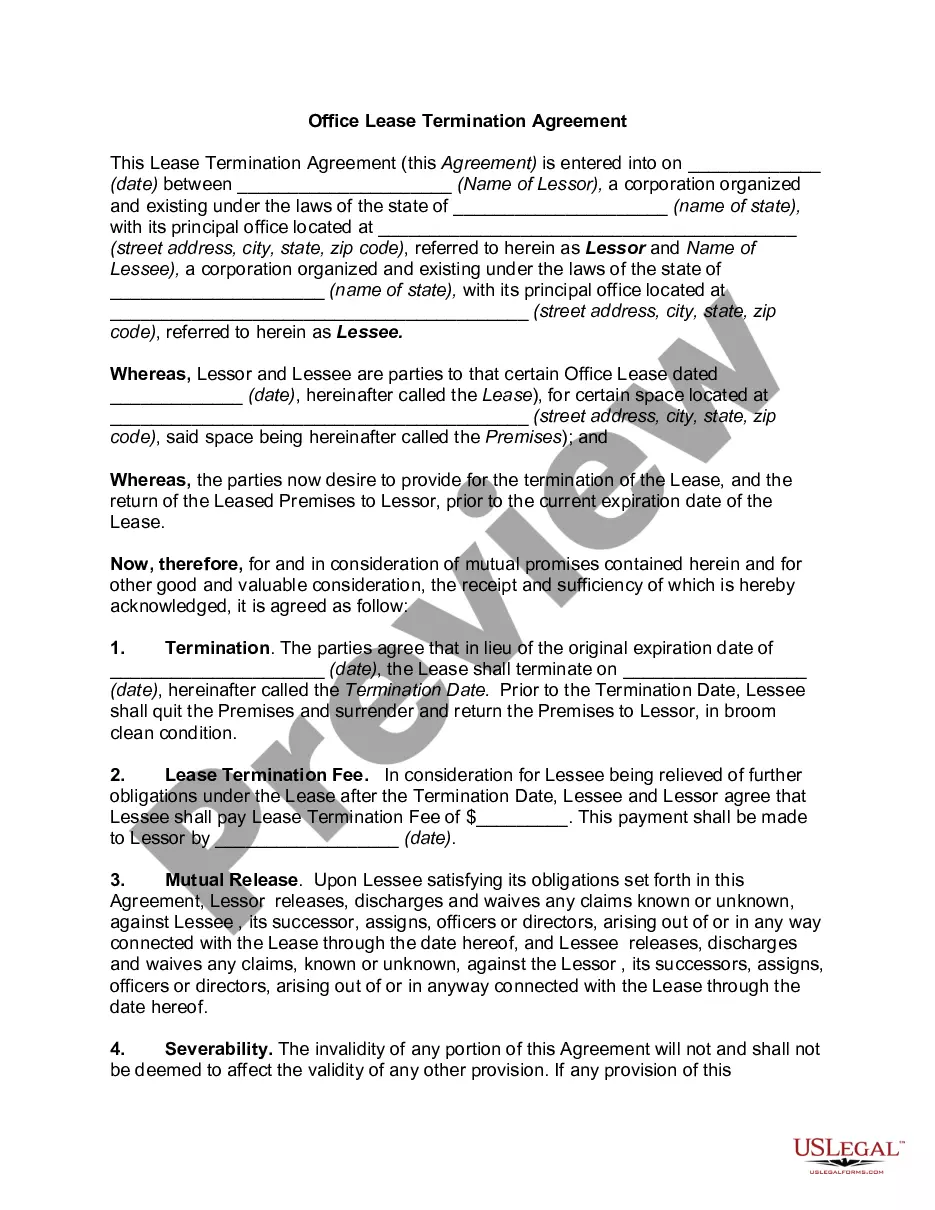
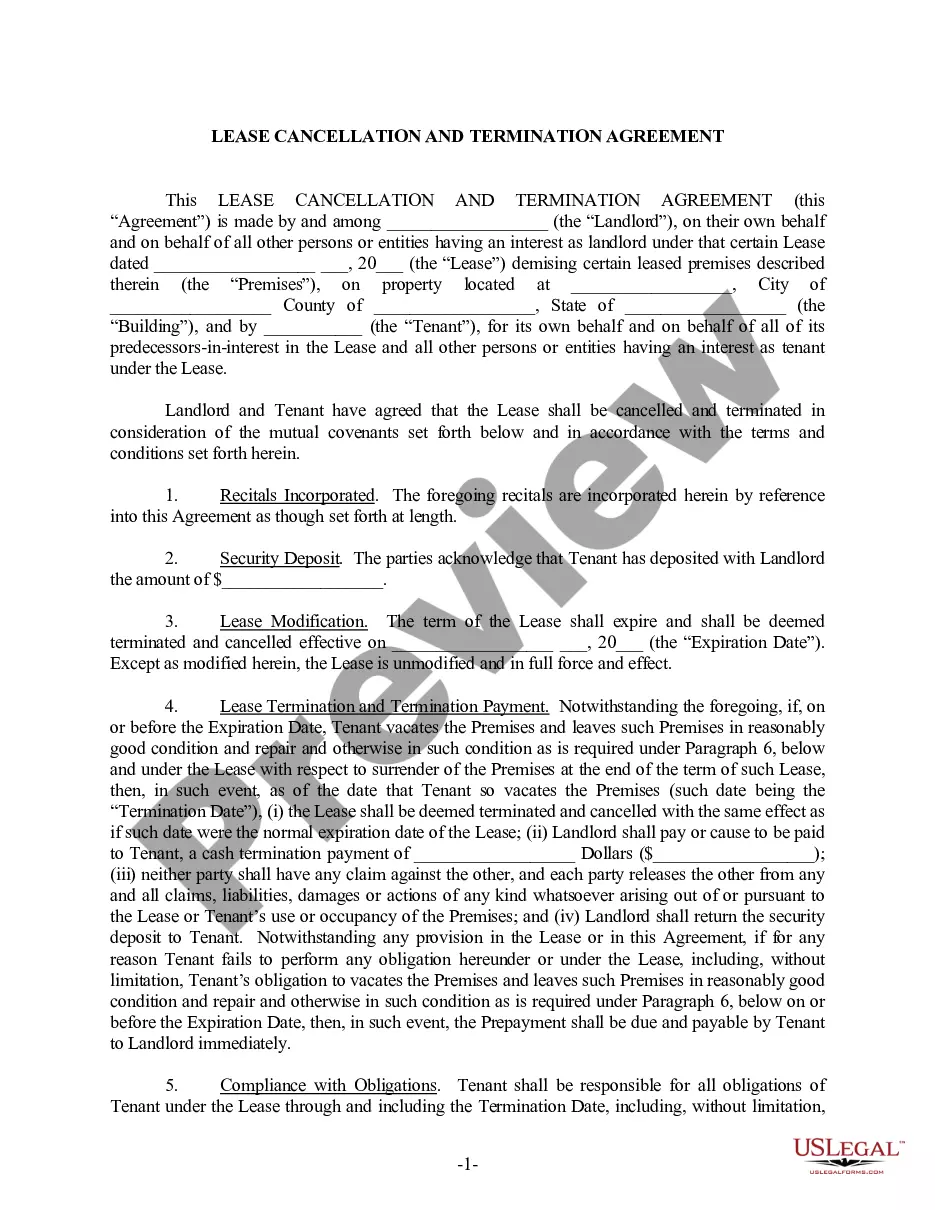
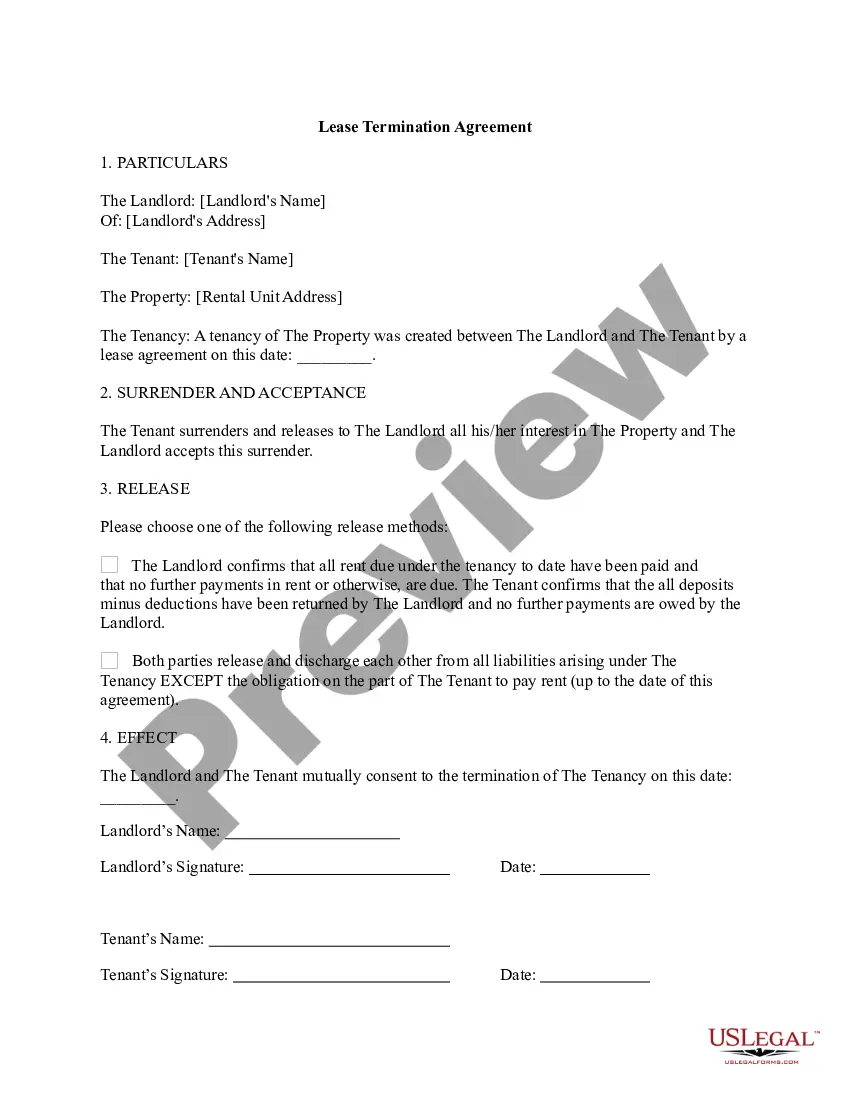
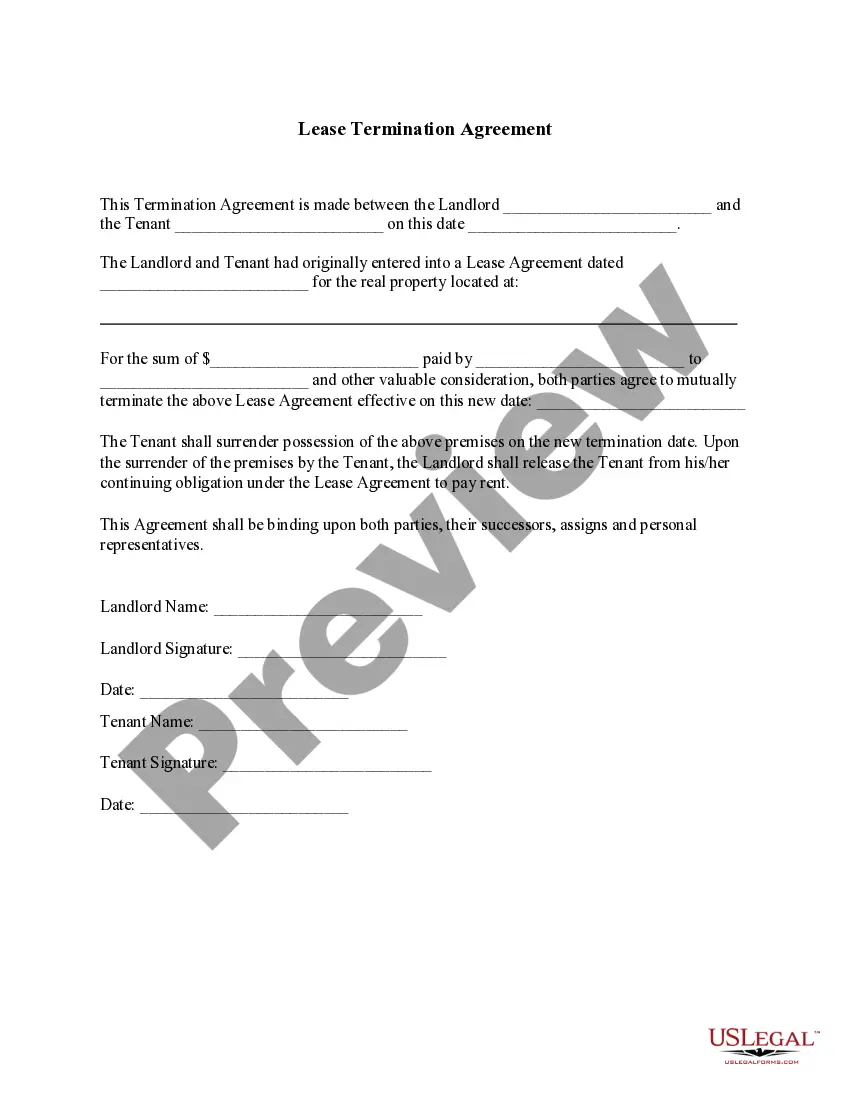
Get your form ready online
Our built-in tools help you complete, sign, share, and store your documents in one place.
Make edits, fill in missing information, and update formatting in US Legal Forms—just like you would in MS Word.
Download a copy, print it, send it by email, or mail it via USPS—whatever works best for your next step.
Sign and collect signatures with our SignNow integration. Send to multiple recipients, set reminders, and more. Go Premium to unlock E-Sign.
If this form requires notarization, complete it online through a secure video call—no need to meet a notary in person or wait for an appointment.
We protect your documents and personal data by following strict security and privacy standards.

Make edits, fill in missing information, and update formatting in US Legal Forms—just like you would in MS Word.

Download a copy, print it, send it by email, or mail it via USPS—whatever works best for your next step.

Sign and collect signatures with our SignNow integration. Send to multiple recipients, set reminders, and more. Go Premium to unlock E-Sign.

If this form requires notarization, complete it online through a secure video call—no need to meet a notary in person or wait for an appointment.

We protect your documents and personal data by following strict security and privacy standards.
Looking for another form?
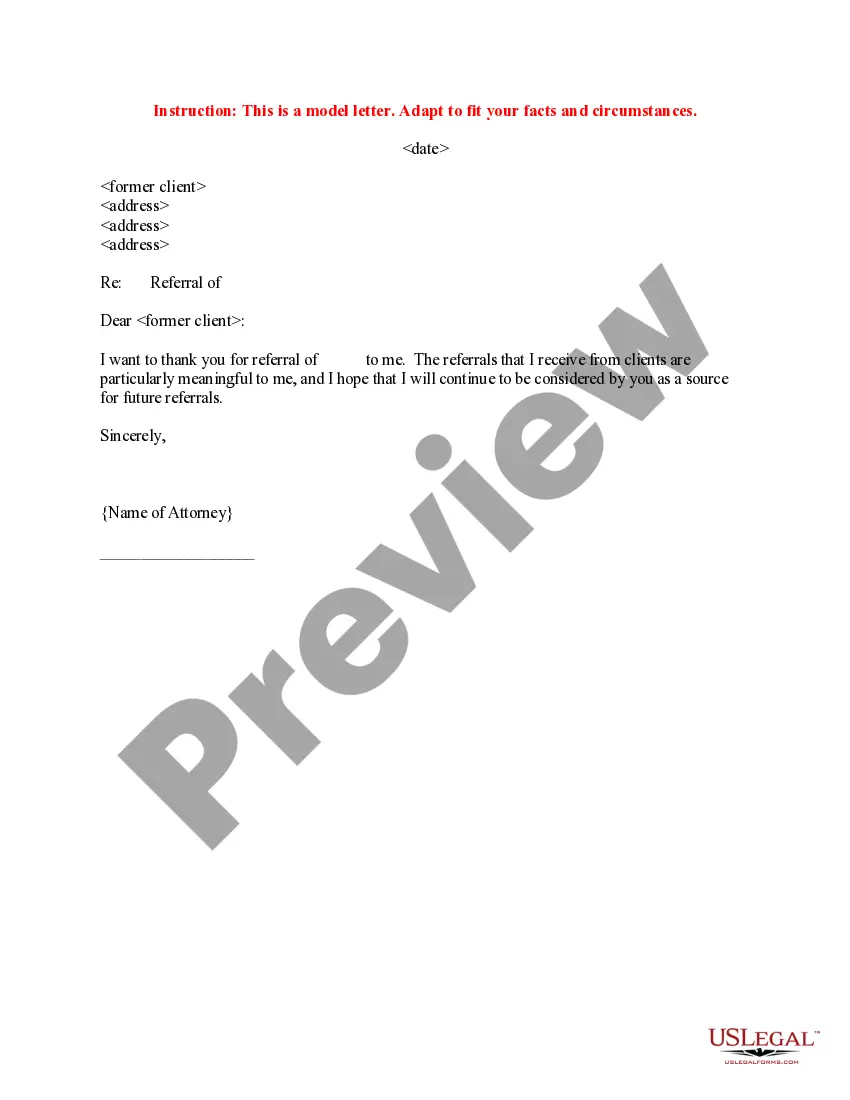






How to fill out Lease Termination Agreement?
You might spend numerous hours online trying to locate the official document template that meets the state and federal standards you require.
US Legal Forms offers thousands of legal documents that have been reviewed by professionals.
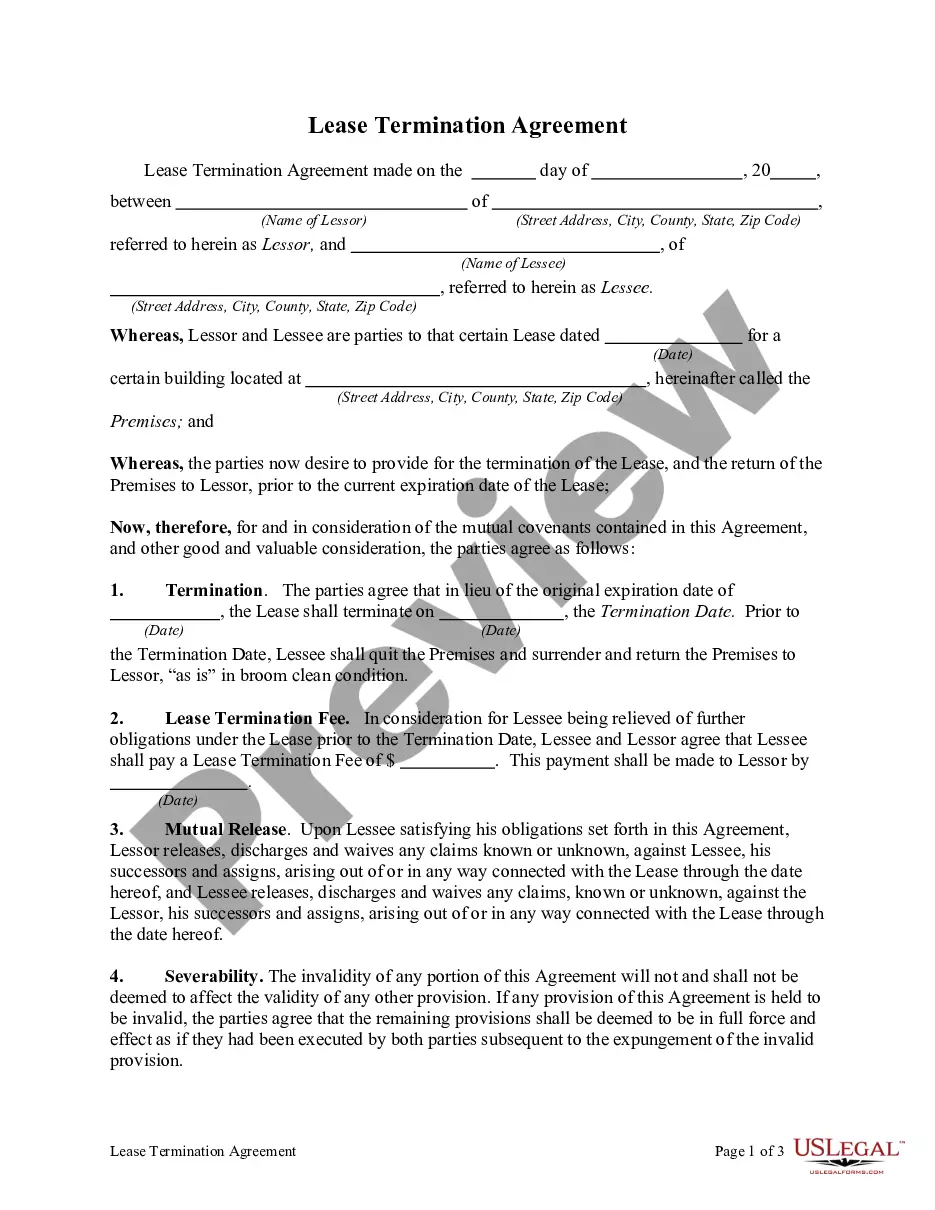
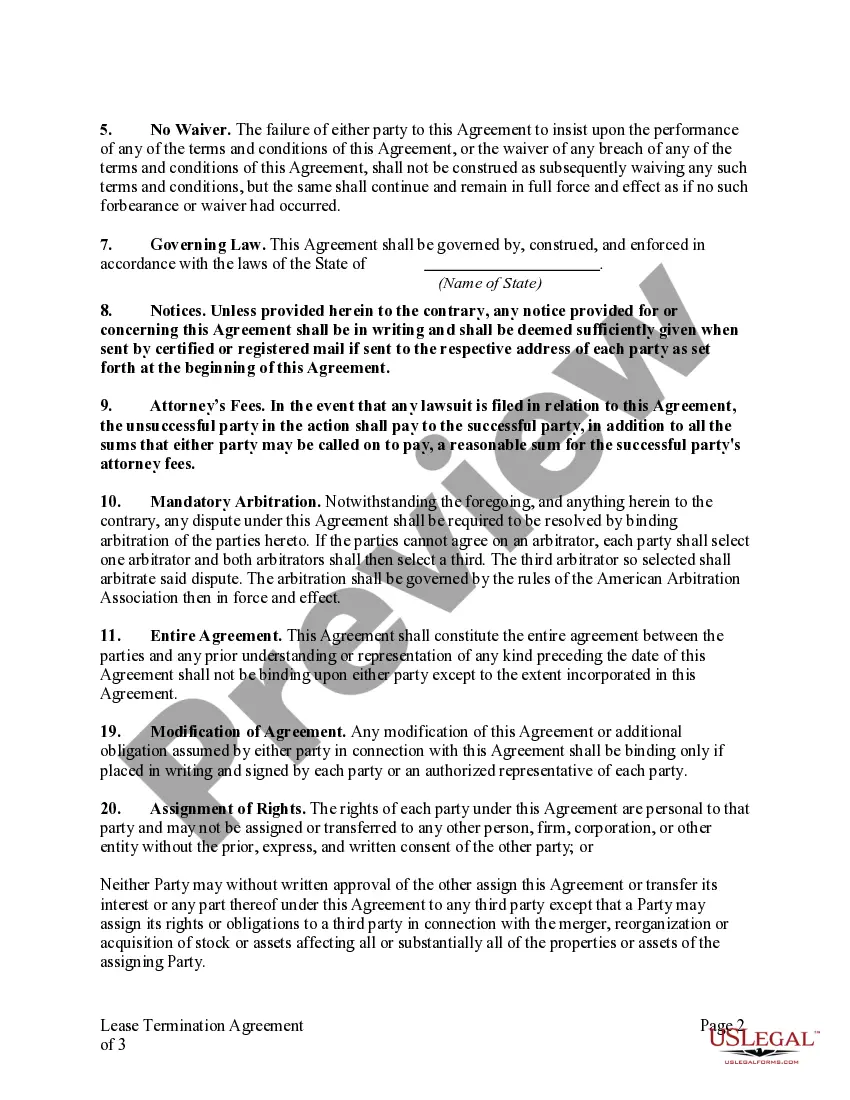
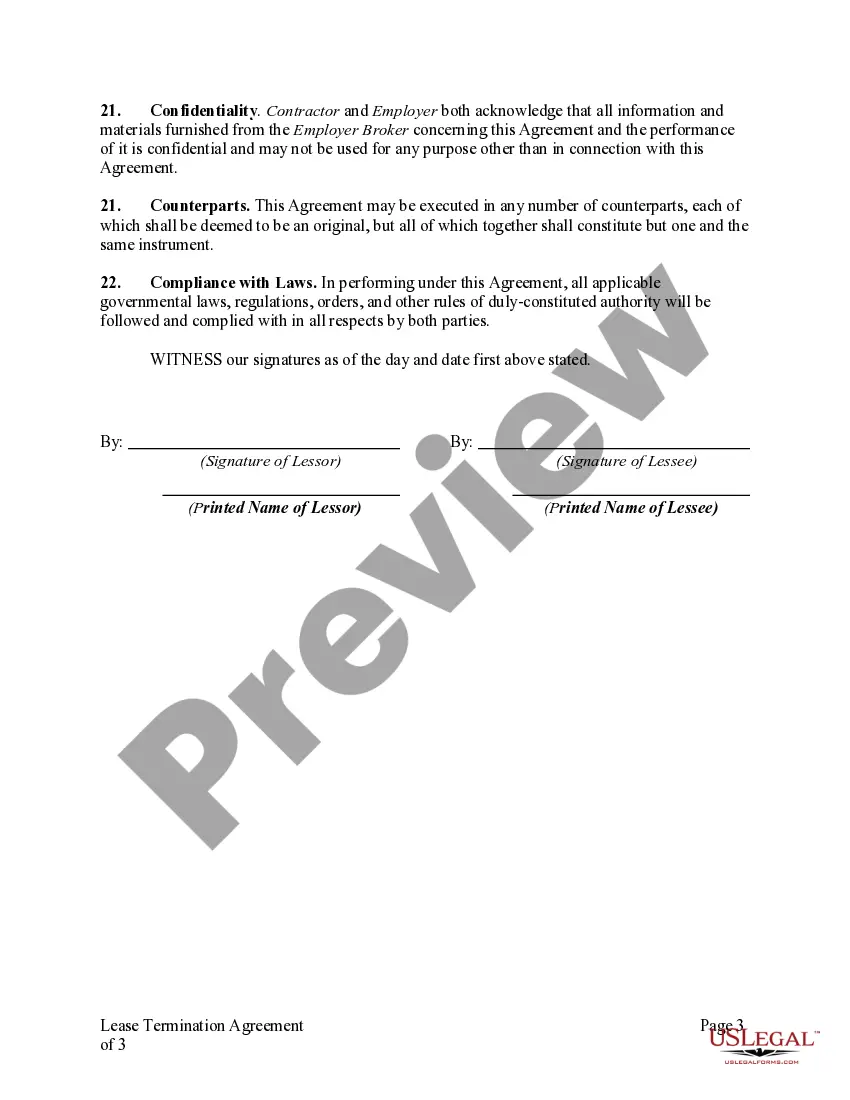
You can download or print the Illinois Lease Termination Agreement from my services.
If available, use the Preview button to review the document template as well. If you wish to acquire another version of your form, use the Search field to find the template that meets your needs and requirements.
- If you already possess a US Legal Forms account, you can Log In and then click the Obtain button.
- After that, you can complete, modify, print, or sign the Illinois Lease Termination Agreement.
- Each legal document template you purchase is your property permanently.
- To get another copy of any purchased form, go to the My documents tab and click the relevant button.
- If you are using the US Legal Forms website for the first time, follow the simple instructions below.
- First, ensure that you have chosen the correct document template for your area/town.
- Read the form description to confirm you have selected the appropriate form.
Form popularity
FAQ
The most common method of terminating a lease in Illinois is through a lease termination agreement, which both the tenant and landlord sign. This agreement outlines the end date of the lease and any final obligations. Another common method is providing notice, typically 30 days, unless a different timeframe is specified in the lease. An Illinois Lease Termination Agreement ensures that both parties understand their responsibilities and helps prevent disputes in the future.
When considering breaking a lease in Illinois, the best excuse often involves significant changes in circumstances, such as job relocation or health issues. Illinois law recognizes certain grounds for termination, including unsafe living conditions or the property being uninhabitable. It is essential to document any concerns and communicate clearly with your landlord. Utilizing an Illinois Lease Termination Agreement can formalize this process and help both parties agree on the terms of the lease termination.
To record a lease termination in Illinois, you need to complete a lease termination agreement that outlines the details of the termination. Once you have filled out the agreement, both parties should sign it to ensure mutual consent. After signing, you can provide copies to all involved parties, and if necessary, file it with your local recorder's office. This process formalizes the Illinois Lease Termination Agreement, providing legal protection for both you and your landlord.
Breaking a lease without penalty in Illinois can be challenging, but it is possible under certain circumstances. Valid reasons include domestic violence, military service, or housing code violations. To ensure a smooth process, consider drafting an Illinois Lease Termination Agreement, which can help negotiate the terms of your lease exit. Working with the US Legal Forms platform can provide resources and templates to support your situation.
In Illinois, the notice you must give a tenant to move out varies based on the lease type. Generally, for month-to-month leases, you need to provide a written notice of at least 30 days. For fixed-term leases, you usually must wait until the lease concludes or negotiate an early end. Using an Illinois Lease Termination Agreement ensures that both parties understand the notice requirements clearly.
The most common way for a lease to terminate is when the lease term concludes. At this point, tenants usually vacate the premises without needing further action. However, many leases also include an automatic renewal clause, which may extend the lease if the tenant does not give notice. An Illinois Lease Termination Agreement helps clarify intentions and can prevent misunderstandings.
To terminate a lease in Illinois, review your lease agreement for specific termination clauses. If you have a fixed-term lease, you generally need to wait until the lease ends unless both parties agree otherwise. For month-to-month leases, you typically provide written notice to your landlord, stating your intent to vacate. Utilizing an Illinois Lease Termination Agreement can simplify this process and ensure you meet all legal requirements.
To write a lease termination letter, start by stating your intention to terminate the lease clearly. Include the address of the property, the date of your planned move-out, and reference the Illinois Lease Termination Agreement if applicable. Make sure to sign the letter and keep a copy for your records. A well-crafted letter ensures both parties understand the agreement details and helps to avoid future disputes.