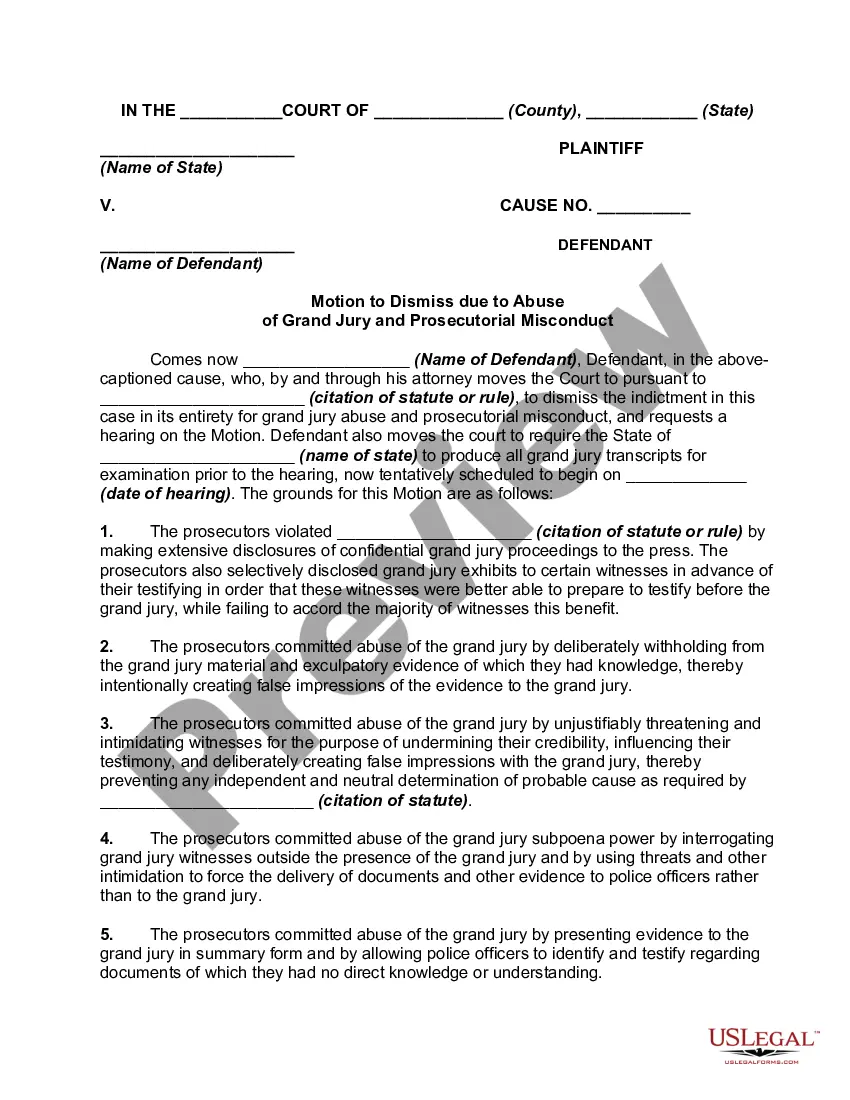
Illinois Motion to Remedy Prosecutorial Abuse
Description
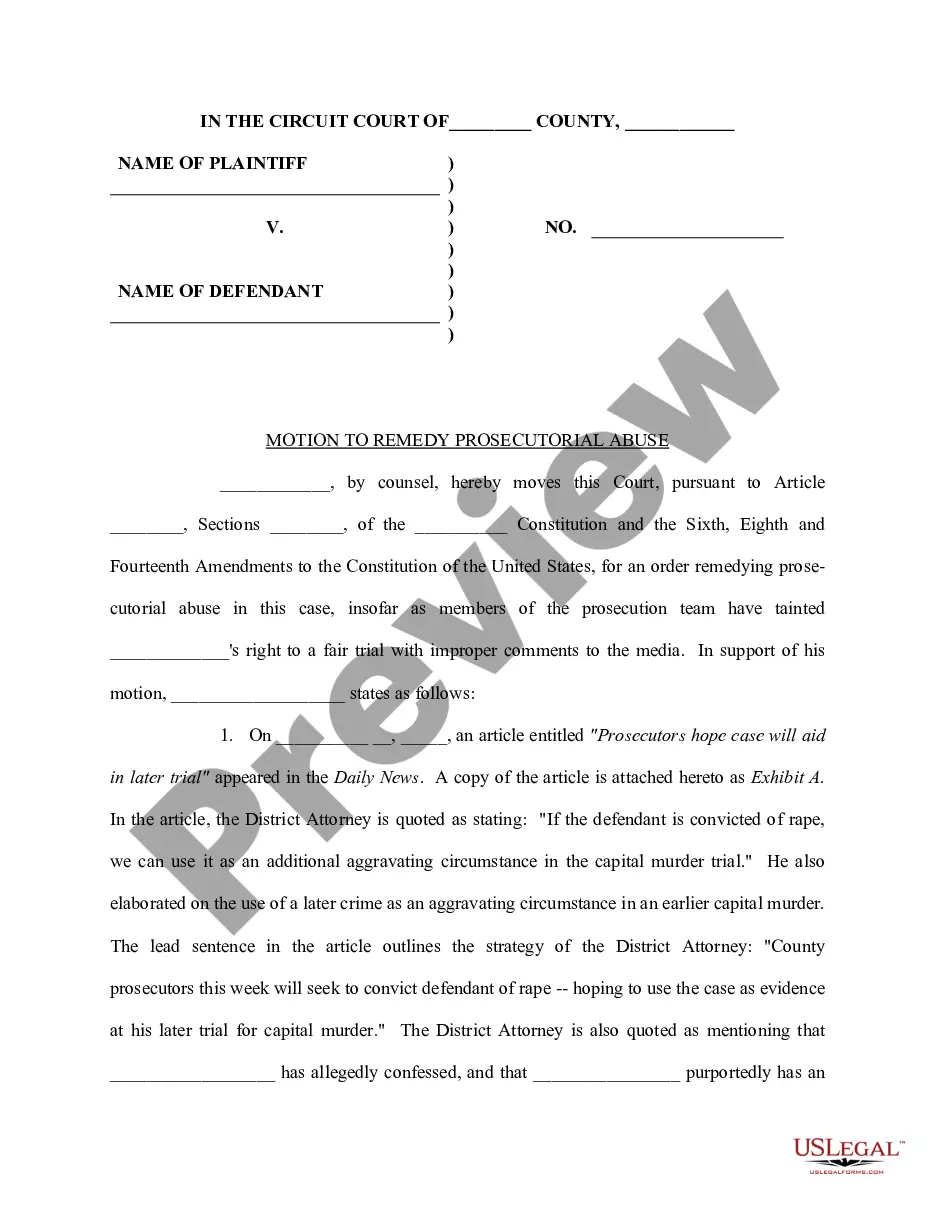
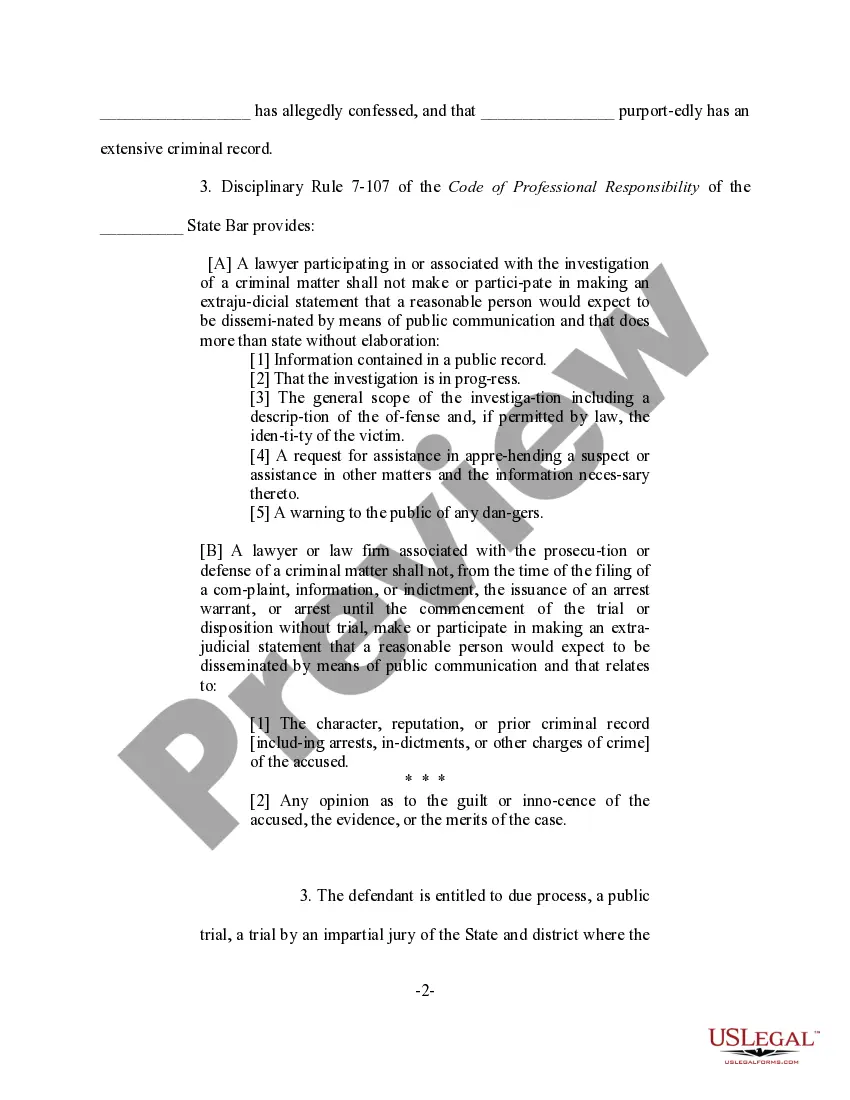
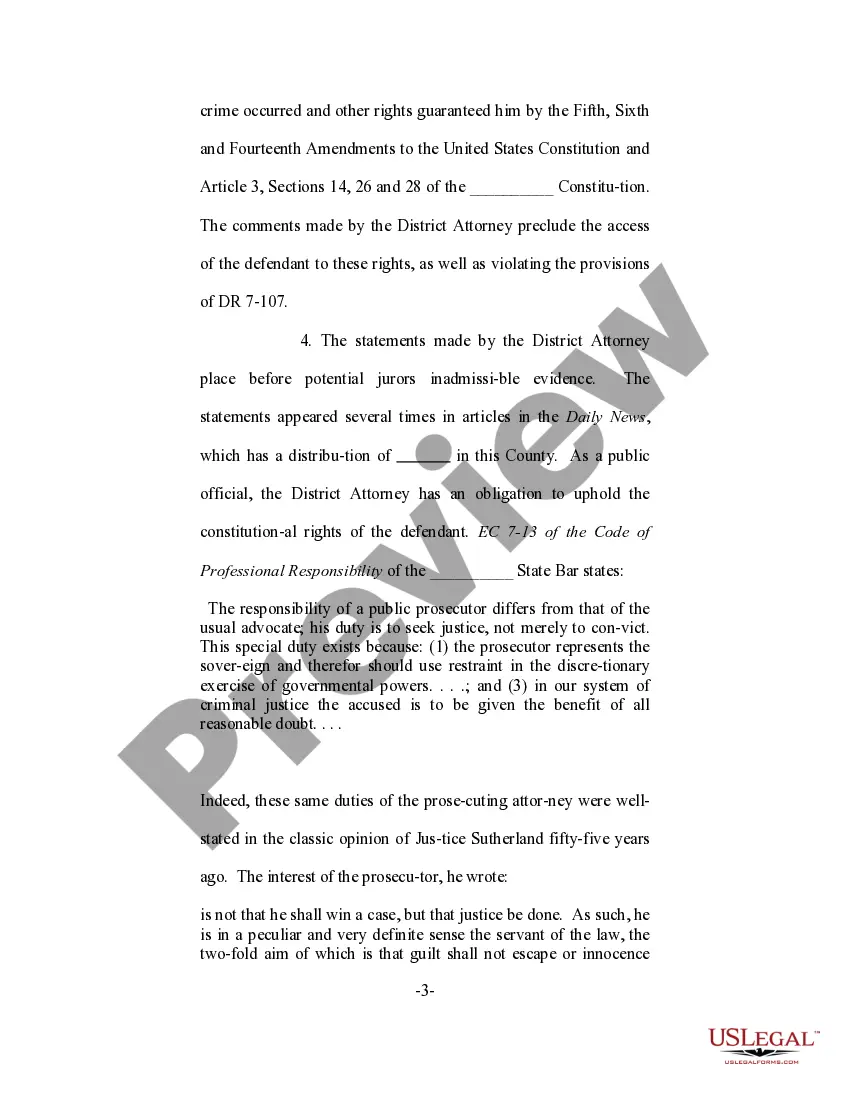
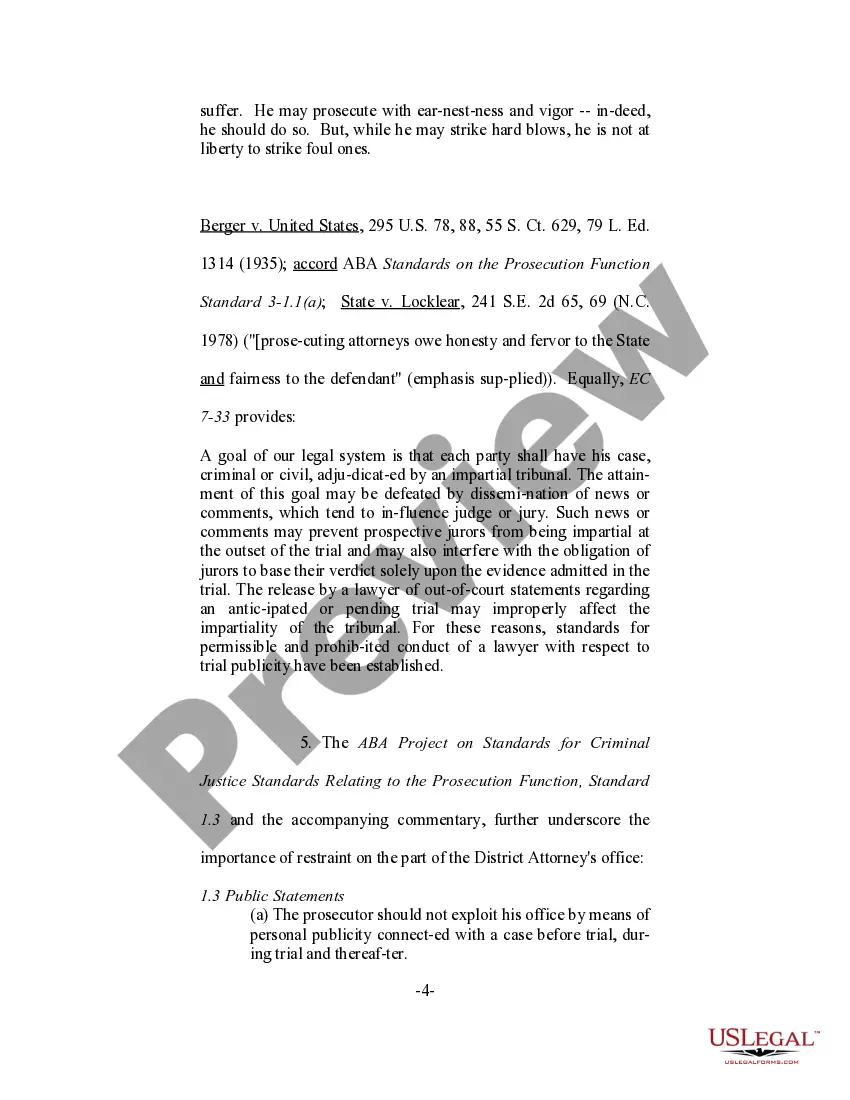
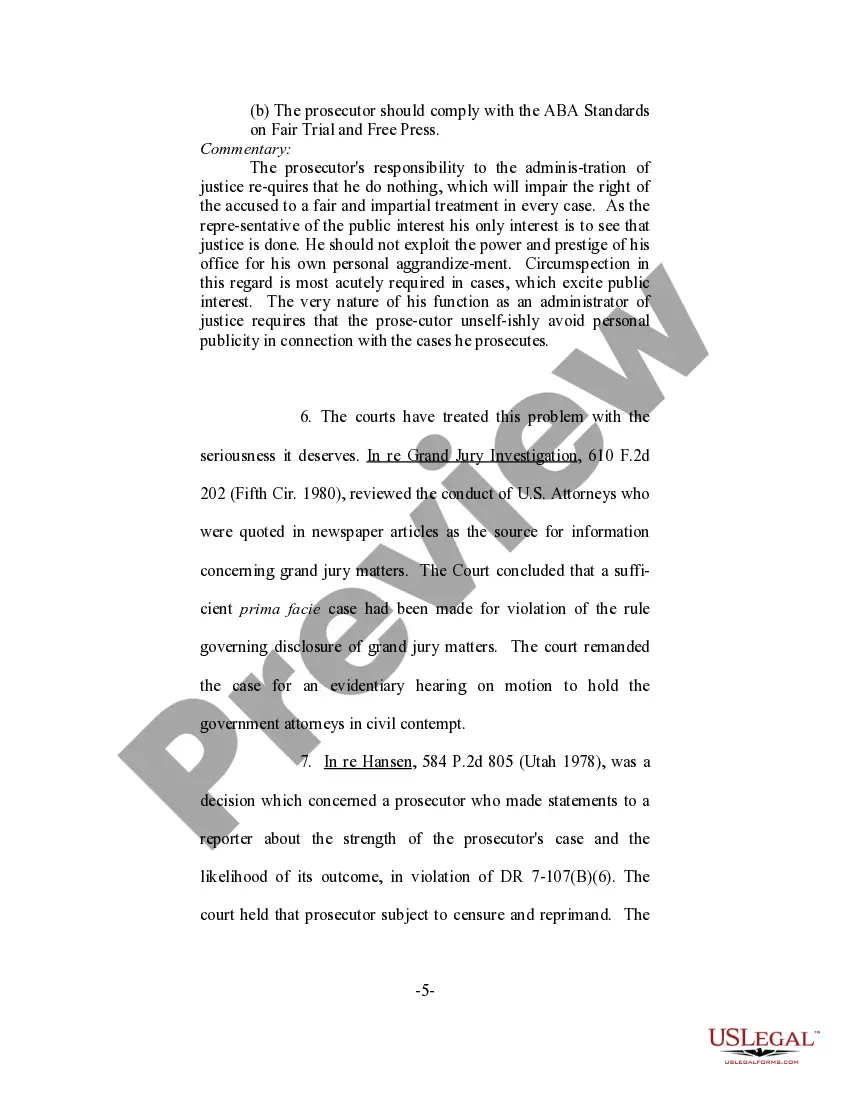
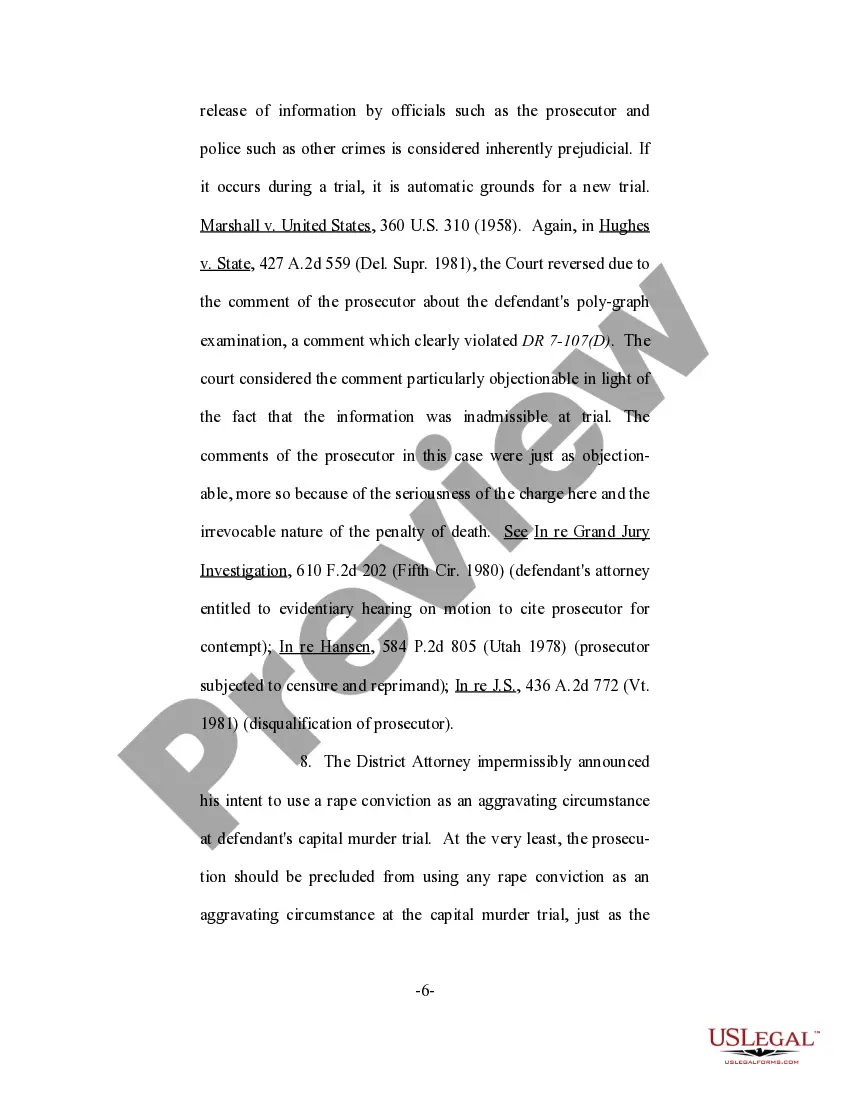
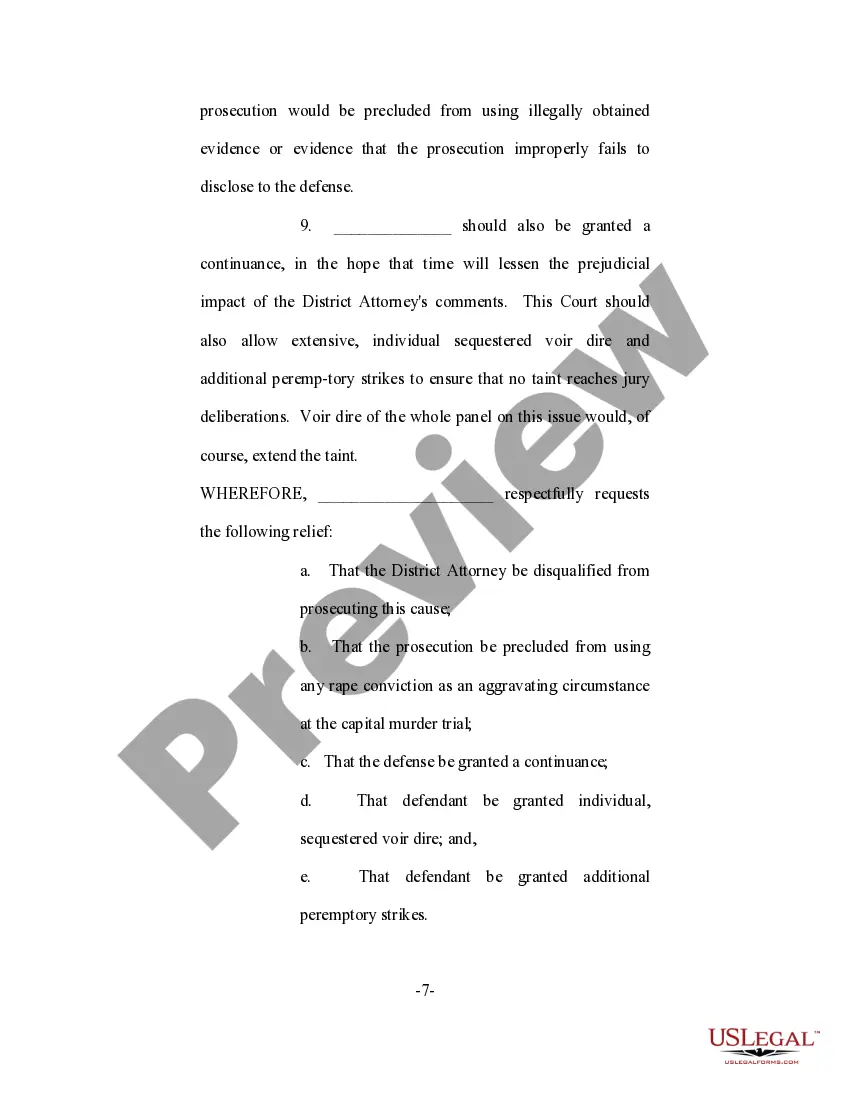
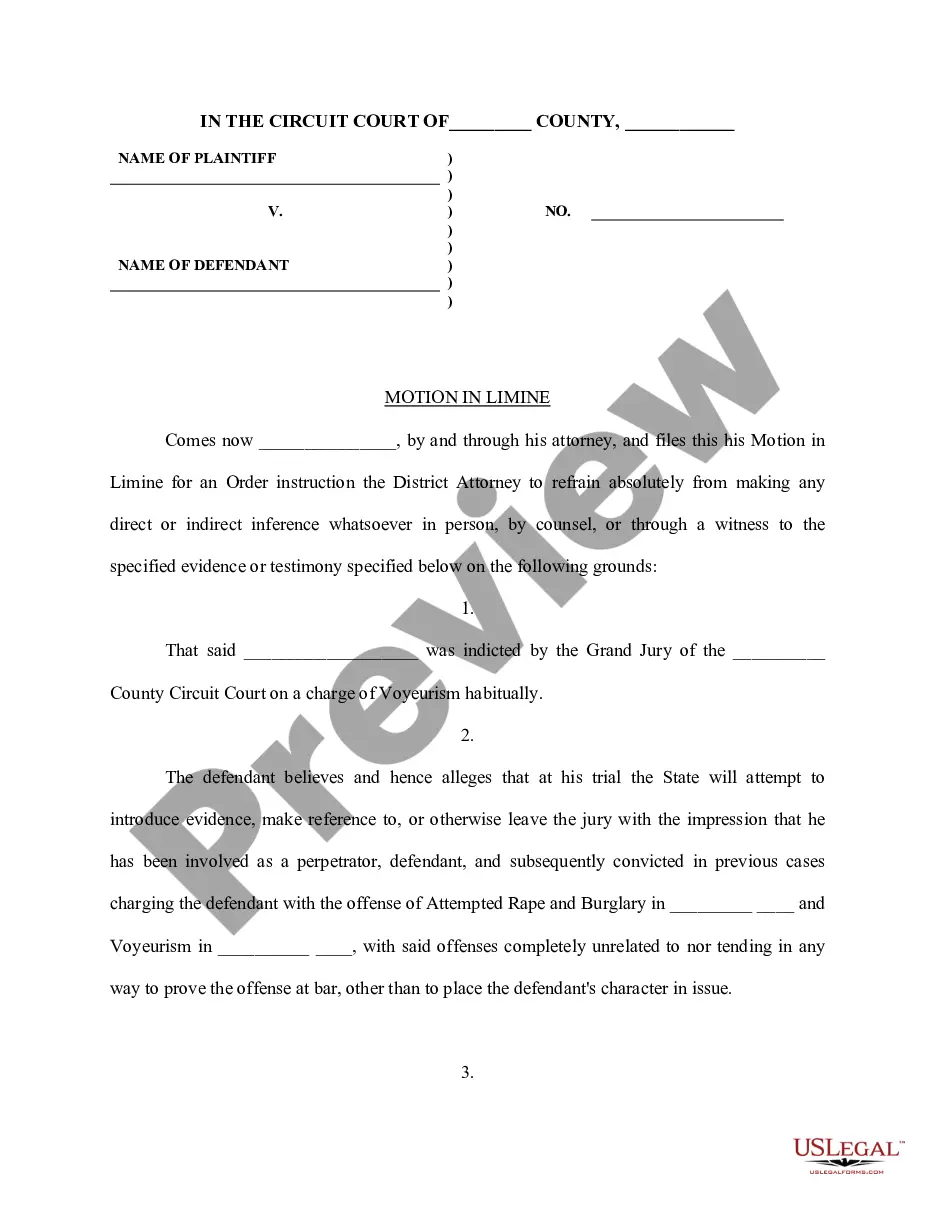
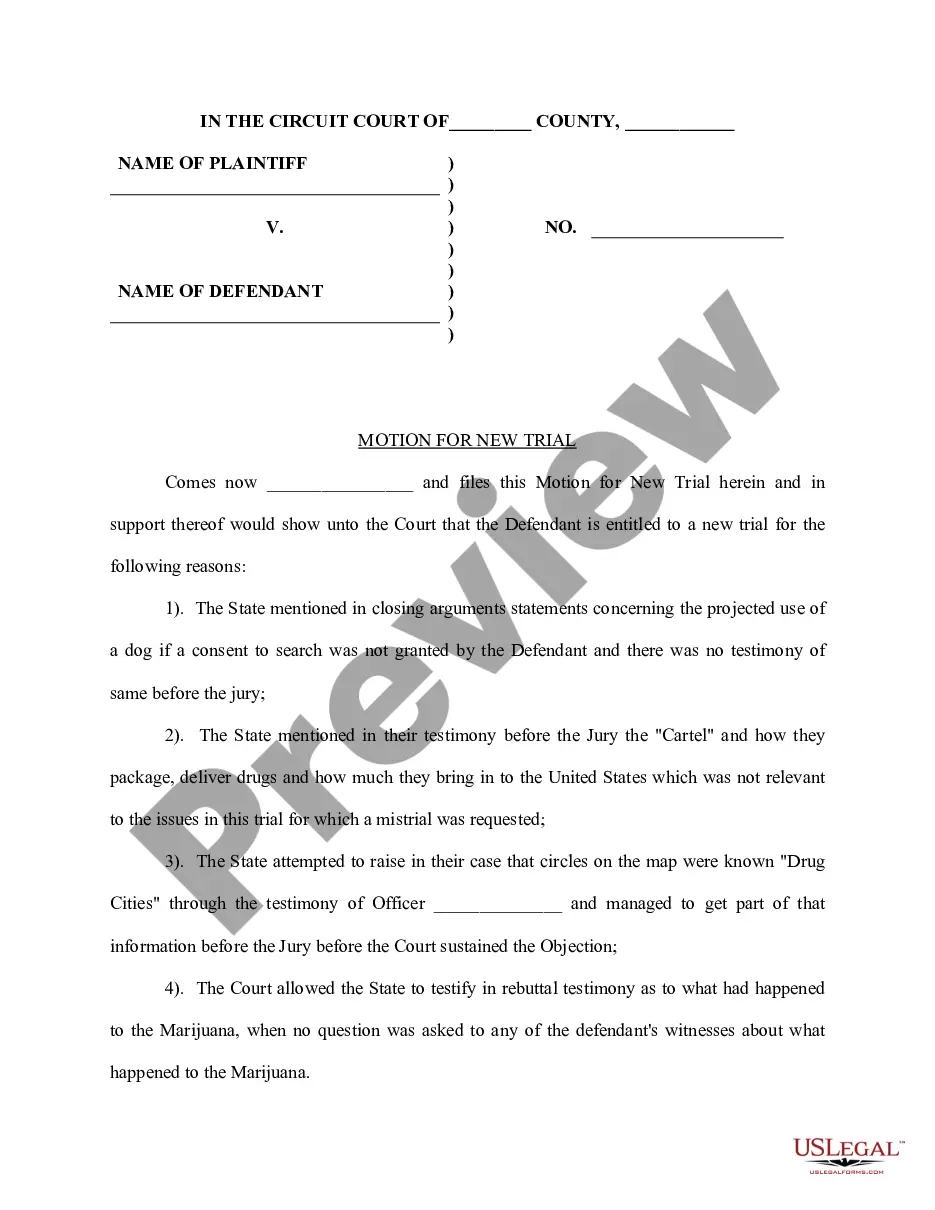
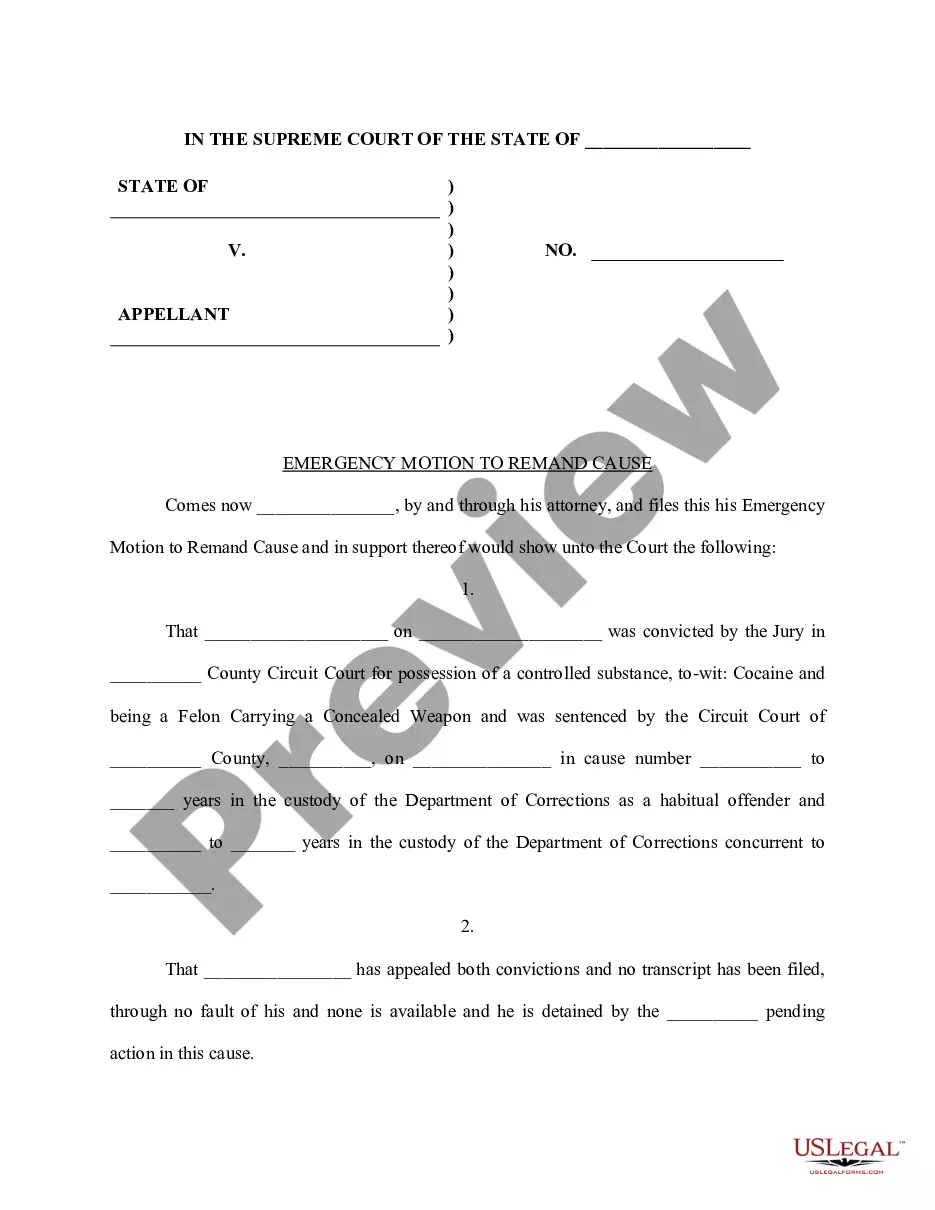
Get your form ready online
Our built-in tools help you complete, sign, share, and store your documents in one place.
Make edits, fill in missing information, and update formatting in US Legal Forms—just like you would in MS Word.
Download a copy, print it, send it by email, or mail it via USPS—whatever works best for your next step.
Sign and collect signatures with our SignNow integration. Send to multiple recipients, set reminders, and more. Go Premium to unlock E-Sign.
If this form requires notarization, complete it online through a secure video call—no need to meet a notary in person or wait for an appointment.
We protect your documents and personal data by following strict security and privacy standards.

Make edits, fill in missing information, and update formatting in US Legal Forms—just like you would in MS Word.

Download a copy, print it, send it by email, or mail it via USPS—whatever works best for your next step.

Sign and collect signatures with our SignNow integration. Send to multiple recipients, set reminders, and more. Go Premium to unlock E-Sign.

If this form requires notarization, complete it online through a secure video call—no need to meet a notary in person or wait for an appointment.

We protect your documents and personal data by following strict security and privacy standards.
Looking for another form?

How to fill out Motion To Remedy Prosecutorial Abuse?
Are you presently in a circumstance where you require documentation for either business or personal use almost every working day? There are numerous legal document templates available online, but finding reliable ones isn’t easy.
US Legal Forms offers thousands of template options, including the Illinois Motion to Remedy Prosecutorial Abuse, which are designed to comply with state and federal regulations.
If you are already familiar with the US Legal Forms website and possess an account, simply Log In. After that, you can download the Illinois Motion to Remedy Prosecutorial Abuse template.
Select a convenient format and download your copy.
Access all the document templates you have purchased in the My documents section. You can obtain an additional copy of the Illinois Motion to Remedy Prosecutorial Abuse at any time, if needed. Just click on the required form to download or print the document template. Utilize US Legal Forms, one of the most extensive collections of legal forms, to save time and avoid errors. The service provides professionally crafted legal document templates suitable for a variety of purposes. Create an account on US Legal Forms and start simplifying your life.
- If you do not have an account and wish to start using US Legal Forms, follow these steps.
- Obtain the form you need and ensure it is for the correct city/county.
- Use the Preview button to review the form.
- Check the description to ensure you have selected the right form.
- If the form isn’t what you’re looking for, use the Search section to find the form that meets your requirements.
- Once you find the correct form, click Buy now.
- Choose the pricing plan you desire, provide the necessary details to create your account, and complete your order using your PayPal or credit card.
Form popularity
FAQ
Misuse of Legal Procedure is a series of torts that involve the corrupt or undue filing of litigation for unlawful reasons. Public right of access to courts is granted on good faith that claimants will act with probable cause and honesty.
(a) Upon the written motion of the defendant made prior to trial before or after a plea has been entered the court may dismiss the indictment, information or complaint upon any of the following grounds: (1) The defendant has not been placed on trial in compliance with Section 103-5 of this Code.
The most common form of improper witness examination is eliciting inadmissible evidence. It is misconduct for prosecutors to elicit inadmissible evidence in witness examinations, and especially improper when the examination violates a specific court order.
To state a claim of malicious prosecution, a plaintiff must allege facts showing: (1) the defendant's commencement or continuation of an original criminal or civil proceeding; (2) the termination of the proceeding in the plaintiff's favor; (3) the absence of probable cause for the proceeding; (4) the defendant's malice ...
A malicious prosecution case can be difficult to prove, but with a few key elements it can be won in court. First, it must be clear that the defendant did not have probable cause to bring the action.
A legal claim of malicious prosecution arises when one person (the plaintiff) brings a criminal or civil action against another person (the defendant) with malice and without probable cause.
The only elements necessary to plead a cause of action for abuse of process are: (1) the existence of an ulterior purpose or motive and (2) some act in the use of legal process not proper in the regular prosecution of the proceedings.
When the court feels that there has been a lack of progress in the case, they may issue a dismissal for want of prosecution. This essentially means that the plaintiff (the person who initiated the suit) has done nothing to move the case forward in a timely manner.