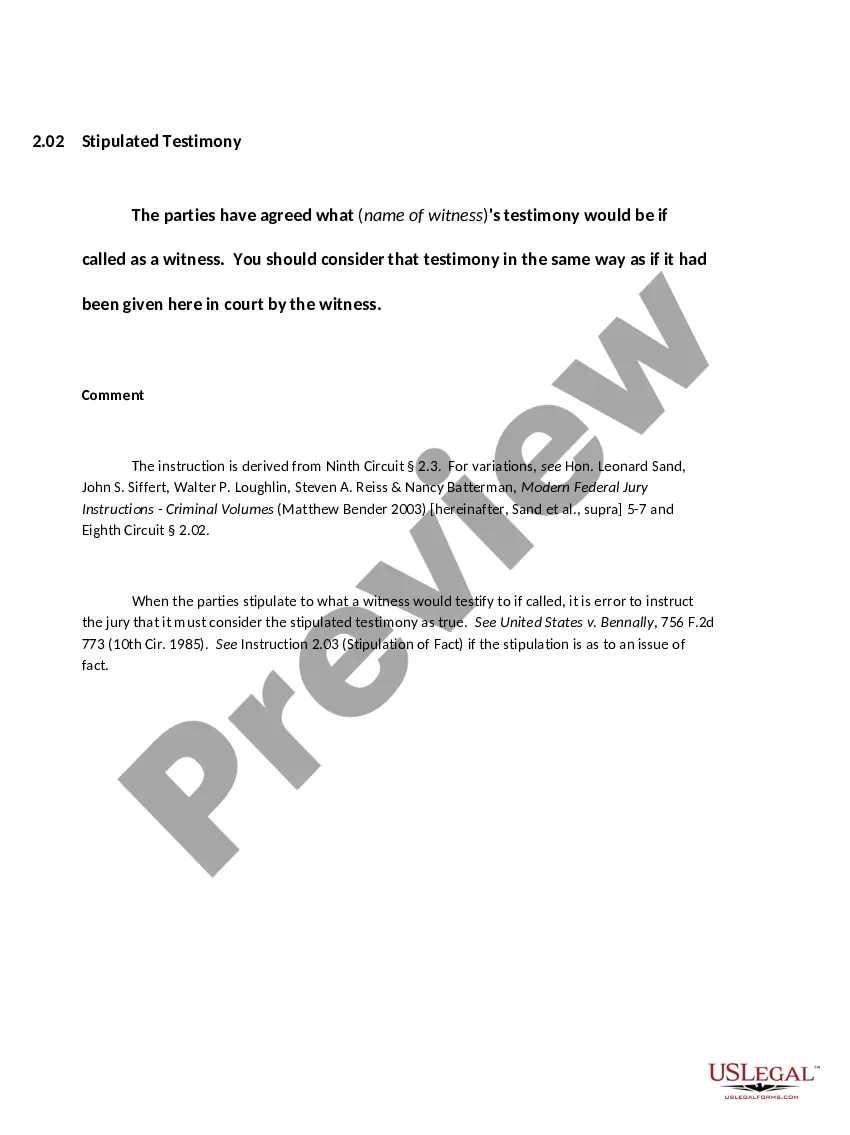
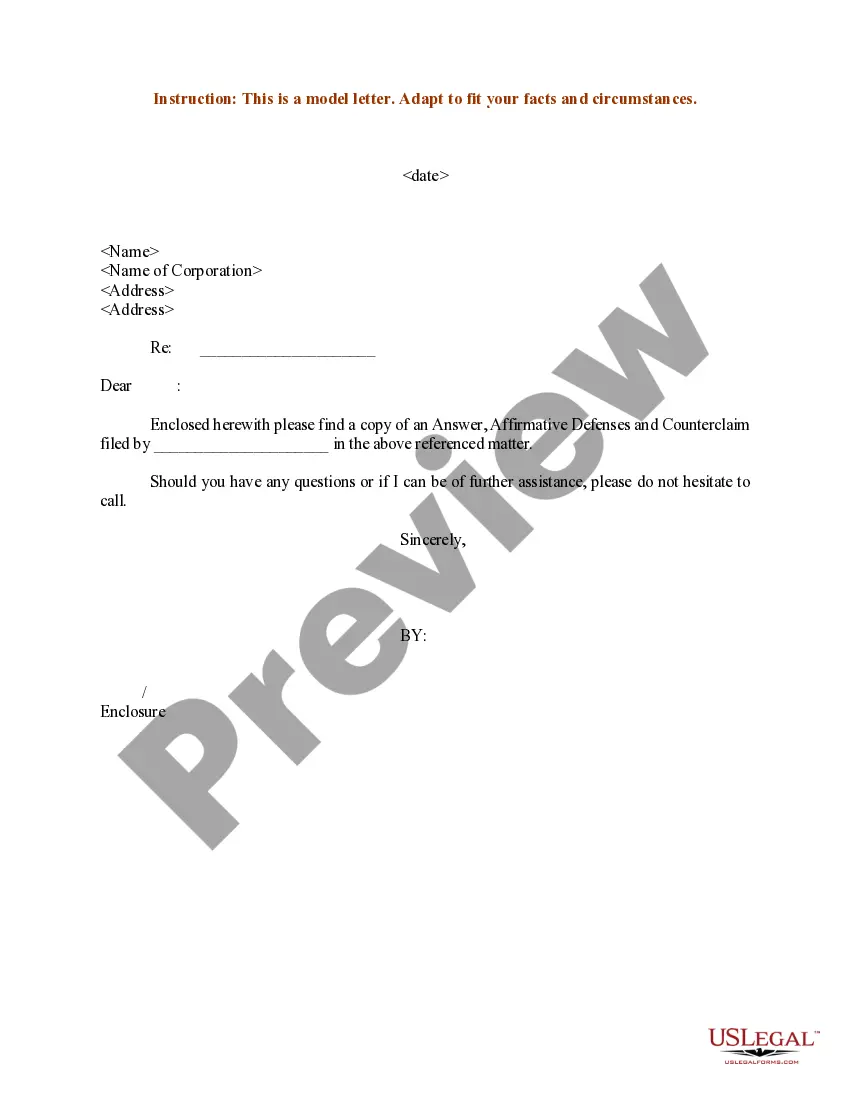
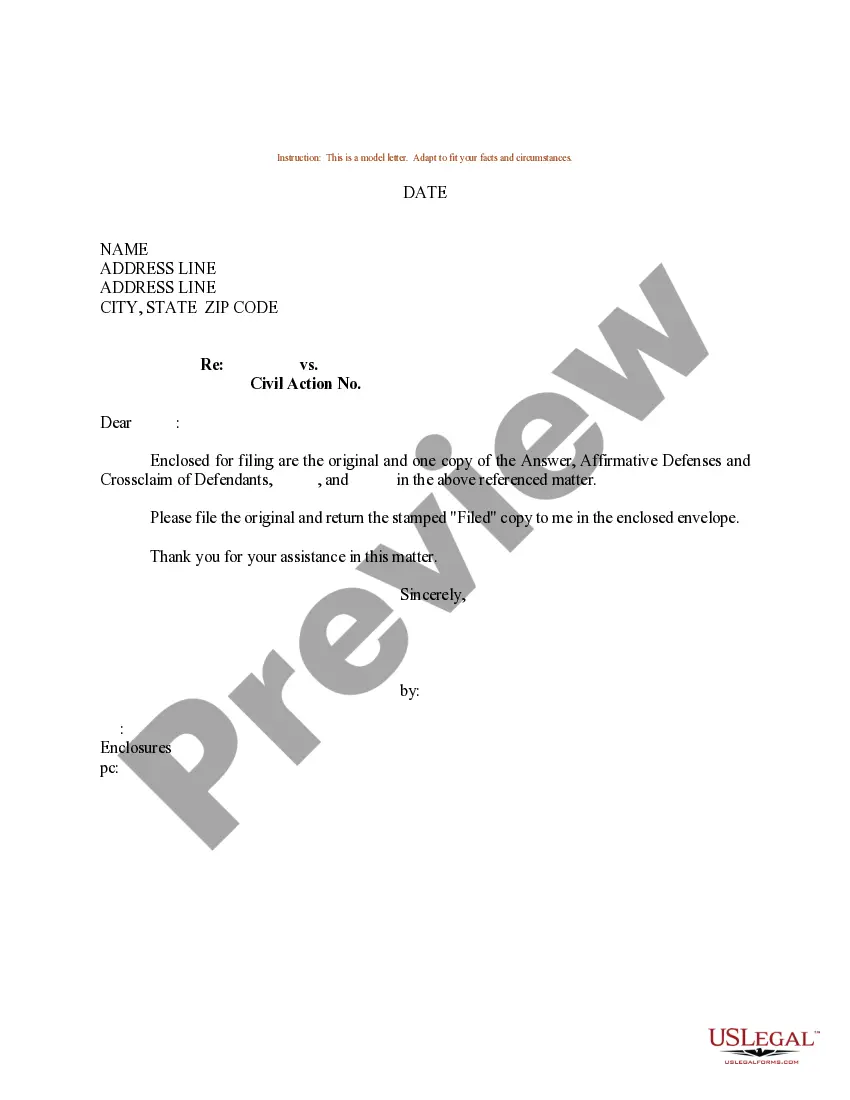
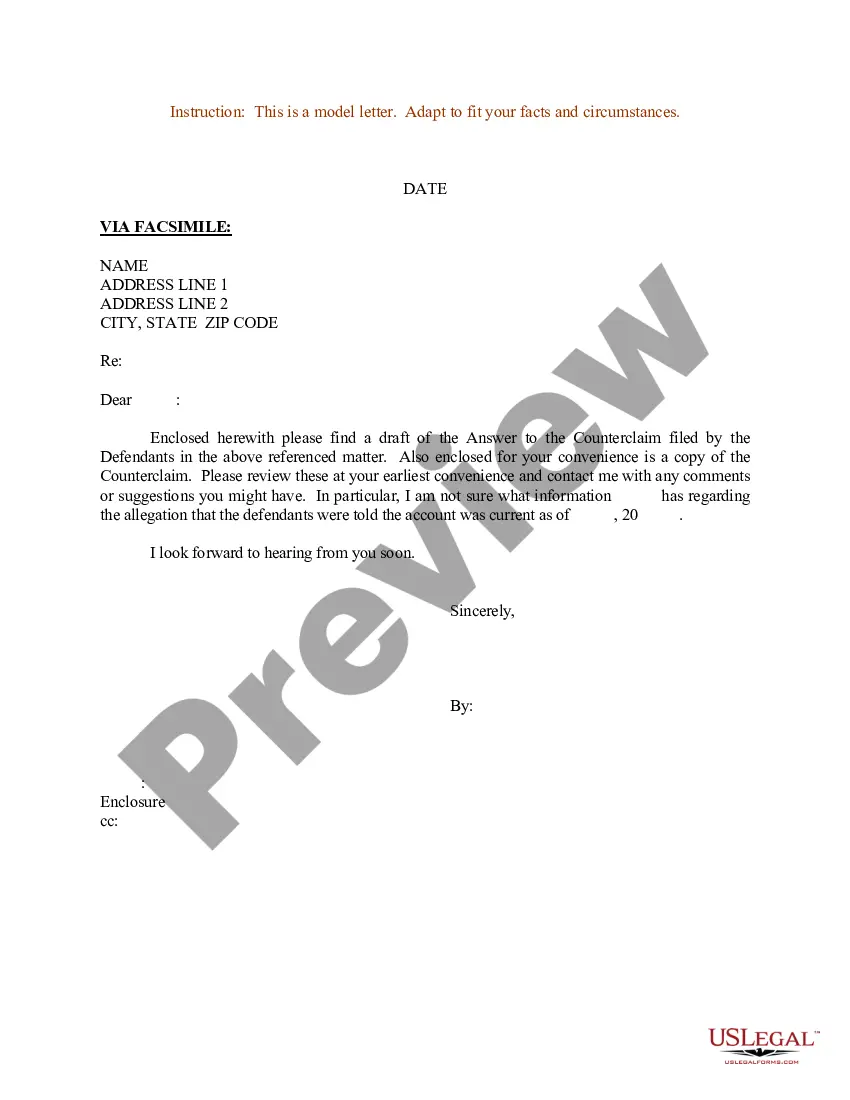
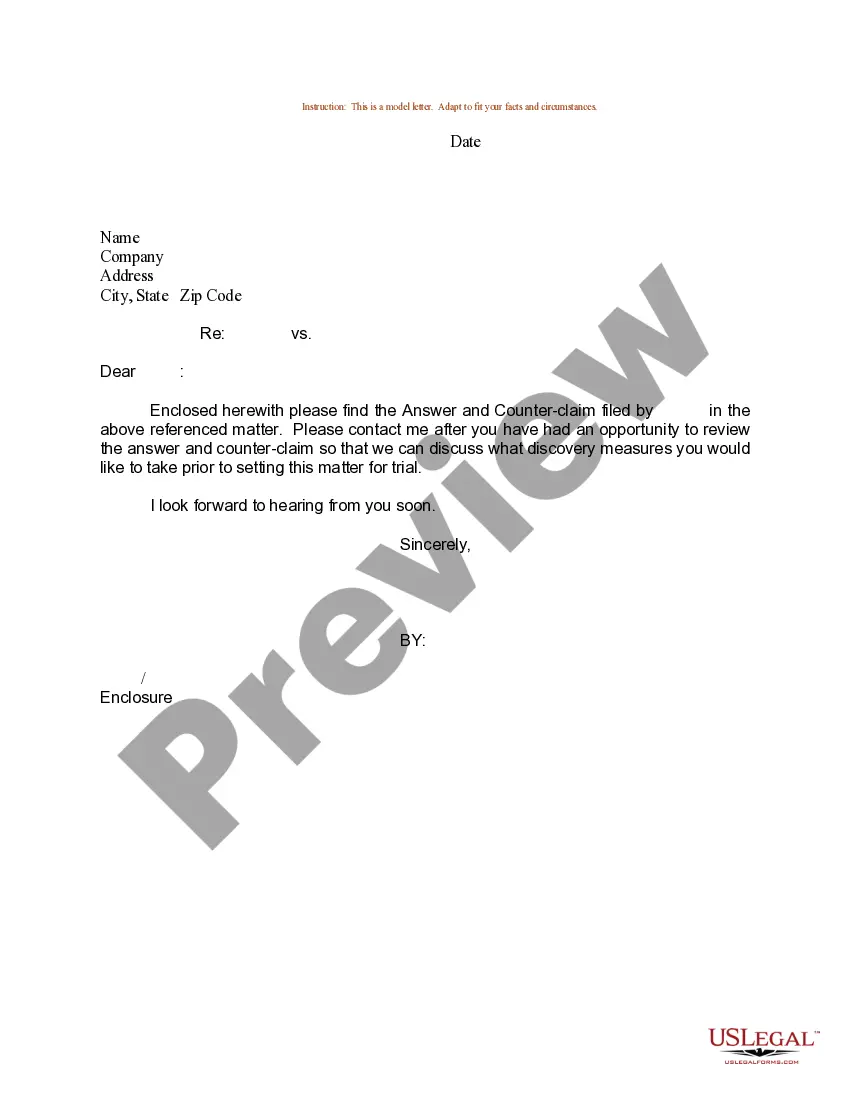
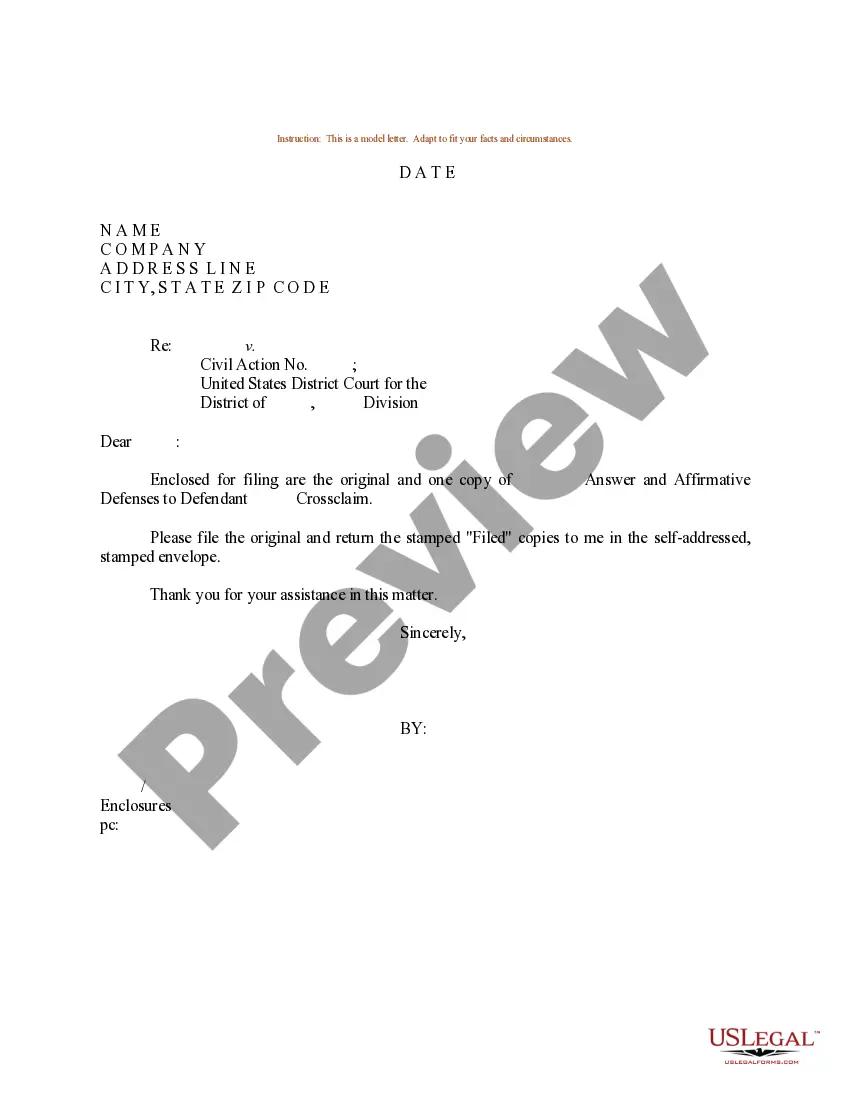
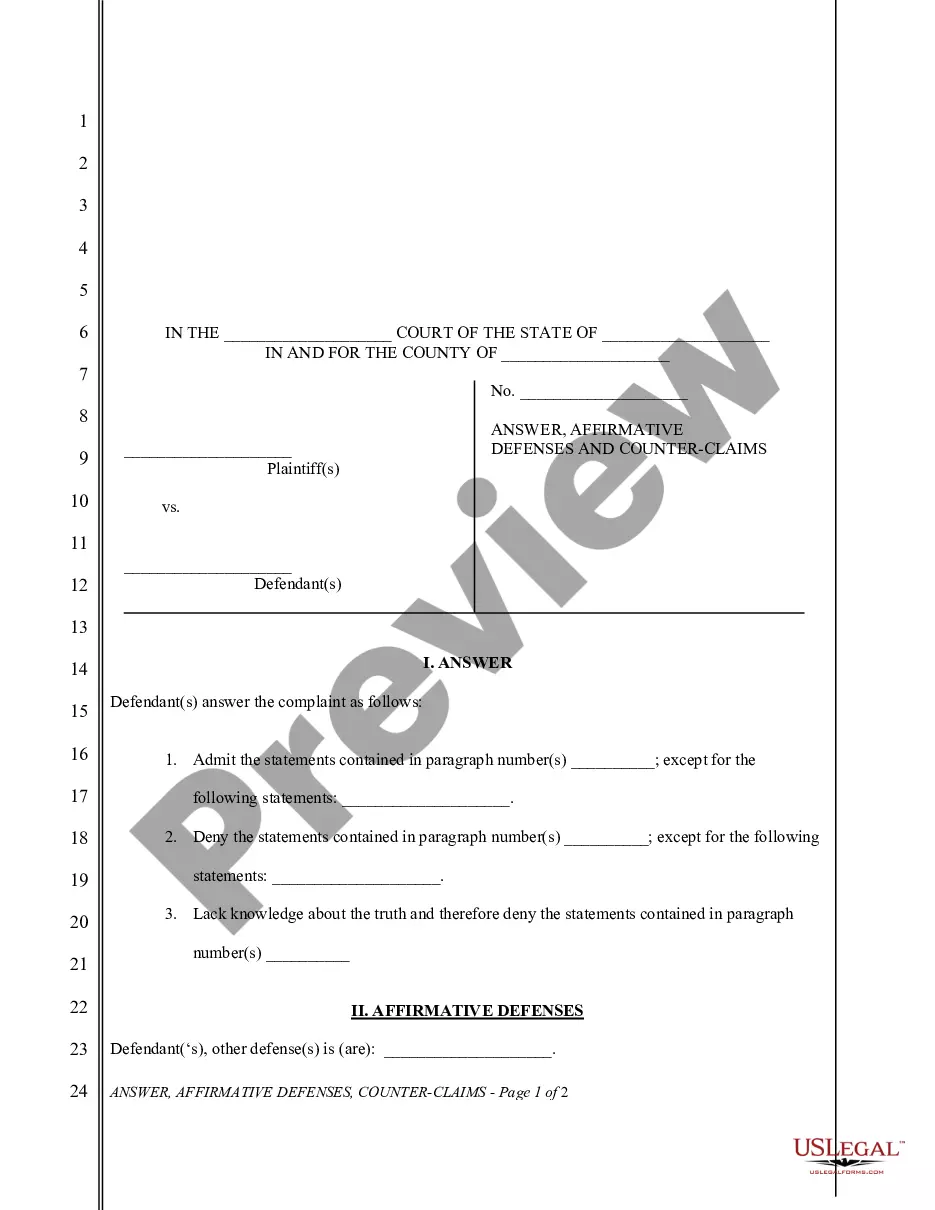
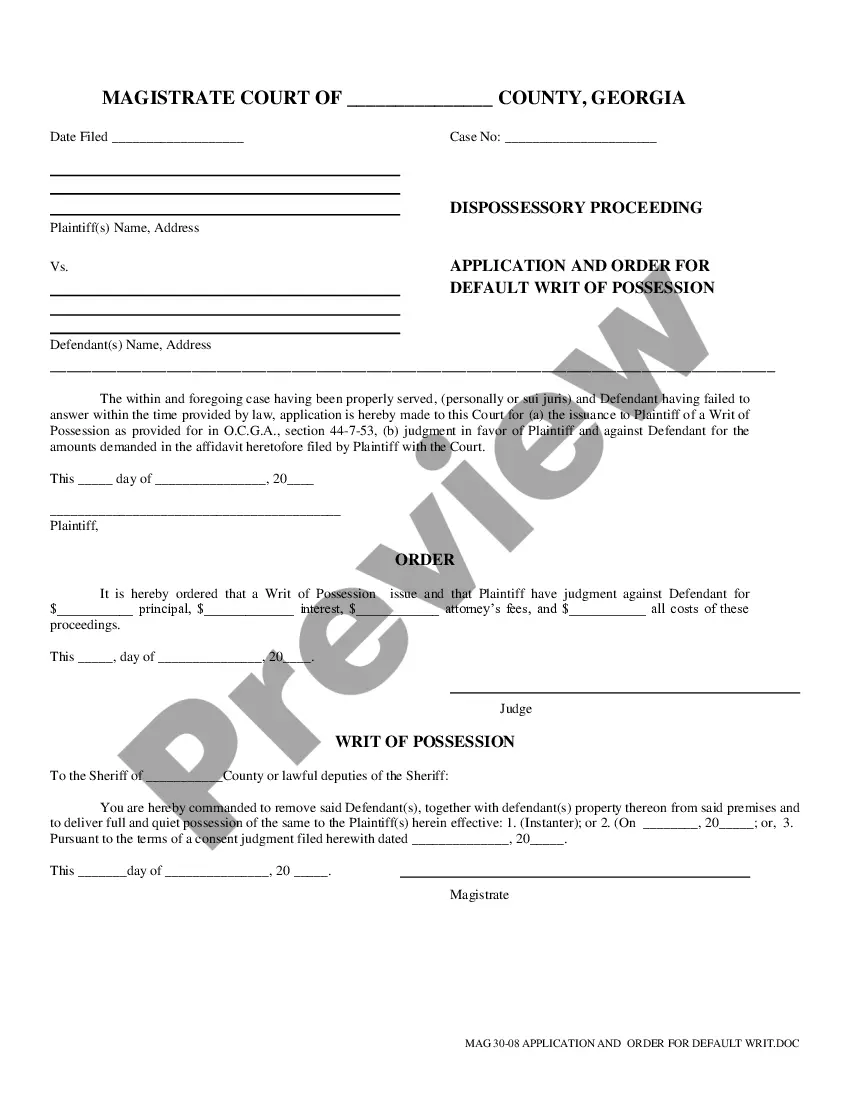
Illinois Sample Letter regarding Answer, Affirmative Defenses, and Counterclaim
Description
Get your form ready online
Our built-in tools help you complete, sign, share, and store your documents in one place.
Make edits, fill in missing information, and update formatting in US Legal Forms—just like you would in MS Word.
Download a copy, print it, send it by email, or mail it via USPS—whatever works best for your next step.
Sign and collect signatures with our SignNow integration. Send to multiple recipients, set reminders, and more. Go Premium to unlock E-Sign.
If this form requires notarization, complete it online through a secure video call—no need to meet a notary in person or wait for an appointment.
We protect your documents and personal data by following strict security and privacy standards.

Make edits, fill in missing information, and update formatting in US Legal Forms—just like you would in MS Word.

Download a copy, print it, send it by email, or mail it via USPS—whatever works best for your next step.

Sign and collect signatures with our SignNow integration. Send to multiple recipients, set reminders, and more. Go Premium to unlock E-Sign.

If this form requires notarization, complete it online through a secure video call—no need to meet a notary in person or wait for an appointment.

We protect your documents and personal data by following strict security and privacy standards.
Looking for another form?







How to fill out Sample Letter Regarding Answer, Affirmative Defenses, And Counterclaim?
Selecting the optimal legal document template can be quite challenging.
Obviously, there are numerous templates accessible online, but how do you find the legal form you need.
Use the US Legal Forms website. This service provides a vast array of templates, including the Illinois Sample Letter for Answer, Affirmative Defenses, and Counterclaim, suitable for business and personal needs.
You can preview the form using the Preview button and review the form details to confirm it is appropriate for you. If the form does not meet your needs, use the Search field to find the correct form. Once you are certain that the form is suitable, click the Buy now button to obtain the document. Choose the pricing plan you prefer and enter the necessary information. Create your account and complete the purchase using your PayPal account or credit card. Select the file format and download the legal document template to your device. Finally, complete, edit, print, and sign the received Illinois Sample Letter for Answer, Affirmative Defenses, and Counterclaim. US Legal Forms is the largest repository of legal forms where you can find various document templates. Use the service to download properly crafted documents that adhere to state requirements.
- All documents are reviewed by professionals and comply with both state and federal regulations.
- If you are currently registered, Log In to your account and click on the Download button to access the Illinois Sample Letter for Answer, Affirmative Defenses, and Counterclaim.
- Utilize your account to search through the legal forms you have previously obtained.
- Navigate to the My documents section of your account and retrieve an additional copy of the document you need.
- If you are a new user of US Legal Forms, here are simple steps for you to follow.
- First, ensure you have selected the correct form for your city/state.
Form popularity
FAQ
Self-defense, entrapment, insanity, necessity, and respondeat superior are some examples of affirmative defenses. Under the Federal Rules of Civil Procedure Rule 56, any party may make a motion for summary judgment on an affirmative defense.
In conclusion, the main difference between a counterclaim and an affirmative defense is that a counterclaim is a claim made by a defendant against the plaintiff. In contrast, an affirmative defense is a defense raised by the defendant in response to the plaintiff's claim.
As a general rule, the failure to include an affirmative defense in when responding to a claim will result in the waiver of that defense. In addition, there are situations in which a party can waive an affirmative defense even if it was included in the party's answer.
If you want the judge to consider your legal defenses, you must include them in the form you file to respond to the lawsuit (your Answer). Include any possible defense you want the judge to consider in your Answer. You can focus on one, once you've collected more evidence while preparing for your trial.
You should respond to the counterclaim as though it were a Statement of Claim and you were drafting a Defence: respond to every paragraph ? you can do this paragraph by paragraph if necessary; deny any allegations of fact that you do not admit ? you will be deemed to admit facts that you forget to plead to; and.
(d) The facts constituting any affirmative defense, such as payment, release, satisfaction, discharge, license, fraud, duress, estoppel, laches, statute of frauds, illegality, that the negligence of a complaining party contributed in whole or in part to the injury of which he complains, that an instrument or ...
A reply to affirmative defenses generally contains the following elements, in this order: ? A caption ? Denials and admissions of the allegations of the affirmative defenses ? Signature of the plaintiff's attorney (or the plaintiff, if unrepresented) When drafting the reply, be sure to address each allegation of the ...
The first step to take in responding to a lawsuit is usually to file an appearance in court. The appearance is a form that tells the court and the parties involved that you know about and are responding to the lawsuit.