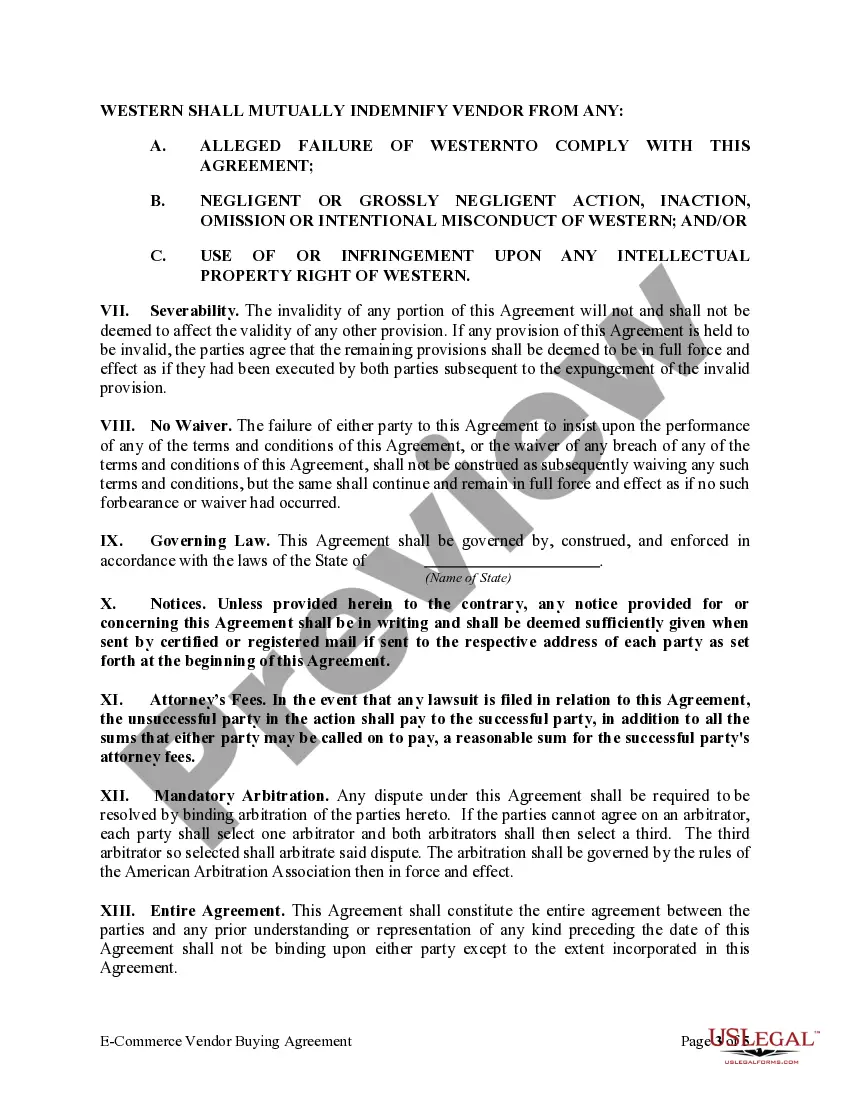
Illinois E-Commerce Vendor Buying Agreement
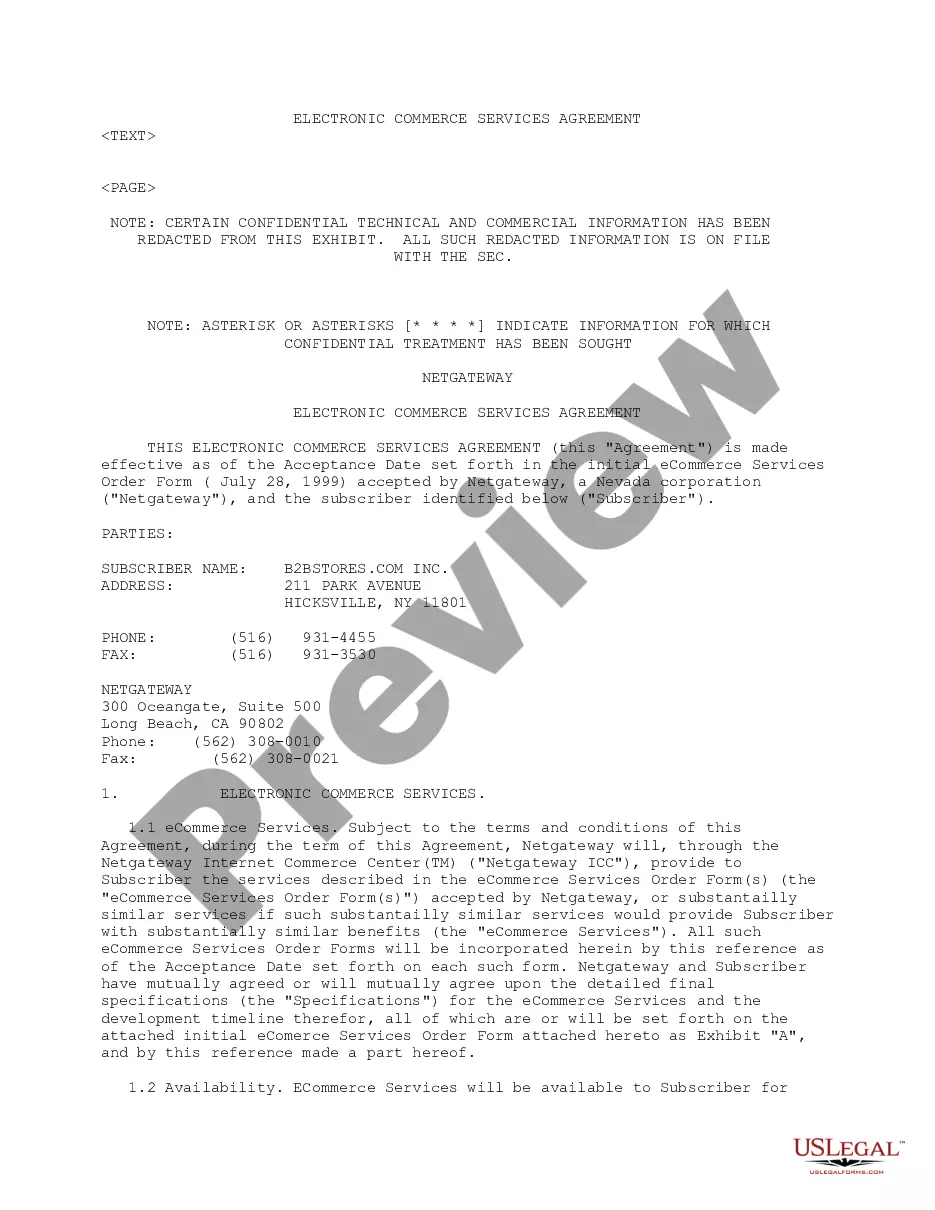
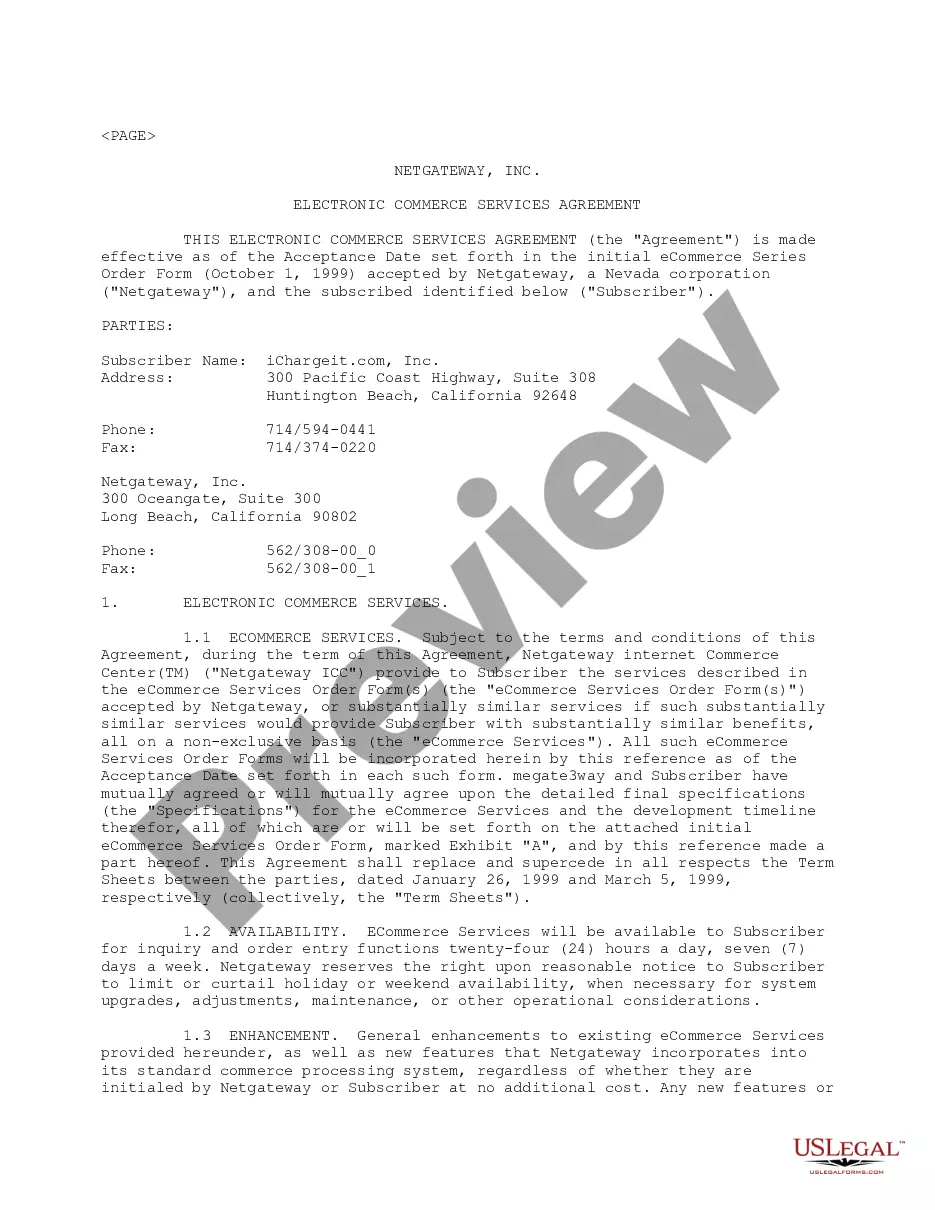
Description

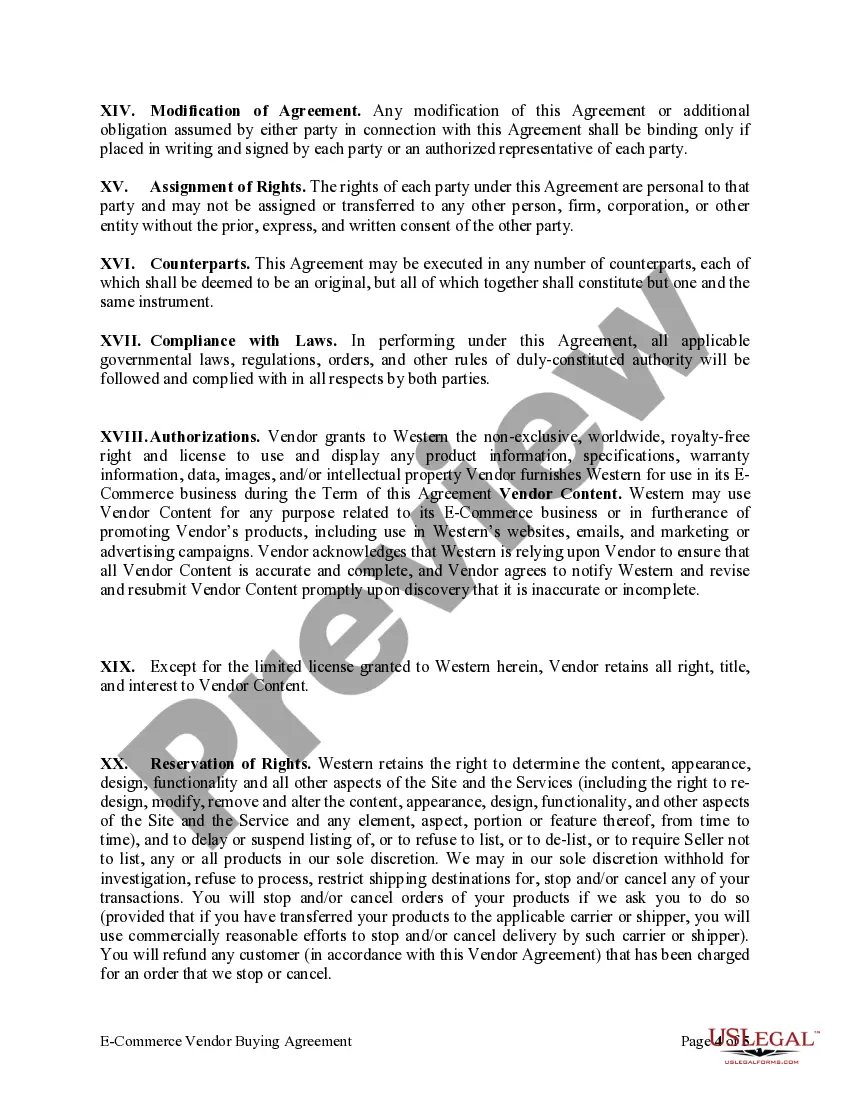
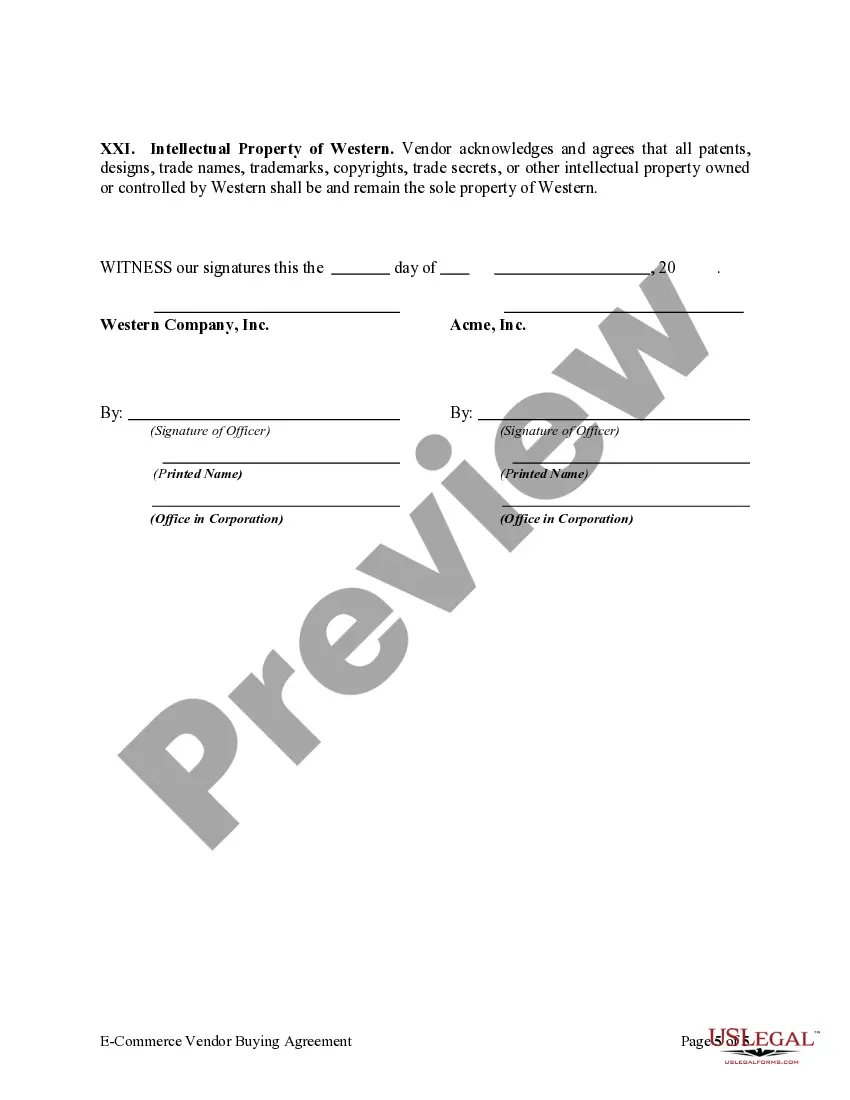
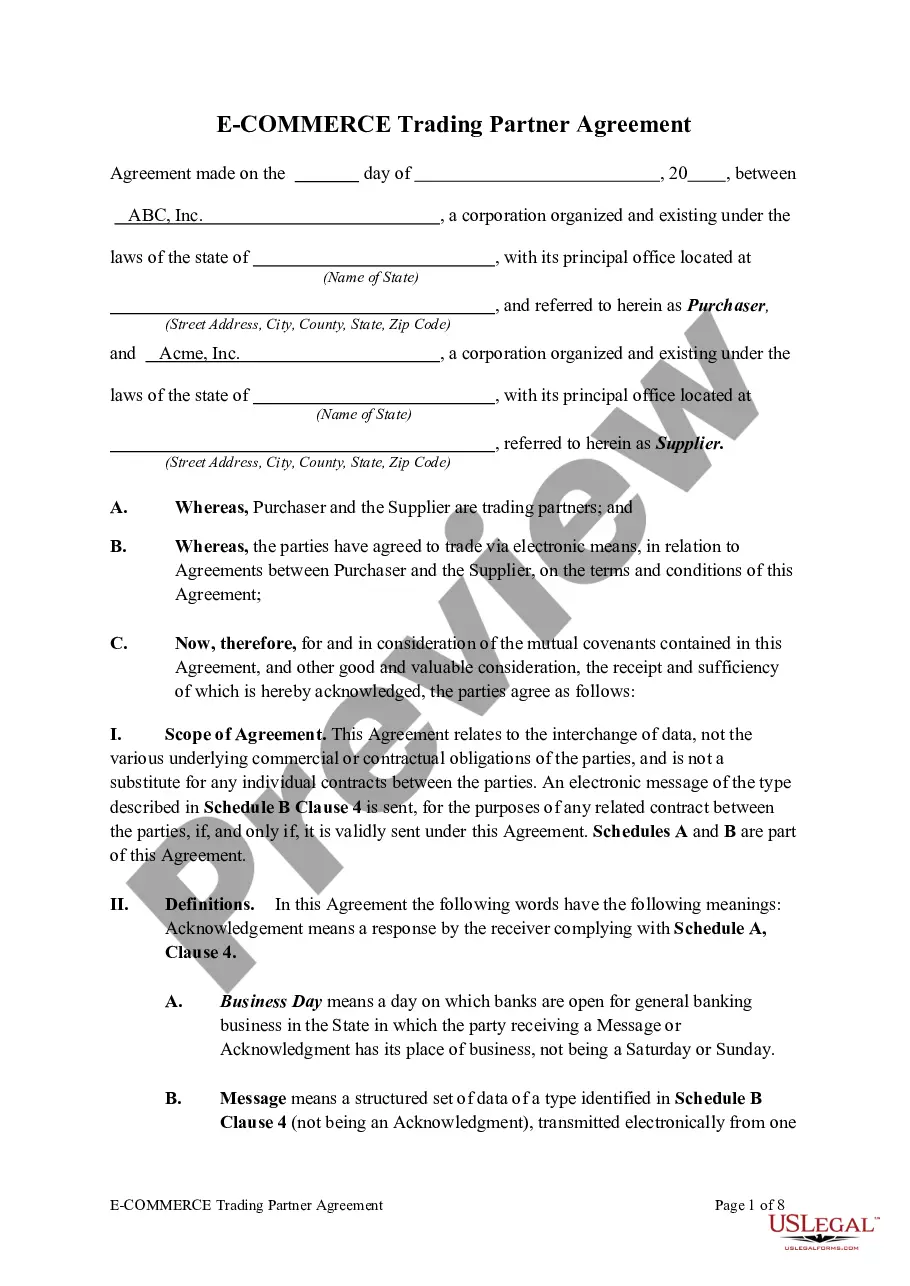
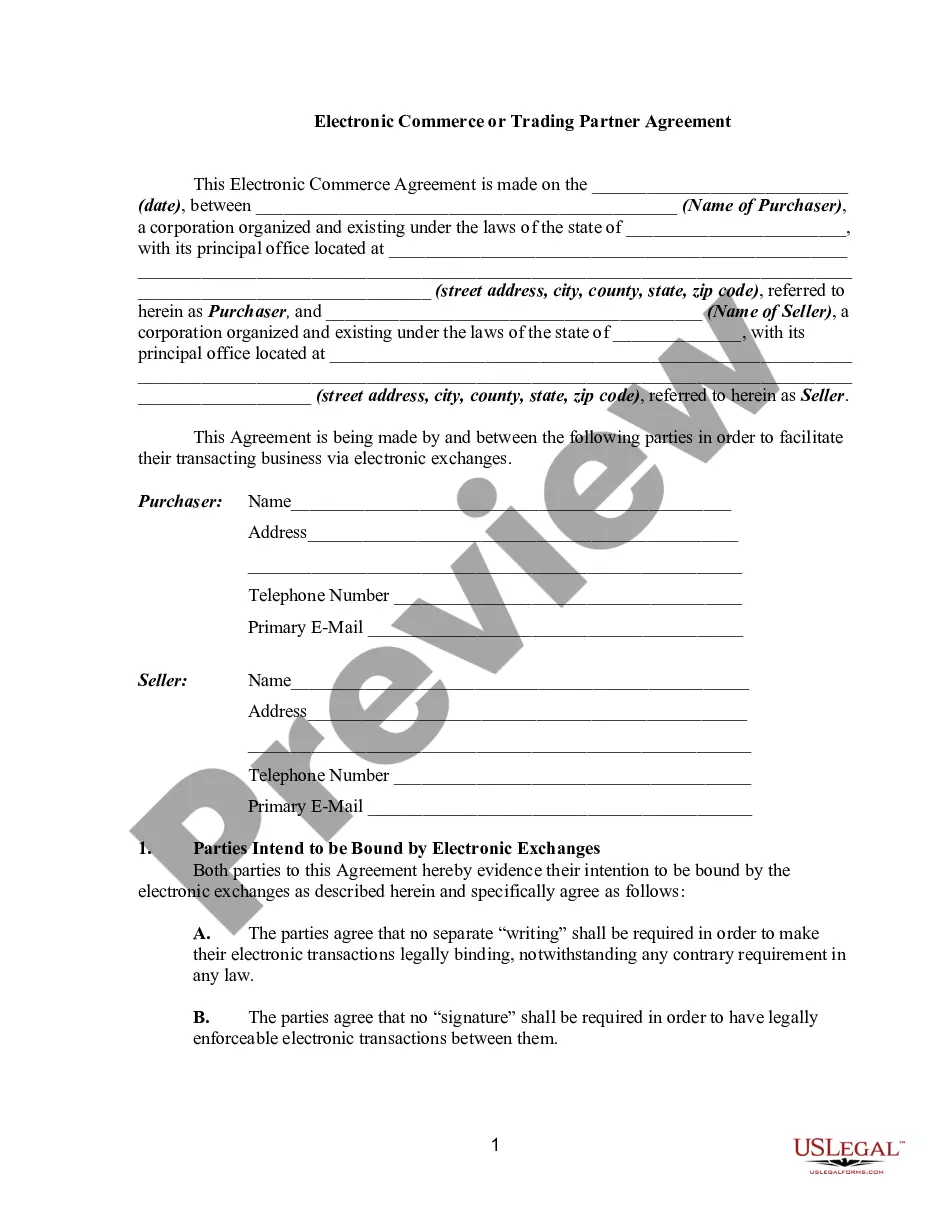
Get your form ready online
Our built-in tools help you complete, sign, share, and store your documents in one place.
Make edits, fill in missing information, and update formatting in US Legal Forms—just like you would in MS Word.
Download a copy, print it, send it by email, or mail it via USPS—whatever works best for your next step.
Sign and collect signatures with our SignNow integration. Send to multiple recipients, set reminders, and more. Go Premium to unlock E-Sign.
If this form requires notarization, complete it online through a secure video call—no need to meet a notary in person or wait for an appointment.
We protect your documents and personal data by following strict security and privacy standards.

Make edits, fill in missing information, and update formatting in US Legal Forms—just like you would in MS Word.

Download a copy, print it, send it by email, or mail it via USPS—whatever works best for your next step.

Sign and collect signatures with our SignNow integration. Send to multiple recipients, set reminders, and more. Go Premium to unlock E-Sign.

If this form requires notarization, complete it online through a secure video call—no need to meet a notary in person or wait for an appointment.

We protect your documents and personal data by following strict security and privacy standards.
Looking for another form?
How to fill out E-Commerce Vendor Buying Agreement?
Are you in a situation where you need documents for either business or personal purposes almost every day.
There are numerous legal document templates available online, but finding reliable ones is not easy.
US Legal Forms provides a vast array of form templates, including the Illinois E-Commerce Vendor Purchasing Agreement, designed to comply with state and federal regulations.
Once you find the right form, click Purchase now.
Select a payment plan you prefer, fill in the required details to create your account, and complete the transaction using your PayPal or credit card.
- If you are already familiar with the US Legal Forms website and have an account, simply Log In.
- Then, you can download the Illinois E-Commerce Vendor Purchasing Agreement template.
- If you do not have an account and wish to start using US Legal Forms, follow these instructions.
- Obtain the form you need and ensure it is for the correct city/region.
- Utilize the Preview button to inspect the document.
- Review the summary to confirm that you have selected the right form.
- If the form is not what you’re looking for, use the Search section to find the document that meets your needs and requirements.
Form popularity
FAQ
In Illinois, a seller may have the option to back out of a contract under specific circumstances, such as fraud, misrepresentation, or mutual agreement. However, doing so can lead to legal consequences, including potential damages. It is crucial to review the terms outlined in the Illinois E-Commerce Vendor Buying Agreement to understand the implications of backing out. Consulting a legal expert or using US Legal Forms can provide clarity on your rights and obligations in such situations.
A vendor buying agreement is a legal contract between a seller and a buyer that outlines the terms of a sale. In the context of an Illinois E-Commerce Vendor Buying Agreement, it specifies the obligations of both parties, including payment terms, delivery schedules, and product specifications. This agreement helps to create a clear understanding, reducing the likelihood of disputes. Using a reliable platform like US Legal Forms can simplify the process of drafting and managing these agreements.
Vendor agreements and supplier agreements serve different purposes in business transactions. A vendor agreement typically involves a business that sells goods or services directly to consumers, while a supplier agreement is focused on the relationship between a manufacturer and the business that sells its products. Understanding these distinctions is crucial when drafting your Illinois E-Commerce Vendor Buying Agreement, as it impacts the terms and conditions you will need to include.
lawyer can draft an agreement, but it’s crucial to understand the legal implications and requirements. An Illinois ECommerce Vendor Buying Agreement should be clear and comprehensive to avoid future disputes. Utilizing resources like US Legal Forms can help ensure your agreement meets legal standards while being userfriendly.
Yes, you can write your own legally binding contract, provided it meets the necessary legal requirements. Ensure that your Illinois E-Commerce Vendor Buying Agreement includes essential elements like offer, acceptance, and consideration. For added assurance, consider using templates from US Legal Forms to guide your drafting process.
BidBuy Illinois is an online procurement system that facilitates purchasing for state agencies and eligible local governments. It streamlines the vendor registration process and enhances transparency in public procurement. If you plan to participate in these opportunities, having a solid Illinois E-Commerce Vendor Buying Agreement can help you present your terms effectively.
To become a vendor in Illinois, you must first register your business with the state and obtain any necessary licenses or permits. Additionally, ensure that you have a clear Illinois E-Commerce Vendor Buying Agreement to outline your terms with buyers. Familiarizing yourself with local regulations will also help you operate smoothly and legally.
To create a vendor agreement, start by determining the terms and conditions you want to include, such as payment terms, delivery schedules, and quality standards. Next, use a template or consult resources, like US Legal Forms, to draft a clear and comprehensive document. Finally, ensure both parties review and sign the Illinois E-Commerce Vendor Buying Agreement to make it legally binding.
A supplier agreement focuses on the relationship between a business and its supplier, outlining the terms for sourcing products or materials. In contrast, an Illinois E-Commerce Vendor Buying Agreement establishes the terms for selling products or services through an online platform. Both agreements aim to clarify responsibilities, but they serve different roles in the supply chain.