Illinois Marital Legal Separation and Property Settlement Agreement Minor Children no Joint Property or Debts where Divorce Action Filed
About this form
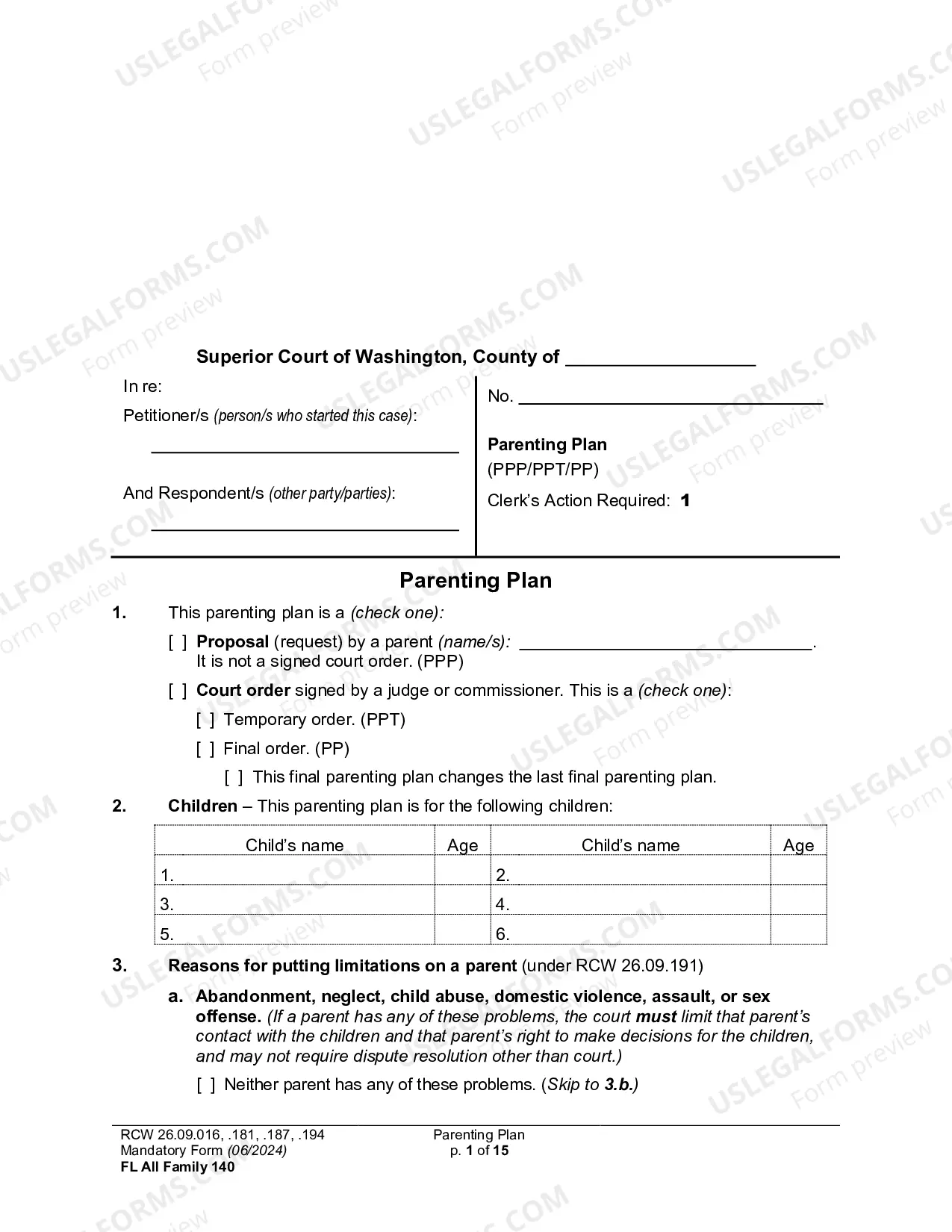
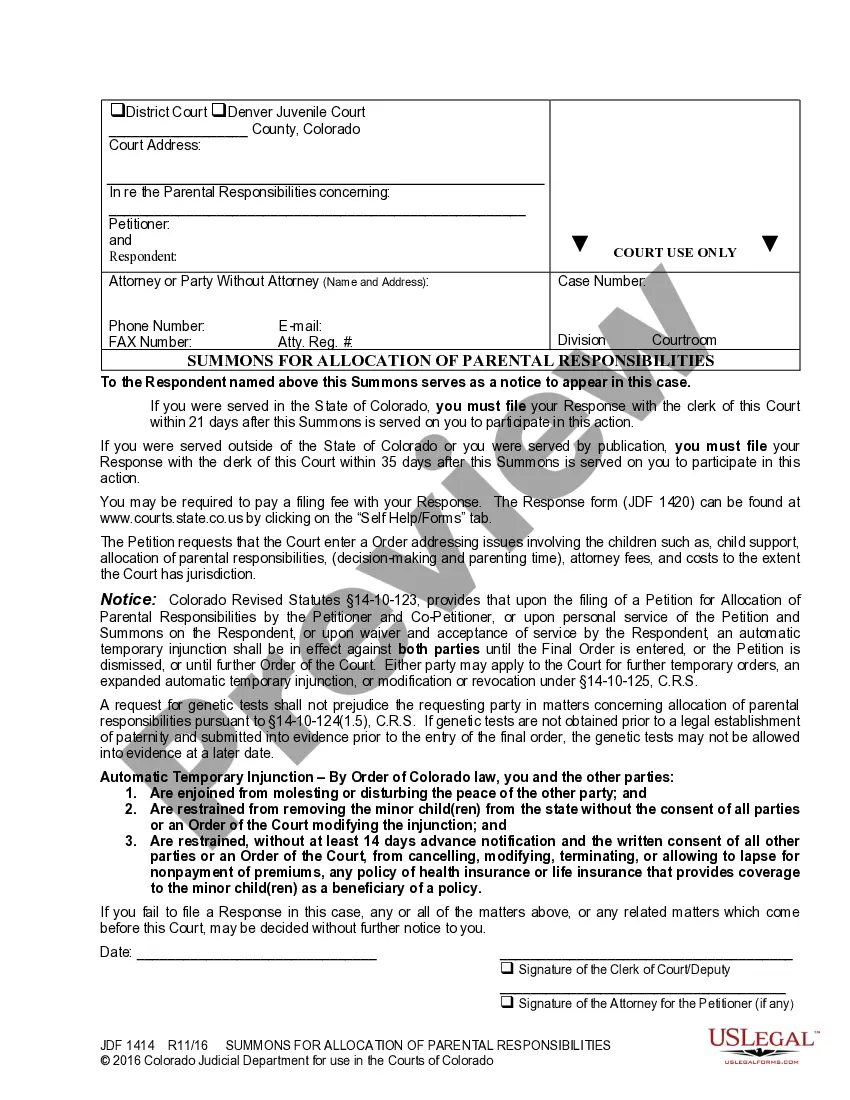
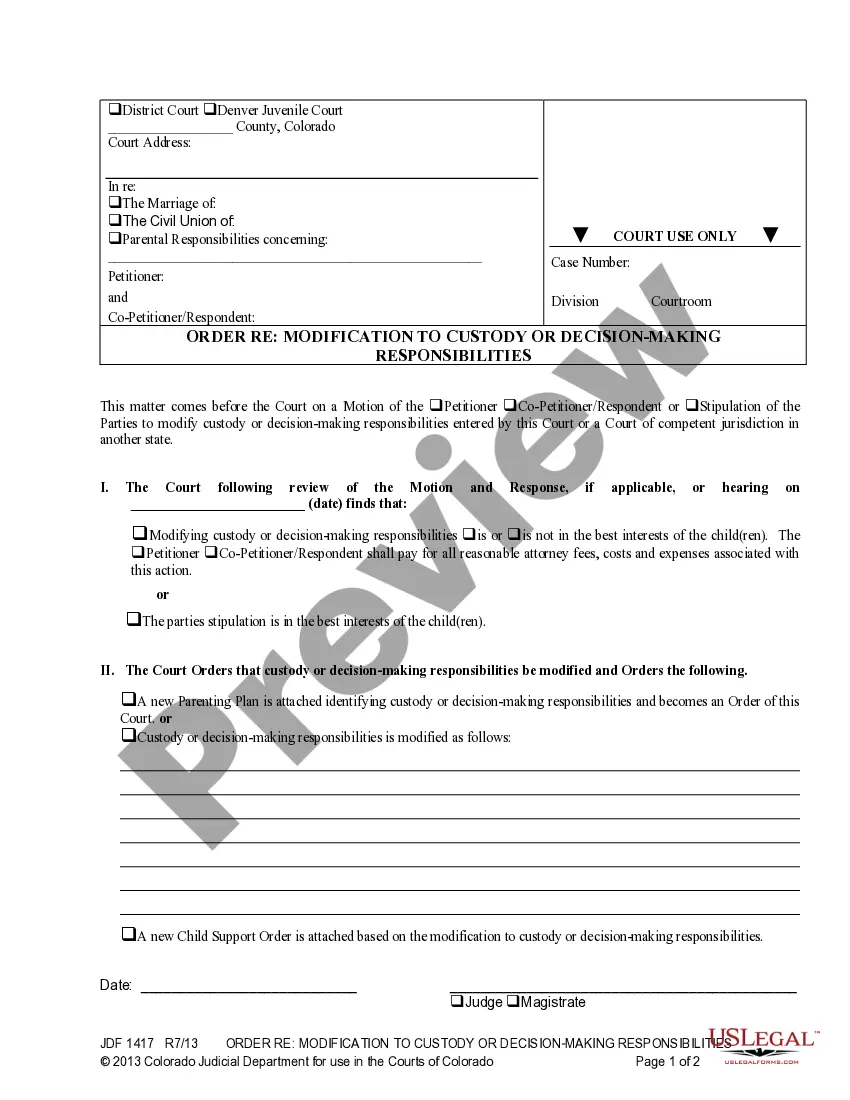
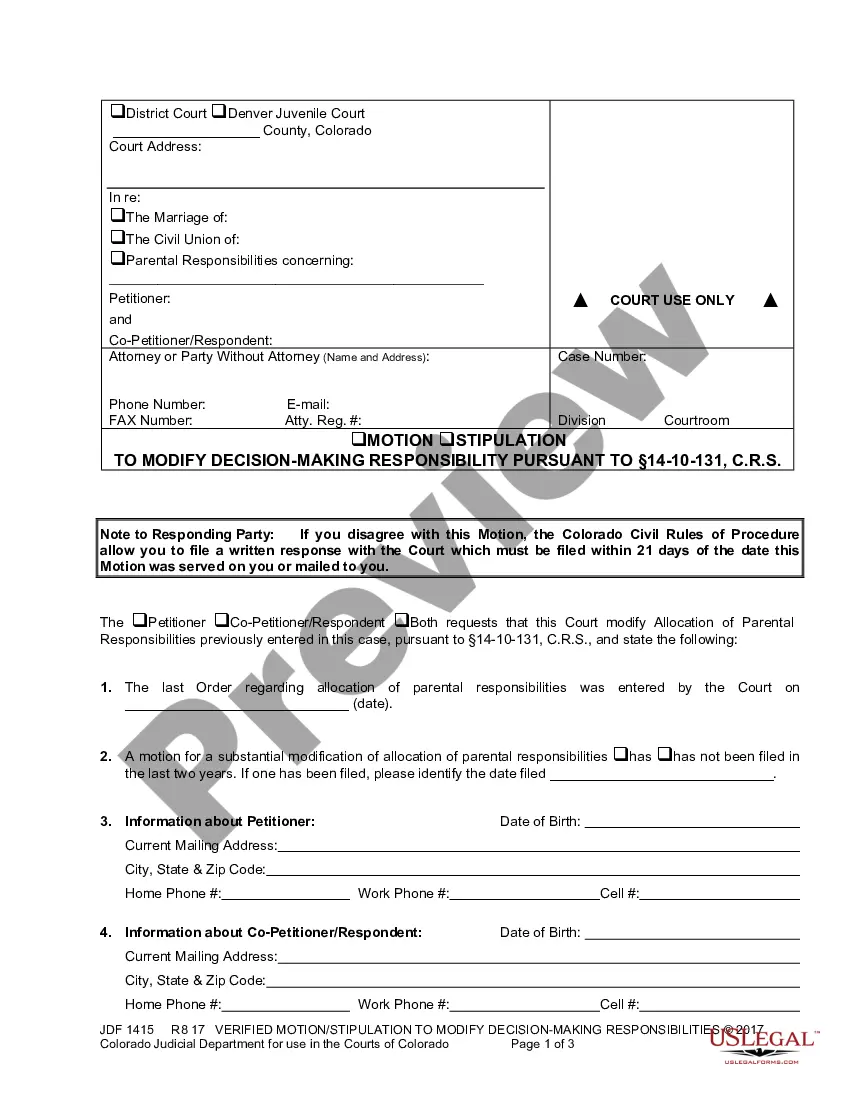
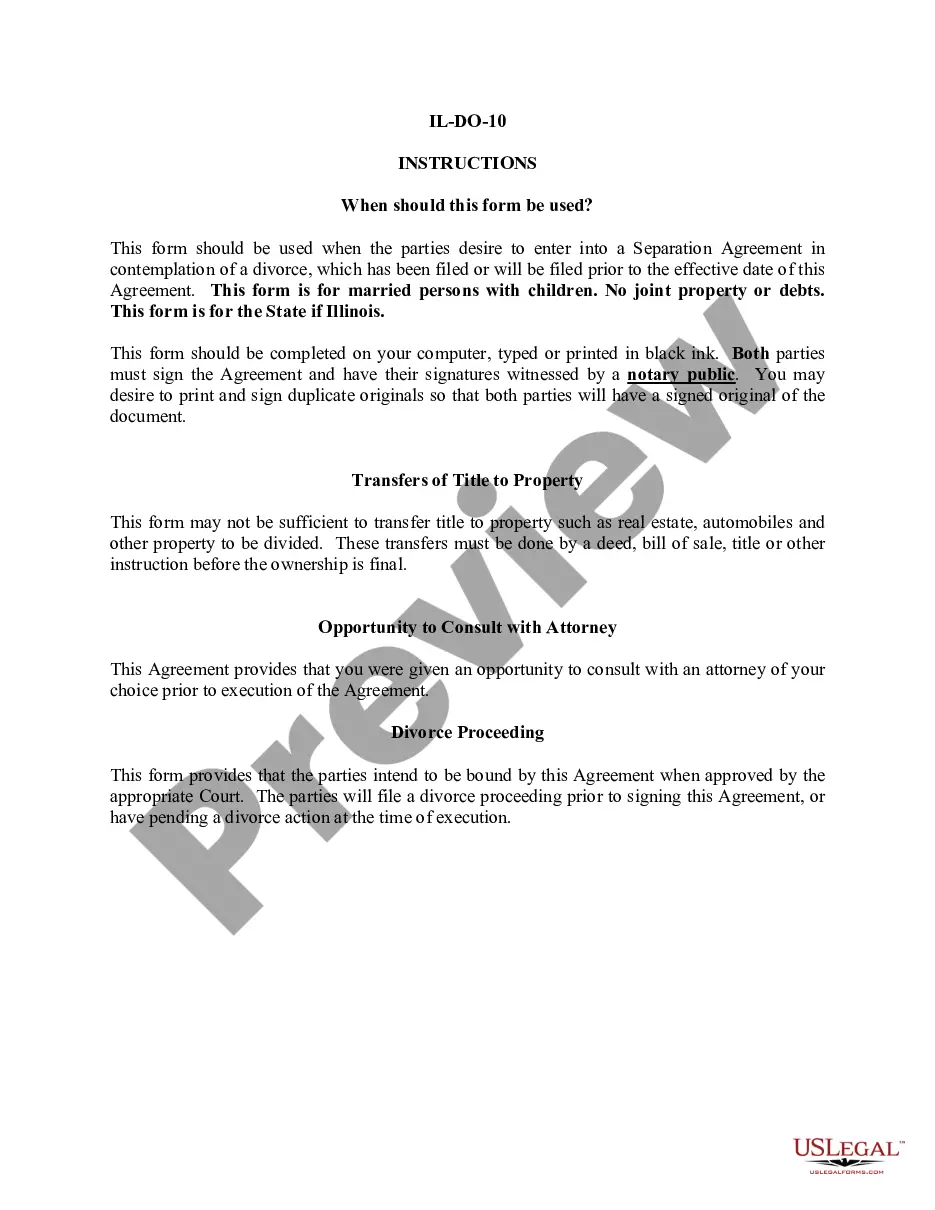
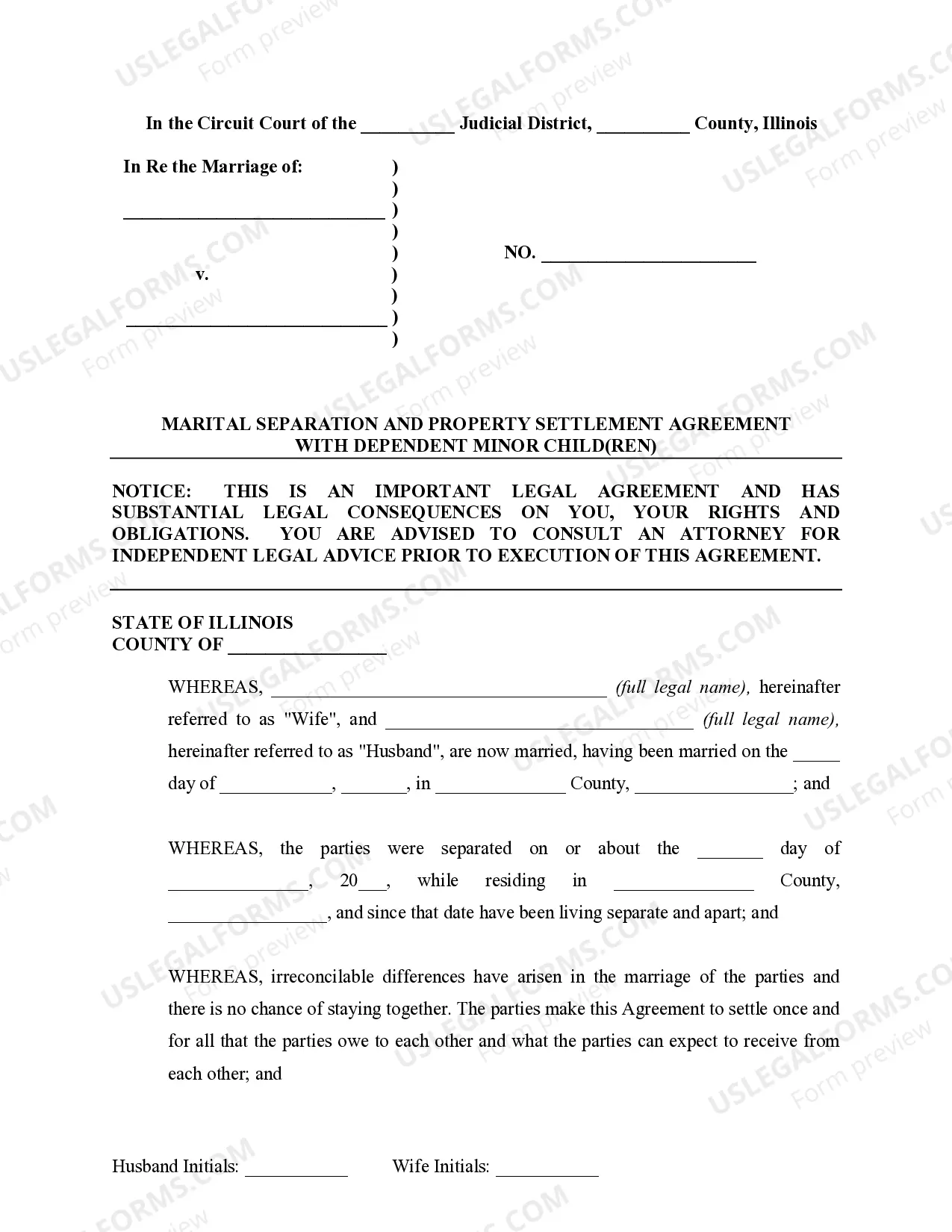
This Marital Legal Separation and Property Settlement Agreement is a legally binding document designed for couples with minor children, who are undergoing a divorce and do not have any joint property or debts. It outlines the terms of separation, child custody, visitation rights, and child support. This form specifically addresses the unique needs of parents during a divorce, distinguishing it from other general separation agreements.
What’s included in this form
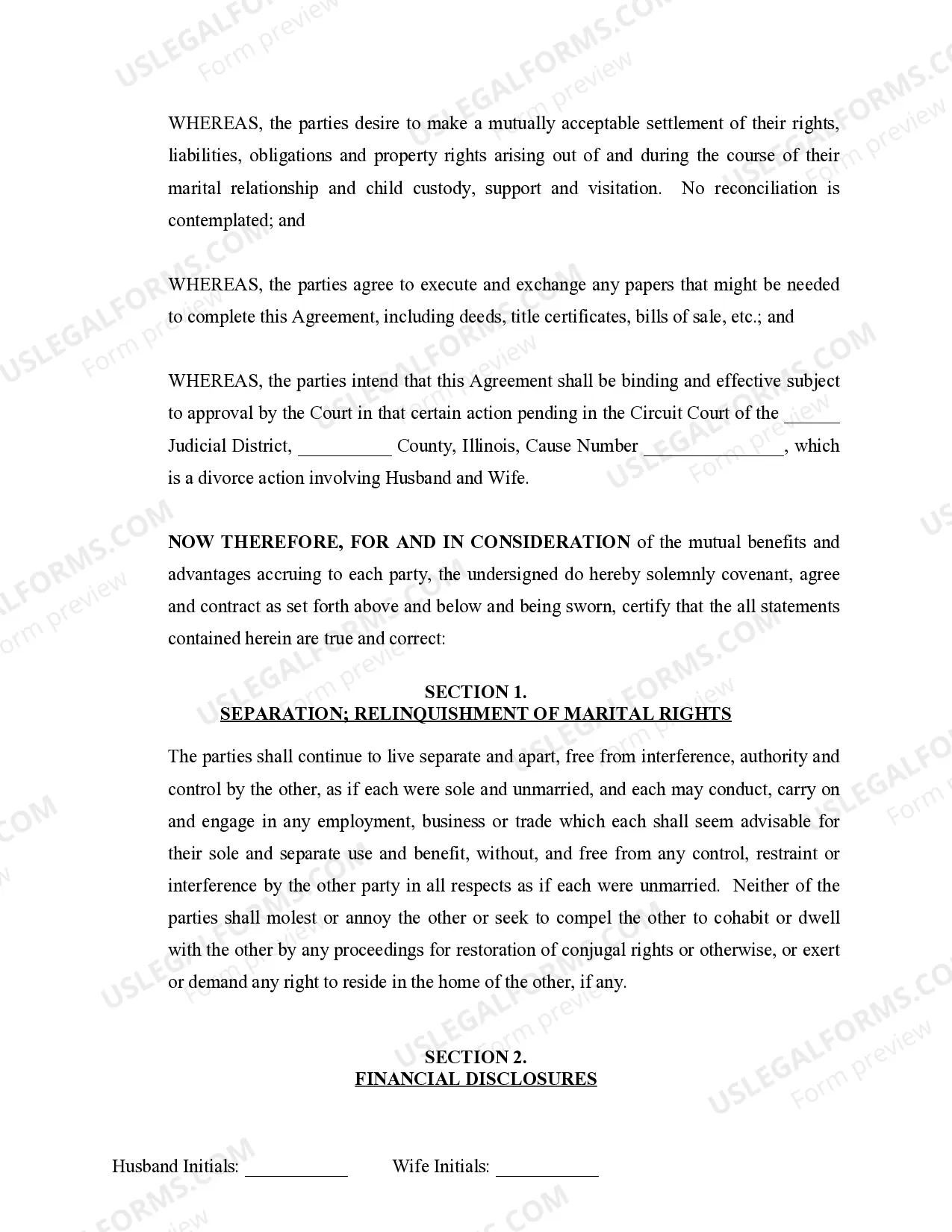
- Separation and relinquishment of marital rights.
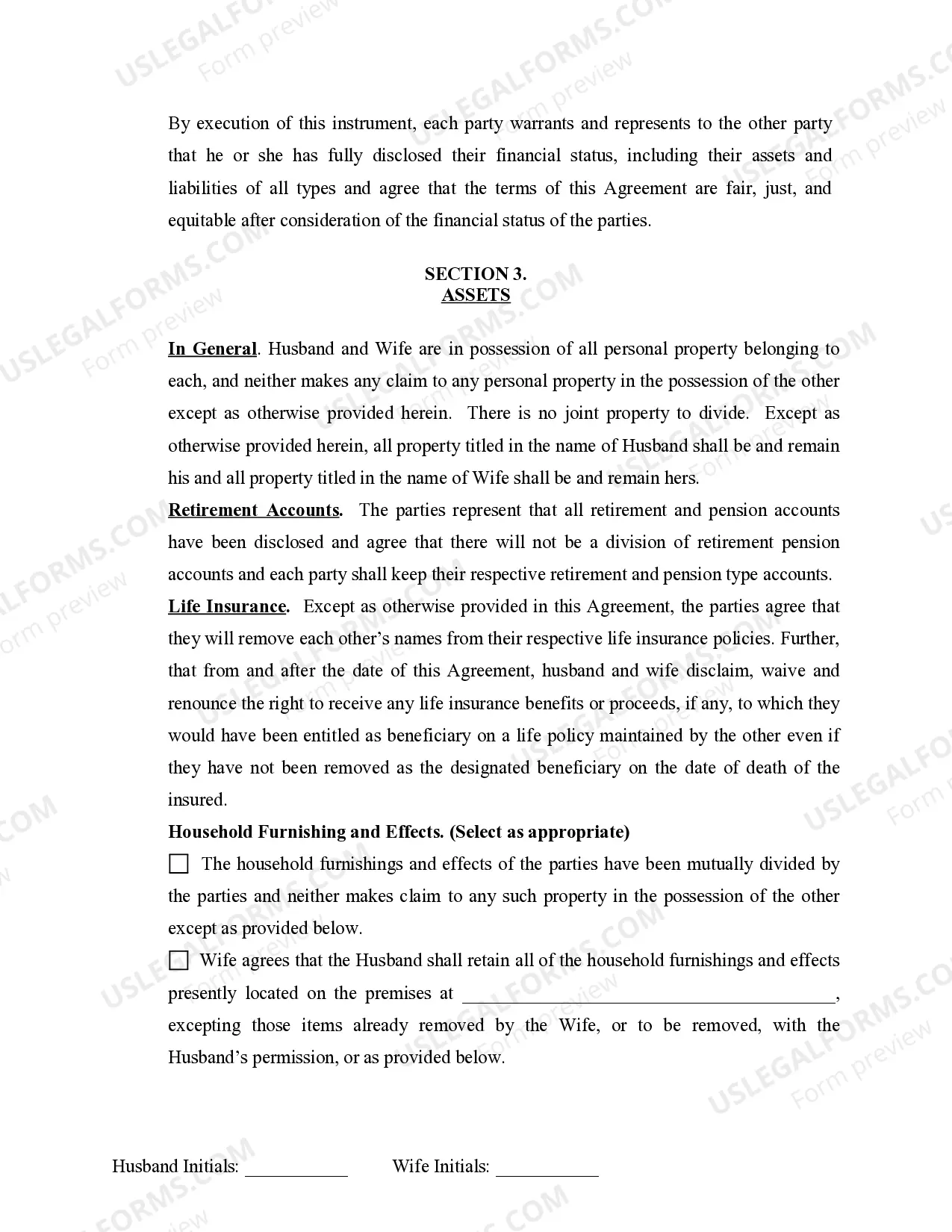
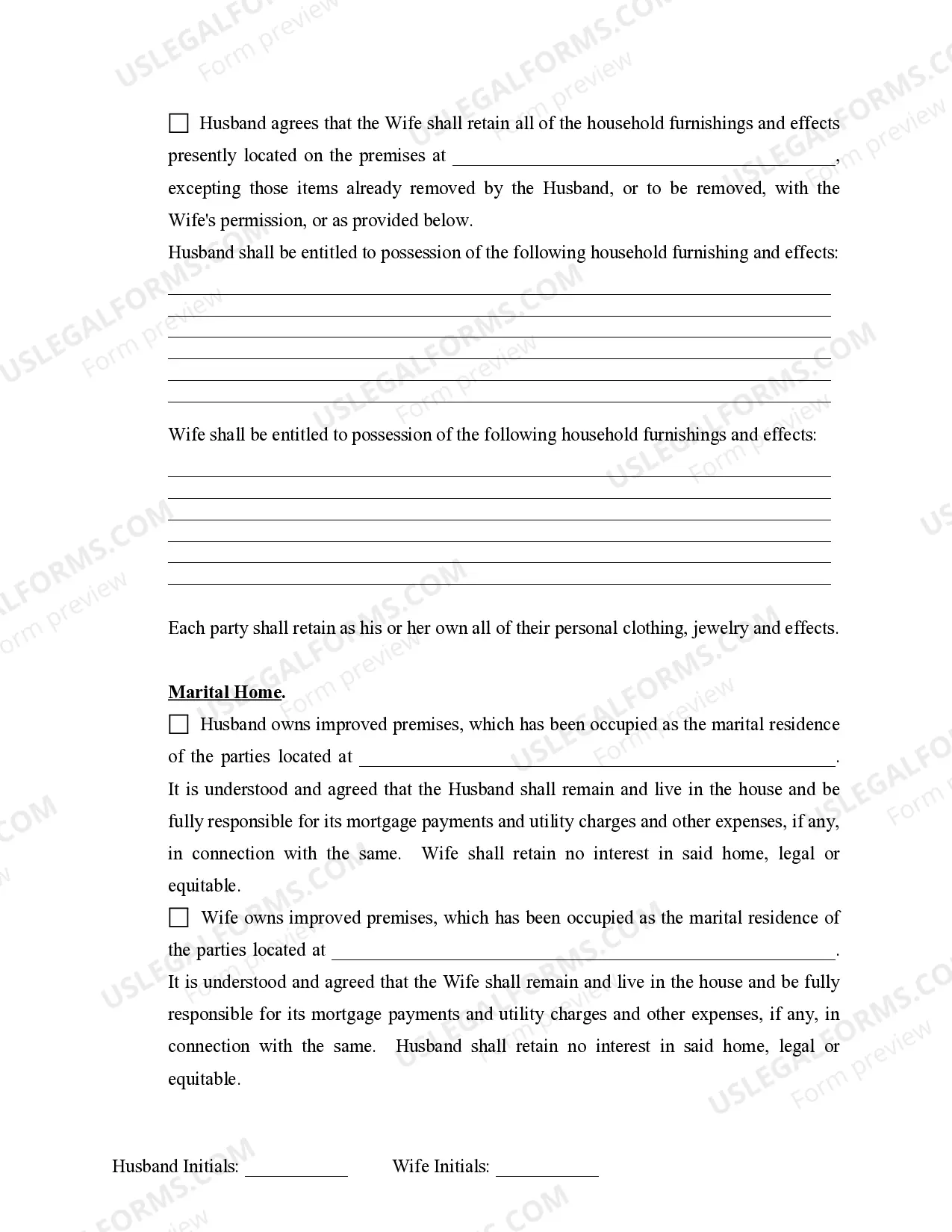
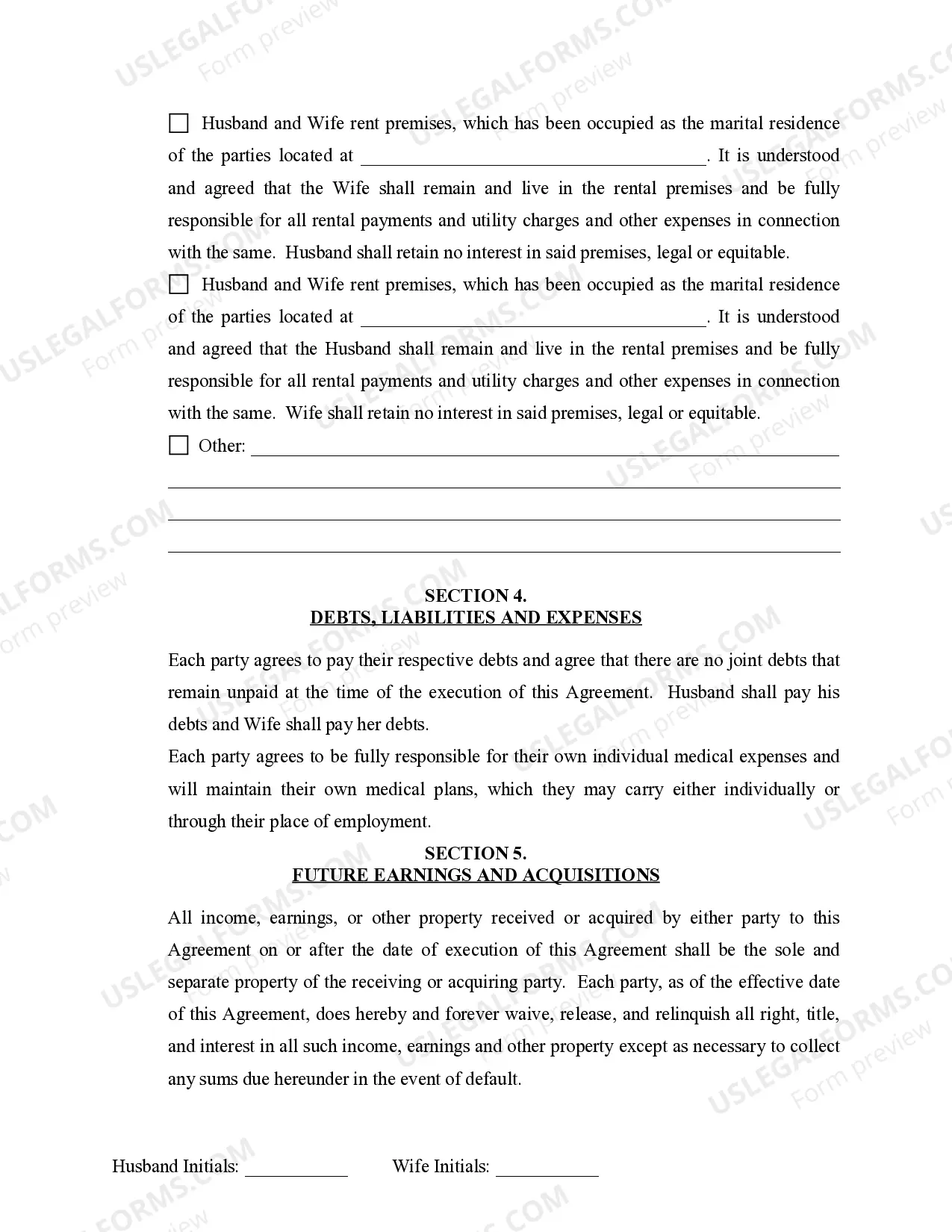
- Detailed financial disclosures related to assets and debts.
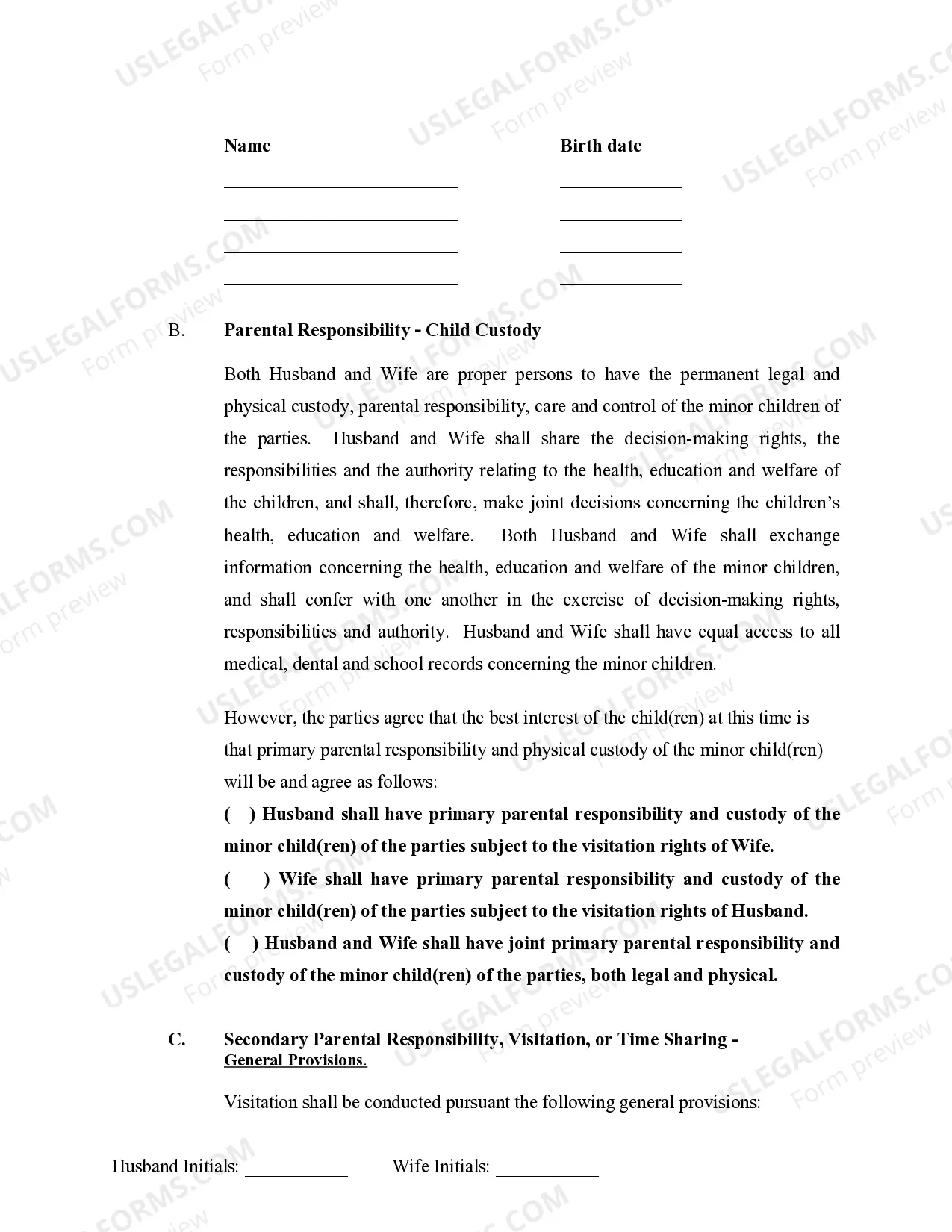
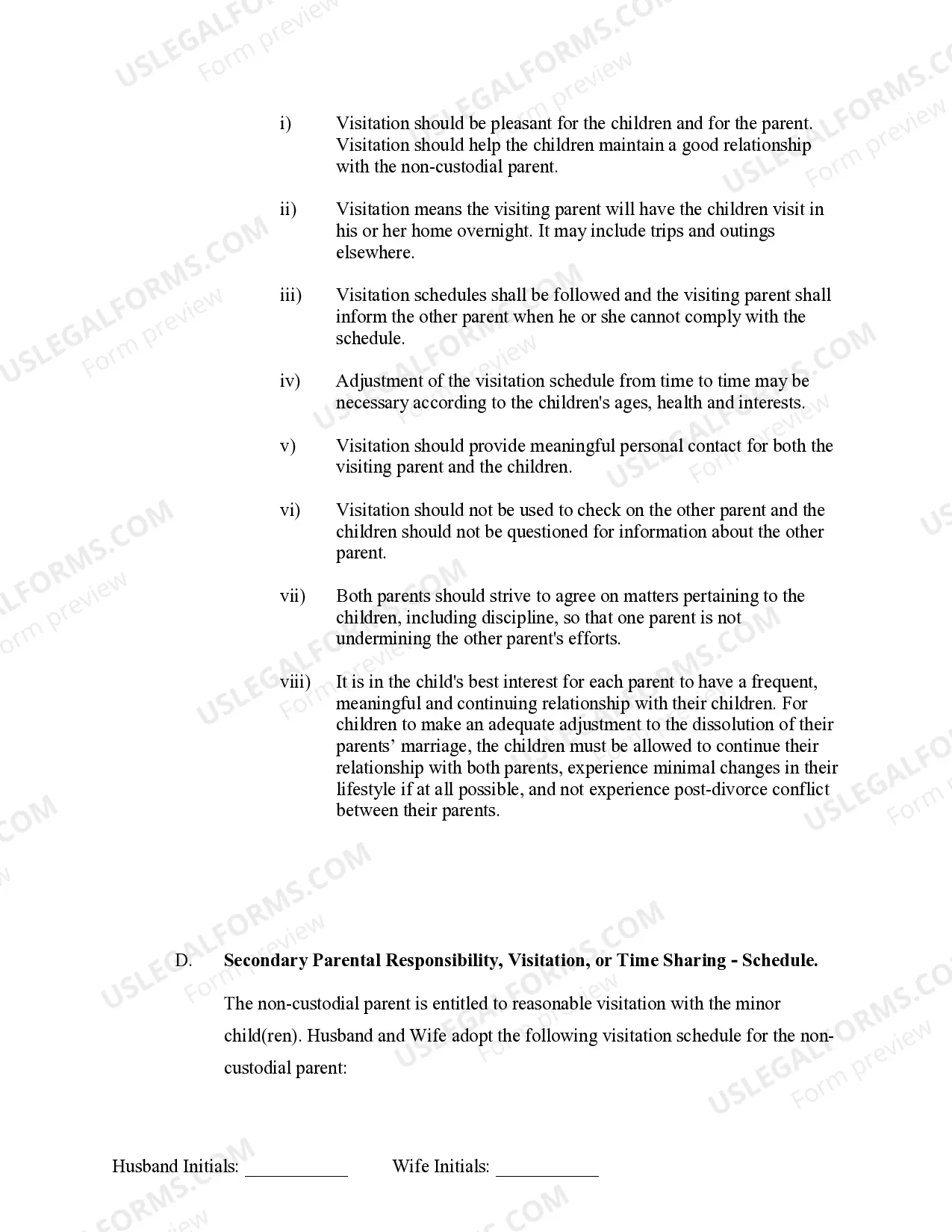
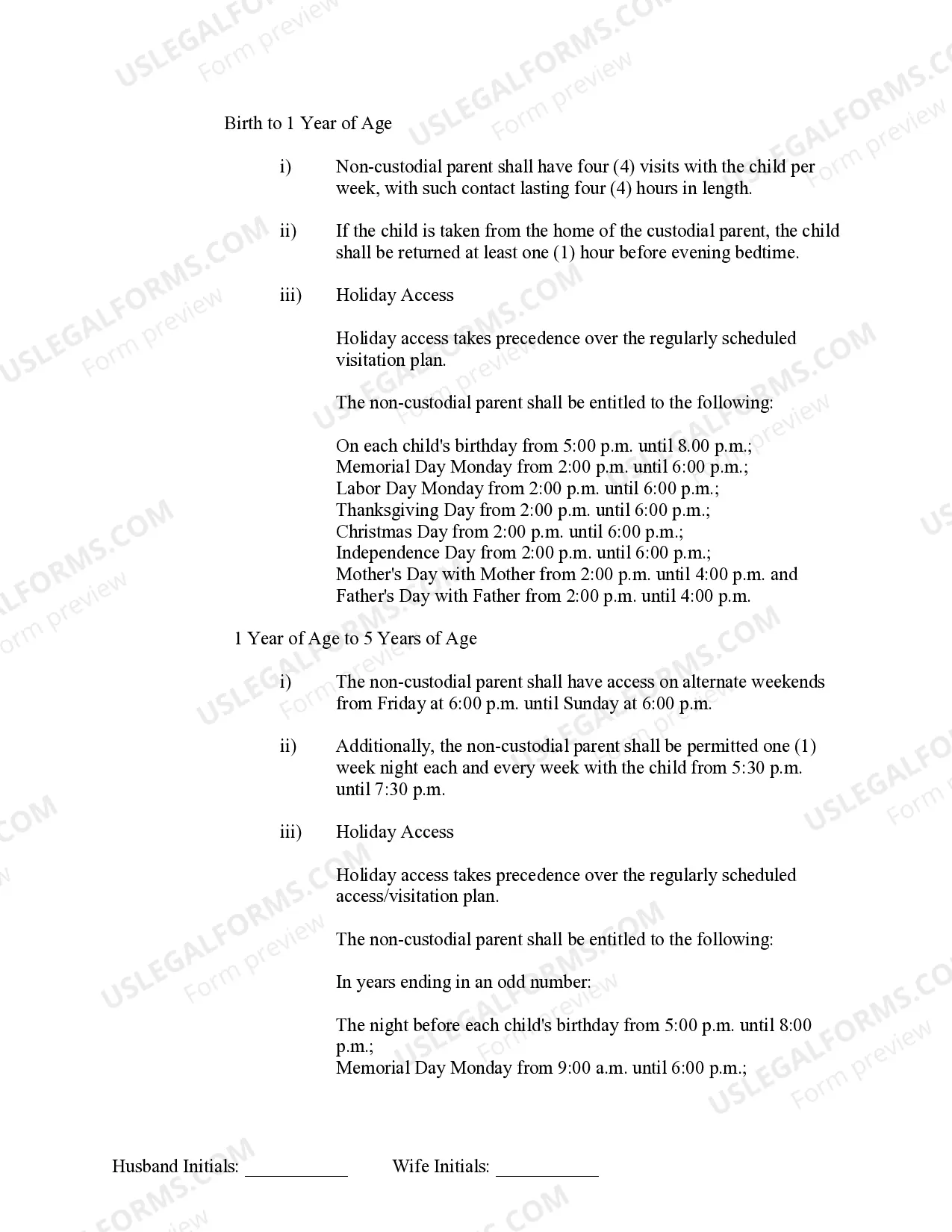
- Provisions for child custody and visitation schedules.
- Child support obligations and arrangements for health and dental insurance.
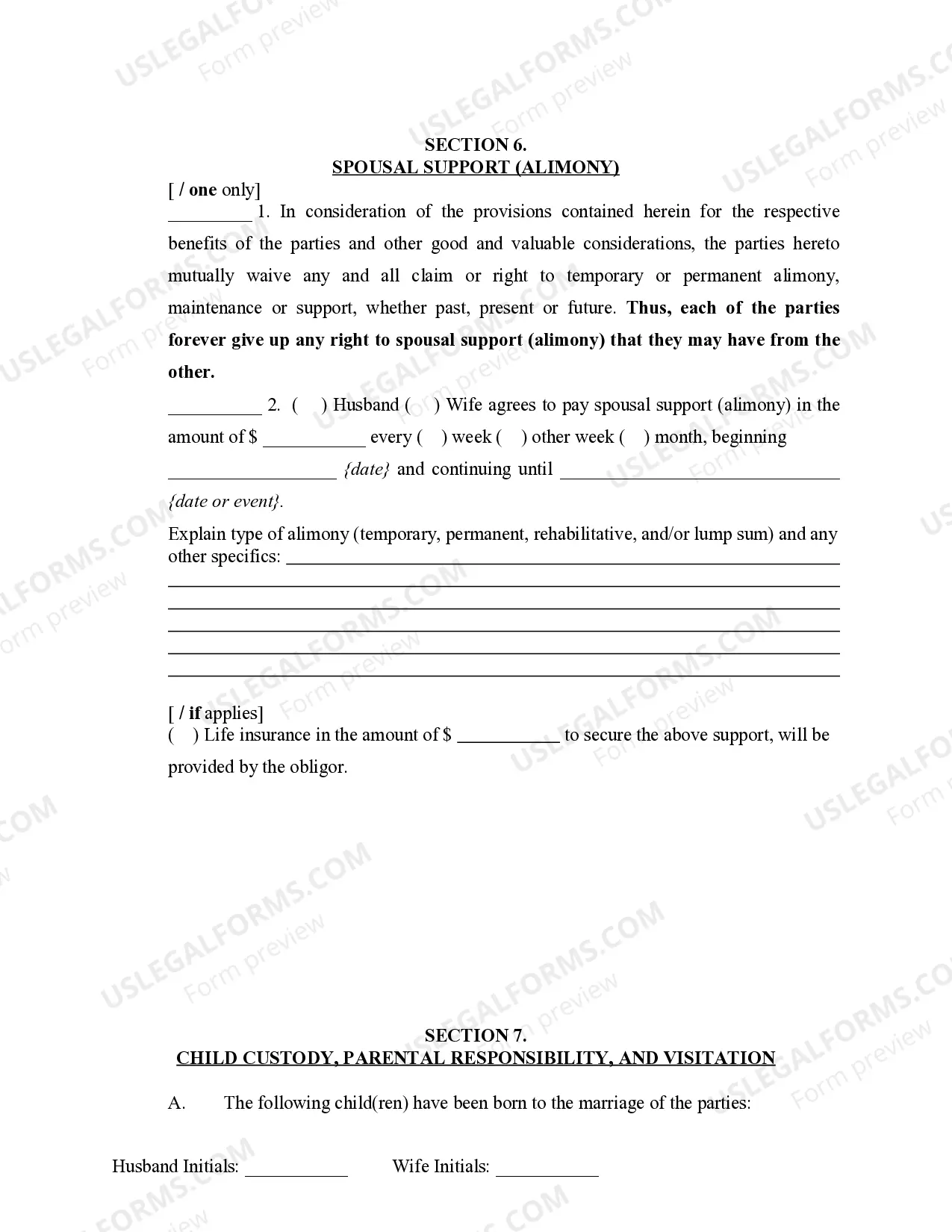
- Terms for alimony and spousal support, if applicable.

Situations where this form applies
This form should be used when married couples with minor children wish to formalize their separation prior to divorce, particularly when there are no shared assets or debts. It is particularly useful when a divorce action is already filed or anticipated. Couples can clarify child custody and support issues, ensuring that all critical areas of concern are settled amicably.
Who this form is for
This form is intended for:
- Married couples with minor children who are contemplating divorce.
- Parties without joint property or debts to settle.
- Individuals seeking a structured agreement on custody and support matters.
How to complete this form
- Identify and enter the names of both parties involved in the agreement.
- Detail the terms of custody and visitation arrangements for minor children.
- Specify amounts for child support and responsibilities for health insurance.
- Both parties must sign the document in the presence of a notary public.
- Consider keeping duplicate originals for each party.
Does this form need to be notarized?
Yes, this form must be notarized to be legally valid. Having a notary public witness signatures ensures that the agreement is authenticated and recognized in a court of law. US Legal Forms provides integrated online notarization services for convenience.
Get your form ready online
Our built-in tools help you complete, sign, share, and store your documents in one place.
Make edits, fill in missing information, and update formatting in US Legal Forms—just like you would in MS Word.
Download a copy, print it, send it by email, or mail it via USPS—whatever works best for your next step.
Sign and collect signatures with our SignNow integration. Send to multiple recipients, set reminders, and more. Go Premium to unlock E-Sign.
If this form requires notarization, complete it online through a secure video call—no need to meet a notary in person or wait for an appointment.
We protect your documents and personal data by following strict security and privacy standards.

Make edits, fill in missing information, and update formatting in US Legal Forms—just like you would in MS Word.

Download a copy, print it, send it by email, or mail it via USPS—whatever works best for your next step.

Sign and collect signatures with our SignNow integration. Send to multiple recipients, set reminders, and more. Go Premium to unlock E-Sign.

If this form requires notarization, complete it online through a secure video call—no need to meet a notary in person or wait for an appointment.

We protect your documents and personal data by following strict security and privacy standards.
Avoid these common issues
- Failing to fully disclose financial information, which can lead to disputes later.
- Not specifying clear visitation rights, which can cause confusion in the future.
- Overlooking notary requirements, potentially invalidating the agreement.
- Neglecting to discuss and agree on child support amounts before signing.
Benefits of completing this form online
- Convenient access to legal forms without the need for in-person meetings.
- Editable templates allow for customization according to individual needs.
- Expertly drafted by licensed attorneys to ensure legal validity.
- Time-saving and cost-effective solution for managing legal agreements.
Legal use & context
- This agreement is enforceable in a divorce proceeding when properly executed.
- It protects the rights of both parties concerning child custody and support.
- Any modifications post-signing require court approval.
- Failing to adhere to the agreement can lead to legal disputes in court.
Summary of main points
- The Marital Legal Separation and Property Settlement Agreement is crucial for couples with minor children separating before divorce.
- Clear terms on custody and child support help prevent future disputes.
- This form is designed specifically for Illinois laws and requirements.
- Notarization is necessary for the agreement to be valid and enforceable.
Looking for another form?
Form popularity
FAQ
Illinois is not a community property state, and everything from money to assets and estate acquired during the time a couple was married is presumed to be part of the marriage. However, what is considered as equitable may vary in different cases based on their unique circumstances.
In California, each spouse or partner owns one-half of the community property. And, each spouse or partner is responsible for one-half of the debt. Community property and community debts are usually divided equally.
Make an informal agreement. make a financial agreement. (link is external) get a consent order from the court.
What Rights do Spouses Have During Separation? In a legal separation proceeding, a court can decide matters such as child custody and support, alimony and property division. However, as stated above, the spouses will remain legally married and cannot remarry unless and until they get a divorce.
The assets of the relationship are split when the financial settlement is completed. This can be a long time after the actual separation. Therefore, it is important that the assets of the relationship are protected and preserved until the financial separation process is completed.
When you're married you're automatically entitled to a share of your partner's assets. This means you have a legal right over the property, even if you're not the legal owner. If you want to protect assets that you bring into the marriage, you should consider getting a Prenuptial or Postnuptial Agreement.
Though the term non-marital property often refers to any personal or real property owned prior to, and brought into the marriage, it can also refer to things such as inheritances and gifts made to only one spouse.
Related Content. Property that is unlikely to be shared between the parties on the breakdown of the marriage or civil partnership unless it is required to meet needs. Generally non-matrimonial property is: Acquired by one party before the marriage.
Mistake #1: using your divorce proceedings to get back at your spouse. mistake #2: confusing material needs with emotional needs. mistake #3: letting other people define and prioritize your needs. mistake #4: embarking on an adversarial process without. mistake #5: not thinking about the family's finances as a whole.