Idaho Assignment to Living Trust
Understanding this form
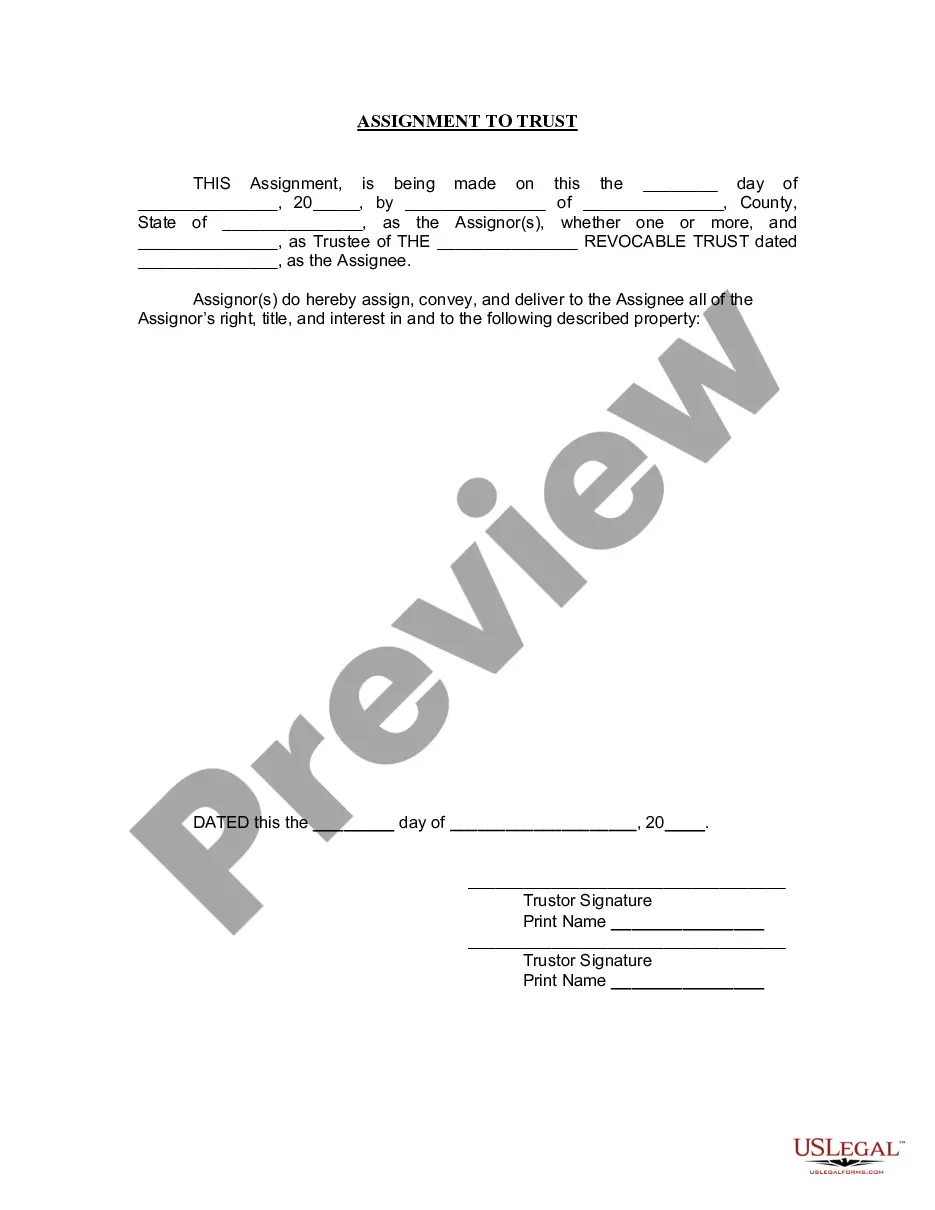
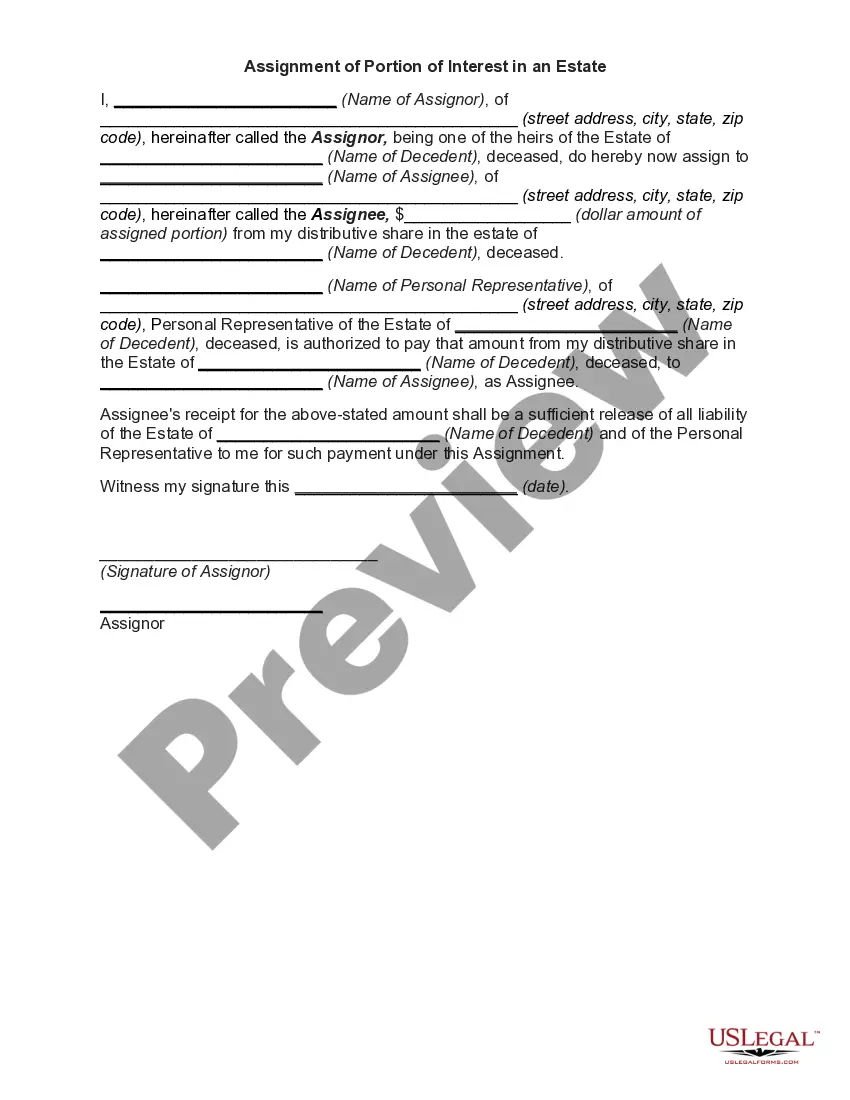
The Assignment to Living Trust form is a legal document that transfers ownership of specific property to a Living Trust. A Living Trust is established during a person's lifetime, allowing them to manage their assets effectively and facilitate estate planning. This form is essential for ensuring that your property is clearly designated to the trust, which simplifies the distribution of assets after your death.
Main sections of this form
- Assignor(s): The person or people transferring property to the trust.
- Assignee: The Trustee of the Living Trust who will manage the property.
- Specific property description: A clear identification of the assets being transferred.
- Signature section: Includes spaces for signatures of both the Assignor and Trustee.
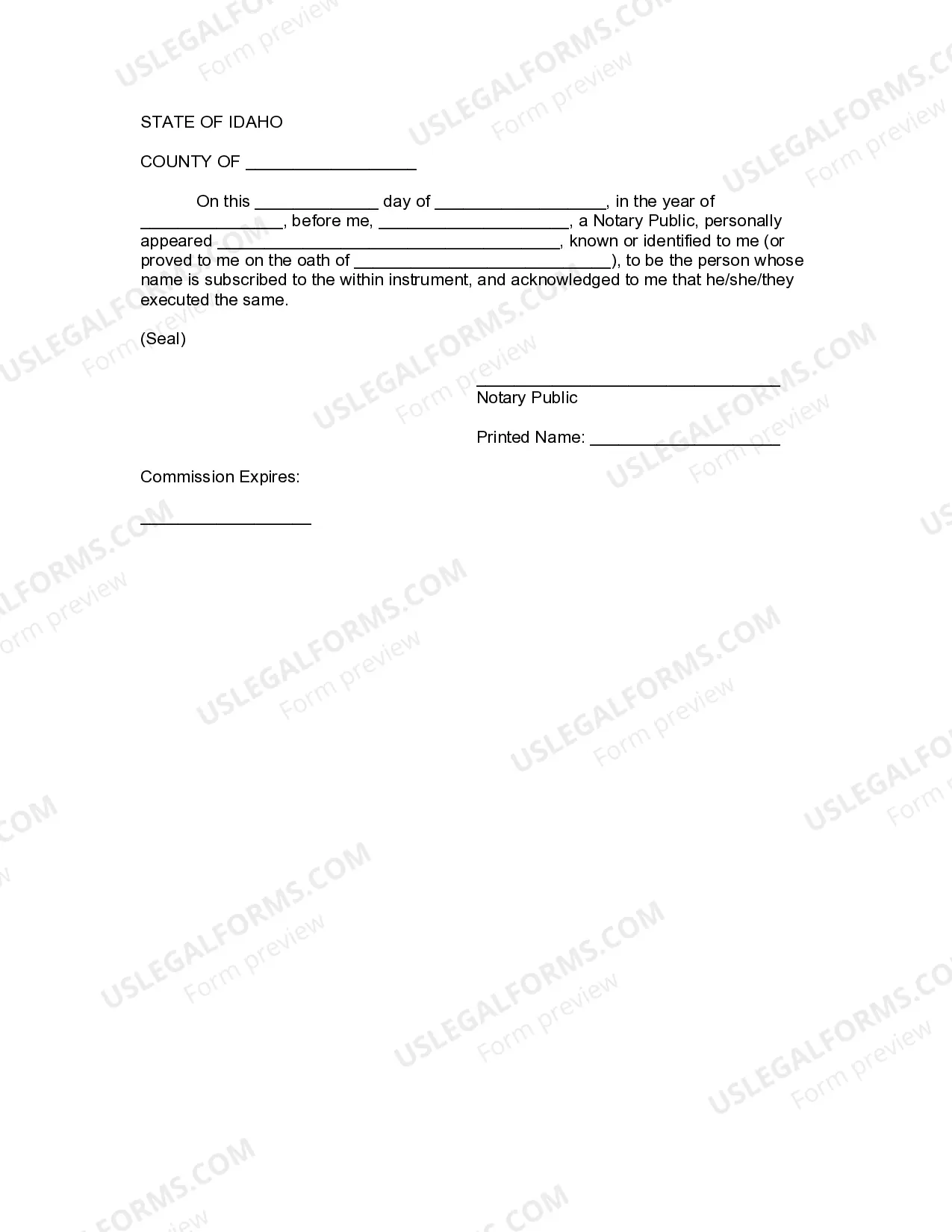
- Notary public acknowledgment: A section for notarization to validate the signing of the document.


When to use this document
You should use the Assignment to Living Trust form when you want to transfer specific assets into your Living Trust. This is particularly useful during estate planning to avoid probate and ensure a smoother transition of your property to your heirs. Situations may include transferring real estate, bank accounts, or other valuable personal property into the trust.
Who this form is for
- Individuals establishing or maintaining a Living Trust.
- Owners of property that need to be transferred into a trust for estate planning purposes.
- People looking to simplify the probate process for their beneficiaries.
Completing this form step by step
- Identify the parties involved: Fill in the names of the Assignor(s) and the Trustee.
- Specify the property: Clearly describe the assets being transferred into the Living Trust.
- Enter the date: Write the date on which the assignment is made.
- Sign the document: The Assignor must sign in the presence of a notary public.
- Obtain notarization: Have the document notarized to validate the assignment.
Is notarization required?
This document requires notarization to meet legal standards. US Legal Forms provides secure online notarization powered by Notarize, allowing you to complete the process through a verified video call, available 24/7.
Get your form ready online
Our built-in tools help you complete, sign, share, and store your documents in one place.
Make edits, fill in missing information, and update formatting in US Legal Forms—just like you would in MS Word.
Download a copy, print it, send it by email, or mail it via USPS—whatever works best for your next step.
Sign and collect signatures with our SignNow integration. Send to multiple recipients, set reminders, and more. Go Premium to unlock E-Sign.
If this form requires notarization, complete it online through a secure video call—no need to meet a notary in person or wait for an appointment.
We protect your documents and personal data by following strict security and privacy standards.

Make edits, fill in missing information, and update formatting in US Legal Forms—just like you would in MS Word.

Download a copy, print it, send it by email, or mail it via USPS—whatever works best for your next step.

Sign and collect signatures with our SignNow integration. Send to multiple recipients, set reminders, and more. Go Premium to unlock E-Sign.

If this form requires notarization, complete it online through a secure video call—no need to meet a notary in person or wait for an appointment.

We protect your documents and personal data by following strict security and privacy standards.
Common mistakes to avoid
- Failing to provide a clear and detailed description of the property being assigned.
- Not obtaining proper notarization, which can make the form invalid.
- Leaving out the signature of the Assignor, which is essential for the form's validity.
Why complete this form online
- Convenience: Download and complete the form from the comfort of your home.
- Editability: Easily fill in the necessary details and make changes as needed.
- Reliability: Forms are drafted by licensed attorneys to ensure compliance with legal standards.
Main things to remember
- The Assignment to Living Trust form helps transfer property into a living trust for estate planning.
- This document must be notarized for legal validity.
- Accurate completion is crucial to avoid common mistakes.
- Check state-specific requirements when preparing this form.
Looking for another form?
Form popularity
FAQ
You should still have a durable power of attorney for finances.You may even want to empower your attorney-in-fact to transfer into your living trust any property that becomes yours after you become incapacitated. Only a durable power of attorney for finances can grant that authority.
Choose whether to make an individual or shared trust. Decide what property to include in the trust. Choose a successor trustee. Decide who will be the trust's beneficiaries who will get the trust property. Create the trust document. Sign the document in front of a notary public.
A living trust is an important part of your estate plan. Most people can create a living trust without an attorney using software or an online service.
Trusts Are Not Public Record. Most states require a last will and testament to be filed with the appropriate state court when the person dies. When this happens, the will becomes a public record for anyone to read. However, trusts aren't recorded.
Compared to Simple Will Package, our office charges an additional $800 to upgrade to a Living Trust or Family Trust. In total dollars, the cost of a Family Trust or Living Trust package for an unmarried person would cost $1,895. For a married couple, the total cost would be just $2,295.
Sure you can write your own revocable living trust.The discussion of your need for a revocable living trust is in another of my articles, but it is safe to say that if you own real property and have a significant estate (over about $50,000), then you could use a trust and it would help your loved ones.
No, you don't need a lawyer to set up a trust, but it might be a good idea to seek legal advice to ensure the trust is set up correctly and that you have considered all long-term financial and estate planning aspects of the trust.Some living trusts are revocable, which means the trust can be changed at any time.
When you create a DIY living trust, there are no attorneys involved in the process. You will need to choose a trustee who will be in charge of managing the trust assets and distributing them.You'll also need to choose your beneficiary or beneficiaries, the person or people who will receive the assets in your trust.
Pick a type of living trust. If you're married, you'll first need to decide whether you want a single or joint trust. Take stock of your property. Choose a trustee. Draw up the trust document. Sign the trust. Transfer your property to the trust.