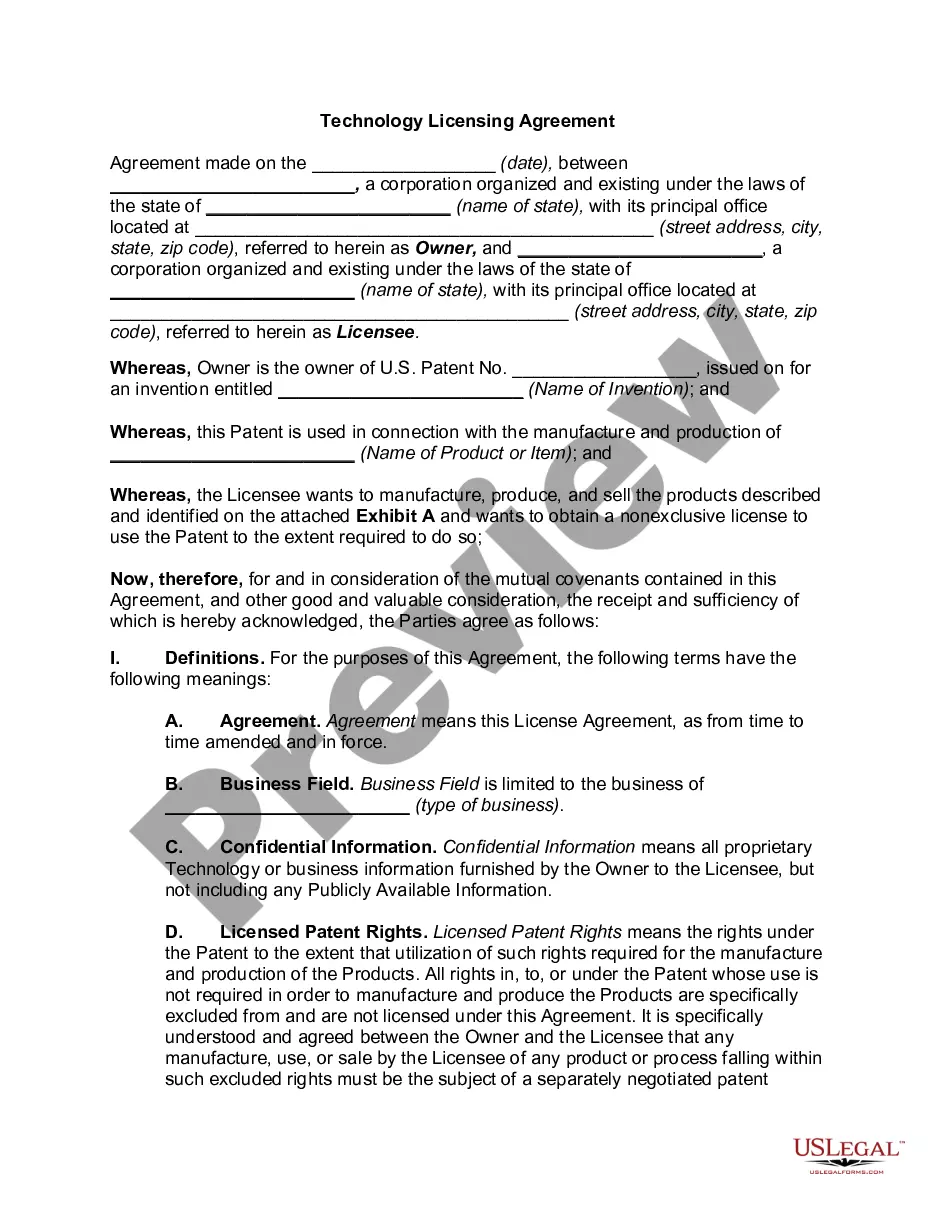
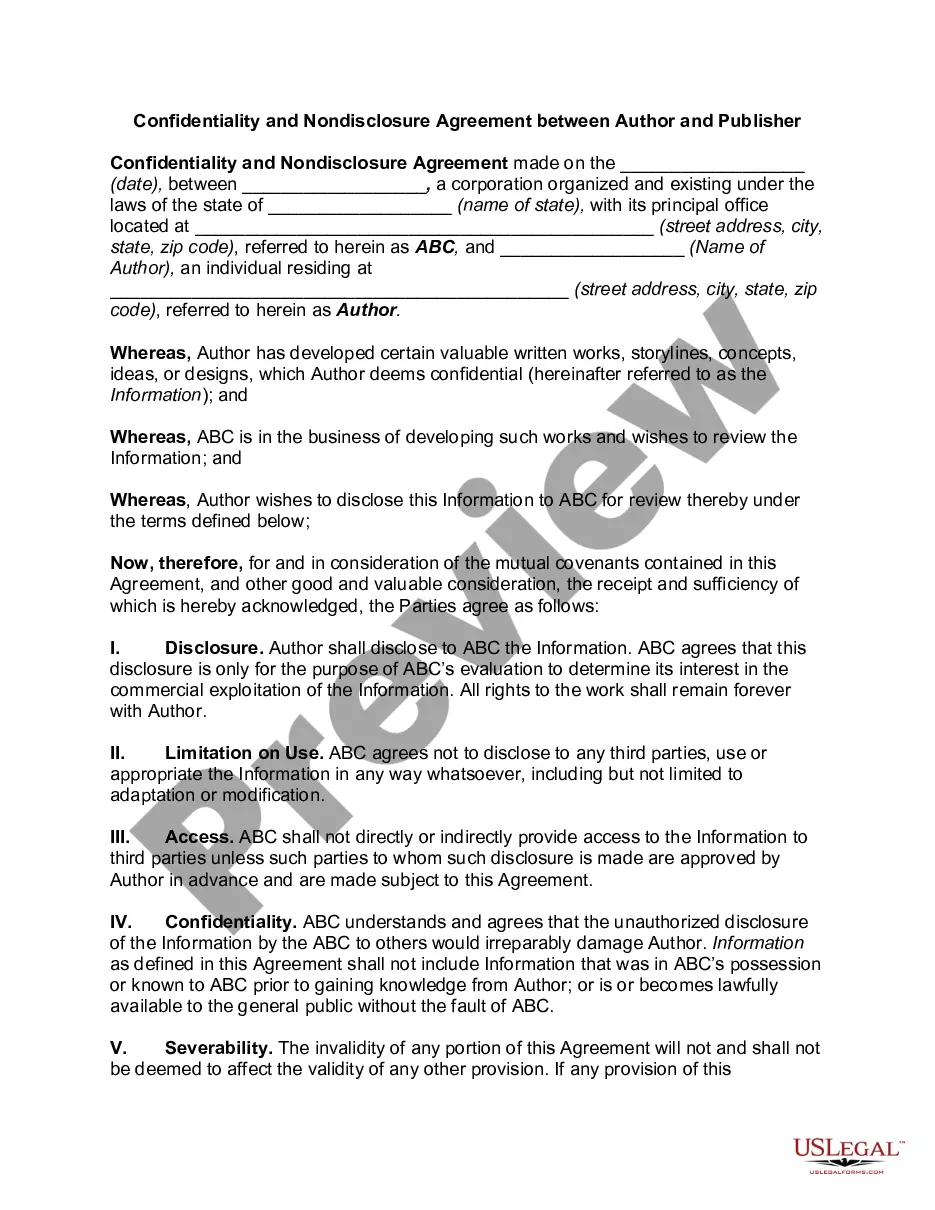
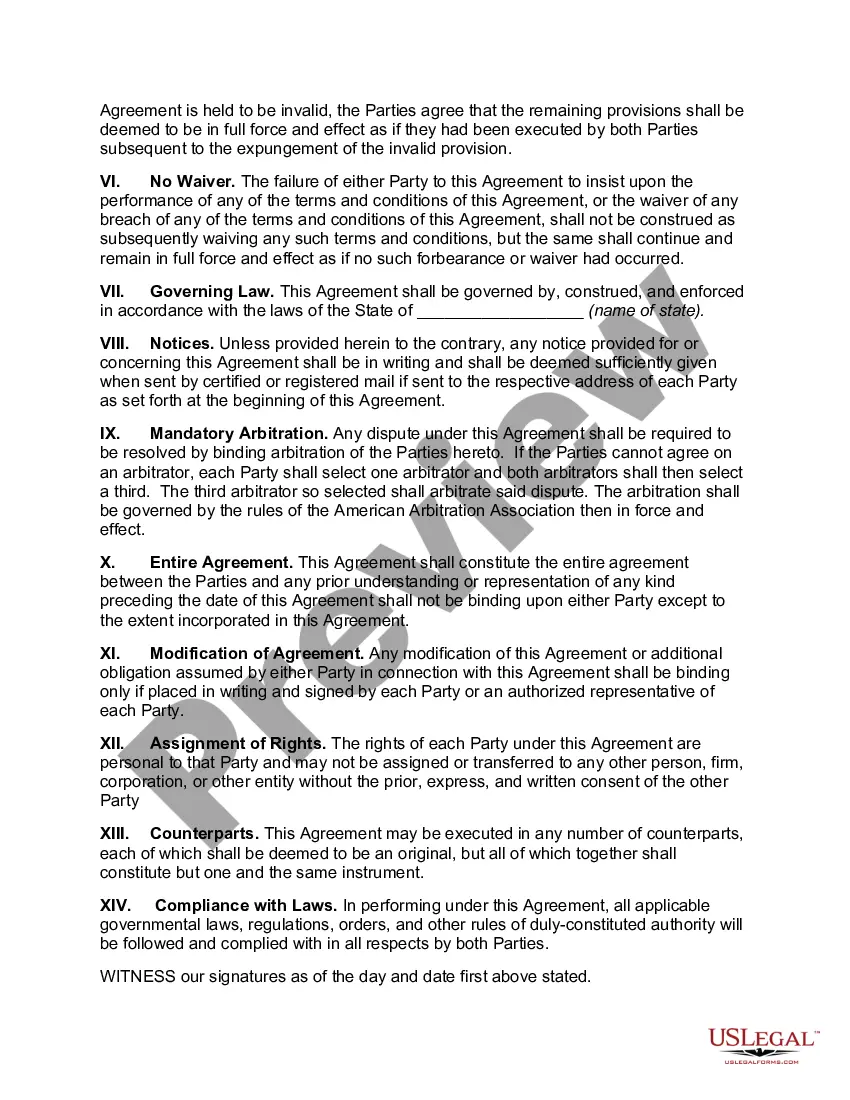
Iowa Confidentiality and Nondisclosure Agreement between Author and Publisher
Description
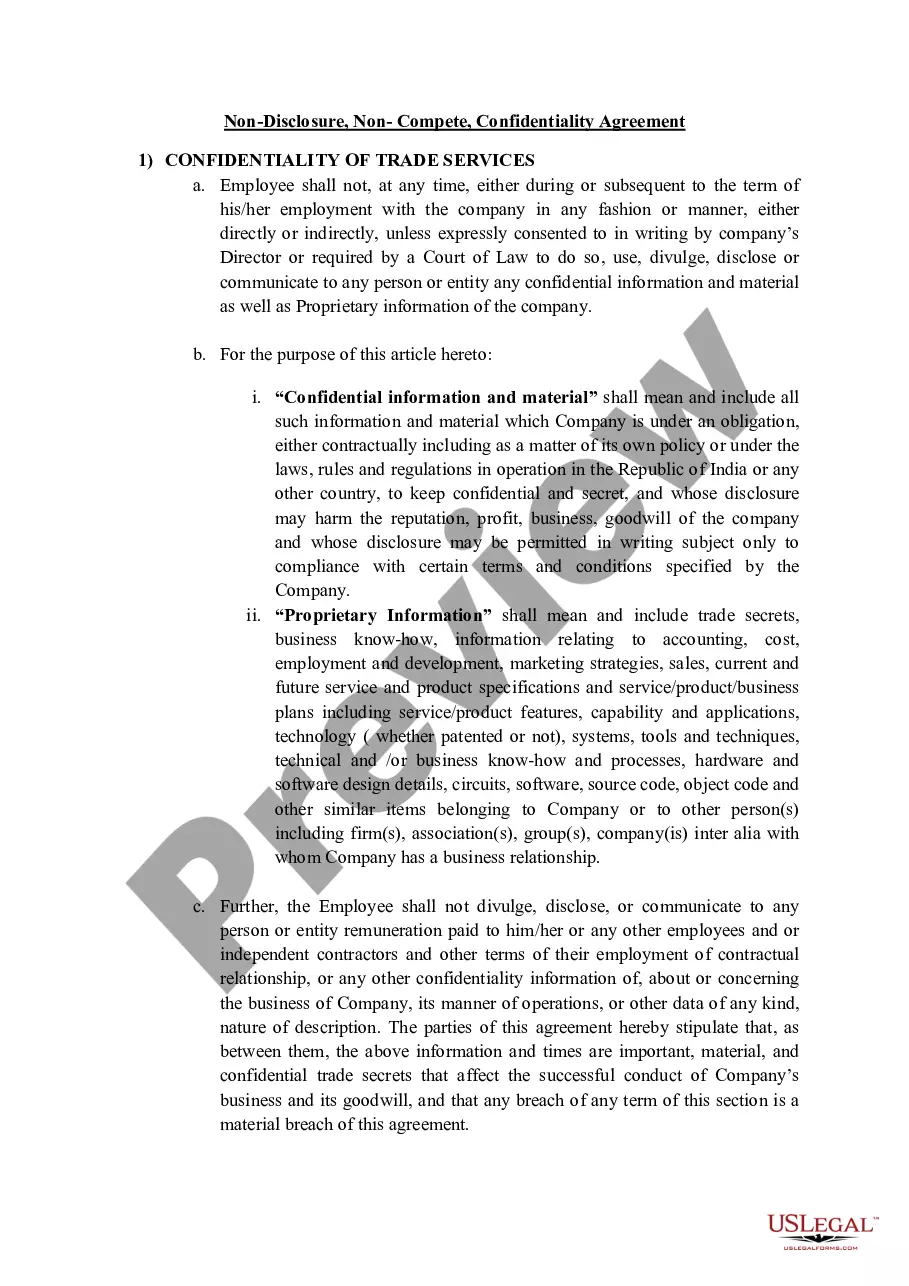


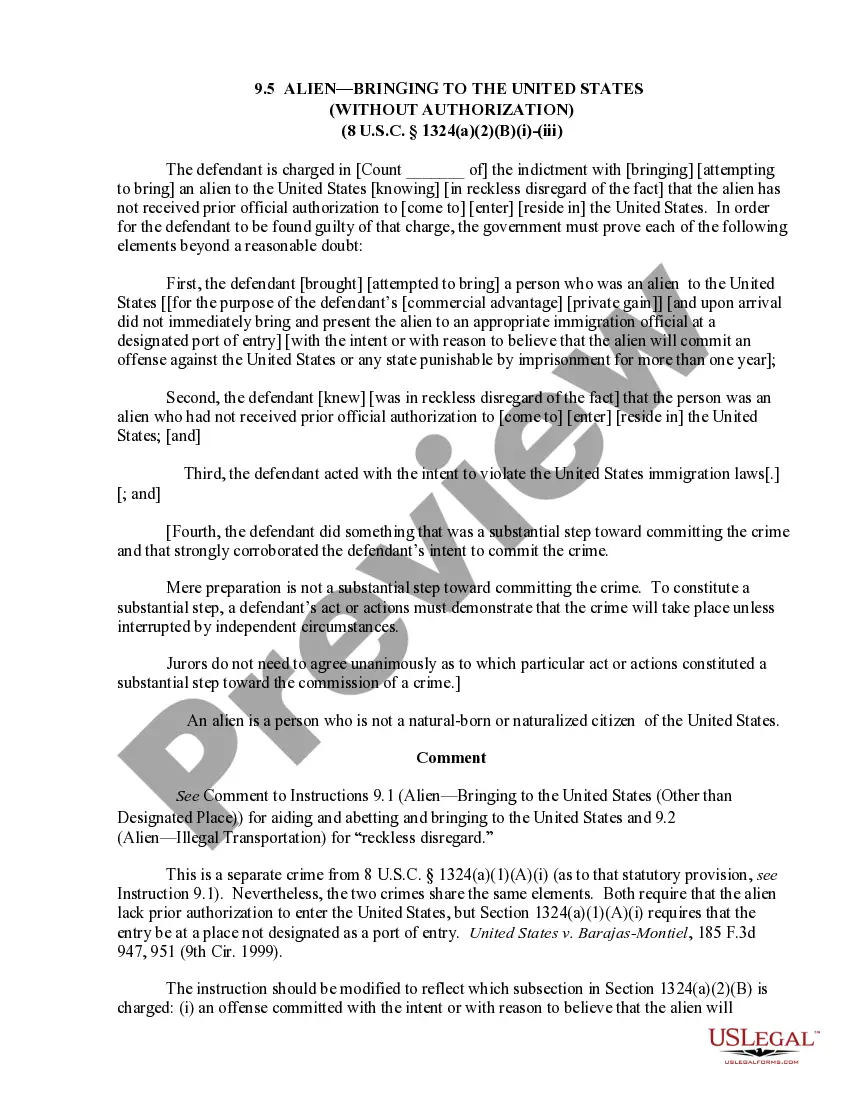

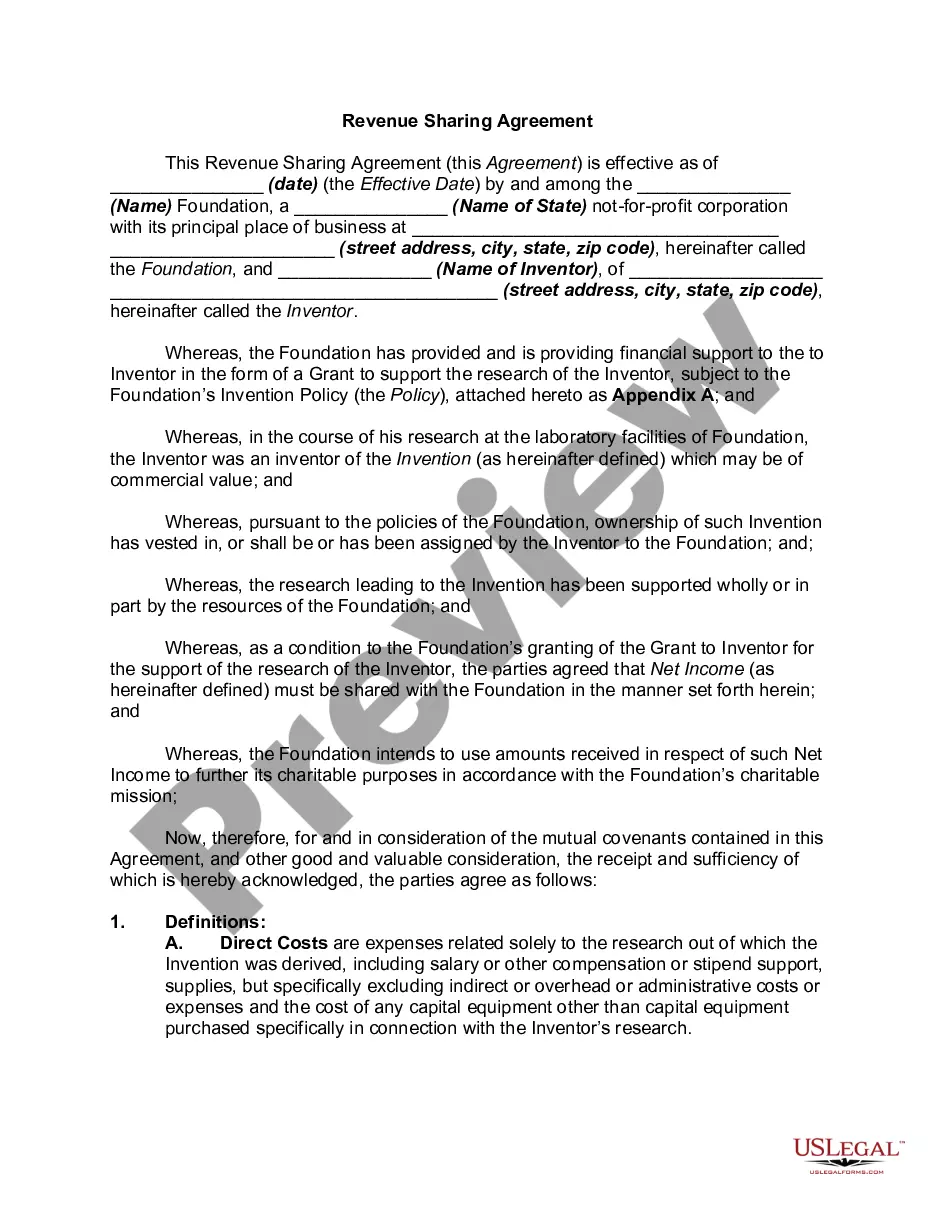


How to fill out Confidentiality And Nondisclosure Agreement Between Author And Publisher?
US Legal Forms - one of the largest archives of legal documents in the United States - provides a selection of legal document templates that you can download or print.
By using the website, you can discover thousands of forms for business and personal needs, organized by type, state, or keywords.
You can quickly obtain the latest versions of documents such as the Iowa Confidentiality and Nondisclosure Agreement between Author and Publisher.
If the form does not meet your needs, use the Search field at the top of the page to find one that does.
If you are satisfied with the form, confirm your selection by clicking the Buy now button. Then, choose your preferred pricing plan and provide your details to create an account. Complete the payment. Use your credit card or PayPal account to finalize the transaction. Choose the format and download the form to your device. Make edits. Fill out, customize, print, and sign the downloaded Iowa Confidentiality and Nondisclosure Agreement between Author and Publisher. Every form saved in your account has no expiration date and is yours forever. So, if you wish to download or print another version, just go to the My documents section and click on the form you want. Access the Iowa Confidentiality and Nondisclosure Agreement between Author and Publisher with US Legal Forms, the most extensive collection of legal document templates. Utilize a plethora of professional and state-specific templates that fulfill your business or personal needs and agendas.
- If you already have a subscription, Log In to your account and download the Iowa Confidentiality and Nondisclosure Agreement between Author and Publisher from your collection.
- The Download button will be visible on every form you view.
- You can find all previously saved forms in the My documents section of your account.
- If you're using US Legal Forms for the first time, here are simple steps to help you get started.
- Make sure you have selected the correct form for your city/state.
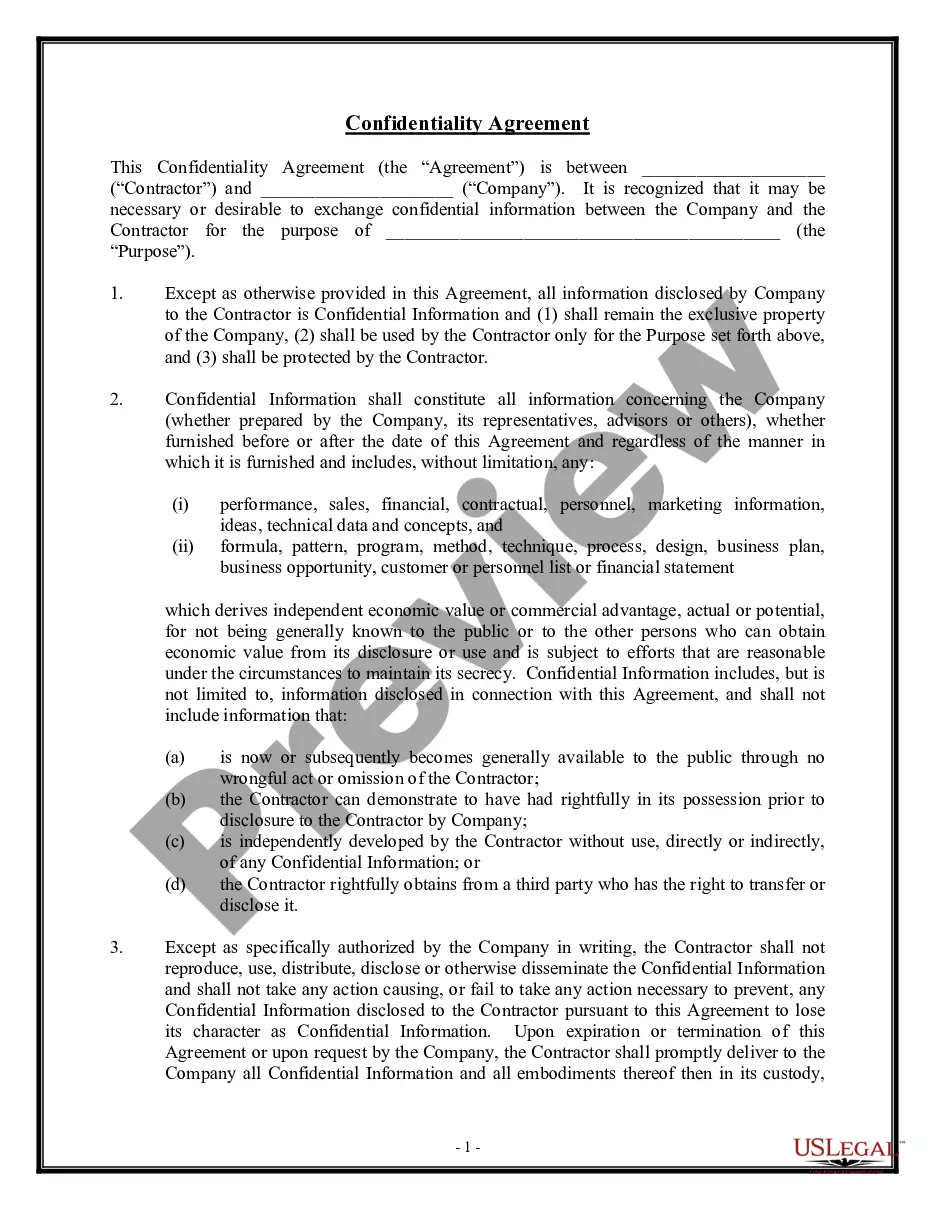
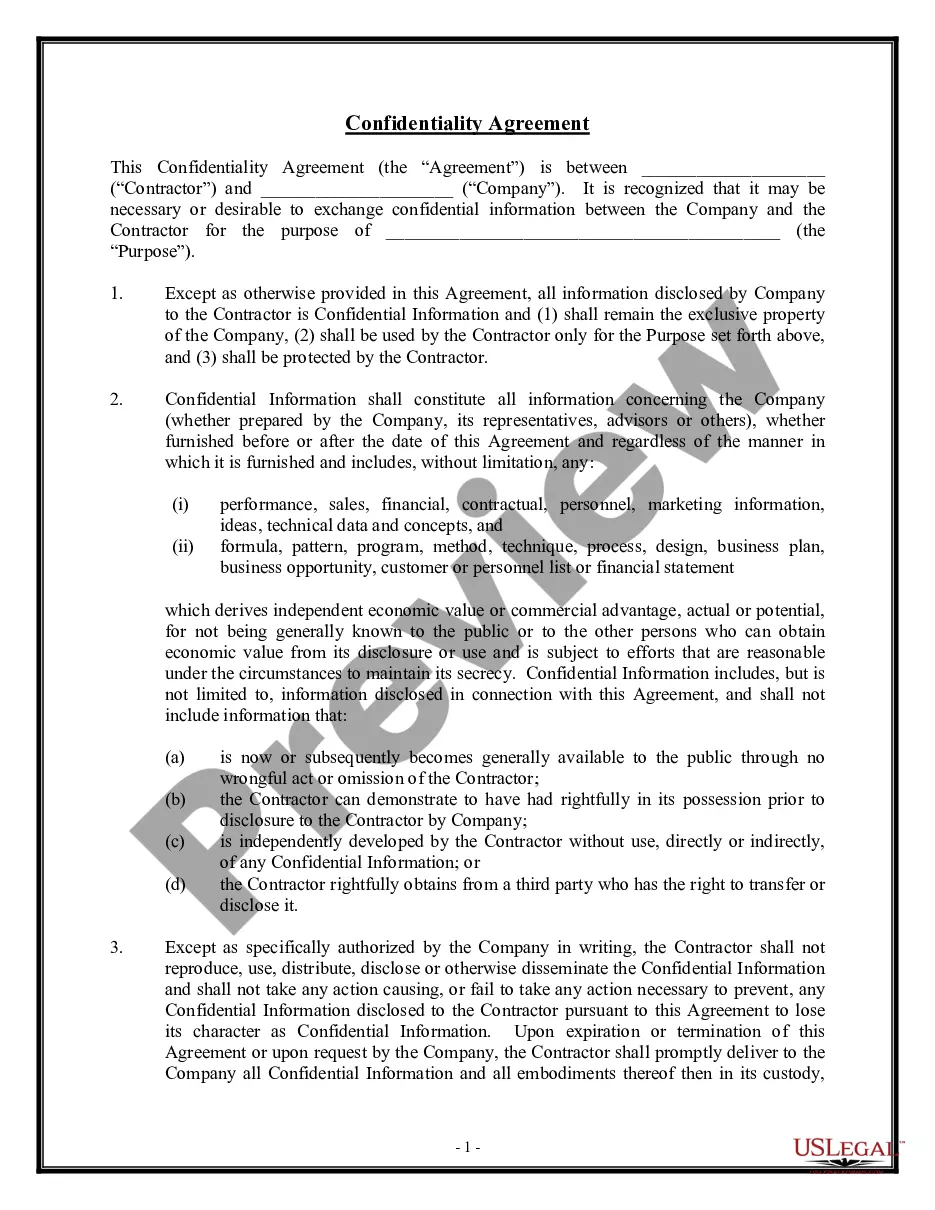
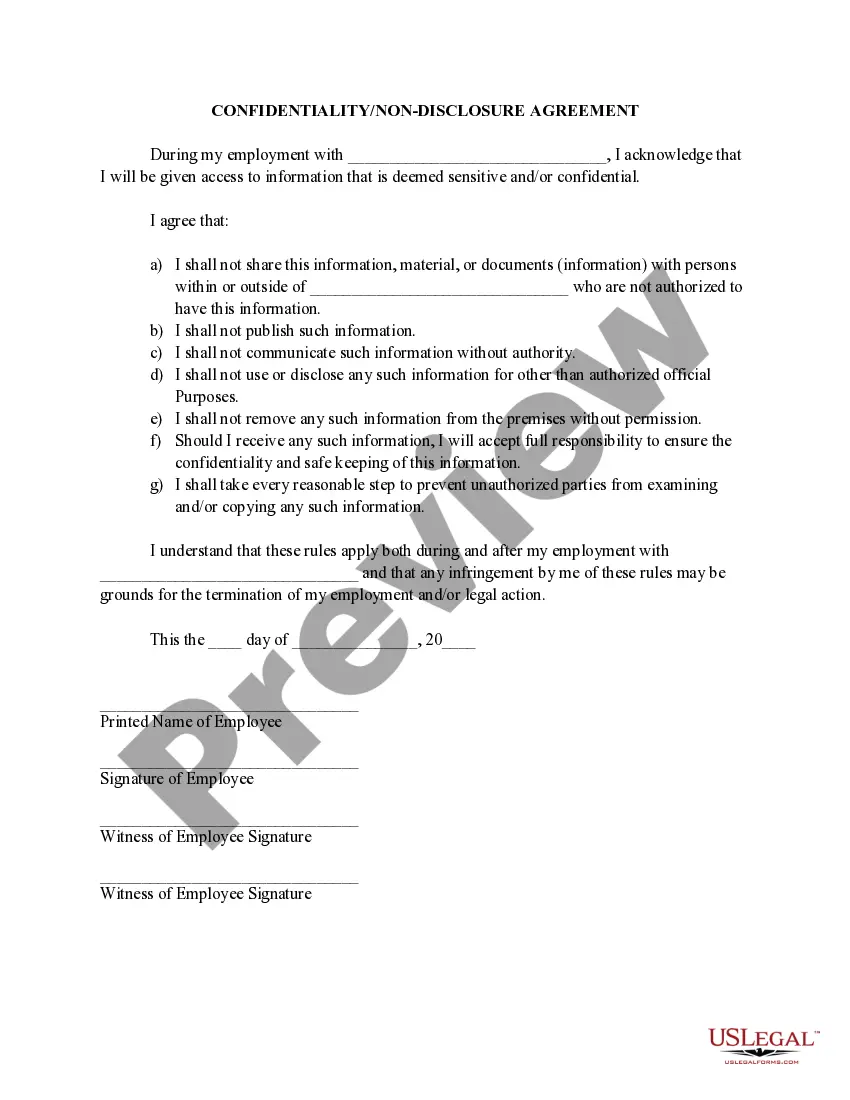
- Click the Preview button to review the form's content.
Form popularity
FAQ
In those situations, you should refrain from disclosing that you have entered into an NDA or are even in negotiations with the other party (i.e., the first rule of this NDA is we don't talk about this NDA). NDAs may have time limits that provide that they no longer apply after some fixed period.
A confidentiality agreement is a legal document that binds one or more parties to keep secret or proprietary information confidential or proprietary. An NDA is a kind of a contract that upholds secrecy; it does so by defining a confidential partnership and legally binding any parties who sign the NDA to that
There is no difference between a non-disclosure agreement (NDA) and a confidentiality agreement. Non-disclosure and confidentiality agreements both protect confidential information from being shared with third parties.
Since NDAs are civil contracts, breaking one isn't technically a crime. However, it could come with severe financial penalties. Violating an NDA leaves you open to lawsuits from your employer, and you could be required to pay financial damages and possibly associated legal costs.
A confidentiality agreement is a legally binding contract that states two parties will not share or profit from confidential information. A business usually gives a confidentiality agreement to an employee or contractor to make sure its trade secrets or proprietary information remains private.
A Confidentiality Agreement (or Confidential Disclosure Agreement, CDA) and a Non-Disclosure Agreement are essentially the same thing. Both are trying to protect private or confidential information from becoming public or more widely known.
The purpose of a Non-Disclosure Agreement An NDA creates the legal framework to protect ideas and information from being stolen or shared with competitors or third parties. Breaking an NDA agreement triggers a host of legal ramifications, including lawsuits, financial penalties, and even criminal charges.
At the Closing, Sellers shall assign to Purchaser its rights with respect to the confidentiality of information related to the business of Sellers executed by each of the prospective purchasers who received such information. Assignment of Confidentiality Agreements.
Generally, confidentiality agreements are enforceable when they meet the general requirements of a contract.