Iowa Release regarding Fencing Training
Description




Get your form ready online
Our built-in tools help you complete, sign, share, and store your documents in one place.
Make edits, fill in missing information, and update formatting in US Legal Forms—just like you would in MS Word.
Download a copy, print it, send it by email, or mail it via USPS—whatever works best for your next step.
Sign and collect signatures with our SignNow integration. Send to multiple recipients, set reminders, and more. Go Premium to unlock E-Sign.
If this form requires notarization, complete it online through a secure video call—no need to meet a notary in person or wait for an appointment.
We protect your documents and personal data by following strict security and privacy standards.

Make edits, fill in missing information, and update formatting in US Legal Forms—just like you would in MS Word.

Download a copy, print it, send it by email, or mail it via USPS—whatever works best for your next step.

Sign and collect signatures with our SignNow integration. Send to multiple recipients, set reminders, and more. Go Premium to unlock E-Sign.

If this form requires notarization, complete it online through a secure video call—no need to meet a notary in person or wait for an appointment.

We protect your documents and personal data by following strict security and privacy standards.
Looking for another form?

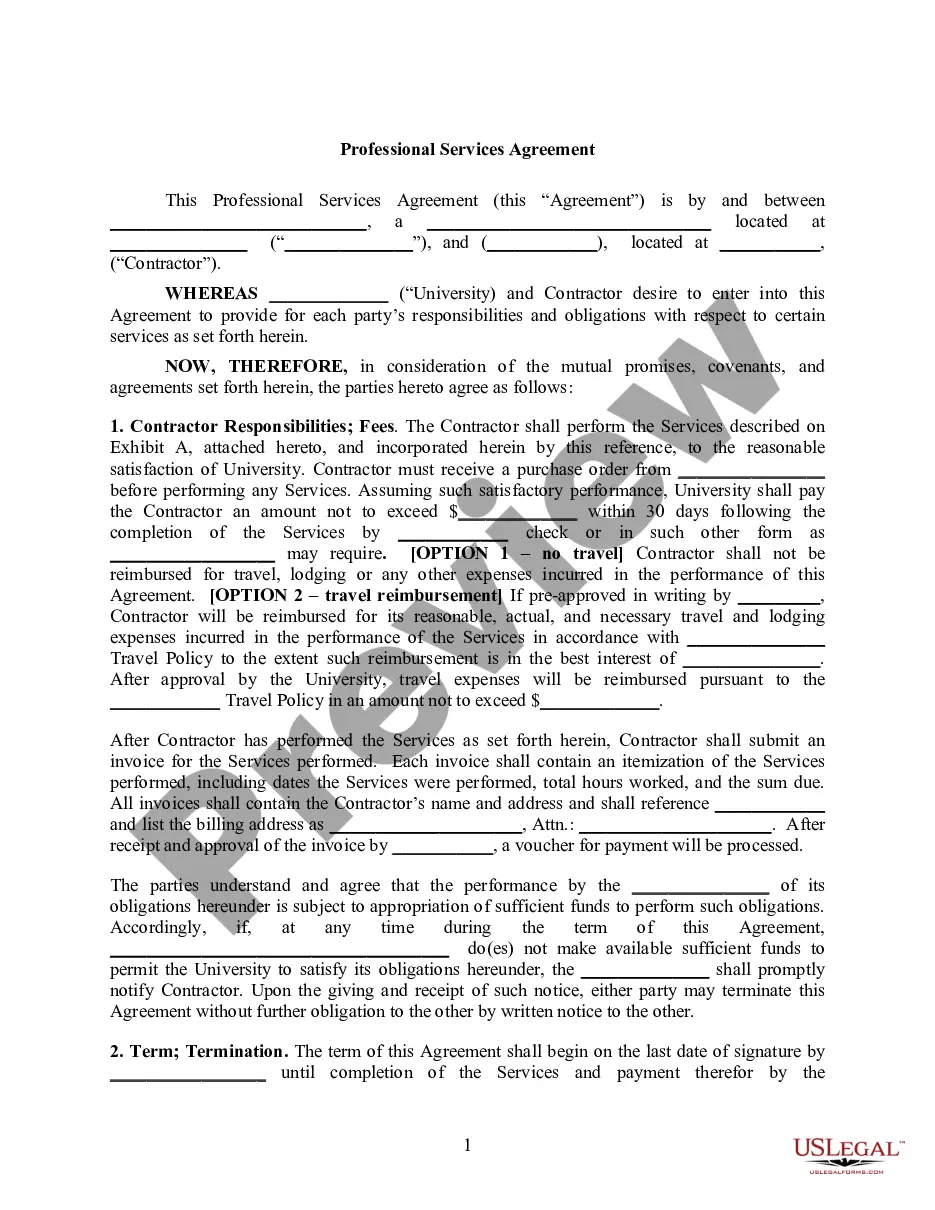





How to fill out Release Regarding Fencing Training?
Selecting the optimal legal document format can be a challenge.
Clearly, there are numerous templates accessible online, but how do you locate the legal form you need.
Make use of the US Legal Forms website. This service offers a vast selection of templates, such as the Iowa Release for Fencing Training, suitable for both business and personal purposes.
You can review the form using the Preview button and examine the form details to confirm it is the correct one for you.
- All forms are verified by experts and comply with federal and state laws.
- If you are already registered, Log In to your account and click the Download button to retrieve the Iowa Release for Fencing Training.
- Use your account to search through the legal forms you have purchased previously.
- Navigate to the My documents section of your account to download another copy of the form you need.
- If you are a new user of US Legal Forms, here are some simple steps for you to follow.
- First, ensure you have selected the correct form for your region/county.
Form popularity
FAQ
Fencing can have initial costs due to equipment and facility fees. However, many community programs offer affordable training options and rental gear. Over time, you will find that participating in fencing does not need to break the bank. The Iowa Release regarding Fencing Training can guide you in balancing costs effectively while maximizing your experience.
Ultimately, if you fence once a week, you can be a reasonably interesting club fencer, but you will be rolling out your repertoire of tricks in each fight, and scoring hits because you've learned to read the other fencers.
In individual competition, the winner of a bout is effectively the first to score 15 touches on the opponent. Each touch is worth one point. A bout is a maximum of nine minutes long, divided into three periods of three minutes (with a one-minute break between periods).
Fencing is first and foremost a combat sport, meaning that it takes two players in order to compete. But just because you don't have a partner doesn't mean you can't practice your form and footwork on your own.
It takes a few months to get your feet under you on the strip, two years to feel confident in competition, ten years to become an elite athlete, but you have your whole life to enjoy the sport. Want to stay on top of all things fencing?
While there are no hard and fast rules to what age your child should start fencing, most fencers start around age 9. Most fencing clubs will not accept children under age 7 as the balance and hand-eye co-ordination needed to fence are not sufficiently well developed before age 7.
Many parents think that a child who is 14 or 15, or even 10 or 11 has already gotten to be too old to have a chance at international competition. So, what is the right age to start fencing? Before we go on, we want to be clear your child is not too old to start competitive fencing.
A beginner may choose to train once a week at a club. If they wish to improve, learn specific techniques or enter competitions it is likely they will need to increase their training to two times a week and add in a private lesson.
You are never too old to start fencing. Through the fencing club there, was able to travel to multiple collegiate fencing events around the country. In my time there, I medalled in a North American Cup, the Summer National Championships, and 3 USA Collegiate Fencing Club championship events.
It takes a few months to get your feet under you on the strip, two years to feel confident in competition, ten years to become an elite athlete, but you have your whole life to enjoy the sport.