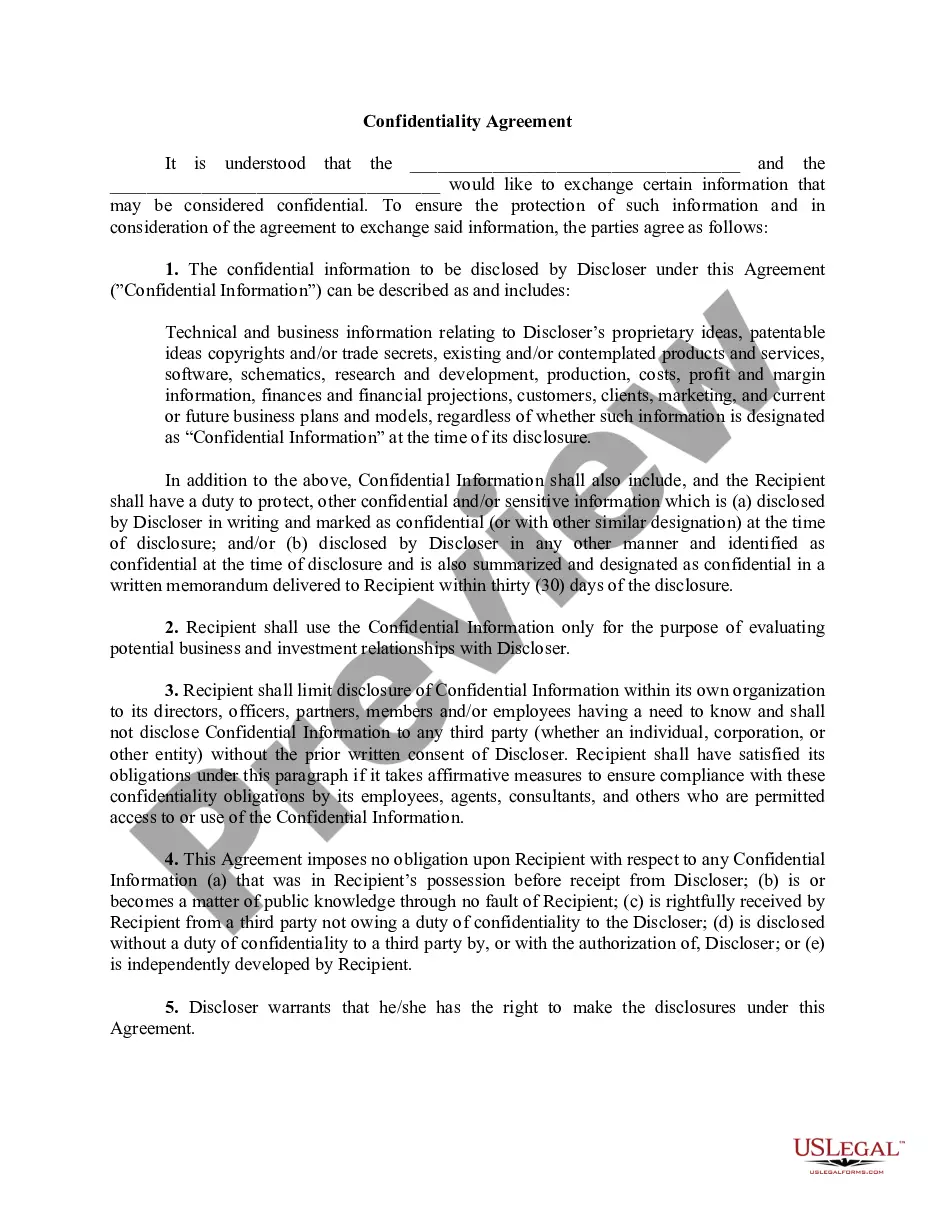
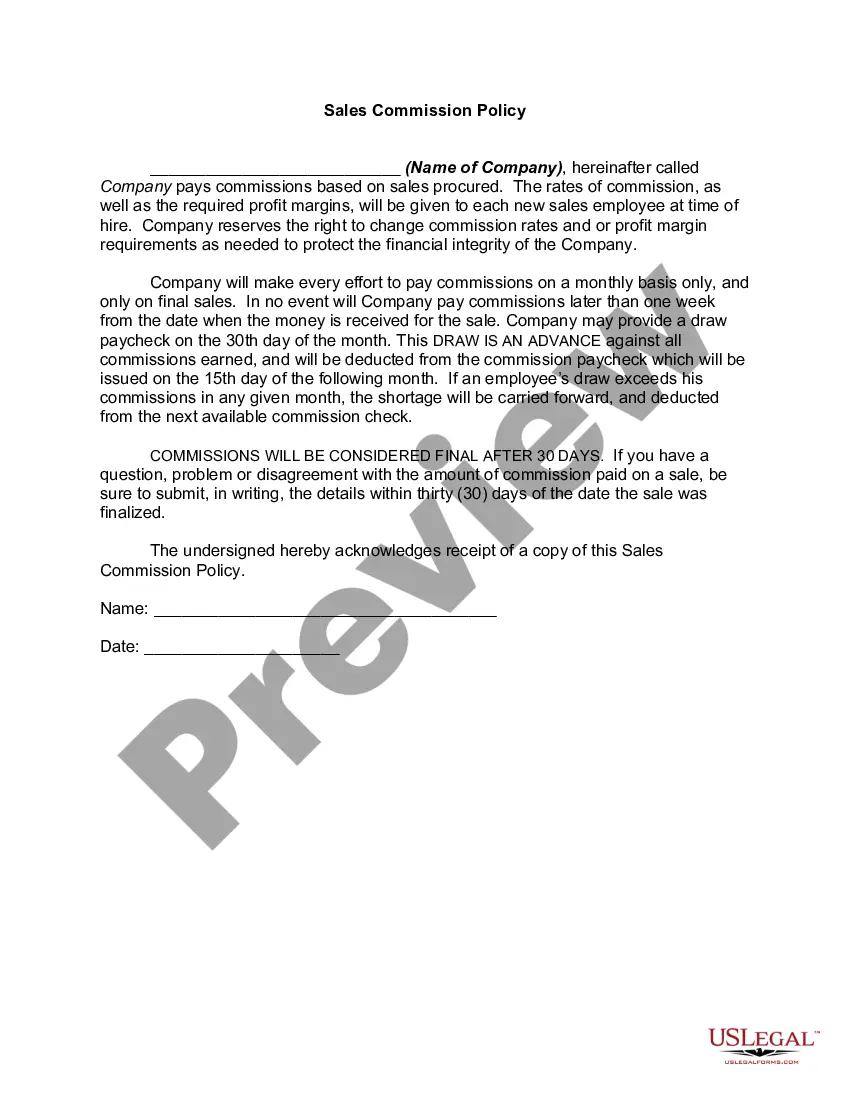
Iowa Sales Commission Policy
Description
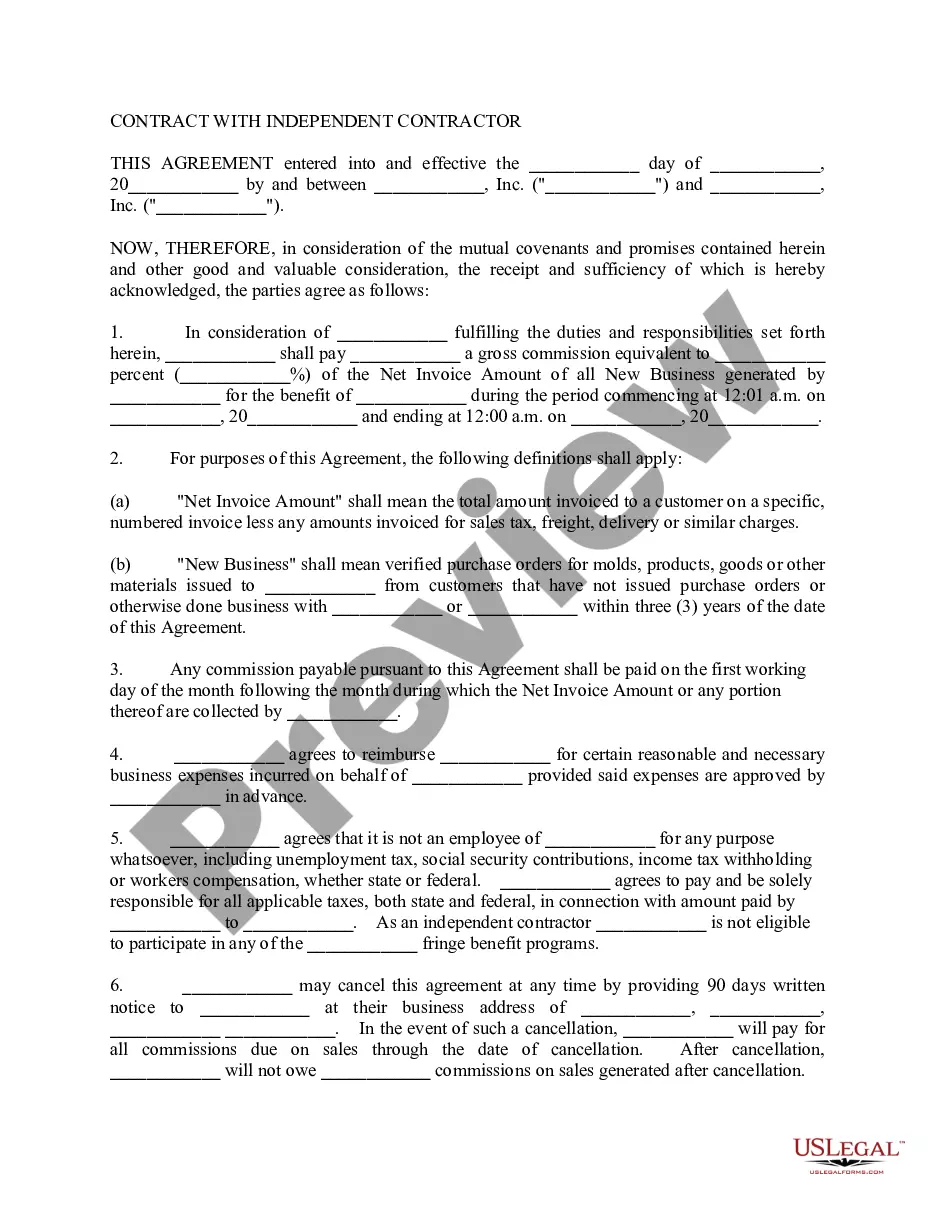
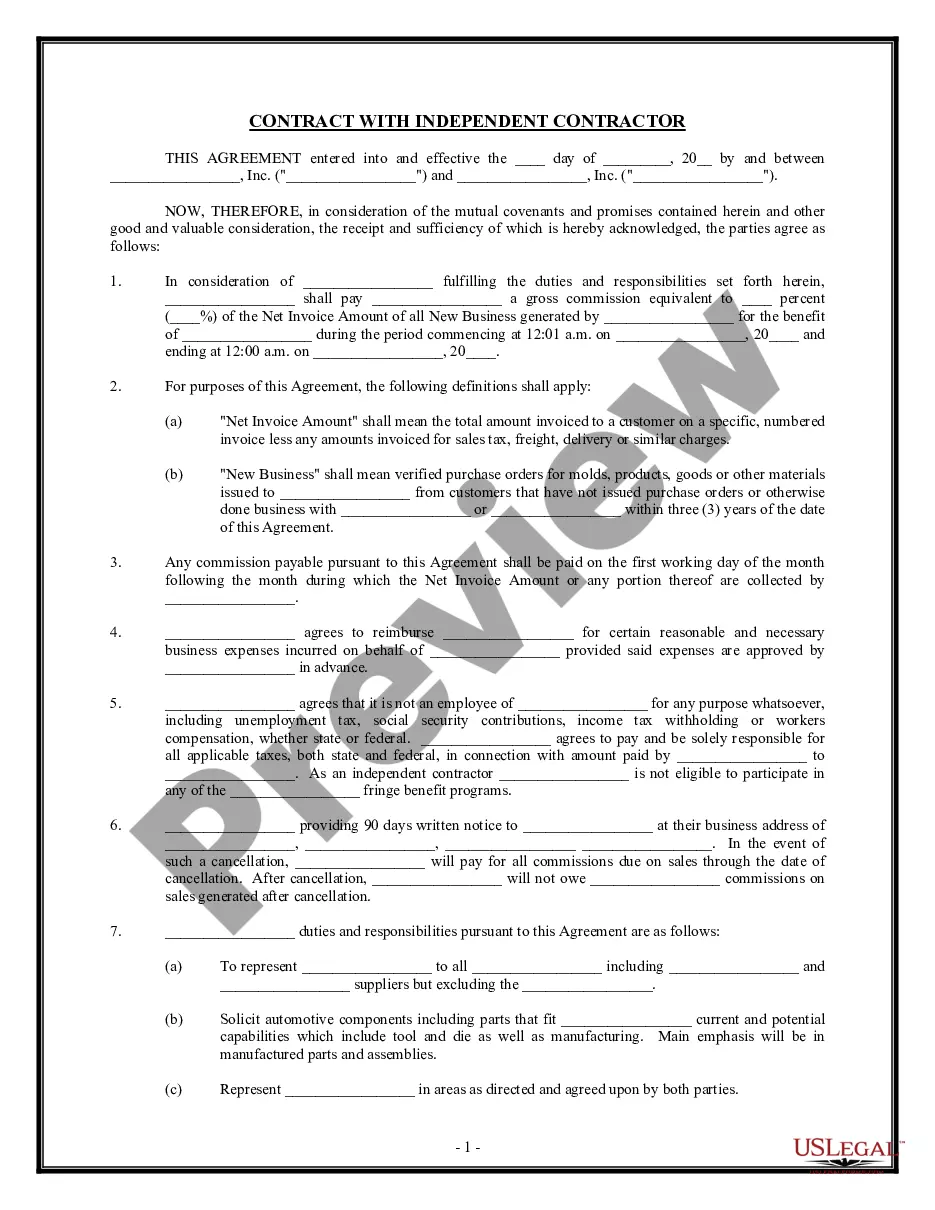
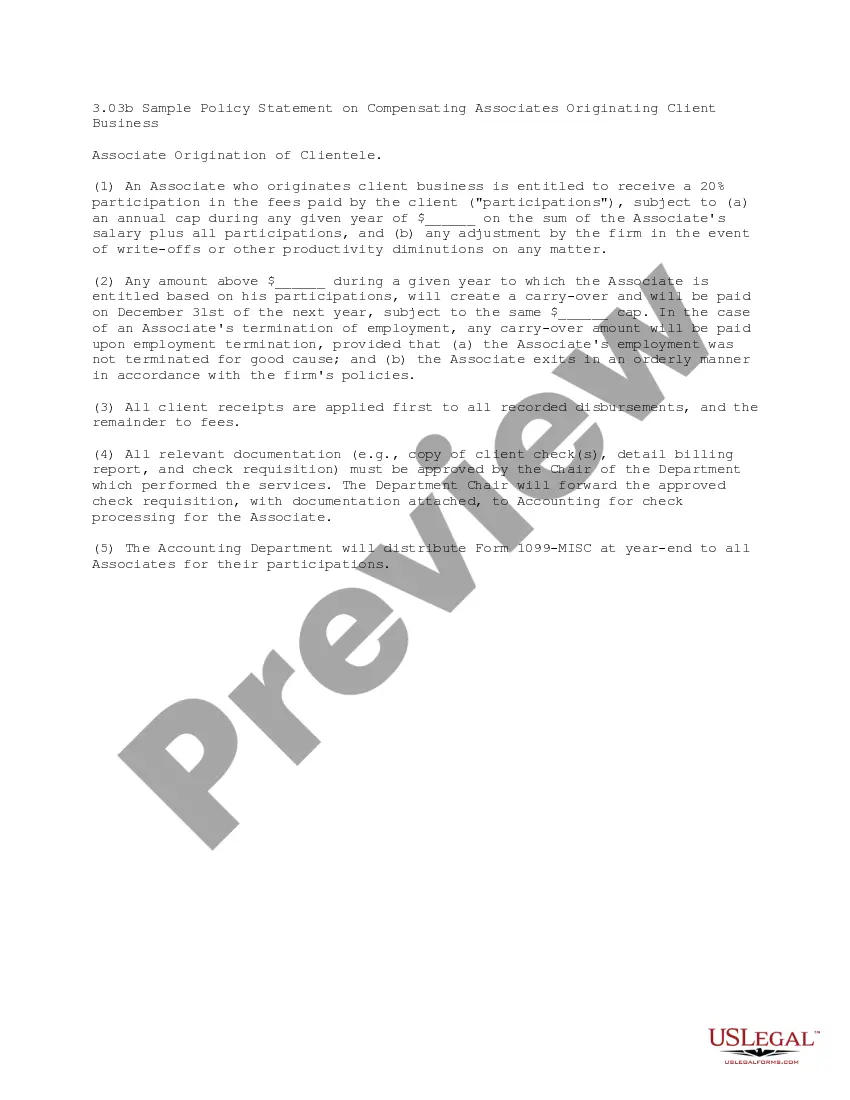
Get your form ready online
Our built-in tools help you complete, sign, share, and store your documents in one place.
Make edits, fill in missing information, and update formatting in US Legal Forms—just like you would in MS Word.
Download a copy, print it, send it by email, or mail it via USPS—whatever works best for your next step.
Sign and collect signatures with our SignNow integration. Send to multiple recipients, set reminders, and more. Go Premium to unlock E-Sign.
If this form requires notarization, complete it online through a secure video call—no need to meet a notary in person or wait for an appointment.
We protect your documents and personal data by following strict security and privacy standards.

Make edits, fill in missing information, and update formatting in US Legal Forms—just like you would in MS Word.

Download a copy, print it, send it by email, or mail it via USPS—whatever works best for your next step.

Sign and collect signatures with our SignNow integration. Send to multiple recipients, set reminders, and more. Go Premium to unlock E-Sign.

If this form requires notarization, complete it online through a secure video call—no need to meet a notary in person or wait for an appointment.

We protect your documents and personal data by following strict security and privacy standards.
Looking for another form?





How to fill out Sales Commission Policy?
Are you facing a scenario where you require documents for both business or personal purposes almost daily.
There are numerous legal document templates available online, but locating trustworthy ones isn’t easy.
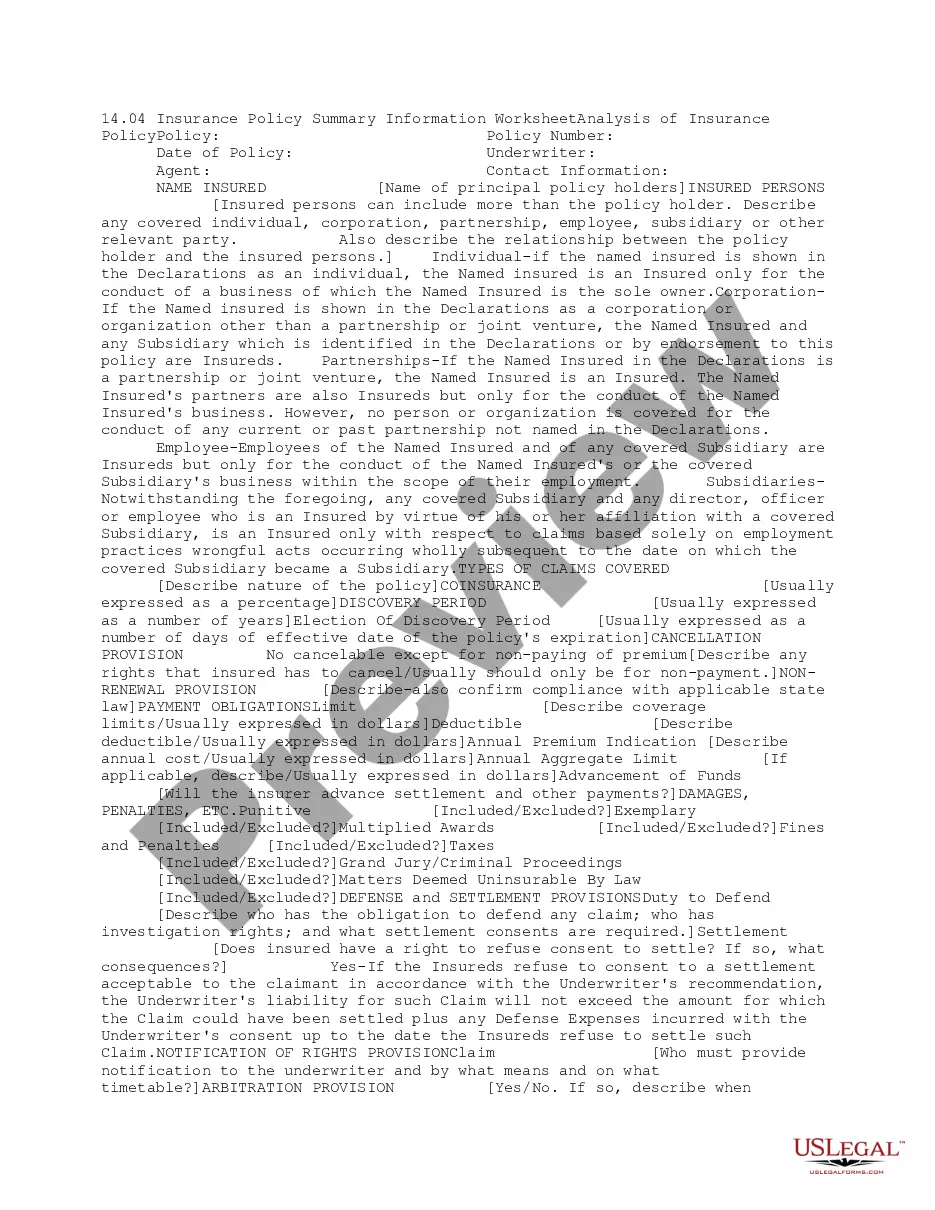
US Legal Forms provides a wide array of form templates, including the Iowa Sales Commission Policy, that are designed to comply with federal and state laws.
Once you have the correct form, click Get now.
Choose your payment plan, enter the required information to set up your account, and complete your purchase using PayPal or your Visa or Mastercard.
- If you are already familiar with the US Legal Forms site and have an account, simply Log In.
- After that, you can download the Iowa Sales Commission Policy template.
- If you don’t have an account and wish to start using US Legal Forms, follow these steps.
- Find the form you need and ensure it is for your specific city/region.
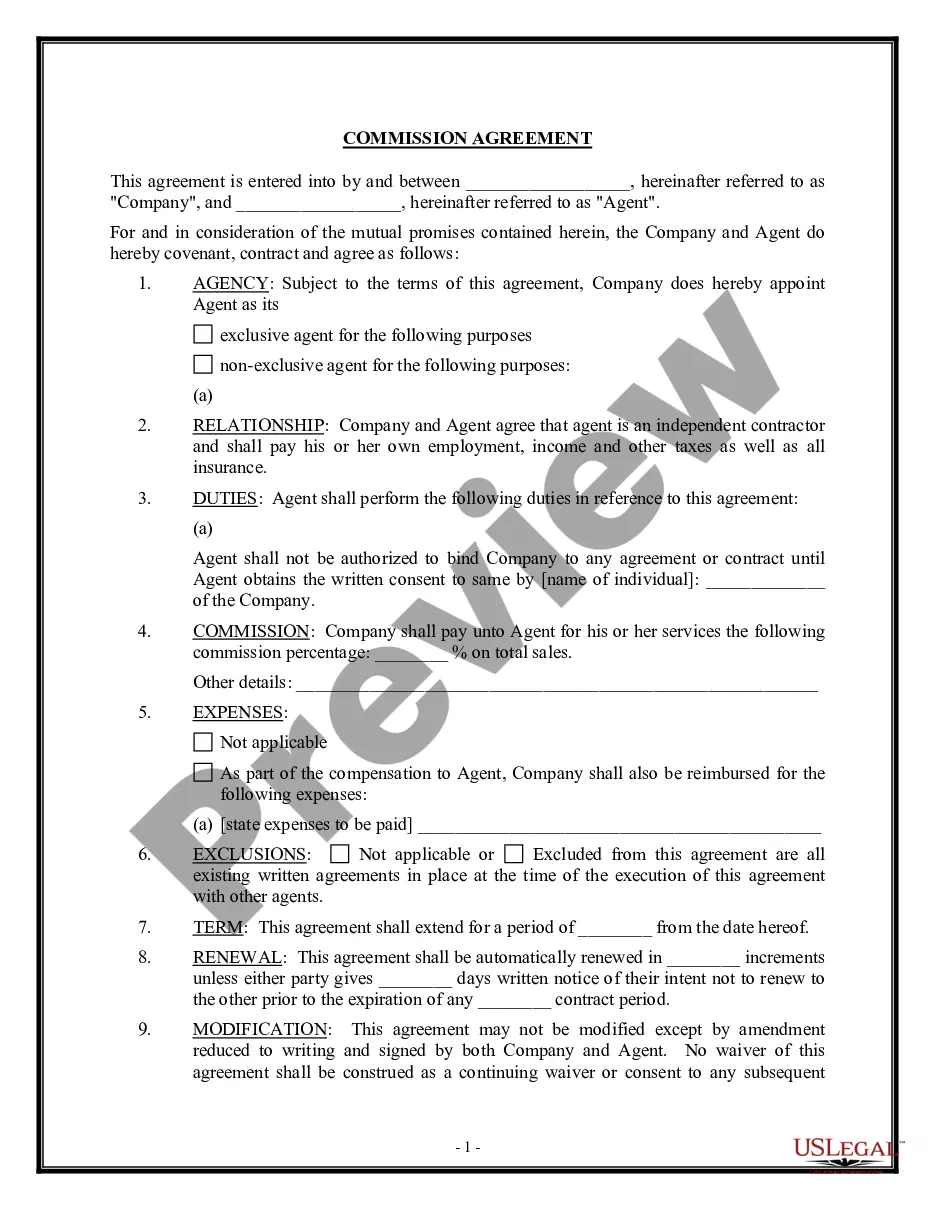
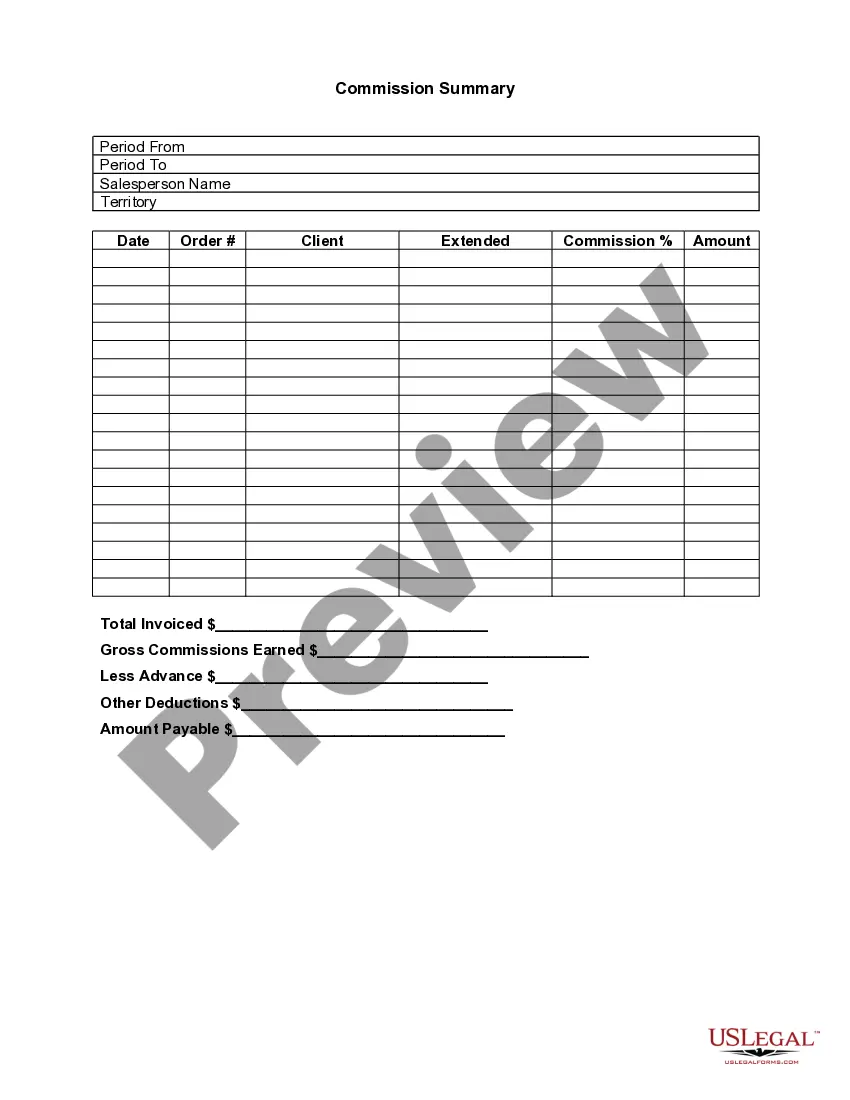
- Utilize the Preview feature to review the document.
- Check the summary to confirm you have chosen the right form.
- If the form isn’t what you’re looking for, use the Search field to find the form that meets your needs.
Form popularity
FAQ
To qualify as a tax-exempt individual, you generally need to meet specific criteria outlined by the Iowa Sales Commission Policy, such as being a part of an exempt organization or using your purchases exclusively for exempt purposes. Additionally, presenting a valid exemption certificate during transactions is required. Understanding these qualifications can help you leverage tax benefits effectively.
Eligibility for a tax exemption certificate in Iowa typically includes organizations such as religious institutions, non-profit entities, and government agencies. These entities must demonstrate that their purchases relate to their exempt purpose. It's essential to understand your eligibility under the Iowa Sales Commission Policy to maximize your potential tax savings.
To obtain a sales tax exemption certificate in Iowa, you need to fill out an application form that includes your business information and the reason for the exemption. After submitting this form to the Iowa Department of Revenue, you'll receive the certificate if approved. This certificate is crucial for complying with the Iowa Sales Commission Policy and ensuring your tax-exempt purchases are valid.
A sales tax permit and a tax-exempt certificate serve different purposes under the Iowa Sales Commission Policy. A sales tax permit allows businesses to collect sales tax from consumers, while a tax-exempt certificate is essential for certain buyers, like non-profits, to make purchases without paying sales tax. Understanding these distinctions helps ensure compliance with Iowa tax laws.
The new law in Iowa for realtors emphasizes greater transparency and accountability in commission agreements. These laws require clear communication between agents and clients about commission rates and practices. Familiarity with these regulations can aid you when making decisions aligned with the Iowa Sales Commission Policy.
Yes, 100% commission jobs are legal, allowing agents to retain the entire commission from a sale. These arrangements often empower realtors to work independently and maximize their earnings. If you are considering hiring an agent under such a structure, ensure they operate within the framework of the Iowa Sales Commission Policy.
An acceptable sales commission often depends on market conditions, but ranges between 5% and 6% are common. However, agents may adjust their rates based on specific services offered. It's essential to discuss these rates openly, given the implications under the Iowa Sales Commission Policy.
Yes, you can and should ask a realtor about their commission rate before signing any agreement. Transparency in commission rates fosters trust and helps you make informed decisions. Understanding the commission structure is vital when navigating the Iowa Sales Commission Policy.
Yes, a realtor can represent both the buyer and seller in Iowa, a practice known as dual agency. However, this arrangement requires full disclosure to all parties involved about potential conflicts of interest. It's essential to be aware of how this situation can impact the negotiations under the Iowa Sales Commission Policy.
Chapter 91A in Iowa outlines the regulations on wage payments and agreements in real estate transactions. This law ensures that sales commissions are clearly defined and transparent. Understanding this law is crucial for both buyers and sellers, as it directly relates to the Iowa Sales Commission Policy and protects your rights.