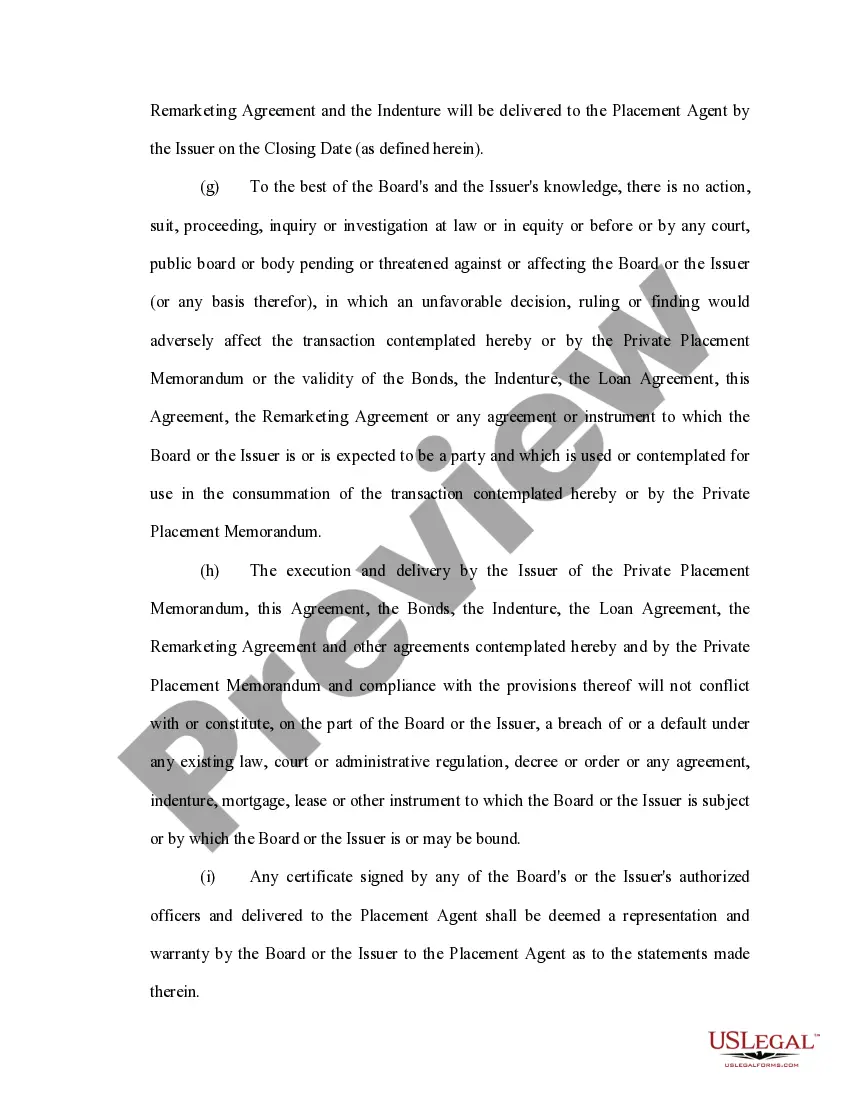
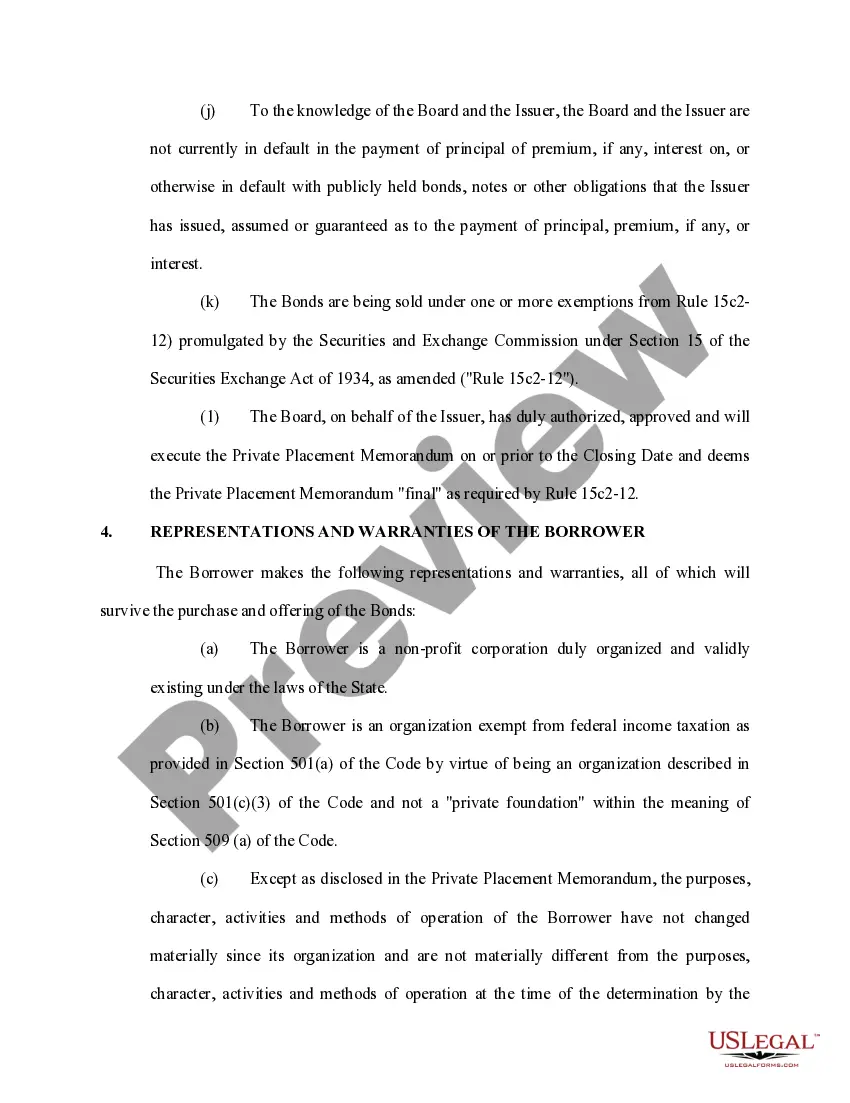
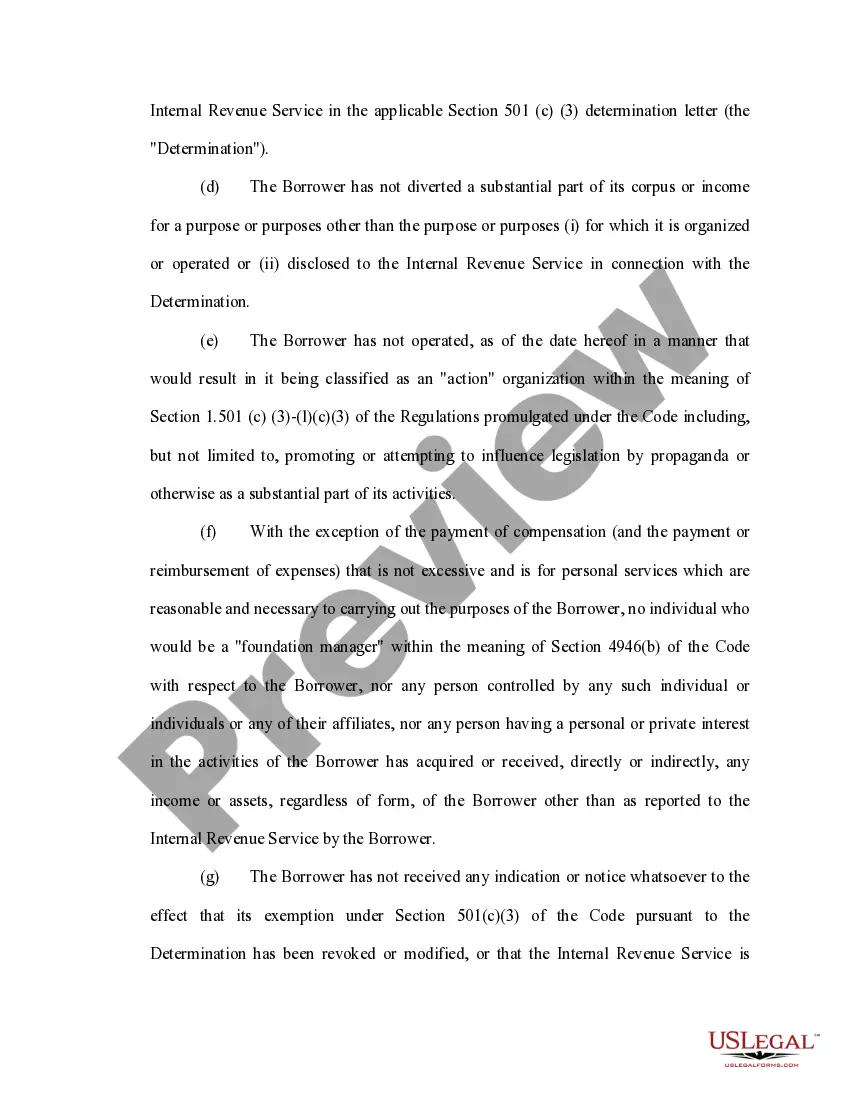
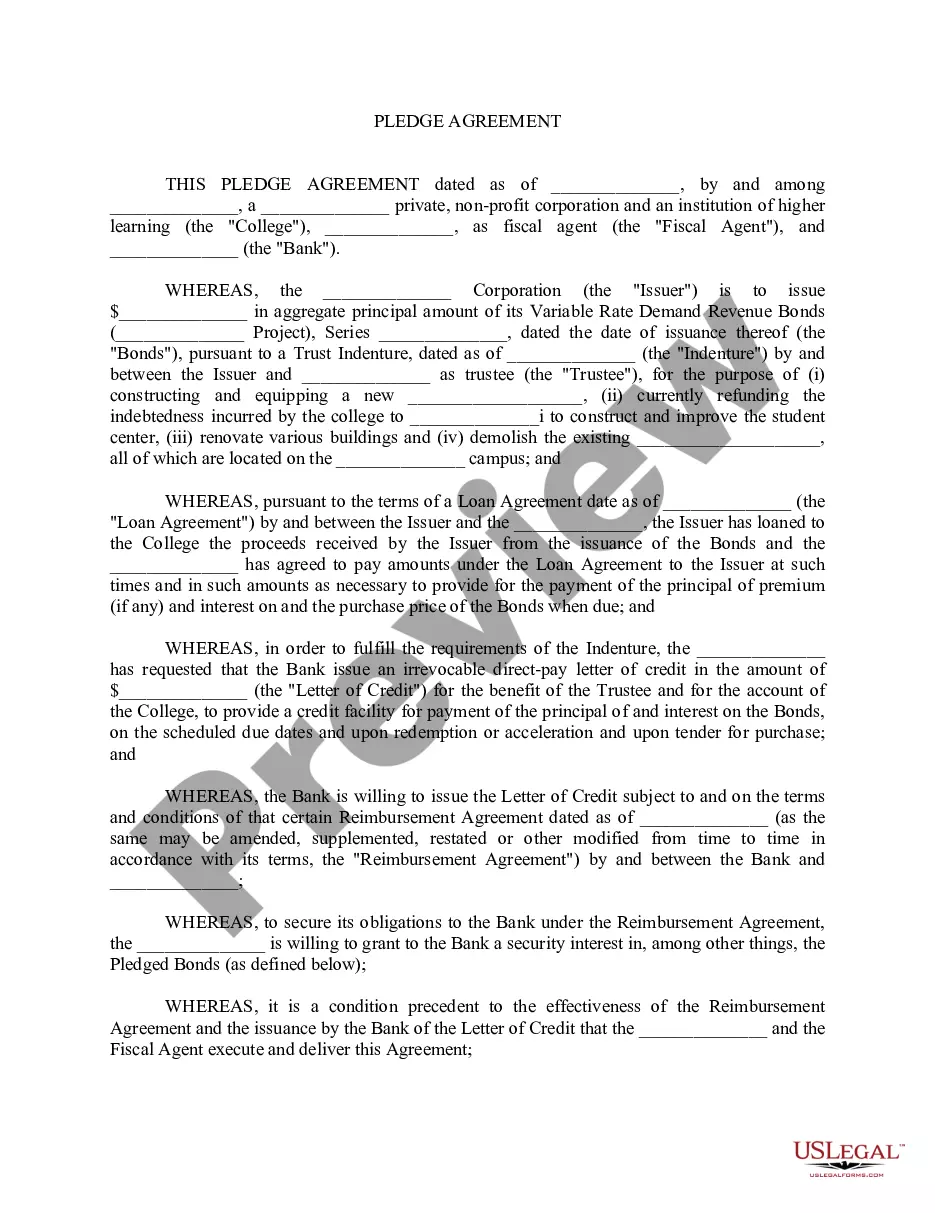
A bond placement is the process of selling a new bond issue often to an intitutional investor. For a company in need of financing, this a typical transaction arranged through an investment banker.
Iowa Bond placement agreement
Instant download
Description
Free preview
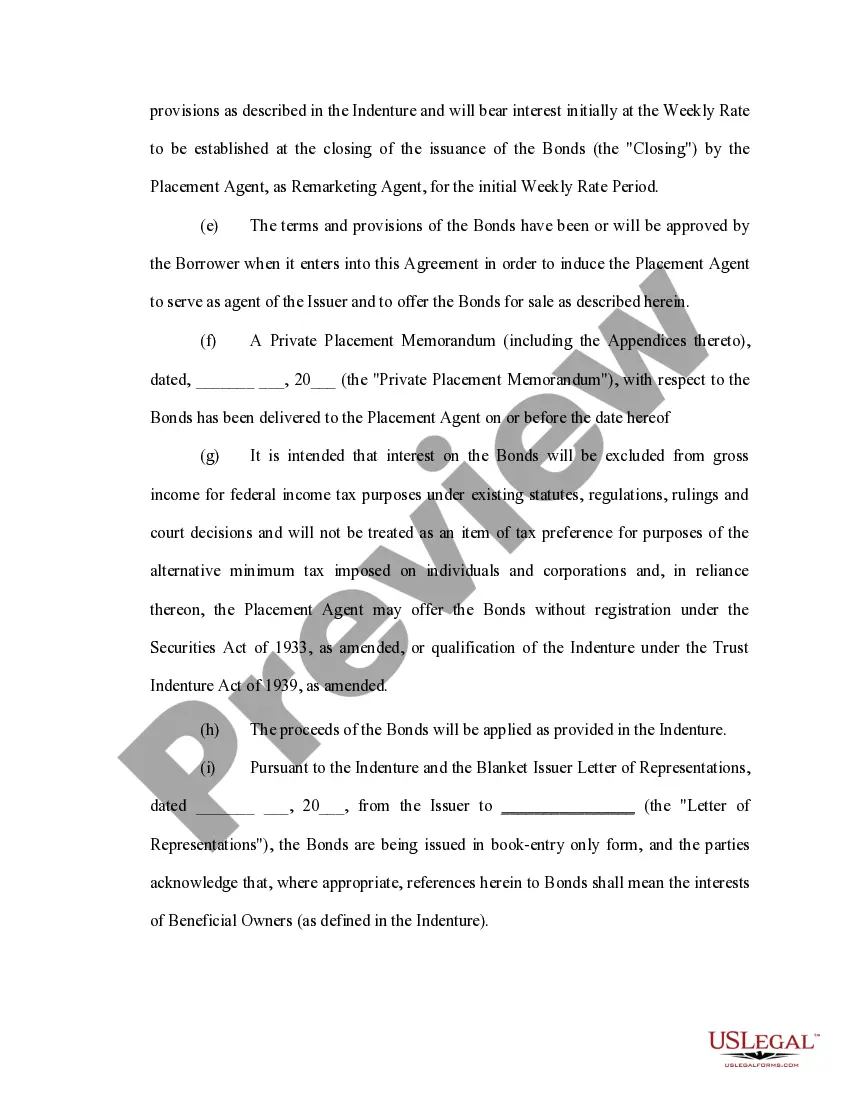
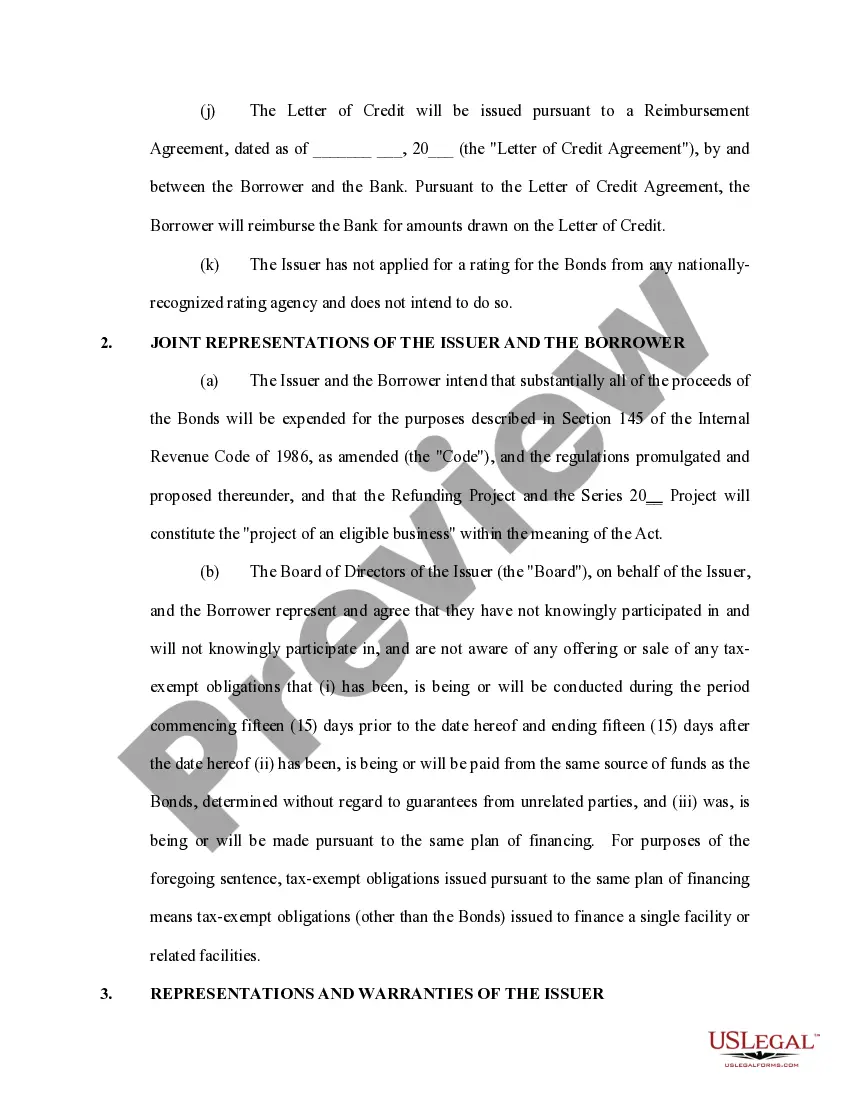
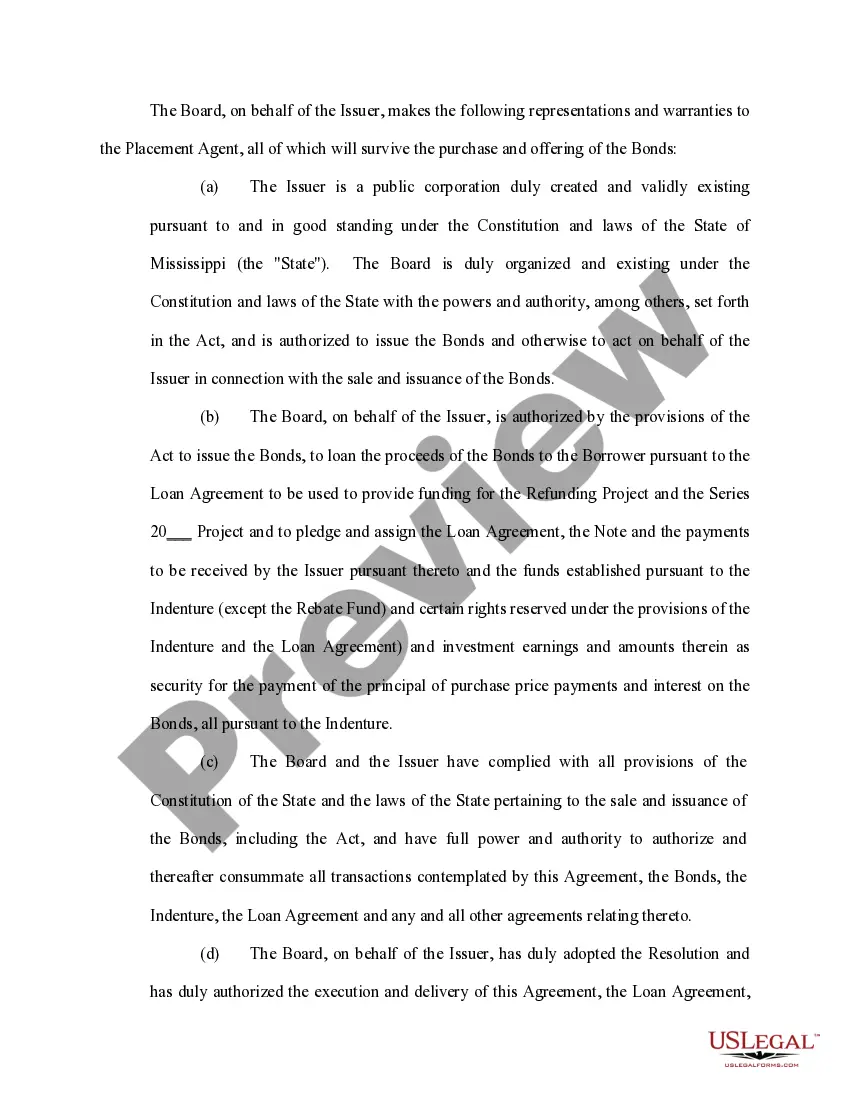
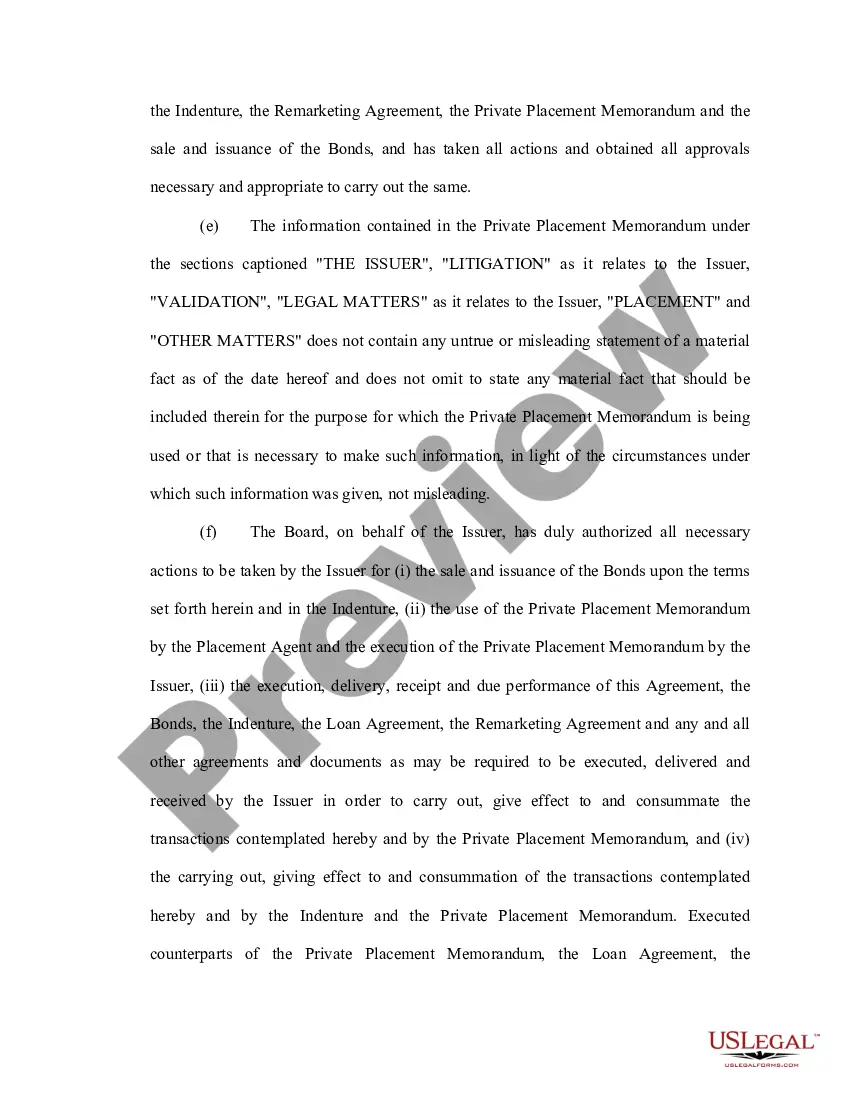



Get your form ready online
Our built-in tools help you complete, sign, share, and store your documents in one place.
Built-in online Word editor
Make edits, fill in missing information, and update formatting in US Legal Forms—just like you would in MS Word.
Export easily
Download a copy, print it, send it by email, or mail it via USPS—whatever works best for your next step.
E-sign your document
Sign and collect signatures with our SignNow integration. Send to multiple recipients, set reminders, and more. Go Premium to unlock E-Sign.
Notarize online 24/7
If this form requires notarization, complete it online through a secure video call—no need to meet a notary in person or wait for an appointment.
Store your document securely
We protect your documents and personal data by following strict security and privacy standards.

Make edits, fill in missing information, and update formatting in US Legal Forms—just like you would in MS Word.

Download a copy, print it, send it by email, or mail it via USPS—whatever works best for your next step.

Sign and collect signatures with our SignNow integration. Send to multiple recipients, set reminders, and more. Go Premium to unlock E-Sign.

If this form requires notarization, complete it online through a secure video call—no need to meet a notary in person or wait for an appointment.

We protect your documents and personal data by following strict security and privacy standards.
Looking for another form?

How to fill out Bond Placement Agreement?
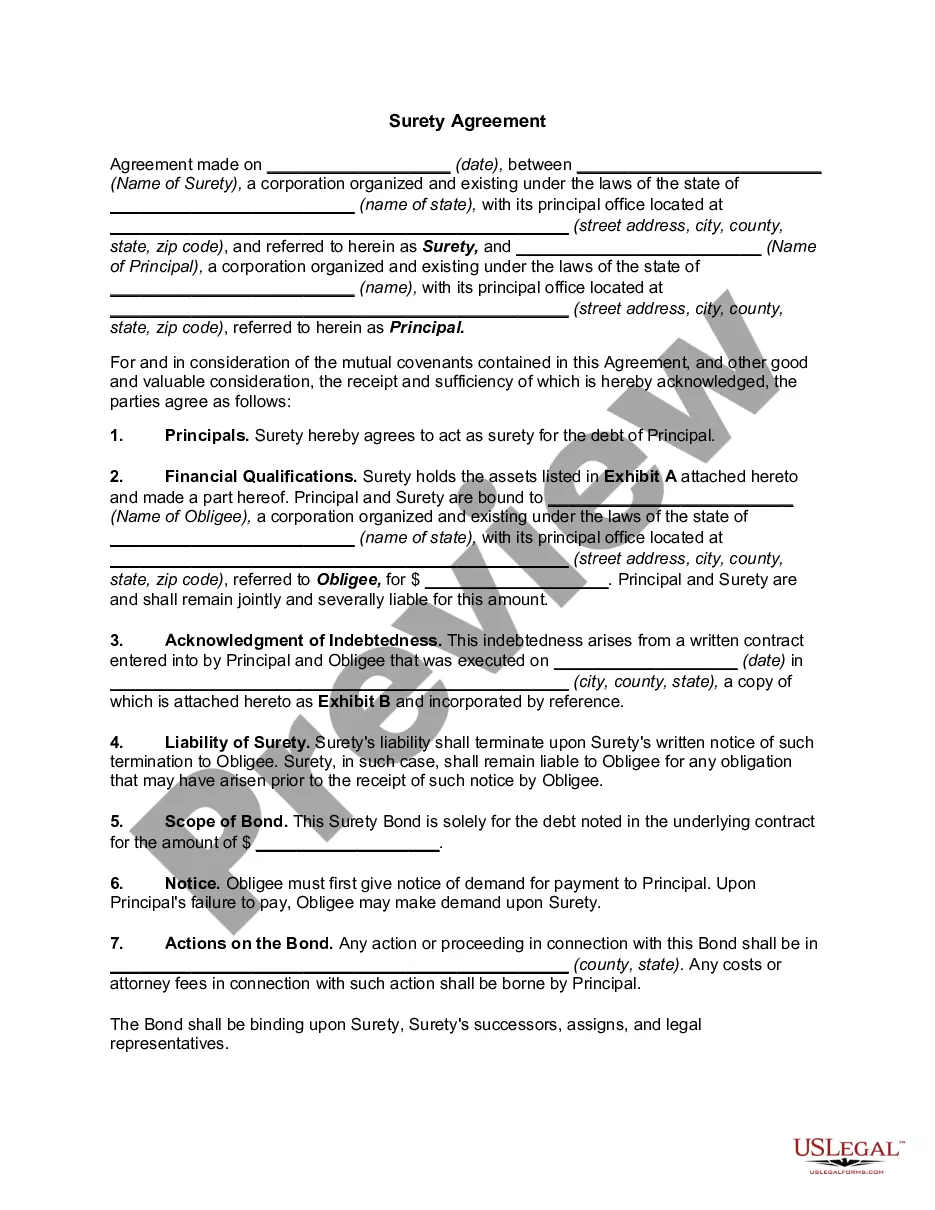
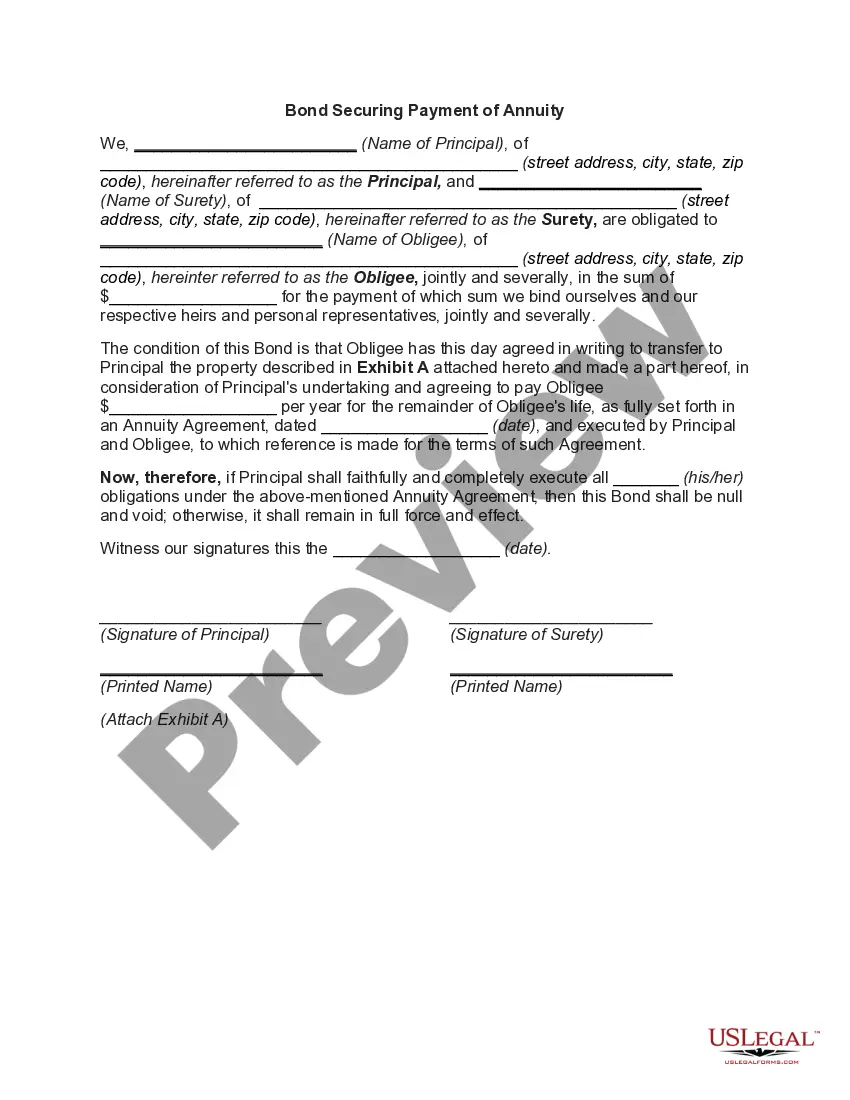
Finding the appropriate legal document template can be a challenge. Of course, there are numerous templates available online, but how can you locate the legal form you need? Utilize the US Legal Forms website. The service offers thousands of templates, including the Iowa Bond placement agreement, that you can use for business and personal purposes. All of the forms are vetted by professionals and comply with federal and state regulations.
If you are already registered, Log In to your account and click the Download button to obtain the Iowa Bond placement agreement. Use your account to search through the legal forms you have previously purchased. Go to the My documents tab in your account and get another copy of the document you need.
If you are a new user of US Legal Forms, here are simple instructions for you to follow: First, make sure you have selected the correct form for your city/region. You can review the form using the Review button and read the form details to ensure this is the best option for you. If the form does not meet your expectations, use the Search field to find the appropriate document. Once you are confident that the form is suitable, click the Get now button to acquire the document. Choose the pricing plan you prefer and enter the necessary information. Create your account and pay for the order using your PayPal account or credit card. Select the file format and download the legal document template to your device. Complete, modify, print, and sign the downloaded Iowa Bond placement agreement.
Take advantage of US Legal Forms to secure the templates you need efficiently and effectively.
- US Legal Forms is the largest collection of legal forms where you can find a variety of document templates.
- Use the service to download professionally crafted documents that adhere to state requirements.
- Ensure compliance with all legal standards by choosing the right template.
- Access a wide range of forms suited for various business and personal needs.
- Easily manage your documents through your account dashboard.
- Enjoy a user-friendly interface that simplifies the process of obtaining legal documents.
Form popularity
FAQ
How to Get an Iowa Surety Bond? Apply Online. Complete our online application containing information about your bond and your details as an applicant. Get a Bond Rate. Once we receive your application, we'll find the most appropriate bonding option for you via our large surety partner network. ... Buy Your Bond.
A Bill of Sale (PDF) signed by the seller/transferor is required for all title transfers even if the transfer is a gift. A Buyer/Transferee has 30 days to present the properly assigned title to the County Treasurer so that a title can be issued in the Buyer/Transferee name. Penalties will apply after 30 days.
Iowa title bonds are quickly issued, typically cost around $100, and have a 3-year bond period. If your vehicle is valued at over $25,000, the cost may be slightly higher. After the bond expires, there is no requirement for the bond. You will be eligible for a standard certificate of title.
A bond agreement is a legal contract between an issuer and the holder of a bond. The issuer agrees to repay the principal, usually at maturity, plus interest on time at a specified rate. Bonds are issued by governments or corporations in order to raise capital for projects that they need funding for.
Code of Iowa Chapter 28E provides the ability for governmental entities to enter into contracts with one another.
A contract bond is a guarantee the terms of a contract are fulfilled. If the contracted party fails to fulfill its duties ing to the agreed upon terms, the contract ?owner? can claim against the bond to recover financial losses or a stated default provision.
To apply for a bonded title, submit the online Application for Registration and Bonded Certificate of Title form or print the application form and mail it along with the documents listed below to Iowa DOT's Office of Vehicle & Motor Carrier Services, P.O. Box 9278, Des Moines, Iowa 50306-9278.
How Much Does an Iowa Surety Bond Cost? Surety bonds generally cost 1-15% of the required bond amount. Costs vary significantly depending on the bond amount you need and your rate (which is the percentage of the full bond amount you must pay).