Iowa Revocable Living Trust for Husband and Wife with No Children
About this form
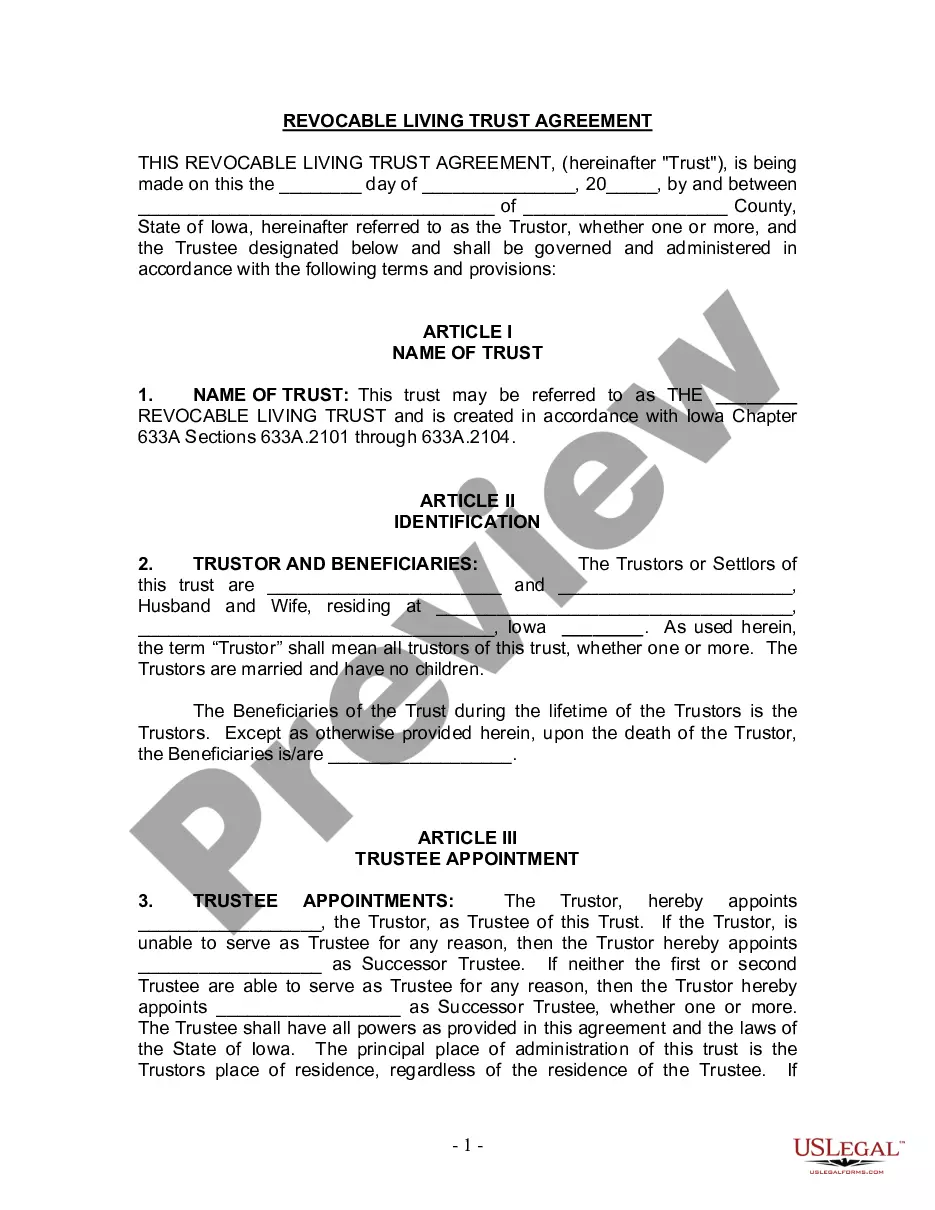
This Revocable Living Trust for Husband and Wife with No Children is a legal document that allows married couples to manage their assets and property during their lifetime and dictate the distribution of their estate upon death. The main purpose of this living trust is to avoid probate, providing a streamlined process for transferring assets to beneficiaries without court intervention. Unlike a last will and testament, this trust remains effective while the individuals are alive and can be revoked or altered at any time by the creators.
Main sections of this form
- Identification of Trustors: Includes names and addresses of the husband and wife establishing the trust.
- Appointment of Trustee: Designates the initial trustee and successor trustees responsible for managing trust assets.
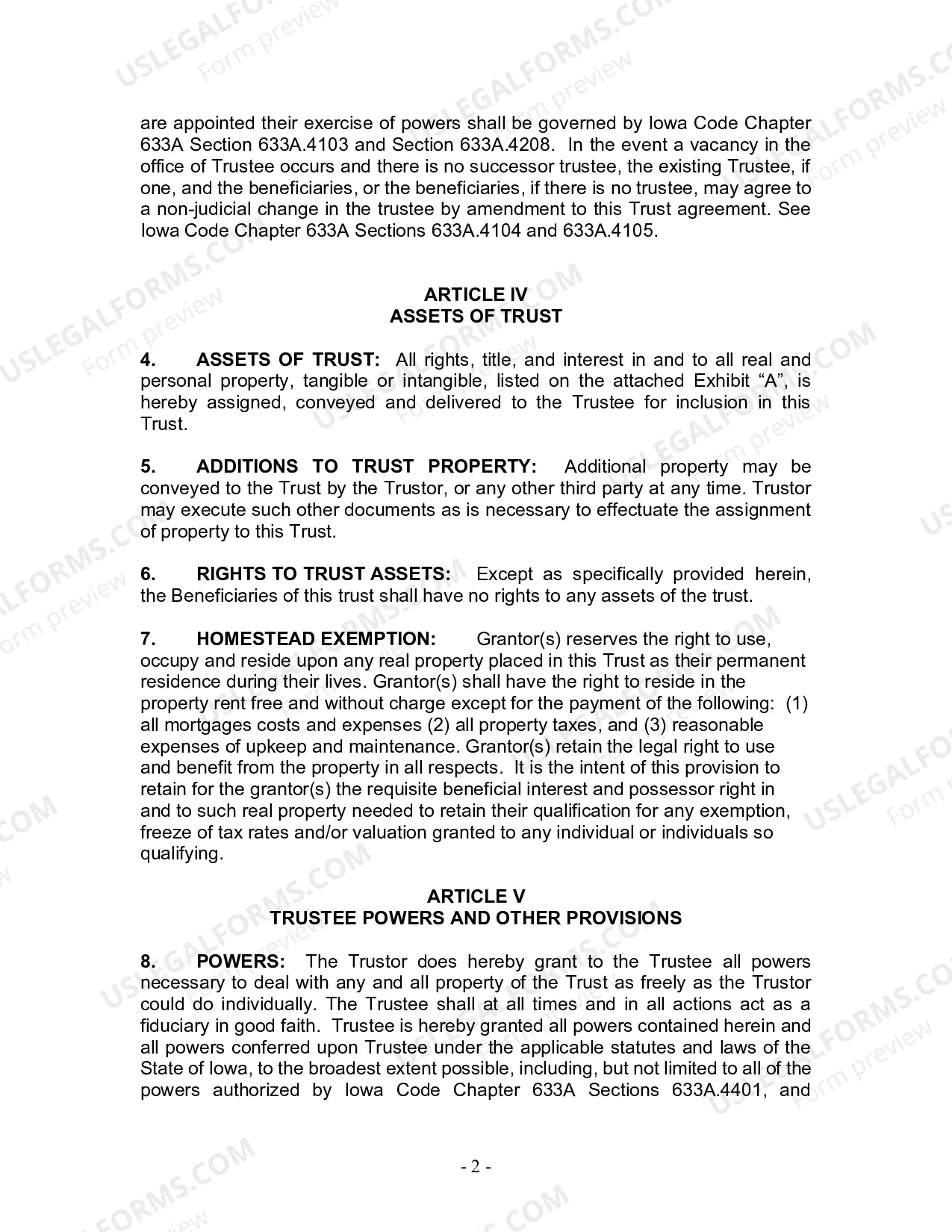
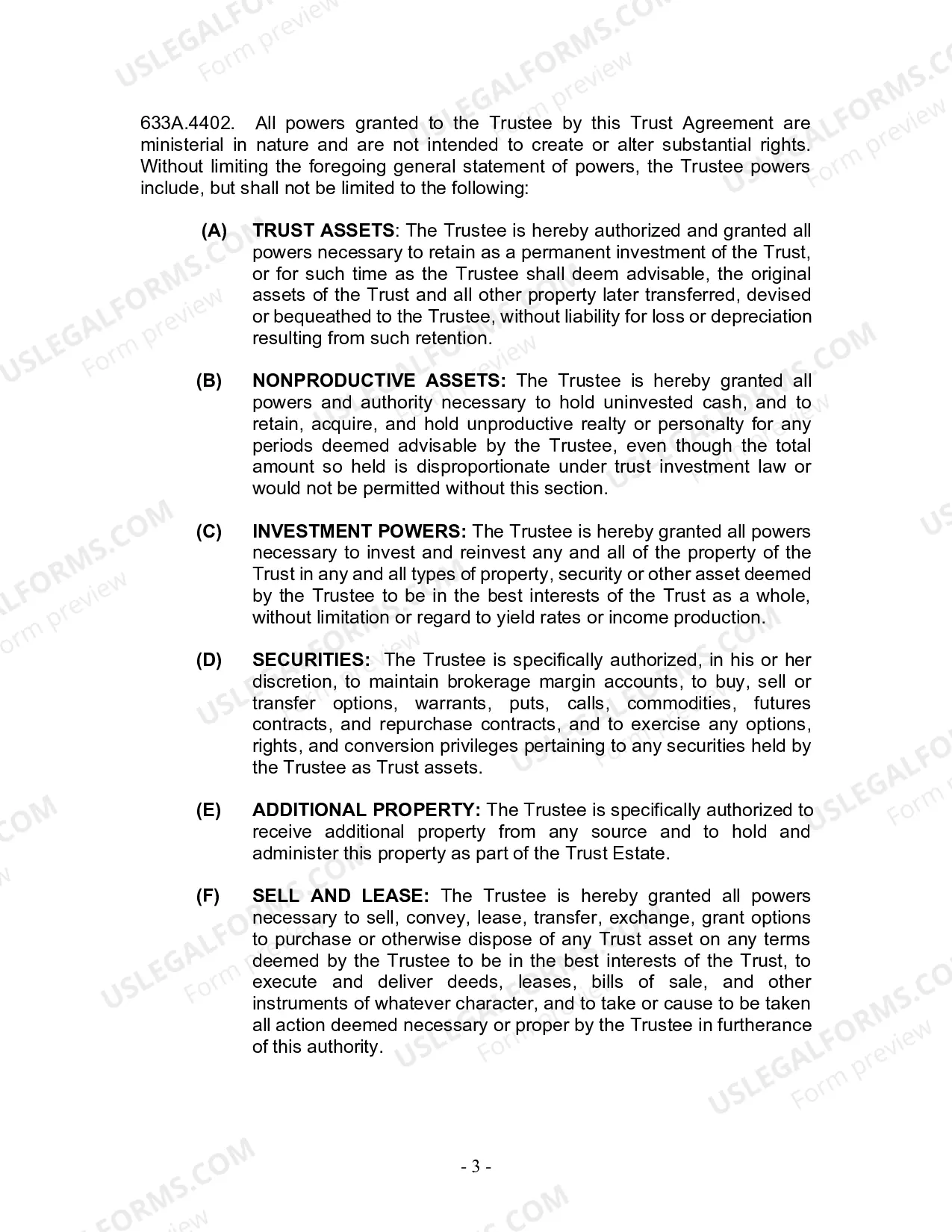
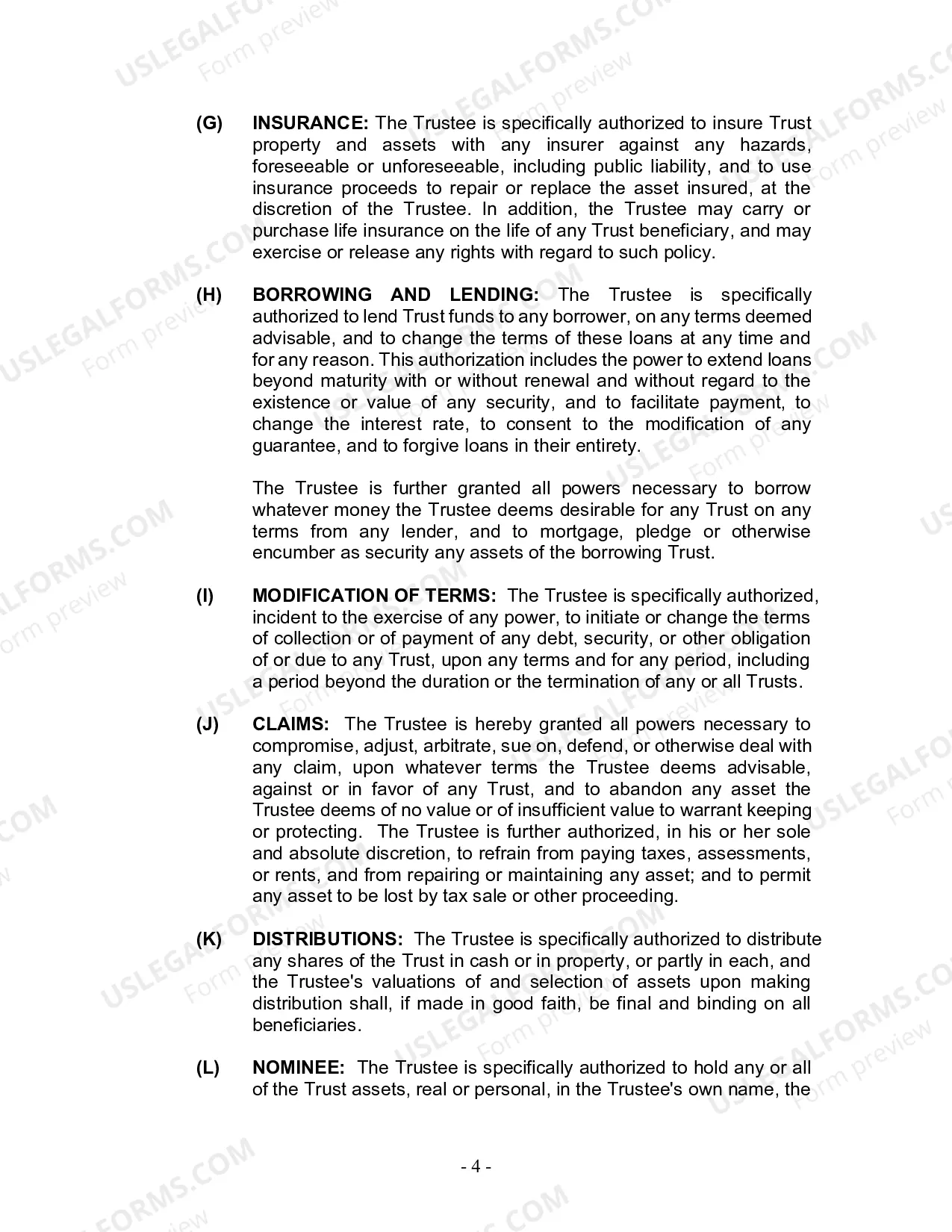
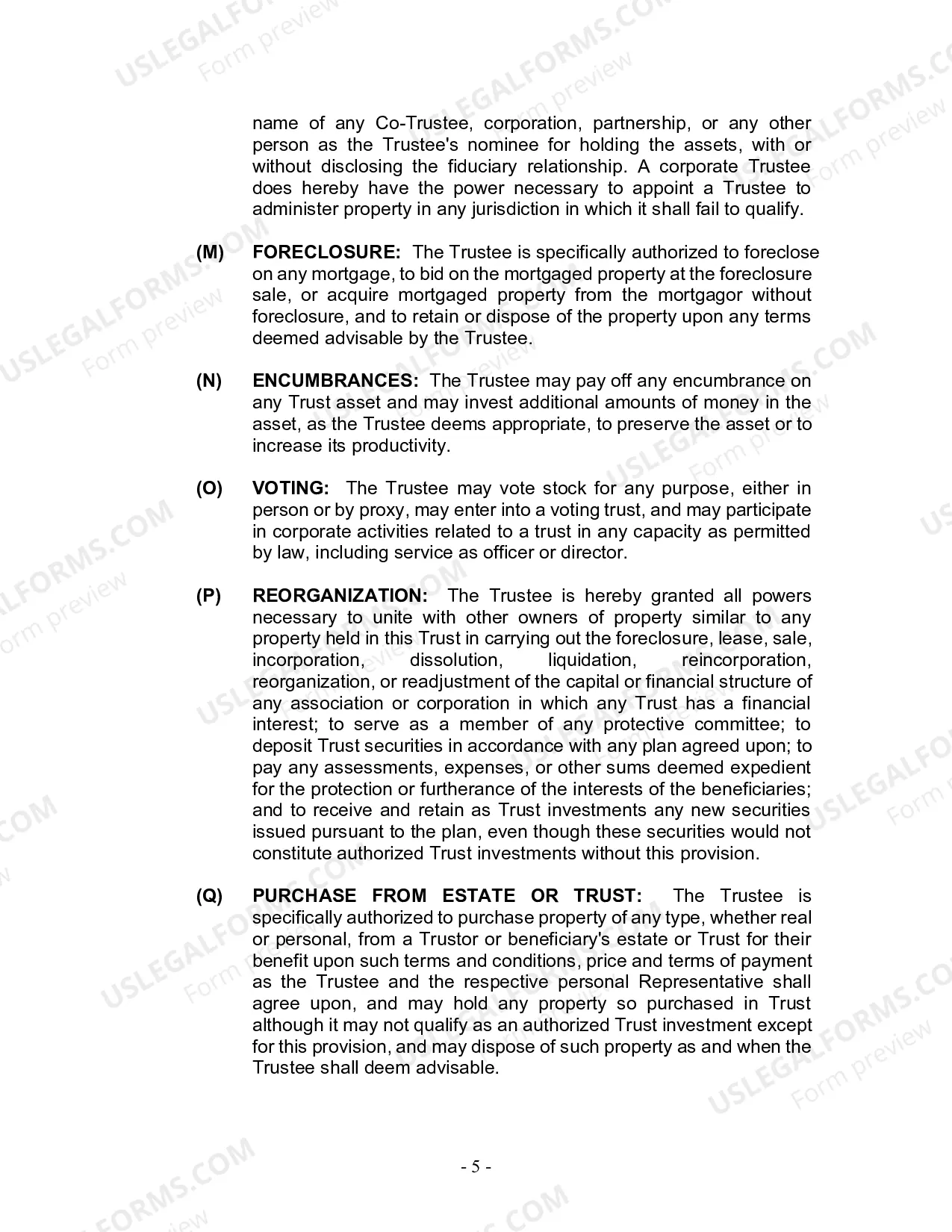
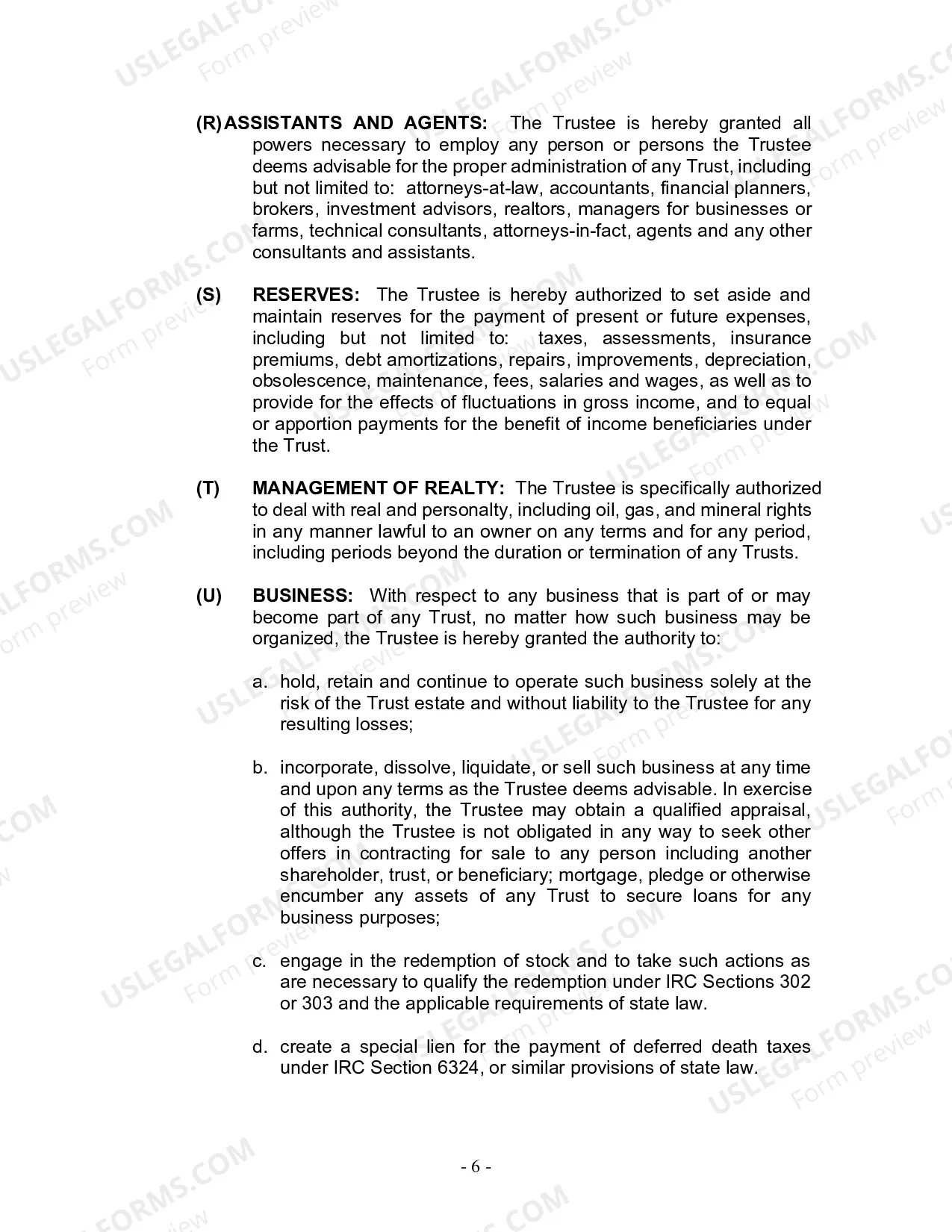
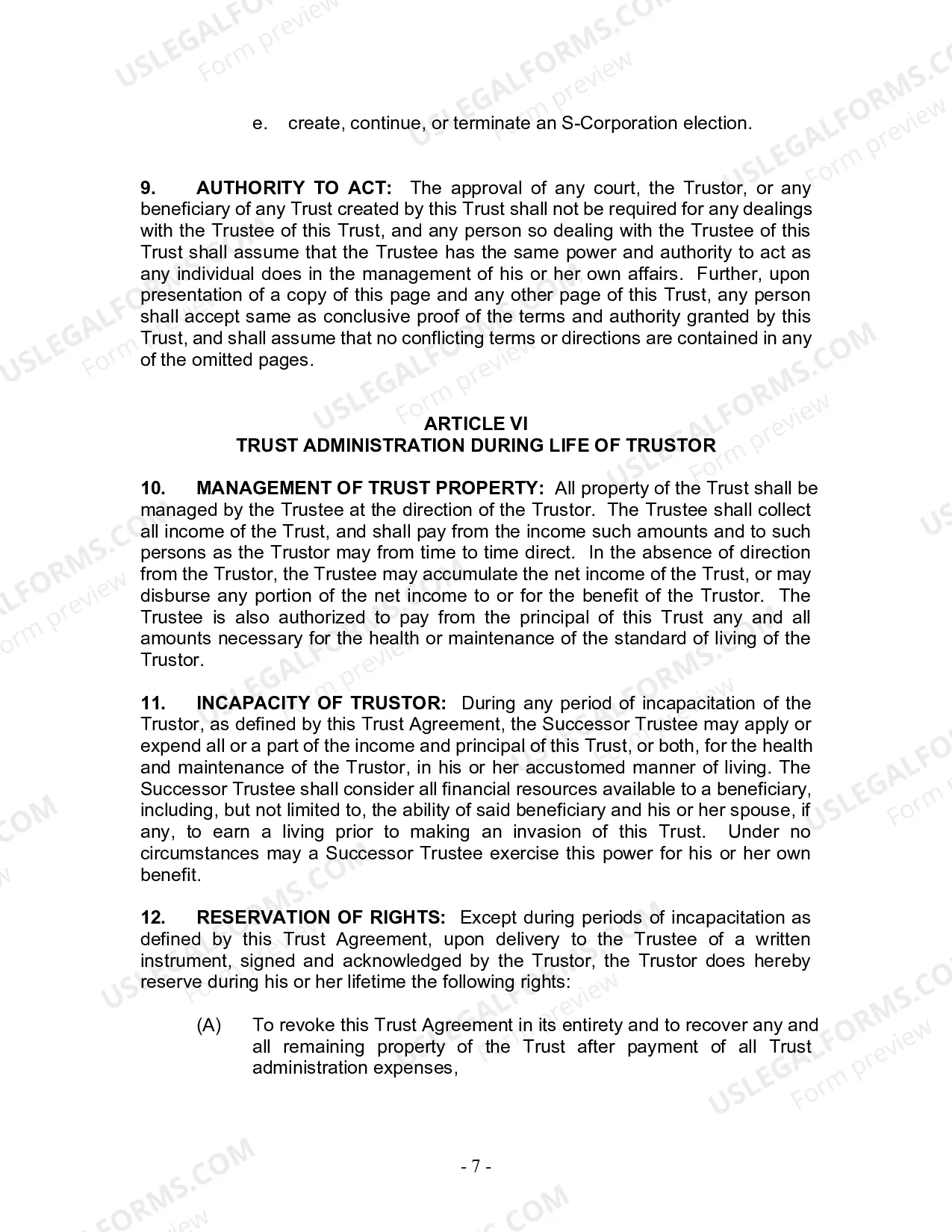
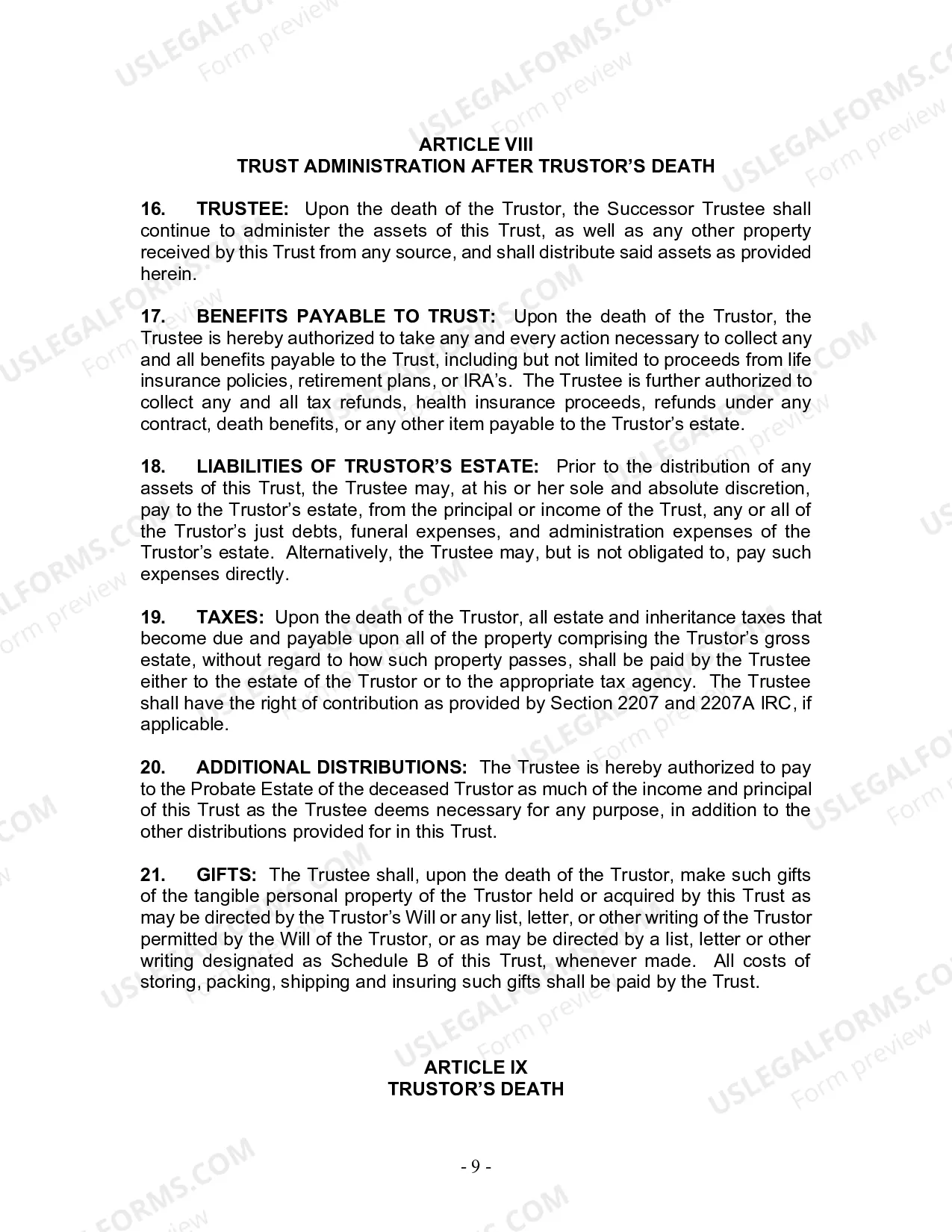
- Asset Management: Details how assets will be handled and allows the trustee broad powers over property management.
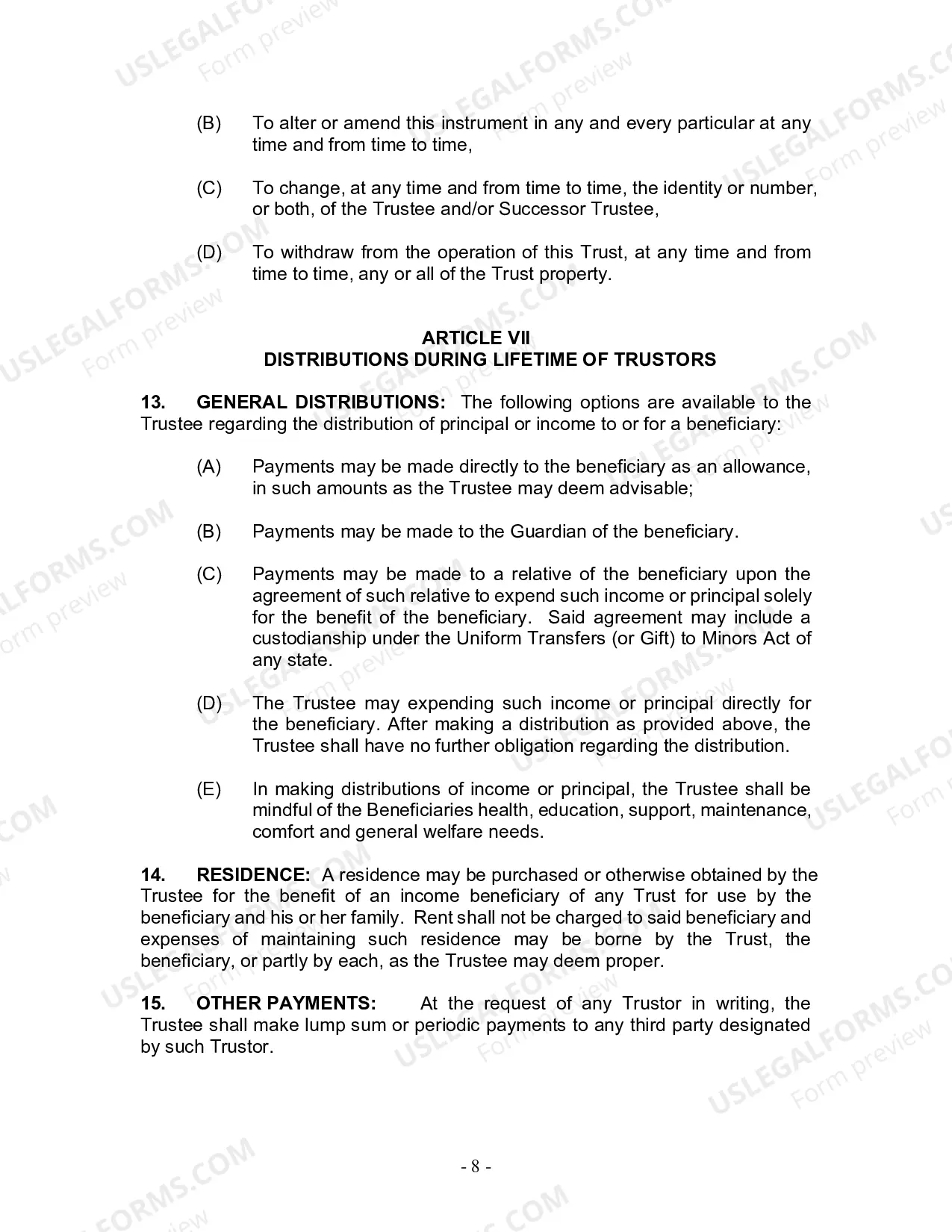
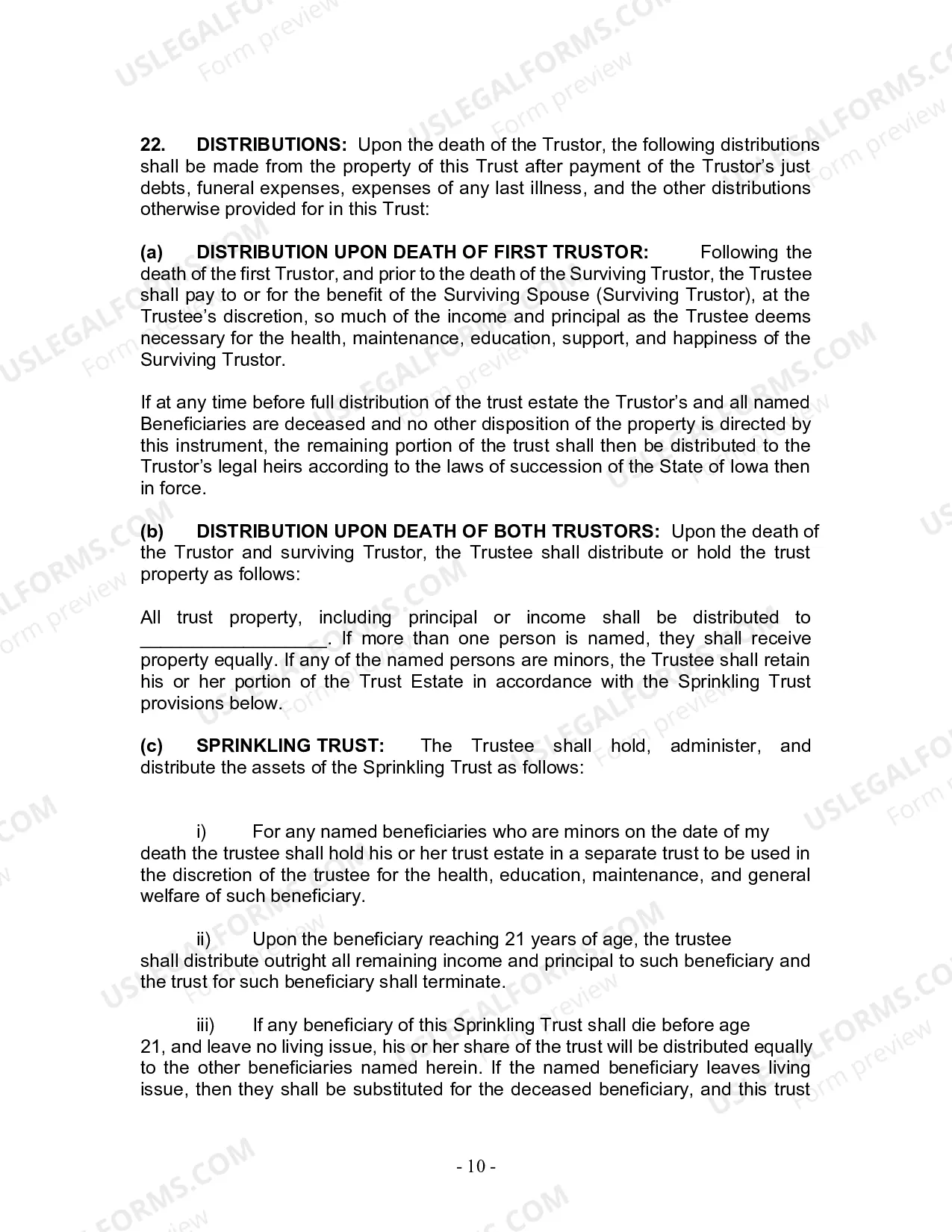
- Distribution of Assets: Outlines how assets are to be distributed upon the death of one or both Trustors.
- Right to Amend: The Trustors retain the right to alter, amend, or revoke the trust at any time during their lifetime.




Situations where this form applies
This form should be used by couples who wish to set up a revocable living trust to manage their assets and avoid probate, especially if they do not have children. It is particularly useful for estate planning purposes, providing clarity on how assets are handled during the couple's lifetime and after their deaths. This trust can also assist in protecting assets from going through the probate process, which can be lengthy and costly.
Who this form is for
- Married couples with no children looking to manage and distribute their assets effectively.
- Couples seeking to minimize probate costs and streamline the transfer of assets upon death.
- Individuals wanting to retain control over their assets during their lifetime while preparing for potential incapacity.
How to complete this form
- Identify the parties by providing the names and addresses of both Trustors (husband and wife).
- Designate the initial trustee and any successor trustees to manage the trust.
- List the assets being transferred into the trust and any additional property that may be included.
- Specify the terms for distributions upon the death of the Trustors or other triggering events.
- Sign the document in the presence of a notary public to finalize the trust agreement.
Notarization guidance
This form needs to be notarized to ensure legal validity. US Legal Forms provides secure online notarization powered by Notarize, allowing you to complete the process through a verified video call, available anytime.
Get your form ready online
Our built-in tools help you complete, sign, share, and store your documents in one place.
Make edits, fill in missing information, and update formatting in US Legal Forms—just like you would in MS Word.
Download a copy, print it, send it by email, or mail it via USPS—whatever works best for your next step.
Sign and collect signatures with our SignNow integration. Send to multiple recipients, set reminders, and more. Go Premium to unlock E-Sign.
If this form requires notarization, complete it online through a secure video call—no need to meet a notary in person or wait for an appointment.
We protect your documents and personal data by following strict security and privacy standards.

Make edits, fill in missing information, and update formatting in US Legal Forms—just like you would in MS Word.

Download a copy, print it, send it by email, or mail it via USPS—whatever works best for your next step.

Sign and collect signatures with our SignNow integration. Send to multiple recipients, set reminders, and more. Go Premium to unlock E-Sign.

If this form requires notarization, complete it online through a secure video call—no need to meet a notary in person or wait for an appointment.

We protect your documents and personal data by following strict security and privacy standards.
Common mistakes to avoid
- Failing to list all assets that should be included in the trust.
- Not designating successor trustees, which can lead to complications if the initial trustee is unavailable.
- Overlooking the need for notarization or witness signatures, which can affect the validity of the trust.
Advantages of online completion
- Convenience: Easily downloadable and modifiable to meet your specific needs.
- Time-saving: No need to visit a legal professional, allowing for quicker estate planning.
- Reliability: Form templates are drafted by licensed attorneys and comply with state laws.
Quick recap
- This form is essential for married couples with no children for managing assets and avoiding probate.
- Trustors maintain control of their assets while alive and can revoke or modify the trust at any time.
- It is necessary to notarize the document for it to be legally binding.
Looking for another form?


Form popularity
FAQ
The ideal trust for a single person often depends on their specific needs and financial circumstances. An Iowa Living Trust for Husband and Wife with No Children may not directly apply, but a revocable living trust can be an excellent option. This type of trust allows you to retain control over your assets during your lifetime while providing a clear plan for distribution when the time comes. Evaluating all trust options with a financial advisor can lead to the best decision for your situation.
Whether a couple should create separate living trusts often depends on their unique financial situation and goals. Separate trusts can provide clarity and allow for more tailored asset management, particularly if there are children from previous relationships. However, a joint Iowa Living Trust for Husband and Wife with No Children may simplify the process and ensure both partners are on the same page regarding asset distribution. Always consider consulting an estate planning attorney for personalized advice.
One of the biggest mistakes parents make when setting up a trust fund is not clearly communicating their intentions to their beneficiaries. Failing to specify how funds should be managed or distributed can lead to confusion and conflicts later on. Additionally, parents might overlook the importance of regularly reviewing and updating the trust to reflect changes in their financial situation or family dynamics. Leveraging Uslegalforms can ensure you create a well-structured Iowa Living Trust for Husband and Wife with No Children that meets your specific goals.
In many cases, an Iowa Living Trust for Husband and Wife with No Children may offer advantages over a will. Trusts can bypass probate, allowing for quicker distribution of assets to beneficiaries. Moreover, trusts provide greater privacy since they don’t go through public probate proceedings. If you're considering the best option for your situation, Uslegalforms can help clarify the distinctions and benefits of both.
Yes, you can write your own trust in Iowa, especially if you choose the Iowa Living Trust for Husband and Wife with No Children. This option allows you flexibility and control over how your assets are managed and distributed. However, it is essential to ensure that your trust meets all legal requirements to be valid, which Uslegalforms can assist you with through their resources and templates.
Even if you are a single person with no children, establishing an Iowa Living Trust for Husband and Wife with No Children can be beneficial. A trust allows you to manage your assets in a way that aligns with your wishes and can simplify the distribution process upon your passing. Additionally, having a trust can help avoid probate, saving time and resources. Uslegalforms offers templates and guidance to help you easily create the right trust.
Who Gets What: The Basic Rules of Intestate Succession.Generally, only spouses, registered domestic partners, and blood relatives inherit under intestate succession laws; unmarried partners, friends, and charities get nothing. If the deceased person was married, the surviving spouse usually gets the largest share.
Iowa does not have an estate tax. The inheritance tax is based on the value of property that a beneficiary receives from a person who died. The relationship between the person receiving the property and the decedent determines whether the tax will be owed.
Children - if there is no surviving married or civil partner If there is no surviving partner, the children of a person who has died without leaving a will inherit the whole estate. This applies however much the estate is worth. If there are two or more children, the estate will be divided equally between them.
Surviving spouse. parents, grandparents, and other lineal ancestors, and. children (biological or legally adopted), stepchildren, grandchildren, and other lineal descendants. charitable organization as defined in sections 170(c) and 2055 of the Internal Revenue Code.