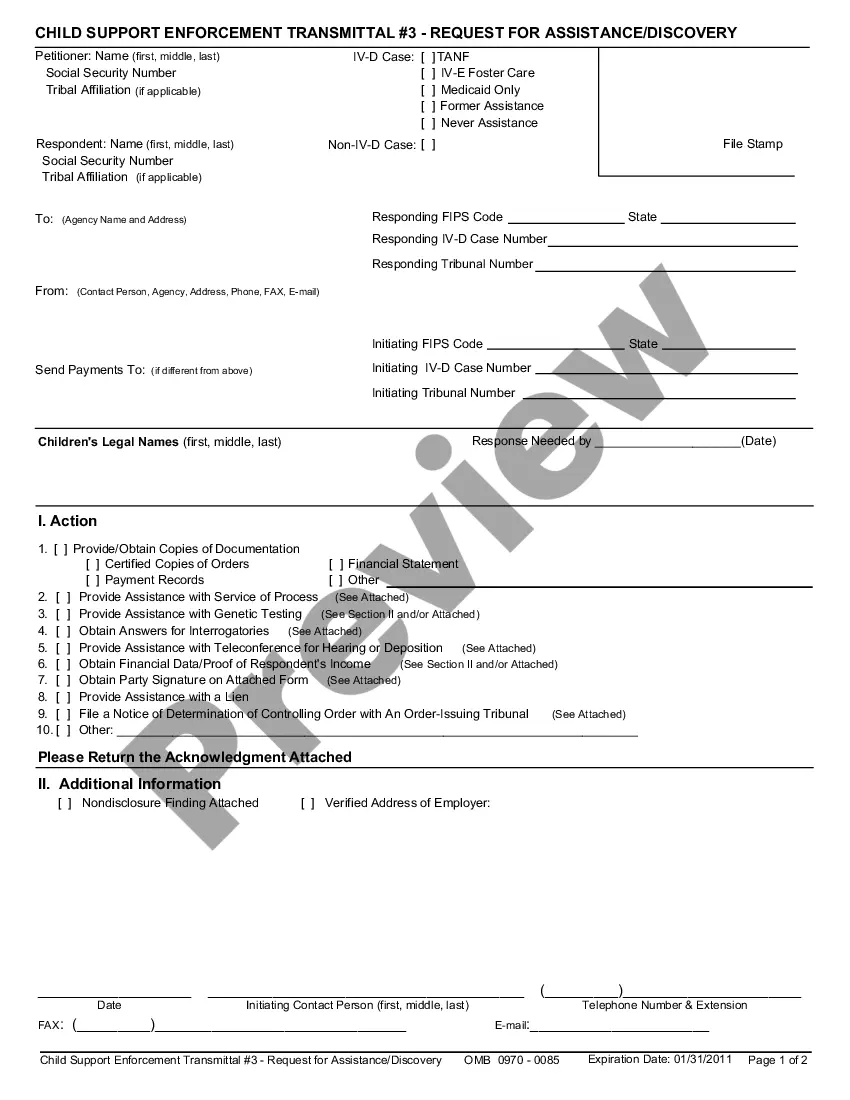
Iowa Discovery Interrogatories from Plaintiff to Defendant with Production Requests
What is this form?
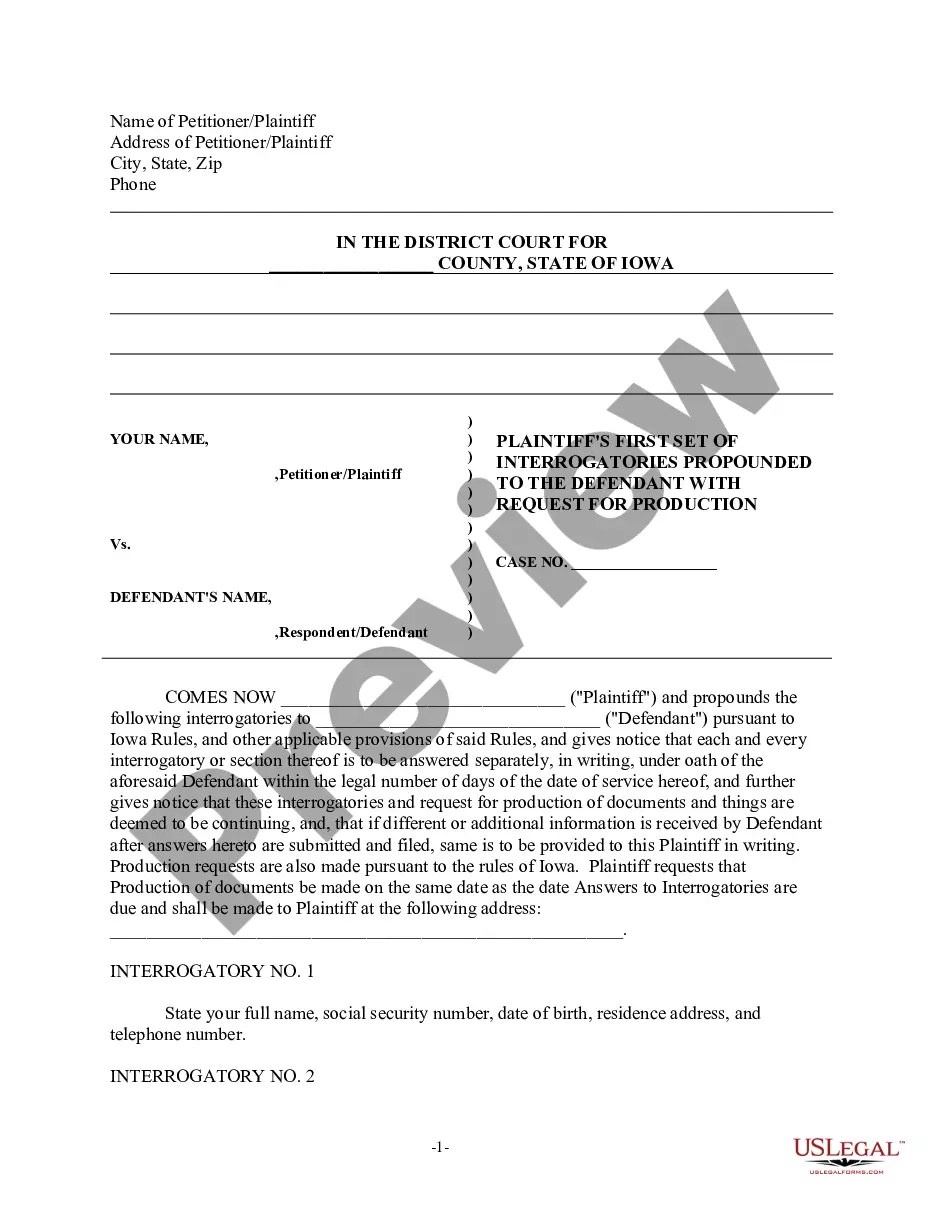
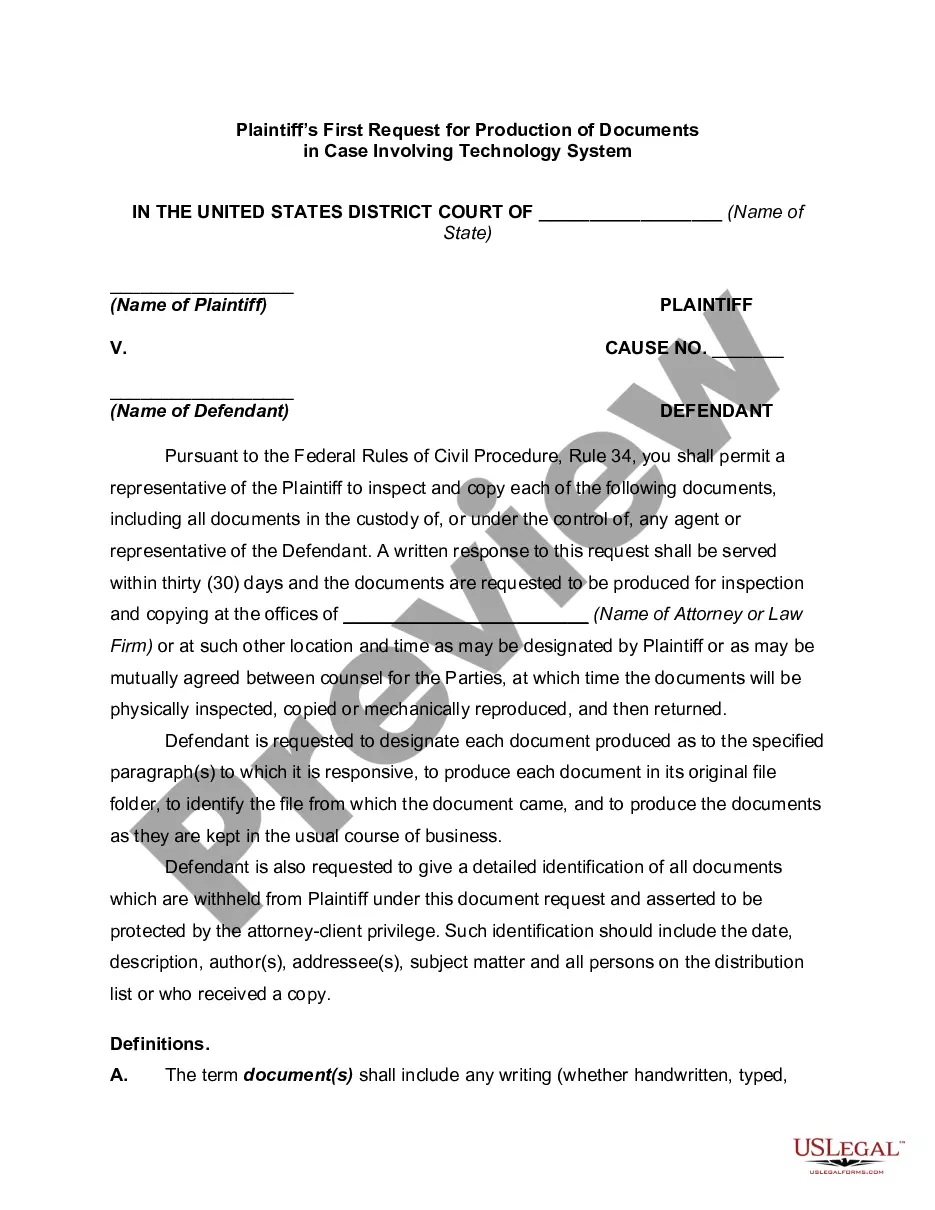
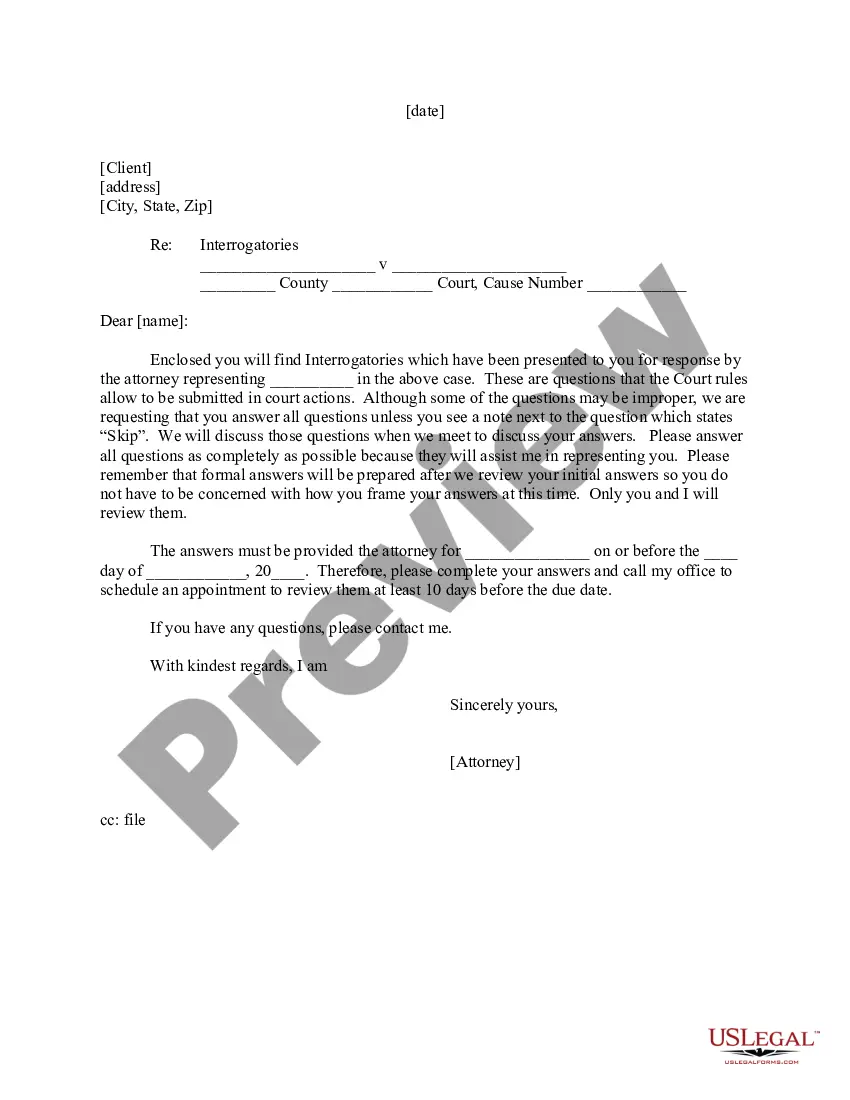
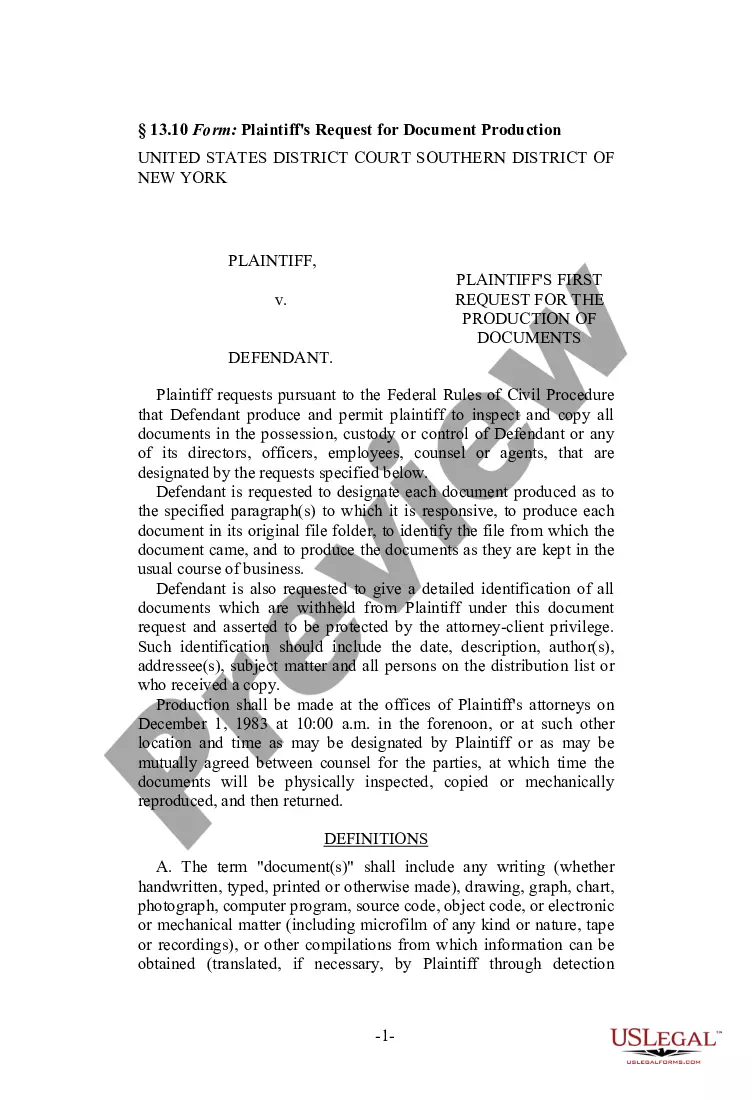
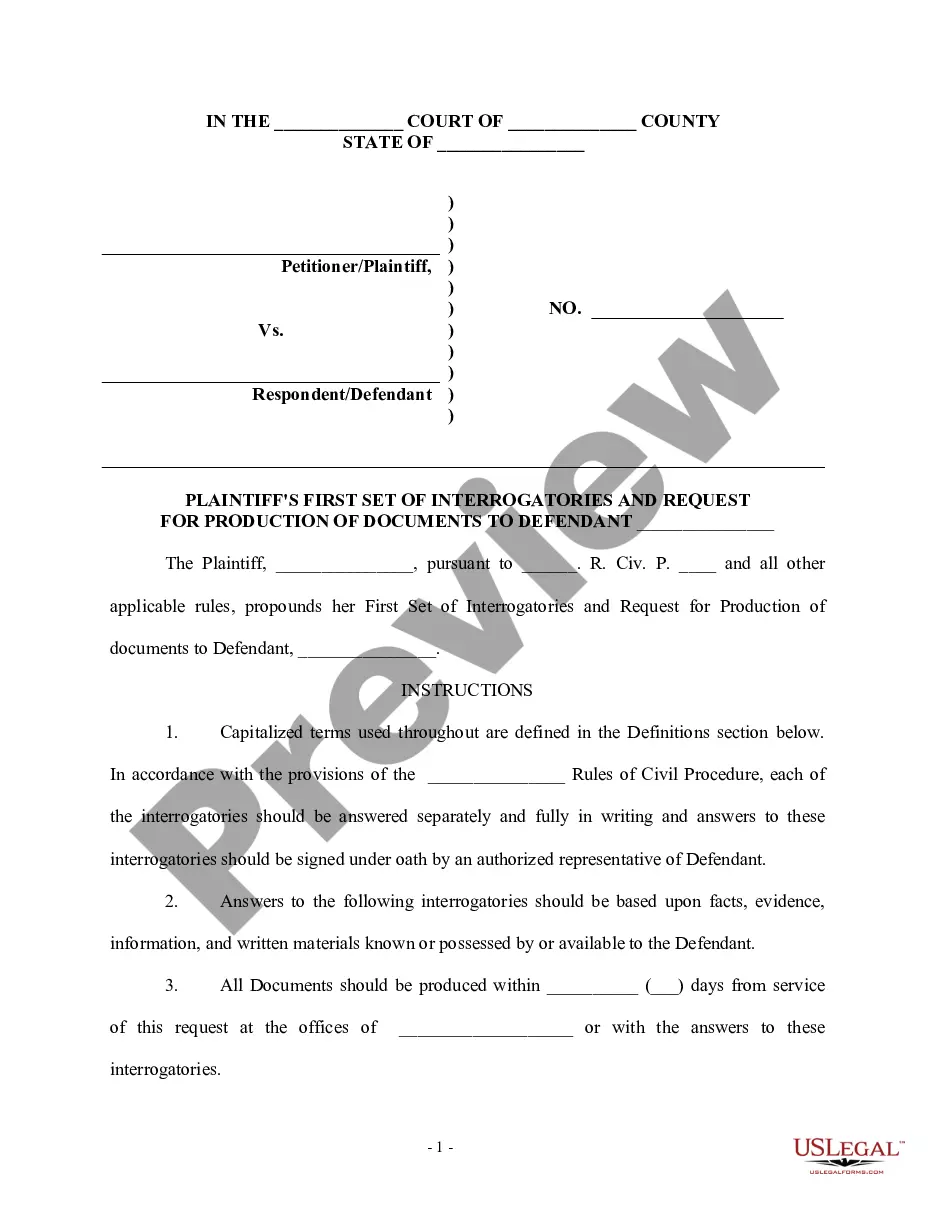
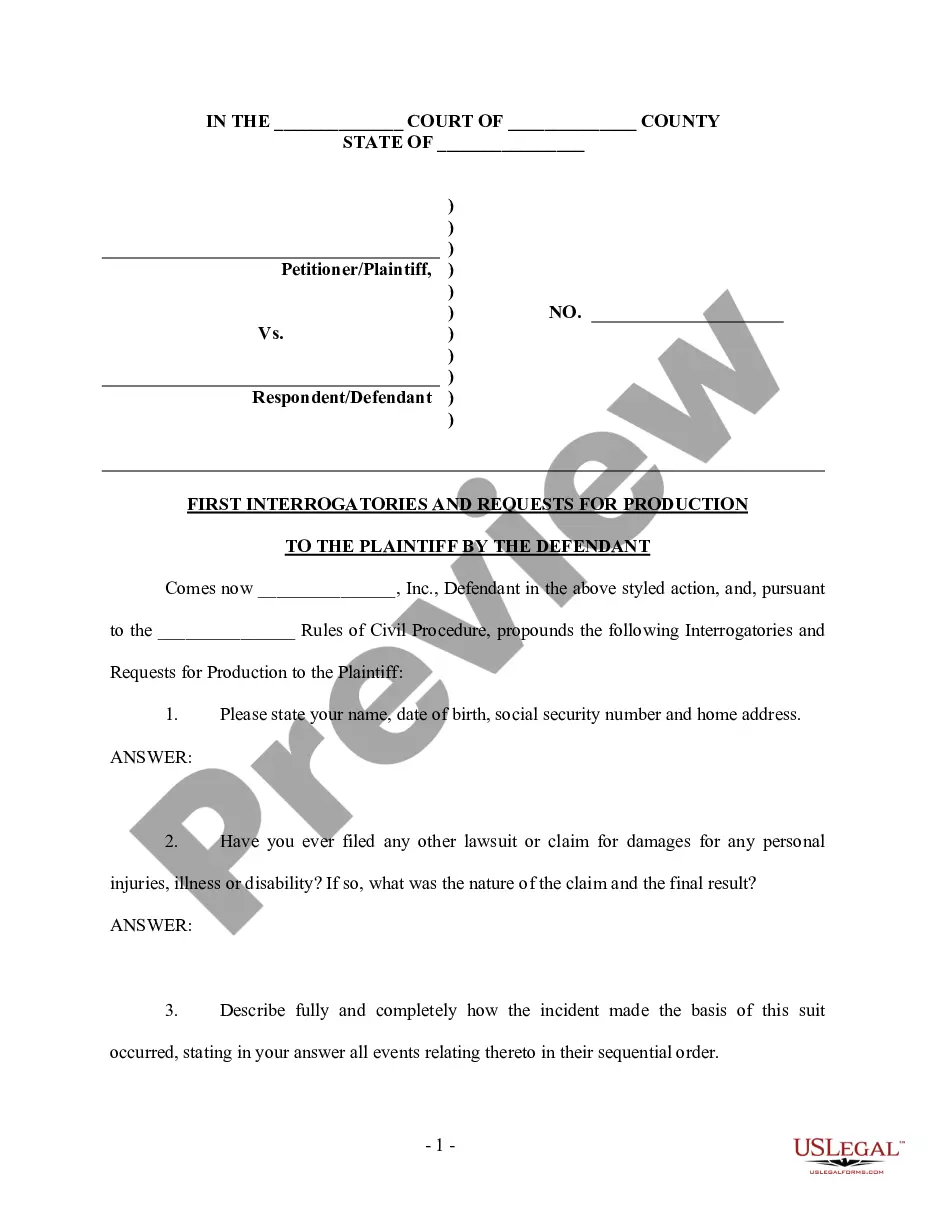
This Discovery Interrogatories from Plaintiff to Defendant with Production Requests form is a tool utilized in divorce actions. It enables the plaintiff to formally request information from the defendant, including details about assets, income, and other relevant matters. This form provides a comprehensive set of interrogatories that can be customized to fit the specific needs of your case, making it distinct from other legal forms focused solely on interrogatories or document requests.
What’s included in this form
- Identification of parties involved, including names and contact information.
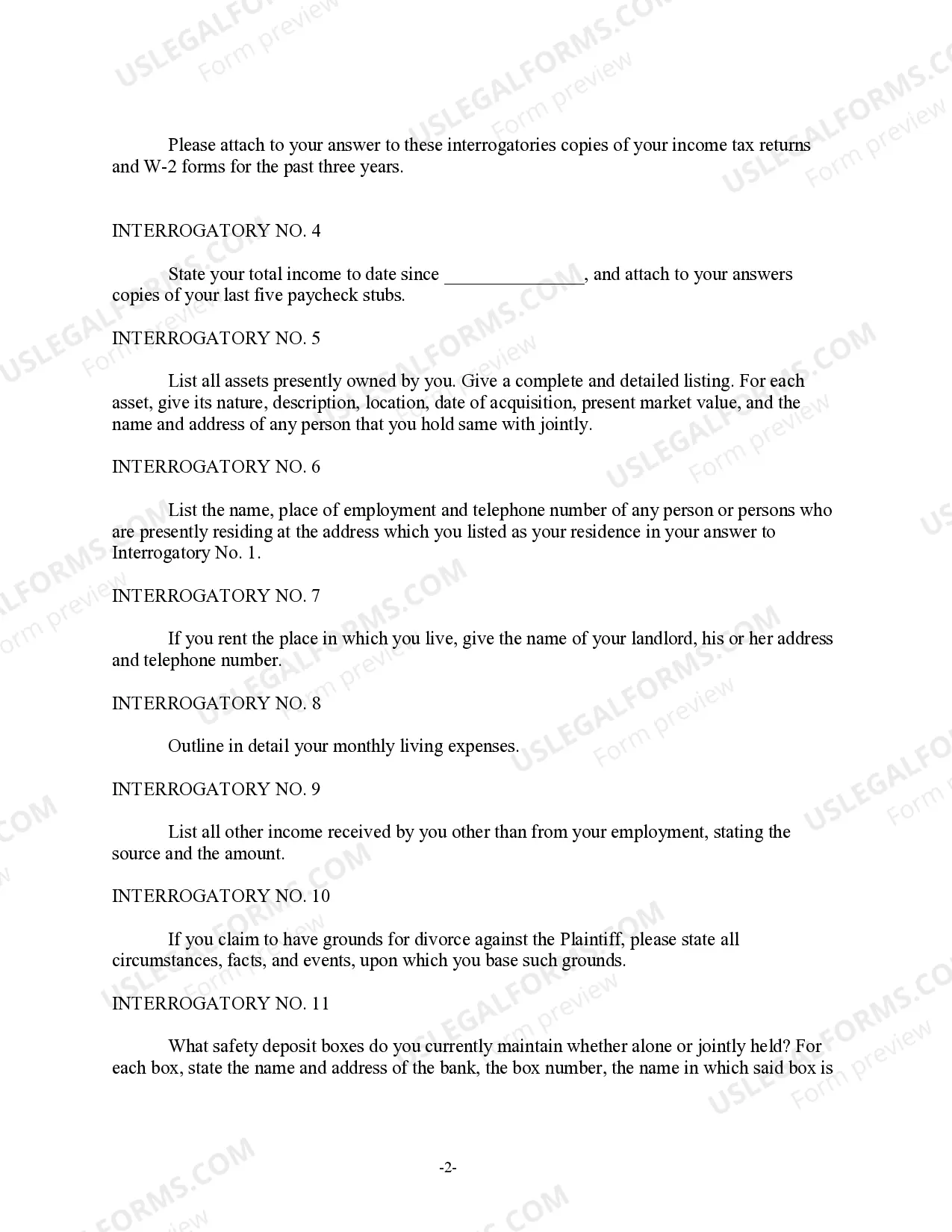
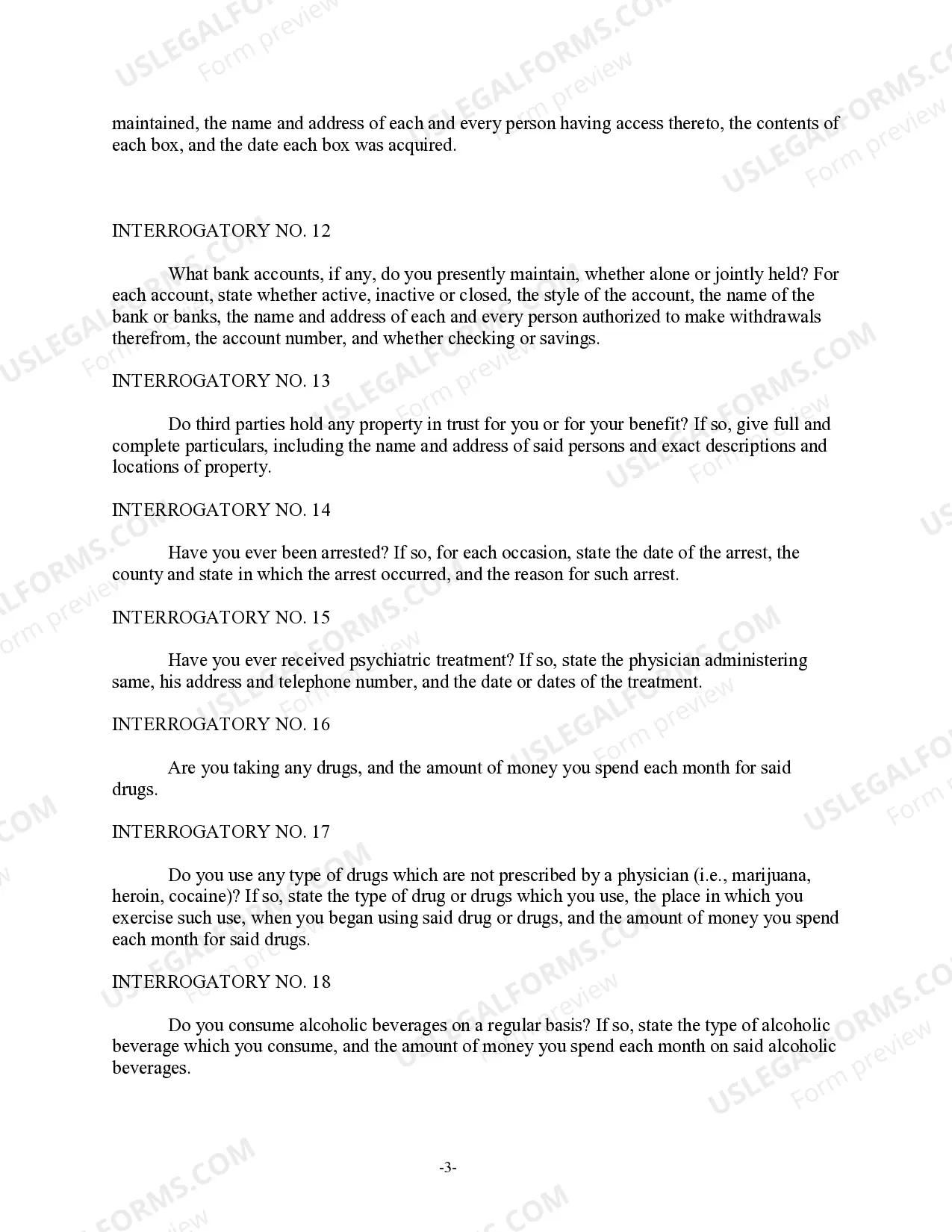
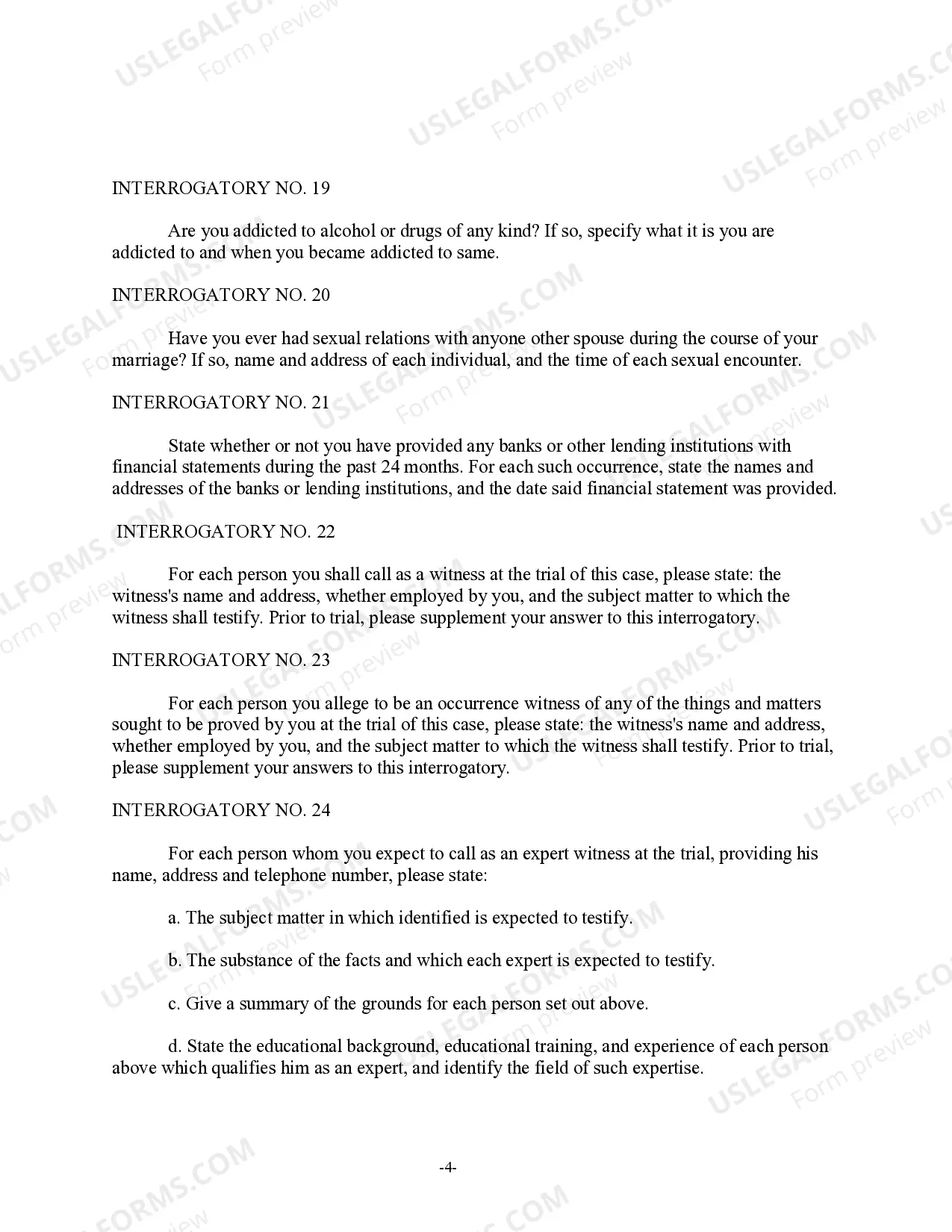
- Detailed interrogatories that inquire about the defendantâs financial status and personal information.
- Request for production of documents relevant to the defendant's financial situation, such as tax returns and bank statements.
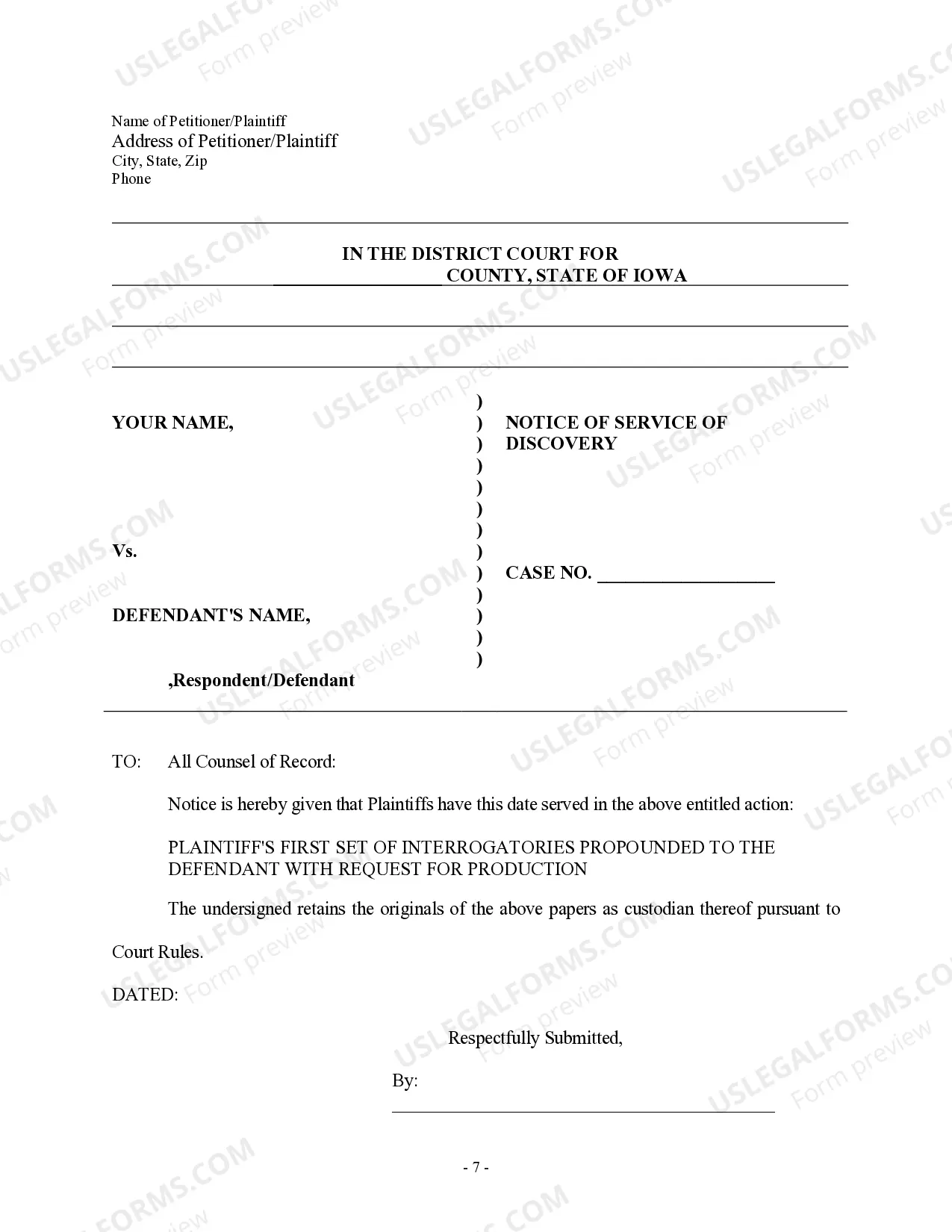
- Notice of service of interrogatories, which confirms that the defendant has received the questions.
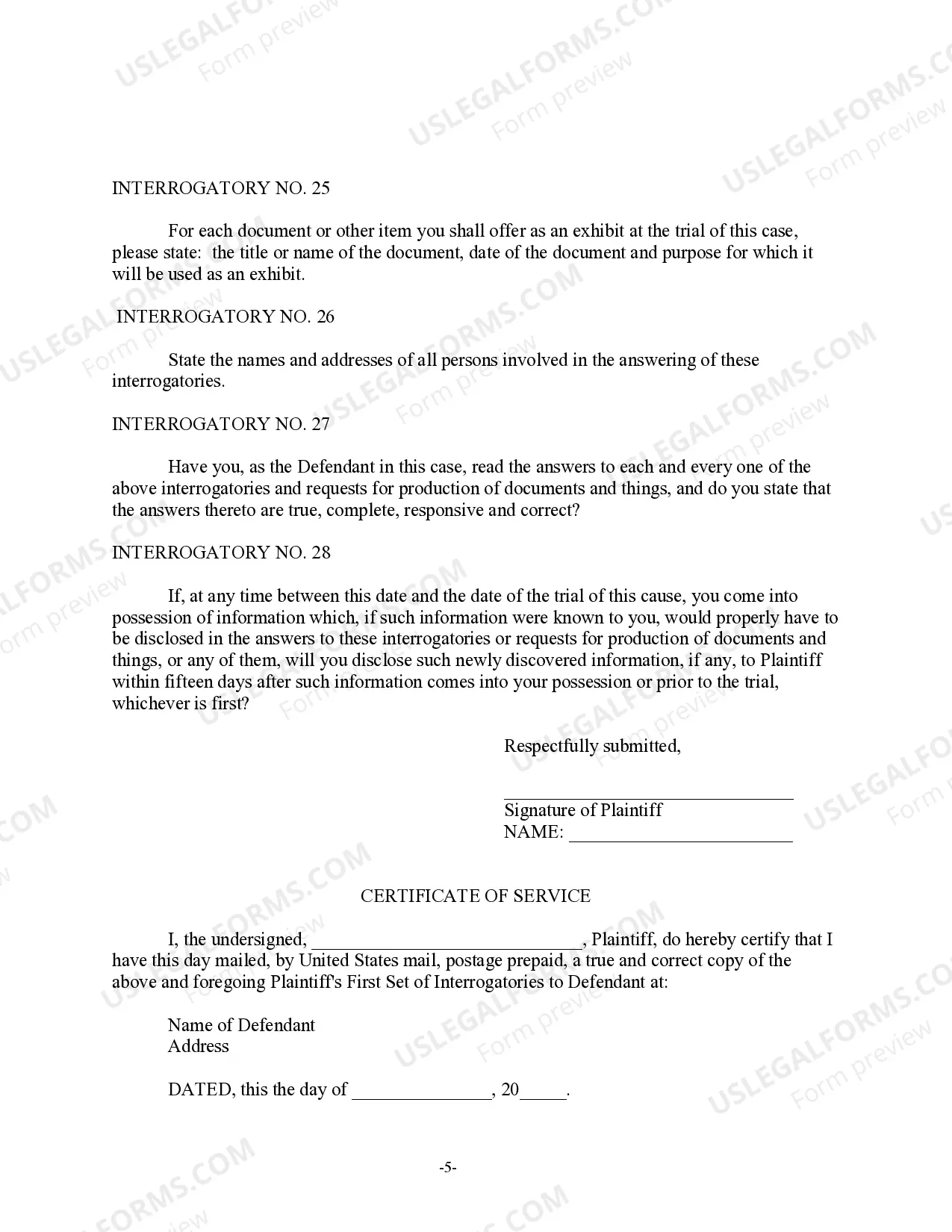
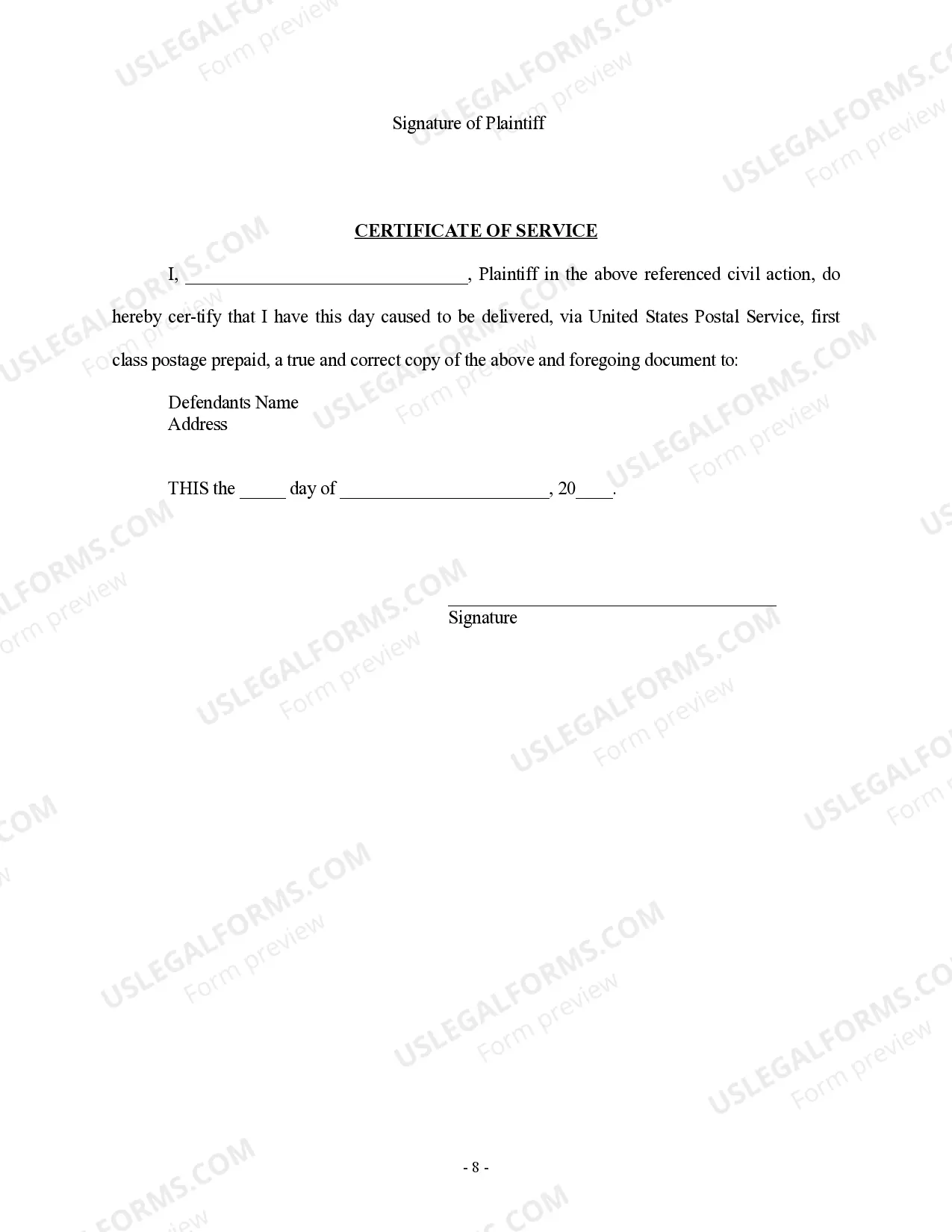
- Certification of service, ensuring proper notification of all parties involved.

When this form is needed
This form should be used when a plaintiff in a divorce case needs to gather detailed information from the defendant. It is typically employed during the discovery phase of the legal process, allowing the plaintiff to ask specific questions and request documents that will aid in understanding the defendant's financial situation and any claims being made. It can also be used to set the stage for negotiations or proceedings in court.
Who this form is for
- Divorce plaintiffs seeking information from their spouses.
- Individuals who are representing themselves in divorce proceedings.
- Legal professionals assisting clients in preparing for divorce cases.
Steps to complete this form
- Fill in the names and addresses of the plaintiff and defendant at the top of the form.
- Address each interrogatory specifically, ensuring questions are relevant to your case.
- Include any requests for production of documents that pertain to the financial matters of the defendant.
- Complete the Notice of Service and Certification sections to confirm that the form has been properly served to the defendant.
- Review the form thoroughly to ensure accuracy and completeness before submission.
Is notarization required?
This form does not typically require notarization unless specified by local law. Itâs essential to check with your jurisdiction to ensure compliance with any additional requirements.
Get your form ready online
Our built-in tools help you complete, sign, share, and store your documents in one place.
Make edits, fill in missing information, and update formatting in US Legal Forms—just like you would in MS Word.
Download a copy, print it, send it by email, or mail it via USPS—whatever works best for your next step.
Sign and collect signatures with our SignNow integration. Send to multiple recipients, set reminders, and more. Go Premium to unlock E-Sign.
If this form requires notarization, complete it online through a secure video call—no need to meet a notary in person or wait for an appointment.
We protect your documents and personal data by following strict security and privacy standards.

Make edits, fill in missing information, and update formatting in US Legal Forms—just like you would in MS Word.

Download a copy, print it, send it by email, or mail it via USPS—whatever works best for your next step.

Sign and collect signatures with our SignNow integration. Send to multiple recipients, set reminders, and more. Go Premium to unlock E-Sign.

If this form requires notarization, complete it online through a secure video call—no need to meet a notary in person or wait for an appointment.

We protect your documents and personal data by following strict security and privacy standards.
Avoid these common issues
- Failing to customize the interrogatories to fit the specifics of the case.
- Omitting necessary information in the identification section.
- Not serving the form according to local court rules, risking the validity of the process.
- Neglecting to include the proper notice of service.
Advantages of online completion
- Convenient access to customizable legal forms from anywhere.
- Editable templates allow for quick adjustments based on your individual case.
- Immediate download options ensure you can start the process without delay.
Key takeaways
- This form combines interrogatories and document requests for comprehensive discovery in divorce cases.
- It is essential for gathering essential information to support the divorce process.
- Always tailor the form to suit the specific facts of your case for the best results.
Looking for another form?

Form popularity
FAQ
The two types of interrogatories are general interrogatories and specific interrogatories. General interrogatories ask for basic facts related to the case, while specific interrogatories inquire about particular aspects, requiring detailed answers. Utilizing Iowa Discovery Interrogatories from Plaintiff to Defendant with Production Requests can clarify ambiguities and strengthen your case by uncovering vital information. Consider using platforms like uslegalforms to streamline this process effectively.
No, a request for admission is also distinct from an interrogatory. Requests for admission are designed to establish certain facts as true, thereby streamlining issues in the case. In contrast, Iowa Discovery Interrogatories from Plaintiff to Defendant with Production Requests focus on obtaining answers to specific questions, which often guides the direction of the legal arguments. Knowing the differences helps you craft a stronger case.
No, a request for production is not an interrogatory. Instead, it is a separate discovery tool used in the context of Iowa Discovery Interrogatories from Plaintiff to Defendant with Production Requests. While interrogatories require a party to answer questions in writing, requests for production compel the opposing party to provide documents or tangible items relevant to the case. Understanding these distinctions is critical for effective legal strategy.
Rule 1.808 in Iowa outlines the procedures for serving discovery interrogatories from a plaintiff to a defendant, including requests for document production. This rule ensures that all parties have the opportunity to share pertinent information regarding the case. Understanding Iowa Discovery Interrogatories from Plaintiff to Defendant with Production Requests is crucial for effective legal communication and compliance. Utilizing resources on platforms like USLegalForms can simplify the process of drafting and submitting these documents, helping you navigate Iowa's discovery rules with confidence.
The discovery rule in Iowa governs how parties can obtain evidence relevant to their case. This rule is particularly significant during litigation, facilitating the exchange of information through interrogatories and other discovery methods. Utilizing Iowa Discovery Interrogatories from Plaintiff to Defendant with Production Requests can streamline the discovery phase and ensure a comprehensive understanding of the case.
Rule 1.943 in Iowa outlines the process for responding to discovery requests. It includes timeframes and clarifications around the duties of each party regarding discovery. Awareness of this rule enhances the effectiveness of Iowa Discovery Interrogatories from Plaintiff to Defendant with Production Requests, ensuring compliance and minimizing delays during the litigation process.
Requests for production are distinct from interrogatories, though they serve related purposes. Requests for production involve obtaining documents or tangible items, while interrogatories seek written answers to specific questions. Both tools play vital roles in the discovery process, especially in Iowa Discovery Interrogatories from Plaintiff to Defendant with Production Requests, allowing plaintiffs to collect necessary evidence.
The 2000 foot rule in Iowa pertains to obtaining certain types of evidence within a specified distance from a particular location. This rule is crucial for cases that relate to property and zoning issues. Effective use of Iowa Discovery Interrogatories from Plaintiff to Defendant with Production Requests can ensure thorough exploration of all relevant facts, especially concerning this rule.
A 1.944 dismissal notice in Iowa serves as a formal notice that notifies the court and parties involved about the dismissal of a case. This notice is critical because it outlines when a case is canceled and avoids any misunderstandings in ongoing litigation. Thus, understanding this notice can help manage the discovery process, including Iowa Discovery Interrogatories from Plaintiff to Defendant with Production Requests.
A plaintiff in Iowa can serve interrogatories on a defendant soon after the defendant has been served with the summons and complaint. This timing is essential as it helps gather relevant information early in the legal process. The use of Iowa Discovery Interrogatories from Plaintiff to Defendant with Production Requests allows for effective information gathering right at the start of the case.