Iowa Bill of Sale
What is this form?
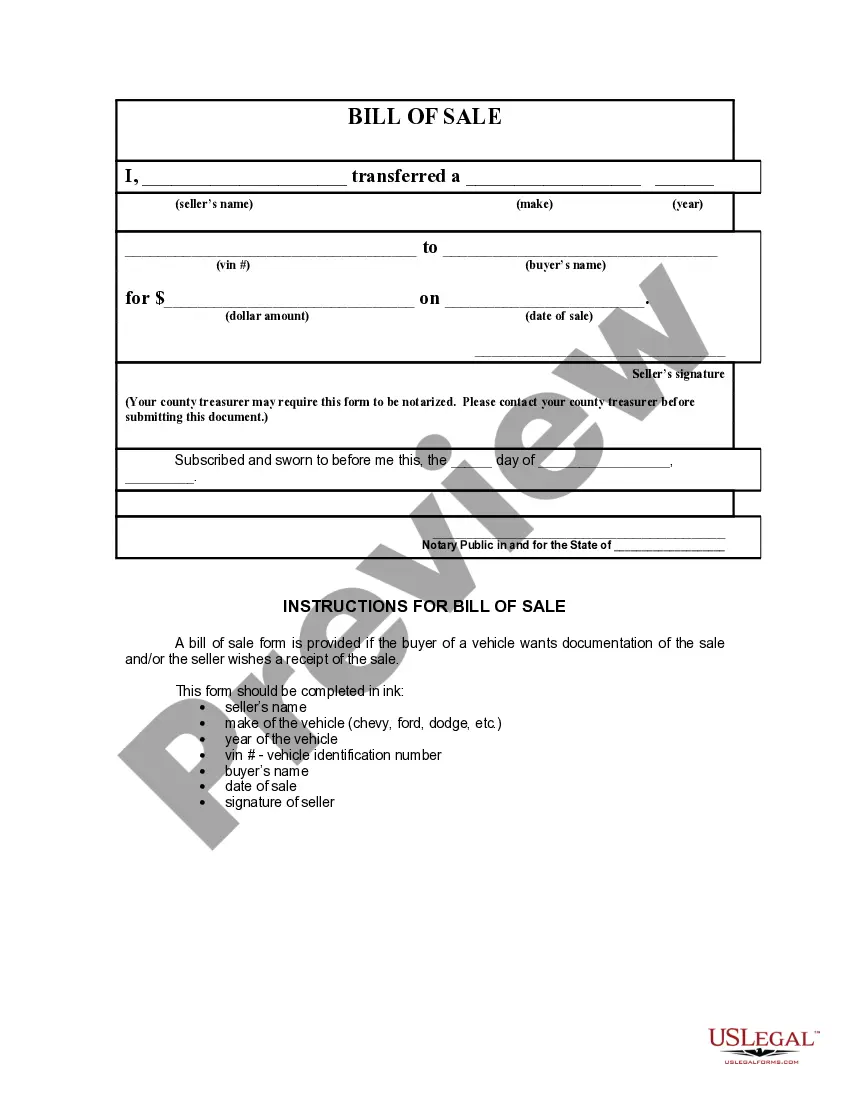
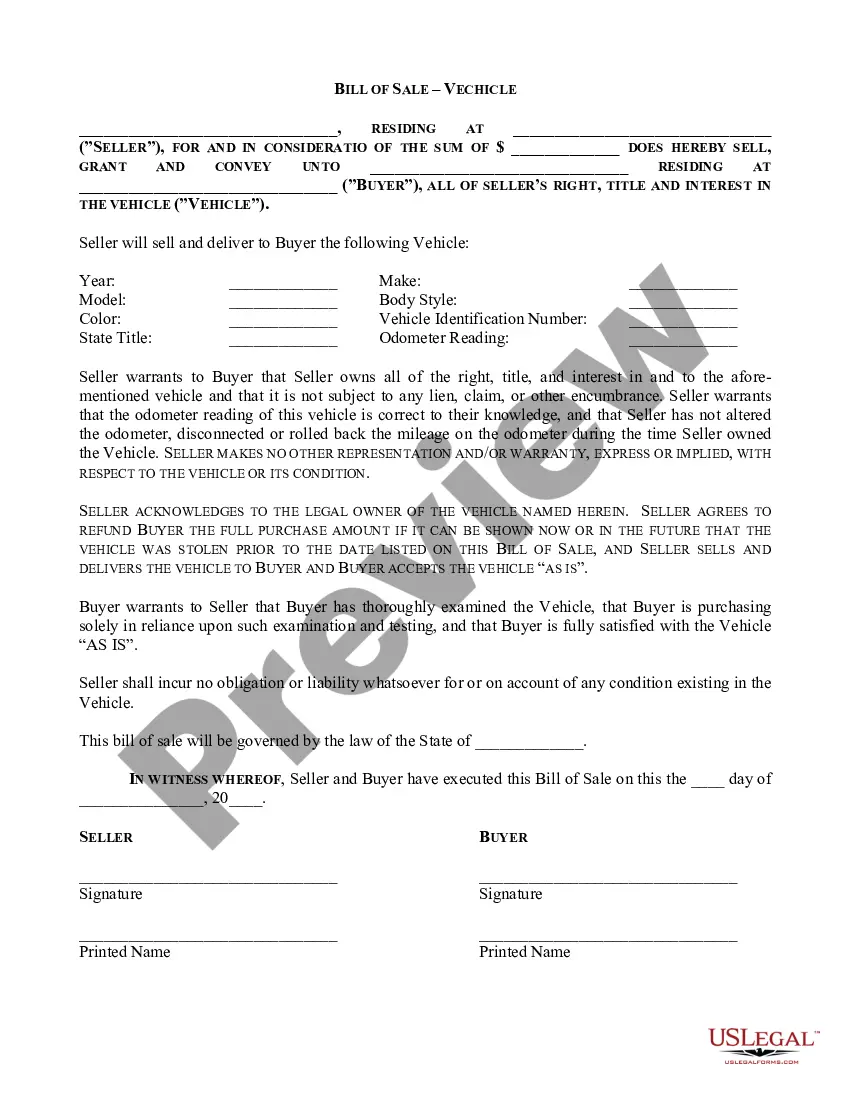
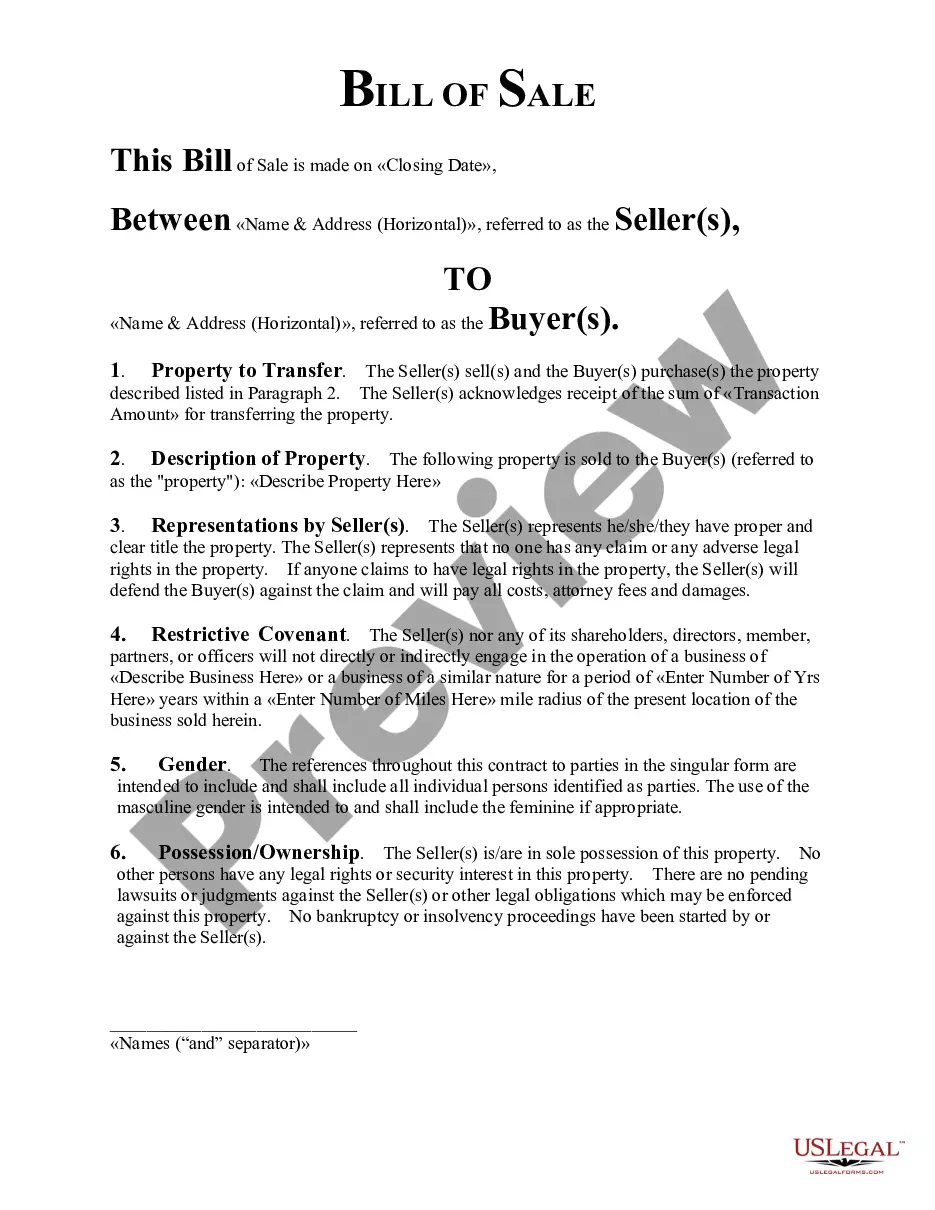
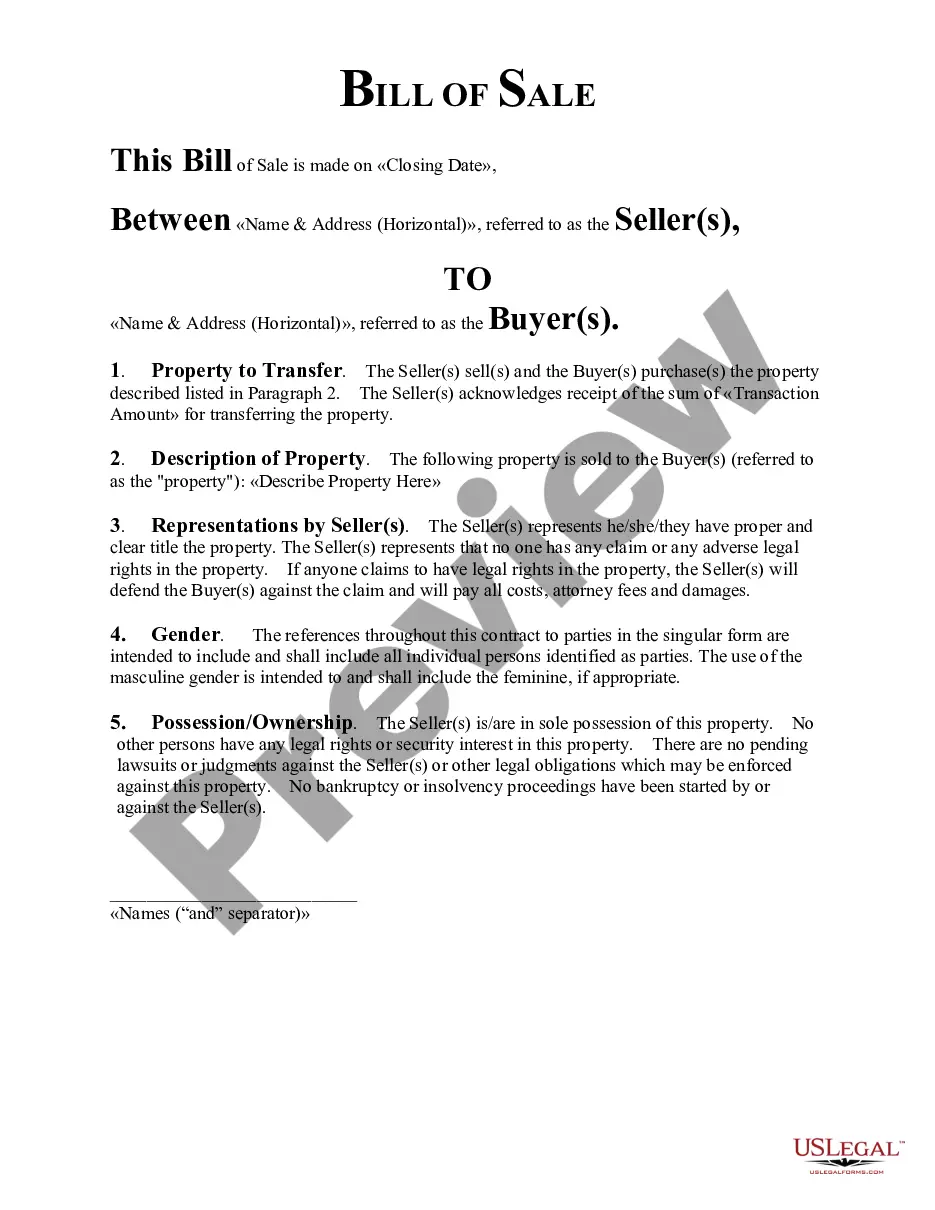
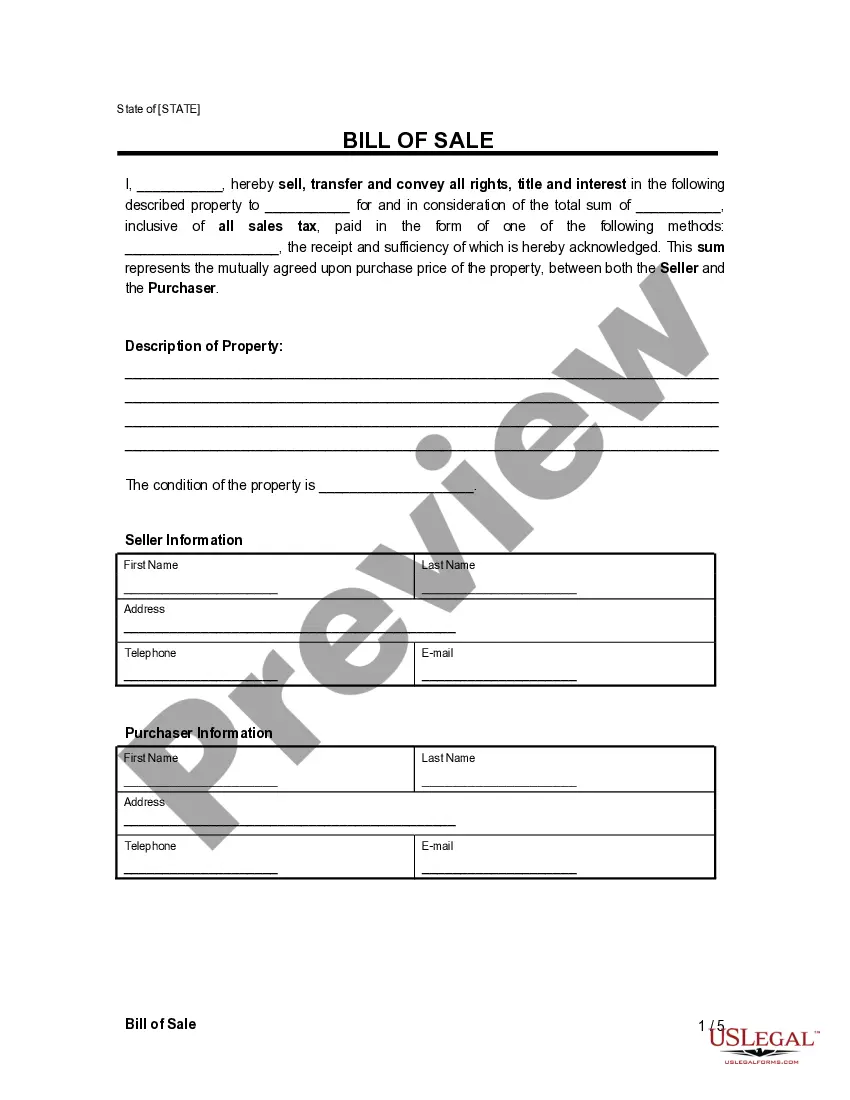
The Bill of Sale is a legal document that serves as proof of the transfer of ownership for a vehicle from one individual to another. It is a quitclaim conveyance, meaning there are no warranties regarding the vehicle's condition. This form is essential for both buyers and sellers to document the details of the sale and to comply with state laws, providing clarity and protection for both parties involved in the transaction.
What’s included in this form
- Sellerâs name: Identifies the individual selling the vehicle.
- Make of the vehicle: Specifies the brand (e.g., Chevy, Ford).
- Year of the vehicle: Indicates the model year of the vehicle.
- VIN (Vehicle Identification Number): Unique identifier for the vehicle.
- Buyerâs name: Identifies the individual purchasing the vehicle.
- Date of sale: Records the date when the transaction takes place.
- Sellerâs signature: Confirms the seller's agreement and consent to the sale.
Common use cases
This Bill of Sale should be used whenever a vehicle is sold between individual parties. It is particularly important if either the buyer needs proof of ownership or the seller desires a receipt for the transaction. This form is useful for private sales, helping to ensure all key details of the transaction are documented and legally recognized.
Who this form is for
- Individuals selling a vehicle to another individual.
- Buyers who require documentation to register their new vehicle.
- Anyone engaging in a private vehicle sale who wants to formalize the transaction.
Steps to complete this form
- Identify the parties: Fill in the sellerâs name and buyerâs name accurately.
- Specify the property: Enter the make, year, and VIN of the vehicle being sold.
- Enter dates and amounts: List the date of sale and the sale price of the vehicle.
- Obtain a signature: Have the seller sign the document to validate the sale.
- Check for notarization: Determine if notarization is needed based on local regulations.
Notarization guidance
This form does not typically require notarization unless specified by local law. However, it is advisable to check with your county treasurer for specific requirements regarding notarization to ensure the form is accepted.
Get your form ready online
Our built-in tools help you complete, sign, share, and store your documents in one place.
Make edits, fill in missing information, and update formatting in US Legal Forms—just like you would in MS Word.
Download a copy, print it, send it by email, or mail it via USPS—whatever works best for your next step.
Sign and collect signatures with our SignNow integration. Send to multiple recipients, set reminders, and more. Go Premium to unlock E-Sign.
If this form requires notarization, complete it online through a secure video call—no need to meet a notary in person or wait for an appointment.
We protect your documents and personal data by following strict security and privacy standards.

Make edits, fill in missing information, and update formatting in US Legal Forms—just like you would in MS Word.

Download a copy, print it, send it by email, or mail it via USPS—whatever works best for your next step.

Sign and collect signatures with our SignNow integration. Send to multiple recipients, set reminders, and more. Go Premium to unlock E-Sign.

If this form requires notarization, complete it online through a secure video call—no need to meet a notary in person or wait for an appointment.

We protect your documents and personal data by following strict security and privacy standards.
Mistakes to watch out for
- Failing to enter the VIN correctly, which may cause registration issues.
- Omitting the buyer's or seller's signature, leading to an invalid document.
- Not recording the sale price, which is necessary for any future references.
- Leaving the date of sale blank, which could lead to disputes over timing.
Main things to remember
- The Bill of Sale is crucial for documenting vehicle sales between individuals.
- Ensure all key information is filled out correctly to avoid issues.
- Check local laws for any specific requirements regarding notarization.
Looking for another form?
Form popularity
FAQ
To fill out a title when selling a car in Iowa, begin by locating the title document. Ensure you complete the transfer section accurately by including the buyer's name, address, and sale date. Both the seller and the buyer must sign the title to validate the sale, and remember to provide a bill of sale, known as the Iowa Bill of Sale, for proper documentation. Using a reliable platform like USA Legal Forms can simplify this process, ensuring that you have all necessary forms completed correctly.
Filling out an Iowa bill of sale involves providing specific information about the buyer, seller, item being sold, and transaction details. Use clear and straightforward language while ensuring all parties sign the document. If you're unsure, platforms like US Legal Forms offer templates to guide you through the process smoothly.
Yes, a properly executed bill of sale can hold up in court in Iowa if there is a dispute. It serves as legal proof of ownership transfer and terms of sale. To ensure its validity, make sure to include accurate details and signatures from both parties.
In Iowa, a bill of sale does not need to be notarized to be valid. However, notarizing the document can add an extra layer of authenticity and may help prevent disputes later on. Consider this step, especially for high-value transactions, to cover all bases.
In Iowa, the bill of sale does not need to be filed with the state. Instead, the bill serves as proof of the transaction between the buyer and seller. It is advisable for both parties to keep a copy for their records to avoid any disputes in the future.
Once you sign a bill of sale in Iowa, it typically becomes a binding contract. However, there are circumstances where you may be able to back out, such as if the sale involved fraud or misrepresentation. If you find yourself in this situation, consult legal advice to explore your options.
A bill of sale can be invalid due to missing signatures, incomplete information, or discrepancies in the item description. If the document does not clearly outline the agreement between the buyer and seller, it may also be considered invalid. To avoid any issues, you can refer to US Legal Forms for properly structured templates that ensure compliance with Iowa law.
No, a bill of sale in Iowa does not require a notary; the document is effective with the signatures of both the buyer and seller. However, notarizing it can help prevent future disputes by adding credibility to the agreement. If you seek reliability in your transactions, using US Legal Forms can provide the necessary notarization options.
Yes, a bill of sale can still be valid in Iowa even if it is not notarized, as long as it contains all the required information and is signed by both parties. However, notarization can strengthen the document’s legitimacy and offer additional protection. For a resourceful approach, consider using US Legal Forms to create a comprehensive bill of sale.
To notarize a handwritten Iowa Bill of Sale, you must first complete the document with accurate details. Then, both the buyer and seller should present the bill of sale to a notary public. The notary will verify the identities of both parties and then witness the signing of the document, providing a notary stamp, which enhances its legal validity.