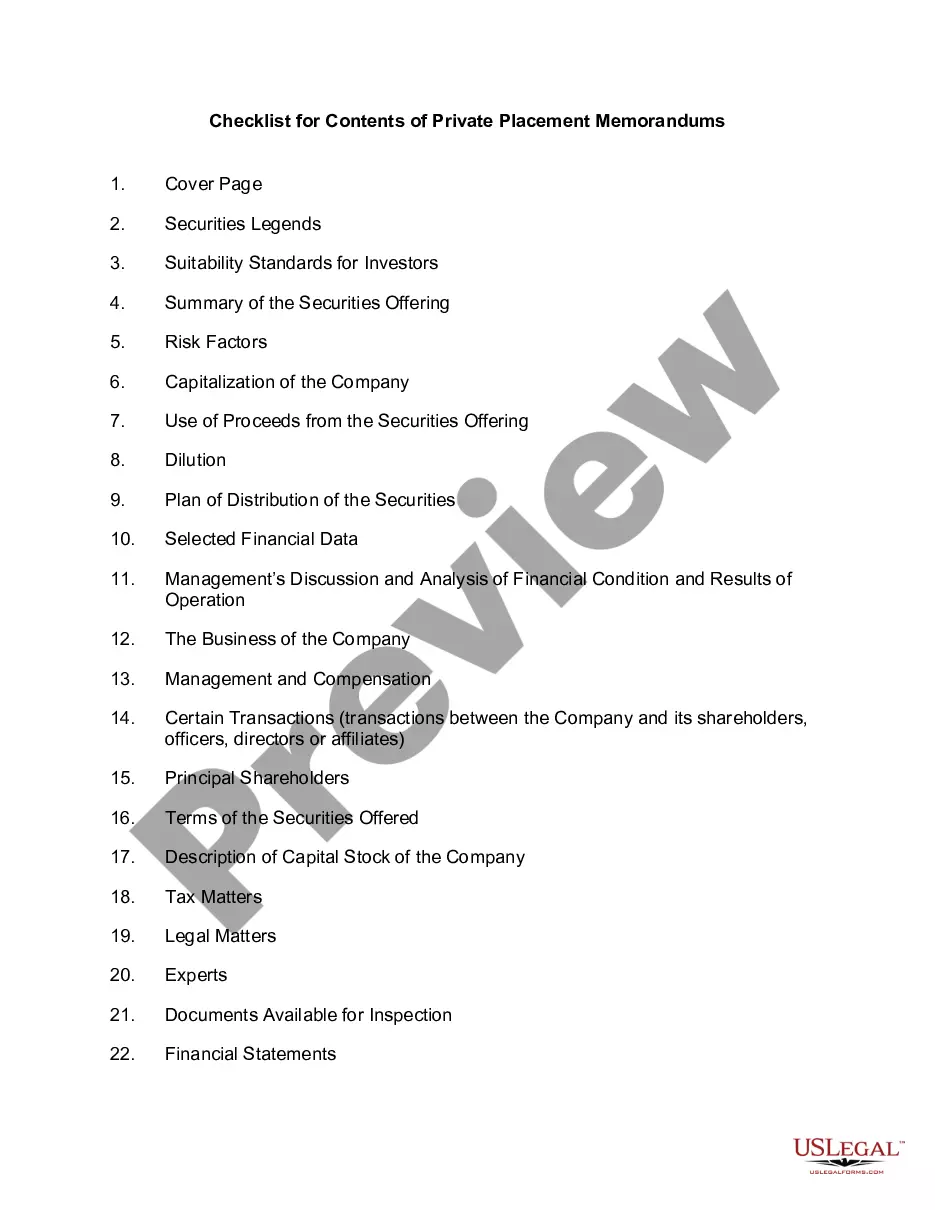
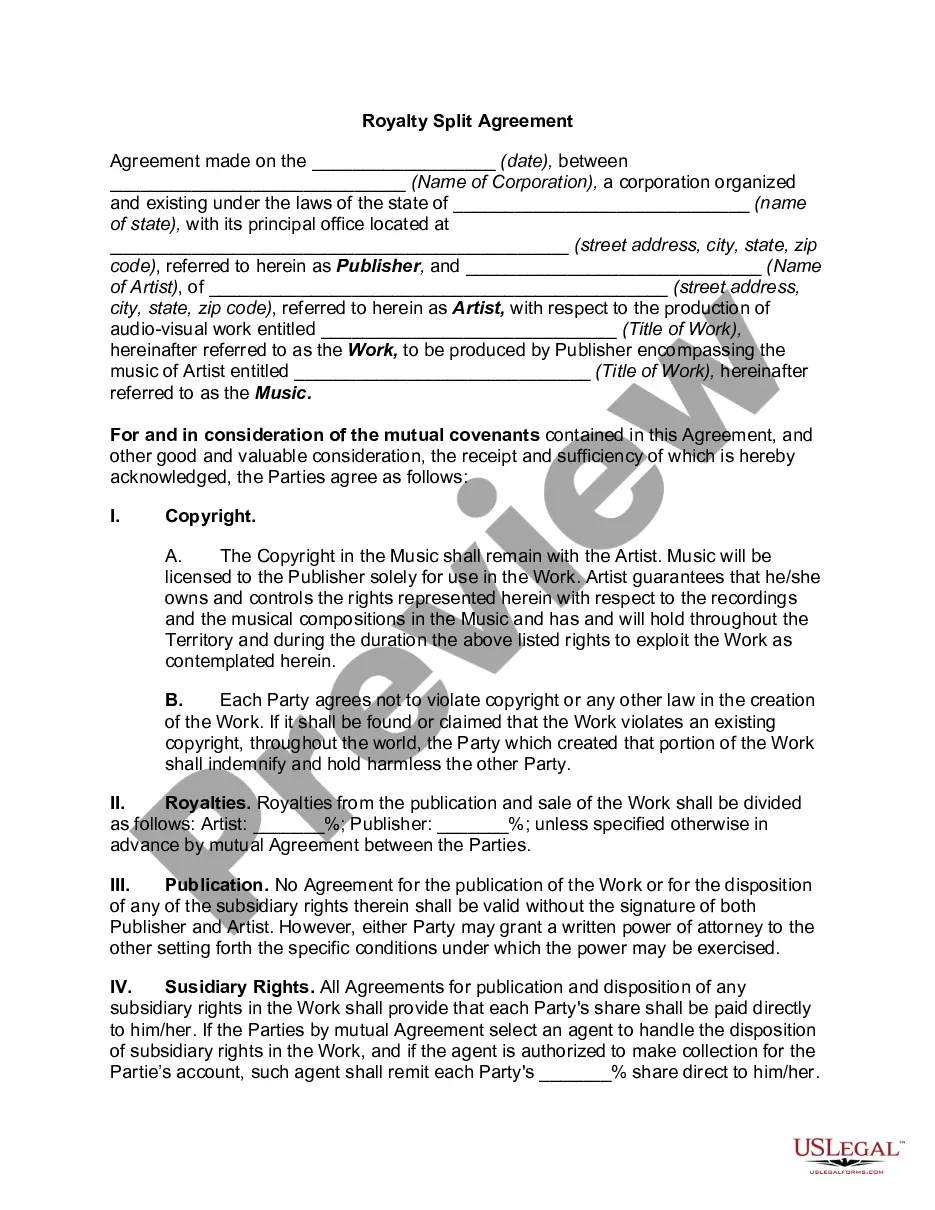
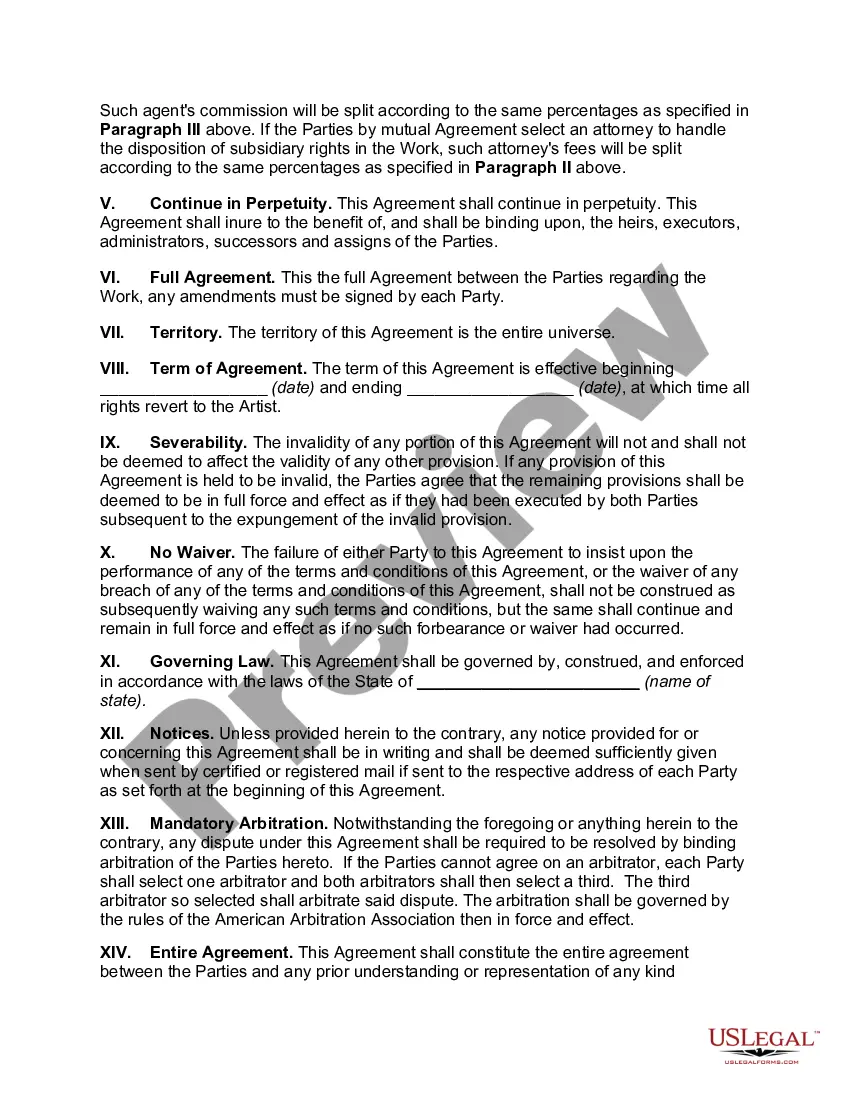
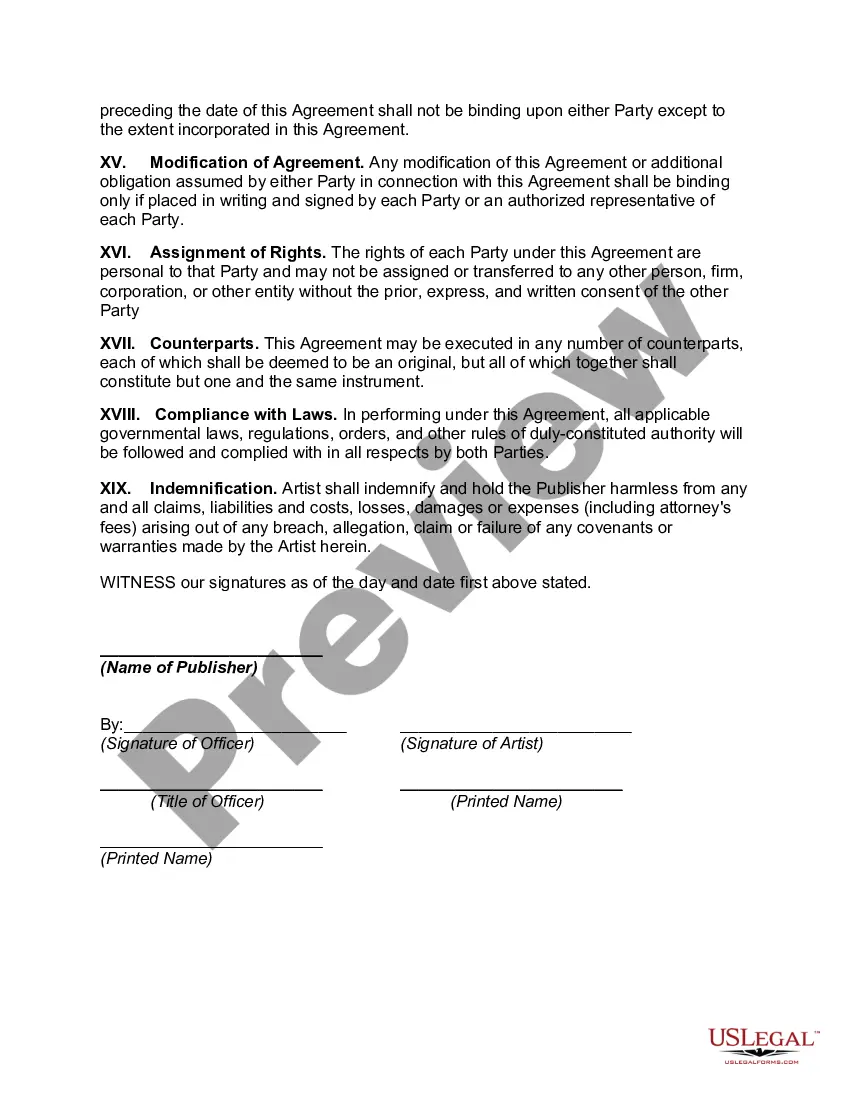
Hawaii Royalty Split Agreement
Description
Get your form ready online
Our built-in tools help you complete, sign, share, and store your documents in one place.
Make edits, fill in missing information, and update formatting in US Legal Forms—just like you would in MS Word.
Download a copy, print it, send it by email, or mail it via USPS—whatever works best for your next step.
Sign and collect signatures with our SignNow integration. Send to multiple recipients, set reminders, and more. Go Premium to unlock E-Sign.
If this form requires notarization, complete it online through a secure video call—no need to meet a notary in person or wait for an appointment.
We protect your documents and personal data by following strict security and privacy standards.

Make edits, fill in missing information, and update formatting in US Legal Forms—just like you would in MS Word.

Download a copy, print it, send it by email, or mail it via USPS—whatever works best for your next step.

Sign and collect signatures with our SignNow integration. Send to multiple recipients, set reminders, and more. Go Premium to unlock E-Sign.

If this form requires notarization, complete it online through a secure video call—no need to meet a notary in person or wait for an appointment.

We protect your documents and personal data by following strict security and privacy standards.
Looking for another form?

How to fill out Royalty Split Agreement?
If you desire to assemble, obtain, or create legal document templates, utilize US Legal Forms, the leading collection of legal forms accessible online.
Take advantage of the site's user-friendly and convenient search feature to locate the documents you require.
A multitude of templates for business and individual purposes are organized by categories and states, or keywords.
Step 4. Once you have found the form you need, click on the Get now button. Choose your preferred payment plan and enter your credentials to register for an account.
Step 5. Complete the transaction. You can use your credit card or PayPal account to finalize the purchase.
- Utilize US Legal Forms to find the Hawaii Royalty Split Agreement with just a few clicks.
- If you are an existing US Legal Forms client, Log Into your account and select the Acquire option to obtain the Hawaii Royalty Split Agreement.
- You can also access forms you have previously saved in the My documents section of your account.
- If you are using US Legal Forms for the first time, adhere to the steps outlined below.
- Step 1. Ensure you have selected the form for the correct city/state.
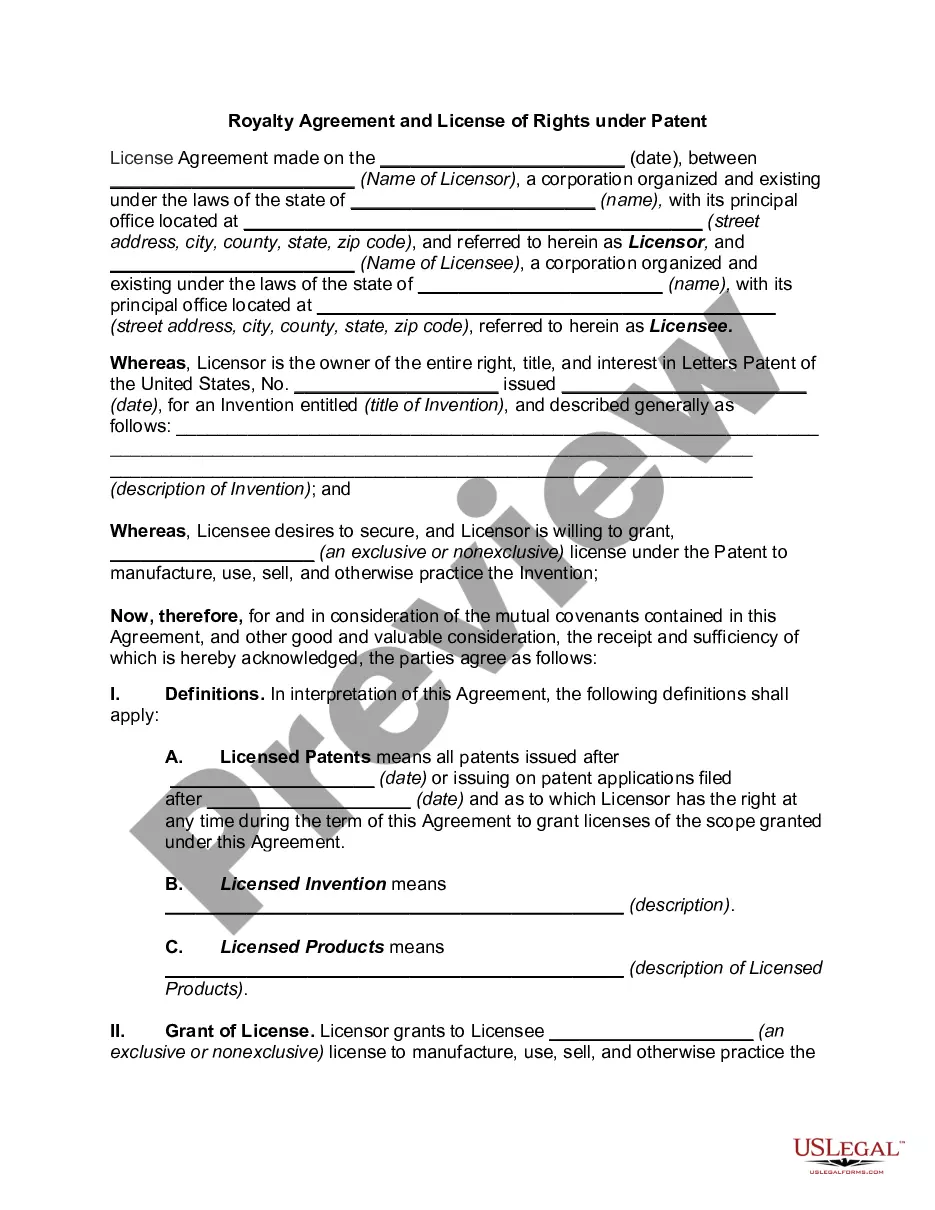
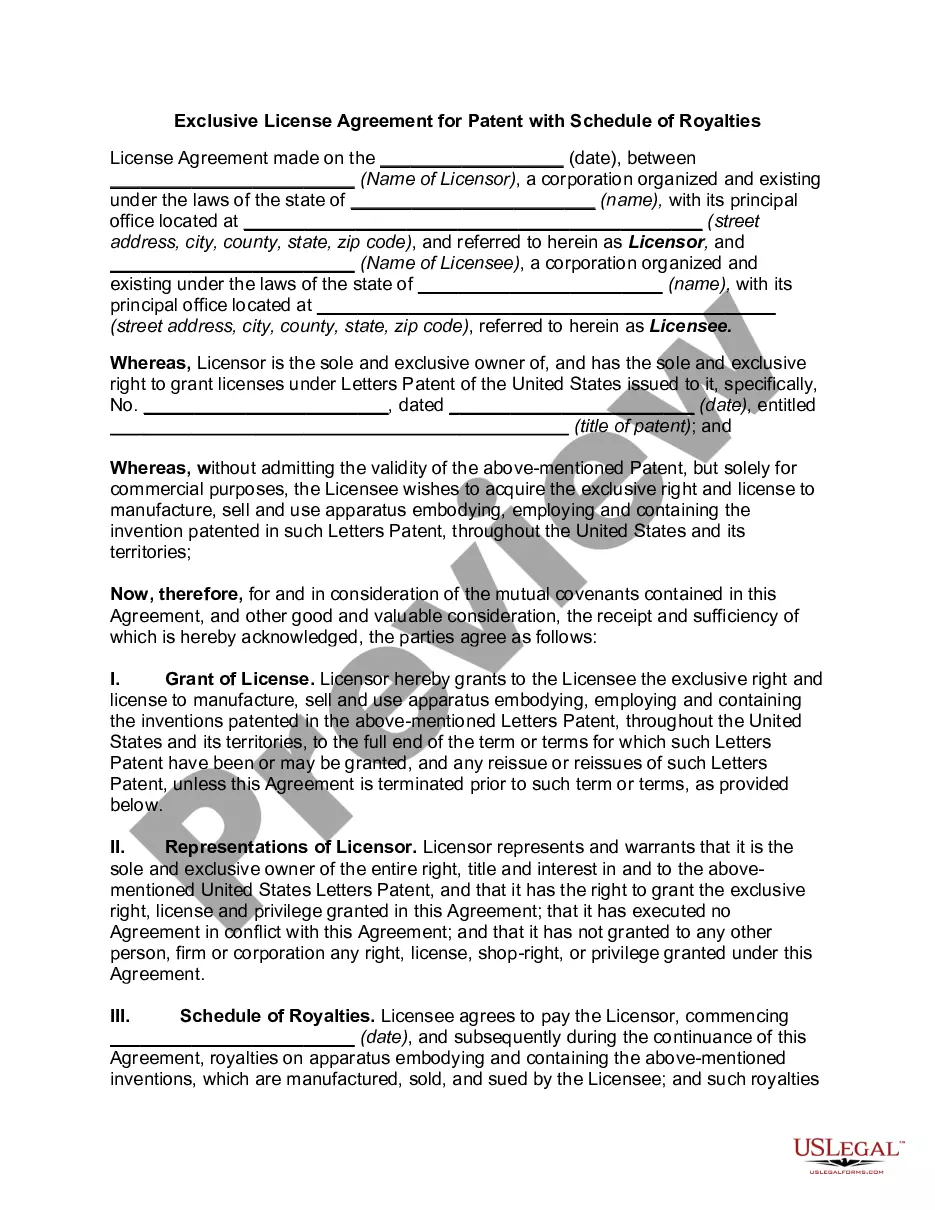
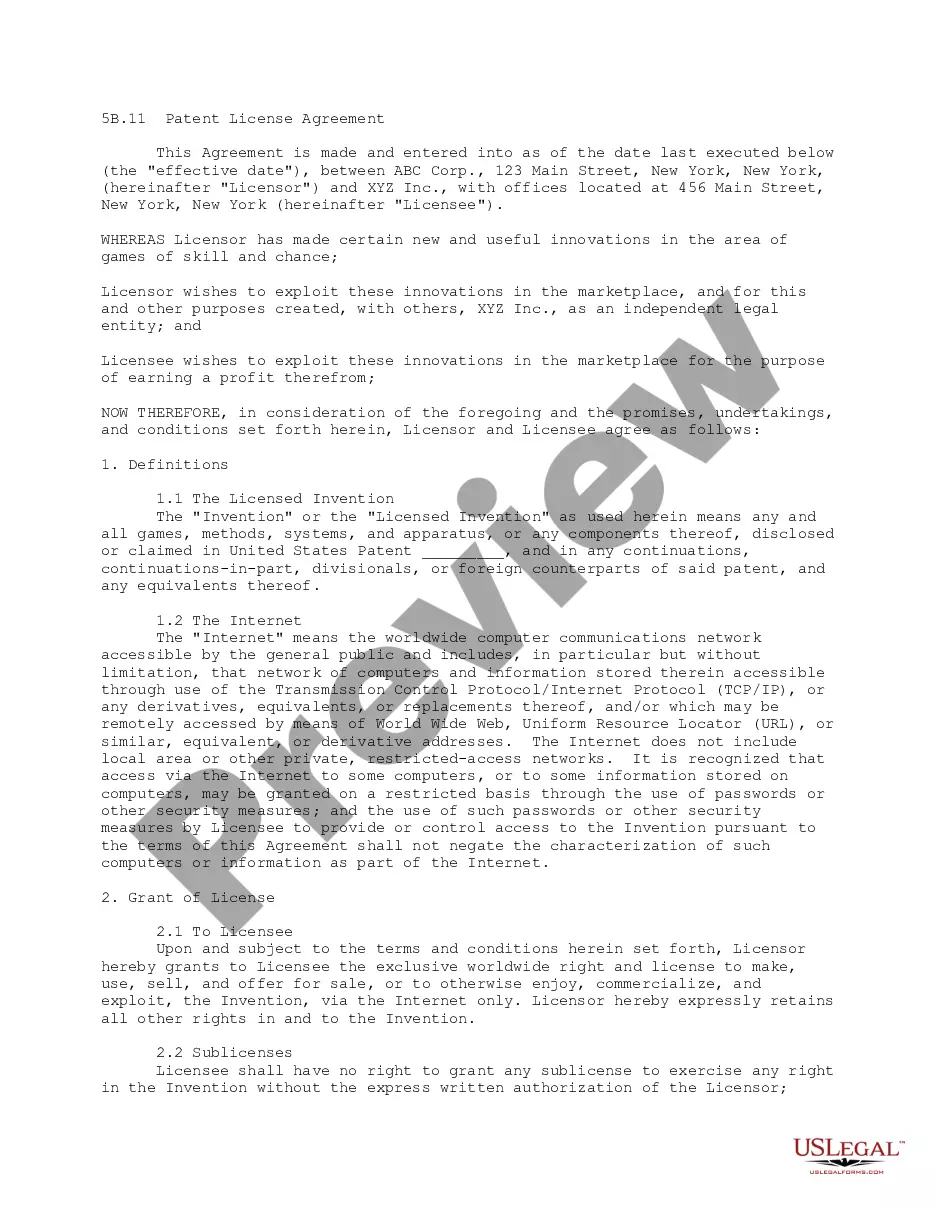
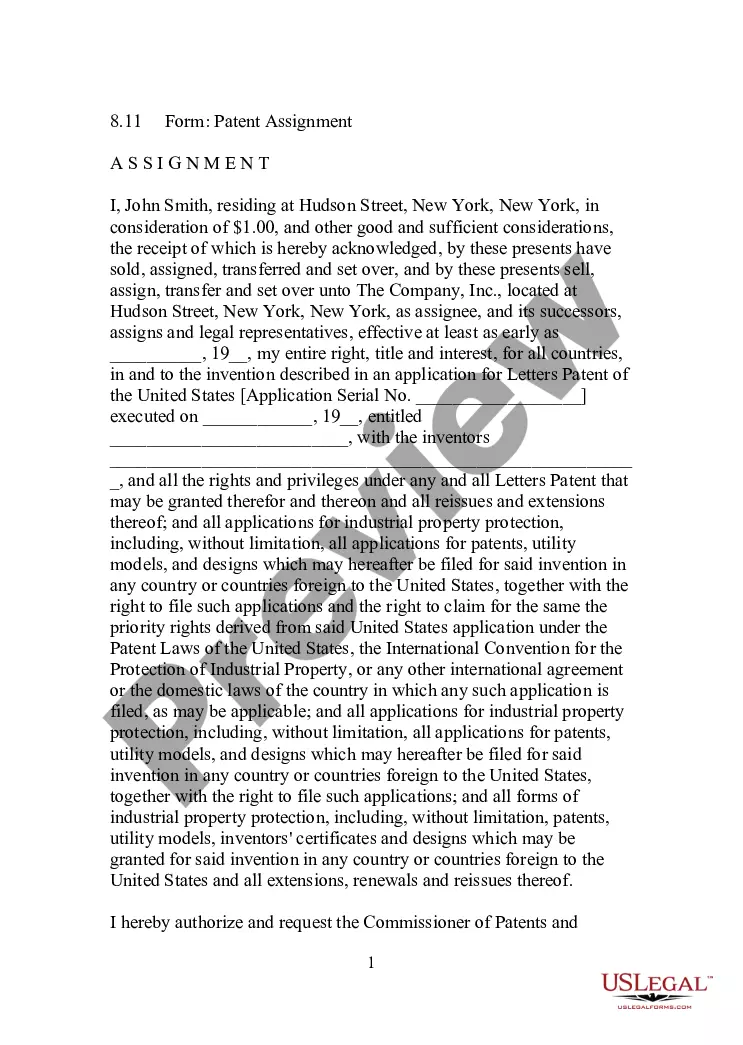
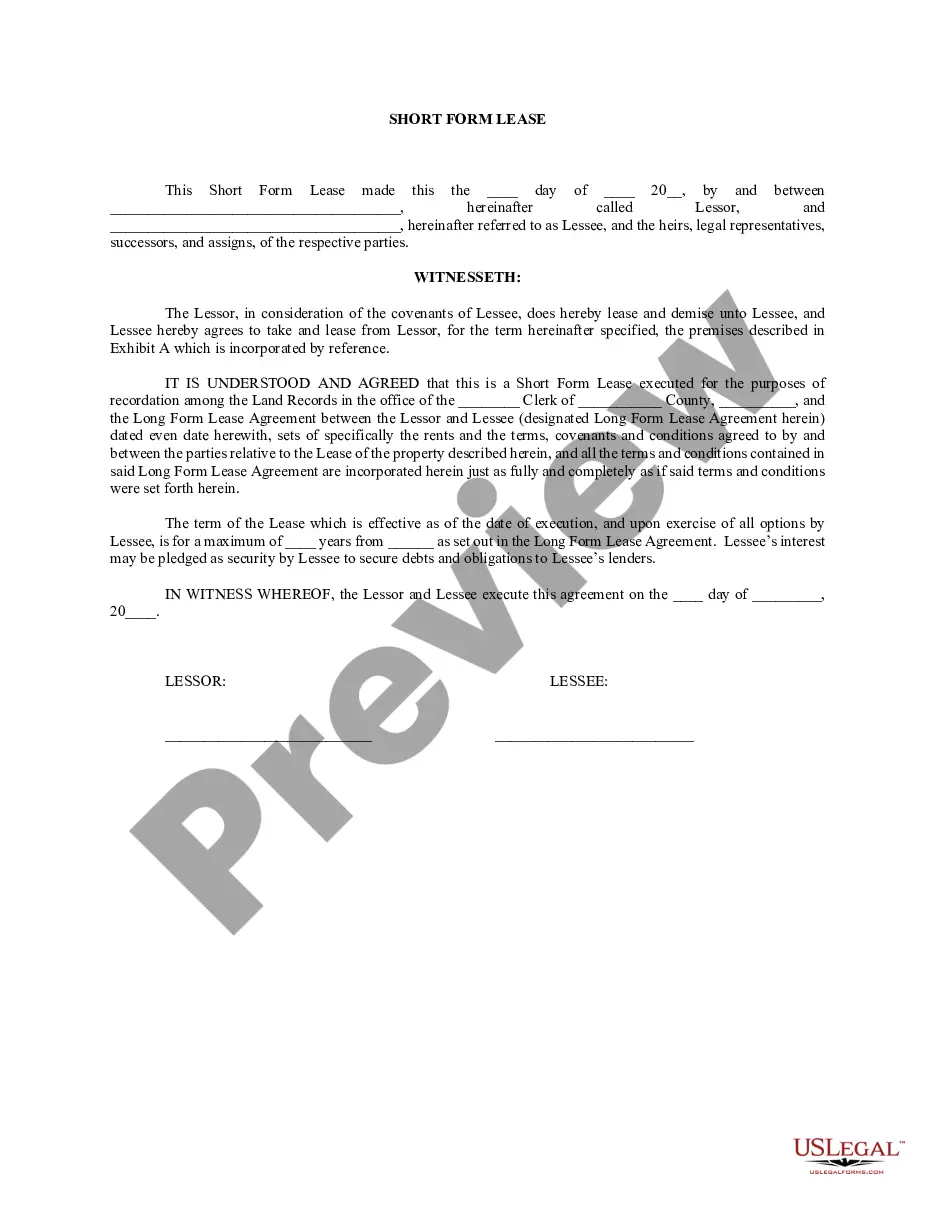
- Step 2. Use the Preview function to review the content of the form. Do not forget to read the description.
- Step 3. If you are dissatisfied with the form, utilize the Search bar at the top of the screen to find alternative versions of the legal form template.
Form popularity
FAQ
The short answer is that each member adds to the mix in equal measure. If they don't why are they there in the first place? It's not a "pay by the note" kind of thing. Thus it's an even split, at least after transportation, sound guy issues are dealt with (and agent fees etc.
Royalties are profits paid to musicians and songwriters from the sales and commercial use of their music. Several factors will affect the final amount artists are entitled to.
As explained by Tune Core, the split nods to how much copyright the individual deserves from that particular song. For example, if there are four songwriters working together and it's divided that everyone has an equal percentage, the songwriting split will work out at 25% each.
Performance royalties are shared 50/50 between the publisher and the songwriter, so each gets 50% of the revenue. If you are both the songwriter and the publisher for your own music, you will receive 100% of performance royalties.
Since most producers get 3-7 points and most artist's deals are 12-20 percentage points of sales/streams, you divide the producer point by artist point. So, if you're working with a 4 point producer, you can divide 4 by 16 (typical artist points) and you get 25%. Or 4 divided by 20 would get you 20%.
Under the traditional recording agreement, recording artist royalties usually range from 10% to 25% of the suggested retail price for top-line albums (although many record companies have begun to compute royalties on the wholesale price).
Royalty Splits All music publishing income is split 50/50 between the songwriter and the publisher. This is typically referred to as the writer share and publisher share of income. No matter how many writers and publishers, the publishing royalties are split in this way.
A distributor collects royalties directly from stores/streaming platforms on behalf of labels. An artist's label will then collect the recording royalties and distribute them to the artist. If an artist is not with a label, the artist will collect the recording royalties directly from the distributor.
We recommend to split royalties and rights evenly between each band member to keep things easy. In hip hop, the producer will usually request 50%, while the other top liners will split the remaining 50%.