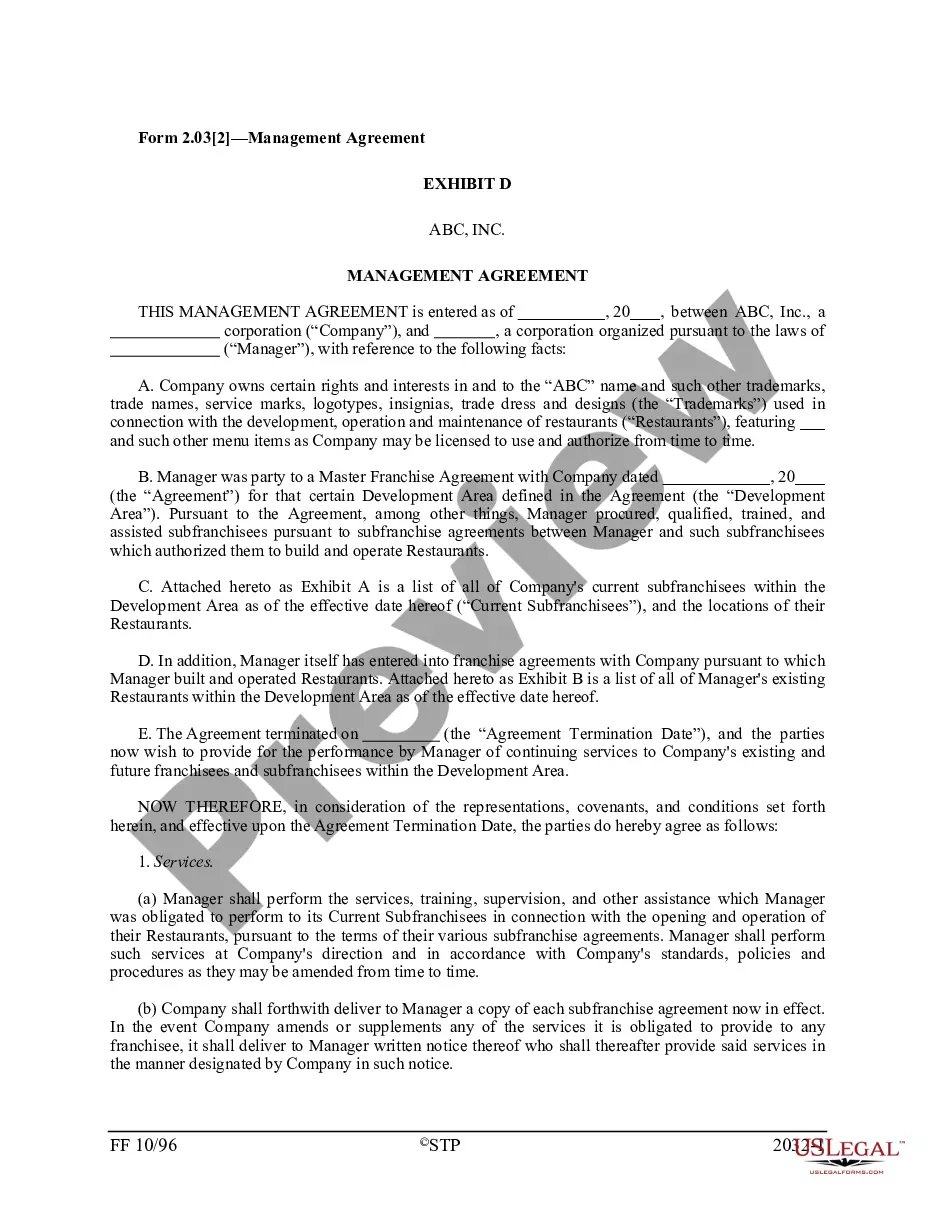
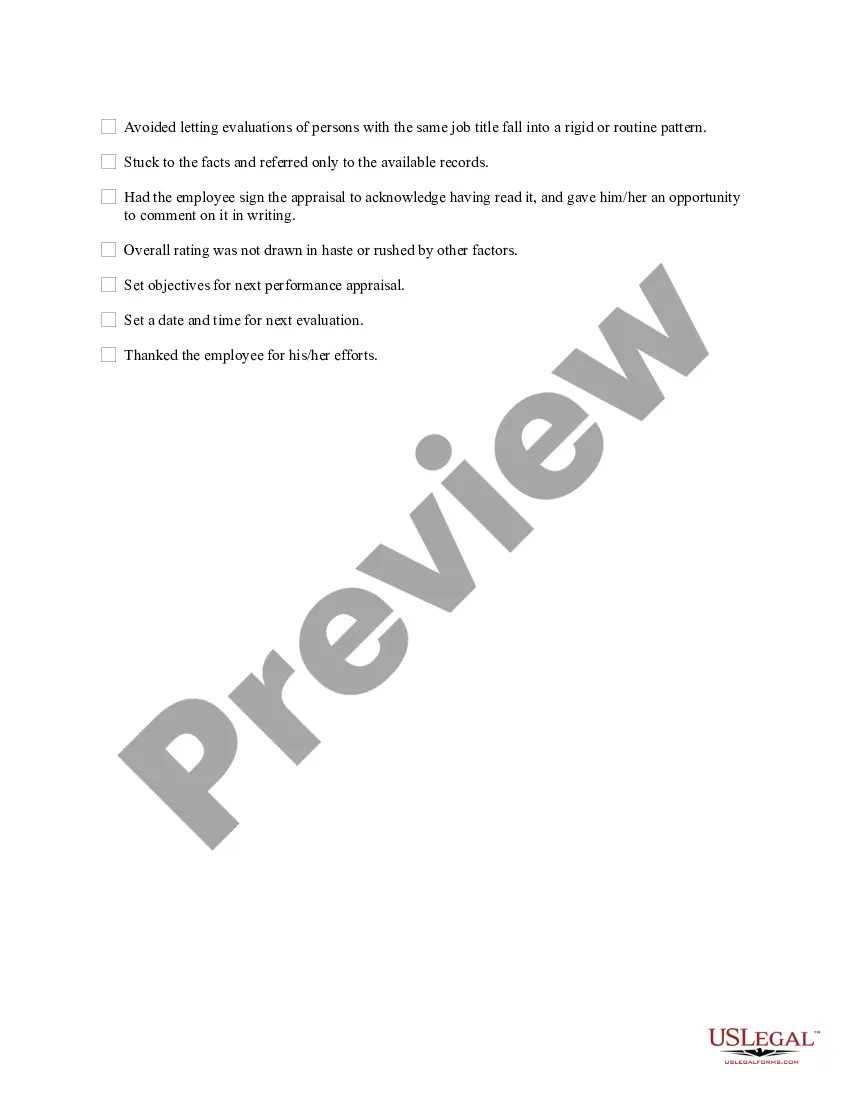
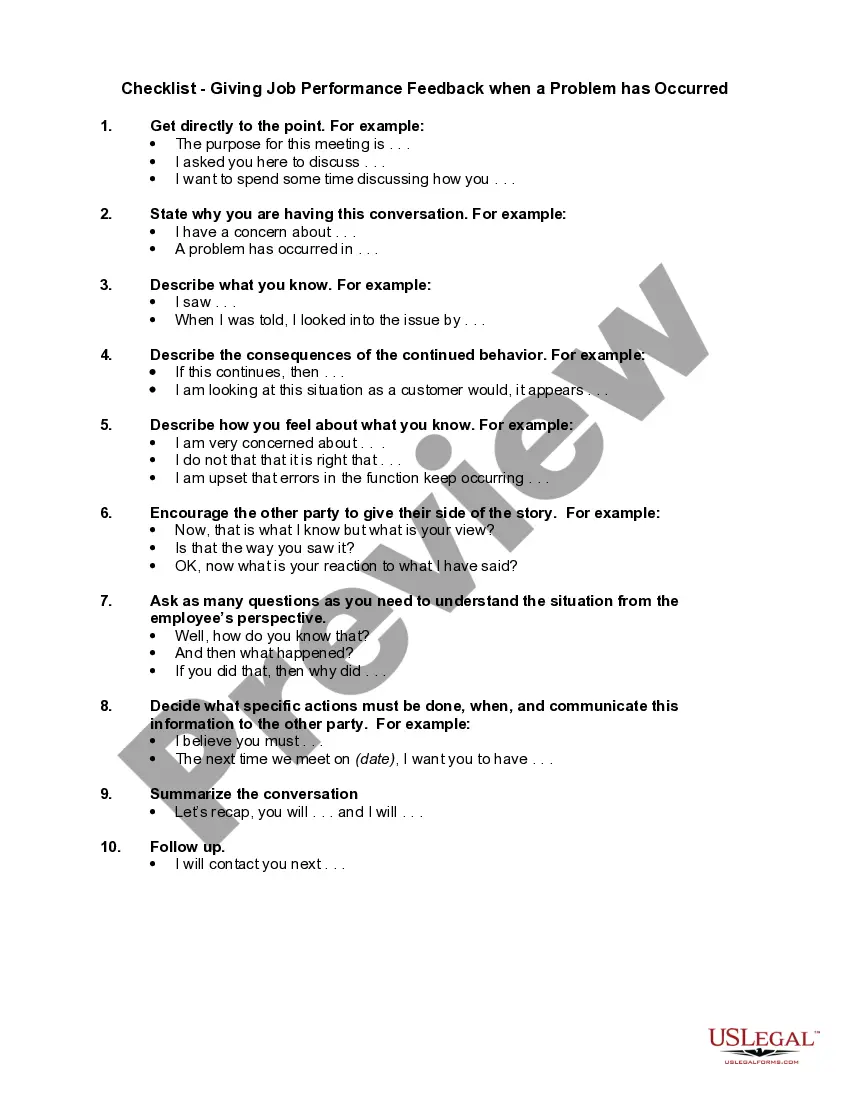
Guam Checklist - After the Appraisal Interview
Description
Get your form ready online
Our built-in tools help you complete, sign, share, and store your documents in one place.
Make edits, fill in missing information, and update formatting in US Legal Forms—just like you would in MS Word.
Download a copy, print it, send it by email, or mail it via USPS—whatever works best for your next step.
Sign and collect signatures with our SignNow integration. Send to multiple recipients, set reminders, and more. Go Premium to unlock E-Sign.
If this form requires notarization, complete it online through a secure video call—no need to meet a notary in person or wait for an appointment.
We protect your documents and personal data by following strict security and privacy standards.

Make edits, fill in missing information, and update formatting in US Legal Forms—just like you would in MS Word.

Download a copy, print it, send it by email, or mail it via USPS—whatever works best for your next step.

Sign and collect signatures with our SignNow integration. Send to multiple recipients, set reminders, and more. Go Premium to unlock E-Sign.

If this form requires notarization, complete it online through a secure video call—no need to meet a notary in person or wait for an appointment.

We protect your documents and personal data by following strict security and privacy standards.
Looking for another form?





How to fill out Checklist - After The Appraisal Interview?
Finding the right legal document template can be a challenge.
Certainly, there are numerous templates accessible online, but how can you acquire the legal form you require.
Utilize the US Legal Forms website. This service provides thousands of templates, including the Guam Checklist - After the Appraisal Interview, which can be utilized for business and personal purposes.
You can browse the form using the Review button and check the form description to confirm it is appropriate for you.
- All forms are reviewed by experts and comply with federal and state regulations.
- If you are currently registered, Log In to your account and click the Download button to obtain the Guam Checklist - After the Appraisal Interview.
- Use your account to search for the legal forms you have previously purchased.
- Go to the My documents section of your account to download another copy of the document you need.
- If you are a first-time user of US Legal Forms, here are simple steps you can follow.
- First, make sure you have selected the correct form for your city/region.
Form popularity
FAQ
There are two primary purposes of performance appraisal: evaluative and developmental. The evaluative purpose is intended to inform people of their performance standing. The collected performance data are frequently used to reward high performance and to punish poor performance.
Document the outcomes These notes will help both the appraiser and HR when making decisions regarding goal setting, promoting specific employees for their career development, and changes to compensation.
A performance appraisal interview is the first stage of the performance appraisal process and involves the employee and his or her manager sitting face to face to discuss threadbare all aspects of the employee's performance and thrash out any differences in perception or evaluation.
At the end of the appraisal, bring up any points you would like to address that have not already been covered by your appraiser. By learning to listen first, you can better understand your appraiser's line of thinking, which will help you focus your responses and deal with each issue or question as it comes up.
The performance appraisal interview provides the employee with a chance to defend himself or herself against poor evaluation by the manager and also gives the manager a chance to explain what he or she thinks about the employee's performance.
About the appraisal interview. The purpose of the conversation between leader and employee is to motivate employees by holding a dialogue regarding the current work situation and needs for the future. This involves facilitating good work performance, employee development and well-being.
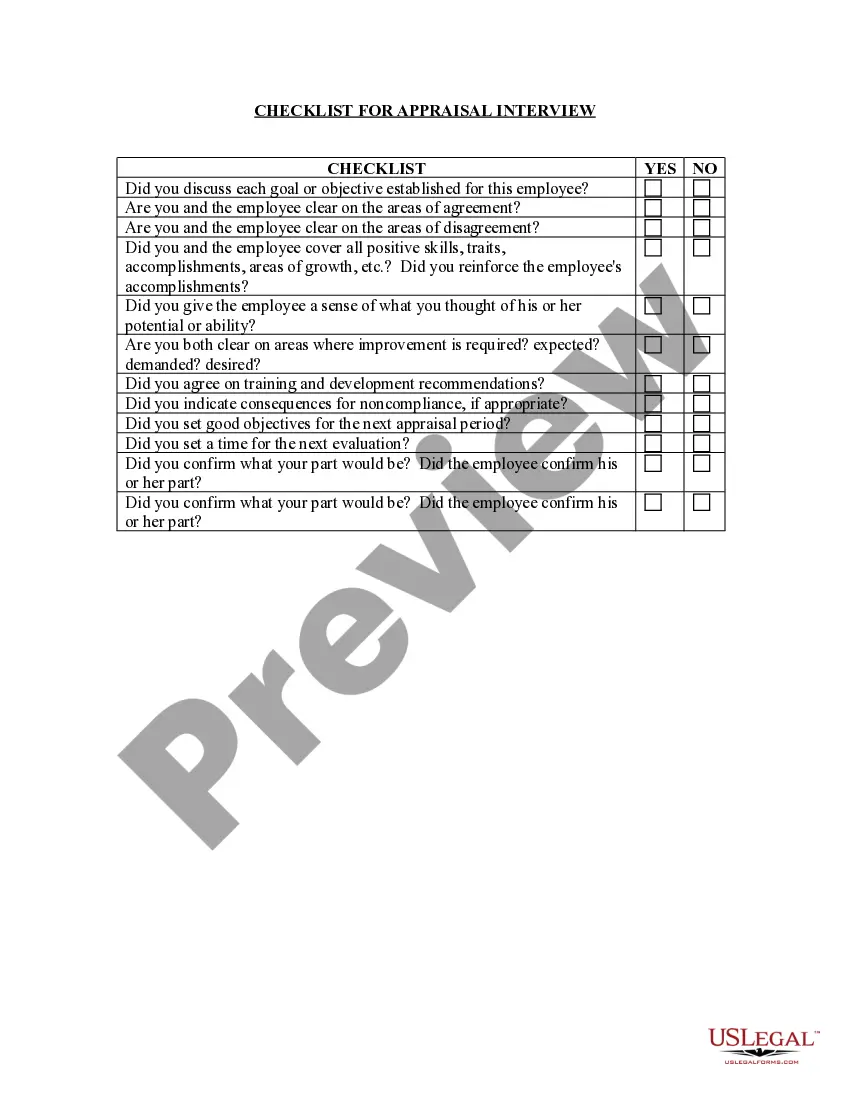
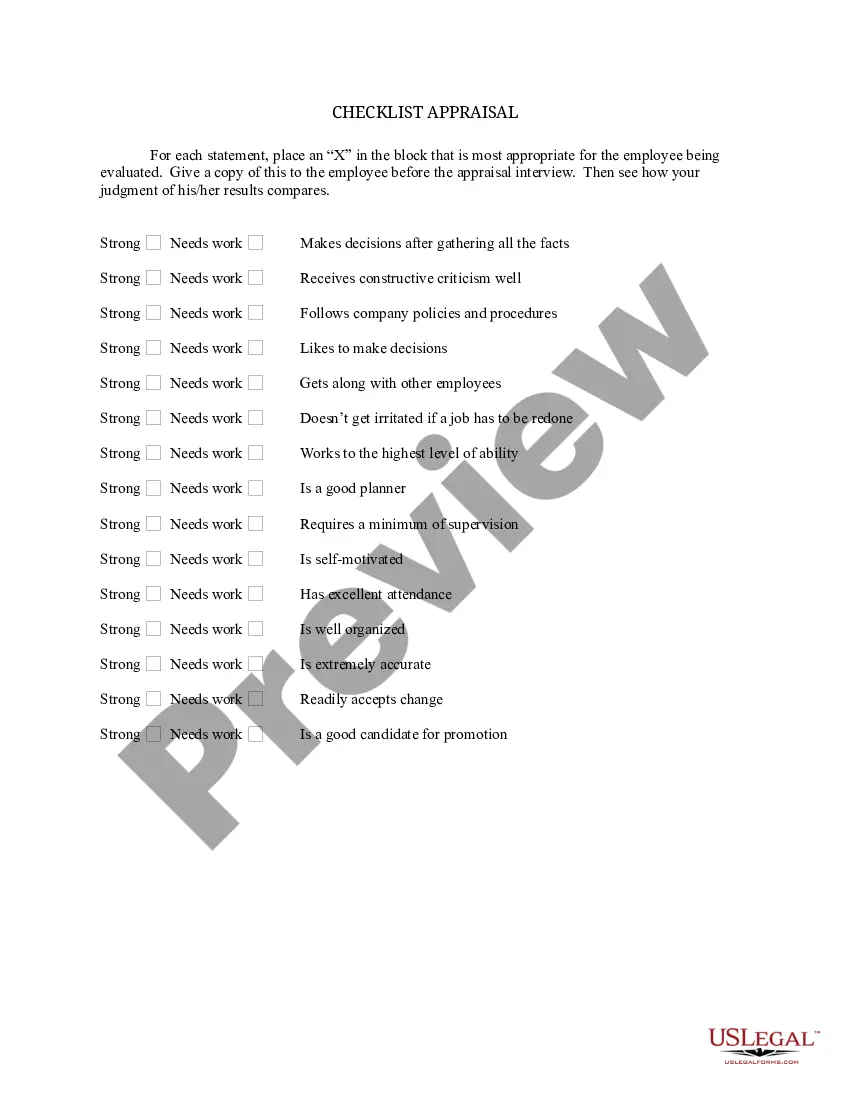
Instead of an essay or descriptions or rating employees against one another, the checklist appraisal method consists of a series of statements, both positive and negative, that the evaluator answers "yes" or "no," checks if the employee exhibits that behavior or leaves it unchecked if she does not.
The final step in the appraisal process is the discussion and/or implementation of any next steps: a reward of some sorta raise, promotion or coveted development opportunityor corrective actiona performance plan or termination.
A good appraisal interview is characterized by an open and personal tone. The conversation should focus on work tasks and employee development, with issues and actions that the manager and / or employee is able to change, solve or influence.
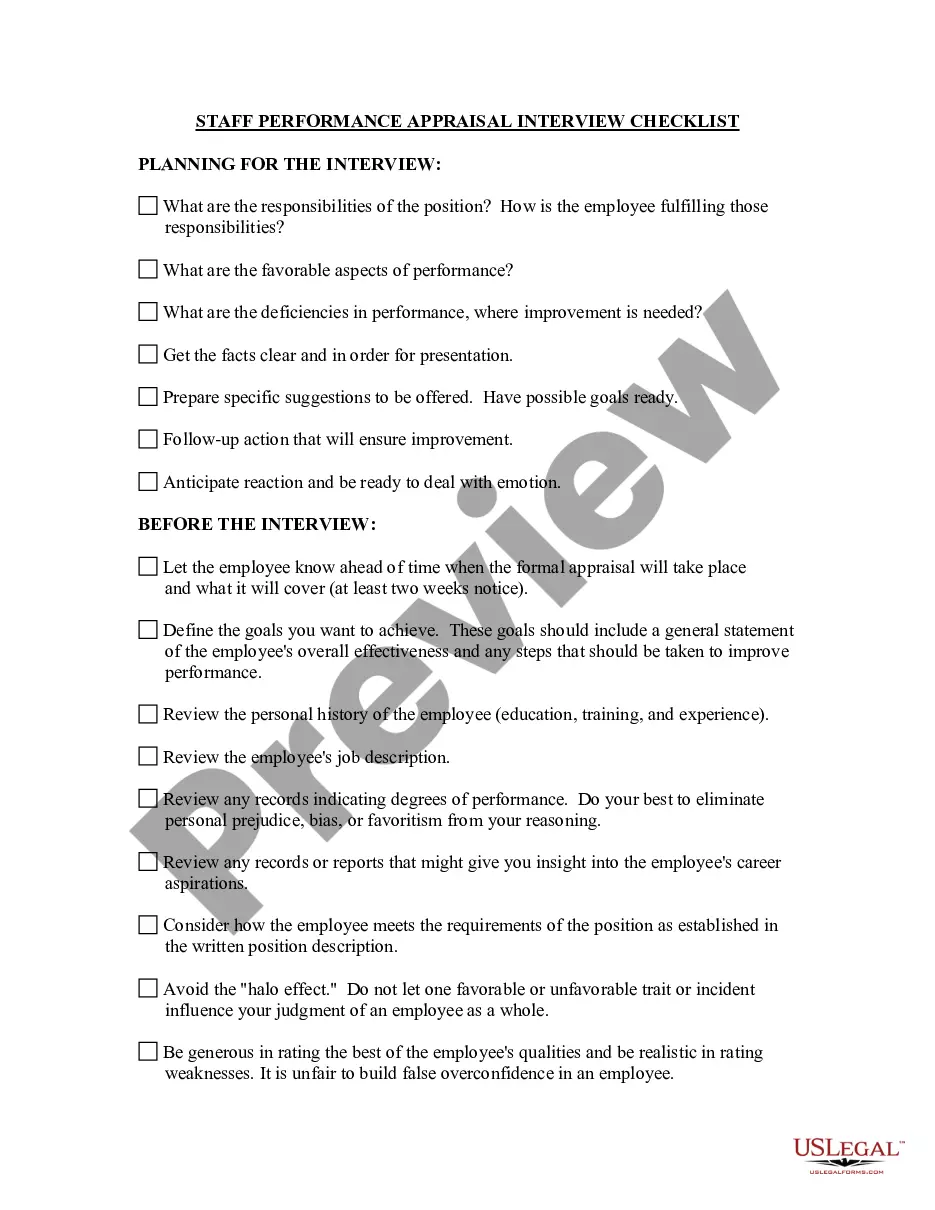
The performance appraisal process generally involves the following steps:Establish performance standards.Communicate performance expectations to the employees.Measure actual performance.Compare actual performance with standards.Discuss the appraisal with employee.If necessary, initiate corrective action.