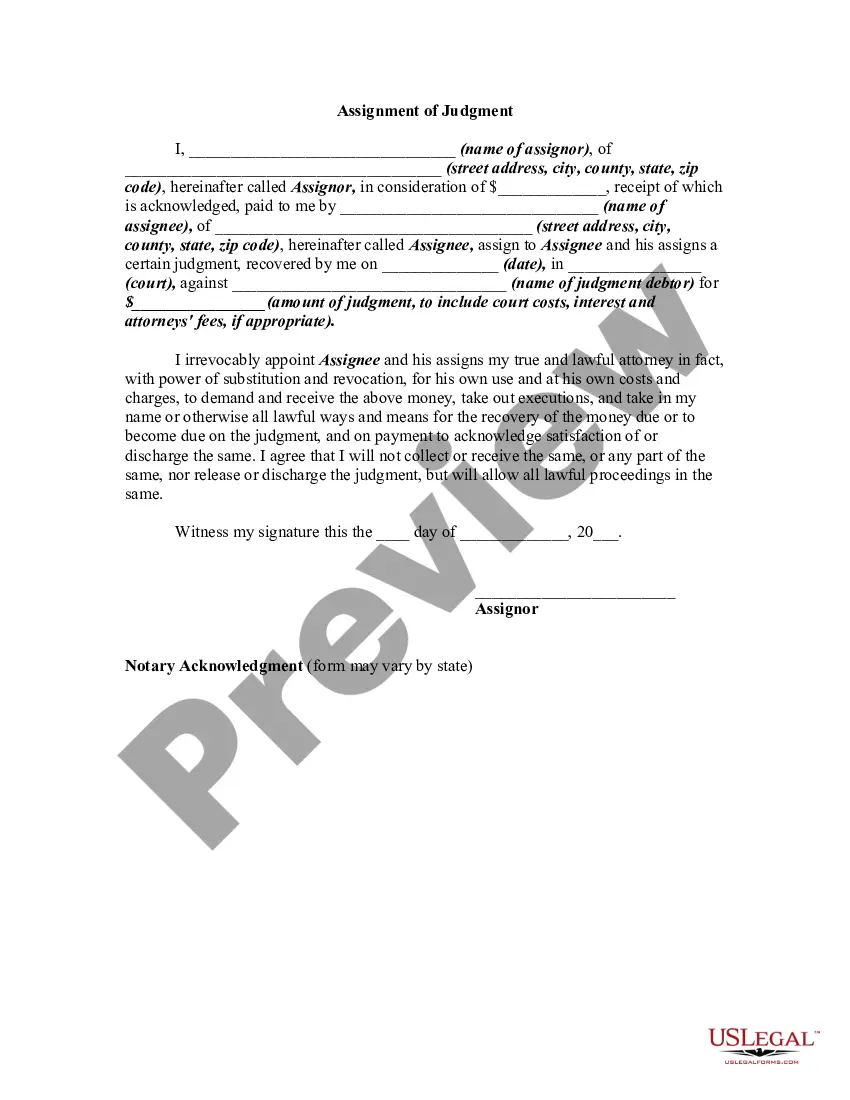
Guam Toll Manufacturing Agreement
Description
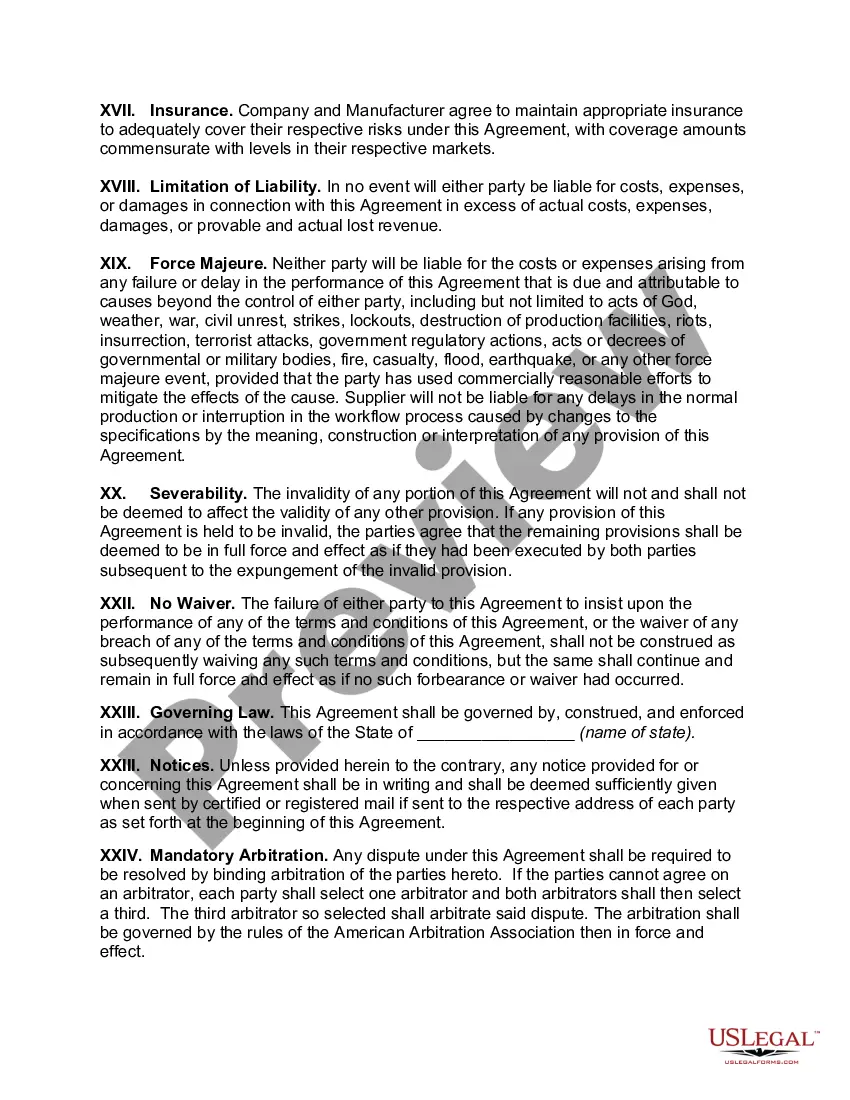
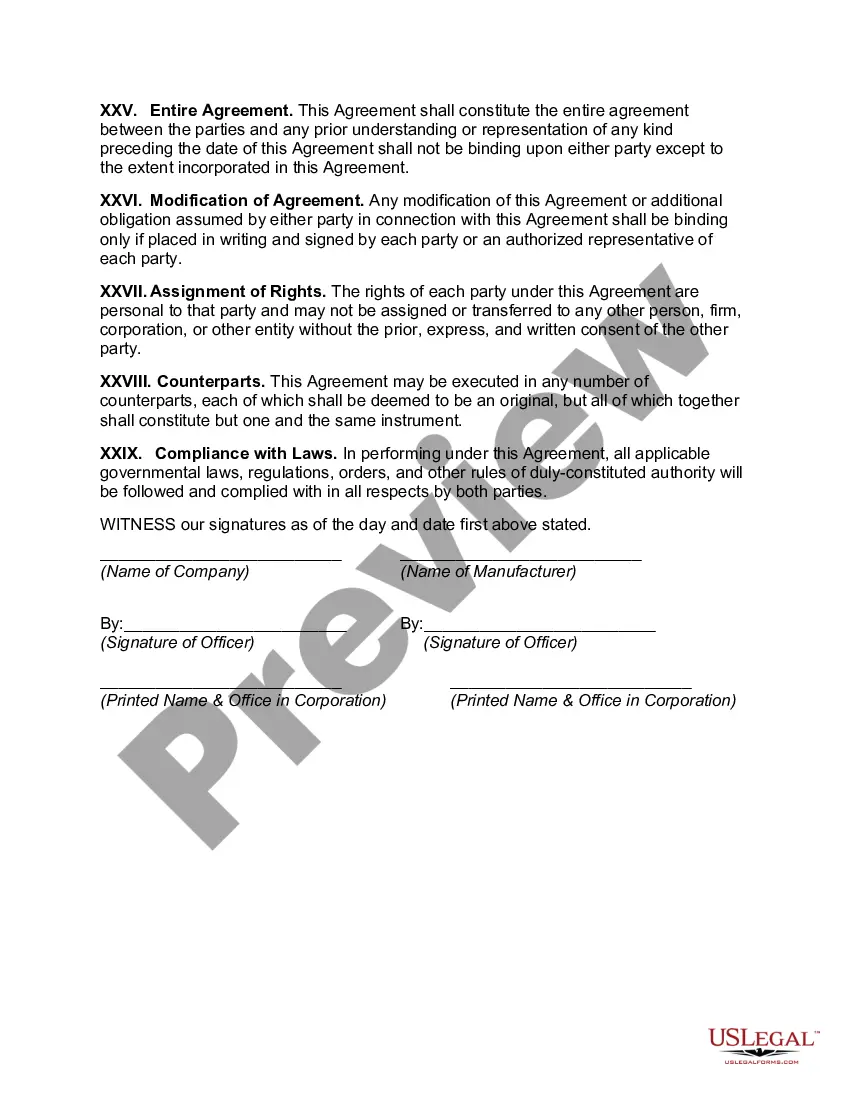
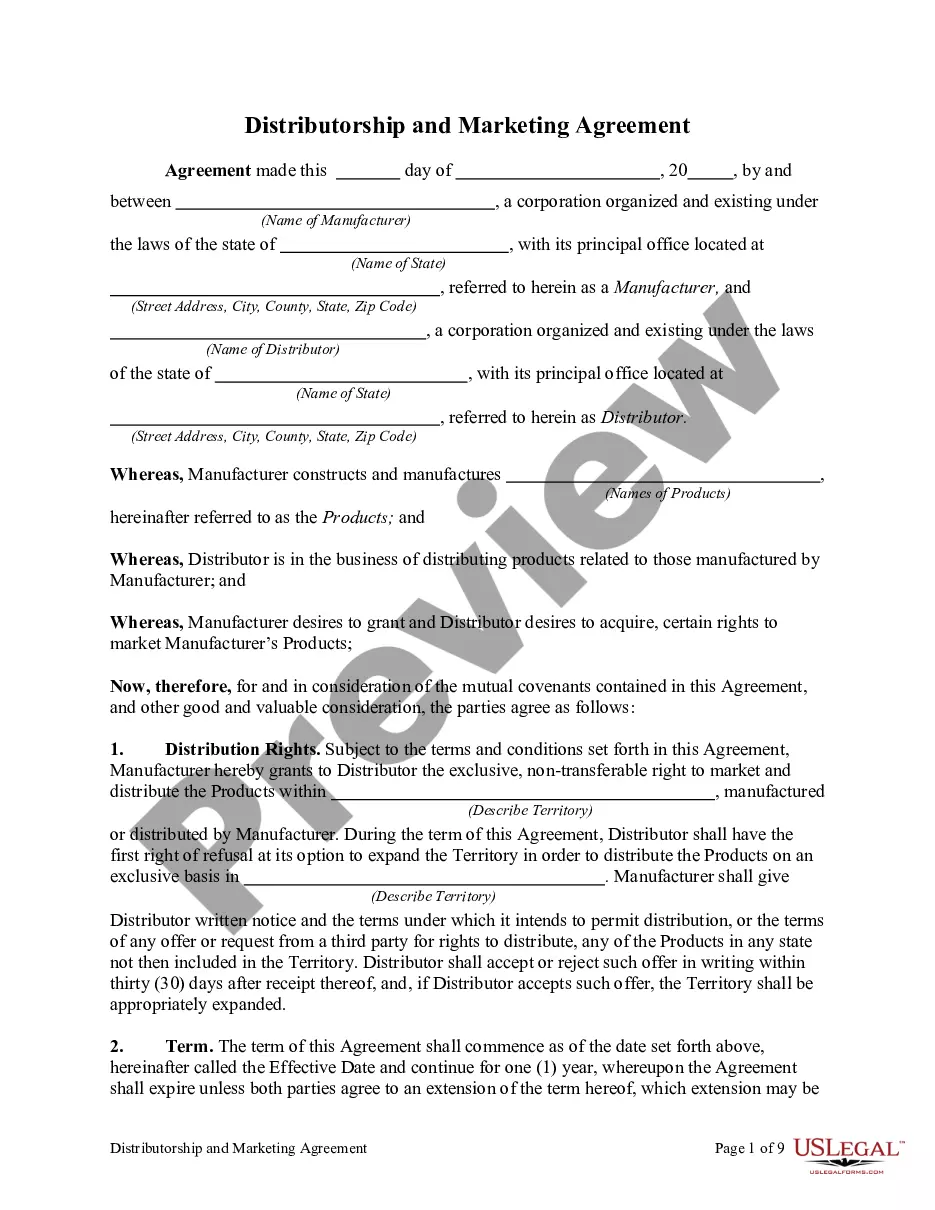
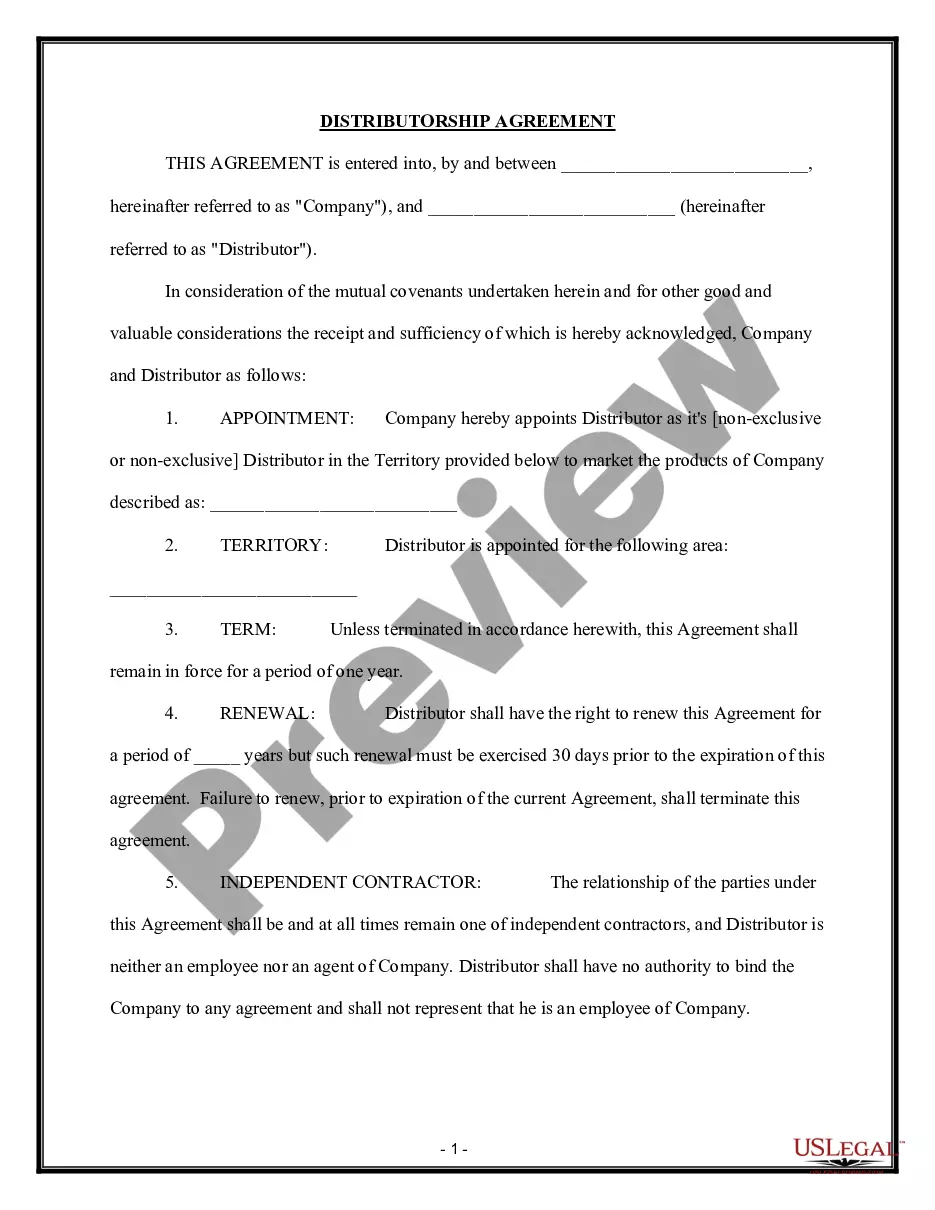
Get your form ready online
Our built-in tools help you complete, sign, share, and store your documents in one place.
Make edits, fill in missing information, and update formatting in US Legal Forms—just like you would in MS Word.
Download a copy, print it, send it by email, or mail it via USPS—whatever works best for your next step.
Sign and collect signatures with our SignNow integration. Send to multiple recipients, set reminders, and more. Go Premium to unlock E-Sign.
If this form requires notarization, complete it online through a secure video call—no need to meet a notary in person or wait for an appointment.
We protect your documents and personal data by following strict security and privacy standards.

Make edits, fill in missing information, and update formatting in US Legal Forms—just like you would in MS Word.

Download a copy, print it, send it by email, or mail it via USPS—whatever works best for your next step.

Sign and collect signatures with our SignNow integration. Send to multiple recipients, set reminders, and more. Go Premium to unlock E-Sign.

If this form requires notarization, complete it online through a secure video call—no need to meet a notary in person or wait for an appointment.

We protect your documents and personal data by following strict security and privacy standards.
Looking for another form?

How to fill out Toll Manufacturing Agreement?
US Legal Forms - one of the largest collections of legal documents in the USA - provides a variety of legal document templates available for download or printing.
By using the website, you can access thousands of forms for business and personal purposes, organized by categories, states, or keywords.
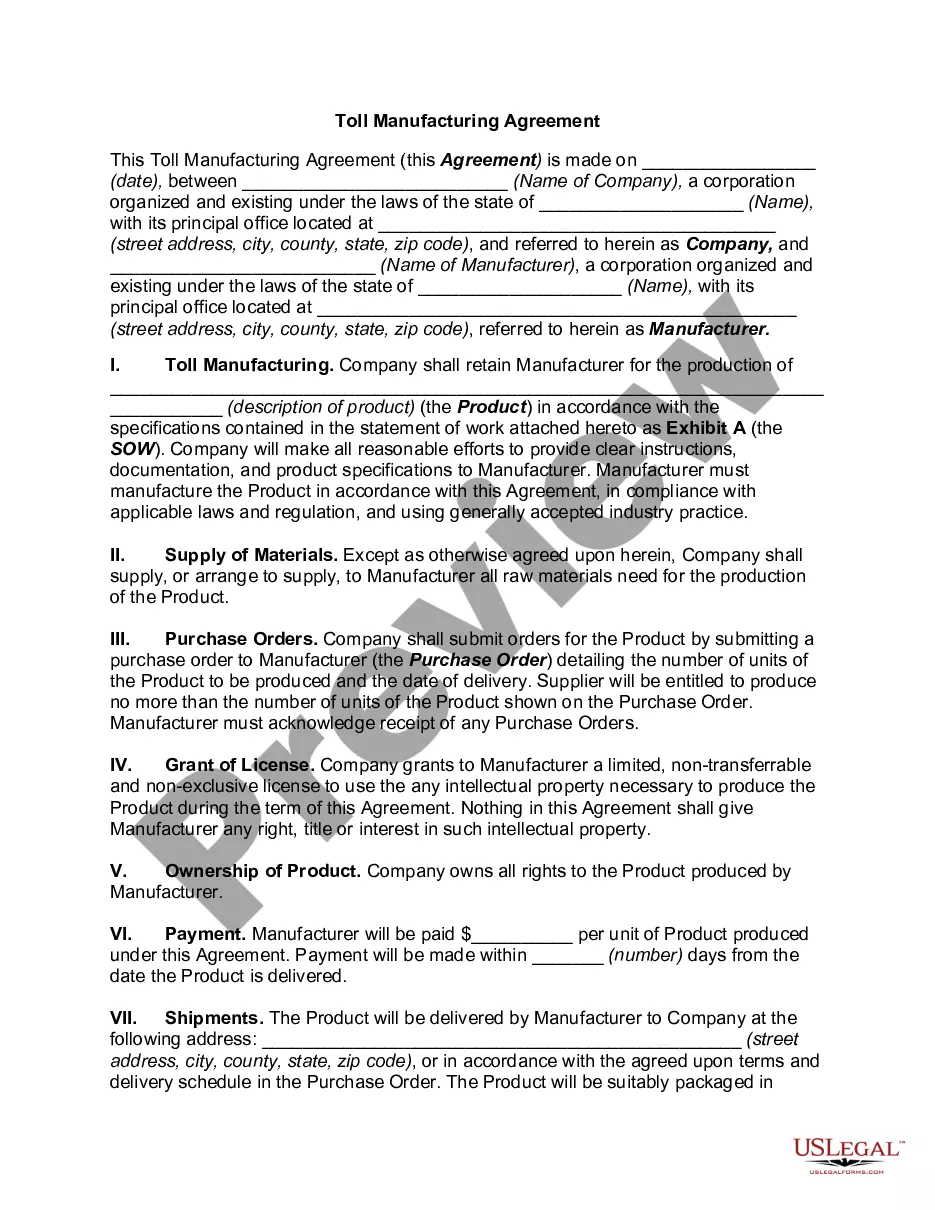
You can find the latest versions of documents like the Guam Toll Manufacturing Agreement in just moments.
Check the form details to confirm you have selected the correct document.
If the form does not meet your needs, use the Search field at the top of the screen to find one that does.
- If you have an account, Log In to download the Guam Toll Manufacturing Agreement from the US Legal Forms collection.
- The Download button will appear on every template you view.
- You can access all previously downloaded forms in the My documents section of your account.
- If you are using US Legal Forms for the first time, here are easy instructions to get you started.
- Make sure you have selected the appropriate form for your city/county.
- Click the Preview button to review the content of the form.
Form popularity
FAQ
Toll manufacturing refers to a contractual agreement where a company hires another company to produce its goods. Under the Guam Toll Manufacturing Agreement, this practice allows businesses to benefit from specialized manufacturing without owning production facilities. Essentially, the toll manufacturer creates products on behalf of clients, adhering to their specifications and quality standards, which can greatly enhance operational flexibility.
The Guam Toll Manufacturing Agreement offers several benefits for businesses. First, it allows companies to reduce production costs by leveraging existing facilities and expertise of manufacturers. Additionally, this arrangement can shorten production timelines, enhancing overall efficiency. Furthermore, businesses can focus on their core competencies while enjoying the flexibility to scale their operations based on demand.
A manufacturer produces goods using raw materials and components without relying on another firm. In contrast, a contract manufacturer, like those involved in the Guam Toll Manufacturing Agreement, produces goods on behalf of another company based on specific agreements. This means that a contract manufacturer operates under the client's guidelines and typically has more flexibility in adjusting to market demands. Therefore, understanding these distinctions can help businesses streamline their production processes efficiently.
The primary difference between a toll manufacturer and a contract manufacturer lies in ownership of raw materials. In a toll manufacturing setup, the client owns the materials until the final product is delivered. In contrast, a contract manufacturer owns the materials and takes responsibility for their sourcing. Understanding these differences is essential when entering into a Guam Toll Manufacturing Agreement.
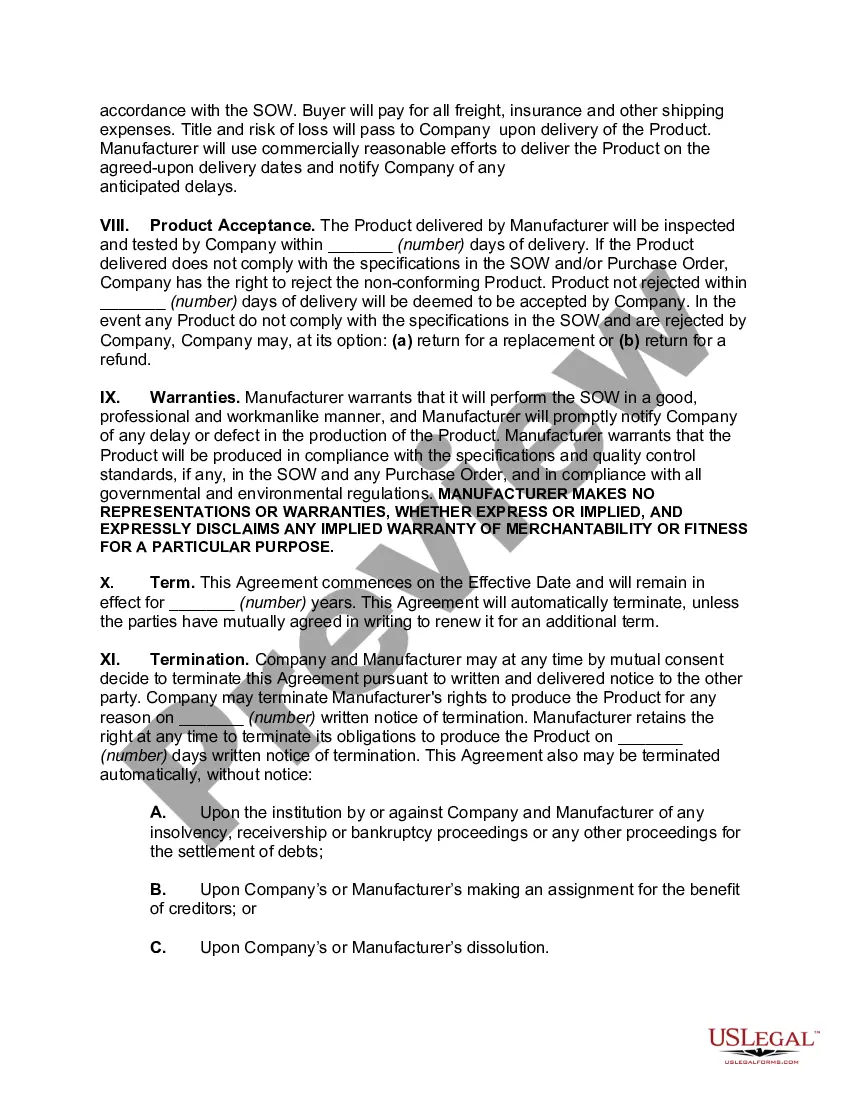
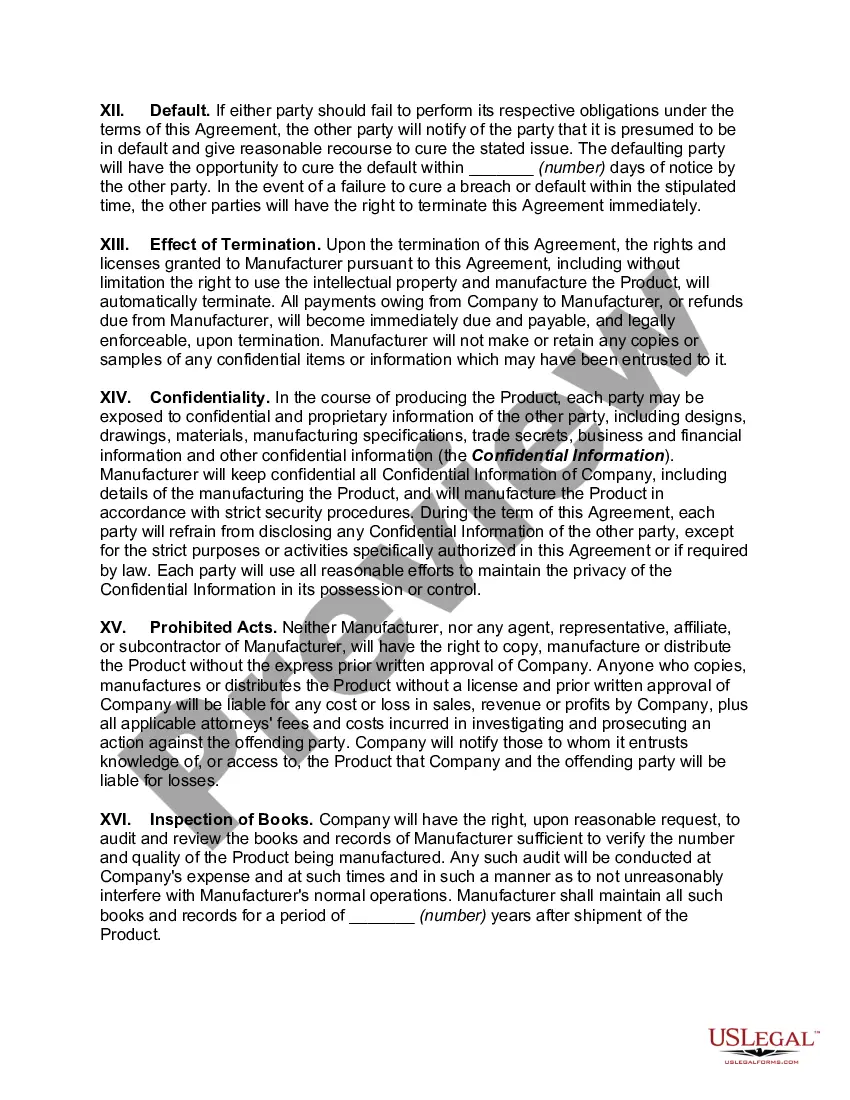
A toll manufacturing agreement is a contractual arrangement where one company provides manufacturing services to another. In this agreement, the client supplies the raw materials, while the manufacturer processes them to create finished goods. A well-structured Guam Toll Manufacturing Agreement can streamline production and reduce operational costs for businesses.
An example of toll manufacturing is when a beverage company supplies its ingredients to a third-party facility to produce a specific drink. The third-party manufacturer processes these ingredients according to the company's specifications and sends the finished product back. This arrangement is common in various industries and highlights the versatility of a Guam Toll Manufacturing Agreement.
Tolling fees in manufacturing refer to the costs associated with the processing or handling of materials by a toll manufacturer. These fees typically cover the services provided in transforming raw materials into final products. Understanding tolling fees is crucial for businesses considering a Guam Toll Manufacturing Agreement, as they can significantly affect overall production costs.
Toll manufacturing and subcontracting serve different purposes in the manufacturing sector. Toll manufacturing focuses specifically on the processing of materials using another company's facilities, whereas subcontracting can involve a range of outsourced services, including assembly and logistics. A Guam Toll Manufacturing Agreement typically clarifies the scope of manufacturing, ensuring all parties understand their roles. This distinction can lead to better project management and collaboration.
The toll manufacturing process consists of a manufacturer processing a client's raw materials into finished products or components. This method allows businesses to leverage external expertise without sacrificing control over their product design and specification. By utilizing a Guam Toll Manufacturing Agreement, companies can outline the manufacturing specifications and responsibilities clearly, ensuring a streamlined process. It’s an efficient way to increase production capabilities while managing costs.
Toll manufacturing primarily involves a service arrangement where the manufacturer processes materials provided by another company. In contrast, contract manufacturing includes the production of goods, often with full ownership of the materials. The Guam Toll Manufacturing Agreement emphasizes the processing aspect of toll manufacturing, making it a valuable option for companies needing flexible production solutions. This distinction is crucial for businesses planning their manufacturing strategies.