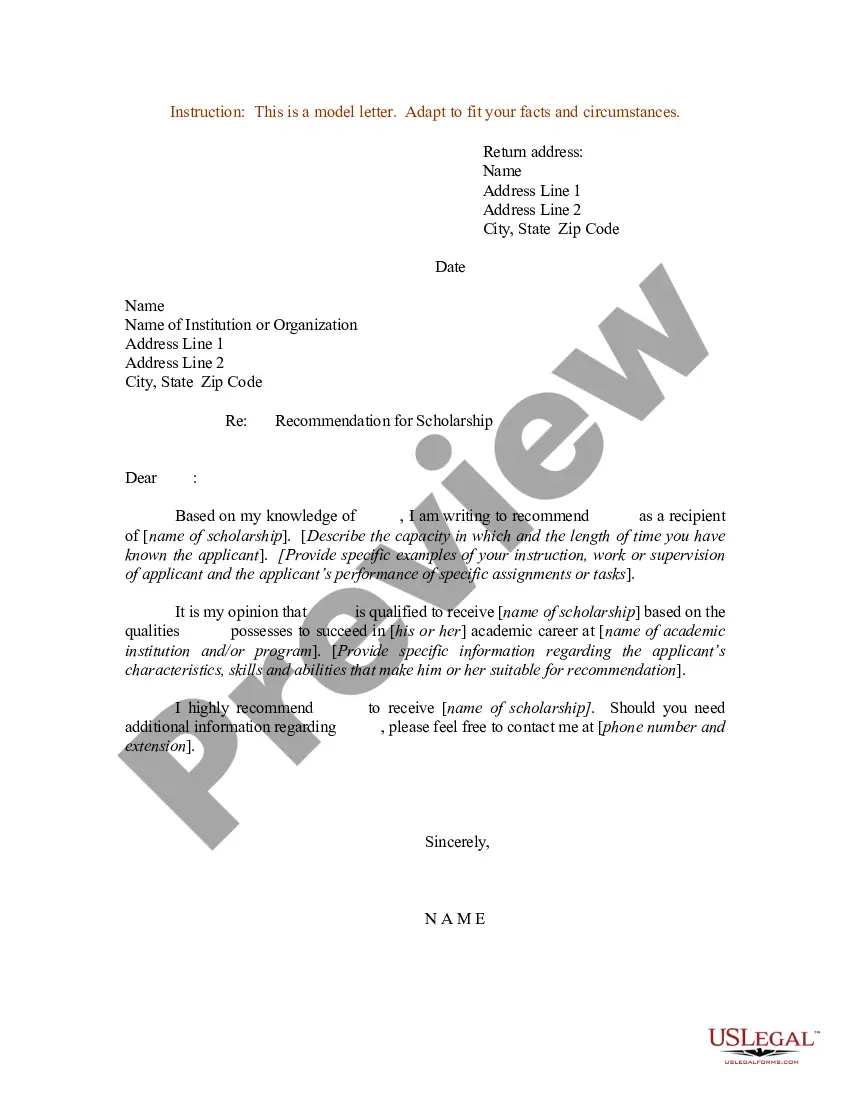
Guam Recommendation Letter for Academic Scholarship - College
Description
Get your form ready online
Our built-in tools help you complete, sign, share, and store your documents in one place.
Make edits, fill in missing information, and update formatting in US Legal Forms—just like you would in MS Word.
Download a copy, print it, send it by email, or mail it via USPS—whatever works best for your next step.
Sign and collect signatures with our SignNow integration. Send to multiple recipients, set reminders, and more. Go Premium to unlock E-Sign.
If this form requires notarization, complete it online through a secure video call—no need to meet a notary in person or wait for an appointment.
We protect your documents and personal data by following strict security and privacy standards.

Make edits, fill in missing information, and update formatting in US Legal Forms—just like you would in MS Word.

Download a copy, print it, send it by email, or mail it via USPS—whatever works best for your next step.

Sign and collect signatures with our SignNow integration. Send to multiple recipients, set reminders, and more. Go Premium to unlock E-Sign.

If this form requires notarization, complete it online through a secure video call—no need to meet a notary in person or wait for an appointment.

We protect your documents and personal data by following strict security and privacy standards.
Looking for another form?





How to fill out Recommendation Letter For Academic Scholarship - College?
You might spend time online looking for the valid document template that fulfills the state and federal standards you need.
US Legal Forms provides thousands of valid forms that have been evaluated by experts.
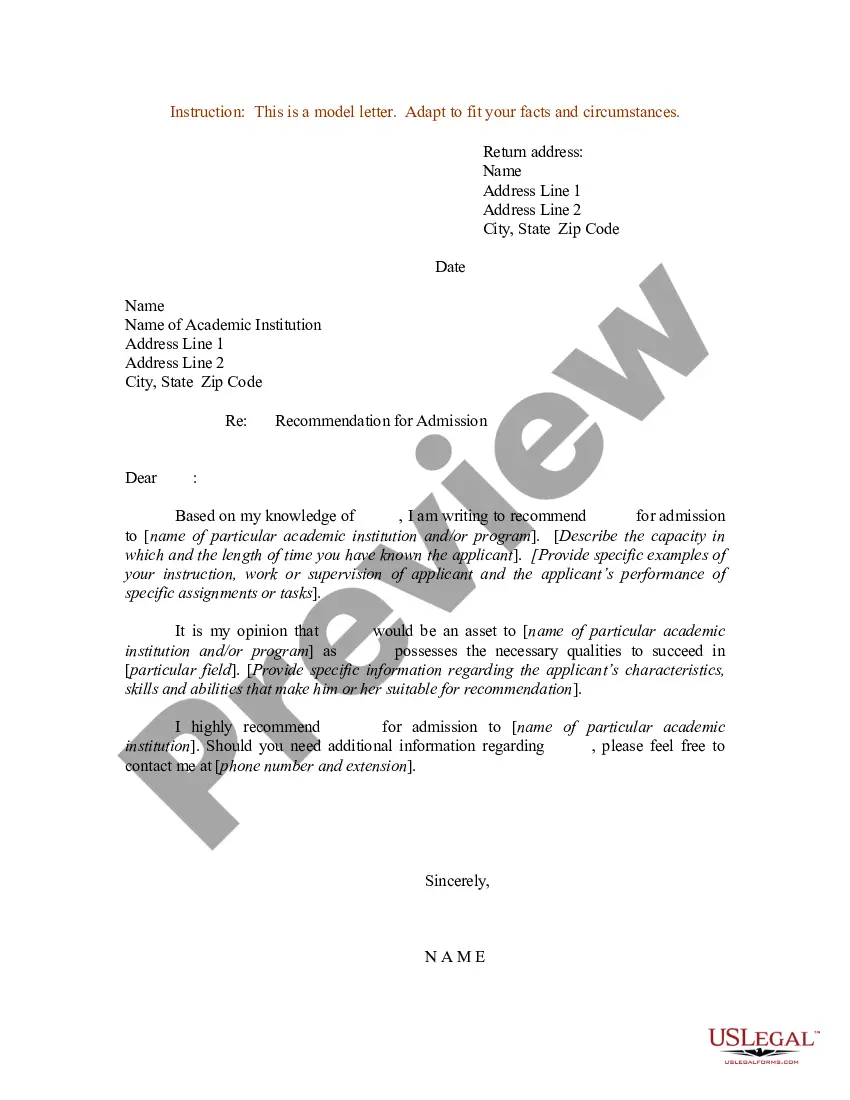
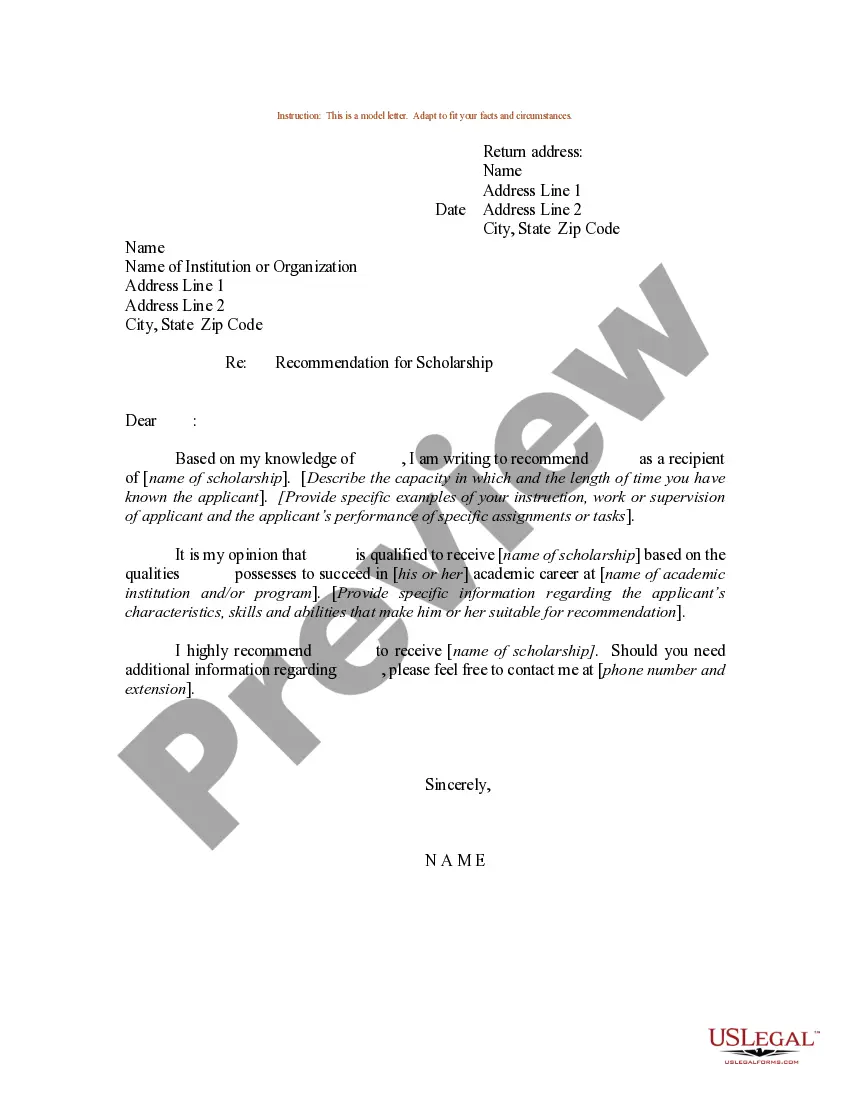
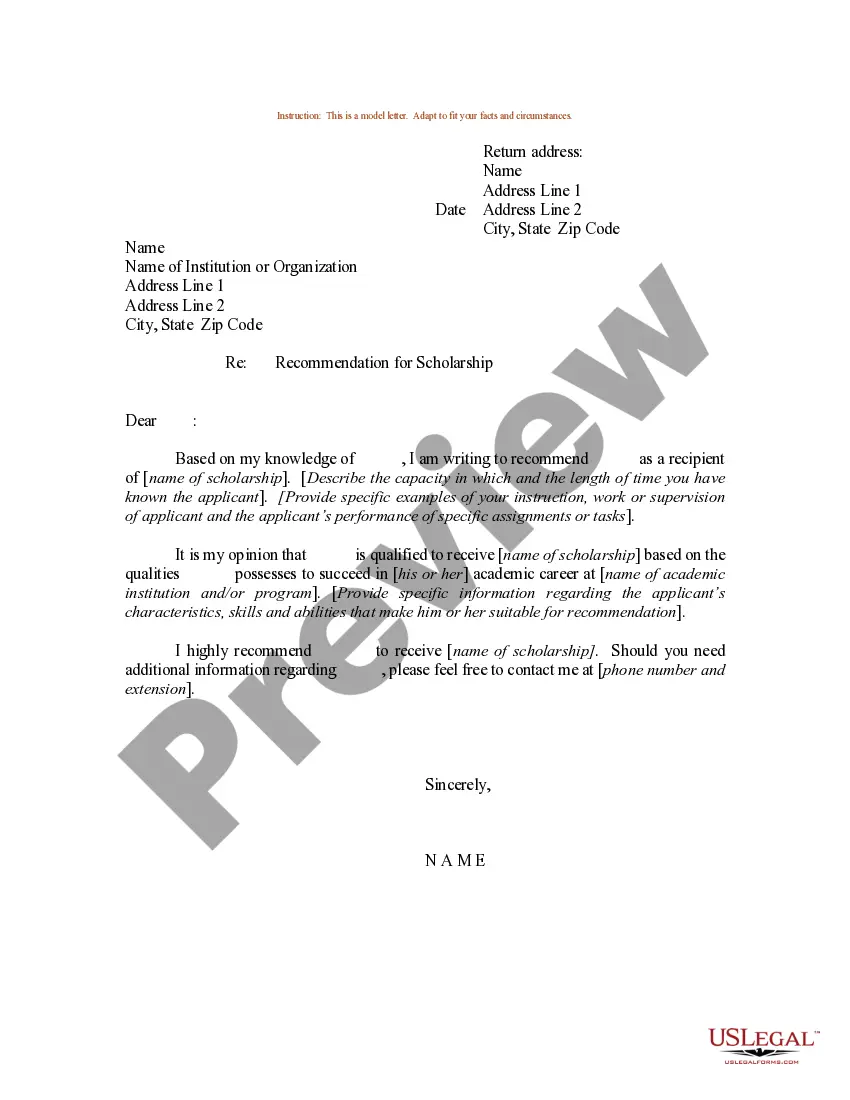
You can easily download or print the Guam Recommendation Letter for Academic Scholarship - College from this service.
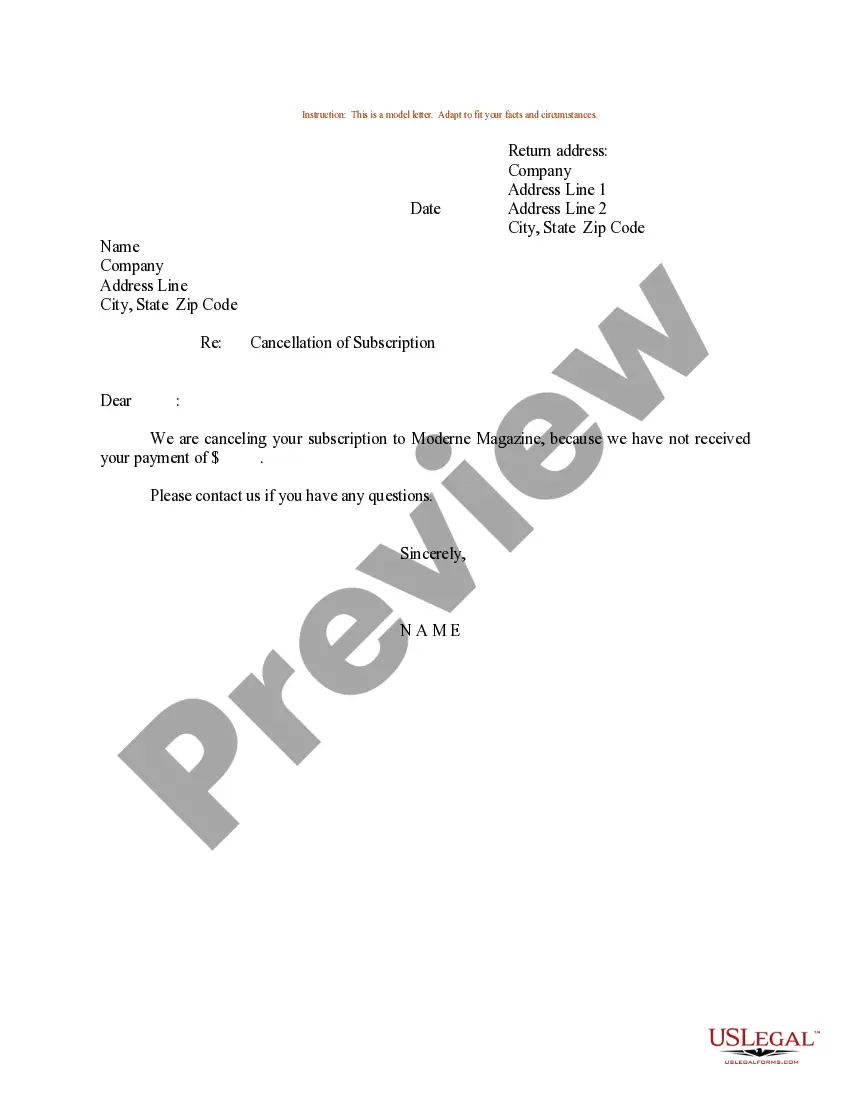
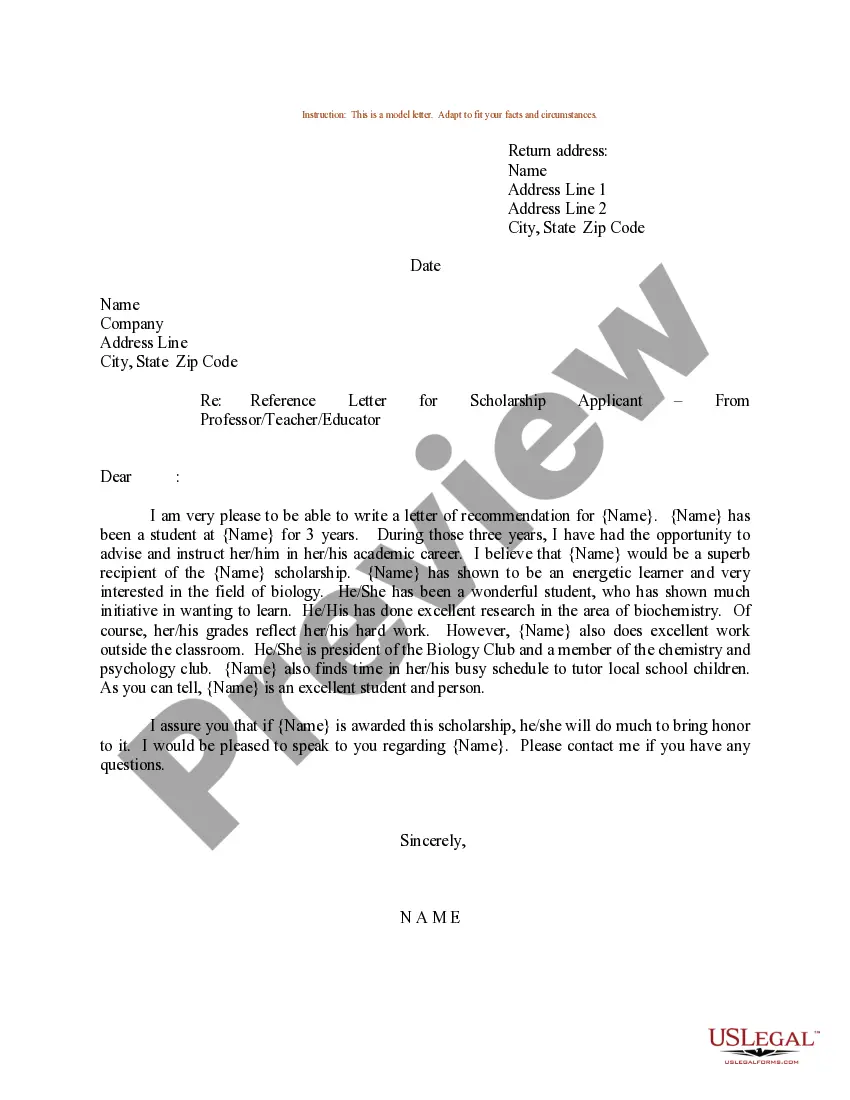
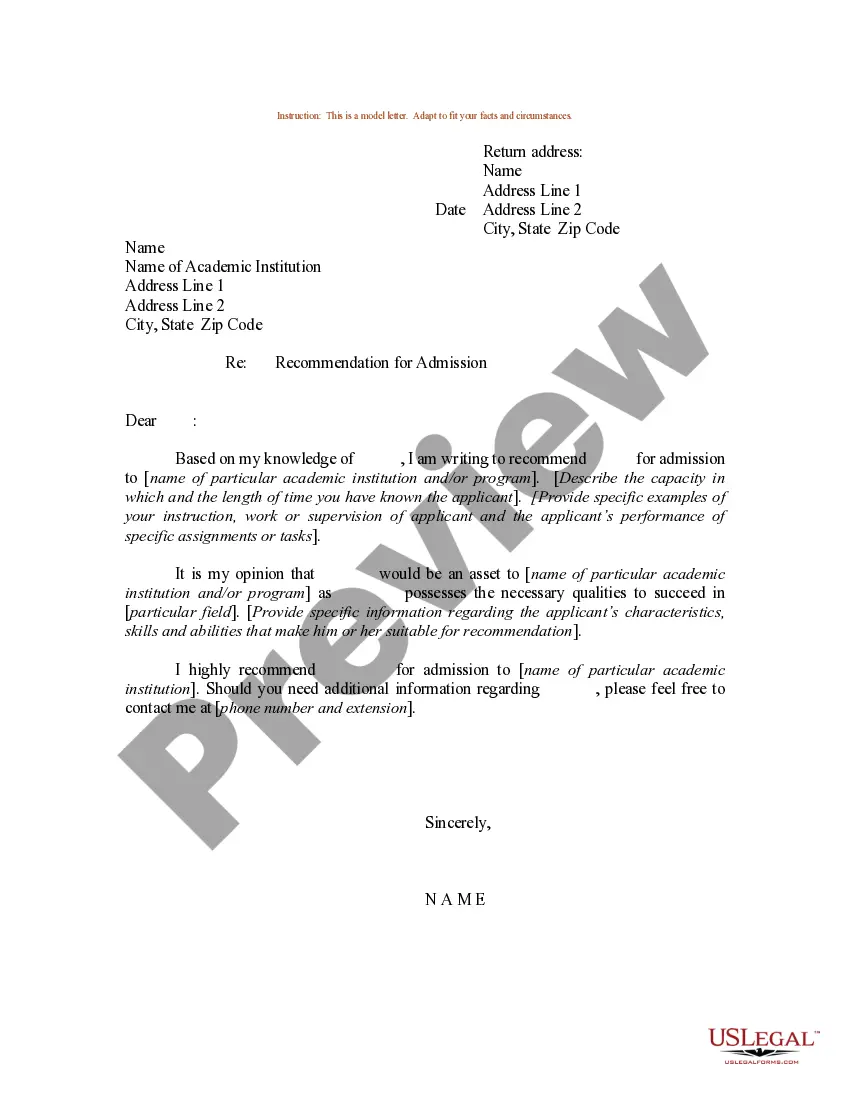
If necessary, use the Preview button to view the document template as well.
- If you possess a US Legal Forms account, you can sign in and click on the Obtain button.
- After that, you can complete, modify, print, or sign the Guam Recommendation Letter for Academic Scholarship - College.
- Every valid document template you purchase is yours permanently.
- To retrieve another copy of the purchased form, navigate to the My documents tab and click the corresponding button.
- If this is your first time using the US Legal Forms website, follow the simple instructions below.
- First, ensure you have selected the correct document template for the region/city of your preference.
- Check the form description to confirm you have picked the appropriate form.
Form popularity
FAQ
Here are some tips on how to write a compelling scholarship application cover letter.Explain why you're a good match for the scholarship.Establish a formal tone, use a clear structure and check spellings.Match your cover letter to the context.
Show your personality and passions You'll want to make sure your essay is true to yourself and your passions. Because there are multiple, sometimes hundreds of applications, you should avoid speaking generally. Instead, share your stories, feelings, and personal experiences.
A referee (a person who provides a reference) should be someone who knows you well and can speak with knowledge about your character, activities, and experiences. The person should have known you for a year or more, and relatively recently (for example, within the last two years).
What to Include in Your Scholarship Recommendation LetterAn introduction that identifies who you are, your relationship to the student, and how long you've known them.Your general observations and thoughts about the student's academic strengths, personal qualities, and readiness for college.More items...?
Schools often ask for letters of recommendation from an academic teacher sometimes in a specific subject or a school counselor or both. Ask a counselor, teachers and your family who they think would make good references.
The most common sources for a scholarship letter of recommendation are teachers, employers, volunteer work supervisors, and mentors. At times, coworkers may also be suitable options, depending on the nature of the relationship.
Here are some resources you may consider for your scholarship recommendation letter:Teachers and professors.Former or current employers.Clergy members (preachers, pastors, rabbis, imams, etc.)Coaches.School counselors and advisers.Leaders of an organization you are associated with.
Give at least three weeks advance notice. Make a formal request. Schedule an appointment to discuss the recommendation fully or send your teacher an email asking for some time to chat. Ask if they would like to see a sample letter.
Schools often ask for letters of recommendation from an academic teacher sometimes in a specific subject or a school counselor or both. Ask a counselor, teachers and your family who they think would make good references.
Here are some resources you may consider for your scholarship recommendation letter:Teachers and professors.Former or current employers.Clergy members (preachers, pastors, rabbis, imams, etc.)Coaches.School counselors and advisers.Leaders of an organization you are associated with.