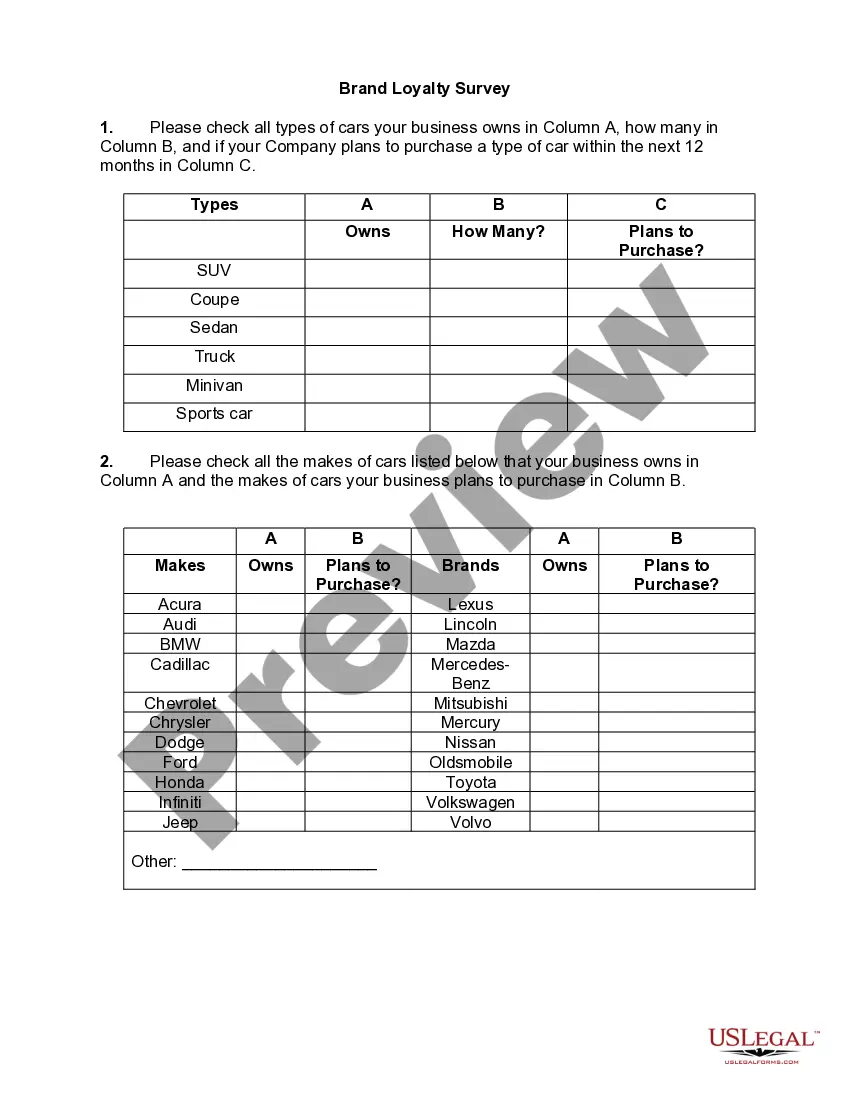
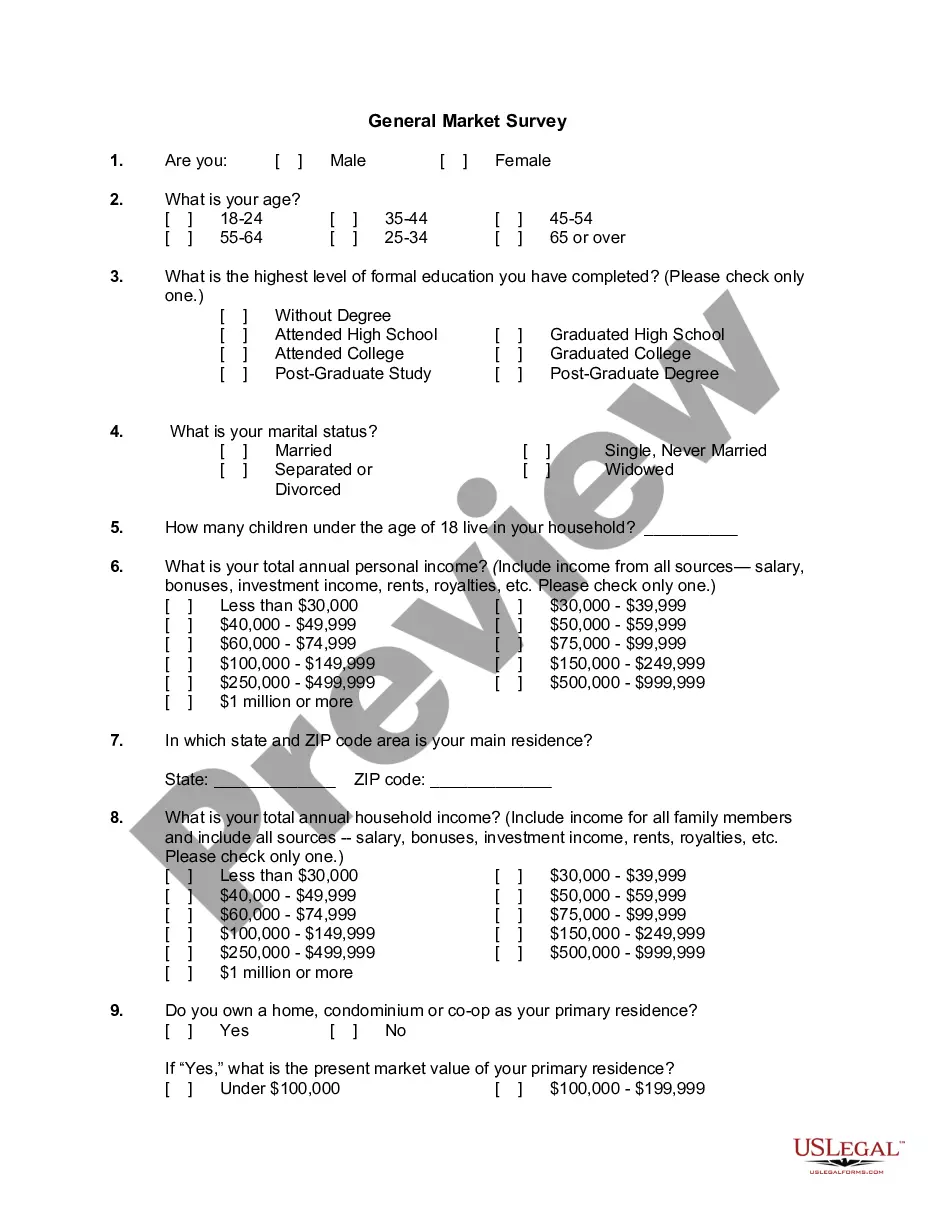
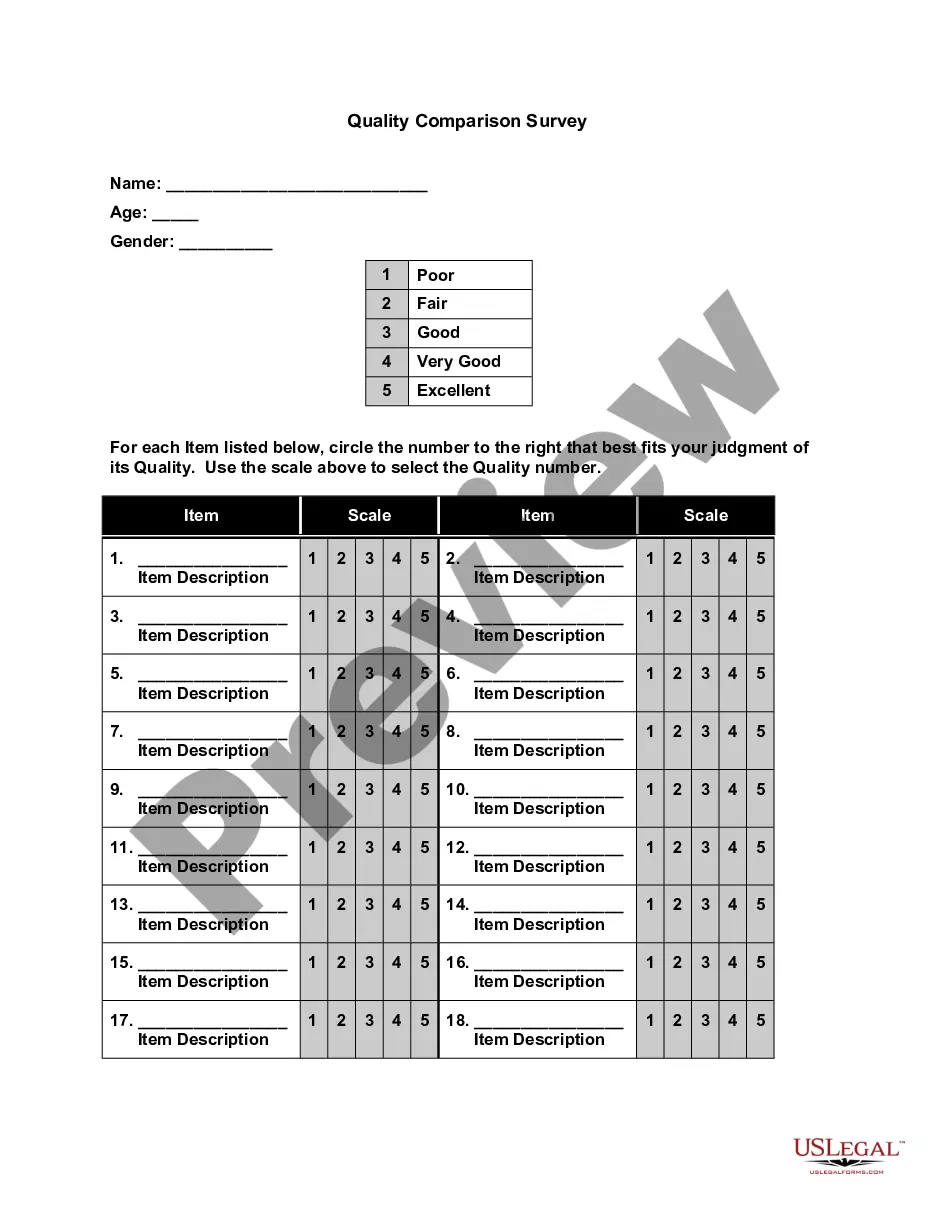
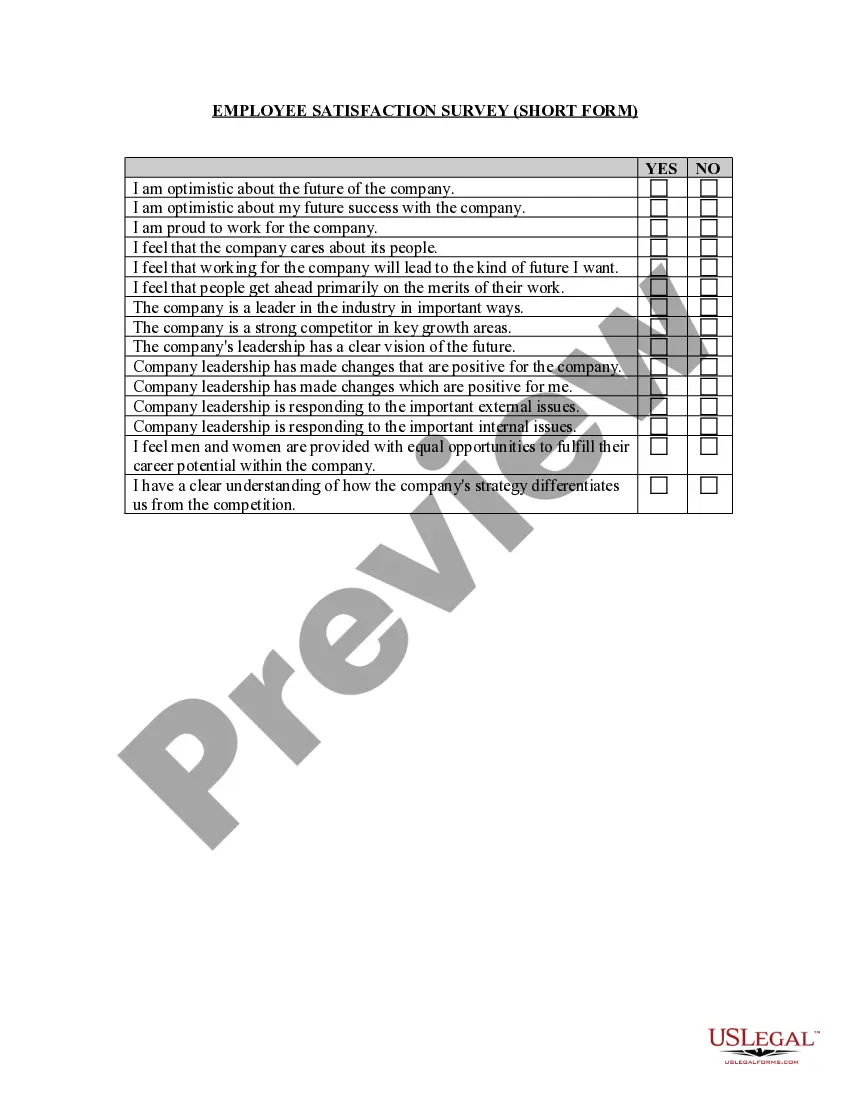
Guam Brand Loyalty Survey
Description
Get your form ready online
Our built-in tools help you complete, sign, share, and store your documents in one place.
Make edits, fill in missing information, and update formatting in US Legal Forms—just like you would in MS Word.
Download a copy, print it, send it by email, or mail it via USPS—whatever works best for your next step.
Sign and collect signatures with our SignNow integration. Send to multiple recipients, set reminders, and more. Go Premium to unlock E-Sign.
If this form requires notarization, complete it online through a secure video call—no need to meet a notary in person or wait for an appointment.
We protect your documents and personal data by following strict security and privacy standards.

Make edits, fill in missing information, and update formatting in US Legal Forms—just like you would in MS Word.

Download a copy, print it, send it by email, or mail it via USPS—whatever works best for your next step.

Sign and collect signatures with our SignNow integration. Send to multiple recipients, set reminders, and more. Go Premium to unlock E-Sign.

If this form requires notarization, complete it online through a secure video call—no need to meet a notary in person or wait for an appointment.

We protect your documents and personal data by following strict security and privacy standards.
Looking for another form?


How to fill out Brand Loyalty Survey?
US Legal Forms - one of the largest collections of legal forms in the United States - provides a range of legal document templates that you can download or create.
By using the website, you can access thousands of forms for business and personal purposes, organized by categories, states, or keywords. You can obtain the latest versions of forms such as the Guam Brand Loyalty Survey in just moments.
If you have a subscription, Log In and download the Guam Brand Loyalty Survey from the US Legal Forms library. The Download option will appear on every form you view. You can access all previously saved forms in the My documents section of your account.
Every template you added to your account does not have an expiration date and is yours indefinitely. Therefore, if you wish to download or print another copy, simply navigate to the My documents section and click on the form you want.
Access the Guam Brand Loyalty Survey with US Legal Forms, the most extensive collection of legal document templates. Utilize thousands of professional and state-specific templates that meet your business or personal needs and requirements.
- Make sure you have selected the correct form for your city/state. Click on the Review button to examine the form's content. Check the form summary to ensure you have chosen the right one.
- If the form does not meet your requirements, use the Search box at the top of the screen to find one that does.
- If you are satisfied with the form, verify your choice by clicking the Acquire now button. Then, choose the pricing plan you prefer and provide your information to register for an account.
- Process the payment. Use your credit card or PayPal account to complete the payment.
- Select the format and download the form to your device.
- Make changes. Complete, modify, print, and sign the downloaded Guam Brand Loyalty Survey.
Form popularity
FAQ
To measure brand loyalty in a survey, use a combination of quantitative and qualitative questions. A Guam Brand Loyalty Survey should include questions about repeat buying behavior, emotional connections, and overall satisfaction with the brand. Additionally, open-ended questions allow customers to express their thoughts freely, providing valuable context to the numerical data. This comprehensive approach helps brands understand their loyal customer base deeply.
Surveys designed to measure customer loyalty, such as a Guam Brand Loyalty Survey, focus on understanding consumer behavior and sentiment. These surveys often incorporate metrics like Net Promoter Score (NPS) and customer satisfaction ratings. By analyzing these aspects, brands can uncover critical insights that inform retention strategies and enhance customer relationships. A well-crafted survey empowers brands to connect with their customers effectively.
The Likert scale is a popular tool used in surveys to measure attitudes, including brand loyalty. It typically ranges from 'strongly disagree' to 'strongly agree,' allowing respondents to express how much they align with a statement. For instance, a Guam Brand Loyalty Survey might use this scale to gauge how much participants feel a connection to a brand. This method provides a nuanced understanding of customer perceptions and loyalty.
When conducting surveys in Guam, you should be aware of cultural nuances that may influence responses. It's important to approach participants with respect for local customs and practices, as well as ensuring that questions are clear and culturally relevant. Additionally, consider the sample size and demographic representation to achieve accurate results. A Guam Brand Loyalty Survey that respects local context will yield more reliable insights.
A Guam Brand Loyalty Survey typically includes questions that explore customer satisfaction, brand preference, and likelihood to recommend. Common questions ask customers how likely they are to repurchase, what factors influence their loyalty, and how they perceive brand value. This variety helps identify areas for improvement and strengthen the brand's connection with its audience. The insights gained guide future marketing strategies.
The three dimensions of loyalty are customer satisfaction, perceived value, and brand trust. Customer satisfaction ensures that your audience is happy with your product or service. Perceived value relates to what customers feel they gain from their relationship with your brand, while brand trust is about the reliability of your offerings. By utilizing the Guam Brand Loyalty Survey, you can effectively evaluate these dimensions and strengthen customer relationships.
The three levels of loyalty are Behavioral, Attitudinal, and Emotional loyalty. Behavioral loyalty reflects repeat purchases, attitudinal loyalty indicates positive brand feelings, and emotional loyalty suggests a strong personal connection to the brand. Through the Guam Brand Loyalty Survey, businesses can measure and analyze these different levels, aligning their offerings with what truly matters to customers. This insight helps in creating responsive marketing strategies.
The three main components of loyalty are Cognitive, Affective, and Conative loyalty. Cognitive loyalty relates to the rational reasons a customer chooses a brand, while affective loyalty encompasses emotional attachments. Conative loyalty represents the intention to repurchase. Utilizing the Guam Brand Loyalty Survey can help uncover these components within your customer base, allowing you to design more targeted engagement strategies.
The three R's of loyalty are Recognition, Reward, and Reassurance. These R's emphasize the importance of acknowledging your customers, providing incentives, and reinforcing their choice to remain loyal to your brand. By implementing these principles in your Guam Brand Loyalty Survey efforts, you can gain valuable insights into customer preferences and behaviors. This approach ultimately leads to more effective loyalty programs.
The 4 C's of customer loyalty include Commitment, Communication, Consistency, and Compassion. Each of these elements plays a vital role in maintaining a strong bond between customers and brands. In the context of the Guam Brand Loyalty Survey, understanding these components helps businesses align their strategies to enhance customer retention. By focusing on these aspects, you can foster deeper connections with your customers.