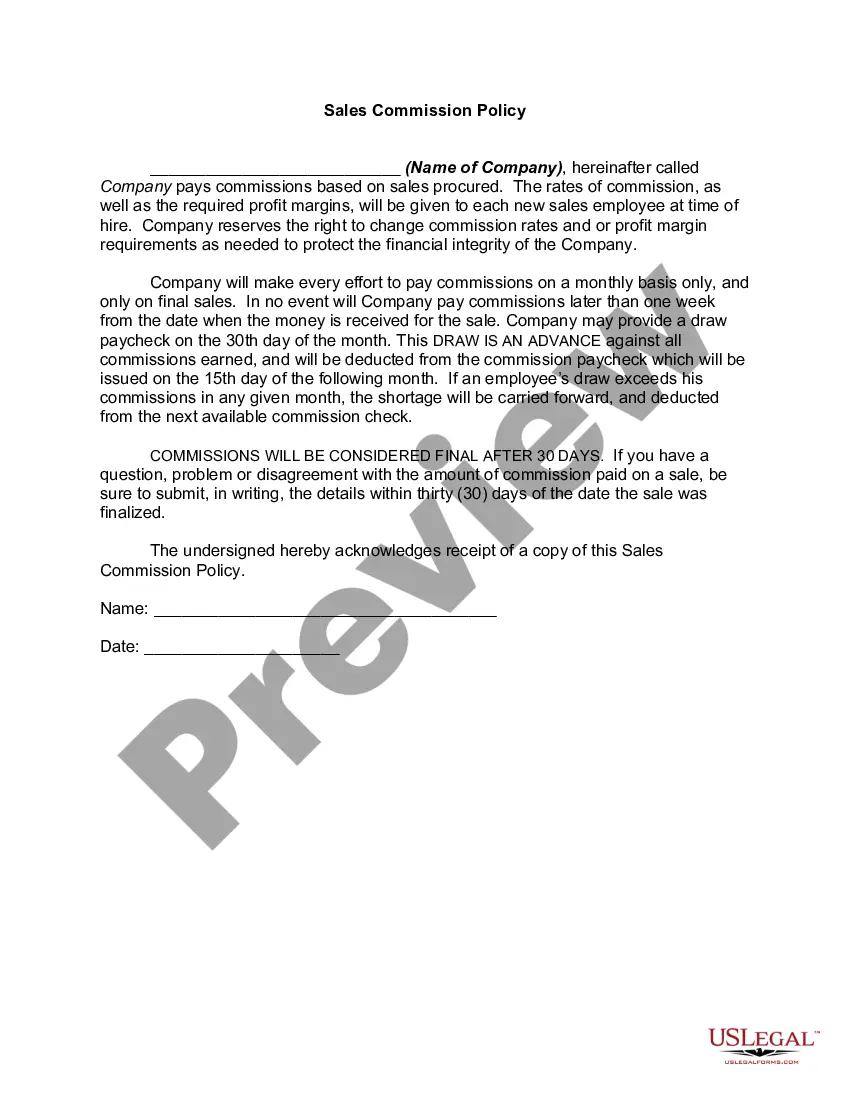
Guam Sales Commission Policy
Description
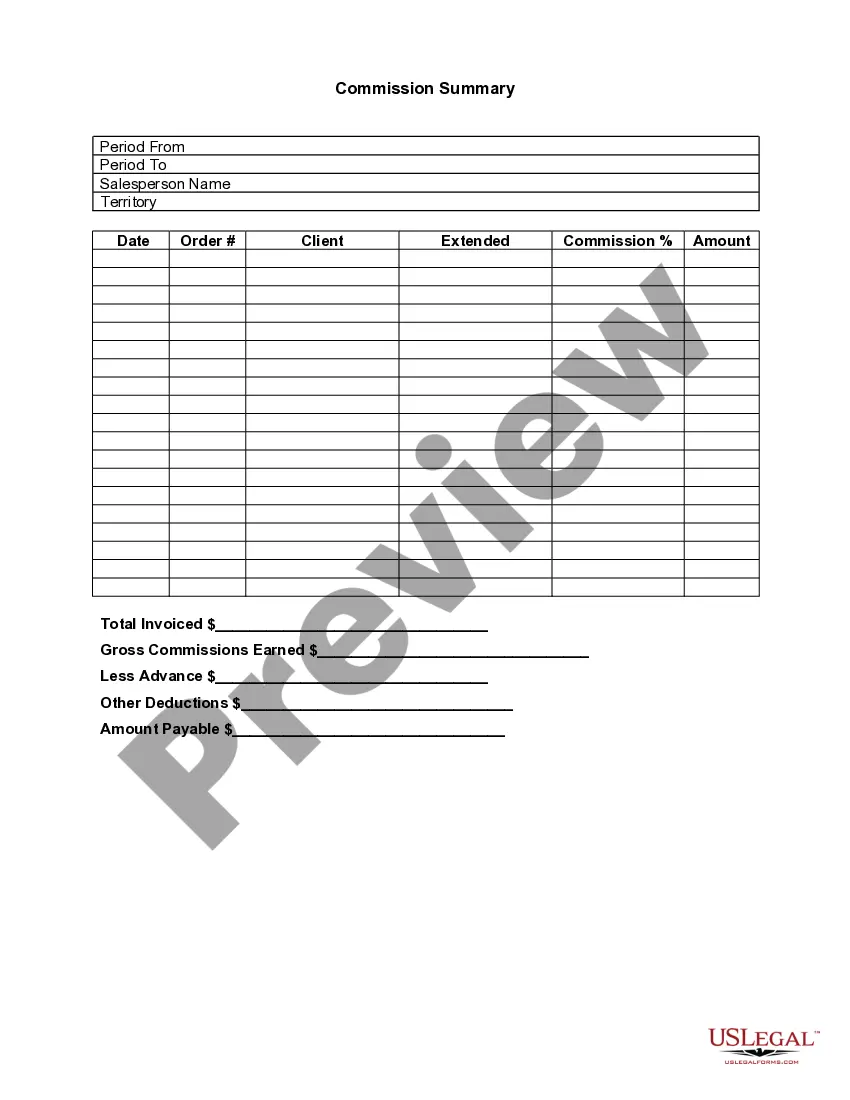
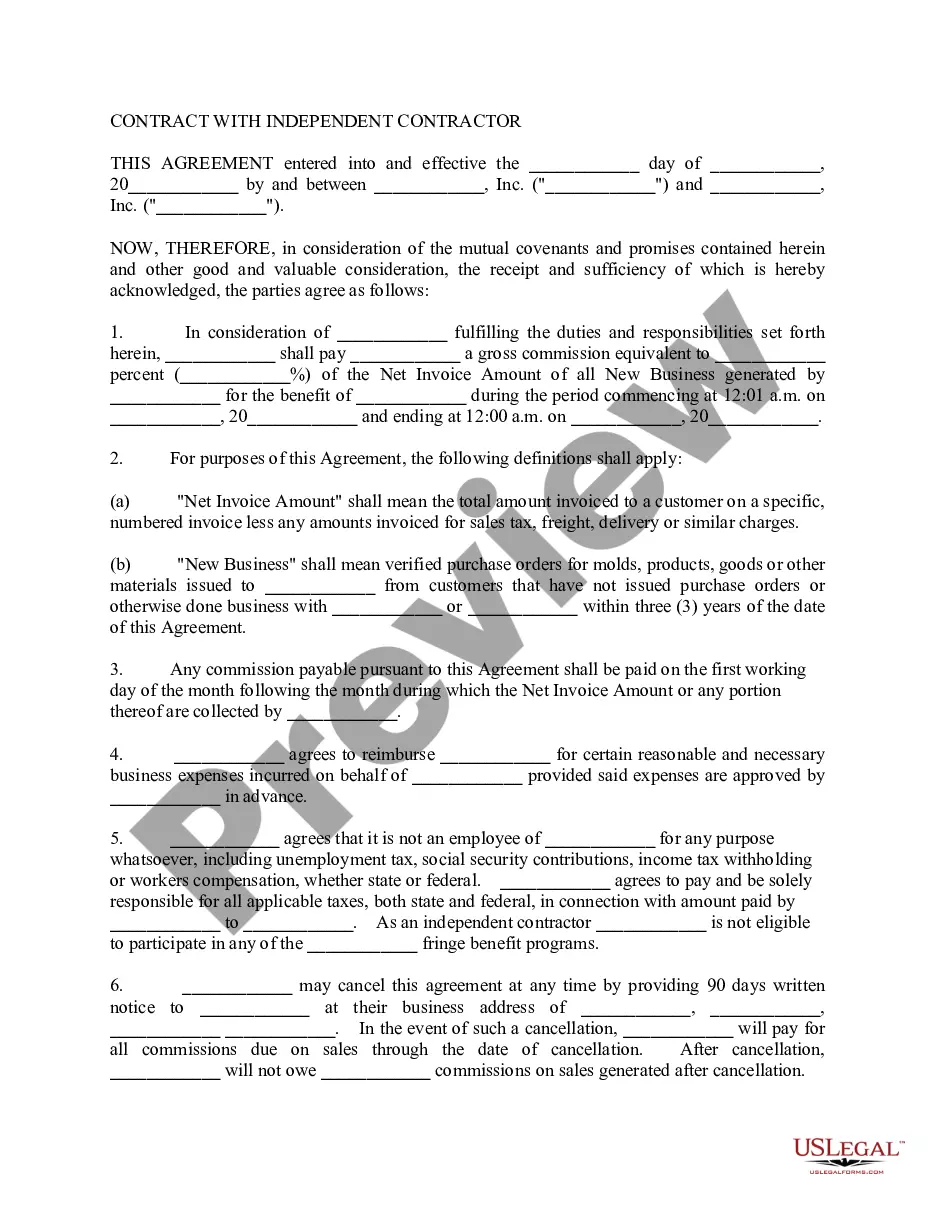
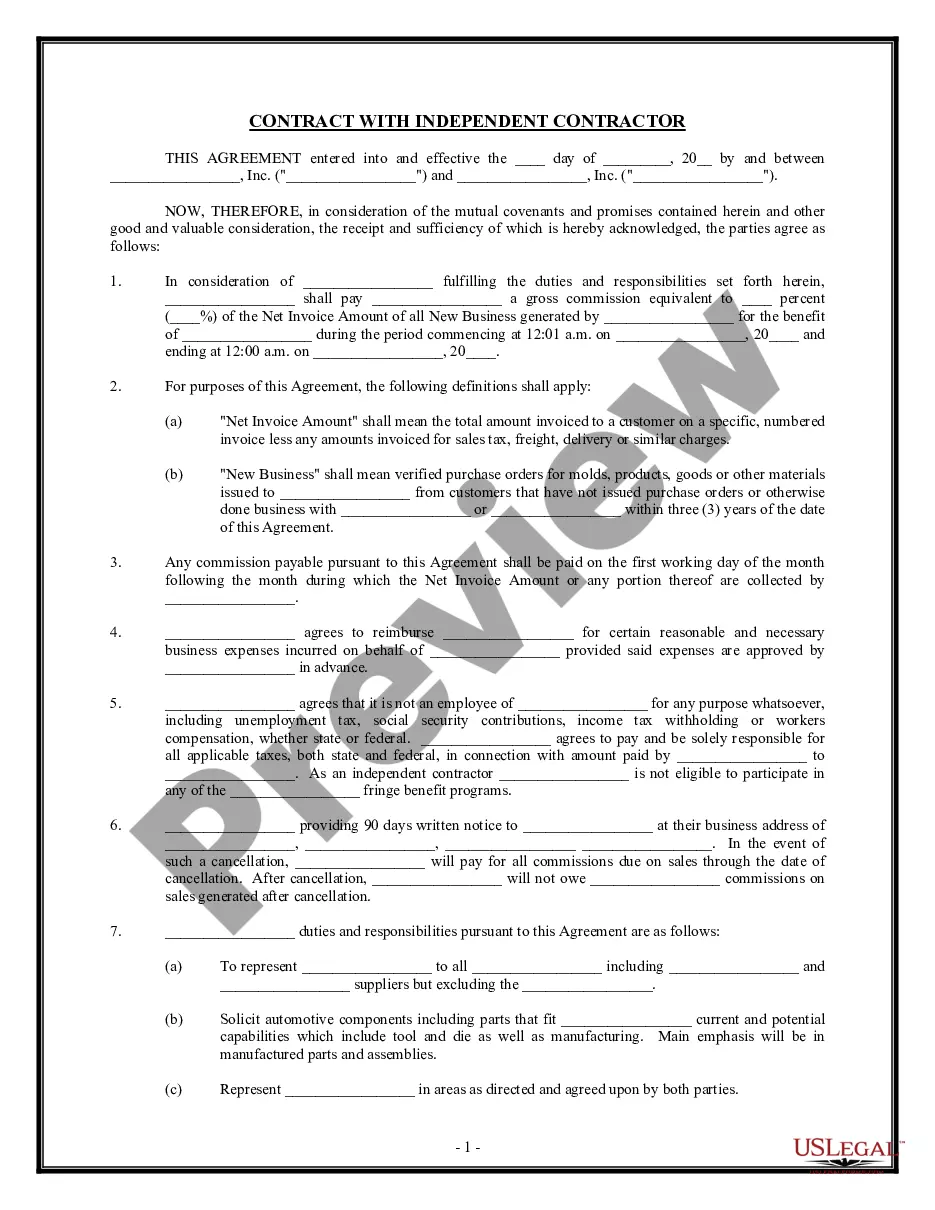
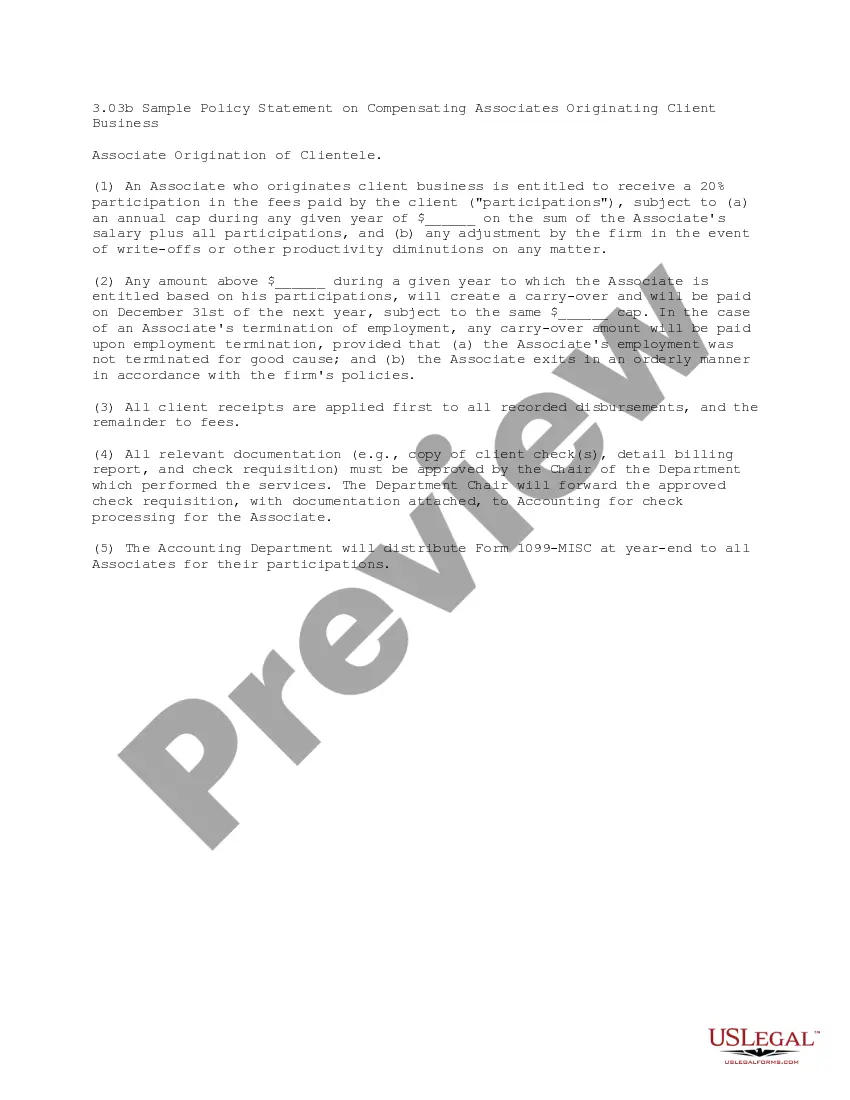
Get your form ready online
Our built-in tools help you complete, sign, share, and store your documents in one place.
Make edits, fill in missing information, and update formatting in US Legal Forms—just like you would in MS Word.
Download a copy, print it, send it by email, or mail it via USPS—whatever works best for your next step.
Sign and collect signatures with our SignNow integration. Send to multiple recipients, set reminders, and more. Go Premium to unlock E-Sign.
If this form requires notarization, complete it online through a secure video call—no need to meet a notary in person or wait for an appointment.
We protect your documents and personal data by following strict security and privacy standards.

Make edits, fill in missing information, and update formatting in US Legal Forms—just like you would in MS Word.

Download a copy, print it, send it by email, or mail it via USPS—whatever works best for your next step.

Sign and collect signatures with our SignNow integration. Send to multiple recipients, set reminders, and more. Go Premium to unlock E-Sign.

If this form requires notarization, complete it online through a secure video call—no need to meet a notary in person or wait for an appointment.

We protect your documents and personal data by following strict security and privacy standards.
Looking for another form?





How to fill out Sales Commission Policy?
If you wish to gather, obtain, or produce official document templates, utilize US Legal Forms, the largest collection of legal forms available online.
Employ the website's simple and efficient search feature to locate the documents you require.
Various templates for corporate and personal purposes are categorized by types and states, or keywords.
All legal document templates you acquire are yours permanently. You have access to every form you obtained in your account. Click the My documents section and select a form to print or download again.
Stay competitive and acquire, and print the Guam Sales Commission Policy with US Legal Forms. There are countless professional and jurisdiction-specific templates you can utilize for your business or personal needs.
- Utilize US Legal Forms to find the Guam Sales Commission Policy in just a few clicks.
- If you are already a US Legal Forms user, sign in to your account and click the Download button to obtain the Guam Sales Commission Policy.
- You can also retrieve forms you previously acquired in the My documents section of your account.
- If this is your first time using US Legal Forms, adhere to the steps outlined below.
- Step 1. Ensure you have selected the form for the appropriate city/state.
- Step 2. Use the Preview feature to review the form's details. Remember to check the summary.
- Step 3. If you are dissatisfied with the document, utilize the Search field at the top of the page to find alternative versions of the legal document template.
- Step 4. Once you have found the form you seek, click the Acquire now button. Choose the pricing plan you prefer and enter your information to register for an account.
- Step 5. Complete the transaction. You may use your credit card or PayPal account for this purpose.
- Step 6. Select the file format of the legal document and download it to your device.
- Step 7. Complete, modify, and print or sign the Guam Sales Commission Policy.
Form popularity
FAQ
In Guam, the amount of tax taken out of your paycheck is influenced by several factors, including your earnings and filing status. Generally, residents face federal income tax and local tax withholdings that can differ. When you consult the Guam Sales Commission Policy, you can analyze the implications of commissions on your total earnings. Being informed about tax obligations will help you manage your income better and plan for financial needs.
A 70/30 split in sales typically refers to the division of commissions between a company and a salesperson or among salespeople. In this case, the salesperson receives 70% of the commission earned from a sale, while the remaining 30% goes to the company. This approach, often outlined in a Guam Sales Commission Policy, can foster greater motivation for individual sales efforts while still benefiting the business. Understanding how to apply this split effectively can help in formulating compensation plans.
Setting up a sales commission plan requires careful consideration of several factors. Start by outlining the commission structure according to your business model and the Guam Sales Commission Policy. Use tools that streamline the process, such as US Legal Forms, to create clear documents and agreements. Lastly, provide training for your sales team about how the plan works, ensuring they understand every aspect from the start.
Structuring a sales commission plan involves a few essential steps. Begin by determining how commission will be calculated, whether on total sales, profits, or other metrics. Integrate aspects of the Guam Sales Commission Policy, like tiers and incentives, to encourage higher performance. Finally, regularly review and adjust the structure based on feedback and changing business goals to keep your plan relevant and effective.
To build an effective sales compensation plan, start by defining your sales goals and objectives. Identify the key performance indicators that align with your company’s objectives. Next, consider the elements of the Guam Sales Commission Policy that work best for your team, such as base salary, commission percentage, and bonuses. Finally, ensure you communicate this plan clearly to your sales team to maintain motivation and transparency.
Yes, if you earn income in Guam, you are generally required to file a Guam tax return. This is crucial for anyone involved in sales or commissions, as it helps you comply with the Guam Sales Commission Policy. Neglecting to file can lead to penalties and complications.
For many tax-related situations, Guam is treated as a domestic U.S. territory, not a foreign entity. Nonetheless, certain aspects may classify it as foreign in the context of international tax agreements. Understanding the Guam Sales Commission Policy is essential to navigate these nuances.
Filing taxes on commissions in Guam involves reporting your earnings on the appropriate tax forms. You must follow the guidelines set out in the Guam Sales Commission Policy to ensure compliance. Consulting with a tax professional familiar with Guam's tax laws can provide clarity and streamline the process.
Yes, if you earn income in Guam, you typically need to file a Guam tax return. This applies whether you are a resident or working temporarily. Filing will ensure you adhere to the Guam Sales Commission Policy, thereby avoiding any tax issues.
For tax purposes, Guam operates similarly to the U.S. mainland, but with some differences. Residents are subject to Guam federal taxes, not U.S. federal taxes. However, organizations dealing with commissions must adhere to the Guam Sales Commission Policy for compliance with local tax regulations.