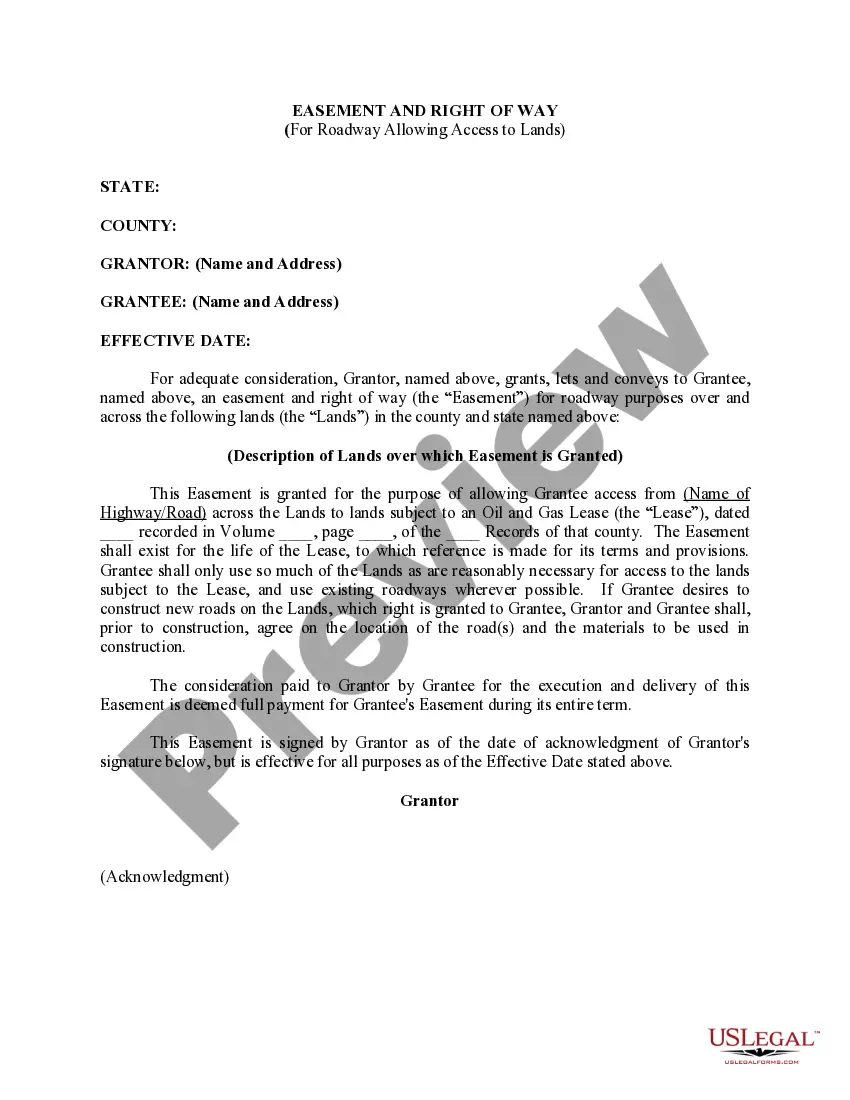
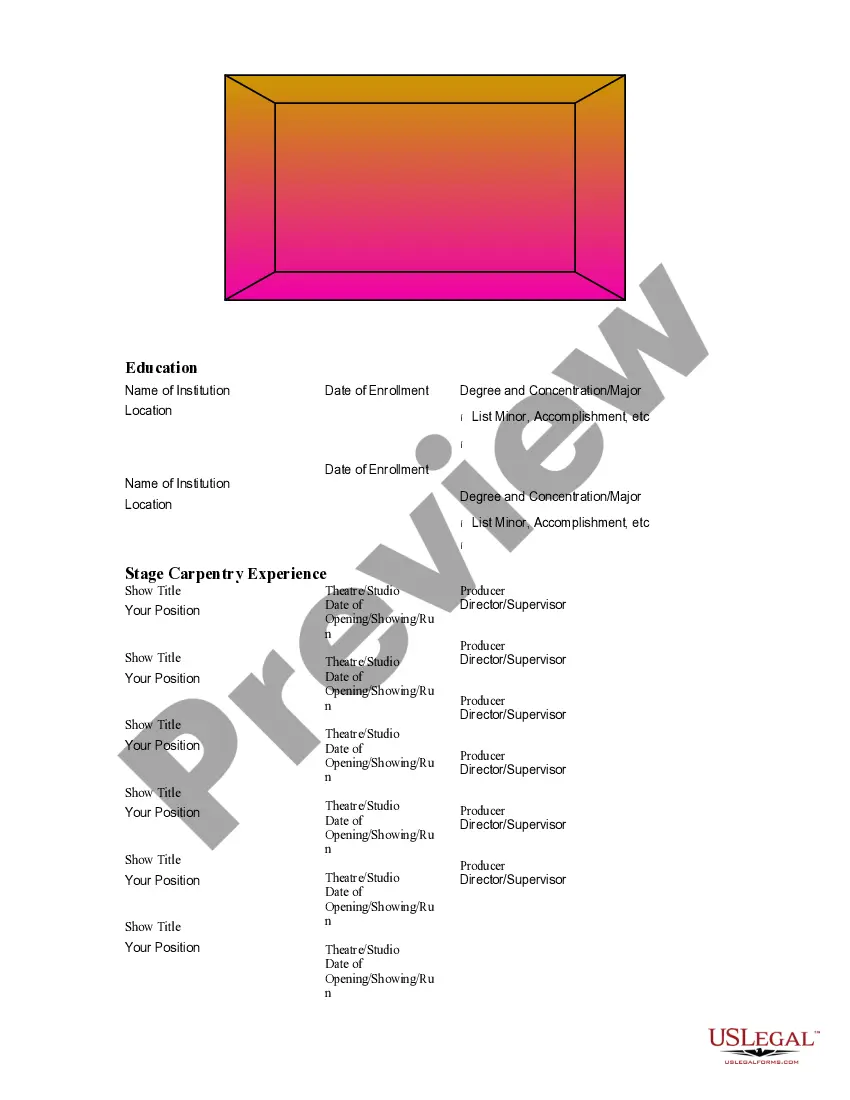
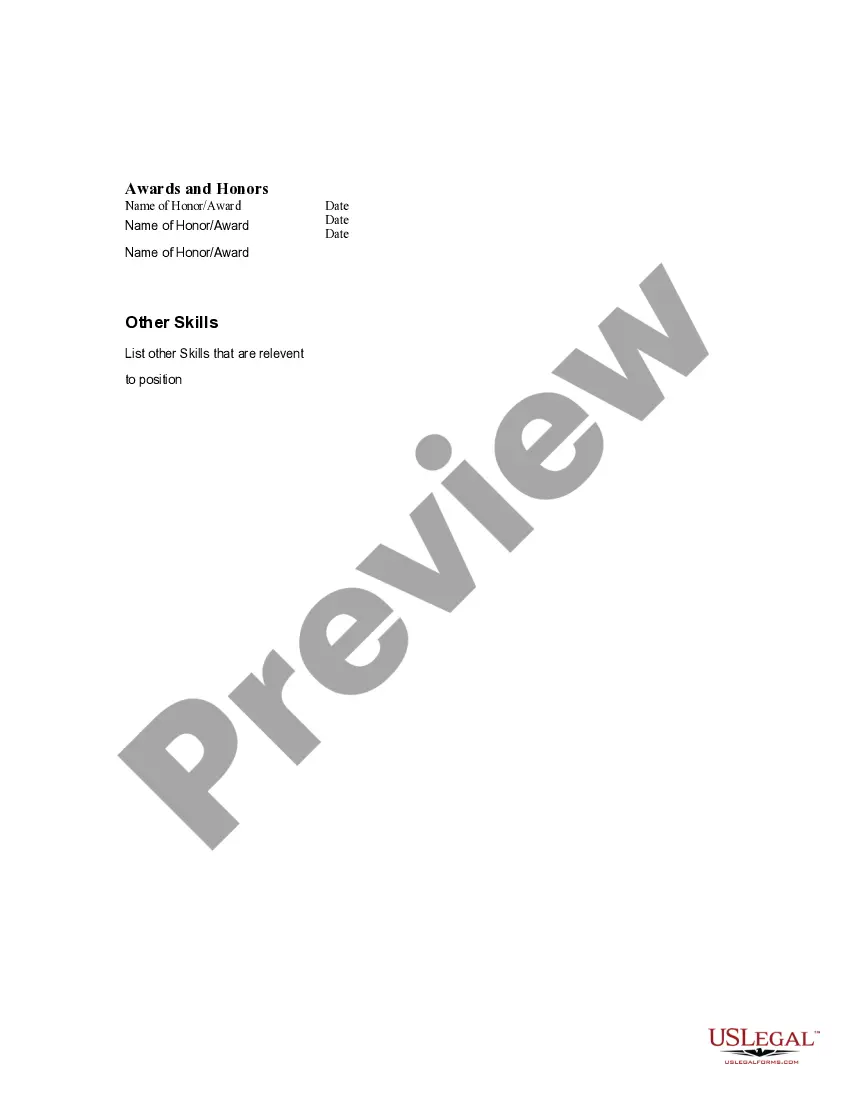
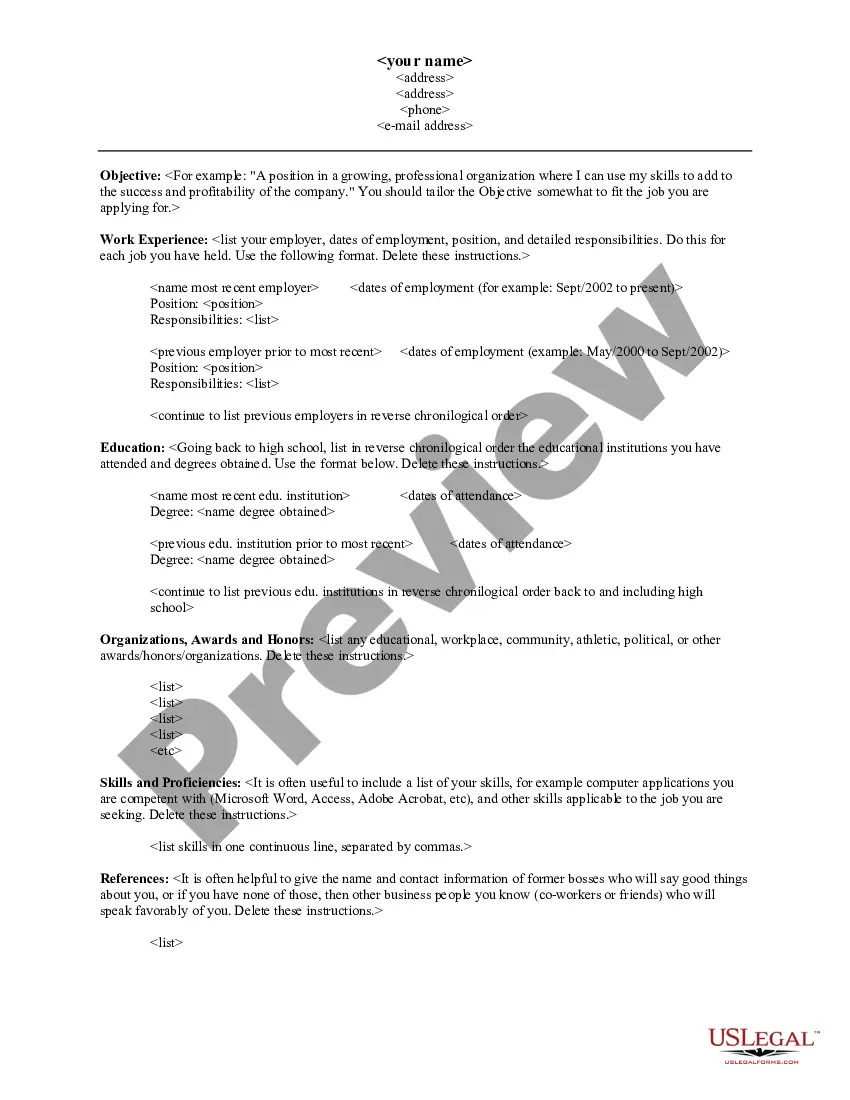
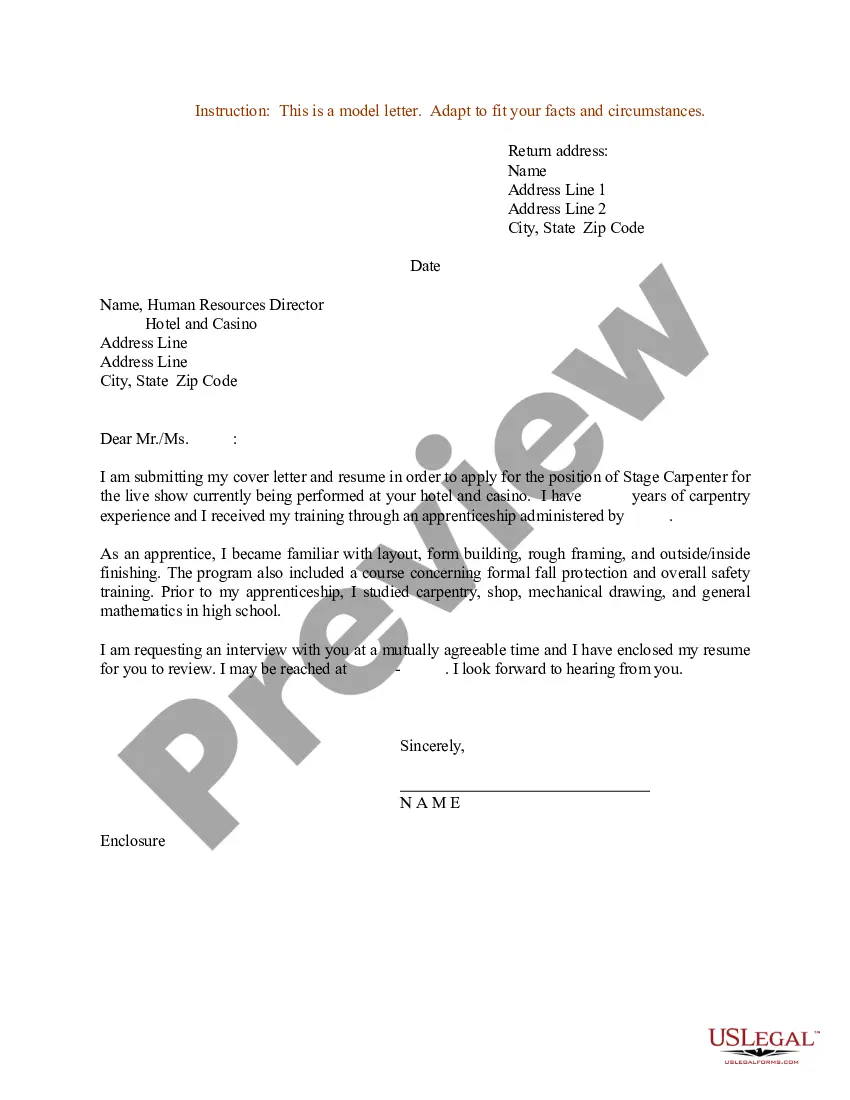
Georgia Resume for Stage Carpenter
Description
Get your form ready online
Our built-in tools help you complete, sign, share, and store your documents in one place.
Make edits, fill in missing information, and update formatting in US Legal Forms—just like you would in MS Word.
Download a copy, print it, send it by email, or mail it via USPS—whatever works best for your next step.
Sign and collect signatures with our SignNow integration. Send to multiple recipients, set reminders, and more. Go Premium to unlock E-Sign.
If this form requires notarization, complete it online through a secure video call—no need to meet a notary in person or wait for an appointment.
We protect your documents and personal data by following strict security and privacy standards.

Make edits, fill in missing information, and update formatting in US Legal Forms—just like you would in MS Word.

Download a copy, print it, send it by email, or mail it via USPS—whatever works best for your next step.

Sign and collect signatures with our SignNow integration. Send to multiple recipients, set reminders, and more. Go Premium to unlock E-Sign.

If this form requires notarization, complete it online through a secure video call—no need to meet a notary in person or wait for an appointment.

We protect your documents and personal data by following strict security and privacy standards.
Looking for another form?





How to fill out Resume For Stage Carpenter?
US Legal Forms - one of the most prominent collections of legal documents in the United States - provides a variety of legal document templates that you can download or print. By utilizing the website, you can access thousands of forms for business and personal purposes, organized by categories, states, or keywords. You can find the latest versions of documents such as the Georgia Resume for Stage Carpenter within moments.
If you already possess a subscription, Log In and download the Georgia Resume for Stage Carpenter from the US Legal Forms library. The Download button will appear on each document you view. You can access all previously saved documents in the My documents tab of your account.
If you are looking to use US Legal Forms for the first time, here are simple instructions to assist you in getting started: Ensure you have selected the correct document for your city/region. Click the Preview button to review the document's content. Read the document description to confirm you have chosen the correct form. If the document does not meet your needs, use the Search field at the top of the screen to find one that does. If you are satisfied with the document, confirm your selection by clicking the Purchase now button. Then, choose the payment plan you prefer and provide your details to register for an account. Process the transaction. Use your credit card or PayPal account to finalize the transaction. Select the file format and download the document to your device. Make edits. Complete, modify, print, and sign the saved Georgia Resume for Stage Carpenter. Each template you add to your account does not expire and is yours permanently. Therefore, to download or print another copy, simply go to the My documents section and click on the document you need.
- Access the Georgia Resume for Stage Carpenter with US Legal Forms, one of the most comprehensive collections of legal document templates.
- Utilize numerous professional and state-specific templates that fulfill your business or personal needs and requirements.
- Download or print legally binding forms.
- Manage your forms easily with the My documents section.
- Ensure you have the correct template for your requirements.
- Enjoy permanent access to your downloaded documents.
Form popularity
FAQ
Writing a resume as a carpenter involves detailing your work experience, skills, and education clearly and concisely. Include specific projects and highlight your ability to work with various materials and tools. A tailored Georgia Resume for Stage Carpenter should also reflect any theatrical experience, emphasizing your versatility and readiness for stage-related tasks.
To get into theatre carpentry, consider starting with community theater or local productions to build your experience. Networking with others in the industry can also lead to opportunities. Your Georgia Resume for Stage Carpenter should showcase not only your carpentry skills but also your enthusiasm for theater and collaboration.
Becoming a carpenter in Georgia typically requires a combination of education and hands-on experience. Many start with an apprenticeship that includes on-the-job training and classroom instruction. When applying for jobs, a well-crafted Georgia Resume for Stage Carpenter can highlight your training and any relevant certifications.
Stage carpenters' salaries can vary based on experience, location, and the type of productions they work on. In Georgia, the average salary is competitive, especially for those who have established themselves in the industry. When presenting your skills on a Georgia Resume for Stage Carpenter, focus on your unique contributions to previous projects, which can enhance your earning potential.
To become a stage carpenter, start by gaining experience in carpentry through vocational training or apprenticeships. Understanding the basics of theater production is also crucial, so consider volunteering at local theaters. A well-structured Georgia Resume for Stage Carpenter should reflect both your carpentry skills and your passion for the arts.
A Stage Carpenter is responsible for constructing, assembling, and disassembling sets for theater productions. This role includes collaborating with designers and directors to ensure the vision is realized on stage. When crafting your Georgia Resume for Stage Carpenter, emphasize your teamwork skills and adaptability to changing production needs.
A shuttering carpenter specializes in creating and installing forms for concrete structures. On a Georgia Resume for Stage Carpenter, it's important to highlight skills such as precision in measurements, understanding of building codes, and experience with different materials. Showcasing past projects can also demonstrate your ability to bring designs to life.