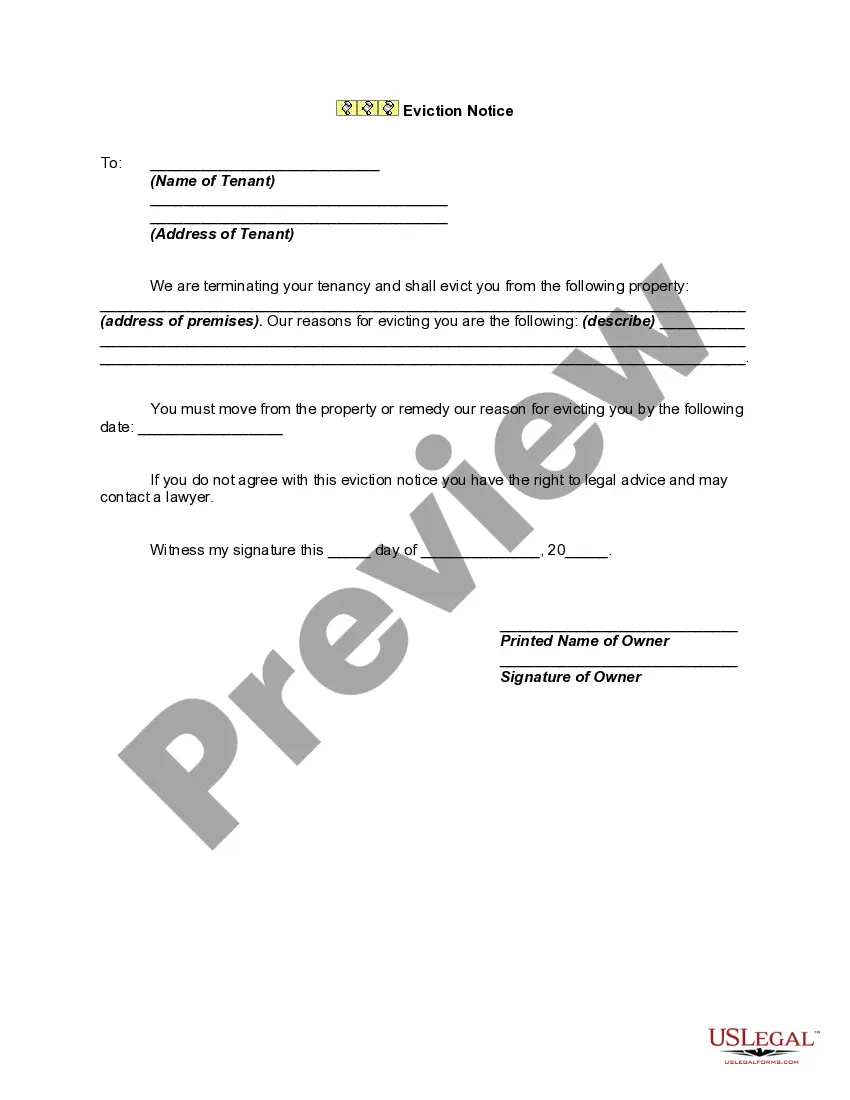
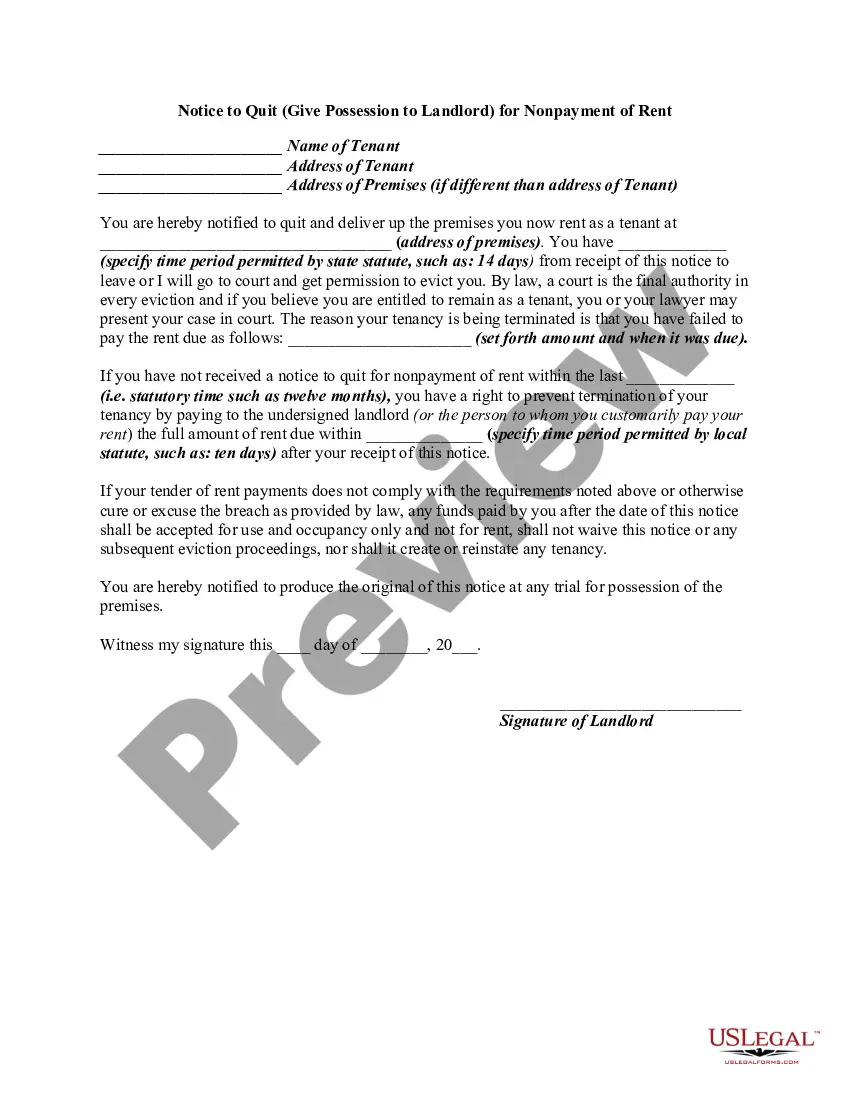
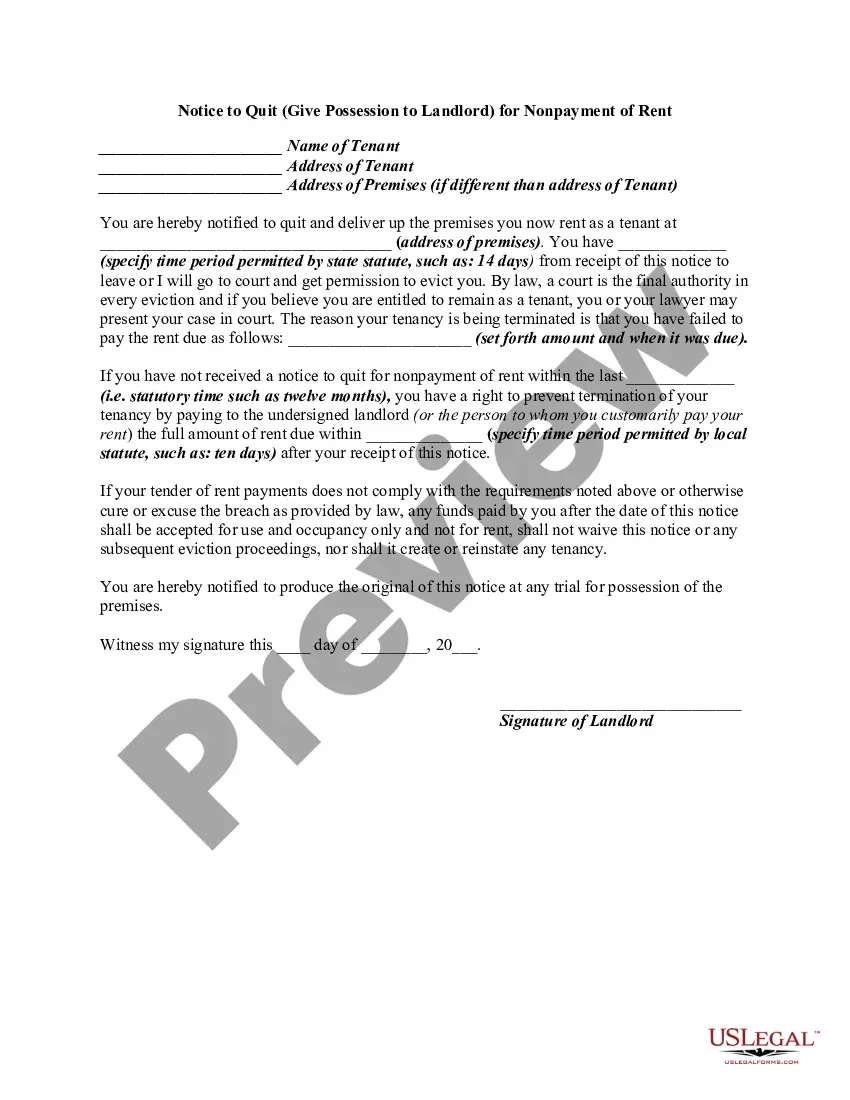
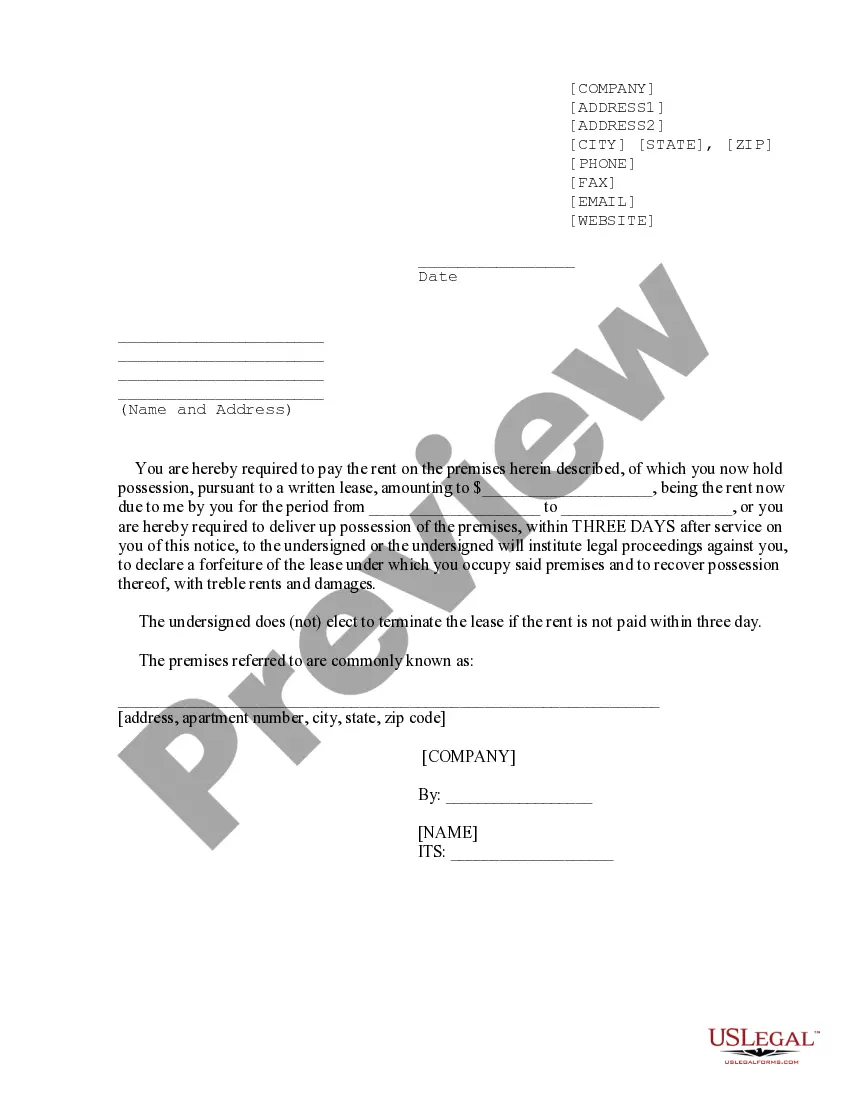
Georgia Notice to Pay Rent
Description
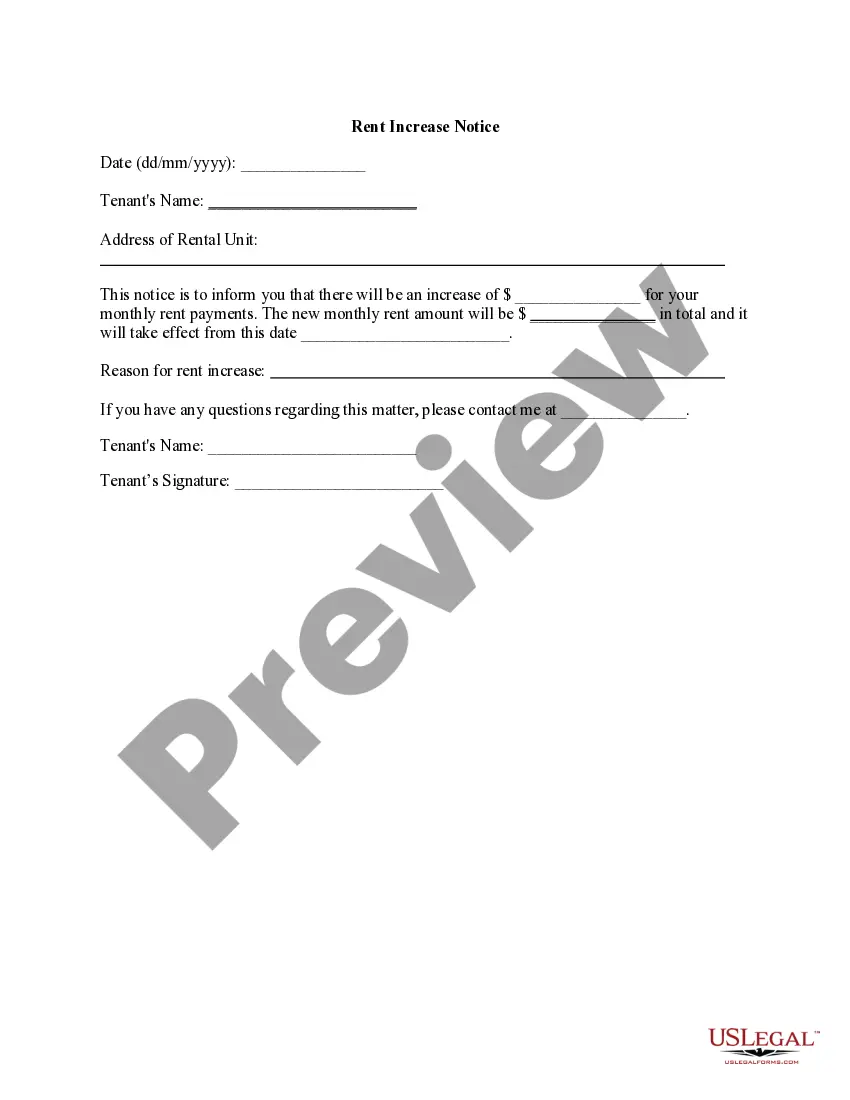
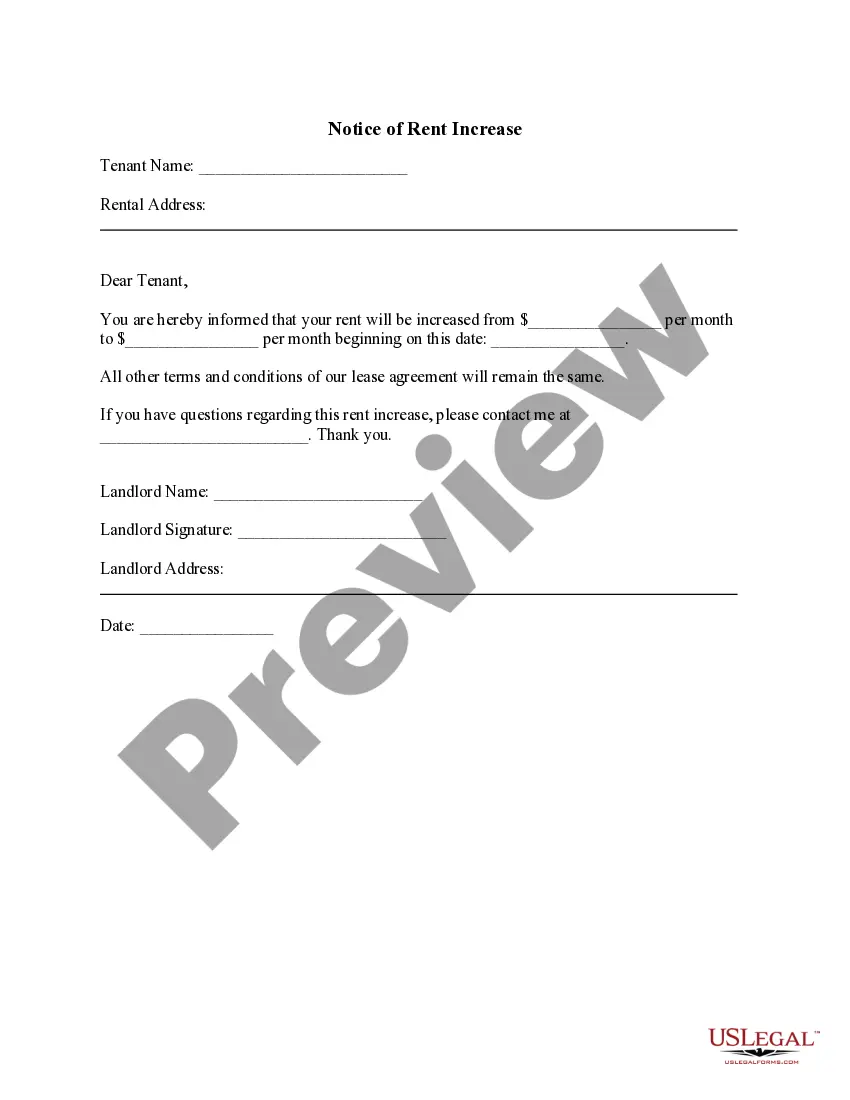
Get your form ready online
Our built-in tools help you complete, sign, share, and store your documents in one place.
Make edits, fill in missing information, and update formatting in US Legal Forms—just like you would in MS Word.
Download a copy, print it, send it by email, or mail it via USPS—whatever works best for your next step.
Sign and collect signatures with our SignNow integration. Send to multiple recipients, set reminders, and more. Go Premium to unlock E-Sign.
If this form requires notarization, complete it online through a secure video call—no need to meet a notary in person or wait for an appointment.
We protect your documents and personal data by following strict security and privacy standards.

Make edits, fill in missing information, and update formatting in US Legal Forms—just like you would in MS Word.

Download a copy, print it, send it by email, or mail it via USPS—whatever works best for your next step.

Sign and collect signatures with our SignNow integration. Send to multiple recipients, set reminders, and more. Go Premium to unlock E-Sign.

If this form requires notarization, complete it online through a secure video call—no need to meet a notary in person or wait for an appointment.

We protect your documents and personal data by following strict security and privacy standards.
Looking for another form?
How to fill out Notice To Pay Rent?
If you want to gather, obtain, or print legal document templates, utilize US Legal Forms, the largest selection of legal forms available online.
Utilize the site's straightforward and user-friendly search to locate the documents you require.
Various templates for business and personal purposes are categorized by type and jurisdiction, or by keywords. Use US Legal Forms to locate the Georgia Notice to Pay Rent with just a few clicks.
Every legal document template you purchase is yours indefinitely. You will have access to each form you saved in your account.
Click the My documents section and select a template to print or download again. Stay competitive and download, and print the Georgia Notice to Pay Rent with US Legal Forms. There are numerous professional and state-specific forms you can use for your business or personal needs.
- If you are currently a US Legal Forms customer, Log In to your account and click the Download button to obtain the Georgia Notice to Pay Rent.
- You may also access forms you have previously saved in the My documents section of your account.
- If this is your first time using US Legal Forms, refer to the instructions below.
- Step 1. Ensure you have selected the form for your correct area/jurisdiction.
- Step 2. Use the Preview option to review the form's content. Don’t forget to read the description.
- Step 3. If you are not satisfied with the form, use the Search area at the top of the screen to find other versions of the legal form template.
- Step 4. Once you have found the form you need, click the Buy now button. Choose the pricing plan you prefer and enter your details to register for an account.
- Step 5. Process the transaction. You can use your credit card or PayPal account to complete the purchase.
- Step 6. Choose the format of the legal form and download it to your device.
- Step 7. Complete, modify, and print or sign the Georgia Notice to Pay Rent.
Form popularity
FAQ
In Georgia, you cannot legally go without paying your rent indefinitely. If you fail to pay rent, your landlord may issue a Georgia Notice to Pay Rent, often within a few days of the missed payment. After this notice, you may face eviction proceedings if the rent remains unpaid. It's crucial to communicate with your landlord and seek assistance from resources like US Legal Forms if you're facing difficulty.
In Georgia, the notice period for rent payment is typically governed by the lease agreement. Generally, landlords require a Georgia Notice to Pay Rent that gives tenants a minimum of three to five days to pay overdue rent. It's essential to check your lease for specific terms, as they can vary. Utilizing US Legal Forms can help you create a proper notice tailored to your situation.
To file an eviction notice in Georgia, you will first need to provide your tenant with a Georgia Notice to Pay Rent. After waiting the appropriate period, if the rent remains unpaid, you can file the eviction case at your local magistrate court. You'll need to complete the necessary forms and pay any associated filing fees. Using services like US Legal Forms can simplify this process by providing the correct documents to ensure compliance with state laws.
In Georgia, landlords must provide a 60-day written notice if they intend to terminate a lease or evict a tenant, especially after issuing a Georgia Notice to Pay Rent. This notice gives tenants adequate time to address the situation or prepare for moving out. Understanding this notice period can help you manage your obligations as a tenant more effectively. Always document your communications with your landlord for future reference.
No, a landlord in Georgia cannot legally evict a tenant without going through the court system. Even with a Georgia Notice to Pay Rent, formal eviction requires a judge's approval. This ensures that tenants have the opportunity to respond and defend their case. It is important to understand your rights and obligations during this process.
In Georgia, if you fall behind on rent, landlords typically may begin the eviction process once you are 60 days late. This means if you receive a Georgia Notice to Pay Rent, it is essential to address the situation quickly. Failing to respond within this timeframe can lead to eviction proceedings. Always communicate with your landlord to possibly resolve issues before they escalate.
The landlord can change the rent amount for a tenancy subsequent to the agreement term by providing 60 days' written notice to the tenant of the change. A landlord can never change the rent amount during the agreement term.
If you have no lease agreement, and just pay your rent every month, you are considered a tenant-at-will. Under Georgia law, the landlord is required to give you a notice of at least 60 days before requiring you to move out. After that, you can be evicted.
Georgia landlord tenant law does not specify any rules for grace periods in the state. It is therefore up to each landlord if he or she will allow the tenant to pay the rent after the due date without penalty. Most grace periods range from three to seven days to pay the rent after the due date without penalty.
Georgia law says that a landlord cannot make a tenant make or pay for repairs, unless that tenant, his/her family or guests caused the damage. For serious repair problems, local housing code departments can inspect for possible violations.