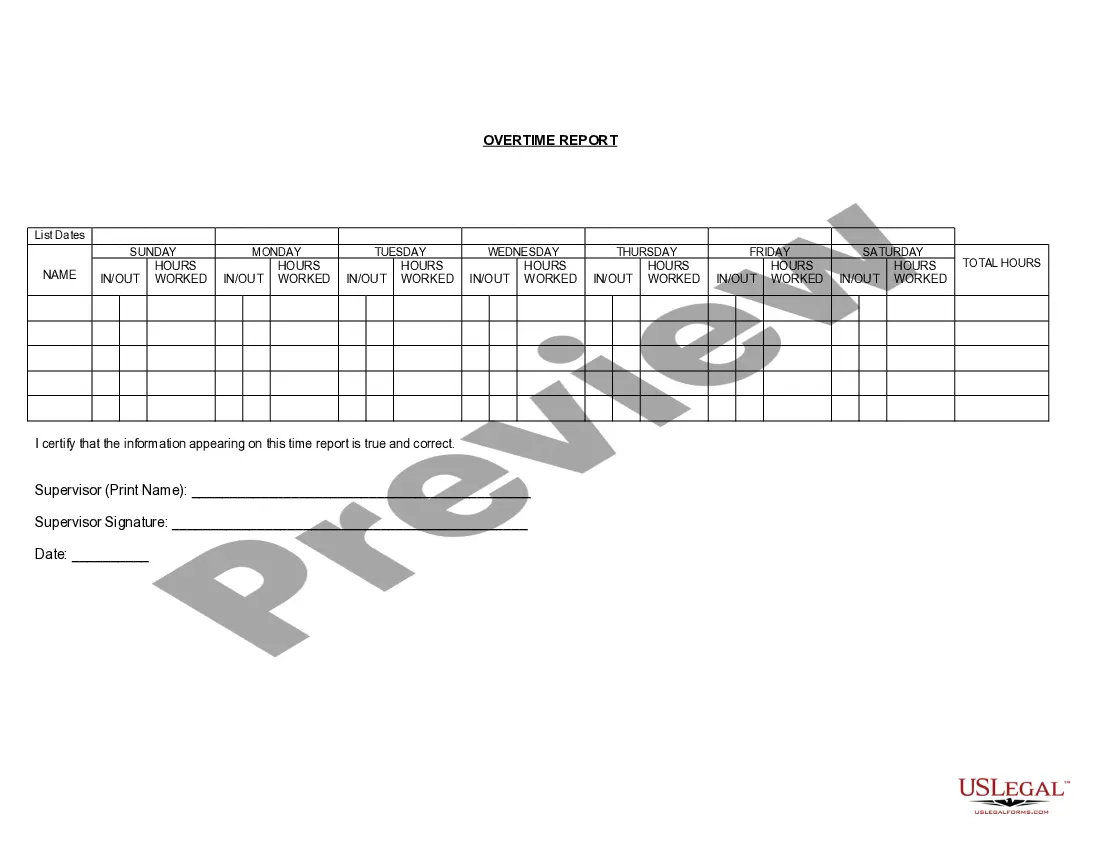
Georgia Overtime Report
Description
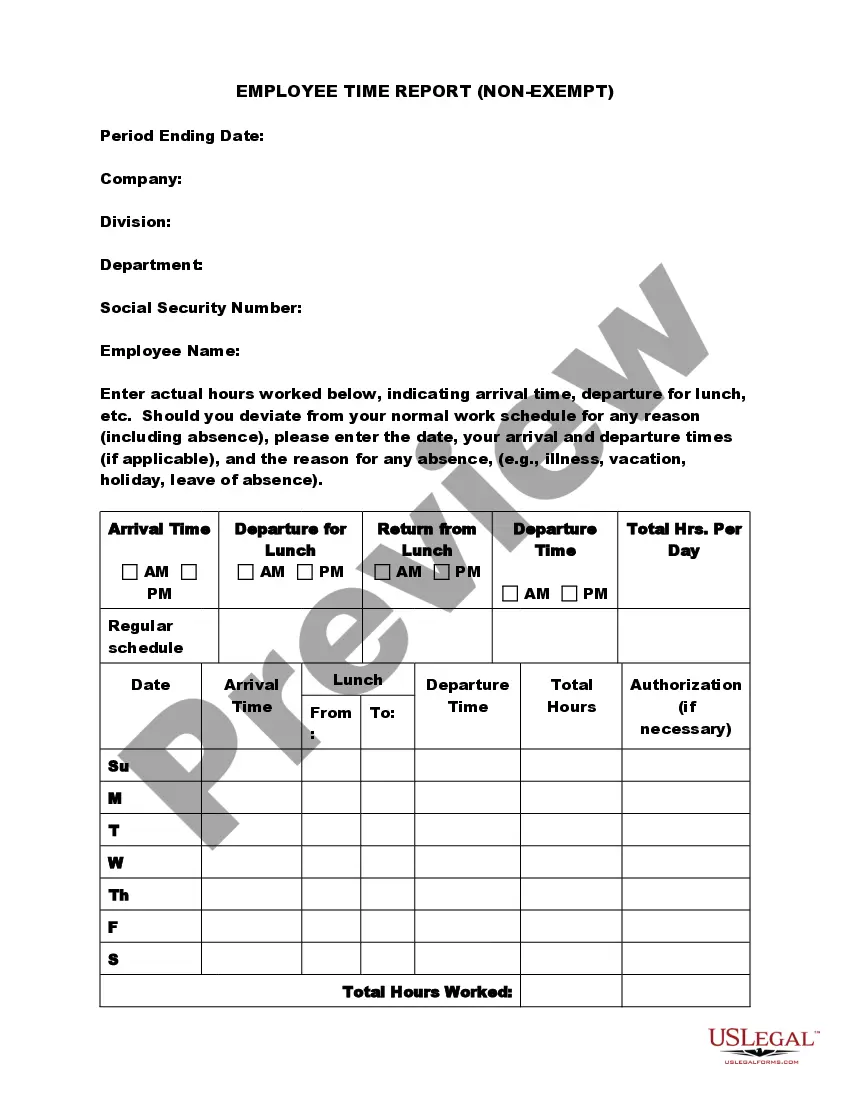
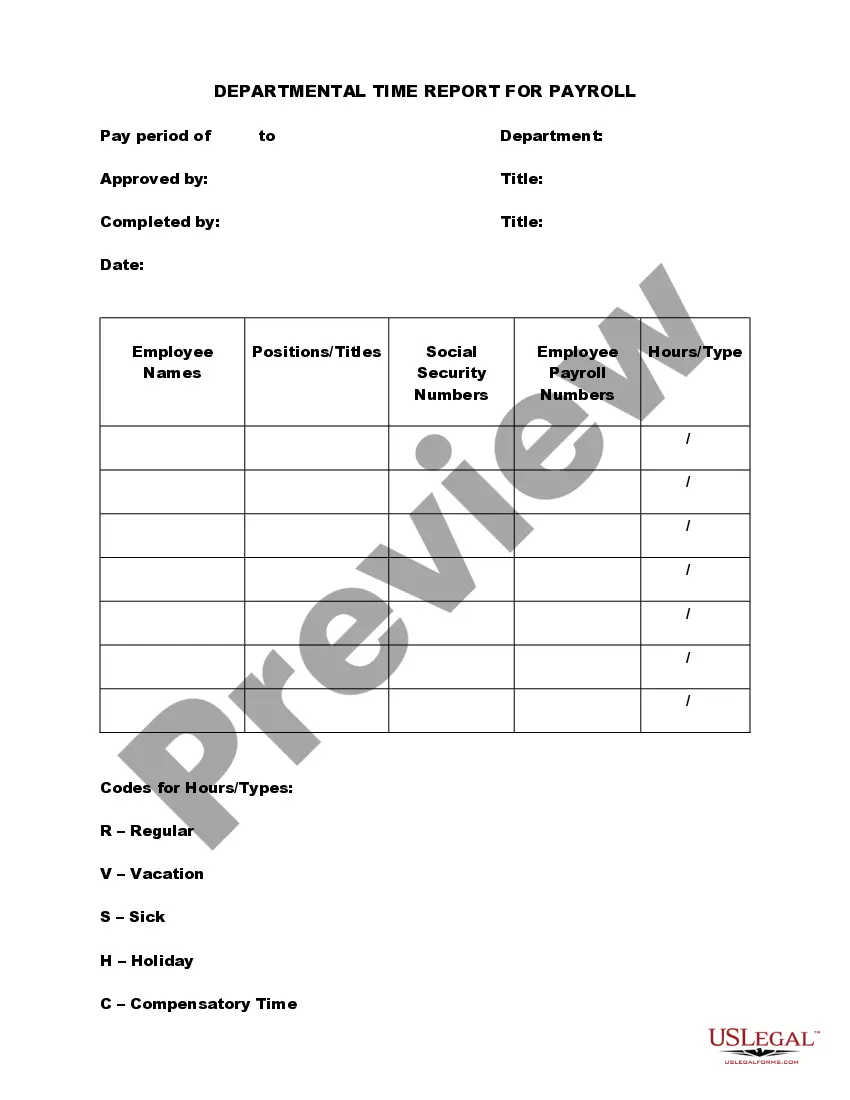
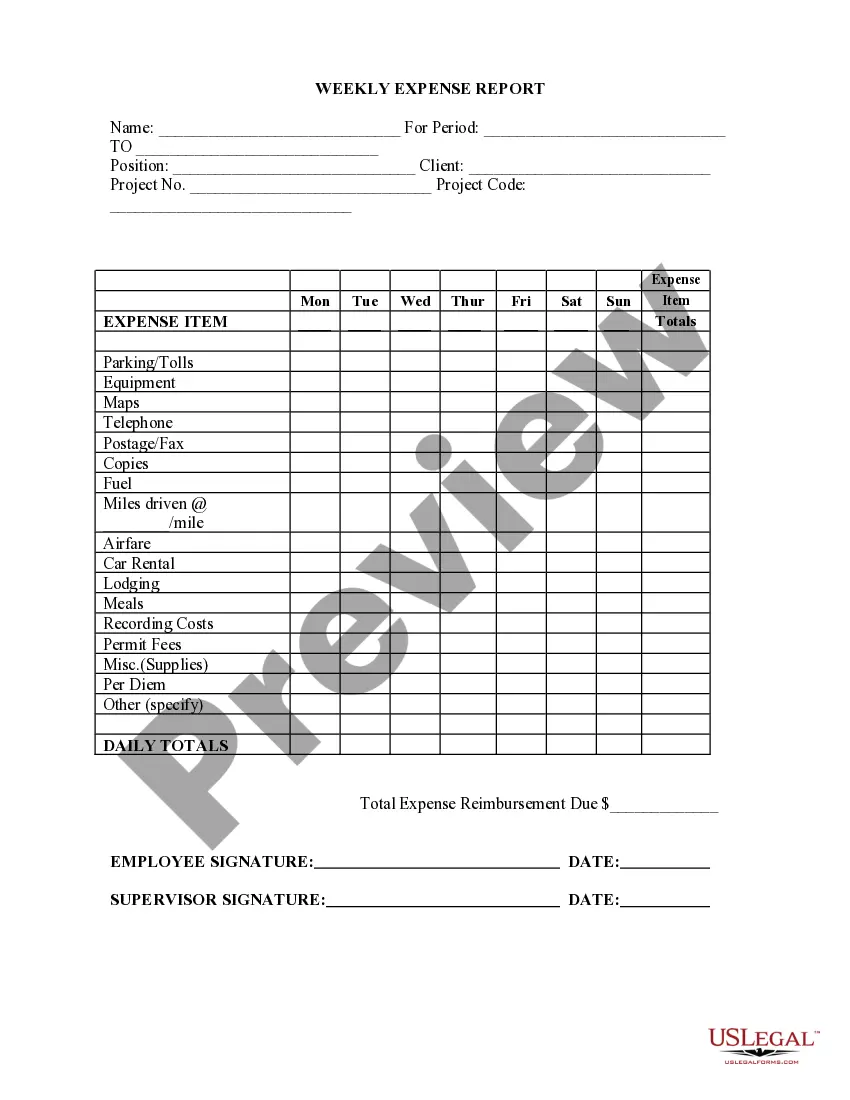
Get your form ready online
Our built-in tools help you complete, sign, share, and store your documents in one place.
Make edits, fill in missing information, and update formatting in US Legal Forms—just like you would in MS Word.
Download a copy, print it, send it by email, or mail it via USPS—whatever works best for your next step.
Sign and collect signatures with our SignNow integration. Send to multiple recipients, set reminders, and more. Go Premium to unlock E-Sign.
If this form requires notarization, complete it online through a secure video call—no need to meet a notary in person or wait for an appointment.
We protect your documents and personal data by following strict security and privacy standards.

Make edits, fill in missing information, and update formatting in US Legal Forms—just like you would in MS Word.

Download a copy, print it, send it by email, or mail it via USPS—whatever works best for your next step.

Sign and collect signatures with our SignNow integration. Send to multiple recipients, set reminders, and more. Go Premium to unlock E-Sign.

If this form requires notarization, complete it online through a secure video call—no need to meet a notary in person or wait for an appointment.

We protect your documents and personal data by following strict security and privacy standards.
Looking for another form?

How to fill out Overtime Report?
Locating the appropriate sanctioned document format may pose a challenge.
Clearly, there are countless templates accessible online, but how do you find the sanctioned form you require.
Utilize the US Legal Forms website. This service provides thousands of templates, such as the Georgia Overtime Report, that you can utilize for business and personal purposes.
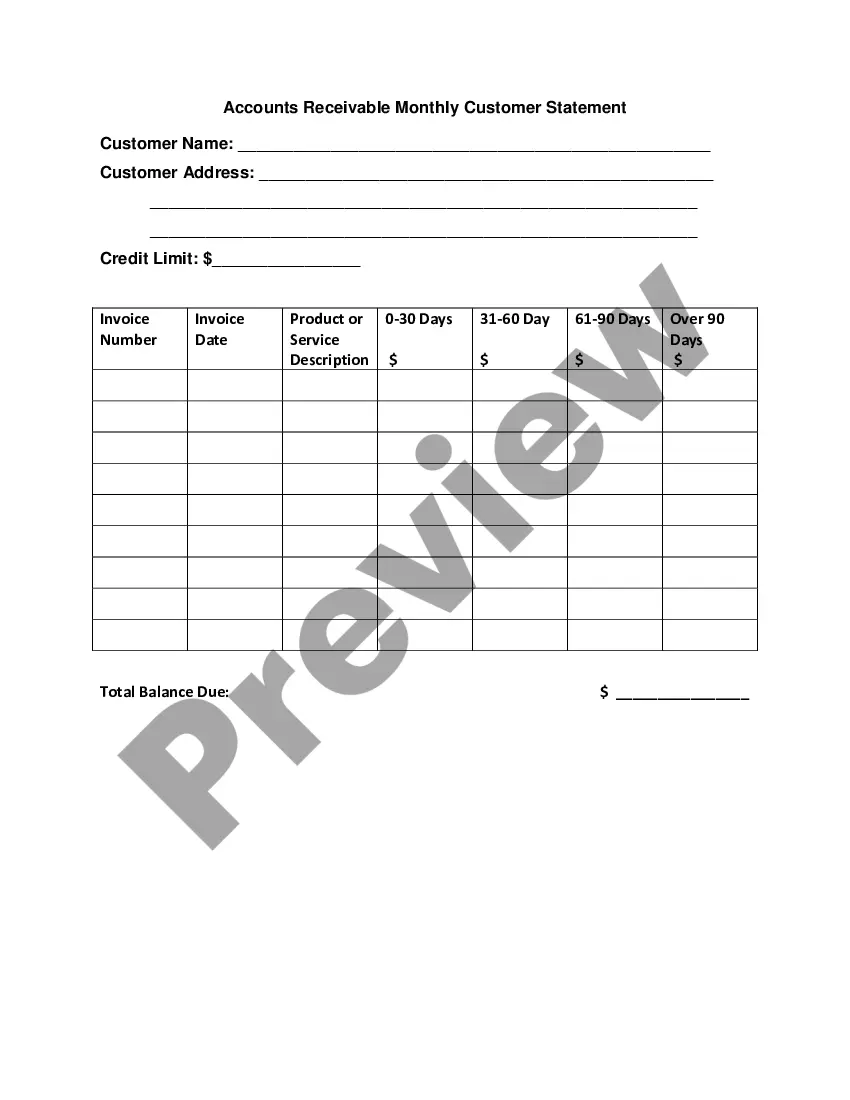
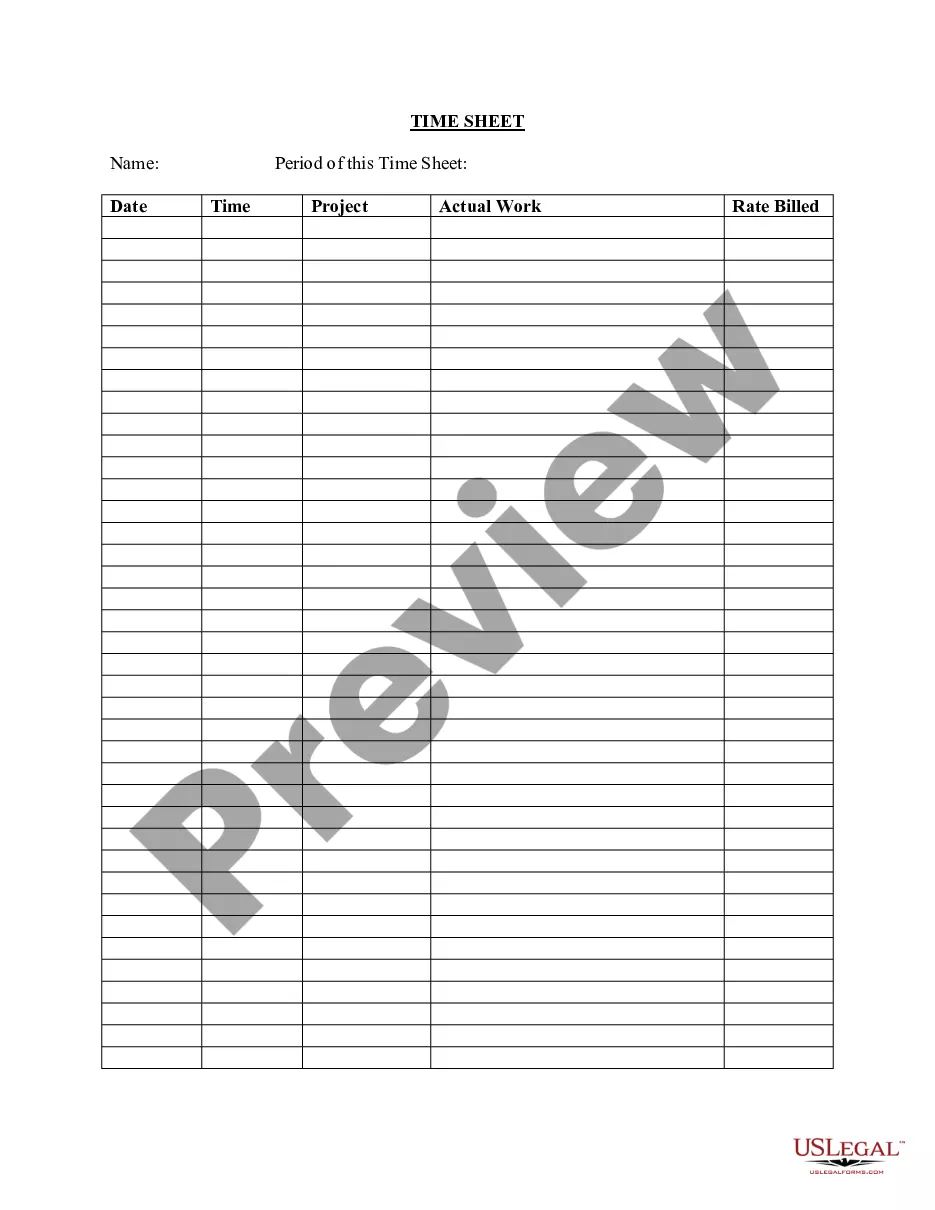
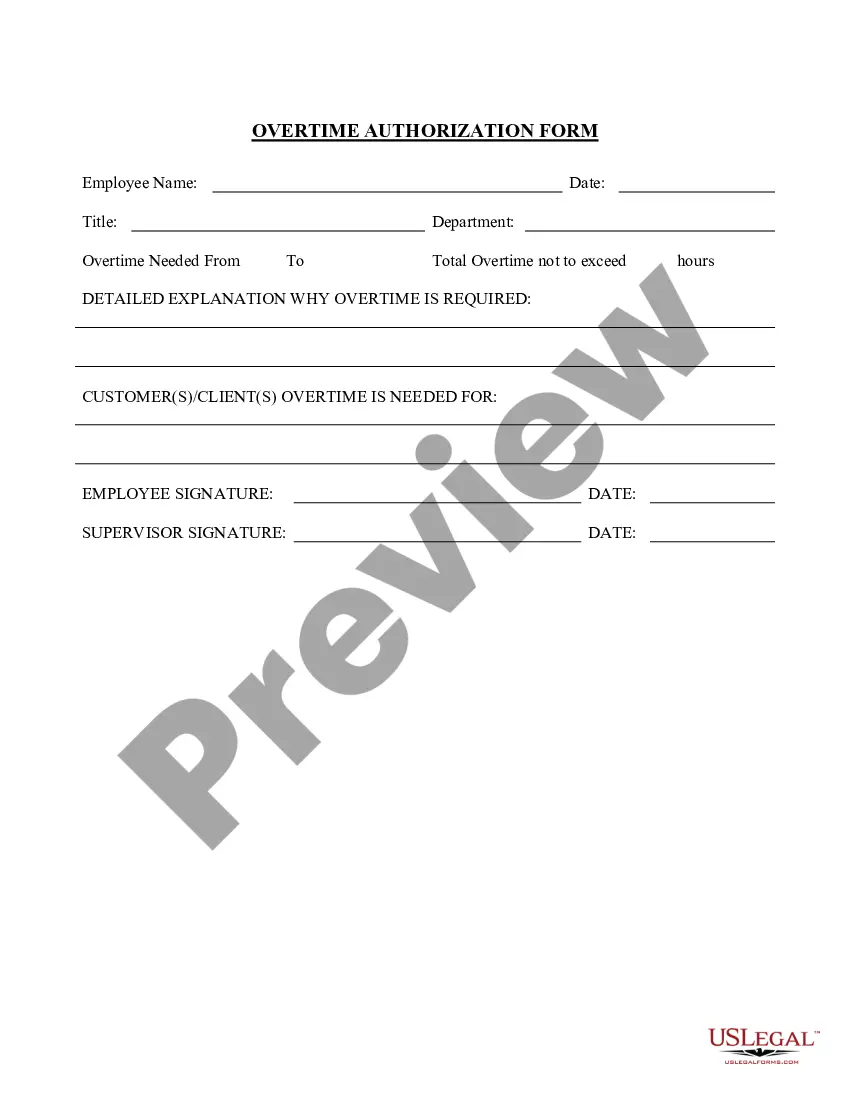
You can examine the form using the Preview option and read the form description to confirm it is suitable for your needs.
- All of the documents are reviewed by experts and comply with federal and state regulations.
- If you are already registered, sign in to your account and click the Download option to obtain the Georgia Overtime Report.
- Use your account to search for the sanctioned forms you have previously acquired.
- Proceed to the My documents tab in your account to retrieve another copy of the document you need.
- If you are a new user of US Legal Forms, here are some simple steps you should follow.
- First, ensure you have selected the correct form for your city/county.
Form popularity
FAQ
Georgia recognizes the exemption from overtime requirements for all the categories of employees identified by the Department of Labor. Exemptions from the law are narrowly defined and the employer must prove that the exemption rules apply.
If not otherwise provided by a contract, the working time set by an employer during which an employee fulfills work shall not exceed 41 hours per week. Working time does not include a break and rest time.
No, you cannot be fired for discussing wages at work. The majority of employed and working Americans are protected from discipline exercised simply due to protected classes, such as age, gender, race, and so forth.
Georgia Department of Labor You can reach the Georgia DOL at 404-656-3045 in Metro Atlanta or 877-709-8185 from elsewhere in the state.
What are the maximum hour rules? Georgia law has no overtime compensation provision and, for most adult workers, no maximum hour law. With certain exceptions, individuals employed in cotton and woolen manufacturing facilities may not work over 10 hours per day or 60 hours in a week (see O.C.G.A. § 34-3-1).
You cannot forbid employees either verbally or in written policy from discussing salaries or other job conditions among themselves. Discussing salary at work is protected regardless of whether employees are talking to each other in person or through social media.
An employer doesn't violate overtime laws by requiring employees to work overtime, (ie mandatory overtime), as long as they are properly compensated at the premium rate required by law.
What are the maximum hour rules? Georgia law has no overtime compensation provision and, for most adult workers, no maximum hour law. With certain exceptions, individuals employed in cotton and woolen manufacturing facilities may not work over 10 hours per day or 60 hours in a week (see O.C.G.A. § 34-3-1).
If your contract says you have compulsory overtime but it's 'non-guaranteed', your employer doesn't have to offer overtime. But if they do, you must accept and work it. Your employer could take disciplinary action or dismiss you if you don't do the overtime you've agreed to.
The simple answer is No. An employer cannot prohibit salary discussion among employees according to the National Labor Relations Act (NLRA).