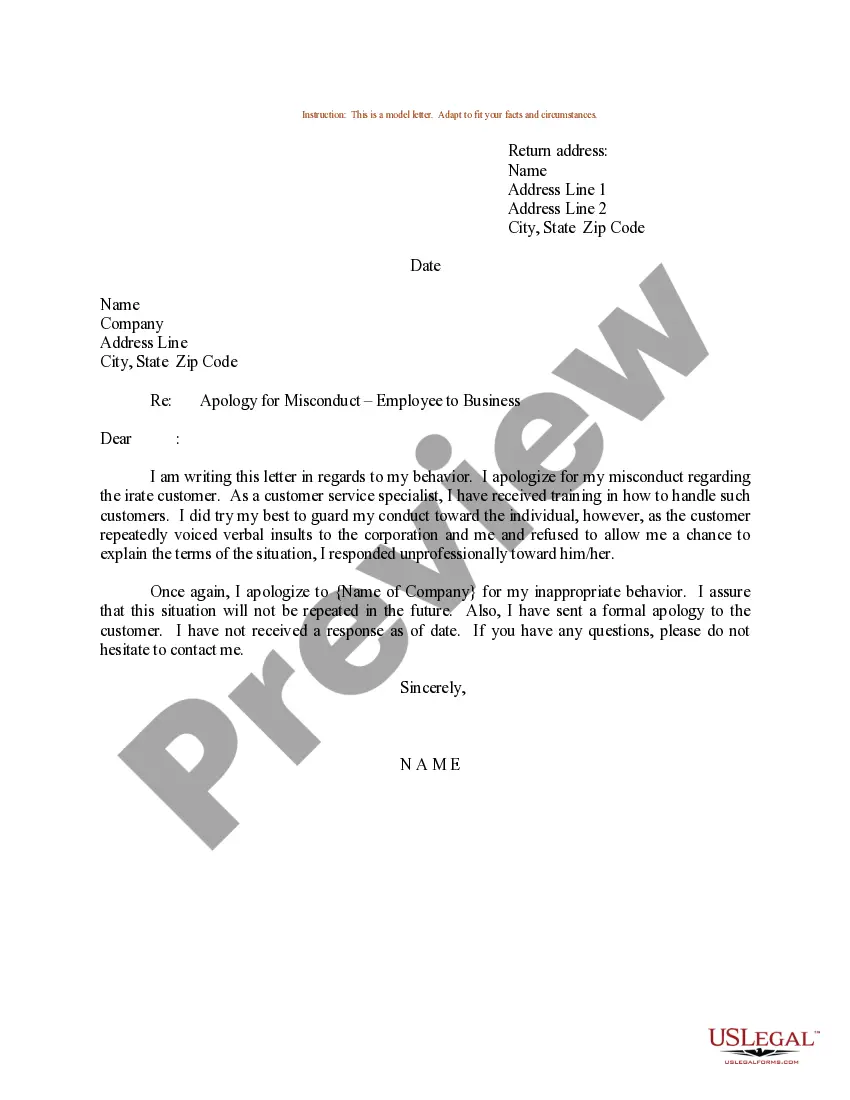
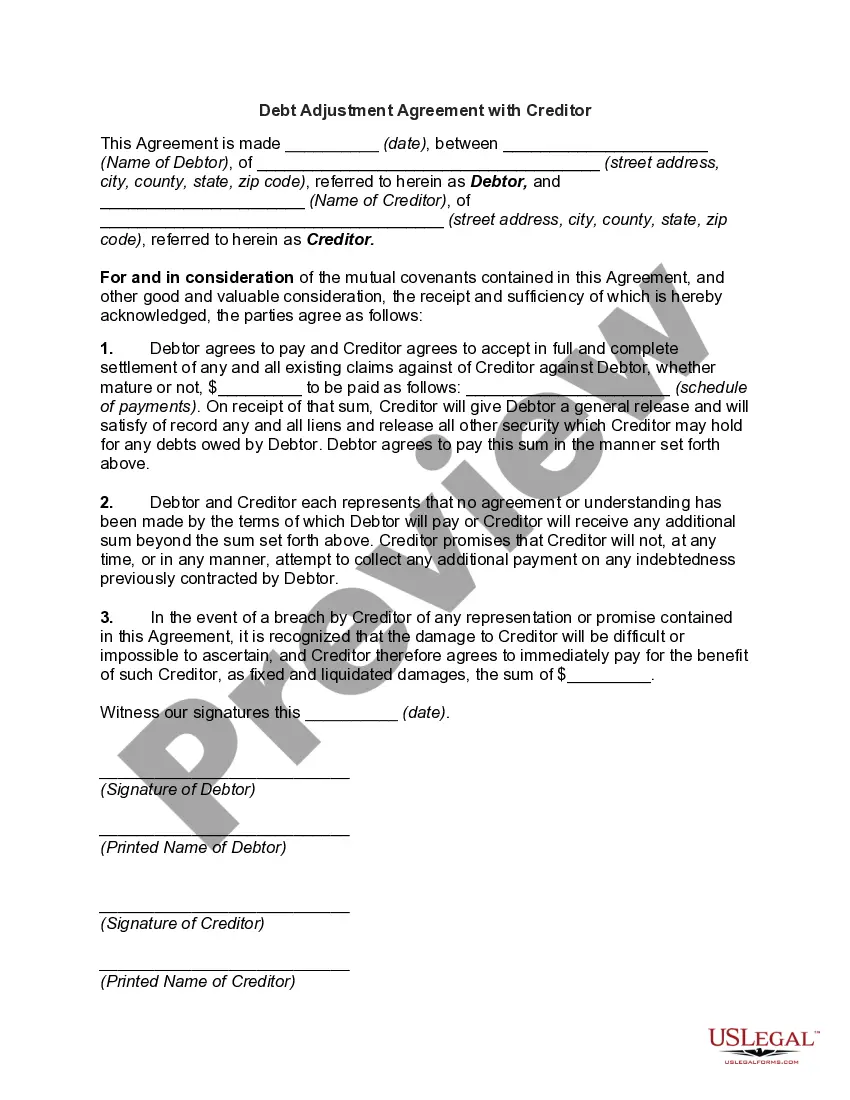
Georgia Debt Adjustment Agreement with Creditor
Description
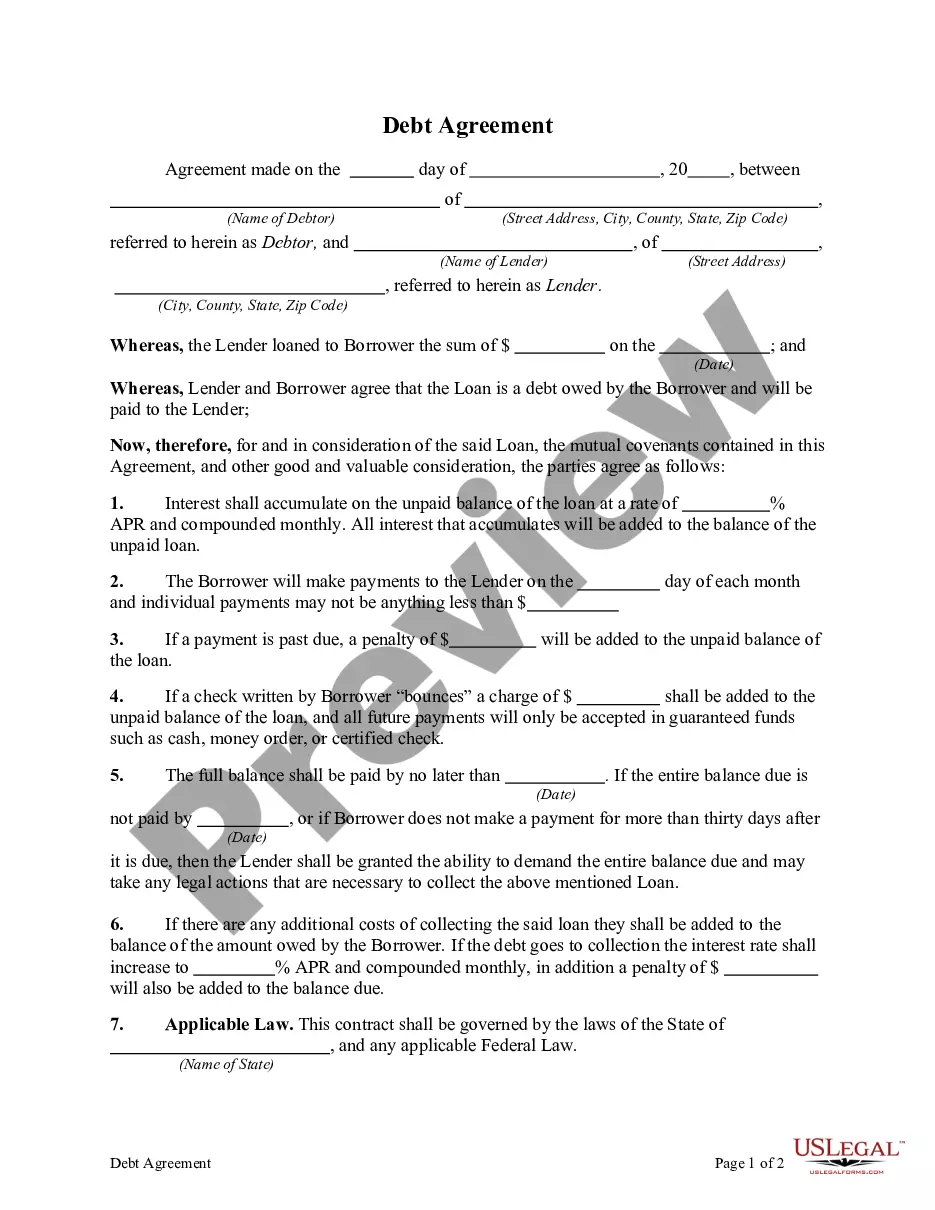
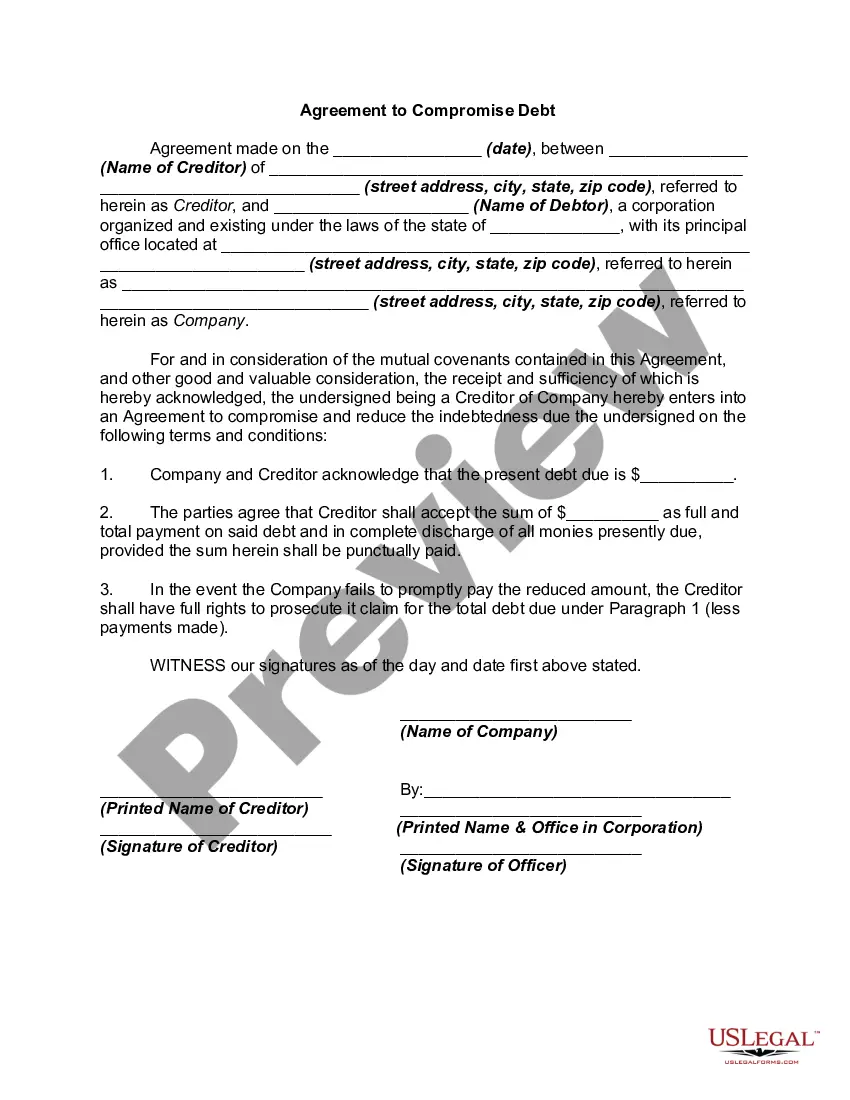
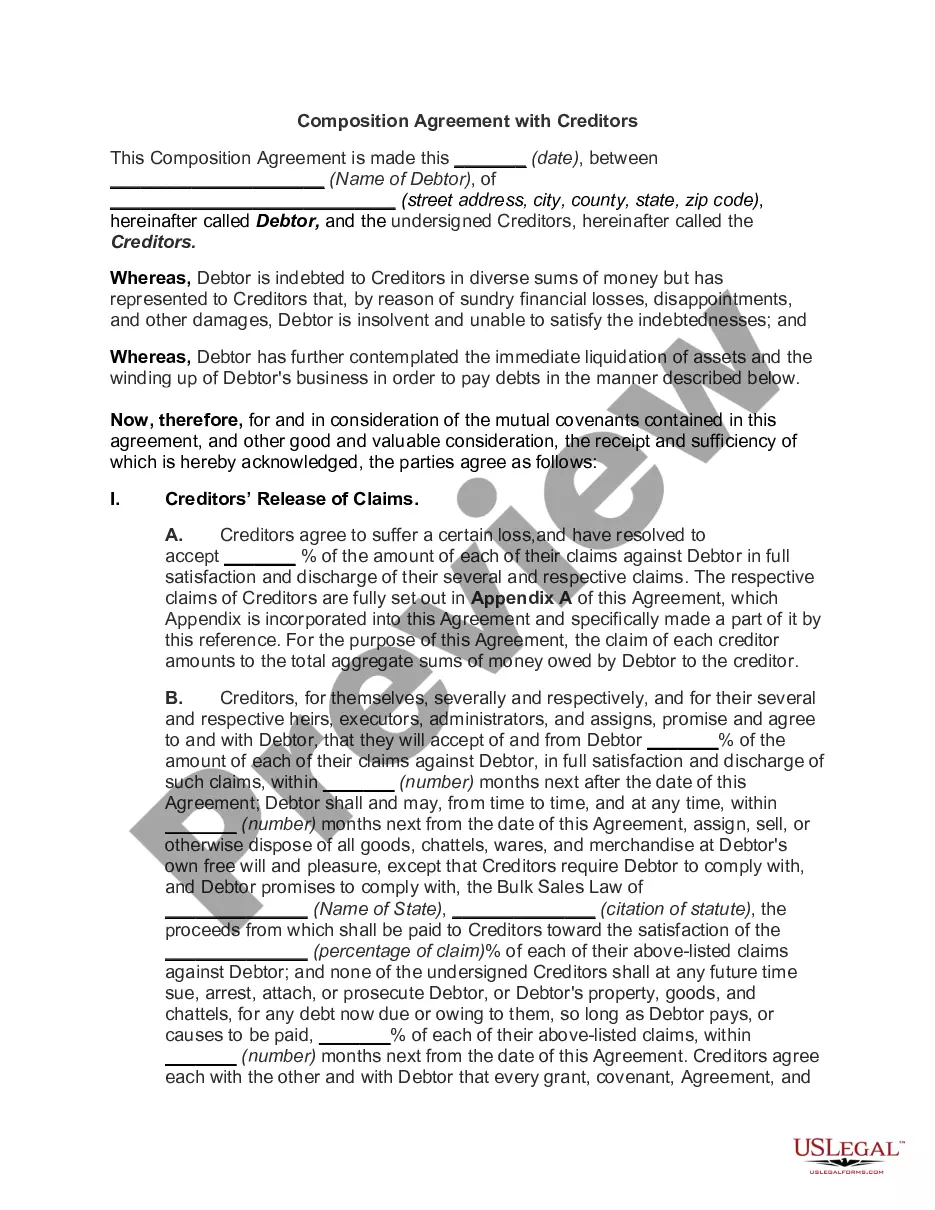
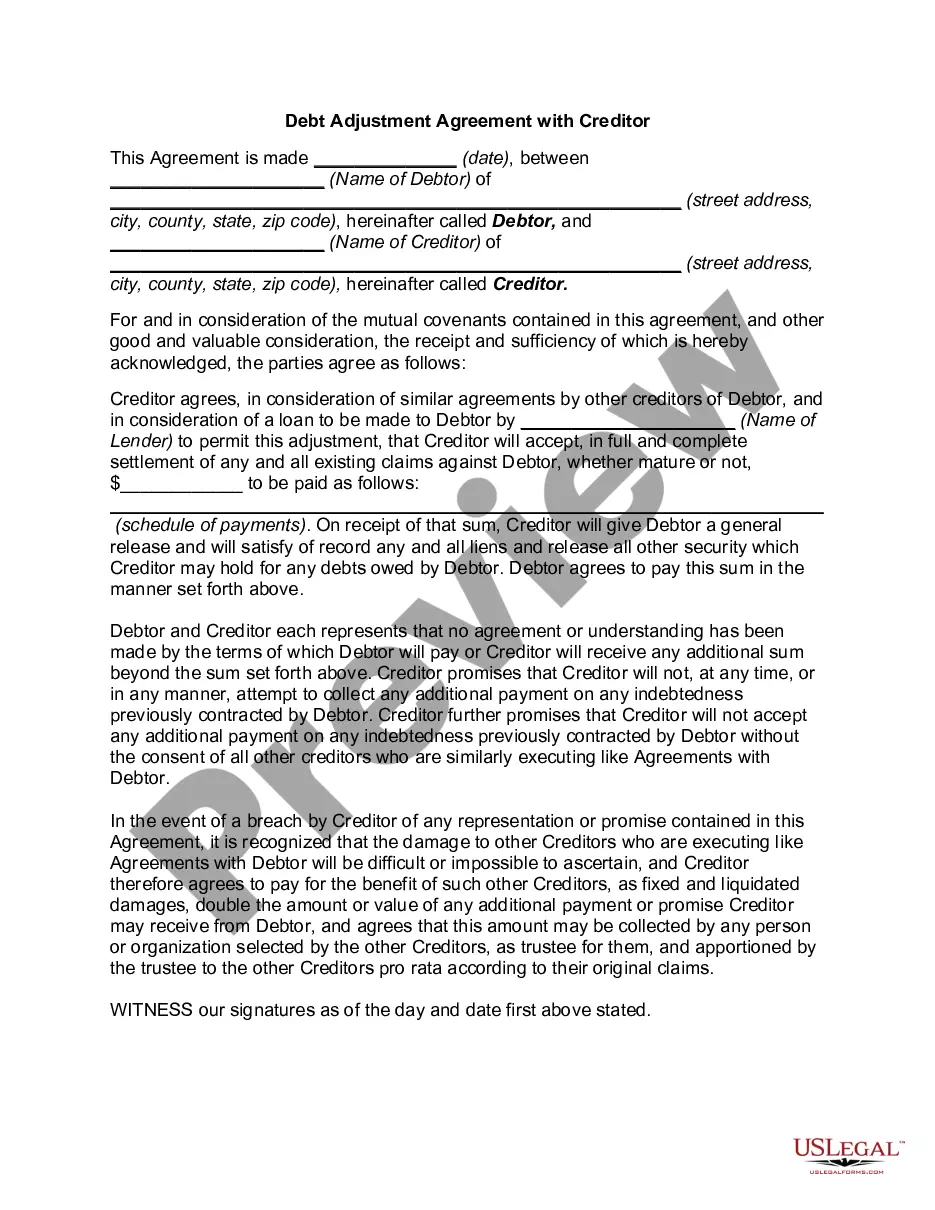
Get your form ready online
Our built-in tools help you complete, sign, share, and store your documents in one place.
Make edits, fill in missing information, and update formatting in US Legal Forms—just like you would in MS Word.
Download a copy, print it, send it by email, or mail it via USPS—whatever works best for your next step.
Sign and collect signatures with our SignNow integration. Send to multiple recipients, set reminders, and more. Go Premium to unlock E-Sign.
If this form requires notarization, complete it online through a secure video call—no need to meet a notary in person or wait for an appointment.
We protect your documents and personal data by following strict security and privacy standards.

Make edits, fill in missing information, and update formatting in US Legal Forms—just like you would in MS Word.

Download a copy, print it, send it by email, or mail it via USPS—whatever works best for your next step.

Sign and collect signatures with our SignNow integration. Send to multiple recipients, set reminders, and more. Go Premium to unlock E-Sign.

If this form requires notarization, complete it online through a secure video call—no need to meet a notary in person or wait for an appointment.

We protect your documents and personal data by following strict security and privacy standards.
Looking for another form?
How to fill out Debt Adjustment Agreement With Creditor?
US Legal Forms - one of the largest collections of legal documents in the United States - offers a variety of legal document templates that you can download or create.
By utilizing the website, you can access thousands of forms for business and personal purposes, organized by categories, states, or keywords.
You can find the latest versions of forms like the Georgia Debt Adjustment Agreement with Creditor within minutes.
Review the description of the form to confirm you have chosen the correct one.
If the form does not meet your needs, utilize the Search box at the top of the screen to find one that does.
- If you currently hold a monthly subscription, Log In and download Georgia Debt Adjustment Agreement with Creditor from your US Legal Forms library.
- The Download button will appear on each form you view.
- You can find all previously downloaded forms in the My documents section of your account.
- To use US Legal Forms for the first time, follow the simple instructions below.
- Ensure that you have selected the appropriate form for your area/state.
- Click on the Review button to check the form’s content.
Form popularity
FAQ
In Georgia, creditors may be able to seize personal property such as bank accounts, vehicles, and other valuables if they have a legal judgment against you. Essential items and protections often limit what creditors can take from you. Entering a Georgia Debt Adjustment Agreement with Creditor can simplify your debt management and potentially protect your valuable assets from seizure. It allows you to negotiate a manageable payment plan without risking your possessions.
Lenders typically agree to a debt settlement of between 30% and 80%. Several factors may influence this amount, such as the debt holder's financial situation and available cash on hand.
So, you can get out of debt for a lower percentage of what you owe as the clock runs out. In some cases, you may be able to settle for much less than that 48% average. Collectors holding old debts may be willing to settle for 20% or even less.
Once you've done your research and put aside some cash, it's time to determine what your settlement offer will be. Typically, a creditor will agree to accept 40% to 50% of the debt you owe, although it could be as much as 80%, depending on whether you're dealing with a debt collector or the original creditor.
Debt settlement is an agreement made between a creditor and a consumer in which the total debt balance owed is reduced and/or fees are waived, and the reduced debt amount is paid in a lump sum instead of revolving monthly.
Offer a specific dollar amount that is roughly 30% of your outstanding account balance. The lender will probably counter with a higher percentage or dollar amount. If anything above 50% is suggested, consider trying to settle with a different creditor or simply put the money in savings to help pay future monthly bills.
Most debt settlement agreements allow borrowers to pay 40%-60% of what they originally owed. Once the creditor agrees to a debt settlement amount, they'll forgive the remainder of the debt.
It depends on what you can afford, but you should offer equal amounts to each creditor as a full and final settlement. For example, if the lump sum you have is 75% of your total debt, you should offer each creditor 75% of the amount you owe them.
Typical debt settlement offers range from 10% to 50% of what you owe. The longer you allow debt to go unpaid, the greater your risk of being sued. Creditors are under no obligation to reduce your debt, even if you are working with a reputable debt settlement company.
Aim to Pay 50% or Less of Your Unsecured Debt If you decide to try to settle your unsecured debts, aim to pay 50% or less. It might take some time to get to this point, but most unsecured creditors will agree to take around 30% to 50% of the debt. So, start with a lower offerabout 15%and negotiate from there.