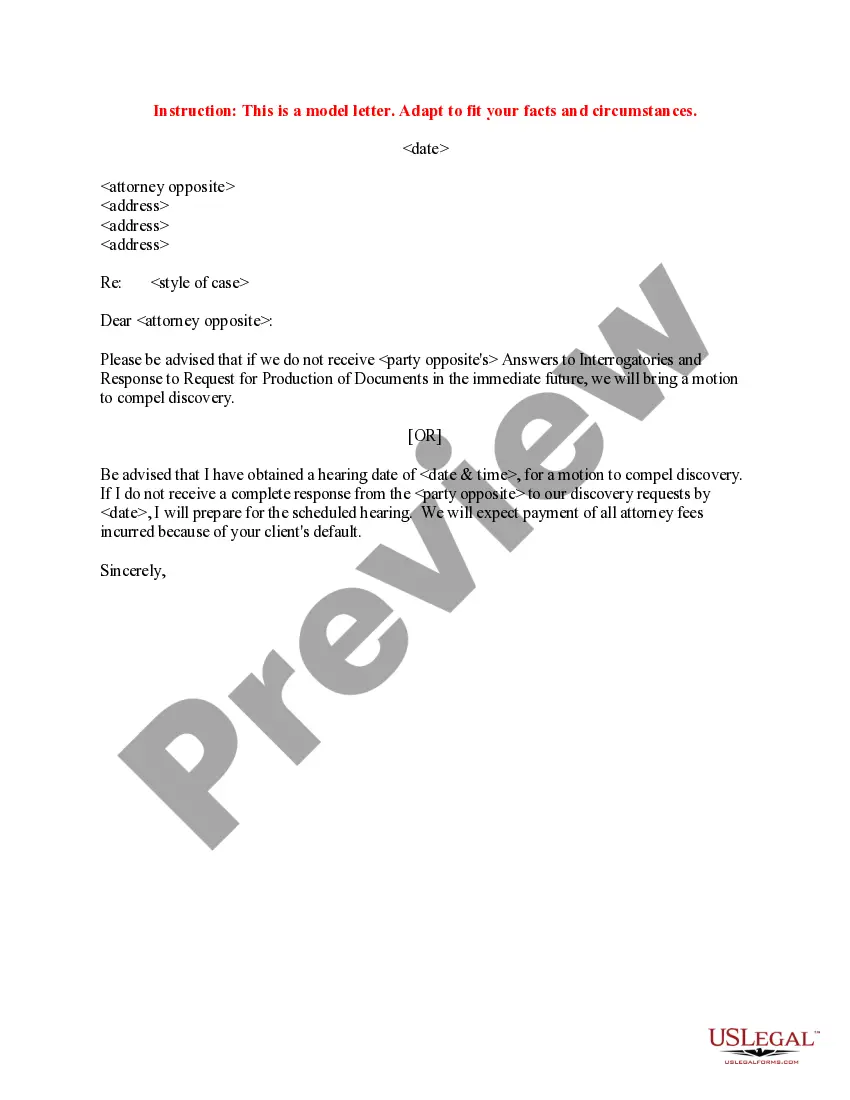
Georgia Discovery - Sample Letter to Attorney Opposite regarding His Client's overdue Interrogatories
Description
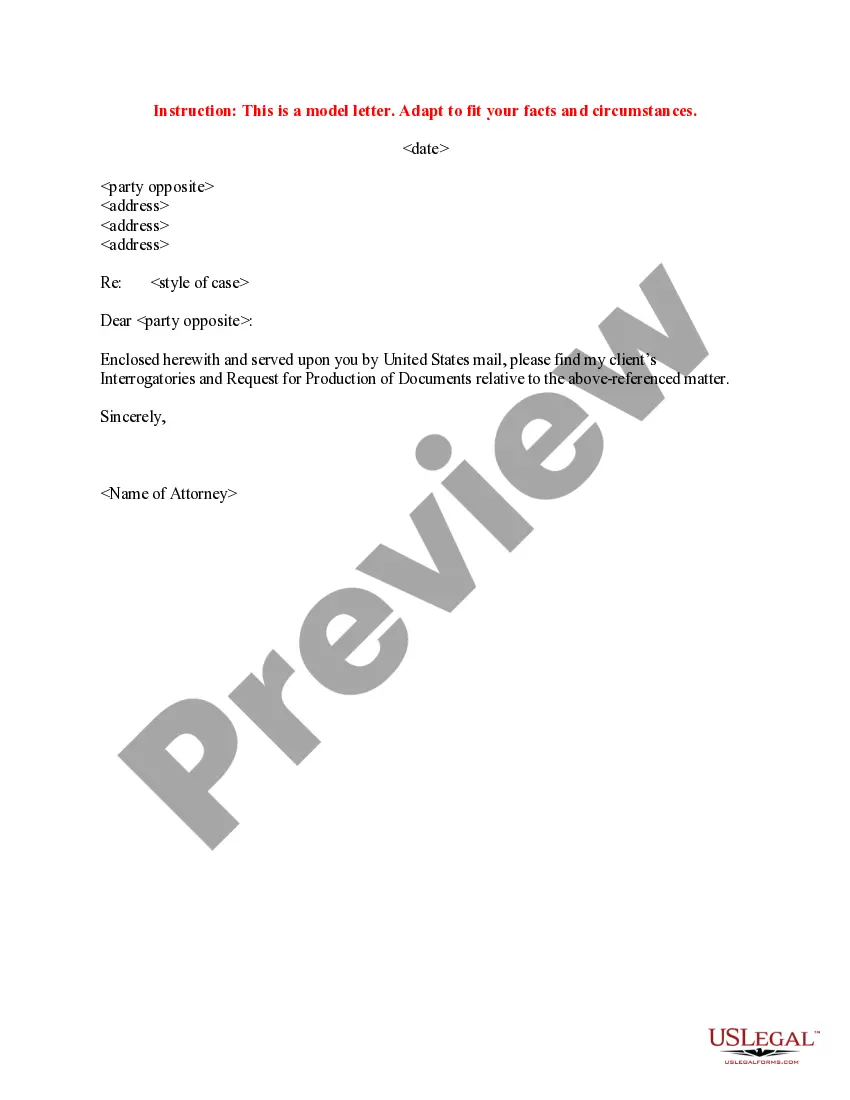
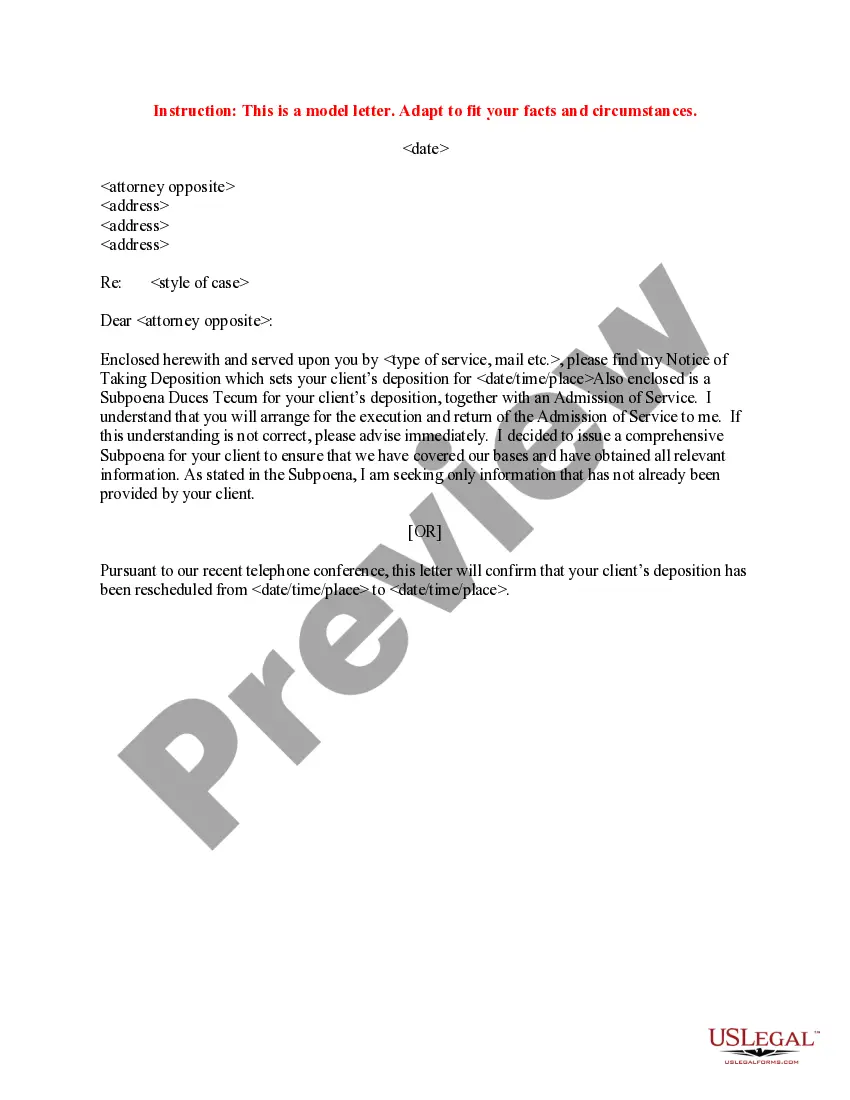
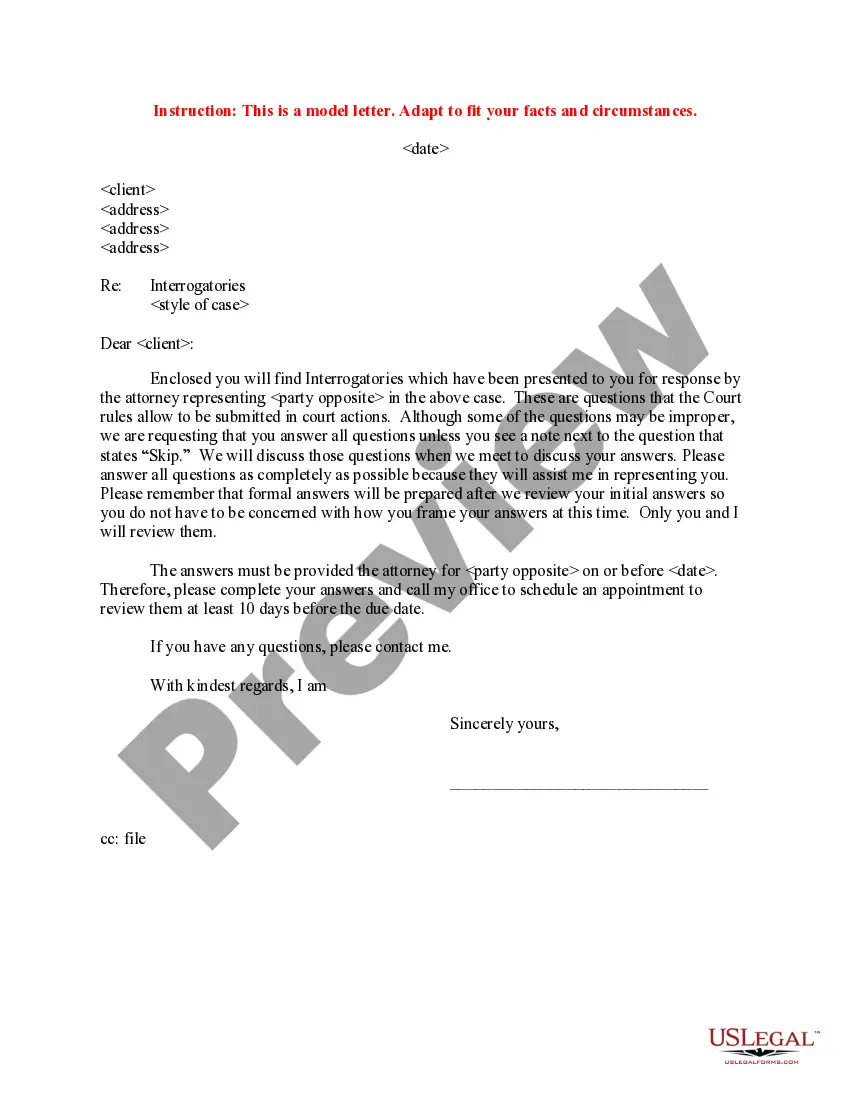
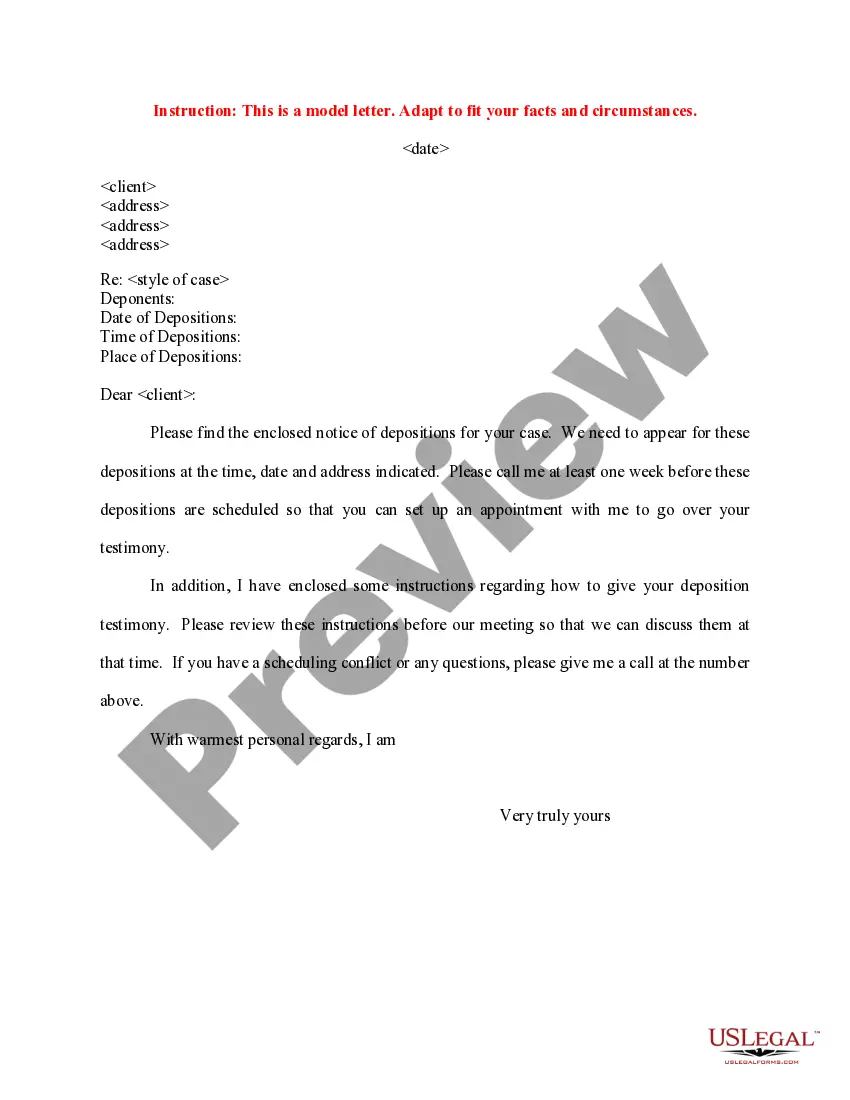




How to fill out Discovery - Sample Letter To Attorney Opposite Regarding His Client's Overdue Interrogatories?
You may spend hours on the web attempting to find the legal file format which fits the federal and state requirements you will need. US Legal Forms provides a large number of legal forms which are analyzed by experts. It is possible to acquire or printing the Georgia Discovery - Sample Letter to Attorney Opposite regarding His Client's overdue Interrogatories from your assistance.
If you currently have a US Legal Forms accounts, you can log in and then click the Obtain option. Following that, you can comprehensive, edit, printing, or indication the Georgia Discovery - Sample Letter to Attorney Opposite regarding His Client's overdue Interrogatories. Each legal file format you acquire is your own property eternally. To acquire another backup associated with a acquired type, go to the My Forms tab and then click the related option.
If you work with the US Legal Forms website the first time, follow the simple directions below:
- Initially, make sure that you have selected the right file format for the state/city of your choice. Read the type description to ensure you have picked the correct type. If offered, make use of the Review option to look through the file format too.
- In order to get another model from the type, make use of the Search field to discover the format that meets your requirements and requirements.
- When you have located the format you need, simply click Get now to move forward.
- Select the costs strategy you need, type in your credentials, and register for a merchant account on US Legal Forms.
- Complete the deal. You can utilize your bank card or PayPal accounts to cover the legal type.
- Select the format from the file and acquire it to the gadget.
- Make modifications to the file if necessary. You may comprehensive, edit and indication and printing Georgia Discovery - Sample Letter to Attorney Opposite regarding His Client's overdue Interrogatories.
Obtain and printing a large number of file themes while using US Legal Forms web site, that provides the most important selection of legal forms. Use professional and status-specific themes to tackle your company or individual requires.
Form popularity
FAQ
If a party does not comply with a discovery order, the trial court may impose sanctions under O.C.G.A.
Some of the valid grounds for objecting to interrogatories are: Irrelevant questions or questions outside the scope of permissible discovery. The information sought for is privileged (protected under the attorney client privilege doctrine or the like)
Hear this out loud PauseOther sanctions may also be applied, including payment of attorney's fees or monetary fines. If the opposition continues to disregard the court order to compel, the requesting party may submit a second ?motion to dismiss for failure to comply with the court's order to provide discovery.?
Hear this out loud PauseCourts enforce their orders by imposing sanctions on a party who fails to comply. Sanctions can be monetary, such as requiring one party to pay the other parties attorneys' fees and/or imposing a monetary fine, or they can hamper a party's ability to put on their case.
As the party resisting discovery by objecting to an interrogatory, you have the burden to explain why your objections are proper. To satisfy this burden, you should state your objection with specificity. This means giving specific facts, statutes, or judicial precedent supporting your position.
If the other person did not respond or didn't provide complete responses, try to work it out with them directly first. If that does not work, you can request a court order that requires them to respond or respond with more information.
You can object to an interrogatory if the information sought is known by the requesting party or available to both parties equally. For example, you should raise this objection if the answers are publicly available or in a third-party's custody or control.
If you are unable to answer an interrogatory because it is too vague, ambiguous, or somehow objectionable, you can state an objection and the reason for your objection. You must then answer to the extent the interrogatory is not objectionable.
If you do not answer the questions by the deadline, which is usually about a month, the other side could ask the judge to order you to respond to the interrogatories. If you miss the second deadline, the judge could impose a fine against you or strike your pleadings.