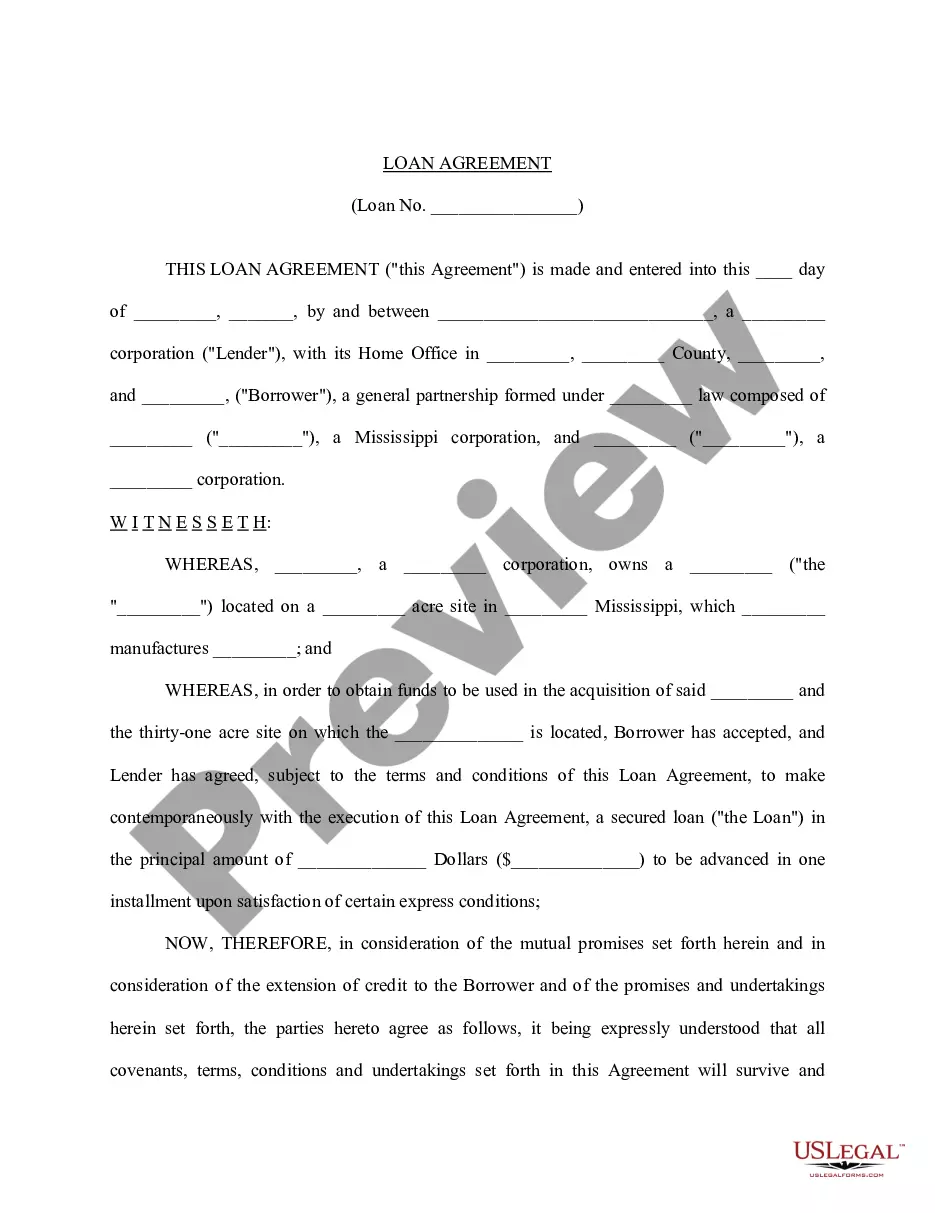
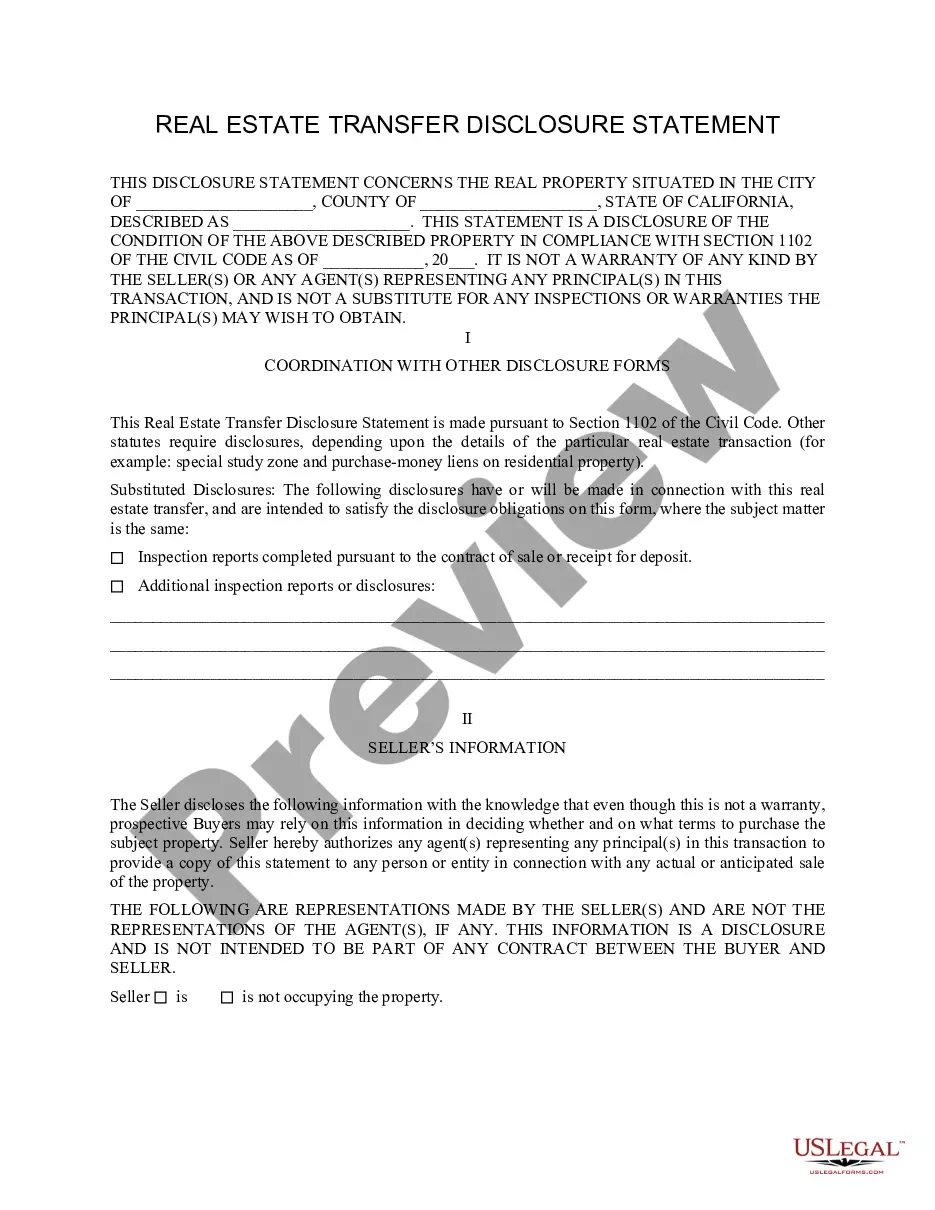
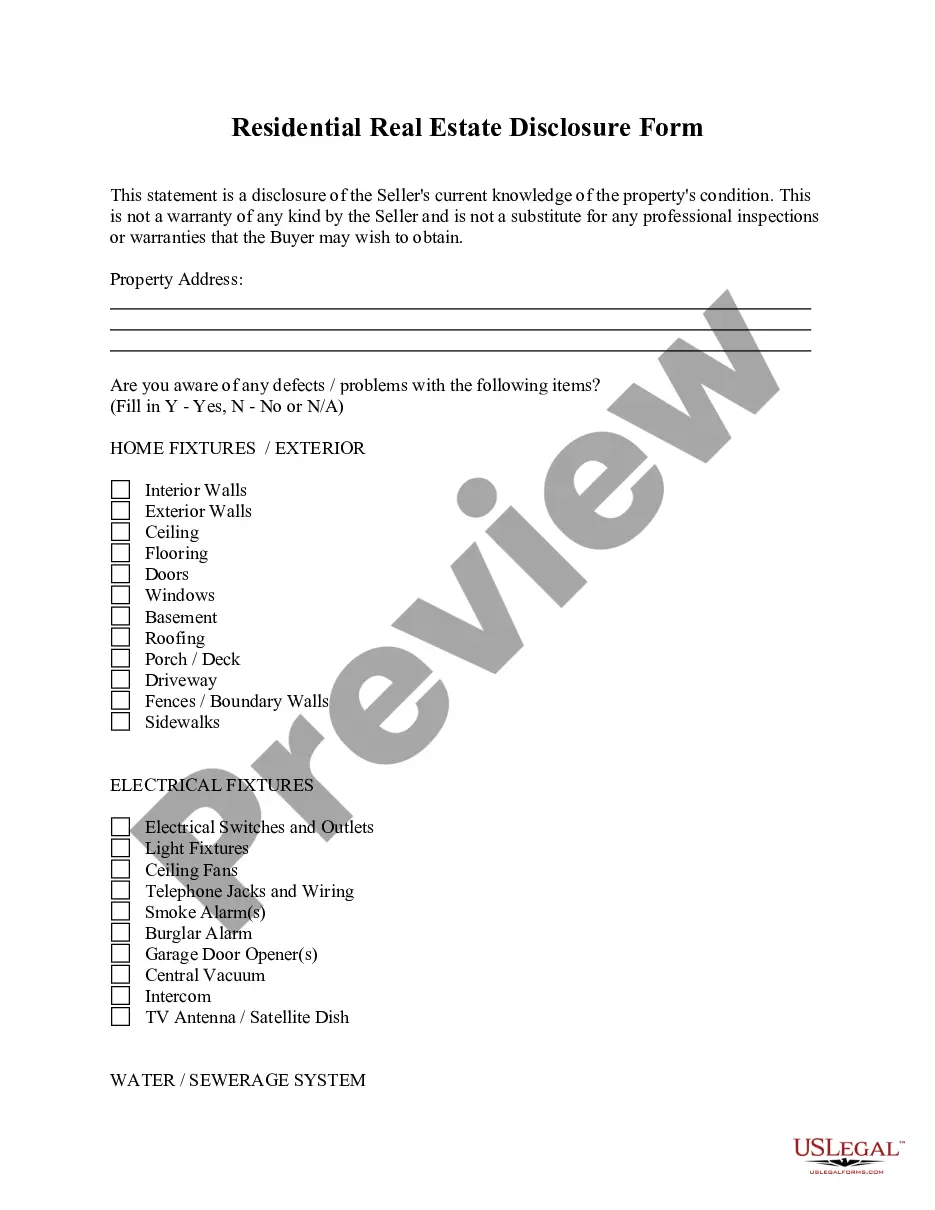
This form is a Seller's Disclosure Statement. This disclosure statement concerns the condition of property described in the document. The seller acknowledges that the information contained in the form is true and accurate.
Georgia Seller's Real Estate Disclosure Statement
487 downloads
Description
Free preview
Get your form ready online
Our built-in tools help you complete, sign, share, and store your documents in one place.
Built-in online Word editor
Make edits, fill in missing information, and update formatting in US Legal Forms—just like you would in MS Word.
Export easily
Download a copy, print it, send it by email, or mail it via USPS—whatever works best for your next step.
E-sign your document
Sign and collect signatures with our SignNow integration. Send to multiple recipients, set reminders, and more. Go Premium to unlock E-Sign.
Notarize online 24/7
If this form requires notarization, complete it online through a secure video call—no need to meet a notary in person or wait for an appointment.
Store your document securely
We protect your documents and personal data by following strict security and privacy standards.

Make edits, fill in missing information, and update formatting in US Legal Forms—just like you would in MS Word.

Download a copy, print it, send it by email, or mail it via USPS—whatever works best for your next step.

Sign and collect signatures with our SignNow integration. Send to multiple recipients, set reminders, and more. Go Premium to unlock E-Sign.

If this form requires notarization, complete it online through a secure video call—no need to meet a notary in person or wait for an appointment.

We protect your documents and personal data by following strict security and privacy standards.
Looking for another form?

How to fill out Seller's Real Estate Disclosure Statement?
If you require to complete, download, or create legal document templates, utilize US Legal Forms, the largest repository of legal forms available online.
Employ the website's straightforward and user-friendly search function to locate the documents you need.
A range of templates for commercial and personal use are organized by category and titles, or keywords.
Step 4. Once you have identified the form you need, click the Acquire now button. Choose the pricing plan you prefer and enter your information to register for an account.
Step 5. Complete the transaction. You can use your credit card or PayPal account to finalize the purchase.
- Use US Legal Forms to obtain the Georgia Seller's Real Estate Disclosure Statement with just a few clicks.
- If you are already a US Legal Forms member, Log In to your account and click the Obtain button to acquire the Georgia Seller's Real Estate Disclosure Statement.
- You can also access forms you have previously downloaded in the My documents tab of your account.
- If you are using US Legal Forms for the first time, follow the steps outlined below.
- Step 1. Ensure that you have chosen the form for the correct city/state.
- Step 2. Use the Preview option to review the form's content. Do not forget to read the description.
- Step 3. If you are not satisfied with the form, use the Search field at the top of the screen to find other variations of your legal form template.
Form popularity
FAQ
In general, a disclosure document is supposed to provide details about a property's condition that might negatively affect its value. Sellers who willfully conceal information can be sued and potentially convicted of a crime. Selling a property "As Is" will usually not exempt a seller from disclosures.
Georgia real estate law stipulates that you must disclose any material defects that would cause a person to pay less or not at all for the property. A material defect is a problem with a component or system of the property that is unsafe to others or decreases the value of the real estate.
Here are eight common real estate seller disclosures to be aware of, whether you're on the buyer's side or the seller's side.Death in the Home.Neighborhood Nuisances.Hazards.Homeowners' Association Information.Repairs.Water Damage.Missing Items.Other Possible Disclosures.
Although a formal home disclosure agreement is not mandated by law in Georgia, it is in your best interest to let a buyer know about significant defects in your home. Honestly telling a buyer about problems with your home will help protect you from potential lawsuits.
In Georgia, designated agency is denied by state statute not to be dual agency. (d) Dual Agency: Georgia law allows both parties to agree to have one agent or broker represent them in a real estate transaction at the same time.
Georgia, like most other states, has disclosure obligations that require the sellers of commercial and residential real estate to reveal to potential buyers certain defects that exist. The state enacts these requirements in order to ensure buyers can make as informed purchase decisions as possible.
This secrecy is not permitted by law under any circumstances. Sellers are obliged to declare all the positive and negative details. With 100% complete information about a property, the buyer must be able to make the right decision.
Agency Disclosure (§ 520-1-. 06(4)(b)) No standardized form. Georgia law demands that licensees describe to both buyers and sellers the relationship established upon accepting representation by an agent.
The purpose of the agency disclosure form is to protect the client. Upon signing, there is no contractual obligation to exclusively work with that agent, however, this document does make sure that everyone who hires a real estate agent understands the full scope of their relationship dynamic.