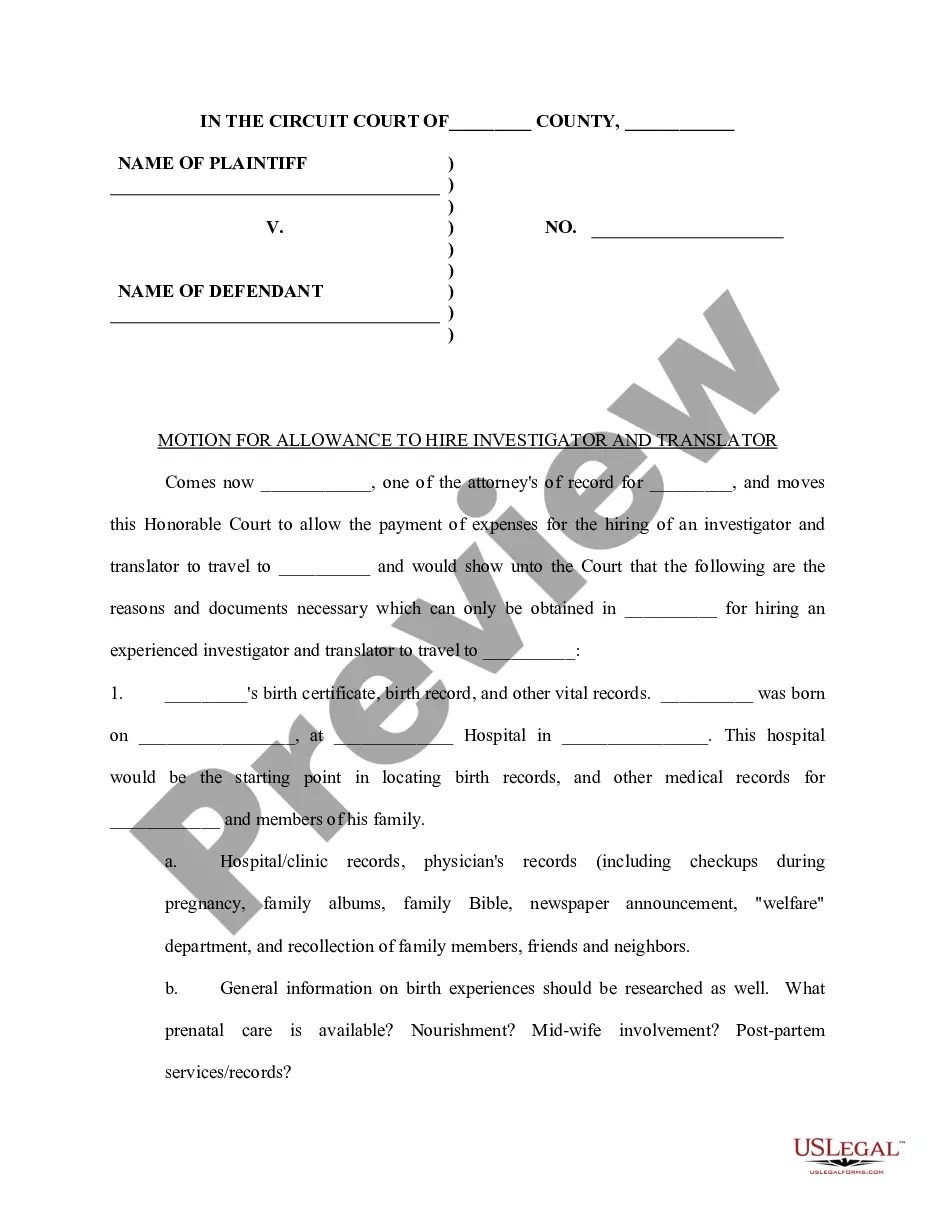
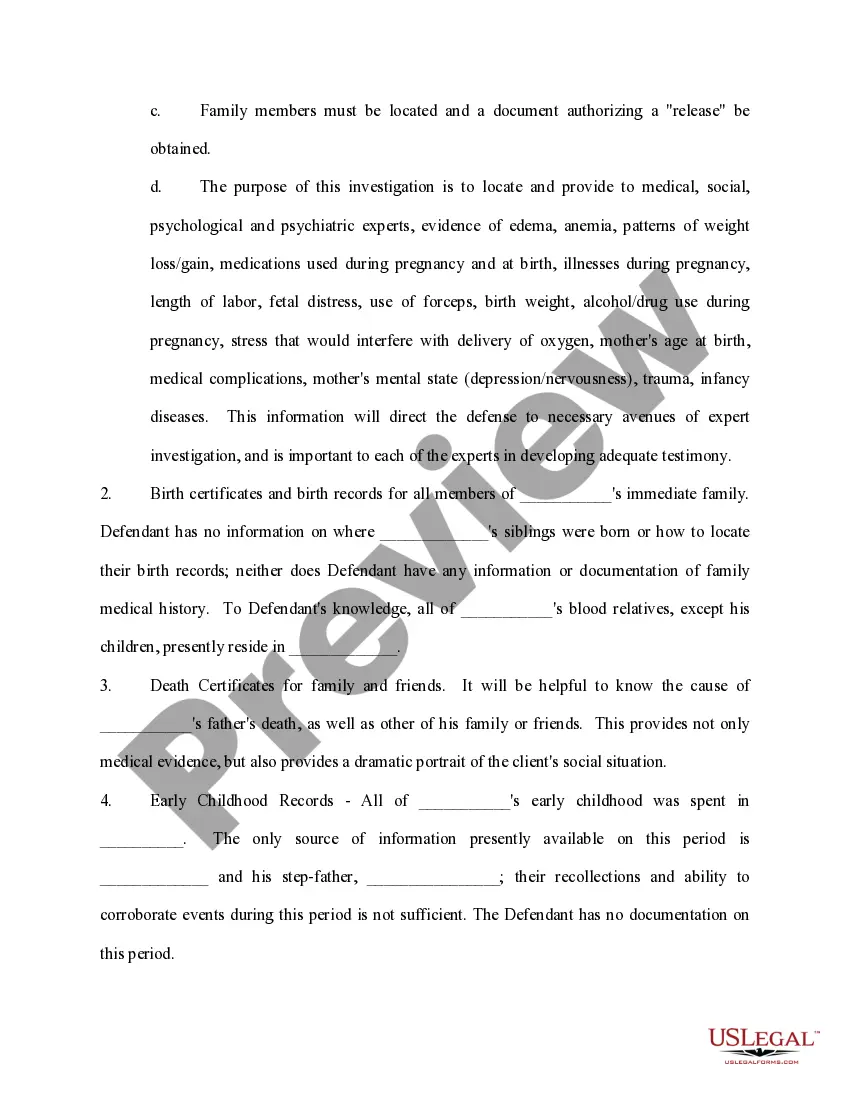
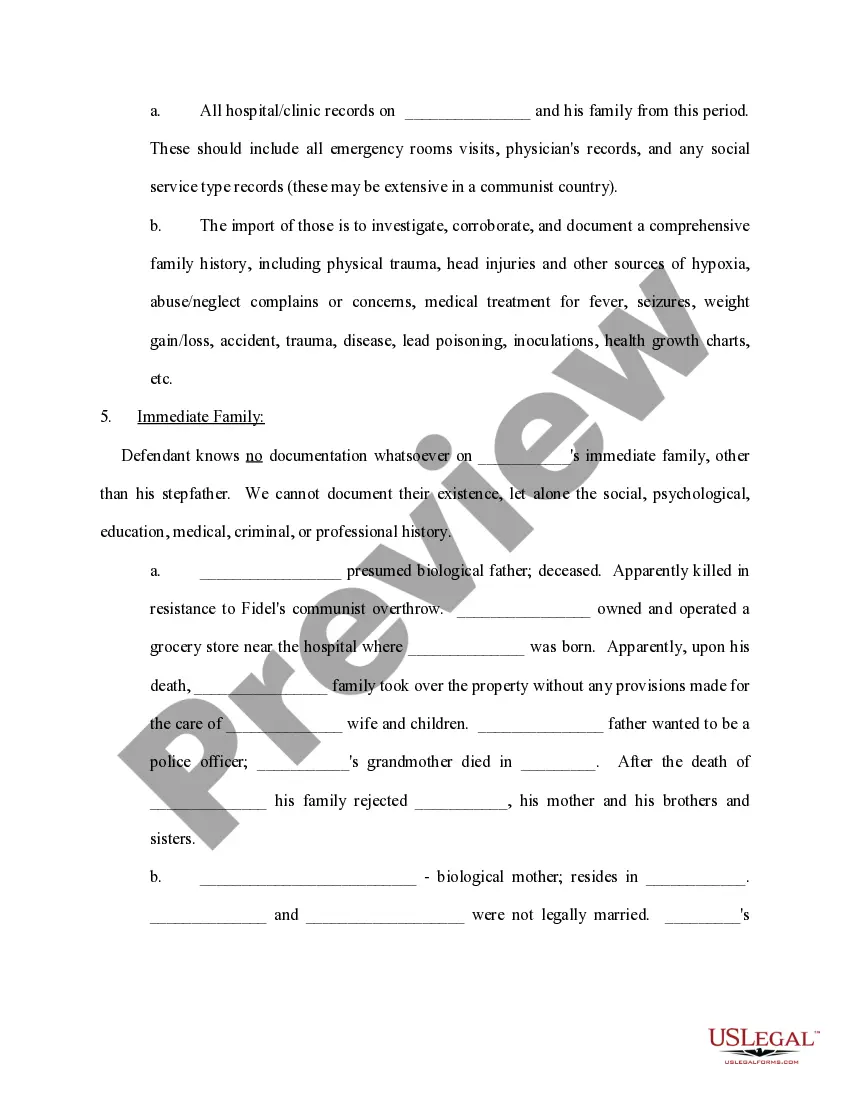
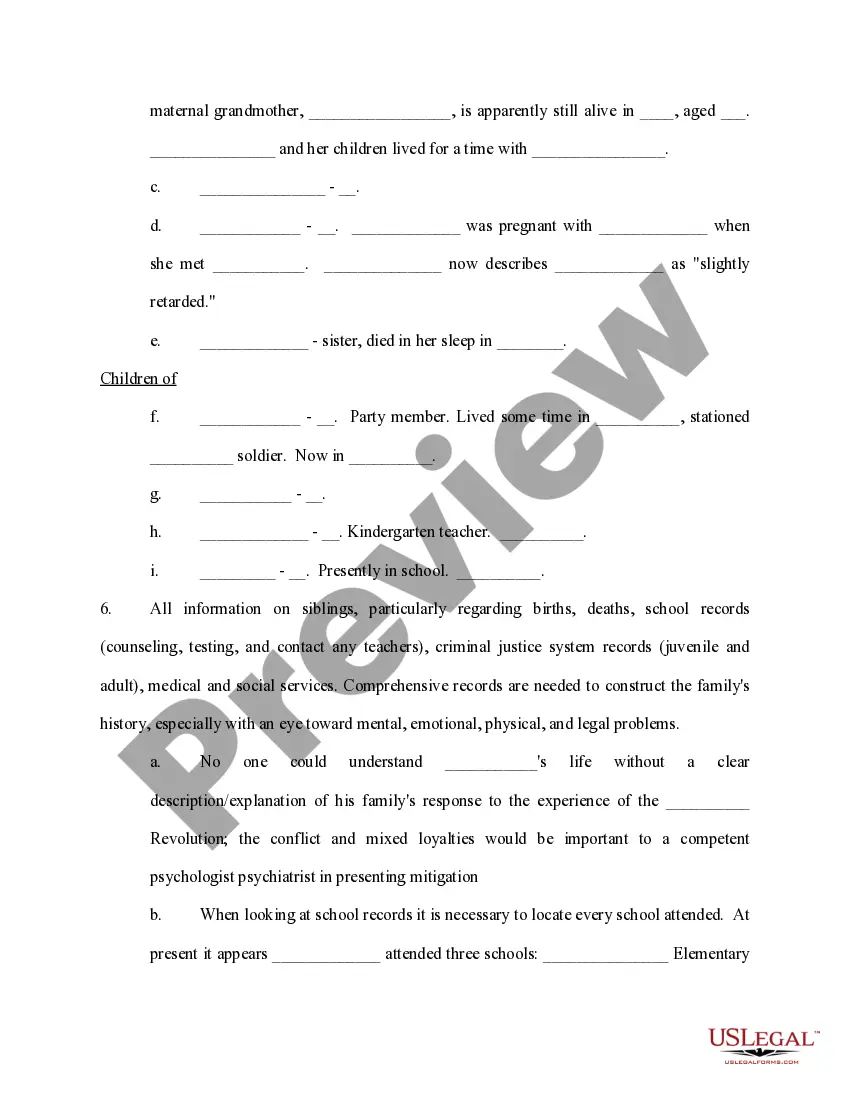
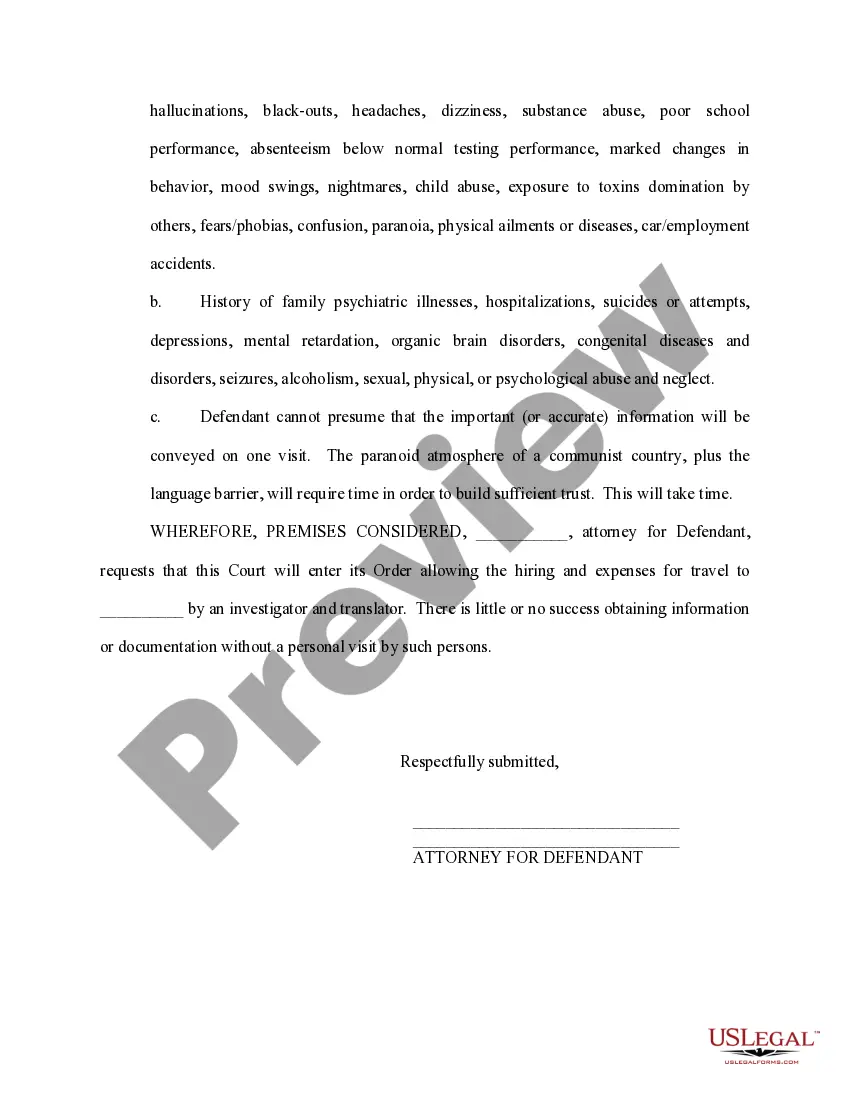
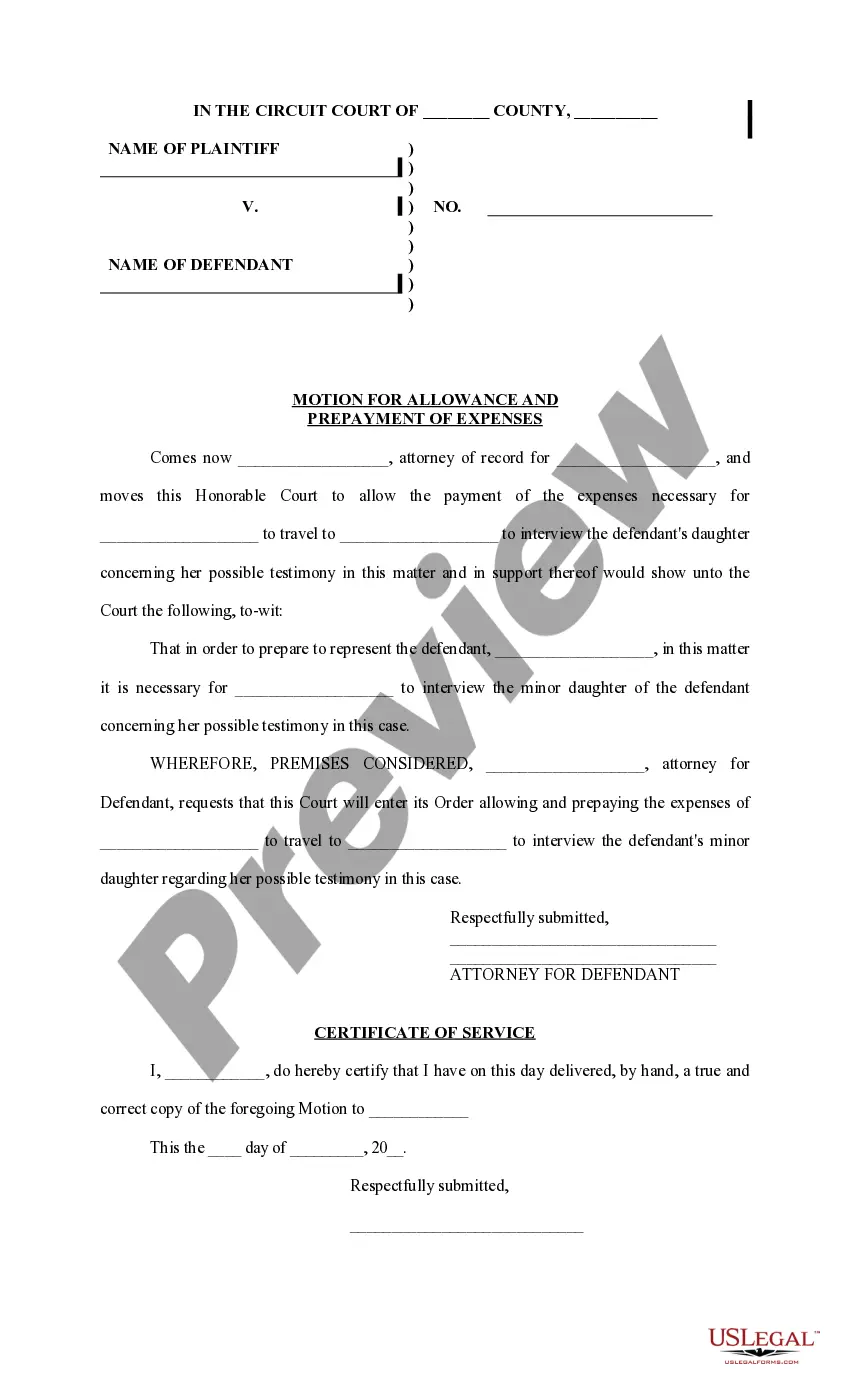
Georgia Motion for Allowance to Hire Investigator and Translator
Description
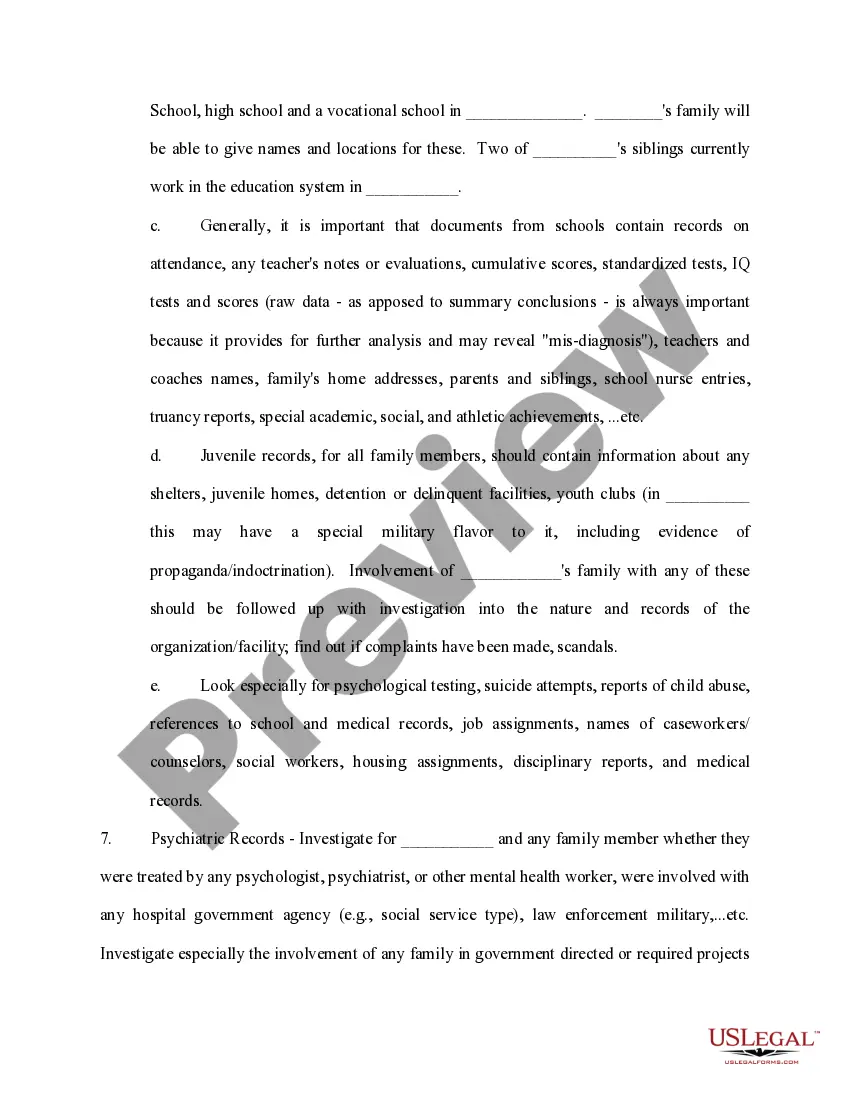
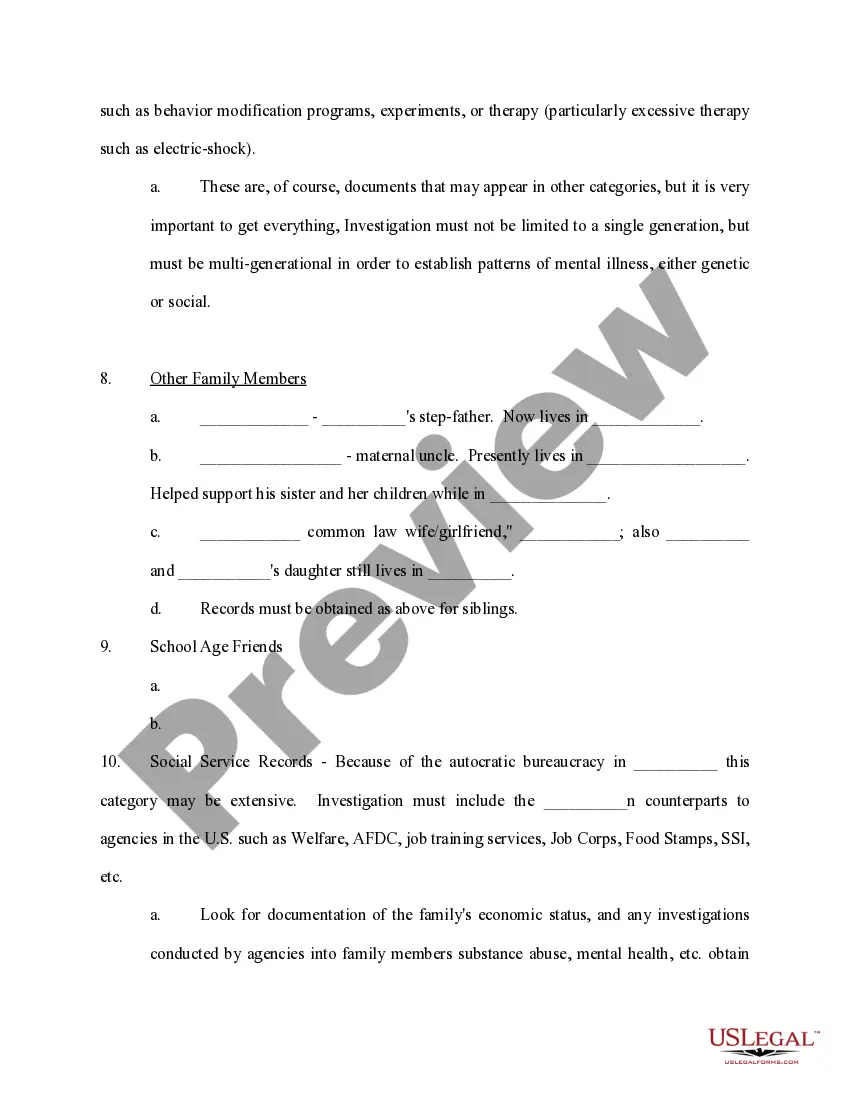
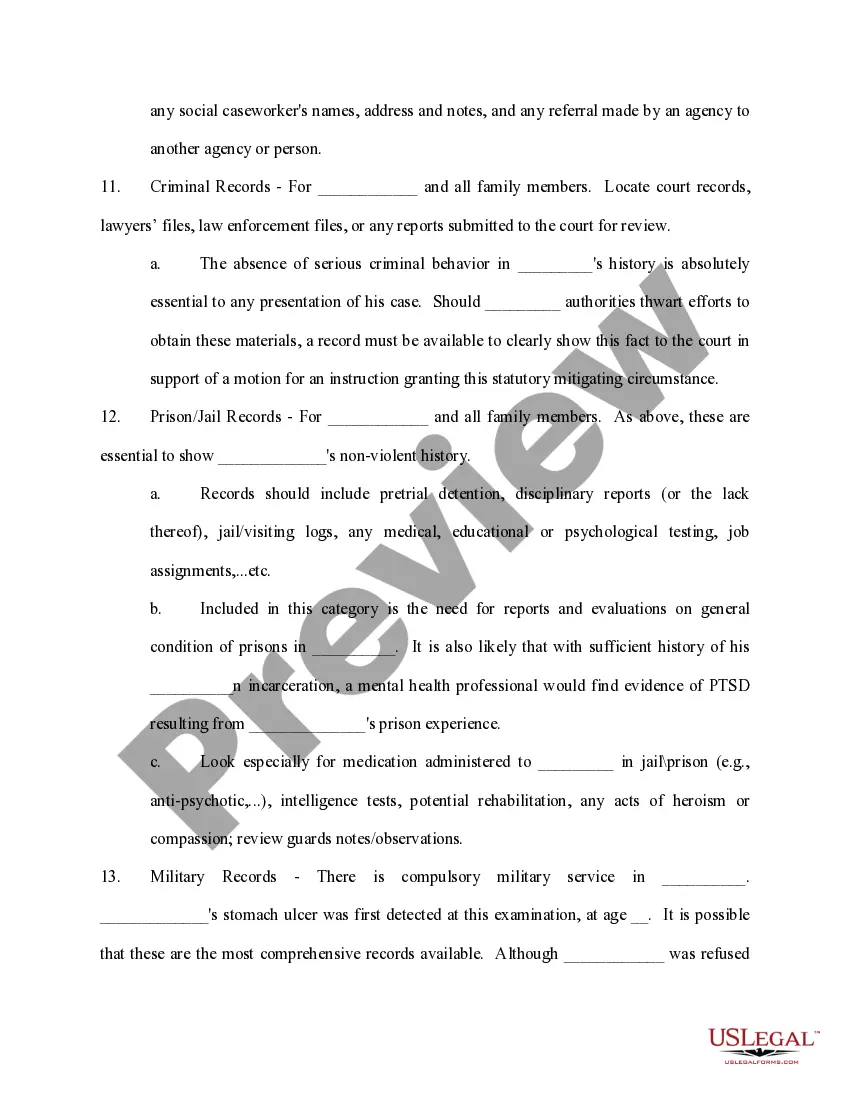
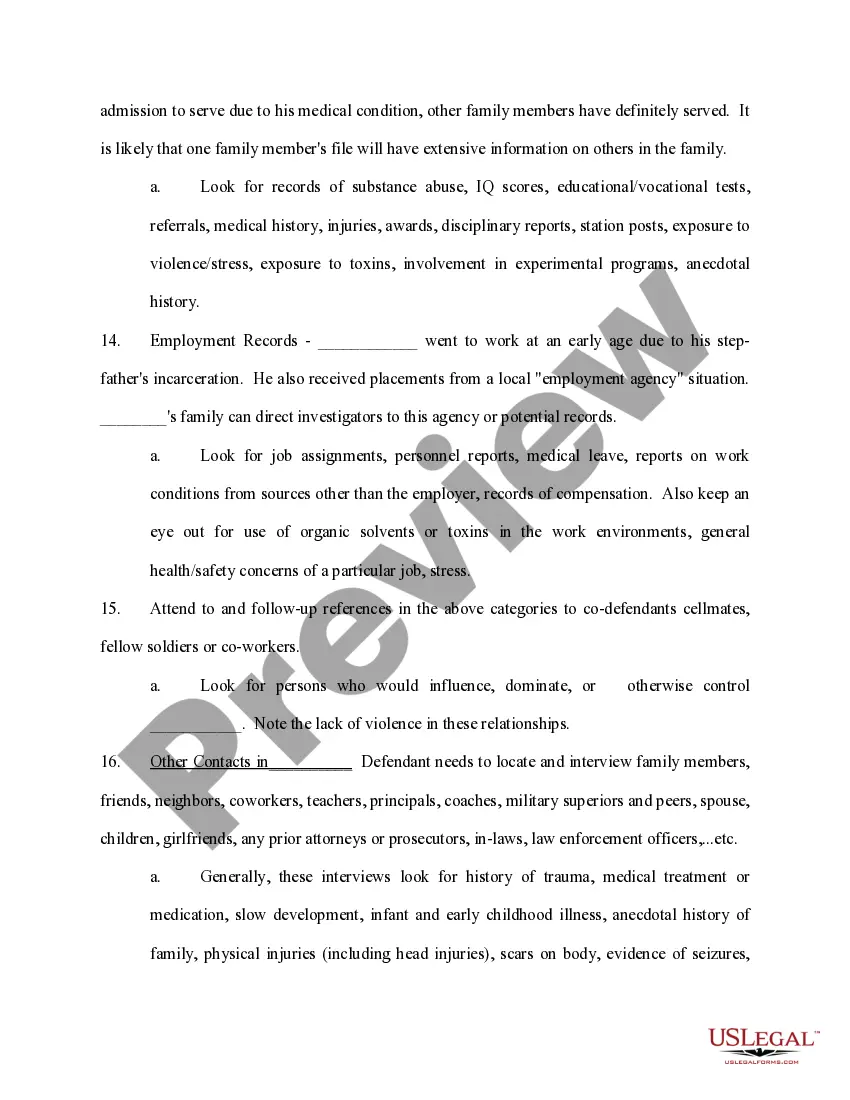
Get your form ready online
Our built-in tools help you complete, sign, share, and store your documents in one place.
Make edits, fill in missing information, and update formatting in US Legal Forms—just like you would in MS Word.
Download a copy, print it, send it by email, or mail it via USPS—whatever works best for your next step.
Sign and collect signatures with our SignNow integration. Send to multiple recipients, set reminders, and more. Go Premium to unlock E-Sign.
If this form requires notarization, complete it online through a secure video call—no need to meet a notary in person or wait for an appointment.
We protect your documents and personal data by following strict security and privacy standards.

Make edits, fill in missing information, and update formatting in US Legal Forms—just like you would in MS Word.

Download a copy, print it, send it by email, or mail it via USPS—whatever works best for your next step.

Sign and collect signatures with our SignNow integration. Send to multiple recipients, set reminders, and more. Go Premium to unlock E-Sign.

If this form requires notarization, complete it online through a secure video call—no need to meet a notary in person or wait for an appointment.

We protect your documents and personal data by following strict security and privacy standards.
Looking for another form?
How to fill out Motion For Allowance To Hire Investigator And Translator?
Are you in a situation where you require documentation for either business or personal matters on a daily basis? There are numerous legal document templates available online, but finding reliable ones is not easy.
US Legal Forms offers a vast selection of form templates, such as the Georgia Motion for Allowance to Hire Investigator and Translator, designed to comply with federal and state regulations.
If you are already familiar with the US Legal Forms website and have an account, simply Log In. Afterwards, you can download the Georgia Motion for Allowance to Hire Investigator and Translator template.
Select a convenient file format and download your copy.
Access all the document templates you have purchased in the My documents section. You can obtain an additional copy of the Georgia Motion for Allowance to Hire Investigator and Translator at any time, if needed. Simply select the desired form to download or print the document template. Use US Legal Forms, the most extensive collection of legal forms, to save time and avoid mistakes. The service provides well-crafted legal document templates that can be utilized for various purposes. Create an account on US Legal Forms and begin simplifying your life.
- If you don't have an account and wish to start using US Legal Forms, follow these steps.
- Find the form you need and ensure it's for the correct city/state.
- Use the Preview button to review the document.
- Check the description to make sure you have chosen the right form.
- If the form isn't what you're looking for, utilize the Search section to find the form that fits your needs.
- Once you find the appropriate form, click Get now.
- Choose the pricing plan you want, fill in the necessary information to create your account, and pay for the transaction using your PayPal or credit card.
Form popularity
FAQ
Powers of trial court as to depositions. - Trial court has the power under O.C.G.A. § 9-11-26 to control the details of time, place, scope, and financing of a deposition for the protection of the deponents and parties.
2) When does discovery start? In Georgia, discovery typically lasts six months from the date that the defendant files an Answer to your Complaint. This period is often extended by the parties or the court if the case involves complex issues or there are unforeseen delays.
Understanding the Georgia Discovery Process It is a legal process in which both parties exchange information relevant to the case. This information can be used to prepare for trials or negotiations.
Parties may obtain discovery by one or more of the following methods: depositions upon oral examination or written questions; written interrogatories; production of documents or things or permission to enter upon land or other property for inspection and other purposes; physical and mental examinations; and requests ...
The party upon whom the request is served shall serve a written response within 30 days after the service of the request, except that a defendant may serve a response within 45 days after service of the summons and complaint upon that defendant. The court may allow a shorter or longer time.
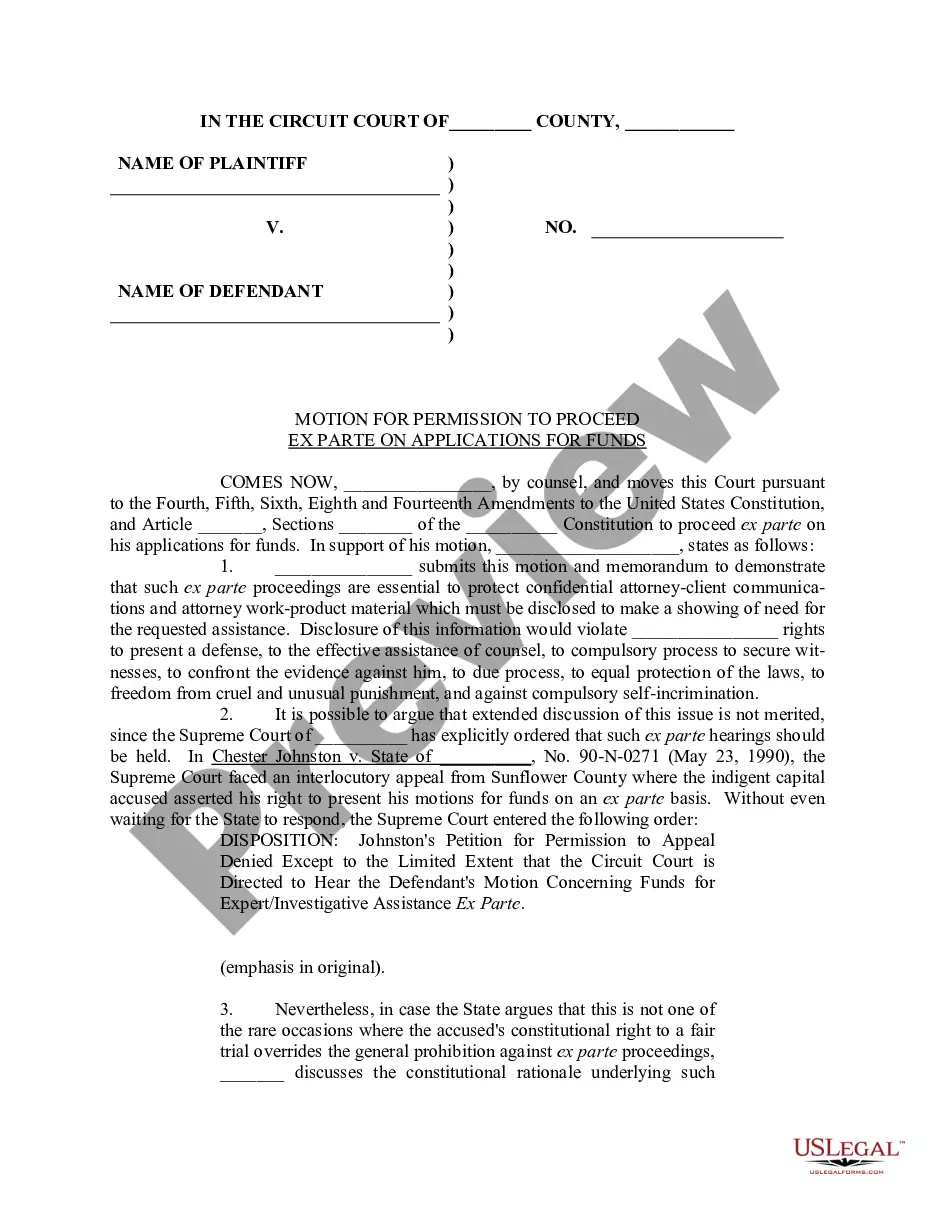
Rule 5.2 - Ex parte orders. Under compelling circumstances, a motion for temporary limitation of access, not to exceed thirty (30) days, may be granted, ex parte, upon motion accompanied by supporting affidavit.
- In exercising the court's discretion on a motion to sever, the trial court must consider three factors: (1) whether the number of defendants creates confusion as to the law and evidence to be applied to each; (2) whether a danger exists that evidence admissible against one defendant might be considered against the ...
Under OCGA § 9?15?14, a trial court may award attorney fees against any party who has acted to cause delay or harassment or who has unnecessarily expanded the litigation by improper conduct including discovery abuses.